REVIEW · KYOTO
Visiting to Katsura Imperial villa and tea ceremony experience
Book on Viator →Operated by Miyagawa Tokusaburo Shoten · Bookable on Viator
Kyoto history arrives with tea and a kimono. You get Katsura Imperial Villa access paired with a real tea ceremony setting, plus you dress in an antique kimono before you even step into the grounds. I like how much of the day is built around craft and etiquette, not just sightseeing, and I also like the calm pace after you leave the crowds of central Kyoto. The one real caution is price: the garden entry alone is about ¥3,000 per person, so you’re paying extra for the kimono, tea training, and the ticket arrangements.
What makes this work for your day is the hand-holding. The owner, Tokusaburo Miyagawa (often called Toku), helps coordinate the hard-to-get numbered entry tickets for Katsura, and you’re picked up and dropped off from his shop about 5 minutes away. If you prefer every sentence to be live English, note that the villa narration may come through audio/headsets rather than a continuously live guide during the garden portion.
In This Review
- Key points to know before you go
- Katsura Imperial Villa: 400 years of garden design and Sukiya details
- Getting there in one piece: pickup, timed tickets, and a small-stress plan
- Antique kimono fitting with Tokusaburo Miyagawa’s guidance
- The tea ceremony at a 100-year-old house: matcha, sweets, and etiquette
- Price and value: what you’re actually paying for
- How the timing works in Kyoto (and how to prepare)
- Who should book this (and who should skip it)
- Should you book Katsura Imperial Villa plus tea ceremony?
- FAQ
- How long does the experience last?
- What time does it start?
- Where is the meeting point?
- Is this a private tour?
- What’s included in the price?
- Does the tour include Katsura Imperial Villa admission?
- What happens during the tea ceremony?
- Do I get help choosing and wearing the kimono?
- What if the weather is bad or I need to cancel?
Key points to know before you go
- Katsura Imperial Villa (built in 1615) with timed, limited viewing hours
- Sukiya-style tea house setting inside the villa grounds
- Antique kimono rental and dressing, including obi guidance
- Matcha tea and Japanese sweets plus a tea ceremony lesson in a 100-year-old house
- Toku accompanies you, with an English-speaking service available
- Private setup: it’s only your group during this activity
Katsura Imperial Villa: 400 years of garden design and Sukiya details
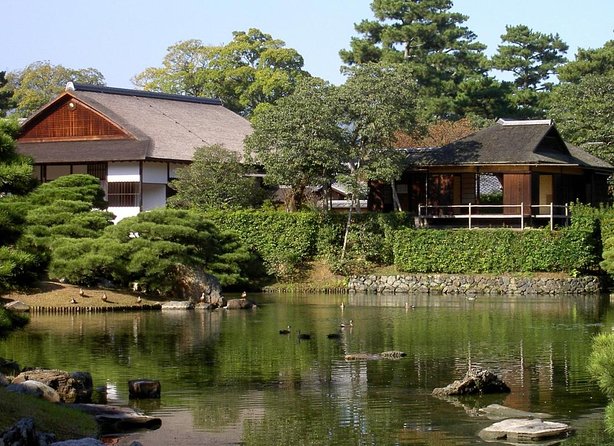
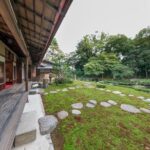
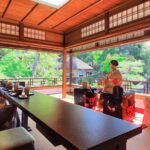
Katsura Imperial Villa is famous for a reason: it’s a rare surviving example of an imperial villa that still feels close to how it was meant to be experienced. The place was built in 1615, and while it has been renovated many times, it has stayed almost unchanged in spirit for about 400 years. The garden design is built around circular flow, so the experience doesn’t feel like a straight-line checklist.
What I think you’ll appreciate most is that the villa isn’t just architecture-as-a-photo. It’s tied to how Japanese aesthetics were expressed through tea culture. Katsura also includes a tea setting associated with Sukiya style, the traditional architectural language often linked to tea rooms and quiet hospitality.
You should also know the viewing is controlled. Katsura doesn’t open like a typical tourist site where you can wander whenever you want. Access happens during limited hours, and your day is structured around that reality. That’s part of why this experience wraps the villa visit into a guided, arranged format.
You can also read our reviews of more tours and experiences in Kyoto.
Getting there in one piece: pickup, timed tickets, and a small-stress plan
Your start point is at the tea ceremony location address in Katsuranozatocho (Nishikyo Ward), and the experience begins at 1:00 pm. From there, you’re set up for transport to Katsura Imperial Villa and then brought back to the same meeting spot when you’re done.
The practical win here is ticket management. Since Katsura entry is limited and requires numbered admission tickets, you don’t want to spend your Kyoto trip trying to decode the rules yourself. This plan has Toku and his shop handle the complicated part so you can focus on the experience inside.
One more thing: this is listed as a private tour/activity, meaning it’s only your group. That tends to matter in places with strict timing, where you don’t want to be squeezed into a mega-group shuffle.
Antique kimono fitting with Tokusaburo Miyagawa’s guidance
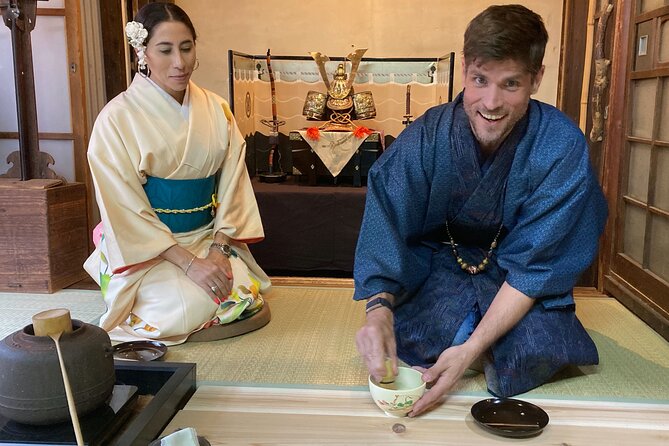
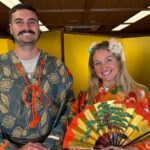
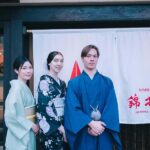
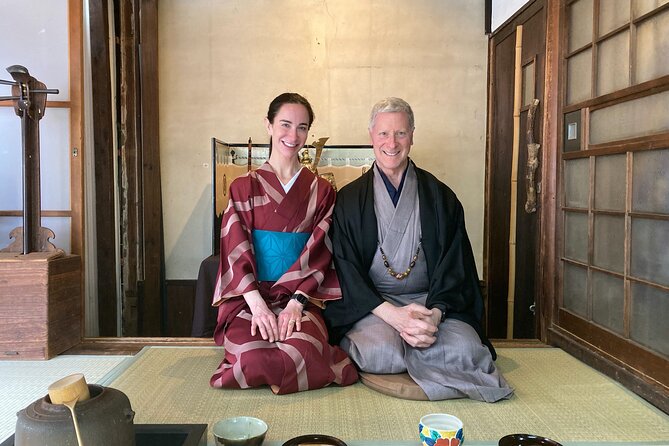
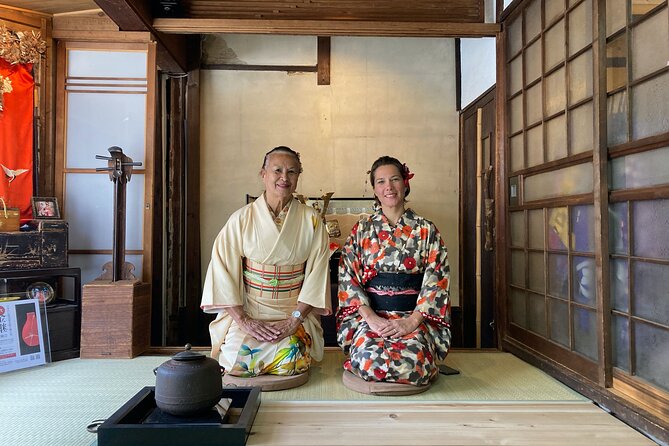
Before you go anywhere near the villa grounds, you’ll dress for the day. You rent an antique kimono, and dressing is included. Toku’s shop has you select and coordinate the kimono and obi, with help from the fourth-generation owner, Tokusaburo Miyagawa.
The kimono detail matters because this isn’t just a costume rental. The experience description specifies an antique kimono from the early Showa period, and the styling support is part of what you’re paying for. If you’ve ever worn a kimono before, you know the hard part is always the finishing touches: how it sits, how the obi is placed, and how it feels as you walk.
This is also the moment where you learn small but useful things about kimono design and how wearing one changes your posture and movement. You’ll likely find that the kimono doesn’t just add photos—it changes the way you experience the day. You move slower, look up more, and you stop treating the garden like a background.
In the tea ceremony portion, you’ll wear the same kimono setup, so it’s a single outfit carried through the day rather than a costume change.
The tea ceremony at a 100-year-old house: matcha, sweets, and etiquette
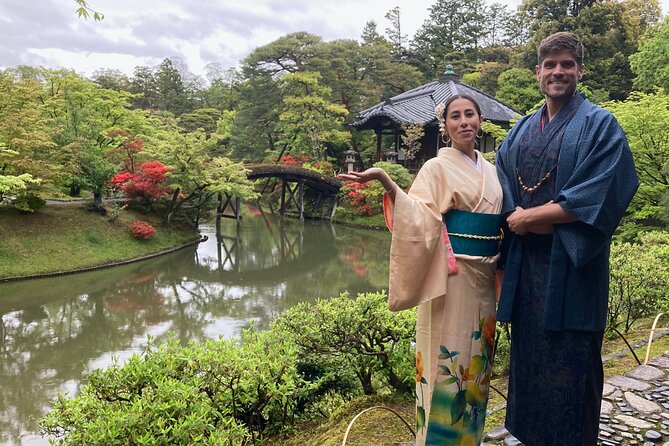
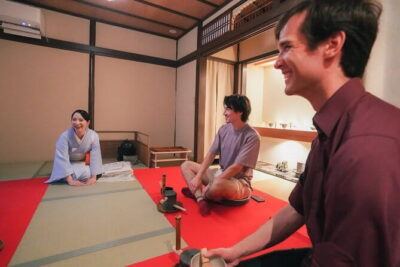
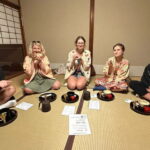
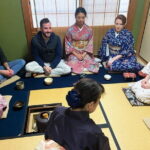
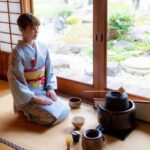
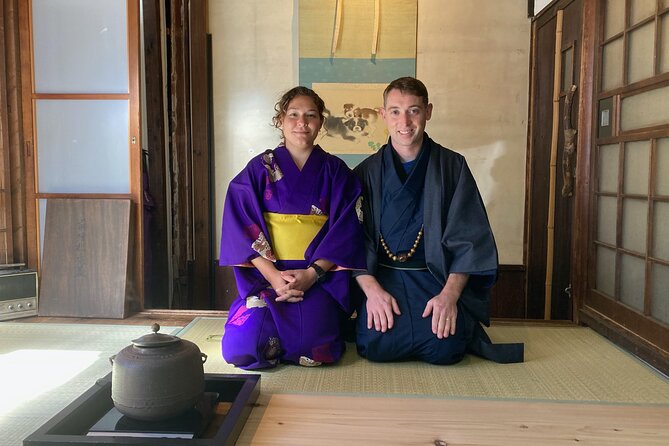
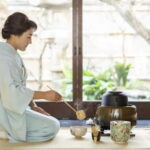
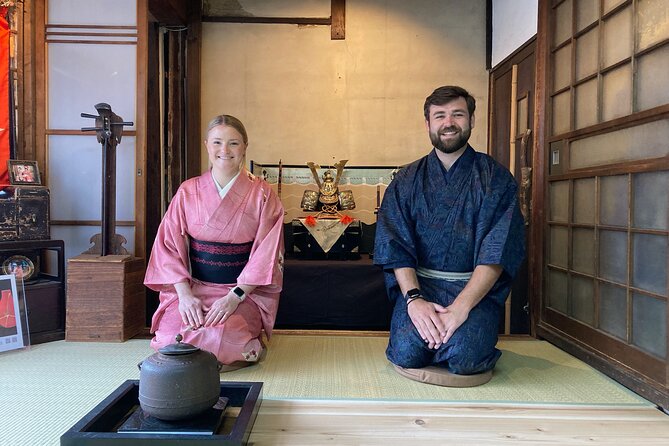
After Katsura, you head to the tea ceremony in a traditional Japanese house that’s described as 100 years old. The key difference from doing tea in a busy city area is pacing. The plan is designed so you can slow down and settle into the ceremony setting more easily.
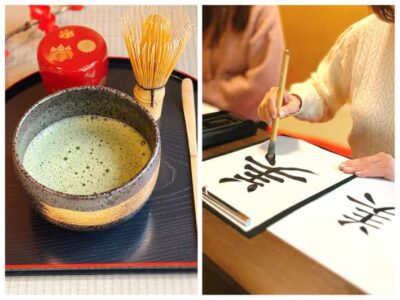
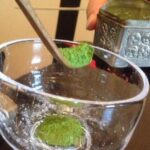
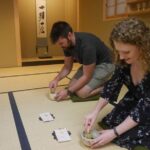
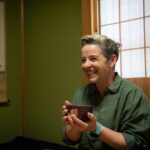
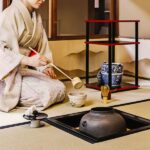
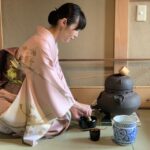
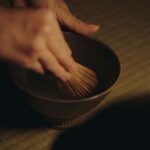
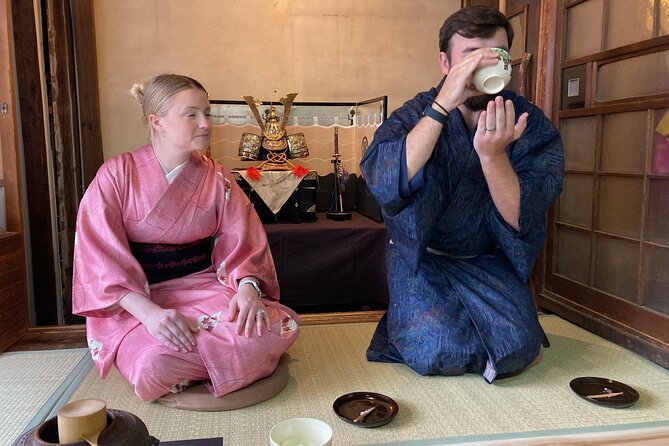
You’ll get matcha tea and sweets (described as main sweets made by a local Japanese confectioner in Katsura, Kyoto). Then you learn the proper way to prepare and drink matcha. This is one of those cultural experiences that can be superficial if you just sit and watch—so I like that you’re set up to practice the basics, not just observe.
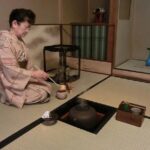
The tea ceremony includes an owner demonstration as well. Even if you don’t catch every word, you’ll follow the flow: how the tools are handled, how the tea is made, and how guests are expected to receive it. Tea etiquette is subtle. Small gestures are the point, not performance.
One caution based on what’s been shared before: the tea ceremony part can feel lively and fast-moving, so if you get nervous in group settings, treat it like a calm classroom with a bit of stage energy. Go in expecting instruction, not silence.
Price and value: what you’re actually paying for
At $169.90 per person for about 3 hours, the value question is fair. If you compare it to the villa admission alone, one reported comparison puts Katsura garden entry around ¥3,000 per person. By that math, you’re paying extra well beyond the gate fee.
Here’s what likely justifies the rest of the price, and what you should check against your own priorities:
- Ticket arrangement for limited, numbered entry (hard part of Katsura access)
- Transportation between the shop and Katsura (so you’re not solving logistics mid-day)
- Kimono rental plus dressing (including guidance for obi and fit)
- Tea ceremony fee with matcha and Japanese sweets, held at the shop
If your top goal is simply seeing the villa garden, you could spend less by arranging admission yourself. If your top goals include dressing in an antique kimono and learning matcha etiquette in a structured setting, this starts to look like a good package deal—especially because it takes the stress out of Katsura access.
Also, note that English service is available. Still, in some parts of the day you may get English through audio/headsets rather than continuous live narration. If you want a highly interactive English guide at every second, this is the main mismatch to watch for.
How the timing works in Kyoto (and how to prepare)
A 1:00 pm start is a smart slot if you want to avoid the morning rush at popular sites. It also gives you time earlier in the day to wander Arashiyama/Katsura-area streets at your own pace, then focus on cultural activities after lunch.
With kimono days, comfort matters more than you’d think. Wear shoes you can walk in confidently for the villa grounds. Don’t wear anything that makes you tug constantly at clothing, because kimono comfort comes from letting the outfit do its job.
For the tea portion, keep in mind that you’ll be in the kimono for the ceremony. So plan your day so you’re not sprinting between stops. If you’re the type who hates waiting, remember: tea ceremony pacing isn’t meant for speed.
Finally, weather matters here. The experience specifies good weather is required, and if it’s canceled due to poor weather, you’ll be offered a different date or a full refund.
Who should book this (and who should skip it)
This experience is a strong match if you want a Kyoto day shaped by two classic cultural pillars: Katsura’s garden-tea connection and a hands-on matcha ceremony in a traditional house.
You’ll probably enjoy it most if:
- You care about the meaning behind tea etiquette, not just the photo angle
- You want to wear an antique kimono without dealing with the complicated parts yourself
- You value a stress-reduced plan for Katsura’s limited access
You might want to skip or shop for a different option if:
- You’re extremely cost-focused and only care about the villa garden itself
- You expect a fully live English guide at every single moment
- Group-style instruction makes you uncomfortable
Should you book Katsura Imperial Villa plus tea ceremony?
If your dream Kyoto includes time in Katsura and you also want kimono dressing plus a structured matcha lesson, this is a solid way to do it. The villa is hard to access smoothly, and the plan removes that headache. The biggest downside is the price feeling high if you mentally compare it only to the garden admission fee.
I’d book it if you’ll actually use the included value: the antique kimono, the matcha-and-sweets tea ceremony, and the arranged Katsura entry. I’d reconsider if you mainly want architecture photos and would rather spend that budget on more Kyoto neighborhoods.
FAQ
How long does the experience last?
It lasts about 3 hours.
What time does it start?
The start time is 1:00 pm.
Where is the meeting point?
Meet at 32-4 Katsuranozatochō, Nishikyo Ward, Kyoto, 615-8073, Japan for the tea ceremony.
Is this a private tour?
Yes. It’s a private tour/activity, and only your group participates.
What’s included in the price?
The price includes antique kimono rental and dressing, the tea ceremony fee (matcha and Japanese sweets), Katsura same-day admission arrangement fee, round-trip transportation from the shop to Katsura, and the Katsura Imperial Villa entrance fee.
Does the tour include Katsura Imperial Villa admission?
Yes. Entrance fees for Katsura Imperial Villa are included, and same-day admission tickets are arranged.
What happens during the tea ceremony?
You’ll experience an authentic tea ceremony in a traditional Japanese house, including 2 cups of matcha and Japanese sweets. You also learn the proper way to drink and prepare matcha, plus you watch a demonstration.
Do I get help choosing and wearing the kimono?
Yes. You’ll choose and wear an antique kimono and obi with advice and help from Tokusaburo Miyagawa (the fourth-generation owner of the shop). Dressing is included.
What if the weather is bad or I need to cancel?
The experience requires good weather. If it’s canceled due to poor weather, you’ll be offered a different date or a full refund. Free cancellation is available up to 24 hours in advance for a full refund.