REVIEW · KYOTO
Kyoto: Tea Ceremony Experience
Book on GetYourGuide →Operated by Camellia Tea Ceremony · Bookable on GetYourGuide
Matcha gets surprisingly personal. I love the hands-on moment where you whisk your own bowl, and I love the quiet tea-room pacing that slows Kyoto down fast. One thing to plan for: you may spend part of the 45 minutes sitting on the floor, even though you can use chairs if you need to.
You’ll start in a classic Higashiyama machiya setting, then learn why the utensils, room decoration, and step-by-step procedure all matter. On top of that, hosts like Ikuko (and others) tend to explain everything in English clearly, with just enough time for questions before you try it yourself.
If you want an easy win in Kyoto, this is it: a focused, calm cultural stop near big sights. Still, it’s also not a walk-in museum—no filming, no rushing, and it’s fairly short at 45 minutes, so go when you’re ready to slow down.
In This Review
- Key highlights worth your time
- Kyoto’s tea ritual in a Higashiyama machiya setting
- What you learn first: utensils, room layout, and the ceremony flow
- The seasonal sweet pause: taste Kyoto while you talk
- Whisking your own matcha: the basics that stick
- Where to find it: Park Hyatt, Ninenzaka, and a narrow alley
- Comfort, photos, and the floor-sitting reality
- Kimonos and gift-shop take-home: what’s worth the add-ons
- Price and value: $32 for a 45-minute hands-on lesson
- Who this matcha ceremony is perfect for
- Should you book this Kyoto tea ceremony experience?
- FAQ
- How long is the Kyoto tea ceremony experience?
- Is the tea ceremony instruction available in English?
- Where is the meeting point?
- What is included in the price?
- What is not included?
- Are video recordings allowed?
- Can I take photos during the workshop?
- What if I can’t sit on the floor comfortably?
- Are the teahouses accessible for wheelchair users?
- What if I’m traveling with an interpreter or a child under 3?
Key highlights worth your time
- Your own matcha bowl, made with guided whisking and technique you can copy later
- Seasonal sweets paired with tea, so you taste Kyoto’s food season in miniature
- Utensil + room layout explanations, not just a performance
- You can ask about tea ceremony schools, with time to chat during the service
- A peaceful break from the crowds, right in Higashiyama’s everyday rhythm
Kyoto’s tea ritual in a Higashiyama machiya setting
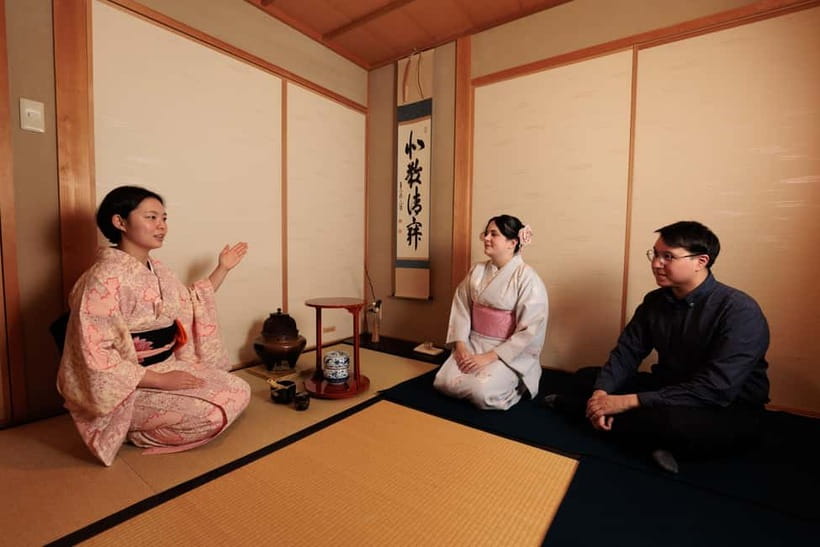
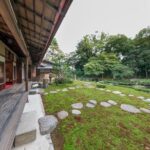
This is the kind of Kyoto experience that feels like a reset button. You begin in a traditional machiya in the Higashiyama district, where the setting sets the tone before you even touch the tea utensils. The pace is gentle, the movements are precise, and the whole thing runs for about 45 minutes—long enough to learn, short enough to still have energy for Kiyomizu-dera and Gion afterward.
What I like most is that you’re not just watching. You’re guided through the basics and then invited to make your own bowl. That hands-on part is where the ceremony stops being abstract and turns into something you can understand with your hands, your eyes, and your taste buds.
Also, this is structured for comfort and flow. The hosts explain the steps, you nibble along with the ceremony, and you get time for questions—so you leave with more than a full stomach and a few photos.
You can also read our reviews of more tours and experiences in Kyoto.
What you learn first: utensils, room layout, and the ceremony flow
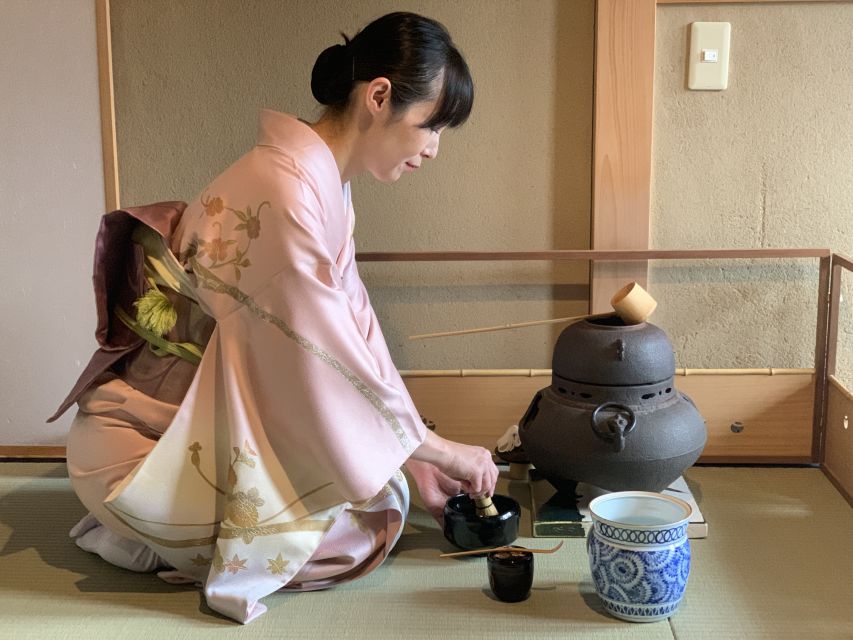
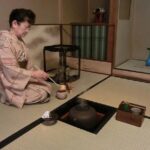
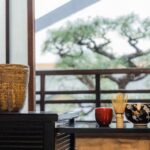
The session starts with an introduction to matcha and tea ceremony basics. Your host explains the utensils and what they’re for, then walks you through the sequence of the ceremony in plain terms. The room details matter here: you’ll also hear about the importance of the tearoom’s decoration and layout, because the ceremony is designed to feel intentional from the moment you sit down.
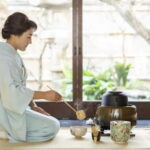
Then you watch the ceremony begin. This part is often described as calm and captivating, with the demonstration lasting around 10 minutes in at least one common format. You’ll notice that it’s not about speed—it’s about rhythm, care, and attention.
One smart touch: you’ll get context about the tradition, including questions about the three schools of tea ceremony. Even if you never become a tea specialist, it helps you understand what you’re seeing instead of treating it like a staged show.
The seasonal sweet pause: taste Kyoto while you talk
Before you start mixing your own matcha, you’ll have a moment with a seasonal sweet alongside your tea. This matters more than it sounds. Sweet + matcha is a classic pairing idea in tea culture, and it also gives you a chance to settle in without feeling rushed.
During this pause, you can chat with your host. You might ask about tea schools, Japanese culture, or anything else you’re curious about. I like this part because it turns the ceremony into a conversation, not a one-way lecture. It’s also when you’ll often get practical explanations for why the movements look the way they do.
And yes—matcha can be bitter if you’re used to sweeter drinks. That’s normal. You’ll get coached on how to prepare it properly, and once you taste it in the intended form, the flavor makes more sense.
Whisking your own matcha: the basics that stick
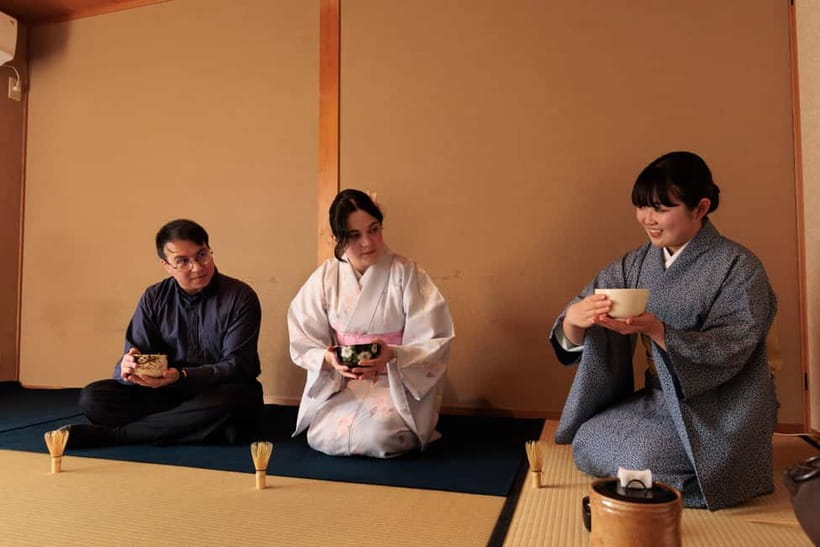
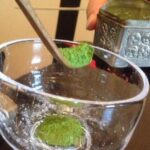
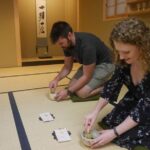
The main event is making your own bowl. With help from your host, you’ll learn the basics of frothing matcha into a smoother, lighter texture. The instructions are geared toward beginners, and the goal isn’t perfection—it’s getting the method right enough that you can taste the difference.
You’ll see that the whisking technique matters. In one standout example, Ikuko helped a guest whisk their matcha into a good foam, which is exactly what you want your finished bowl to look like. You’re learning a skill, not just pouring powder into water.
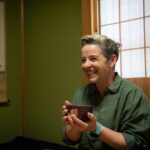
Once you’ve made it, you drink it as part of the ceremony flow. This is a small moment, but it’s powerful: you’re participating in Kyoto’s ritual, not just consuming it. And because you made it yourself, you’ll be able to remember what you felt and tasted—not just what the host said.
Where to find it: Park Hyatt, Ninenzaka, and a narrow alley
Location is a big deal with Kyoto experiences, because signage can be… optimistic. This one is described as easy once you know the anchor points.
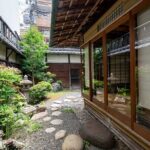
Start at Park Hyatt. Opposite it, you’ll find a Studio Ghibli store. The alley is just to the left of that store, branching from the main thoroughfare of Ninenzaka in Higashiyama. From there, the teahouse is down the alley.
I’m glad they make the meeting point simple. Higashiyama can be maze-like, especially around popular sights, so having a clear landmark keeps the start from feeling stressful.
Also note: the tearooms are upstairs. If stairs are an issue, the information you’re given is that the Garden Teahouse is wheelchair accessible, while chairs and tables are available if you have trouble sitting on the floor.
Comfort, photos, and the floor-sitting reality
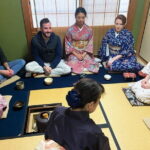
Tea ceremonies can be sentimental, but they’re also physical. This experience plans for that. Chairs and tables are available for guests who find it difficult to sit on the floor. Still, you should assume you may sit on the floor for part of the session, since that’s the traditional setup.
One guest even pointed out that it can get uncomfortable after about 40 minutes on the bum and knees—so don’t treat it like a do-nothing experience. If you’re even slightly unsure, ask for chair seating when you arrive. The hosts encourage you to get comfortable, and that’s a big part of why the experience stays relaxing.
On the photo side: video recording is not allowed. Non-flash still photography is permitted during the workshop. So you can take pictures, but keep it discreet and respectful.
Finally, restrooms are available, which is worth knowing in any Kyoto neighborhood where you can walk past a lot of interesting corners before you find a bathroom.
Kimonos and gift-shop take-home: what’s worth the add-ons
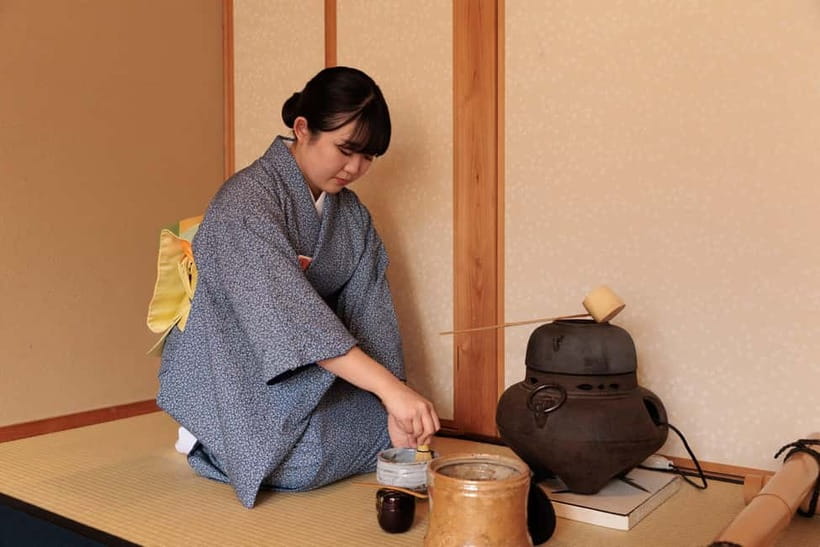
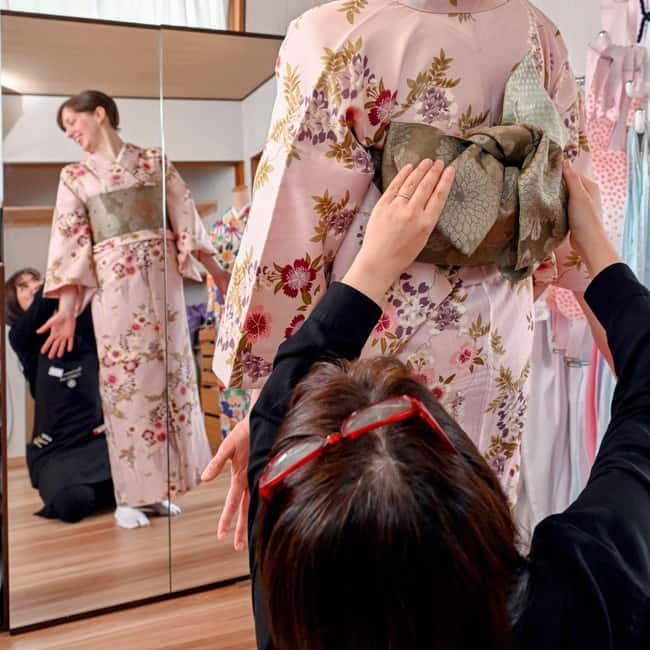
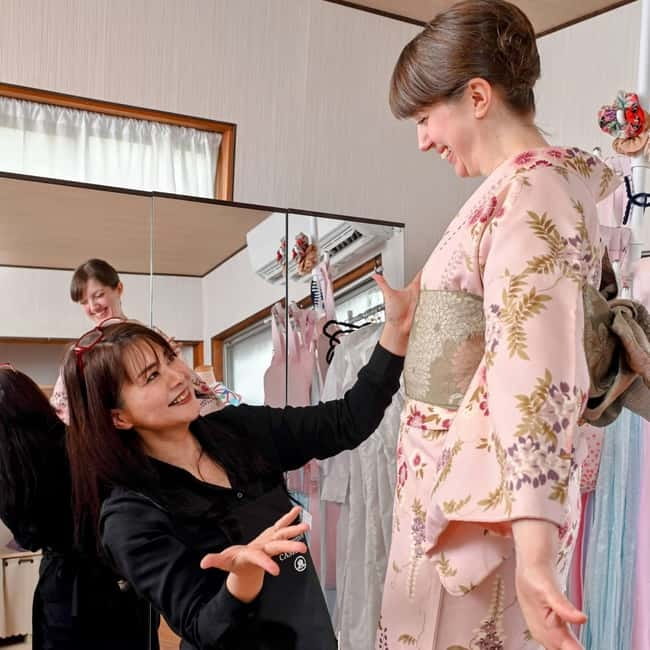
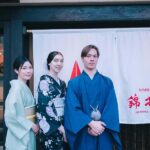
This experience doesn’t include kimono rentals, but it’s near places where you can rent one. Multiple guests mention kimono rentals nearby, and at least one person said renting can make the experience feel more cultural and fun.
If you do want the kimono look, plan ahead. One practical note from a guest: if you want to wear one, don’t wait until the last minute because you may need to grab it beforehand.
After the ceremony, there’s also a chance to buy mementos from the gift shop. People report bringing home items like a matcha making set, which is a great souvenir because it turns your memory into something you can use back home.
Price and value: $32 for a 45-minute hands-on lesson
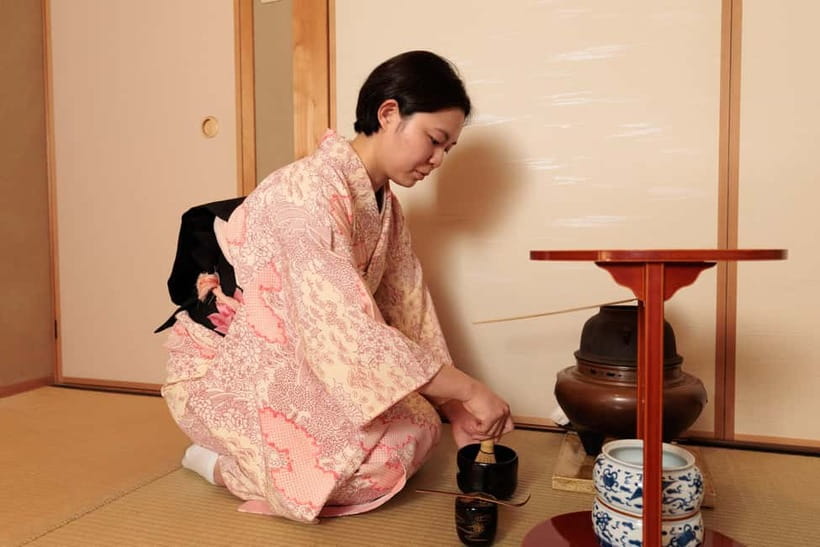
At $32 per person for 45 minutes, the value is mostly about what’s included. You get matcha, traditional seasonal sweets, the tea-making utensils, and a personal instructor/host guiding you through it. You’re also learning in English, and the host interaction is part of the price.
You’re not paying for a meal, and you’re not paying for hotel pickup. Also, kimono rentals are not included. But for many visitors, those extras aren’t the point. The point is getting guided method, tasting the intended combination, and learning enough to feel like the ceremony wasn’t just for show.
If you’ve spent the day walking Kyoto temples and shopping streets, this is the kind of stop that feels worth it because it’s not another line and it’s not another ticket. It’s a skill + a taste + a calm reset.
Who this matcha ceremony is perfect for
This works best if you want something focused. You’ll probably like it if you:
- Want a beginner-friendly introduction to matcha and the ceremony steps
- Prefer a calm activity to balance out busy Kyoto days
- Like learning through doing, not just watching
- Enjoy asking questions and chatting with the host during the session
It can be less ideal if you want a long, sprawling tour with lots of walking and stops. This is only 45 minutes, and it’s meant to be quiet. Think of it as an experience inside a room, not an all-day program.
Should you book this Kyoto tea ceremony experience?
Yes—if you’re in Kyoto and you want a short, meaningful cultural stop that includes hands-on matcha, this is a strong pick. The combination of seasonal sweets, utensil guidance, and learning the steps (plus the chance to make your own bowl) makes it feel like a real lesson, not a photo opportunity.
Book it especially if you’re staying in or near Higashiyama and plan to spend time around Kiyomizu-dera, Gion, and the surrounding areas. Just go with the right expectations: it’s peaceful, it’s short, and it includes some sitting, with chair options available if you need them.
If you want, tell me your travel dates and whether you prefer private or small-group experiences—I can suggest the best time of day to fit this around the nearby sights.
FAQ
How long is the Kyoto tea ceremony experience?
It lasts about 45 minutes.
Is the tea ceremony instruction available in English?
Yes. The instructor/host speaks English.
Where is the meeting point?
It’s down an alley branching from the main thoroughfare of Ninenzaka in Higashiyama. The simplest directions are to go to Park Hyatt, then look opposite for the Studio Ghibli store. The alley is just to the left of the store.
What is included in the price?
Included items are matcha, traditional seasonal sweets, tea-making utensils, and a personal instructor/host.
What is not included?
Hotel pickup and drop-off, meals, and kimono rentals are not included.
Are video recordings allowed?
No. Video recording is not allowed.
Can I take photos during the workshop?
Non-flash, still photography is permitted during the workshop.
What if I can’t sit on the floor comfortably?
Chairs and tables are available for guests who find it difficult to sit on the floor.
Are the teahouses accessible for wheelchair users?
The Garden Teahouse is wheelchair accessible. The tearooms are located upstairs.
What if I’m traveling with an interpreter or a child under 3?
If you plan to come with an interpreter, you should book a private tea ceremony so it doesn’t disrupt other guests. For a baby or infant under 3 years old, the request is to book a private tea ceremony at the Garden Teahouse.