REVIEW · KYOTO
Kyoto: Tea Ceremony in a Traditional Tea House in Kiyomizu
Book on GetYourGuide →Operated by SAKAGUCHIAN · Bookable on GetYourGuide
A quiet tea house awaits just off one of Kyoto’s busiest lanes. In the Kiyomizu area, you get a real tea ceremony setting—watching a tea master work inside a garden created by landscape artist Ogawa Jihei VII.
What I like most are the peaceful garden views from your seat and the hands-on part where you actually brew matcha yourself. One watch-out: this experience happens on a working schedule on a main tourist street, so it can feel a bit tight if you show up with big bags.
In This Review
- Kyoto Tea Ceremony in a Traditional Tea House Near Kiyomizu
- One Practical Catch: Bring Light
- Key Points You’ll Care About
- Entering Sannenzaka: Finding Sakaguchian Without Stress
- What the 45 Minutes Actually Feels Like
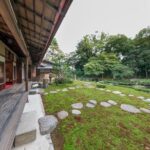
- Ogawa Jihei VII Garden: The Setting That Makes Tea Make Sense
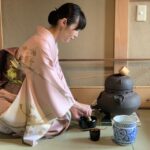
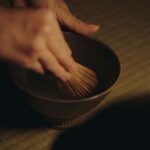
- The Tea Master Demonstration: Watch the Ritual, Then Copy the Rhythm
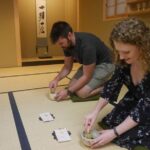
- Brew Your Own Matcha: Hands-On Learning in a Small Session
- Sweets and a Group Photo: The Little Finishers That Make It Feel Complete
- Price and Value: Is $49 for Matcha Worth It?
- Who Should Book This Kyoto Tea Ceremony Experience?
- Should You Book? My Recommendation
- FAQ
- How long is the Kyoto tea ceremony at Sakaguchian?
- What’s included in the $49 per person price?
- Is kimono rental included?
- Where exactly is the meeting point near Kiyomizu-Dera?
- What if it rains?
- Are luggage and large bags allowed?
- Is this suitable for young children?
Kyoto Tea Ceremony in a Traditional Tea House Near Kiyomizu
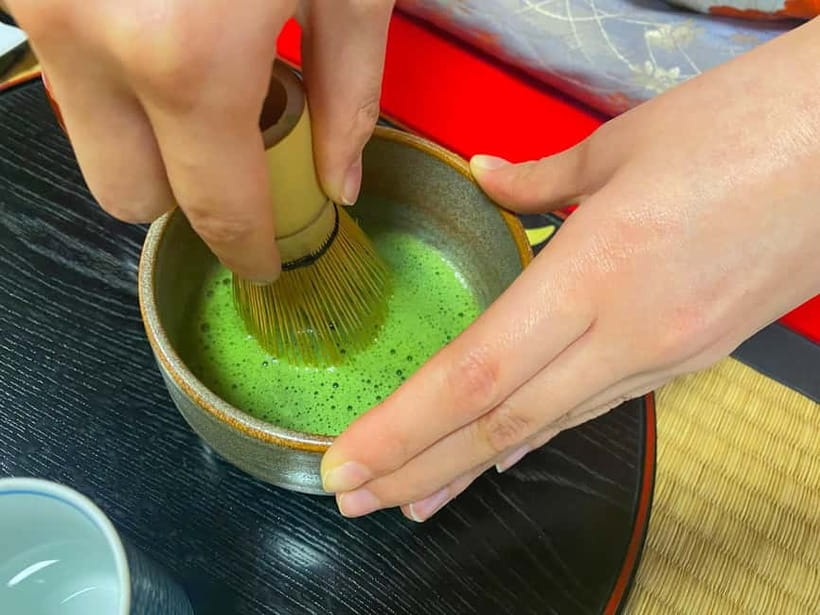
Inside Sakaguchian (that’s the tea house name you’ll see on the visit), you’ll get a short introduction first—plus the history behind the ceremony going back centuries. Then you’ll watch the tea master prepare the tea with practiced movements and attention to detail. It’s not just a performance; it’s a lesson in how Japanese tea culture treats small actions like they matter.
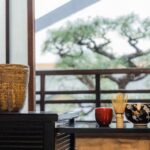
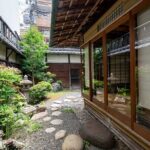
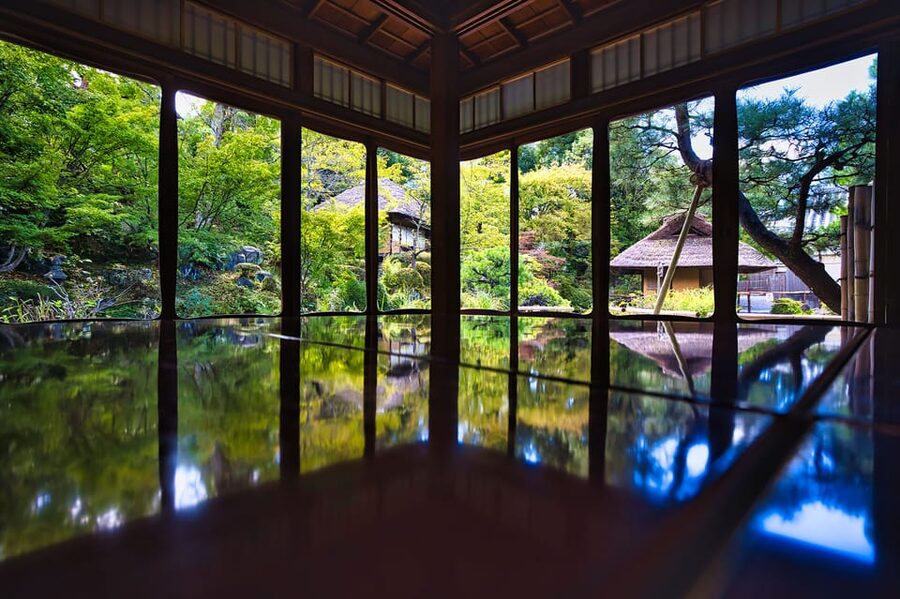
The actual garden is a big part of why this works. You’re surrounded by calm, green space designed by Ogawa Jihei VII, so even though you’re near Sannenzaka, you still feel a little pulled away from the noise. For me, the combo of serene surroundings and a formal process is what makes it memorable.
One Practical Catch: Bring Light
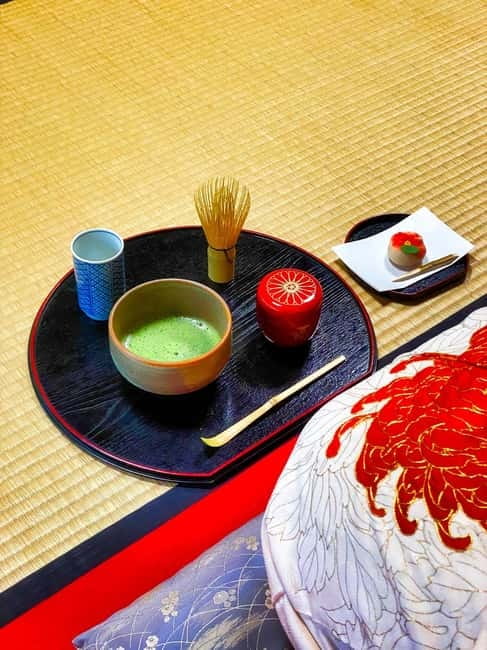
There’s an explicit rule about luggage. No luggage or large bags are allowed, so keep your carry minimal. Also, it’s rain or shine, so wear shoes you can handle on damp stone paths and plan to stay in place during the 45 minutes.
You can also read our reviews of more tours and experiences in Kyoto.
Key Points You’ll Care About
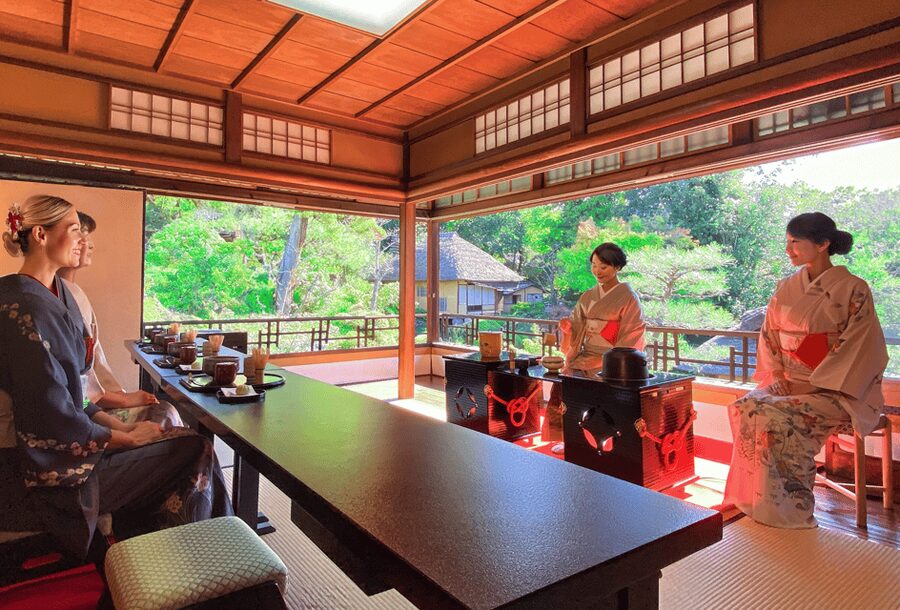
- Garden designed by Ogawa Jihei VII: The setting is built to create calm, not just a pretty backdrop.
- English instruction with a focused time window: You get the basics without running late.
- Tea master demonstration first, then your turn: You’ll see how it’s done before you make matcha yourself.
- 2 cups of matcha plus traditional sweets: It’s not only watching; you get to taste what you learn.
- Photo included: You’ll get a group picture using the garden as your backdrop.
- Not a kimono-included experience: You can come as you are; kimono rental isn’t part of this package.
Entering Sannenzaka: Finding Sakaguchian Without Stress
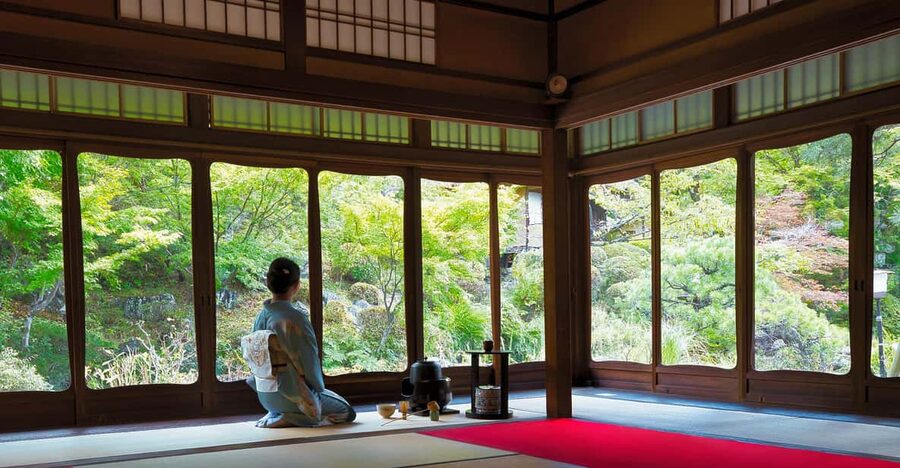
The meeting point is in Sannenzaka near Kiyomizu-Dera Temple. Go down Sanneizaka, walk about 50 meters, and enter a large gate on the right. From that gate, you’ll see the Japanese garden area. After you pass through, go straight for about 10 meters and look for the white gate on your left—that’s where you’ll find Sakaguchian.
If you’re arriving by cab, ask the driver to go toward Kodaiji Temple. Get out at the intersection of Sanneizaka and Ishin-no-michi. It’s a short walk after that.
Two small tips that make this easier:
- Go straight for the gate instructions, not the crowd. This location sits a bit set back, so don’t judge it by what you see on the street.
- If you’re walking from Kiyomizu-Dera, give yourself extra time. Sannenzaka gets busy fast, and you don’t want to rush while you’re looking for the entrance.
Also note: this is a 45-minute session. The experience starts when the group is ready, so arriving a few minutes early is smart.
What the 45 Minutes Actually Feels Like
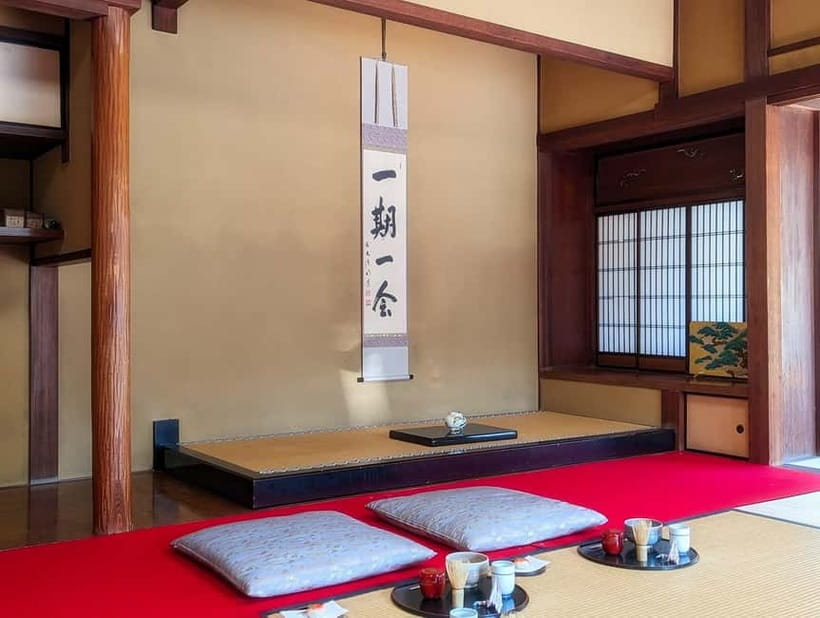
This is a short, well-contained cultural experience. You’ll spend about 45 minutes in the tea house and garden area, following a simple flow: introduction, demonstration, hands-on brewing, then enjoying what you made.
Here’s what happens in plain terms:
- You’re greeted by your English-speaking instructor.
- You get a brief intro to the ceremony, including that long timeline behind it—500 years is part of the story you’ll hear.
- The tea master performs the ritual portion, demonstrating tea preparation in a careful, formal way.
- Then you’ll learn how to brew your own matcha and make your own bowl.
- You’ll sip the matcha you prepared and also get a customary Japanese sweet.
- You’ll finish with a group photo using the garden view.
Because it’s timed, you won’t feel like you’re stuck in a long class. It’s more like a guided moment of focus in the middle of Kyoto sightseeing.
Ogawa Jihei VII Garden: The Setting That Makes Tea Make Sense
The tea house experience isn’t happening in a random room. You’re viewing an established Japanese garden created by Ogawa Jihei VII. That matters because tea ceremony culture is tied to attention—seasonal feel, quiet pace, and respectful space.
Even if you’ve only seen photos online, you’ll notice something quickly when you’re there: the garden view changes the mood. Your eyes rest on greenery and structure instead of shop fronts and moving crowds. It’s one reason people often describe the experience as calming even though you’re in a famous, busy area.
In your introduction, you’ll also get context for why ceremonies like this endured for so long. You’ll hear about the 500-year history connected to the practice and how the ceremony developed into a refined way of being present. It’s not meant to be stressful or theatrical in an aggressive way. It’s controlled, quiet, and deliberate.
If you’re the type who likes culture that you can actually see and participate in, this garden setting is a big part of the value. It makes the ceremony feel like it belongs to the place, not like an add-on.
The Tea Master Demonstration: Watch the Ritual, Then Copy the Rhythm
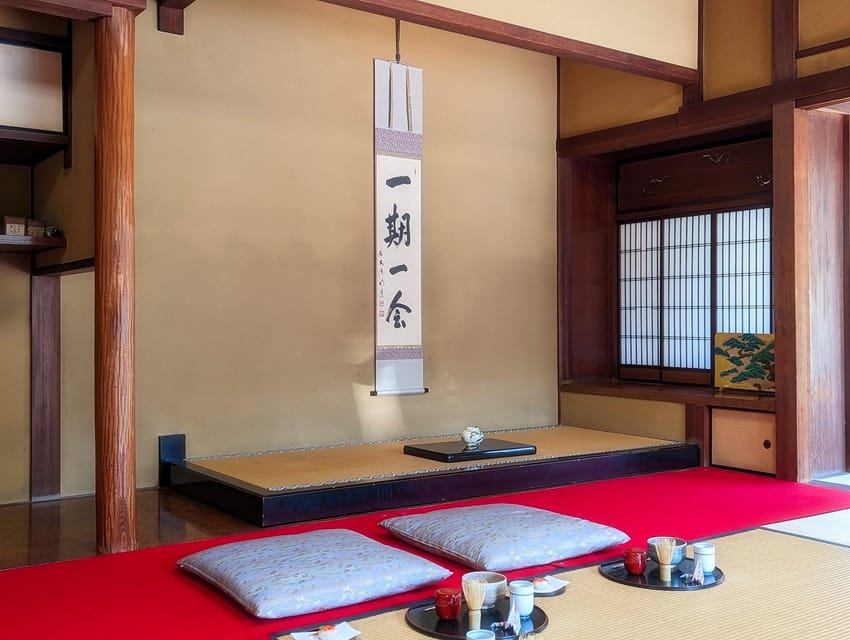
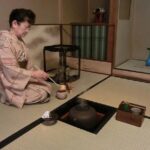
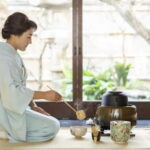
The ceremony is built around observation. First, you watch the tea master prepare tea. This is where you learn what matters: the form, the pacing, and the care behind each step. You’re not just looking at tools—you’re watching someone handle them with practiced precision.
What I think you’ll appreciate here is that the tea master’s role isn’t only to show off. The demonstration is the template for what you’ll do next. You’ll see how the preparation works, then you’ll follow along to brew your own matcha.
You’ll also get your chance to ask questions during the session. Some visitors mention getting answers patiently, and that makes a difference. Tea ceremony can feel mysterious from the outside. A few good answers—what to focus on, what the motions mean—turn it from a show into something you understand.
One more practical note: keep your attention on the room. If you’re chatting loudly, walking around, or treating it like a quick photo stop, you’ll feel the mismatch immediately. The whole point is quiet focus.
Brew Your Own Matcha: Hands-On Learning in a Small Session
After the tea master performs, you’ll brew your own matcha. This is the part most worth chasing—because it converts your curiosity into a skill you can repeat later.
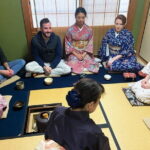
You’ll learn how to brew the matcha for your own bowl, guided by your instructor. The session is short, so you won’t leave with a full home-tea manual, but you’ll come away with a clear sense of process and the feel of the ritual.
The package includes 2 cups of matcha, so you’re not limited to one sip. You’ll taste what you made right there, in the same calm setting where the ceremony is performed. And if you already like matcha, you’ll probably notice the difference between what you’ve had elsewhere and what you’re served here. If you’re new to matcha, this is a good way to start because the ceremony frames it as part of a broader cultural ritual—not just a drink.
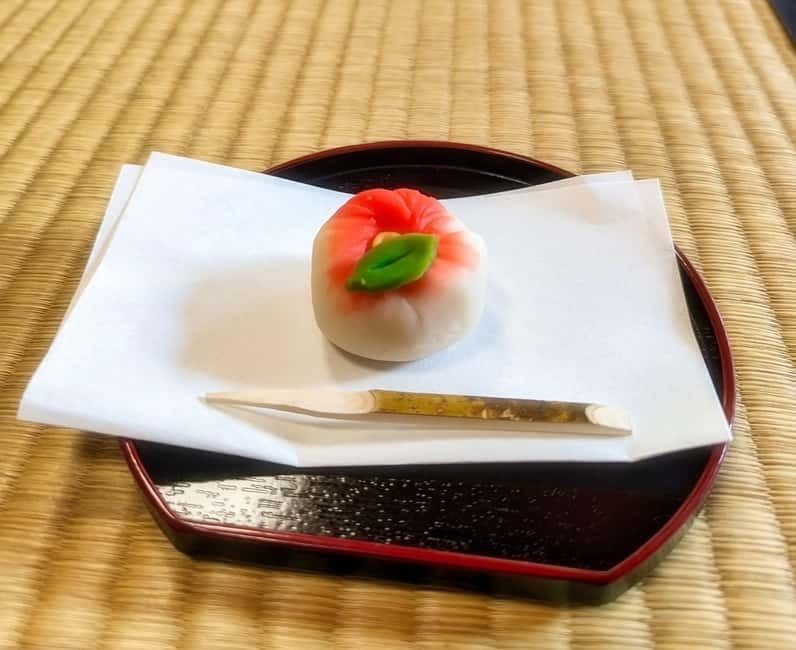
Don’t skip the sweetness either. You’ll receive a traditional Japanese sweet designed to accompany the tea. It’s a small pairing, but it’s one more way the ceremony hits multiple senses, not just taste.
Sweets and a Group Photo: The Little Finishers That Make It Feel Complete
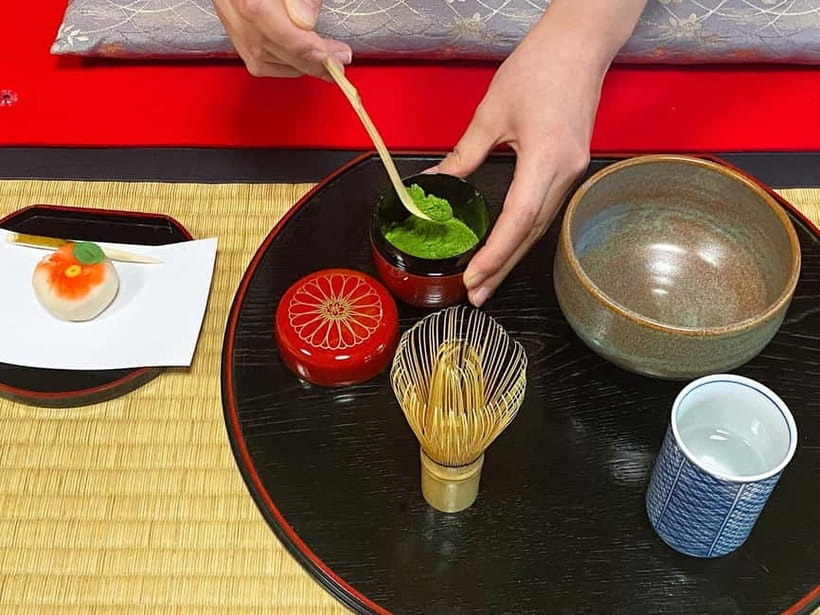
At the end, you get a couple of things that help you close the loop.
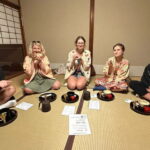
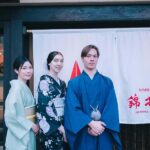
First, you’ll enjoy your bowl of matcha along with the traditional Japanese sweet. Then you’ll pose for a photo with your group, using the garden as the backdrop. The photo being included matters because it removes awkward logistics—you just show up, participate, and get the memory.
Also, this isn’t a kimono rental included situation. If you want the classic look, you’d need to arrange that separately. The upside? You don’t need a costume to participate. You can show up in normal clothes and still get the full ceremony experience.
The other point worth mentioning is that the tea house atmosphere helps you slow down. Even in daylight tourism Kyoto, this kind of setting makes you feel like you stepped into a calmer pocket of time.
Price and Value: Is $49 for Matcha Worth It?
At $49 per person for a 45-minute experience, this isn’t the cheapest thing you’ll do in Kyoto. But it’s also not just a snack-and-sip stop.
Here’s what you’re paying for, in practical terms:
- A formal tea ceremony with both instructor guidance and a tea master demonstration
- Hands-on matcha brewing, not only watching
- 2 cups of matcha plus traditional Japanese sweets
- A group photo included
- An English-speaking session in a specifically curated historic-feeling environment
When you compare it to other “cultural activity” options that are long on theory and short on tasting or participation, this one has a stronger payoff per minute. Your time stays focused, you get to taste what you learn, and you leave with a memory that feels grounded in actual practice.
If $49 feels steep, treat this as a one-time Kyoto highlight—especially if you want something calm and cultural that isn’t museum-and-waiting.
Who Should Book This Kyoto Tea Ceremony Experience?
This fits best if you want culture you can do with your hands. It’s also ideal if you like your travel moments small and intentional rather than rushed.
You’ll likely enjoy it if:
- You want to learn what matcha is in a structured way
- You appreciate respectful rituals and calm spaces
- You’re visiting the Kiyomizu area and want a break from temple crowds
- You’d rather participate than only take photos
It may not be the best match if:
- You need to travel with large bags (they’re not allowed)
- You’re expecting a big fashion show with kimono included (kimono rental is not part of this price)
- You’re traveling with children under 7 (not suitable)
Should You Book? My Recommendation
Yes, I’d book this if you’re already planning time around Kiyomizu and want one calm, guided cultural experience you can actually participate in. The garden setting, the tea master demonstration, and the hands-on matcha brewing add up to more than a simple tasting.
One last piece of practical advice: plan this earlier in the day or on a time slot that keeps you from arriving frazzled. If you show up relaxed, you’ll get more out of the quiet rules of the ceremony—and the matcha will taste better for it.
And if you like flexibility, the offer includes free cancellation up to 24 hours in advance and a reserve now pay later option, which is handy when Kyoto plans shift.
FAQ
How long is the Kyoto tea ceremony at Sakaguchian?
The experience runs for 45 minutes.
What’s included in the $49 per person price?
It includes the tea ceremony, 2 cups of matcha, traditional Japanese sweets, and a photo.
Is kimono rental included?
No. Kimono rental is not included.
Where exactly is the meeting point near Kiyomizu-Dera?
Go down Sanneizaka near Kiyomizu-Dera Temple, walk about 50 meters, and enter a large gate on the right. You’ll see the Japanese garden. Pass through the gate, walk straight for 10 meters, then enter the white gate on your left to find Sakaguchian.
What if it rains?
The tea ceremony takes place rain or shine.
Are luggage and large bags allowed?
No. Luggage or large bags are not allowed.
Is this suitable for young children?
No. It is not suitable for children under 7 years old.