REVIEW · KYOTO
Authentic Tea Ceremony & Sushi in The Museum of Kyoto
Book on GetYourGuide →Operated by ideal co.,ltd · Bookable on GetYourGuide
Matcha and sushi in quiet Edo-style rooms. I like how this experience pairs master-chef sushi with a chanoyu tea ceremony in near-silence, so your senses slow down instead of racing around Kyoto. You get Japan’s everyday artistry—knife work, careful plating, and then the calm focus of tea—wrapped into one smooth flow.
Two things I really liked: the sushi is prepared right in front of you, and the matcha is high-grade and served with traditional sweets. One thing to consider: this is not vegan-friendly or vegetarian-friendly, so plan around the menu (and tell them about allergies in advance).
In This Review
- Key things to know before you go
- Entering the Museum of Kyoto’s sushi-and-tea world
- Master-chef sushi timing: why your session time matters
- Moving into an Edo-style tea room with a garden view
- Chanoyu explained: utensils, culture, and your role in the ritual
- Kyoto sweets + matcha pairing you can actually taste
- The haori detail: why dressing up matters in this specific setting
- Price and value: what $133 buys you (and who it’s for)
- Practical planning: timing, allergies, and the right expectations
- Who should book this tea-and-sushi experience
- Should you book this tea-and-sushi experience?
- FAQ
- Where is the meeting point for this experience?
- When is sushi served for the 11:00 and 13:30 sessions?
- What is included with the tea ceremony?
- Do I get to whisk matcha myself?
- Is the garden part of the experience?
- What languages do they offer?
- Is it suitable for vegans or vegetarians?
- Are there age limits?
- Can I bring up allergies before the tour?
- What is the cancellation window?
- Is this pay-later friendly?
Key things to know before you go
- Sushi timing changes by session: 11:00 serves sushi at the end; 13:30 serves it at the beginning.
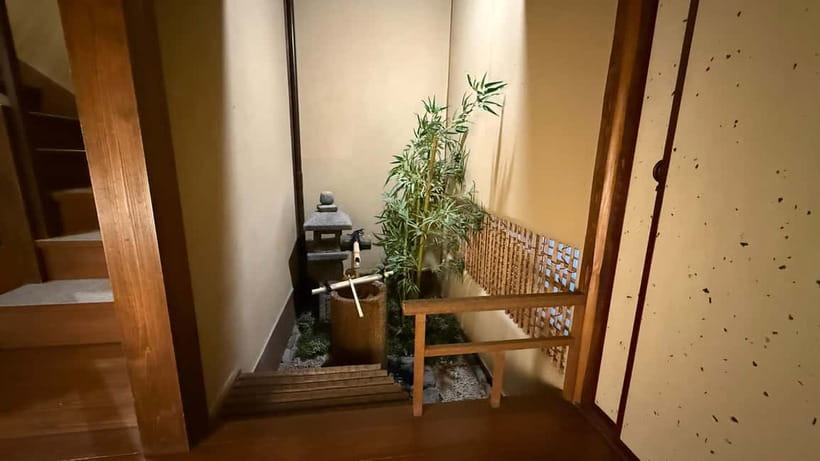
- Edo-period atmosphere underground: you’ll move to a basement Japanese house with a garden view.
- You wear a haori: a kimono-style jacket is included for the tea portion.
- You actively make the tea: you whisk your own matcha and enjoy it with traditional sweets.
- Your guide explains the why: history and culture of chanoyu, plus the utensils used.
Entering the Museum of Kyoto’s sushi-and-tea world
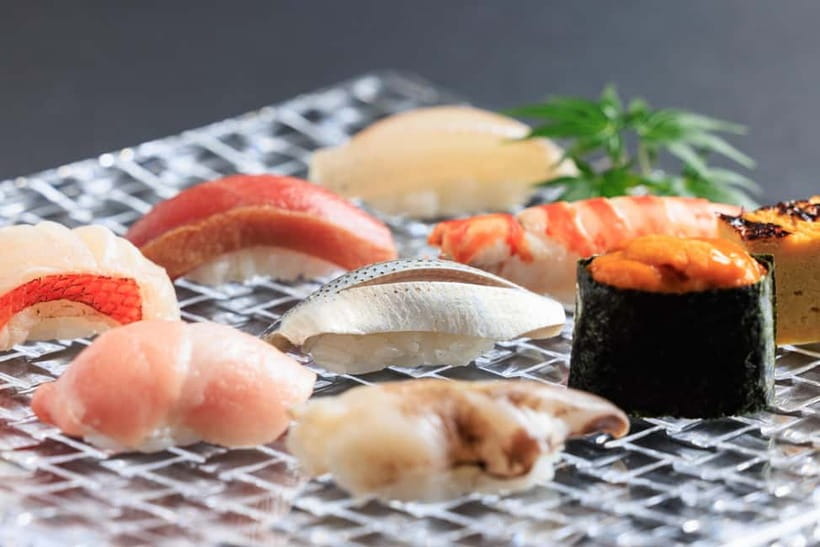
This doesn’t feel like a “sit-and-watch” tour. It feels like you’re being guided into two different rooms of Japanese taste—first the kitchen craft of sushi, then the quiet ritual of tea. The meeting point is the sushi restaurant Sushi Shin in the Museum inside the Museum of Kyoto, so you start in a space that’s clearly built for this experience, not something shoehorned between bus rides.
What I like right away is that the mood changes on purpose. Sushi is all about precision and freshness, served with attention to timing. Then the tea ceremony slows everything down into deliberate steps and respectful quiet. That shift matters, because you’ll remember the contrast: high-energy knife work up front, and calm mindfulness during the matcha.
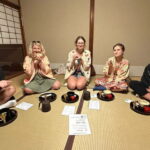
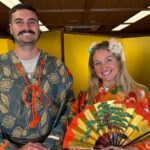
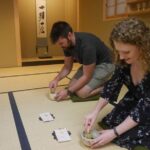
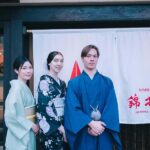
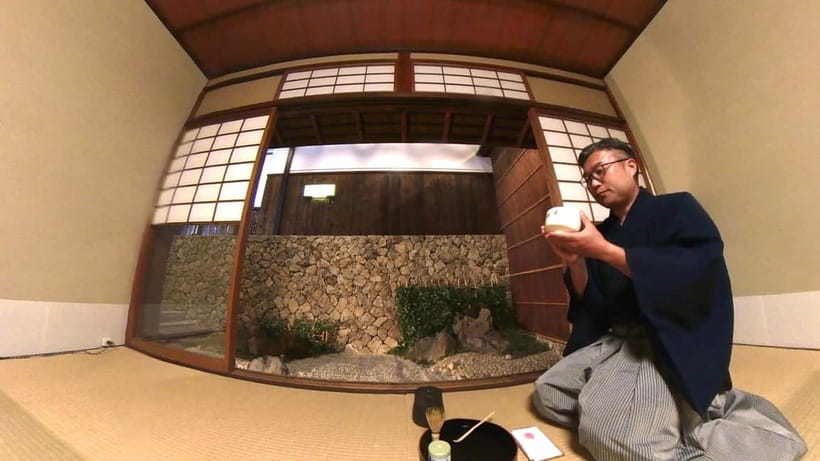
And yes, you get a chance to play along—not just observe. Wearing a haori (a kimono-style jacket) during the tea part helps you settle into the moment. It’s small, but it makes a difference in how seriously the whole ceremony feels.
You can also read our reviews of more tours and experiences in Kyoto.
Master-chef sushi timing: why your session time matters
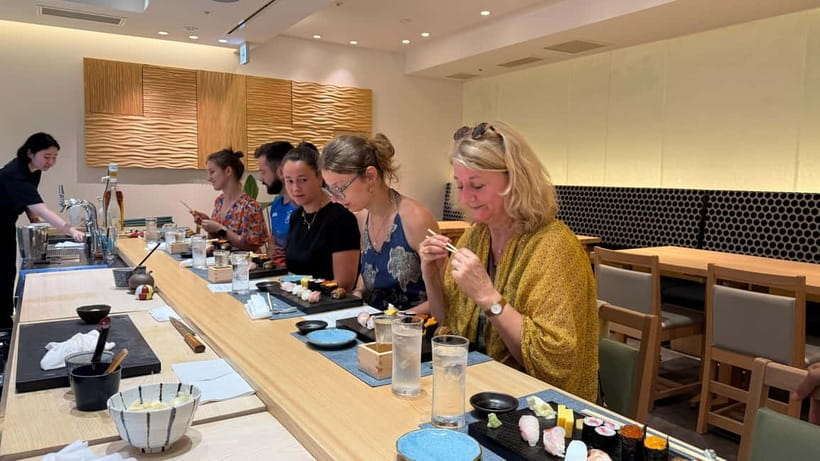
The sushi experience is built around your session time, and it changes the flow of your meal.
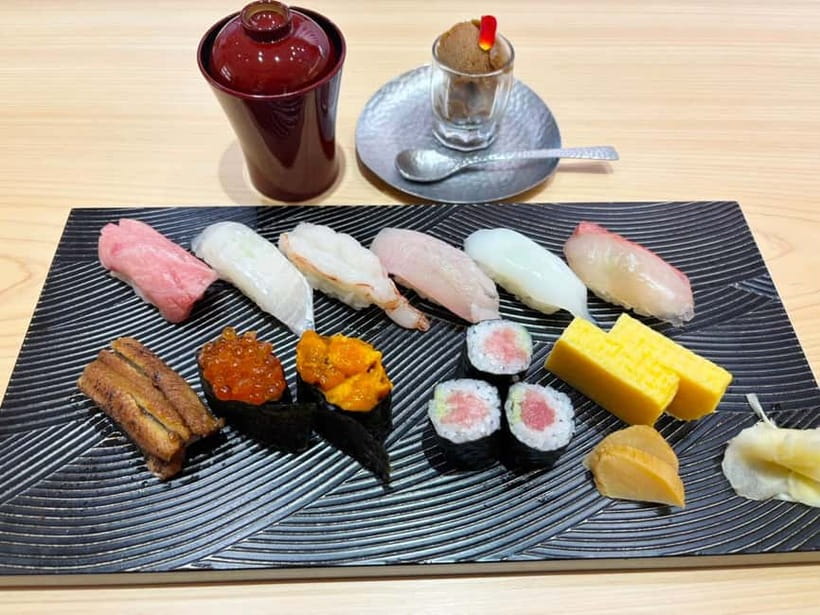
- For the 11:00 session, the sushi is served at the end.
- For the 13:30 session, the sushi is served at the beginning.
That’s a surprisingly important detail. If you’re the type who wants to eat first and then relax, the 13:30 start will feel easier. If you prefer to settle into tea calm and then end with food, the 11:00 session matches that rhythm.
The biggest practical plus is that the sushi is crafted by a master chef with years of training, and you get to see it made directly. One of the strongest points people mention is how fresh and well-prepared it tastes when it’s made right in front of you. It’s not just the flavor—it’s the confidence you feel watching someone work at that level, bite by bite.
Moving into an Edo-style tea room with a garden view
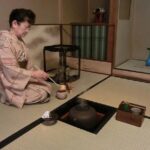
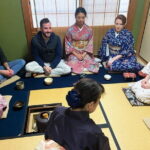
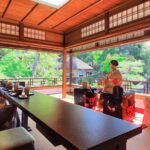
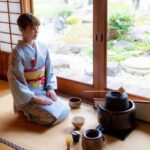
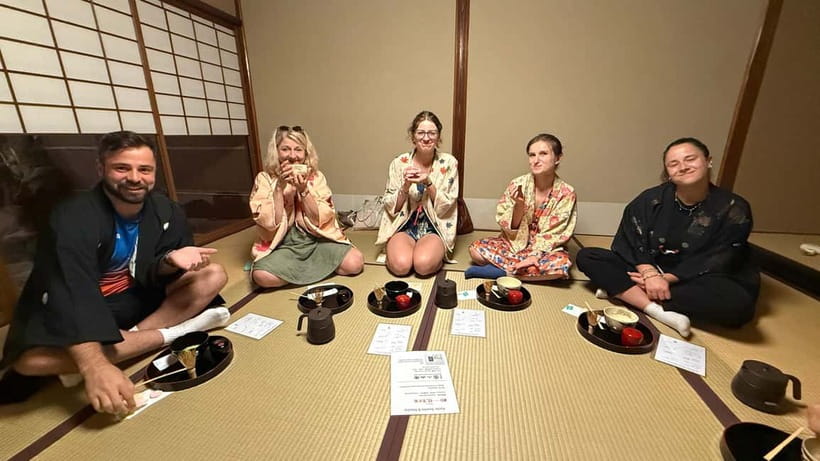
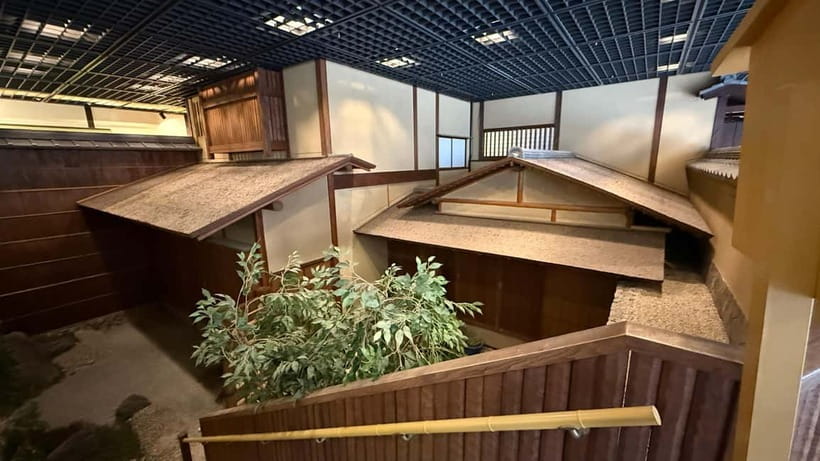
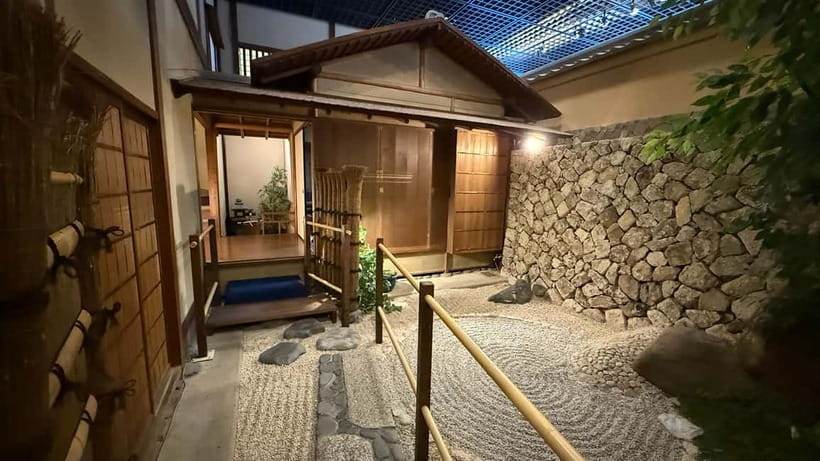
After sushi (or before it, depending on your session), you’ll be guided to a traditional Japanese house on the basement floor. The atmosphere is described as elegant and rooted in the Edo period style. Even if you’ve seen “traditional” set-ups in other places, this one is designed around the tea ceremony’s focus: space, silence, and detail.
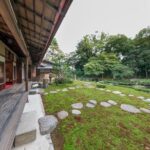
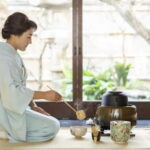
From inside, you can view a meticulously designed garden. That matters more than it sounds. In tea, the ceremony isn’t only about the drink. It’s also about the setting—something the guide reinforces with the utensils explanation and the steps you take with the matcha.
One more inclusion that helps you blend in: they give you a haori to wear. You’re not just standing around in casual clothes. You’re dressed for the cultural mood of the room, which is part of what makes the experience feel respectful instead of staged.
Chanoyu explained: utensils, culture, and your role in the ritual
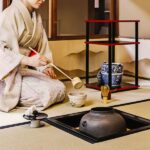
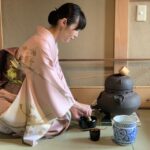
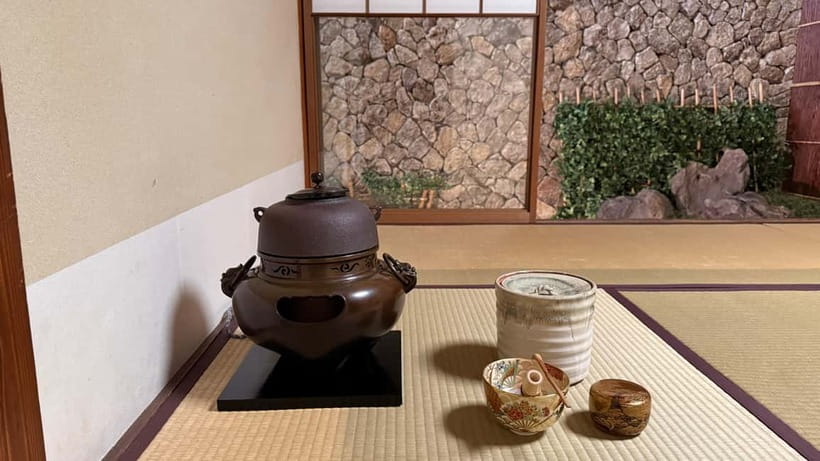
You don’t just get matcha dropped in front of you. You’ll receive an introduction that covers the history and cultural origins of chanoyu and the utensils used in the ceremony. That’s one of the best parts of the experience, because it gives you a framework for what you’re seeing and doing.
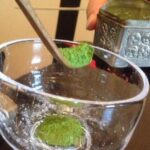
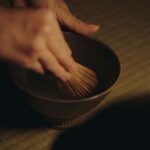
Then comes the hands-on moment. You whisk your own bowl of matcha. This isn’t “watch and hope.” You’re guided through the action, then you enjoy it together with a traditional sweet.
In practice, that self-whisking step turns the ceremony from performance into participation. You’ll likely notice right away how much effort goes into making matcha properly. And you’ll understand why the utensils and technique are treated with care in chanoyu. Even if you’ve had matcha before, this gives you a better mental picture of the ritual behind it.
The ceremony is also designed around quiet respect—serene silence is part of what you can expect. That’s a big contrast from Kyoto’s usual pace. If you want a break from crowds and constant movement, this portion is built for it.
Kyoto sweets + matcha pairing you can actually taste
Tea ceremony experiences often include sweets, but the pairing here seems to be part of the design: kyoto sweets served alongside the finest matcha. You’re not just getting a dessert course; you’re getting a traditional matcha-and-sweet combination intended to make sense together.
And the matcha quality gets real emphasis. The experience specifically calls out premium rare matcha, described as something unlike anything you’ve tasted elsewhere. I can’t verify your personal matcha history, but based on how strongly people talk about the tea’s quality, this is where you should pay attention.
One review highlights that the matcha received is very high quality, and that you’re allowed to try it afterward—meaning you truly get to experience the tea, not just taste a sip at the end. Another point that stands out is the way the ceremony is explained, so you understand what you’re tasting instead of treating it like a photo opportunity.
If you’re a matcha person, you’ll probably leave thinking about the tea flavor itself. If you’re not, the sweet pairing might be your gateway into why matcha works the way it does—bitter, earthy notes balanced by sweetness, with a smoother finish when the tea is well made.
The haori detail: why dressing up matters in this specific setting
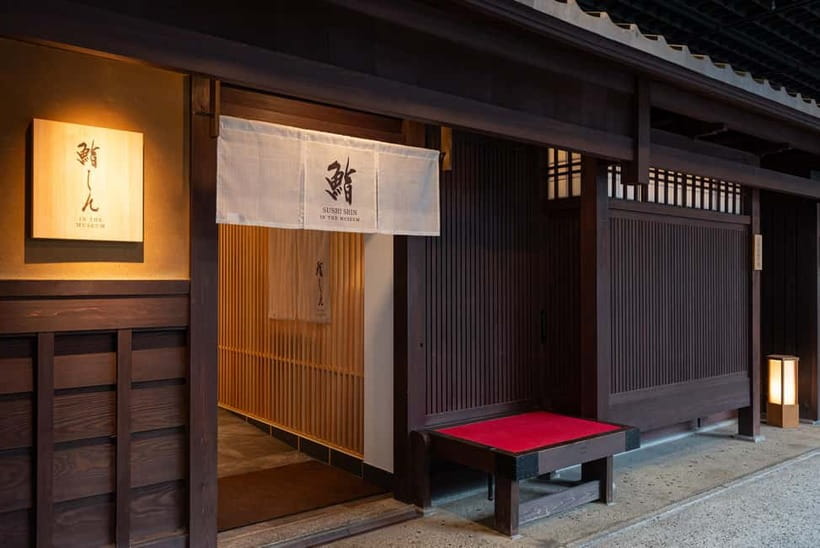
The haori isn’t just costume. It’s included, and it helps set the tone once you switch from sushi energy to tea calm. Wearing a kimono-style jacket also changes your body language. You move slower. You pay attention to where you sit. You naturally adopt that gentler pace that the ceremony requires.
People also respond well to this part because it feels real. In other cultural activities, “traditional clothing” can be a quick photo moment. Here, it’s tied to the tea portion, which keeps it meaningful. You’re not dressing up to look at the camera—you’re dressing for the ritual.
Price and value: what $133 buys you (and who it’s for)
At $133 per person, this isn’t a “cheap snack and a show” kind of Kyoto experience. You’re paying for two premium things at once: a master-chef sushi experience and an instructor-led tea ceremony with matcha, sweets, and included traditional dress.
Here’s the value logic as I see it:
- Freshness and craft: sushi made in front of you carries a different value than pre-made portions. It’s not just what you eat—it’s the skill you witness and the confidence you feel in the final bite.
- Hands-on tea: the matcha whisking isn’t passive. You participate, which makes the ceremony more memorable.
- Quality ingredients: the matcha is explicitly presented as premium and rare. Pairing it with Kyoto sweets also suggests the experience wants you to taste carefully, not rush through.
- Cultural instruction: the guide explains chanoyu history and the utensils. That turns the experience into learning you can carry home.
This price makes most sense for you if you want a high-quality cultural break inside a museum setting, and you enjoy both food and ritual. It might feel less worth it if you’re traveling on a tight budget, you already know you won’t like sushi, or you need vegetarian/vegan options (this one isn’t suitable for vegans or vegetarians).
Practical planning: timing, allergies, and the right expectations
A few practical points help you avoid friction.
Session timing affects the order of your meal. If you’re picky about eating before tea (or after), pick 13:30 for sushi first and 11:00 for sushi last.
Allergies matter. The experience asks you to inform them in advance if you have allergies. Since sushi and traditional sweets can involve many ingredients, this is the kind of detail you shouldn’t wing.
Age and dietary limits are real. It’s not suitable for children under 10 years and not suitable for people over 95 years. It’s also not suitable for vegans or vegetarians. If any of these apply, don’t plan on “maybe it’ll work out.” Plan around what’s included.
Who should book this tea-and-sushi experience
This experience fits best if you’re:
- In Kyoto for culture through food, not just photos
- A matcha fan or a curious tea beginner who likes hands-on learning
- Someone who enjoys quiet experiences after busy sightseeing
- Interested in Japanese craft—watching technique (sushi) and learning ritual (chanoyu)
It also works well if you like structure. You’ll have guidance, a defined flow from the sushi restaurant to the tea house, and you’ll know what you’re doing at each stage: dressing in a haori, learning about utensils, whisking matcha, and tasting the pairing.
If you dislike silent, formal settings or you need flexible dietary accommodation, you’ll probably be happier with a different kind of food tour.
Should you book this tea-and-sushi experience?
If you’re choosing between yet another crowded tasting stop and a more intentional cultural meal, I’d lean toward booking this—especially if you care about high-quality matcha and you want sushi that’s made in front of you. The combination is the point: sushi craft to start or finish, then a guided chanoyu moment that’s calm, guided, and participatory.
Just book with eyes open: it’s not for vegans or vegetarians, it isn’t designed for very young children, and allergies need advance notice. If those fit your trip, this is the kind of Kyoto experience you’ll talk about later because it’s both skill-based and sensory.
FAQ
Where is the meeting point for this experience?
It starts at the sushi restaurant Sushi Shin in the Museum inside the Museum of Kyoto.
When is sushi served for the 11:00 and 13:30 sessions?
For the 11:00 session, sushi is served at the end. For the 13:30 session, sushi is served at the beginning.
What is included with the tea ceremony?
You’ll wear a traditional haori (kimono-style jacket), learn about the tea utensils, get a brief introduction to the history and cultural origins of chanoyu, and enjoy a miniature garden view, along with Kyoto sweets and matcha.
Do I get to whisk matcha myself?
Yes. During the ceremony, you will whisk your own bowl of matcha and enjoy it together with traditional sweet.
Is the garden part of the experience?
Yes. You’ll view a meticulously crafted miniature garden in the traditional Japanese house on the basement floor.
What languages do they offer?
The experience is available in English and Japanese.
Is it suitable for vegans or vegetarians?
No. It is not suitable for vegans and not suitable for vegetarians.
Are there age limits?
Yes. It is not suitable for children under 10 years, and not suitable for people over 95 years.
Can I bring up allergies before the tour?
Yes. If you have any allergies, they ask you to inform them in advance.
What is the cancellation window?
You can cancel up to 24 hours in advance for a full refund.
Is this pay-later friendly?
Yes. Reserve now and pay later, with no payment today.