REVIEW · KYOTO
Kyoto: Tea Ceremony Ju-An at Jotokuji Temple
Book on GetYourGuide →Operated by Tea Ceremony Juan · Bookable on GetYourGuide
Kyoto can feel loud fast. This tea ceremony at Jotoku-ji turns the volume down with a real chanoyu-style ritual in a temple setting. I like the way it mixes stunning Jotoku-ji architecture with a structured lesson, so you get both atmosphere and know-how. The drawback to consider is practical: the tearoom has steps, and it is not wheelchair-friendly.
I also appreciate the hands-on pace. You get guided matcha preparation, then you drink and learn the point behind each move—plus a small group capped at 10 people with English support. If you are not comfortable sitting on the floor, stools can be provided, but you should still plan for a shoe-off, floor-seating moment.
In This Review
- Key Points I’d Prioritize
- Tea Ceremony Ju-An at Jotoku-ji: Where the Morning Rhythm Starts
- The Temple Walk + Purification Ritual: Why This Part Matters
- Red Benches, Rain Plan, and the Quiet Wait Before Tea
- Inside the Grand Tearoom: Seating, Shoes, and the Ritual Space
- The Tea Master’s Step-by-Step Lesson: Matcha at Its Best
- Making Your Own Bowl: The Hands-On Moment That Usually Sticks With You
- Price and Value: Is $29 Worth It?
- Who This Is Best For (And Who Should Skip It)
- Tips to Make the Experience Smoother
- Should You Book Tea Ceremony Juan at Jotoku-ji?
- FAQ
- How long is the tea ceremony?
- Is the instruction available in English?
- How big is the group?
- Is kimono included?
- Is the temple wheelchair accessible?
- Can I use a seat or stool instead of sitting on the floor?
- What’s included in the price?
Key Points I’d Prioritize
- 70 minutes of guided chanoyu that still feels like a full ritual, not a speed demo
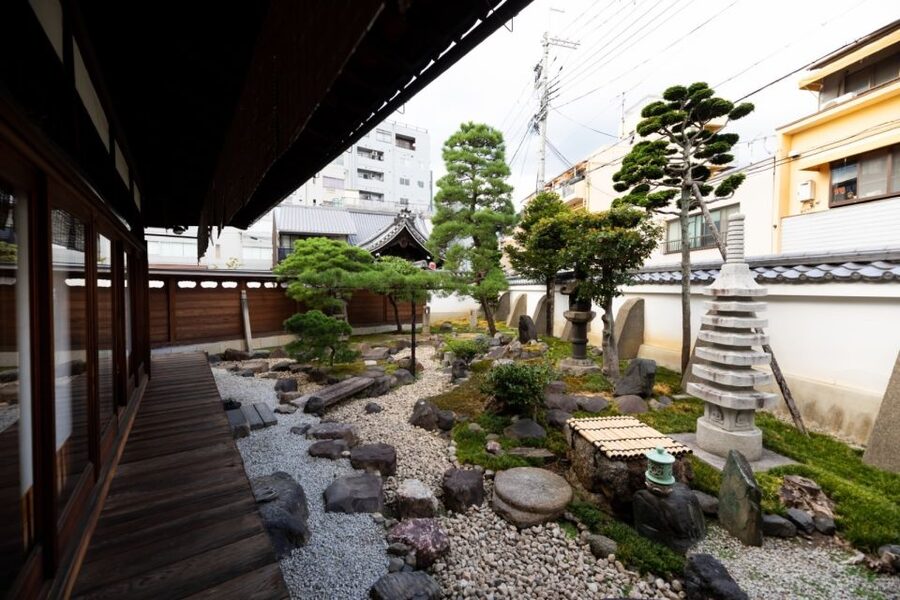
- Jotoku-ji Temple walk with time to admire the grounds and pause at the purification fountain
- Small group size (max 10) with room for questions and slower explanations
- English tea master instruction step-by-step as you prepare and drink matcha
- Flexible seating options (floor traditional seating or stools if needed)
- Not included: kimono rental is available separately, and meals are not part of the experience
Tea Ceremony Ju-An at Jotoku-ji: Where the Morning Rhythm Starts
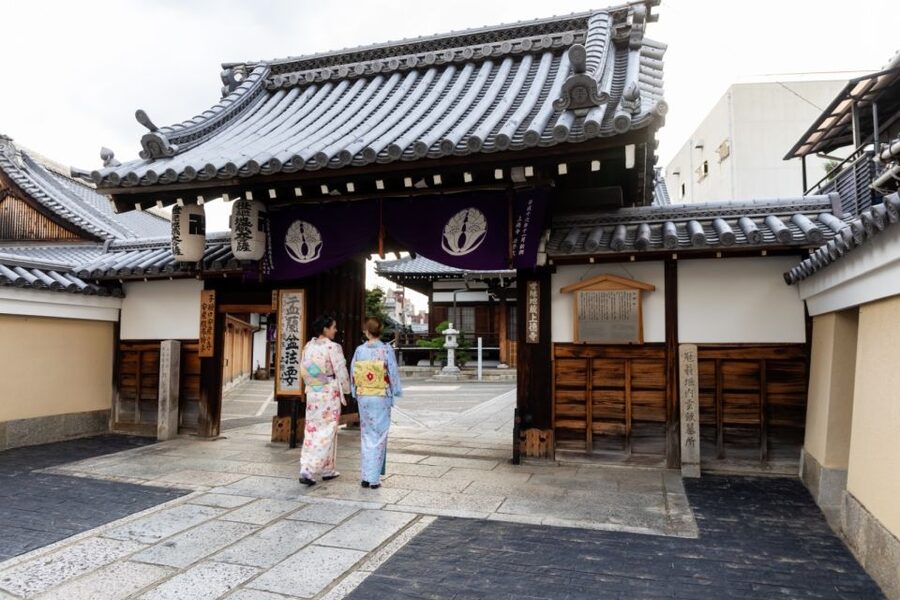
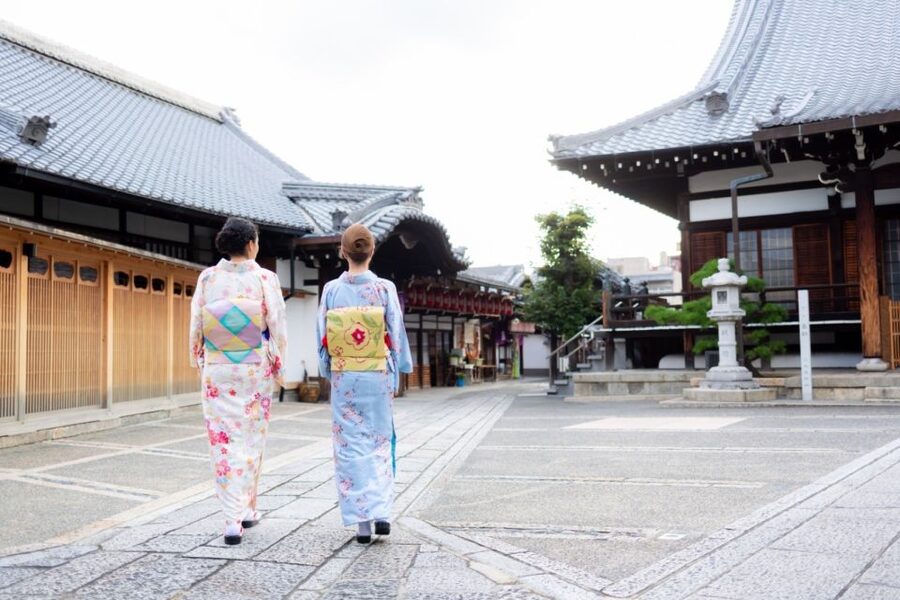
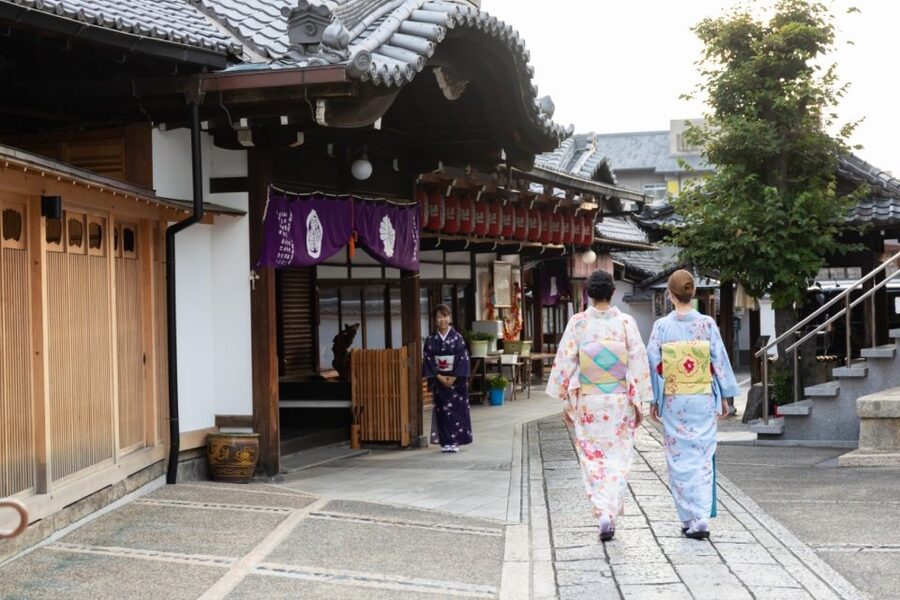
Your experience meets you at Tea Ceremony Juan, then immediately grounds you in the temple. From the meeting point, you enter through the main gates of Jotoku-ji, and you’ll notice the Grand Tearoom area right away—there’s an entrance to the tearoom on the left side as you come in, plus a small parish shop nearby.
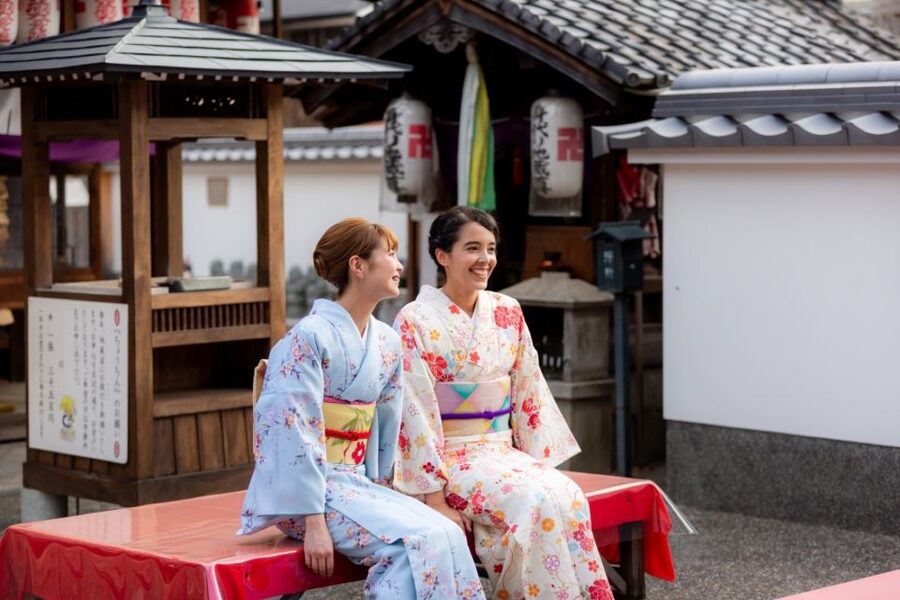
Once you’re inside, the flow is simple and calm. You walk through the temple grounds at an unhurried pace, then gather by the red benches where your guide awaits. It is a small but important setup detail: it helps you shift out of tourist-mode before you step into the more formal tea space.
Timing matters here because the experience runs for about 70 minutes. You are not trying to squeeze in another attraction afterward—you are meant to finish feeling slower, not rushed.
You can also read our reviews of more tours and experiences in Kyoto.
The Temple Walk + Purification Ritual: Why This Part Matters
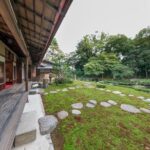
Before matcha, you get the spiritual and cultural frame. Your tour starts with a traditional purification ritual, which is a big deal even for first-timers because it explains that tea is not just about flavor. It’s about readiness—how you settle your mind and body before you take in the ritual.
As you move around, you’re free to look closely at the temple architecture. This is one of the strongest reasons to choose this over a purely performance-style tea event: the ceremony doesn’t float in isolation. It sits inside real space and real rules, so you feel the logic behind the etiquette.
Weather can affect outdoor pauses, and they plan for that. Weather permitting, you can sit on the red benches. If it rains, you can stand just outside under the shop’s gable or wait in the Grand Tearoom, so you won’t be stuck in a soaking delay while the group tries to figure things out.
Red Benches, Rain Plan, and the Quiet Wait Before Tea
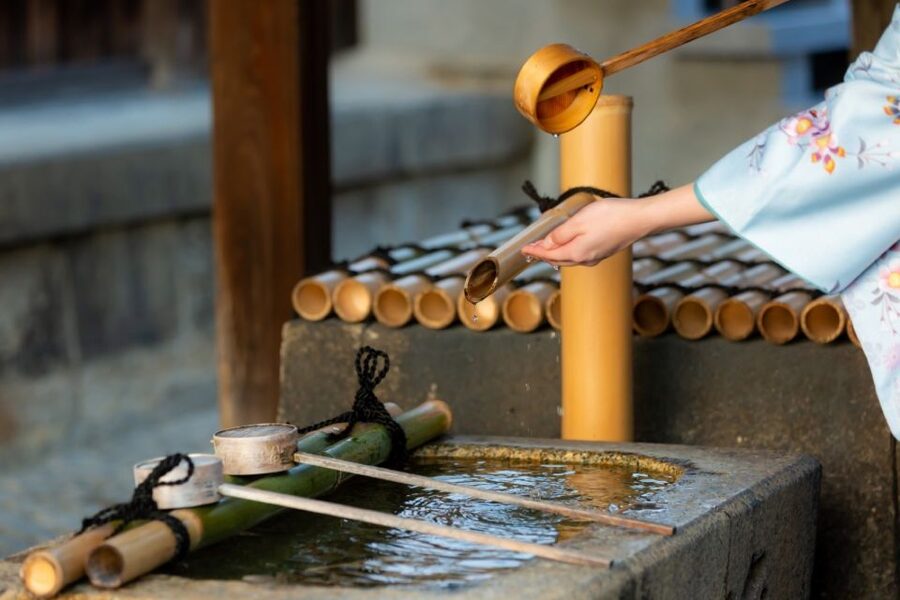
That in-between time is part of the experience. After you’ve had a chance to admire the grounds and stand by the purification fountain, you often get a breather at the benches if weather allows. This is where you can actually notice the temple mood—less “look at me, Kyoto,” more “look and breathe.”
The rain backup is straightforward. If the weather turns, you don’t lose the session; you simply shift from benches to a covered area by the shop or into the Grand Tearoom while waiting for your instructor. For a short 70-minute workshop, this matters because it keeps the energy steady.
If you are the type who hates dead time, this helps you. You get a few minutes to settle, then you move straight into the instruction part. Nothing feels like it is dragging, and nothing feels like it is trying to cram.
Inside the Grand Tearoom: Seating, Shoes, and the Ritual Space
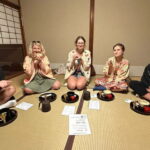
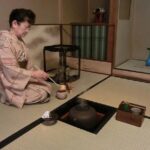
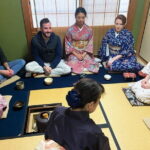
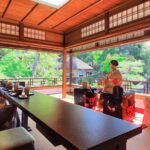
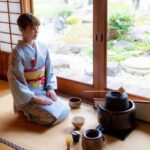
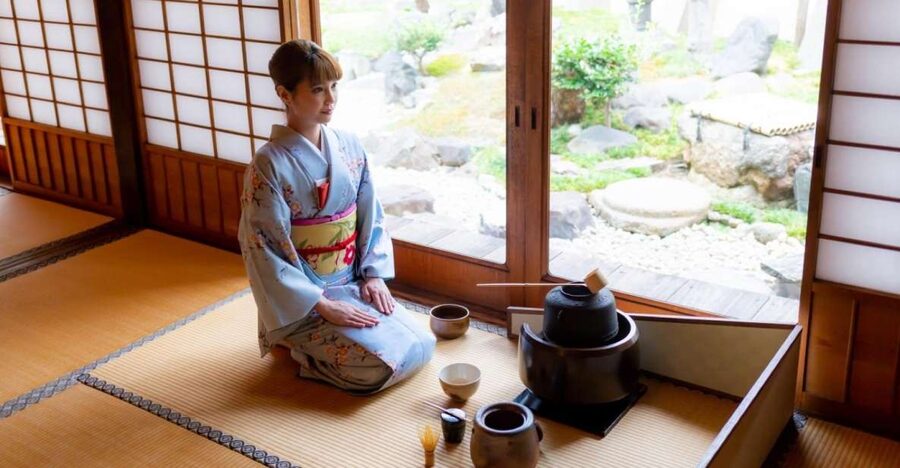
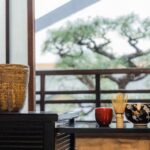
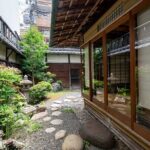
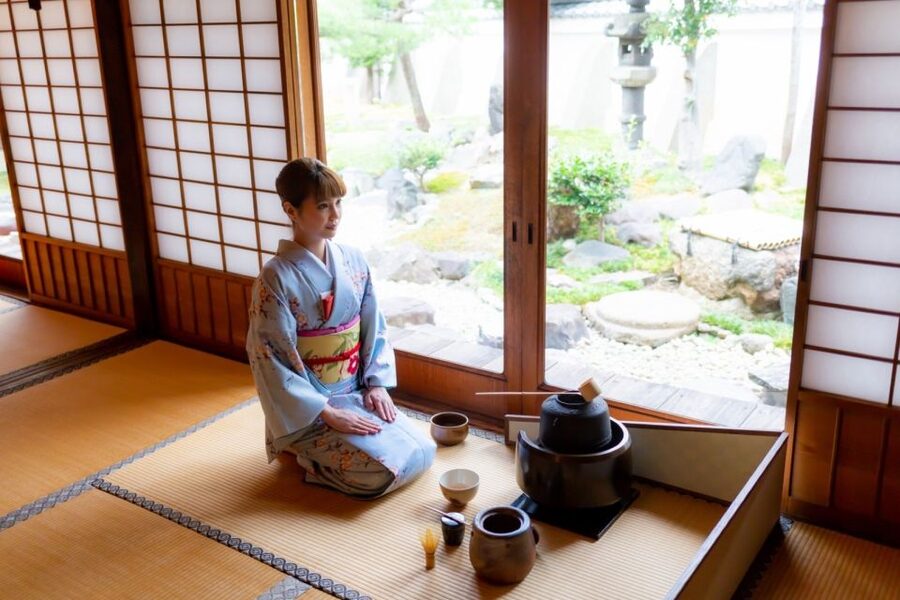
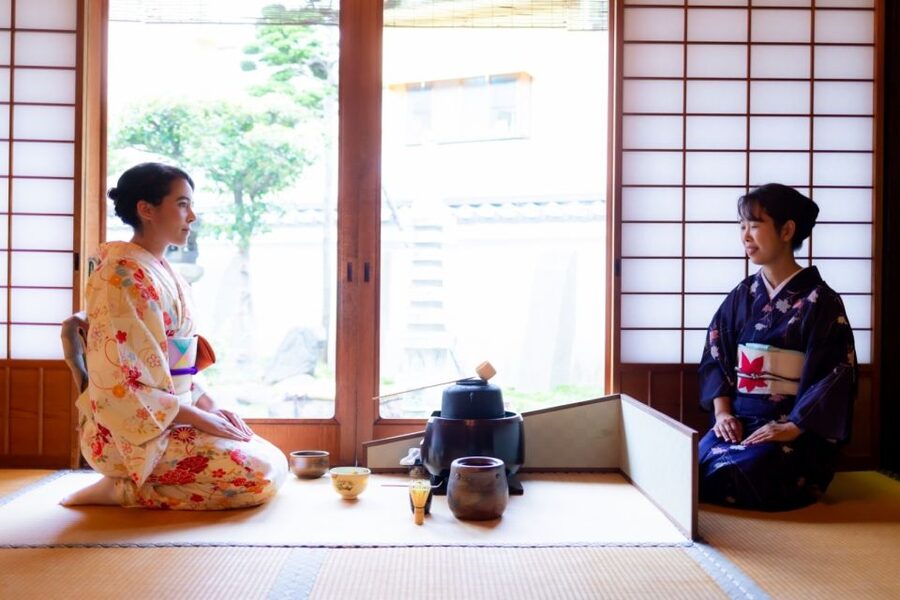
When you move into the Grand Tearoom, the tone changes quickly. You remove your shoes at the entrance, then you take your seat with your group. This is a small act, but it signals that you’re entering a more serious zone—one where the details matter.
One practical note: the tearoom area has three steps. The temple itself is wheelchair accessible, but the tearoom is not wheelchair-friendly due to those steps. If mobility is a concern for you, you’ll want to plan accordingly.
And yes, seating can be more comfortable than it sounds for your body. If you are not comfortable sitting in the traditional floor position, seats and stools can be provided. That one service detail can change the whole experience. If your legs go numb halfway through, you stop learning and start surviving. Stools help you stay present.
The Tea Master’s Step-by-Step Lesson: Matcha at Its Best
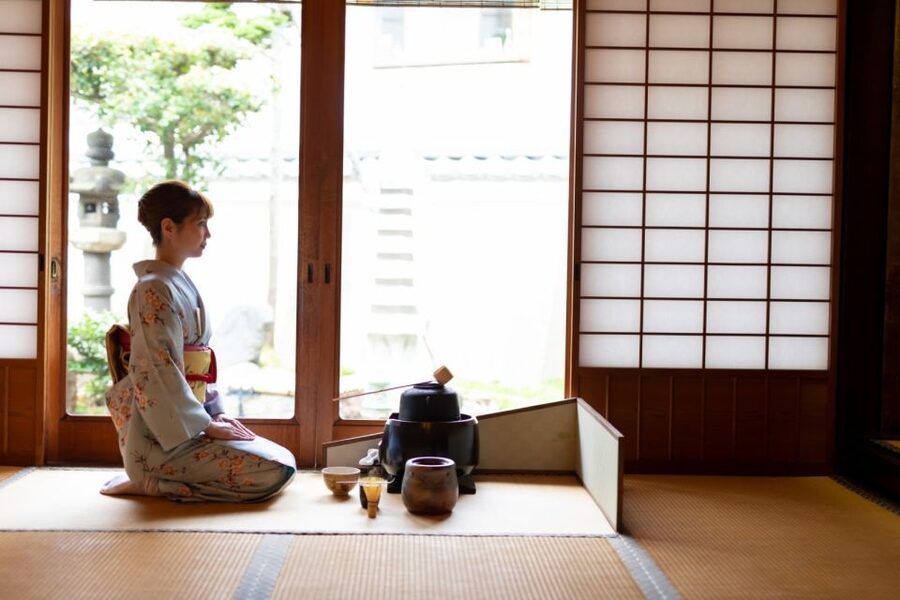
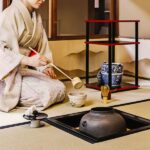
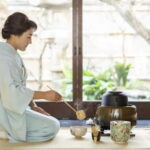
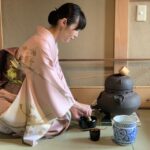
This is where the ceremony becomes a lesson, not a lecture. The Tea Master guides you throughout the chanoyu, showing and explaining every step of matcha preparation. The English instructor supports the group, so you’re not left guessing what you’re looking at or why each gesture matters.
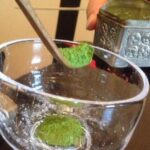
They focus on matcha the way it should be experienced: not just as a drink, but as a carefully prepared bowl. You get the chance to sample matcha, and you learn how the preparation affects taste and texture.
The big shift for many people is moving from thinking of matcha as trendy coffee-like green powder to understanding it as a ritual ingredient. You’re taught the fine art of drinking matcha—how to hold and receive the bowl, how to participate respectfully, and what the ceremony is trying to teach beyond the palate.
Making Your Own Bowl: The Hands-On Moment That Usually Sticks With You
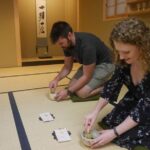
Most of the satisfaction comes from doing, not watching. After the Tea Master demonstrates, you get the chance to prepare your own cup under guidance. This interactive part is one of the most praised pieces of the experience because it turns the ceremony into something you can remember with your own hands.
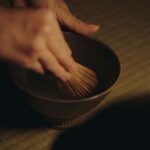
A key reason this works: the hosts explain the why behind the steps. When you understand why the whisk motion, bowl, and timing matter, your learning sticks. You stop thinking, I’m just copying a movement, and you start thinking, I get the logic.
They also guide the drinking etiquette so you are not just learning how to make matcha, but how to experience it. That includes the pace of sipping and the respectful way you treat the moment.
In addition to matcha, you may be served sweets, which pair with the tea in the ceremony setting. That small detail makes the break feel complete, like you did not just “attend a class,” you shared a sequence.
Price and Value: Is $29 Worth It?
At $29 per person for about 70 minutes, you are paying for three things that don’t come cheap in Kyoto: an instructor, guided format, and a real temple setting. This isn’t a long, multi-hour tea course, but it also isn’t the typical fast stop where you taste a spoonful and move on.
What you get for the money is clear:
- Tour guide support
- A chanoyu workshop ceremony with instruction
- English guidance throughout the process
What is not included:
- Meals
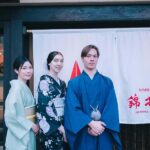
- Kimono rental (available separately)
For value, I think this makes sense if you want a serious introduction without eating half your day. Some full tea experiences can run much longer, and this format gives you a strong taste of the ritual fundamentals with less time cost. If your goal is to learn how matcha is made and why the ceremony exists, this price-to-experience ratio feels fair.
Who This Is Best For (And Who Should Skip It)
This fits well if you want:
- a quieter break from Kyoto’s crowds
- a calm, structured activity with real cultural meaning
- a hands-on skill you can actually practice later
You’ll also like it if you enjoy hearing the background behind traditions. The ceremony isn’t only about mechanics; it’s about philosophy and respectful attention.
There are two main reasons it might not be your match. First, the tearoom’s three-step access makes it unsuitable for wheelchair users. Second, if you dislike floor seating, you should request stools/seats ahead of time if possible, because you will be asked to remove shoes and sit for the ceremony portion.
Tips to Make the Experience Smoother
A few practical moves make a noticeable difference:
- Plan for shoes-off time: you’ll remove shoes at the Grand Tearoom entrance, then settle in for the ceremony. Wear socks you’re comfortable staying in for a bit.
- Ask about seating early: if floor sitting won’t work for you, use the option for stools/seats so you can focus on the lesson, not your legs.
- Arrive with a calm mindset: this is one of those experiences where your best outcome comes from slowing down on purpose.
- Bring questions: with a small group size, it’s easier to ask about matcha preparation, etiquette, and what the ceremony is trying to teach.
Should You Book Tea Ceremony Juan at Jotoku-ji?
I’d book this if you want an authentic, respectful tea experience in a real Kyoto temple setting, with English instruction, a small group, and a chance to actually make and drink matcha. The combination of purification ritual, guided etiquette, and hands-on preparation is exactly the kind of activity that turns travel memories into something more than photos.
I would hesitate if you need step-free access to the tearoom or you know floor seating will be a problem for you. In that case, look for another format that fits your mobility needs.
If you can handle the basics—shoes off, calm pacing, and sitting comfortably—this is a strong use of time in Kyoto. It’s not just tea. It’s how you learn to slow your day down on purpose.
FAQ
How long is the tea ceremony?
The ceremony lasts about 70 minutes.
Is the instruction available in English?
Yes. The instructor and tea master guidance are provided in English.
How big is the group?
It is a small group, limited to 10 participants.
Is kimono included?
No. Kimono rental is available separately.
Is the temple wheelchair accessible?
The temple is wheelchair accessible, but the tearoom is not, because there are three steps.
Can I use a seat or stool instead of sitting on the floor?
Yes. For people who are not comfortable sitting on the floor in the traditional position, seats and stools can be provided.
What’s included in the price?
The price includes a tour guide and the chanoyu workshop ceremony. Meals are not included.