REVIEW · KYOTO
Matcha Green Tea Plantation and Matcha Factory Visit
Book on Viator →Operated by WaRaiDo Guide Networks · Bookable on Viator
Your Kyoto matcha day starts with real tea.
This small-group tour takes you from Kyoto Station to Uji, where matcha isn’t just a drink, it’s a working craft. I love that you’re not stuck in a showroom: you get an insider’s view of how the tea is grown and handled, plus tastings of different matcha varieties. I also like the pacing, with enough time to connect what you see on the plantation and in the factory to how the final tea tastes, served with Japanese sweets in a traditional tea hut. The main drawback to consider is that Uji is an outdoor/working-agriculture experience, so good weather matters for the visit.
You’ll also learn how people in Japan turn green tea into daily habit, not just a souvenir moment. Highlights include an on-the-ground look at the plantation, a peek into factory handling, and sampling the more premium end of matcha with sweets. One thing to keep in mind: this is priced like a guided, transport-included experience, so if you only want a quick taste with zero interest in process, it may feel a bit heavy.
In This Review
- Key things to know before you go
- Matcha in Uji: Why This Kyoto Day Trip Feels Different
- Getting to Uji From Kyoto Station With a Small Group
- Visiting an Old Matcha Plantation: What You’ll Actually See
- Inside the Matcha Factory: How Processing Changes the Flavor
- Tasting Multiple Matcha Grades With Japanese Sweets
- Learning the Routine: Health Benefits and Drinking Matcha Daily
- Shopping for Tea and Utensils in the Right Place
- Price, Value, and What You’re Really Paying For
- Who This Tour Suits Best
- Weather, Timing, and What to Bring for a Smooth Visit
- Should You Book This Matcha Plantation and Factory Visit?
- FAQ
- What is the duration of the matcha plantation and factory visit?
- Where does the tour start in Kyoto?
- How do you get to Uji?
- What’s included in the price?
- Is the tour limited to a small group?
- Can I cancel if plans change?
Key things to know before you go
- Small-group cap (up to 6 travelers) makes the guide’s explanations easier to follow and questions less rushed
- Uji plantation + matcha factory means you see both growing and handling, not just tasting
- Matcha tasting with Japanese sweets gives you a concrete way to compare varieties
- Flexible morning or afternoon departure helps you slot it around temple time in Kyoto
- Free entrance fees and transportation included keeps the real price simpler
Matcha in Uji: Why This Kyoto Day Trip Feels Different
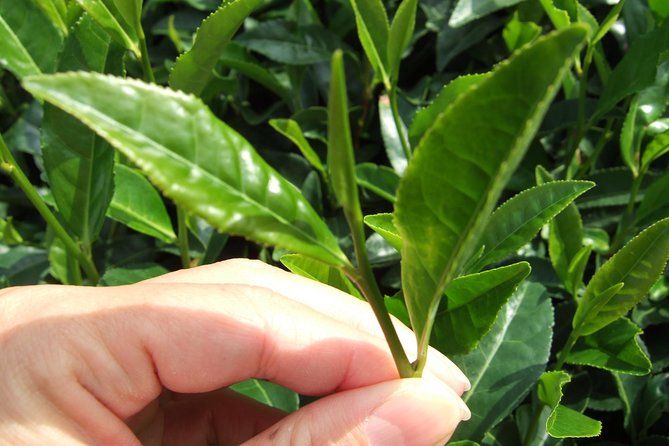
Kyoto gets the matcha love. But Uji is where the story gets physical. This tour focuses on the “how” behind Japan’s most famous green tea export: how the plants are grown, how the tea is handled and processed, and how that translates into flavor when you taste.
What makes this outing work for you is that the experience is built around contrast. You’ll see a real plantation setting, then move to the matcha factory handling side, then return to something you can actually judge quickly—taste. When the guide explains the history of matcha and the differences among varieties, it stops being trivia and becomes a way to read what you’re drinking.
Also, this is run through WaRaiDo Guide Networks, with a professional English-speaking guide. In practice, that matters because matcha is full of small terms—leaf grades, processing steps, plant habits—and you’ll want the translation to be straight and useful, not vague.
You can also read our reviews of more tours and experiences in Kyoto.
Getting to Uji From Kyoto Station With a Small Group
You start at Hotel Granvia Kyoto inside the JR Kyoto Station building, at the Central Entrance. From there, you transfer by train to the Uji area, in the southern part of Kyoto. The meeting point is a big deal: it keeps the morning stress low, and it helps if you’re moving between Kyoto highlights.
The tour duration is about 3 hours 30 minutes, which is a very doable block when you’re trying to balance temples, food, and day trips. With morning or afternoon options, you can choose the time that matches your energy and itinerary rhythm.
This is also capped at a maximum of 6 travelers. That small group size changes how the tour feels. You’re more likely to get time to ask “why” questions—why one matcha tastes more intense, why one grade looks different, or why the guide keeps tying the process back to everyday drinking.
Visiting an Old Matcha Plantation: What You’ll Actually See
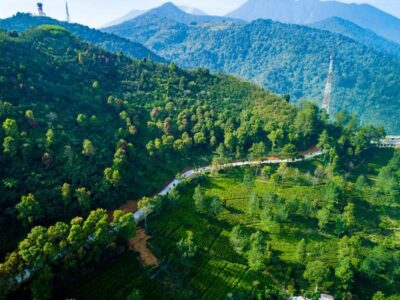
The core of the experience is the Uji plantation visit. Uji has a well-earned reputation for matcha quality, often compared to Scotland’s deep ties to Scotch whiskey. The tour leans into that same idea: tradition, place, and time.
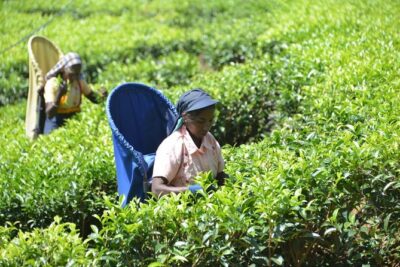
On the plantation side, you should expect to get beyond the generic “green tea grows on bushes” explanation. The tour is designed to show you the handling of green tea plants and what makes matcha cultivation different from other tea styles. You’ll also learn about matcha’s history—introduced to Japan centuries ago by a Zen monk in the 12th century—and how that legacy still shapes how people think about green tea today.
One theme you’ll likely hear clearly from your guide: matcha isn’t only about taste; it’s about a chain of choices. Growing methods and plant handling affect how the leaves behave. When you later taste different matcha varieties, that storyline makes the differences easier to understand.
Inside the Matcha Factory: How Processing Changes the Flavor
Next comes the matcha factory visit. This is the part many people skip when they only do tastings. Here, you get an exclusive peek into the way green tea is handled and the manufacturing process that turns leaf into matcha powder.
Think of it like this: you can plant the right tea, but if the steps afterward change, your final cup changes too. You’ll likely see and be explained how matcha is processed so it can be used for whisking and drinking as a powder beverage.
The guide also ties this part to what you’ll taste later. In the best tours, factory talk doesn’t turn into a lecture. Instead, it becomes a lens. You start noticing things like intensity and texture, and you get vocabulary for the experience rather than just swallowing it.
If you care about food craft—how ingredients become a product—this is where the tour earns its spot on your Kyoto list.
Tasting Multiple Matcha Grades With Japanese Sweets
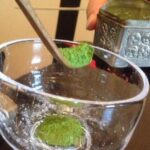
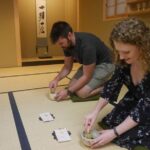
After plantation and factory time, you move into the part you’ll remember most in real life: tasting. You’ll sample multiple varieties of matcha, and you’ll also enjoy Japanese sweets as part of the experience.
This is more valuable than a single sample. Different matcha grades can taste like different worlds—some feel smoother and calmer, others hit with stronger green intensity. Even if you’re new to matcha, you’ll pick up quick comparisons because the tour is structured around learning by tasting.
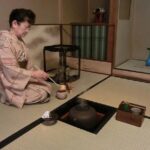
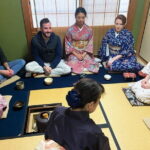
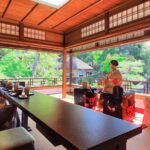
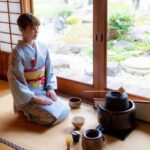
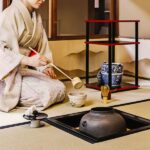
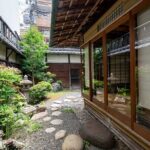
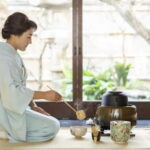
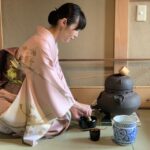
The tasting happens at a traditional tea hut setting, which helps the moment land. It’s not just drink-and-go; it’s a pause where you can pay attention. And since the tour includes matcha tasting and sweets, you don’t have to hunt down additional add-ons just to make the price feel worthwhile.
If you’re the type who brings food home as a souvenir, this tasting also sets your shopping priorities. You’ll know what kind of matcha you actually liked, not just what sounds expensive.
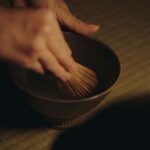
Learning the Routine: Health Benefits and Drinking Matcha Daily
A big promise of this tour is learning the habit of drinking green tea as part of daily life. You’ll get an explanation of the health benefits Japanese people associate with green tea, paired with a practical framing for how it fits into routine.
That matters because many matcha experiences teach you how to taste, but not how to use matcha back home. The guide’s job here is to connect cultural context with real-life options—what you can do daily, and how to think about the drink beyond novelty.
You’ll also pick up the history in a way that’s tied to today’s habits. Matcha was brought into Japan centuries ago, but this tour focuses on how the tradition has continued, why it became a household-style beverage, and why people still treat it with respect.
One of the strongest review-style takeaways from this type of tour is that the guide adds storytelling. Names like Mia and Mie show up in praised guide comments, often linked with a warm, teacher-like approach and a lot of Japan wisdom. You’ll want that tone, because matcha is easier to understand when the story is human, not just factual.
Shopping for Tea and Utensils in the Right Place
You’ll have time for shopping after you learn about tea deeply. That may not sound exciting until you realize the tour gives you context first. When you understand what to look for, buying matcha becomes less random.
The tour mentions you can shop for green tea and tea utensils that are harder to come by elsewhere in Japan. That’s important for two reasons:
1) You’re shopping with better guidance, so your choices feel intentional.
2) You may find specialty items tied to the tea culture around Uji, not just generic tourist goods.
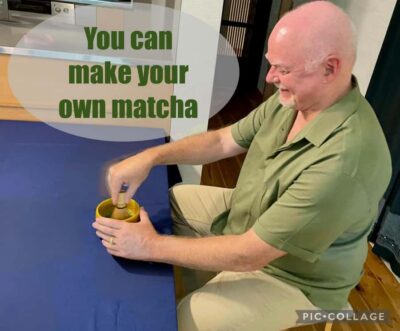
If you’re traveling with a kitchen already in mind—whisk, storage, sifter, a plan to actually make matcha at home—this is when you pick up the supporting tools. If you don’t have a plan, at least buy a matcha you can use for simple whisked cups, then build from there.
Price, Value, and What You’re Really Paying For
The tour costs $154.84 per person and runs about 3.5 hours. That’s not the cheapest Kyoto add-on. But value here isn’t about “pay for tea and leave.” It’s about guided process access plus transport.
Here’s what you’re getting bundled:
- Professional English-speaking guide
- Entrance fees
- Matcha tasting and Japanese sweets
- Transportation fees
- Hotel-area start point at Hotel Granvia Kyoto, and the tour ends back at the meeting spot
Also, with a small group (up to 6), you’re paying for time and instruction. The tour isn’t trying to rush you through a single room. It builds in a full sequence—plantation, factory handling, then tastings—so you get learning moments you could not easily replicate on your own without knowing where to go and what to look for.
For matcha lovers, it’s also a “buy better” experience. You taste multiple varieties in context, which can save money later. If you’ve ever bought matcha that you didn’t love because you didn’t understand the grade, you’ll appreciate this.
Who This Tour Suits Best
This is a great fit if you:
- Love food process and want to see how ingredients become products
- Enjoy tastings and want comparisons, not just a single sample
- Want a structured half-day in Kyoto that still feels cultural and local
It’s also good if you’re pairing this with other Kyoto highlights and want a break from temples and shopping streets. The experience is specific, focused, and tied to a place name—Uji—that you’ll remember.
If you’re traveling with someone who just wants “something matcha-ish” for a photo, you might need to manage expectations. This tour has real education baked in. That can be fun, but it’s not a short, casual snack stop.
Weather, Timing, and What to Bring for a Smooth Visit
The tour requires good weather. If poor weather cancels it, you’ll be offered a different date or a full refund. That’s a simple heads-up because plantation and factory visits can depend on outdoor conditions and general comfort.
Plan your clothing with Uji in mind. Even if the tour is only a few hours, you’ll be walking around a tea-growing area and moving between sites. Wear comfortable shoes and bring a light layer for temperature swings.
Timing is also flexible: you can choose morning or afternoon departures. If you prefer Kyoto’s calmer early hours, pick morning. If you’re saving temples for mornings, afternoon may keep your day from feeling rushed.
Should You Book This Matcha Plantation and Factory Visit?
Book it if matcha is your thing, or if you want a Kyoto experience that’s more than a tasting counter. The biggest strengths are the sequence—plantation to factory handling to tastings—and the small group size that keeps the explanations clear. The price looks steep until you see what’s included: guide, entrances, transport, and tasting with sweets.
Skip it only if you want a quick experience with minimal learning, or if you’re traveling at a time you suspect you’ll have frequent weather disruptions. If weather is stable and you’re a matcha person, this is one of the more satisfying, practical ways to understand what you’re drinking.
FAQ
What is the duration of the matcha plantation and factory visit?
It runs for about 3 hours 30 minutes (approximately).
Where does the tour start in Kyoto?
The meeting point is Hotel Granvia Kyoto in the JR Kyoto Station building at the Central Entrance.
How do you get to Uji?
The tour includes transportation fees and a train transfer from Kyoto Station to the Uji region.
What’s included in the price?
Your ticket includes a professional English-speaking guide, entrance fees, matcha tasting with sweets, and transportation fees.
Is the tour limited to a small group?
Yes. The maximum group size is 6 travelers.
Can I cancel if plans change?
Yes, cancellation is free. You can cancel up to 24 hours in advance for a full refund, and the tour requires good weather with an option for a different date or a full refund if canceled due to poor weather.