REVIEW · TOKYO
Practicing Zen through Japanese Tea Ceremony
Book on Viator →Operated by True Japan Tour · Bookable on Viator
Tokyo can feel loud fast. This 75-minute Japanese tea ceremony is a quiet reset with hands-on matcha and wagashi. You’ll also learn how the ritual links to Zen practice, not just how to pour a drink.
Two things I really like: the guided pacing (so you’re not guessing what to do), and the fact that you practice making tea yourself during the session. The vibe is calm and welcoming, and the instruction is delivered in English by a bilingual licensed tea master (with at least five years’ experience).
One consideration: the ceremony space can be in a basement-style room inside a building, so it’s not the outdoorsy “garden tea” mood some people expect. Also, if you’re hunting for lots of Zen theory only, you’ll likely find the session leans more toward the ceremony itself than pure lecture.
In This Review
- Key moments you’ll care about
- A calm 75 minutes inside Tokyo’s tea ritual mood
- Finding the start: Kikai Shinkō Kaikan and the room’s vibe
- Tea master guidance: how the Zen connection is taught in practice
- Preparing matcha: what you learn and why the steps matter
- Wagashi and matcha pairing: the sweet logic behind the flavors
- The ceremony itself: rhythm, respect, and the quiet pause
- Price and value: is $64.50 a good deal in Tokyo?
- Who should book this tea ceremony (and who might skip)
- Should you book this Zen through Japanese Tea Ceremony?
- FAQ
- How long is the tea ceremony experience?
- Where does the experience start and end?
- Is the tea master bilingual, and is instruction in English?
- Do I just watch, or do I make tea myself?
- What drinks and sweets are included?
- Is Zen taught as part of the experience?
- Does the price include extra food or beverages?
- Is pickup or drop-off included?
- How many people are in a group?
- What’s the cancellation policy if plans change?
Key moments you’ll care about
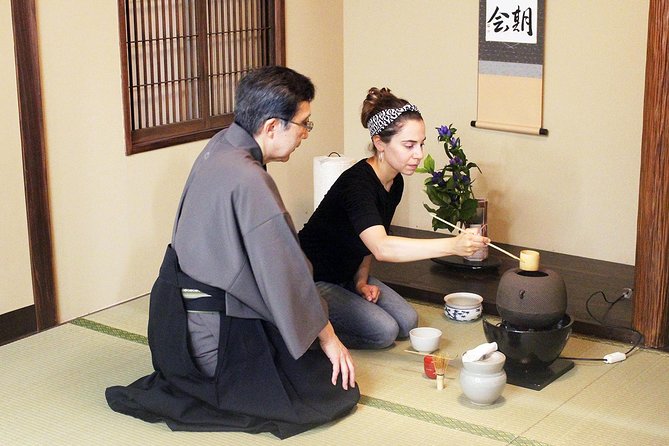
- Bilingual licensed tea master with years of real experience guiding you in English
- Hands-on matcha prep, plus a second chance to make tea yourself
- Wagashi paired for your matcha’s flavor, not random snacks
- Zen connection explained alongside tea utensils and Japanese hanging scrolls
- Small group size (up to 28) that keeps the room from feeling crowded
- A short mindful pause that makes the rest of the ritual feel slower and clearer
A calm 75 minutes inside Tokyo’s tea ritual mood
I like booking short experiences in Tokyo that change your state of mind. This one is about exactly that: a quiet cultural pause when your schedule is otherwise packed with temples, streets, and lines. The duration is about 1 hour 15 minutes, which makes it easy to slot into a day without feeling like you lost an entire afternoon.
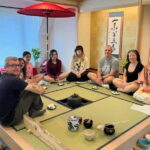
The group size also helps. With a maximum of 28 people, you’re not stuck in a huge cattle-call classroom. It tends to feel more like an intimate performance plus a workshop, where you can actually follow along when the tea master demonstrates each step and when it’s your turn.
One practical note: since there’s no pickup or drop-off service, you’ll want to arrive a few minutes early. The meeting point is near public transportation, so you can plan your route and then focus on being present instead of stressed.
You can also read our reviews of more tours and experiences in Tokyo.
Finding the start: Kikai Shinkō Kaikan and the room’s vibe
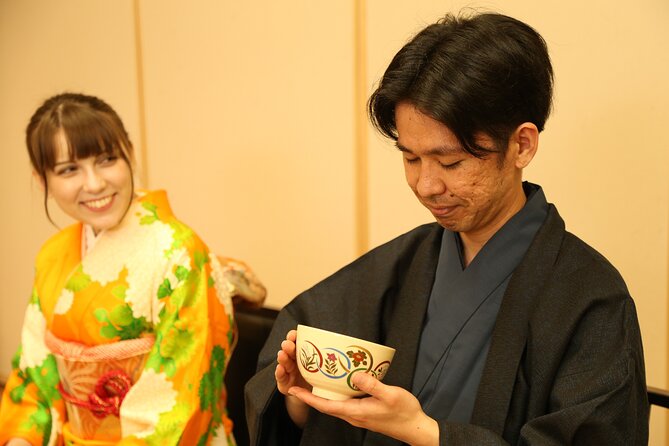
Your session starts at Kikai Shinkō Kaikan, 3-chōme-5-8 Shibakōen, Minato City, Tokyo 105-0011. It ends back at the same place, so you’re not wandering off to a different venue afterward.
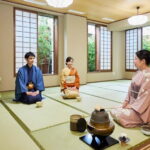
Now for the thing to know before you go: one of the best parts of tea ceremony training is atmosphere, but the setting here can be in a keller/basement-like room inside a building. That doesn’t make it bad—if anything, it can support the calm, enclosed feel. Just don’t expect a big open-air experience.
If you’re the type who likes quiet interiors, it’s likely a plus. If you’re hoping for bright natural light, plan your expectations accordingly and treat it as a “tea room” experience rather than a scenic outing.
Tea master guidance: how the Zen connection is taught in practice
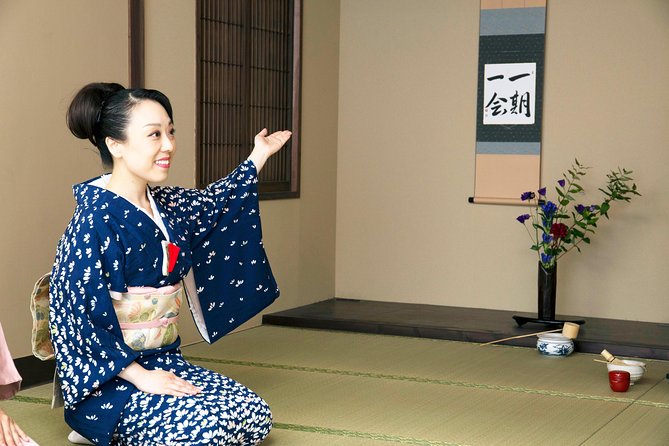
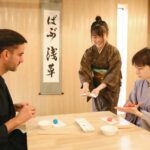
This ceremony is led by a bilingual licensed tea master who explains the foundations in English. The goal isn’t only to show you matcha, but to connect the ritual to how Zen thinking shows up in everyday life—especially how people host, pay attention, and slow down for each other.
You’ll learn about the ceremony’s meaning while participating, and the teaching includes not just matcha but also Japanese hanging scrolls and tea utensils. That matters because tea ceremony is full of objects that carry intention. Even if you don’t know the references, the tea master’s explanations help you see why the ritual looks the way it does.
From what people highlight most, the instructors tend to be warm and attentive. Names that came up include Miyuki and Yuuko—both described as welcoming and thoughtful in how they guide participants through the experience. You can expect a friendly structure: demonstration first, then guided participation, then your own attempt.
Also included is a short mindful moment. One review specifically mentioned a brief meditation that sets the tone. Even if you’re not into formal meditation, it can help you shift gears from “Tokyo mode” into “slow attention mode.”
Preparing matcha: what you learn and why the steps matter
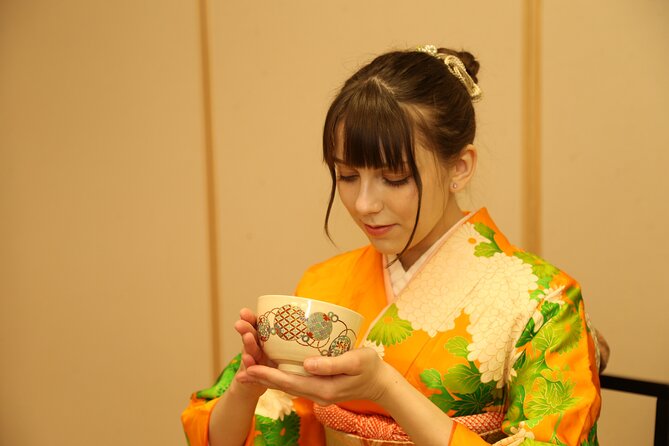
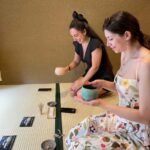
This is not a quick taste-and-go. The program is designed to recreate the traditional tea ceremony atmosphere, with guests following the ritual practices throughout the session. You’ll start with the tea master preparing matcha for you using authentic matcha green tea and classical ceremonial methods.
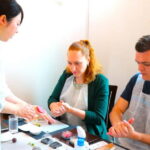
Then you’ll practice. That’s a big deal. Lots of tea experiences teach you how it’s done, but you only watch. Here, you learn and participate in the process, and then after the guided portion, you also try making tea using the ceremony steps yourself.
Here’s what I think makes this valuable for you: matcha is simple as an ingredient, but the ceremony is about control and respect—how you handle each step, how you keep your focus on the moment, and how you treat the person you’re serving. When you do the movements yourself, the “Zen connection” stops being a concept and starts becoming physical.
Even if you don’t become a matcha expert by the end, you’ll leave knowing what matters most in the ritual: patience, cleanliness of process, and the feeling of moving at the speed of attention. That’s exactly the kind of takeaway that works long after you’ve gone back home.
Wagashi and matcha pairing: the sweet logic behind the flavors
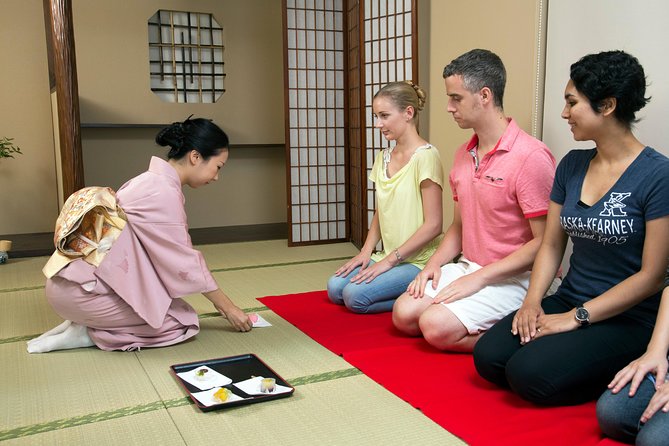
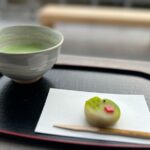
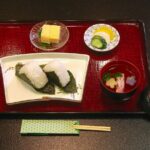
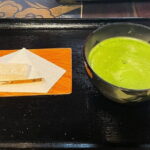
One of the smartest parts of a good tea ceremony is the food pairing. This experience includes traditional Japanese sweet confections (wagashi), selected specifically to complement the flavor profile of your matcha.
In plain terms: wagashi isn’t meant to overpower your green tea. It’s meant to work with it. Matcha has a distinct bitterness and grassy depth; the sweets help balance it so the overall taste feels intentional instead of random. You also get a better understanding of Japanese dining aesthetics, where flavor isn’t just about taste—it’s about harmony.
You’ll taste the sweets as part of the ceremony, and the tea master’s explanation connects the pairing choices to why the ritual is structured the way it is. For many people, this is the moment when it clicks. The ceremony becomes less like a performance and more like a guided lesson in how Japanese hospitality thinks.

The ceremony itself: rhythm, respect, and the quiet pause
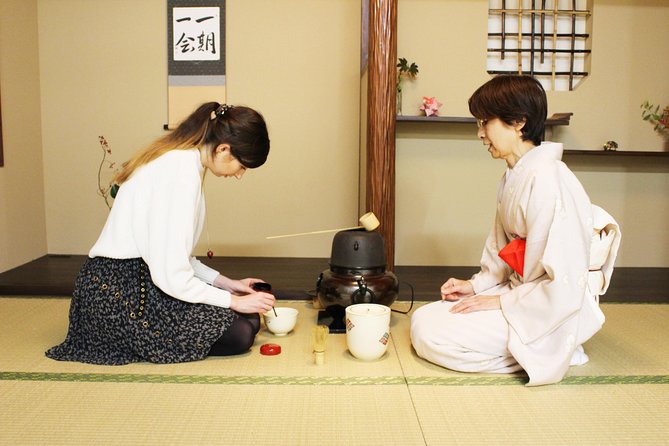
A tea ceremony can look like a set of formal actions, but the real payoff is the rhythm. You’re guided through each step, and the pace is designed to slow you down. That’s why this experience works so well during sightseeing days filled with noise and rushing.
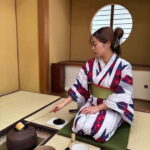
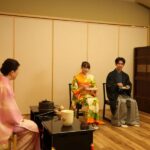
You’ll get a tea ceremony performance led by the tea master, and then you’ll participate in the process. The program structure supports both roles: learner and participant. That means you’re not just sitting there waiting for your turn to be served.
One more detail that helped the experience feel meaningful: the explanation covers the overall context of the ceremony—its utensils, its traditions, and its connection to Zen practice. That gives the ritual a frame, so you can understand what you’re doing rather than just copying movements.
And because the atmosphere is described as comfortable, serene, and welcoming, it doesn’t feel stiff. It feels like a careful invitation into a tradition—one that respects your attention instead of demanding it.
Price and value: is $64.50 a good deal in Tokyo?
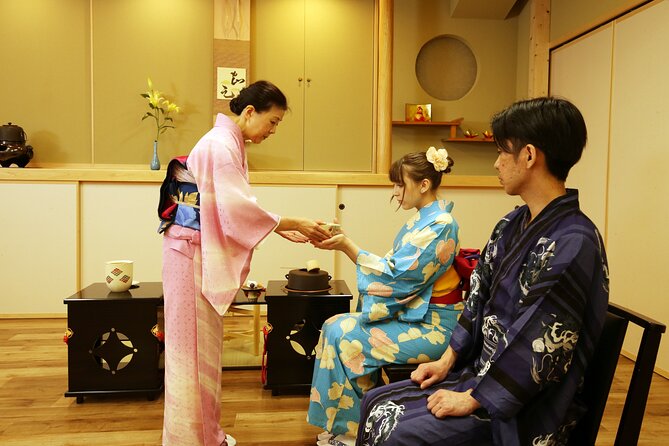
At $64.50 per person, this isn’t a bargain snack. But it can be strong value if you compare what you get.
You’re paying for:
- a bilingual licensed tea master with 5+ years of experience
- authentic matcha green tea
- traditional wagashi
- a tea ceremony performance plus a second hands-on tea-making round
- English explanation of Zen practices, Japanese hanging scrolls, and tea utensils
You’re also getting a calm learning moment in a small group setting (up to 28). If you’ve been in Tokyo long enough to feel museum overload, this is a different kind of learning: tactile, slow, and guided.
The main reason it might not feel like value is if you wanted a deeper, purely philosophical lecture on Zen with minimal ceremony time. One experience note suggested the session focused more on the ceremony than Zen theory. If that’s your top priority, you might want to pair it with another type of cultural experience. If you want both meaning and doing, this fits nicely.
Who should book this tea ceremony (and who might skip)
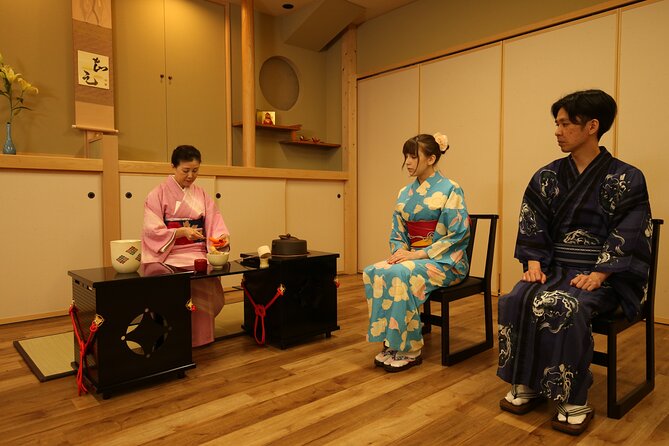
This is a great match if you:
- like hands-on cultural activities more than passive sightseeing
- want an easy way to learn Japanese etiquette and hospitality through daily life
- enjoy mindful moments and short meditative pauses
- want to go beyond photos and actually practice a traditional ritual
It might be less ideal if you:
- expect a very “Zen lecture” style event with lots of theory and minimal ceremony structure
- strongly prefer bright, open-air settings (the room can be basement-like)
- want food beyond the included wagashi and matcha (the session doesn’t include extra food or beverages)
Should you book this Zen through Japanese Tea Ceremony?
I’d book it if you want one Tokyo experience that slows you down and teaches something you can carry home. The hands-on matcha practice, the pairing with wagashi, and the English explanation of the ritual’s meaning are the winning combo.
If you’re short on time, the 1 hour 15 minutes format is a smart use of your day. If you’re trying to balance your trip—temples, neighborhoods, and also calm interior culture—this checks that box.
Just go in with the right expectations: it’s a traditional, guided ceremony in a controlled space, not a scenic rooftop tea session. If you can accept that, you’ll likely walk away with both a new skill and a calmer way to look at your next meal.
FAQ
How long is the tea ceremony experience?
It runs for approximately 1 hour 15 minutes.
Where does the experience start and end?
It starts at Kikai Shinkō Kaikan, 3-chōme-5-8 Shibakōen, Minato City, Tokyo 105-0011, Japan and ends back at the same meeting point.
Is the tea master bilingual, and is instruction in English?
Yes. The experience includes a bilingual licensed tea master, and the explanation is provided in English.
Do I just watch, or do I make tea myself?
You’ll do both. There’s a tea ceremony performance, and you also participate by performing a second tea ceremony yourself with instruction.
What drinks and sweets are included?
The session includes authentic matcha green tea and traditional Japanese sweet confections (wagashi).
Is Zen taught as part of the experience?
Yes. The tea master explains the connection between the tea ceremony and Zen practices, along with tea utensils and Japanese hanging scrolls.
Does the price include extra food or beverages?
No. Only the matcha and included traditional sweets are part of the program. Any extra food or beverages are not included.
Is pickup or drop-off included?
No pickup and drop-off services are included.
How many people are in a group?
The group is capped at a maximum of 28 travelers.
What’s the cancellation policy if plans change?
You can cancel for a full refund if you cancel at least 24 hours before the experience’s start time, and you’ll receive a refund based on local time cut-offs.