Tokyo can be a lot. This sweet route is focused.
I love how the tour starts in a quieter pocket of Tokyo, then feeds you one specific style at a time instead of sending you hopping blindly around the city. You’ll eat Japanese-style pancakes, then keep moving through Korean bakery snacks, Japanese donuts, Hokkaido ice cream, and Mont Blanc before finishing with matcha in a historic tea house.
Two things I really like: first, the pacing. At around three hours, you get multiple stops without it turning into a marathon. Second, the guide is Soren, a working baker who shares the small details that make each bite make sense, not just taste good.
One thing to consider: this is a heavy sweets schedule. If you’re not into sugar-forward food, come ready to pace yourself and share, because you’ll be eating across several styles in a short window.
In This Review
- Key highlights to look for
- Entering Jiyugaoka at 10:30: the smart way to start a sweets day
- The $109 value: what you actually get for the money
- Stop by stop: what you’ll eat and why each one matters
- Stop 1: Japanese-style pancakes first, because you set the baseline
- A cozy Korean bakery stop: texture, flavor, and comfort
- The popular donut shop: Japanese-style donuts with variety
- Hokkaido ice cream: creamy sweetness from Hokkaido milk
- Mont Blanc patisserie: the structured dessert with a proper name
- Final stop: matcha in a historic tea house, tatami included
- Why having a working baker-guide changes everything
- Logistics that actually matter on a food tour
- Who should book this tour
- Should you book? My take
- FAQ
- How long is the Tokyo Sweets Tour?
- What is the tour price?
- What food and drinks are included?
- Is there an English-speaking guide?
- How large is the group?
- Where is the meeting point and when does it start?
- Will I try matcha as part of the tour?
- What does the tour include in terms of sweets?
- What’s the cancellation policy and does weather matter?
Key highlights to look for
- Jiyugaoka’s quieter streets set the mood before your first bite
- Soren’s insider baker perspective connects food to technique and ingredients
- Six-stop variety from pancakes and donuts to Hokkaido ice cream and Mont Blanc
- Traditional matcha on tatami in a historic building over one hundred years old
- Small group size (max 6) keeps things relaxed and conversational
Entering Jiyugaoka at 10:30: the smart way to start a sweets day
The meeting point is at Excelsior Caffé Jiyugaoka-ekimae (Meguro City, Jiyūgaoka). The tour starts at 10:30 am, and it ends back at the meeting spot, so you’re not left figuring out transit at the end with a full stomach.
Why I like this approach: starting near a train-friendly area and returning to the same point keeps the whole experience low-stress. With a tour like this, the point is food and atmosphere, not logistics.
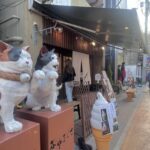
Jiyugaoka itself is part of the payoff. The neighborhood has a calmer feel than the big-name sights, with everyday streets, local shops, and older-looking houses in the mix. It’s a good place to walk and snack without feeling like you’re elbowing through crowds.
You can also read our reviews of more tours and experiences in Tokyo.
The $109 value: what you actually get for the money
At $109 for about three hours, you’re paying for more than tasting food. You’re paying for (1) multiple curated stops, (2) English guidance, and (3) a structured food flow so you don’t waste time hunting for places on your own.
Here’s what’s included: brunch, snacks, coffee and/or tea, and an English-speaking guide. That matters because sweets tours can turn expensive quickly if you’re paying out of pocket at each place. This one builds in the main “costs” so you can focus on enjoying what’s in front of you.
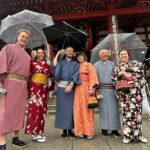
Also, the group is small: maximum 6 people. That’s a big deal for a food tour. With fewer folks, you usually get more attention when you ask questions about ingredients, texture, or why a certain shop does something a certain way.
Stop by stop: what you’ll eat and why each one matters
This is a sequence of styles, not random sampling. Each stop has a different “flavor logic,” and the guide helps you catch that.
Stop 1: Japanese-style pancakes first, because you set the baseline
You begin with Japanese-style pancakes. The description frames them as fluffier and sweeter than typical pancakes, and that’s exactly why this opening stop works. Before the tour becomes a string of desserts, you’re anchored with something that shows you what “Japanese sweet technique” can taste like—soft texture, gentle sweetness, and a dessert-like breakfast feel.
If you’re the type who likes to understand what you’re eating, this first stop is also a great warm-up. You’ll know what “pancake sweet” tastes like, which makes the later bites easier to compare.
A cozy Korean bakery stop: texture, flavor, and comfort
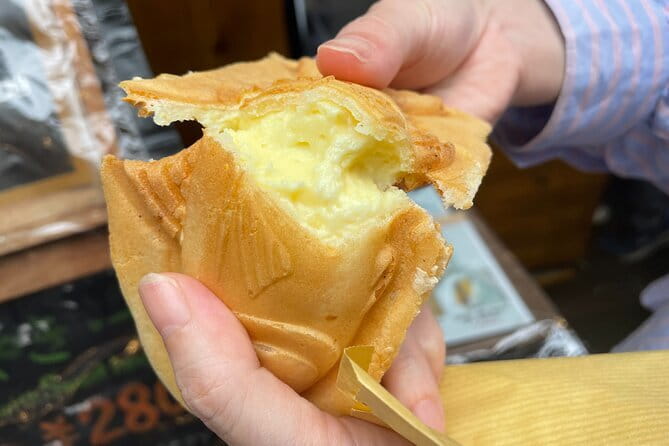
Next comes a Korean bakery. The tour wording emphasizes “a variety of Asian treats” in a cozy setting, and that’s what makes this stop fun. Korean bakeries often lean into creamy fillings, soft bread textures, and flavors that aren’t always the same as what you’ll find in standard Japanese dessert counters.
What to watch for: this is one of those stops where the details matter more than the label. When a guide (and especially a working baker like Soren) points out what’s going on inside a pastry—how it’s made, what the ingredients are doing—it can completely change the way you taste it.

The popular donut shop: Japanese-style donuts with variety
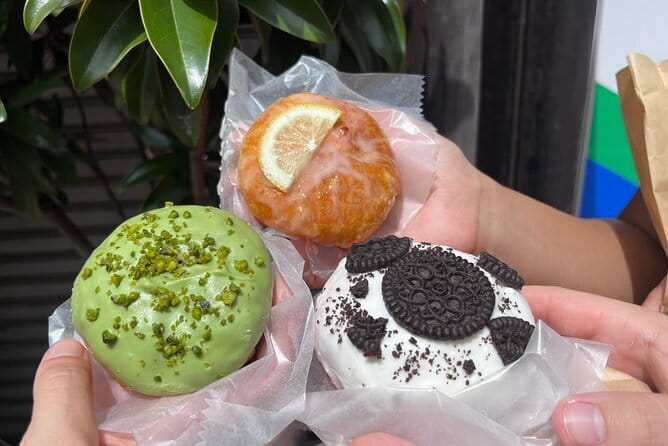
Then you hit a donut shop known for Japanese-style donuts. The tour description calls it a popular stop, and the structure here makes sense: once you’ve tasted pancakes and bakery treats, donuts become the handheld, variety-heavy interlude.
This is often a favorite because donut flavors tend to be fun and sometimes unusual. You can end up trying something you’d never order back home—especially when the selection is wide and you’re encouraged to taste more than one.
Hokkaido ice cream: creamy sweetness from Hokkaido milk
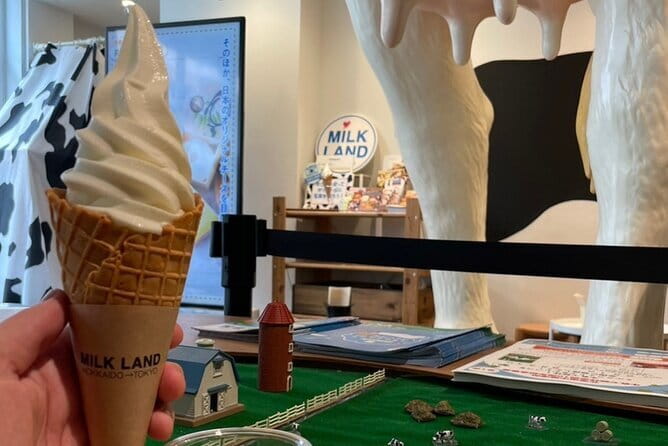
After donuts, you taste Hokkaido ice cream, highlighted for its extra creamy and sweet flavor thanks to Hokkaido milk. This stop is valuable because it slows you down. Ice cream gives you a palate reset after baked goods.
Why Hokkaido matters (in plain terms): the tour is framing it as a milk-driven flavor difference. So you should pay attention to smoothness and sweetness balance, not just “it’s cold and good.” If you like ice cream that tastes like dairy first and sugar second, this is the stop that usually delivers.
Mont Blanc patisserie: the structured dessert with a proper name
The tour includes a Japanese patisserie called Mont Blanc. Mont Blanc desserts are often about chestnut-style flavor profiles and a more composed, layered feel than something like a donut or a simple cake slice.
This stop is where the tour starts to feel more “dessert serious.” After lighter handheld treats and creamy ice cream, Mont Blanc can feel like the grown-up finale before matcha.
Final stop: matcha in a historic tea house, tatami included
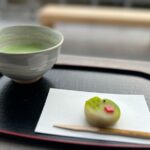
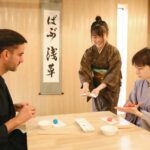
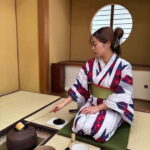
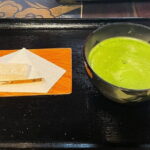
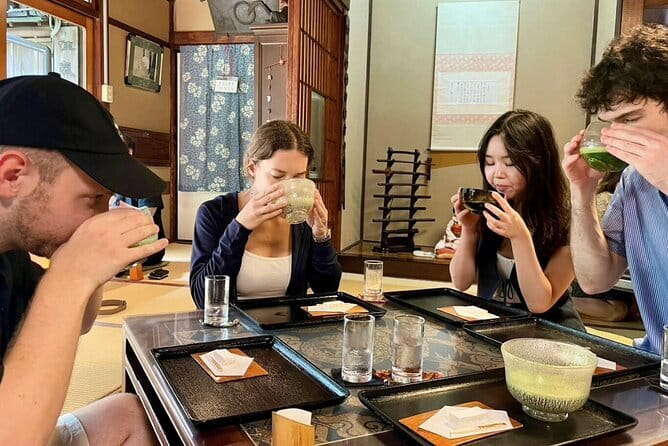
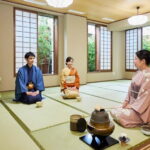
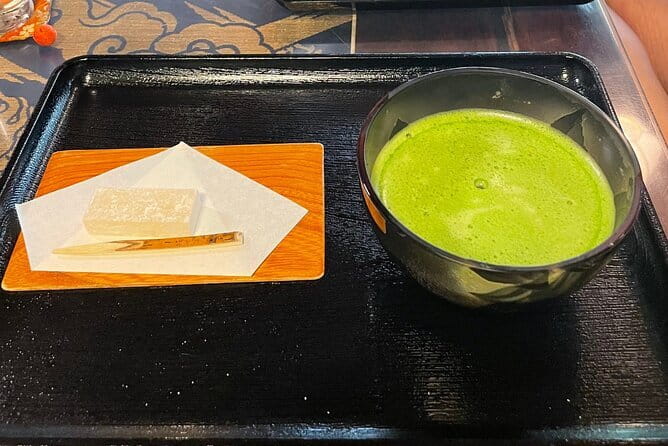
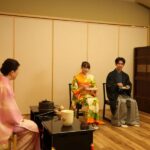
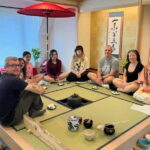
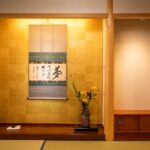
The tour ends at a traditional matcha shop inside a historic Japanese building over one hundred years old. The big visual detail here is tatami mats, and the big taste detail is authentic matcha.
This ending works for a reason: matcha is a cleanser and a closer. After sweet bites, matcha helps bring your palate back toward something green, earthy, and slightly bitter—so the whole day doesn’t feel like it turns into sugar overload.
It’s also where the cultural feel becomes strongest. A matcha shop like this isn’t just a café stop; it’s a setting designed for tea and lingering. Even if you’re not doing a formal ceremony, you’re still sitting in the right space to appreciate how the drink tastes and why it’s served the way it is.
Why having a working baker-guide changes everything
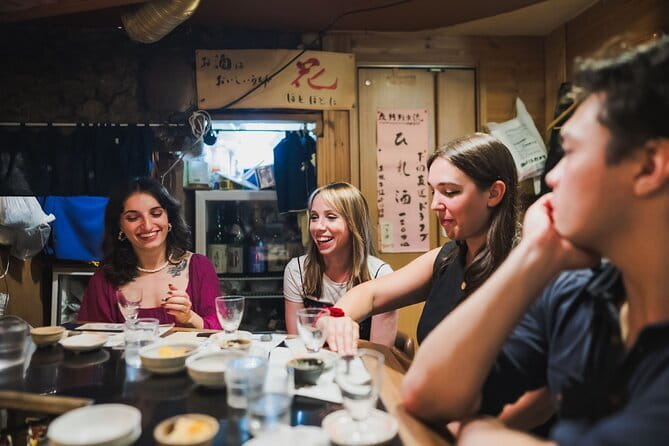
Soren isn’t just a translator of menus. The tour info describes him as someone who’s passionate about sweets and also works as a baker, so you get insider tips and fascinating details about each treat.
That matters because sweets can be vague if you’re only tasting. You might think, this is good, but not know why. With a baker-guide, you’re more likely to catch things like:
- how texture is created (for example, what makes pancakes extra fluffy)
- how cream and sweetness balance is built into ice cream or filled pastries
- what makes one donut style different from another
The result is that the tour becomes more than snacking. It becomes a guided taste education, without turning into a lecture.
Logistics that actually matter on a food tour
A few practical things make this experience smoother:
- Mobile ticket: fewer last-minute headaches, especially on a busy travel day.
- Near public transportation: you’re not stuck far from transit before you start.
- Most people can participate: it’s presented as broadly accessible.
- Good weather required: since you’ll be walking between stops, rain can disrupt the flow. If weather is poor, the tour may be offered on another date or refunded.
Also, because the group caps at 6 people, you’re less likely to feel like you’re racing through places. You can ask questions, take bites slowly, and actually enjoy the atmosphere.
Who should book this tour
I’d book this if you:
- have a serious sweet tooth and want multiple dessert styles in a short time
- like neighborhood walking more than line-standing in famous districts
- want a guided food day where you learn why things taste the way they do
- travel in a small group or want the small-group vibe
It’s also a solid “last-day” plan if you want a fun ending that doesn’t require heavy planning. But it may not be ideal if you avoid sweets, need very strict dietary control, or want mostly savory food.
Should you book? My take
If you want a compact Tokyo experience that feels local, not chaotic, this is a strong choice. The value is the combination: multiple well-chosen sweet stops, built-in food and drinks, and an English guide with real baking perspective in a small group.
I’d say go for it if you’re excited about matcha and desserts in general. Just go in knowing it’s sugar-forward and schedule it when you can slow down—because the best part is enjoying the whole sequence, not rushing to “get through” it.
FAQ
How long is the Tokyo Sweets Tour?
It runs for about 3 hours.
What is the tour price?
The price is $109.
What food and drinks are included?
The tour includes brunch, snacks, and coffee and/or tea.
Is there an English-speaking guide?
Yes. The tour includes an English speaking guide.
How large is the group?
The tour has a maximum of 6 travelers.
Where is the meeting point and when does it start?
The meeting point is Excelsior Caffé Jiyugaoka-ekimae, and the start time is 10:30 am.
Will I try matcha as part of the tour?
Yes. The tour ends at a traditional matcha shop in a historic Japanese building, with seating on tatami mats.
What does the tour include in terms of sweets?
You’ll try several items, including Japanese-style pancakes, Korean bakery treats, Japanese-style donuts, Hokkaido ice cream, and a Mont Blanc patisserie, plus matcha.
What’s the cancellation policy and does weather matter?
You can cancel for a full refund if you do it at least 24 hours in advance. The tour requires good weather; if it’s canceled due to poor weather, you’ll be offered a different date or a full refund.