REVIEW · TOKYO
Tea Ceremony Experience in a Private Tea Room in Shibuya
Book on GetYourGuide →Operated by EAST GREEN MATCHA · Bookable on GetYourGuide
Matcha magic in Shibuya, not a tourist trap. This experience turns the chaos of central Tokyo into a quiet private tea room moment, led by a Japanese tea ceremony host. The other big draw is the EAST GREEN MATCHA you’ll drink and learn with, including a rare high-grade organic matcha.
You get a structured session that covers tea ceremony basics, matcha history, and how to make matcha in formal style, plus traditional wagashi. One drawback to plan for: there is no toilet in the tea room, and the tea room itself is a small space inside an apartment-block setting.
In This Review
- Key highlights to look for
- Tea Room Kakoi: getting there from Shibuya Station
- The ceremony flow: history first, then matcha in formal style
- EAST GREEN organic matcha: why the 2% harvest detail matters
- Wagashi pairing: sweets that belong with the ritual
- Making matcha yourself: the technique and etiquette you’ll actually use
- Language, pacing, and questions in a small private setting
- Price and value: what $30 buys in Shibuya
- Should you book a Shibuya tea ceremony like this?
- FAQ
- Where is the meeting point?
- How far is Tea Room Kakoi from Shibuya Station?
- What is included in the $30 per person price?
- Will I be able to make matcha myself?
- Is matcha coffee-like in terms of caffeine?
- Is there a toilet in the tea room?
- Is this experience suitable for children or pregnant travelers?
- Can I buy matcha or tea tools as souvenirs?
- FAQ
- What languages are offered?
- Can I cancel and get a full refund?
Key highlights to look for
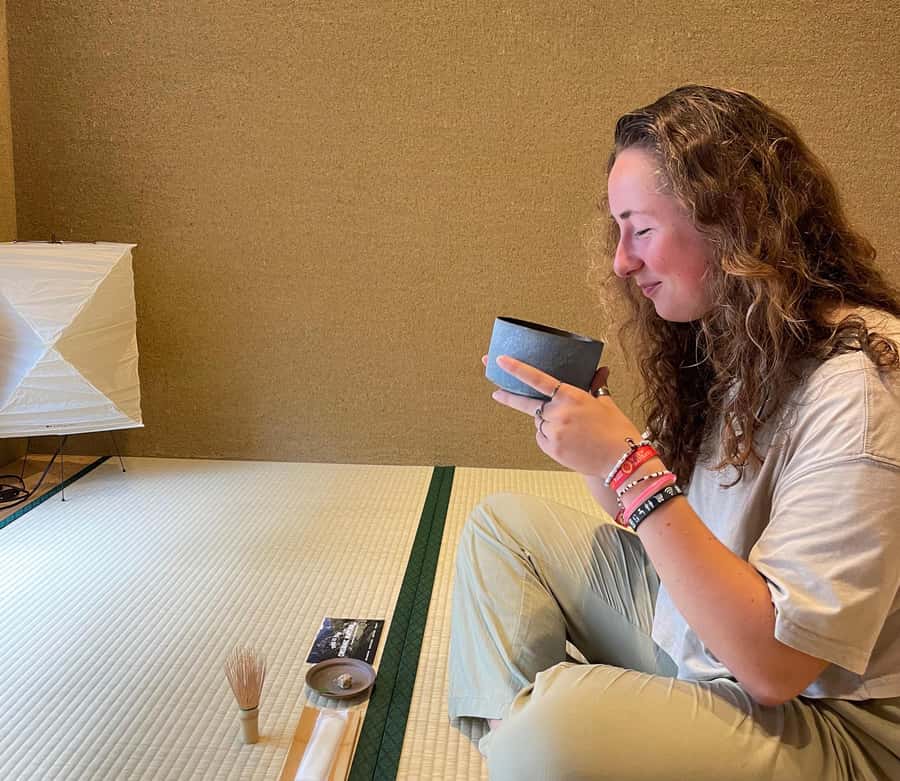
- Tea Room Kakoi in Shibuya: a calmer pocket of Tokyo just a short walk from Shibuya Station
- EAST GREEN MATCHA, organic, high grade: part of the appeal is that it comes from only 2% of Japan’s harvest
- Wagashi included: traditional sweets from a wagashi shop with 200+ years of history
- You’ll make your own matcha: the host guides your steps, not just a “watch and leave” format
- A Q&A at the end: time to ask about matcha, tools, and ceremony etiquette
- Optional take-home shopping: you can purchase premium organic matcha and original tea tools after the session
Tea Room Kakoi: getting there from Shibuya Station
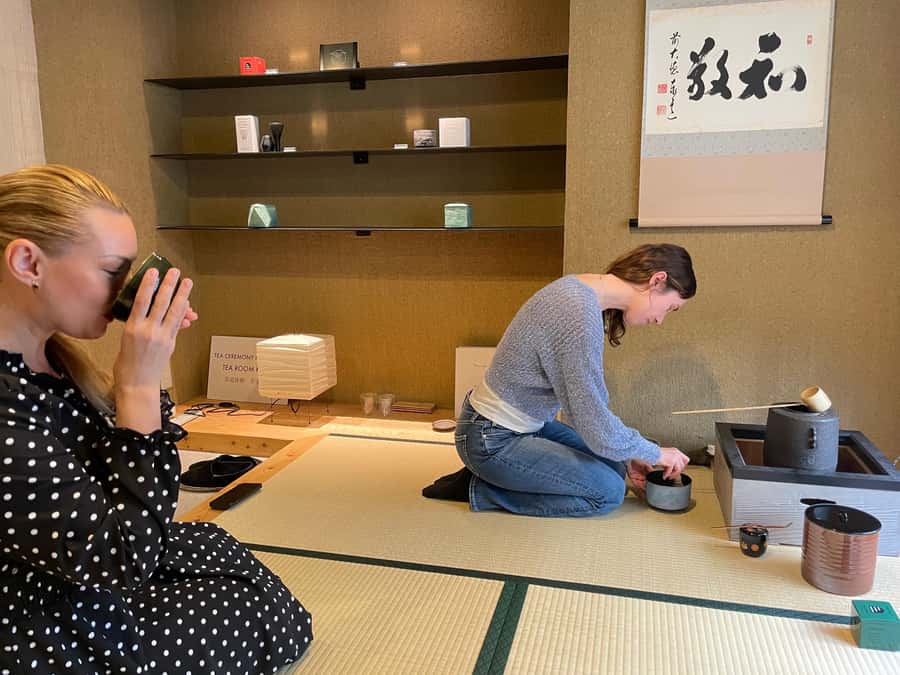
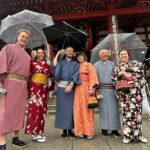
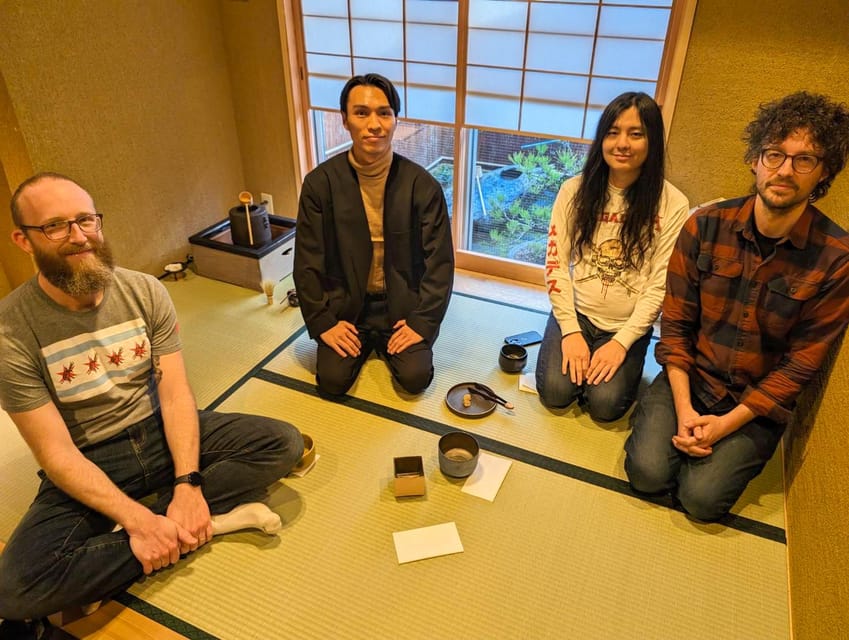
This is easy to reach, which matters because Shibuya can eat your time. You’ll meet at the front of The OneFive Tokyo Shibuya hotel (1-8-11, Jinnan, Shibuya-ku) with your guide holding a sign board that reads TEA ROOM KAKOI. From Shibuya Station, it’s about an 8-minute walk.
Here’s what I like about the setup: you’re not hunting for a tiny side street for an hour. The meeting point is clear, and the guide is visibly identifying the correct tea room experience. Also, the location is close enough that you can pair it with other Shibuya plans before or after, without feeling like you’ve crossed Tokyo just for tea.
One practical note: because the tea room is small and part of an apartment-block environment, you’ll want to arrive a few minutes early so you can slow down and settle without rushing.
You can also read our reviews of more tours and experiences in Tokyo.
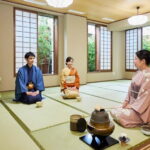
The ceremony flow: history first, then matcha in formal style
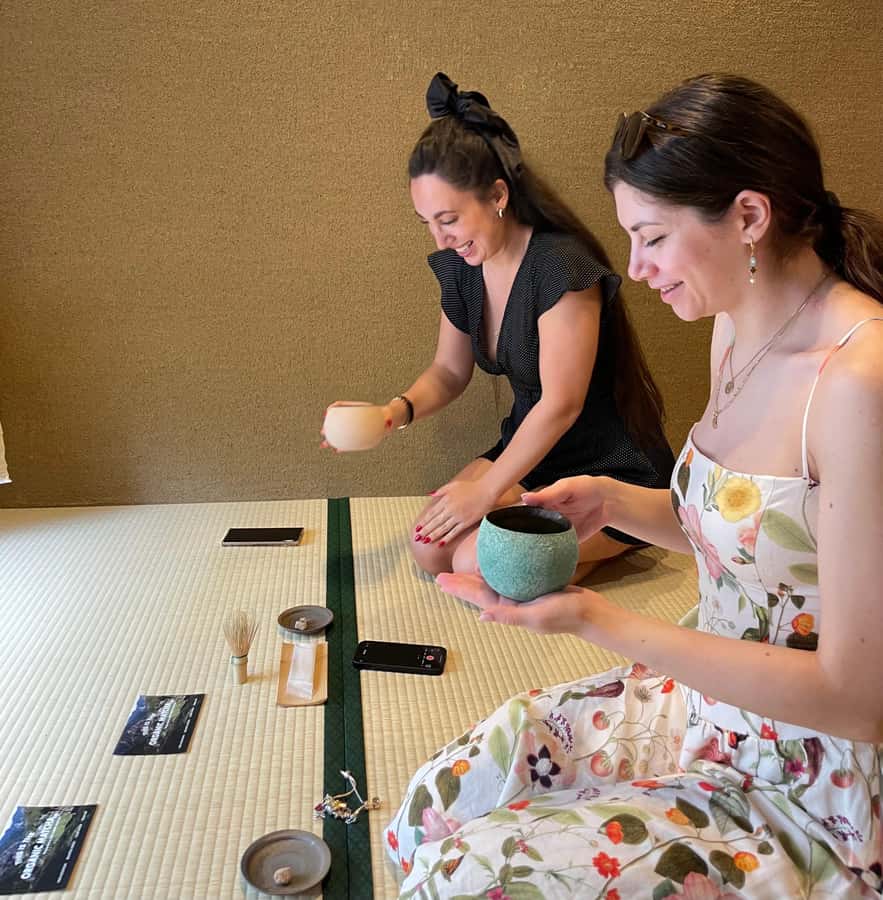
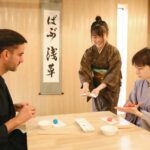
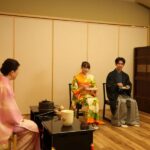
The session is built like a guided lesson, with tea ceremony structure at the center. You start by talking about Japan’s traditional tea ceremony and the history of matcha production—what makes matcha special, how it connects to ceremony culture, and how the mindset around the ritual works.
Then you move into the hands-on part:
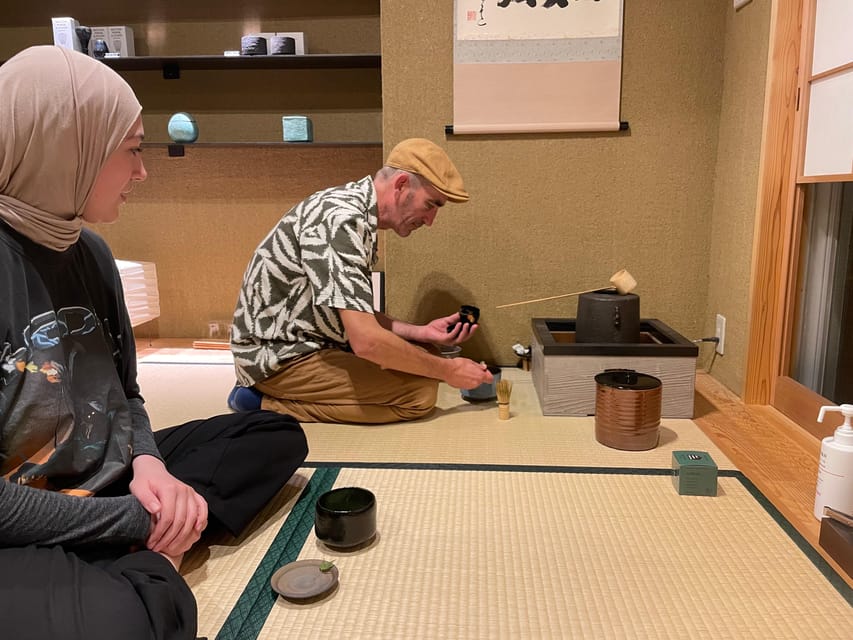
- You’ll prepare matcha using the formal tea ceremony style.
- You’ll be served your matcha along with traditional sweets (wagashi).
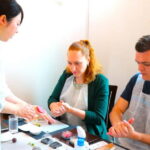
- The host also guides you through making your own matcha, so you’re not just tasting—you’re learning the process.
What makes this sequence feel valuable is that it connects “why” to “how.” If you’ve ever tasted matcha and wondered what separates good ceremony-style matcha from the everyday stuff, this is the path: first context, then technique, then a drink that’s served the way it’s meant to be.
At the end, you get time for free questions about the tea ceremony and matcha. If you’re the type who likes details—how the whisking changes texture, why certain movements matter, what to look for in matcha—you’ll appreciate that extra time.
EAST GREEN organic matcha: why the 2% harvest detail matters
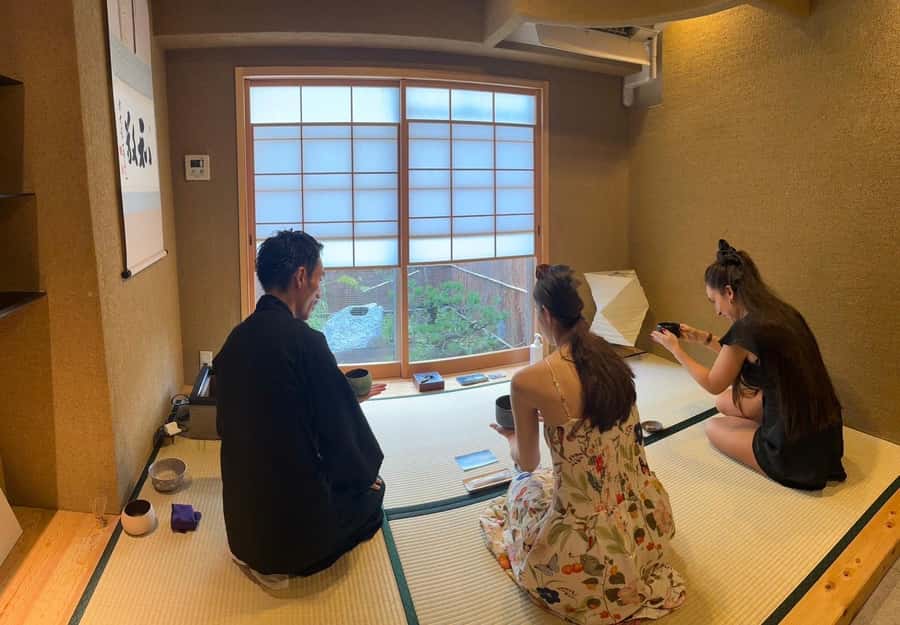
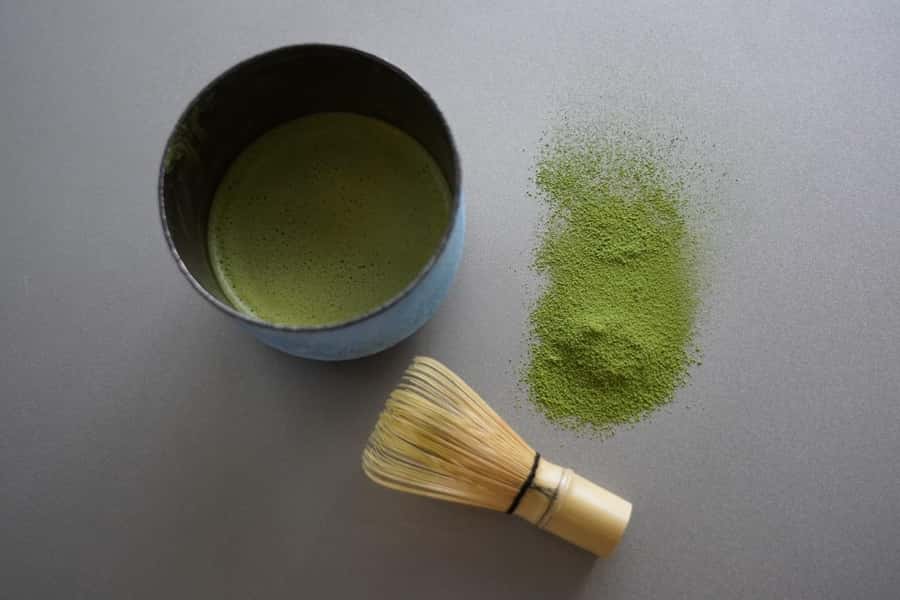
The matcha is the star here, and the brand and quality message is specific: EAST GREEN MATCHA is presented as organic and rare, coming from only 2% of the harvest in Japan. That claim may sound marketing-heavy, but the practical takeaway for you is simple: the experience is built around a premium ingredient, not a basic “tourist matcha” pour.
You’ll learn about matcha’s history and production basics before you actually whisk it. That makes your tasting more meaningful, because you’re not just trying to identify flavors—you’re learning what production choices can do to the experience in your cup.
Also, plan for caffeine. Matcha contains caffeine, so if you’re sensitive to stimulants, take that into account for the time of day you book.
When you drink it, you’ll also notice ceremony-style matcha preparation aims for texture. The goal is a properly mixed cup, not just a quick stir. The host also teaches you how to drink it, including the idea that matcha isn’t only about flavor—it’s about how you receive it.
Wagashi pairing: sweets that belong with the ritual
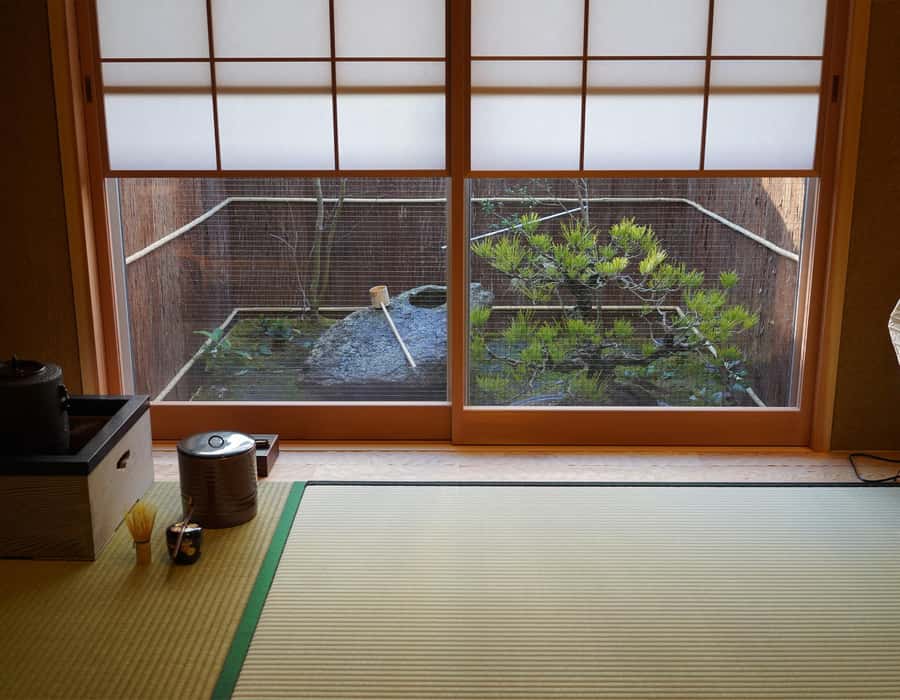
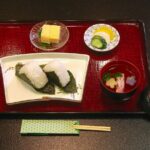
This isn’t matcha with a random snack on the side. The wagashi pairing is traditional and included, coming from a long-established wagashi shop with over 200 years of history.
That matters because wagashi is part of how the ceremony balances the cup. Matcha can be vegetal and slightly bitter depending on the style and quality. Wagashi is often designed to complement that flavor profile with sweetness and texture, so the tasting feels intentional rather than accidental.
If you’re new to Japanese sweets, this is a smart way to start. You’re learning the tea context at the same time, so the sweets don’t feel like an afterthought.
Making matcha yourself: the technique and etiquette you’ll actually use
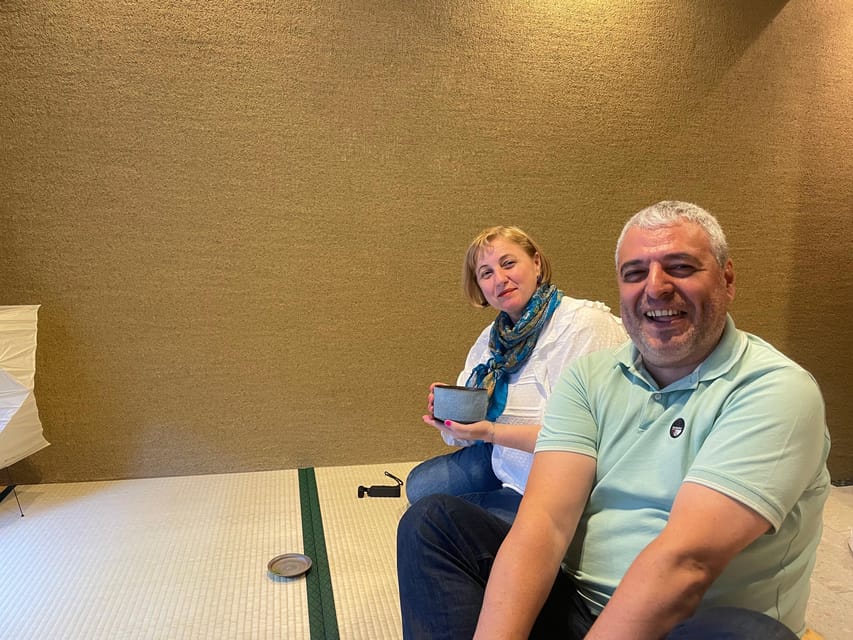
The best sessions are the ones that change what you do next time. In this tea ceremony, you’ll make your own matcha with guidance from the host.
Here’s what you’re practicing, based on how the session is described:
- how to prepare matcha in ceremony style
- how to use the right steps and movements
- how to understand the significance of the ritual, not only the mechanics
One subtle but important point: in a ceremony, the objects aren’t treated like props. They’re handled with respect because the ritual is about attention. If you care about doing things correctly, you’ll likely enjoy the host’s explanations around that tone—what respect for the tools looks like in practice.
If you like learning skills while traveling, this part is the value play. A lot of tea experiences stop at tasting. Here, you get the technique portion, and that’s what makes the memory stick.

Language, pacing, and questions in a small private setting
The session is offered in English and Japanese. That’s a big deal if you want to understand the meaning behind the steps, because the tea ceremony isn’t just choreography—it’s culture, pacing, and attitude.
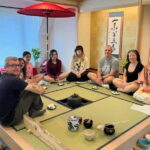
The setting also helps. People often expect Shibuya to feel constant-motion everywhere, but this experience is designed to bring the pace down. Expect a calm flow that gives you room to ask questions and learn.
And since you have free time at the end to ask about matcha and the tea ceremony, you’re not stuck with only pre-set facts. If you want clarification on anything you noticed—taste, texture, or process—you can ask.
One thing to keep in mind: the experience is not suitable for children under 10, and it’s not suitable for pregnant women. Babies under 1 year also aren’t recommended. If you’re traveling with anyone in those groups, you’ll want to look for another option.
Price and value: what $30 buys in Shibuya
$30 per person for a private tea room experience with premium organic matcha isn’t automatically a deal just because it’s “only” thirty dollars. The value comes from what’s included.
In this case, your price covers:
- premium organic matcha (EAST GREEN MATCHA)
- traditional wagashi sweets
- a guided matcha-making session with instruction
- everything you need for the experience
So you’re paying for more than a drink. You’re buying structure, coaching, and ingredients. The rare high-grade claim (2% harvest) is also part of the value equation: this isn’t pitched as basic matcha.
There’s also a second value layer: you can purchase high-quality organic matcha and original tea tools as souvenirs if you want. If you like the experience enough to take something home, you’re not limited to a small branded packet—you can buy matcha you’ll actually use.
If your goal is a cultural activity that feels calm, teachable, and not just photo-and-ghost, this price makes sense.
Should you book a Shibuya tea ceremony like this?
I’d book this if you want:
- a calm break from Shibuya’s energy without leaving the area
- hands-on learning, not just watching matcha prepared
- a matcha-focused experience with premium organic ingredients and a proper wagashi pairing
- English support (or Japanese) so you can understand the meaning, not only the steps
I’d skip it if:
- you need restroom access inside the tea room (there isn’t one)
- you’re traveling with someone in the groups listed as not suitable (children under 10, pregnant women, or babies under 1 year)
- caffeine is a concern for you and you’re booking at a time that would affect sleep or comfort
If you’re on the fence, use this simple test: do you want to learn a skill (making matcha properly) while enjoying a high-quality cup? If yes, this is the kind of Shibuya experience that’s worth setting aside time for.
FAQ
Where is the meeting point?
Meet at the front of The OneFive Tokyo Shibuya hotel, located at 1-8-11, Jinnan, Shibuya-ku, Tokyo 150-0041. The guide will hold a sign board that says TEA ROOM KAKOI.
How far is Tea Room Kakoi from Shibuya Station?
It’s about an 8-minute walk from Shibuya Station.
What is included in the $30 per person price?
Organic matcha (EAST GREEN MATCHA), traditional Japanese sweets (wagashi), and a guided matcha-making session. Everything you need for the experience is included.
Will I be able to make matcha myself?
Yes. The host guides you through making your own matcha after the ceremony introduction and demonstration.
Is matcha coffee-like in terms of caffeine?
Matcha contains caffeine, so it can affect you like other caffeinated drinks.
Is there a toilet in the tea room?
No, there is no toilet in the tea room.
Is this experience suitable for children or pregnant travelers?
It’s not suitable for children under 10 years old, pregnant women, or babies under 1 year.
Can I buy matcha or tea tools as souvenirs?
Yes. If you wish, you can purchase high-quality organic matcha and original tea tools at the end of the activity.
FAQ
What languages are offered?
The session is available in English and Japanese.
Can I cancel and get a full refund?
You can cancel up to 24 hours in advance for a full refund.