REVIEW · TOKYO
At an Antique Shop, Tea Ceremony and Japanese Sweets Forming
Book on GetYourGuide →Operated by Beautifuldaytours LLC. · Bookable on GetYourGuide
A roadside antique shop and a tea lesson in one stop.
I love the 100-year-old shop setting and the chance to pick from teacups that can be several hundred years old. You get the calming, hands-on feeling of wagashi shaping, then a real matcha tea ceremony right in the same atmosphere.
One thing to keep in mind: the host is an artisan, and English may be limited despite the team doing their best to help. That can make the experience feel slower, but it also keeps it authentic.
In This Review
- Key Points Before You Go
- Why a 100-Year-Old Roadside Antique Shop Changes Everything
- Teacup Choice: The Small Detail That Makes It Special
- Nerikiri Wagashi: Shaping Seasonal Beauty Like Clay Work
- The Tea Ceremony: Matcha Served After Your Own Wagashi
- What You Actually Do, From Arrival to Finish
- Price and Value: Why $57 Can Be Worth It Here
- Practical Side: Rules, Comfort, and Who Should Consider It
- Reviews in Plain English: What People Seem to Love
- Should You Book This Antique Tea and Wagashi Workshop?
- FAQ
- How far is the meeting point from Nippori Station?
- What does the price include?
- Can I choose which teacup I use?
- What wagashi are you making?
- Do I need to speak Japanese?
- Is this workshop suitable for wheelchair users?
- What is the minimum age to join?
- What conditions make the experience not recommended?
Key Points Before You Go
- Century-old roadside antique shop setting, not a generic apartment classroom
- Choose your own teacup, with options described as very old
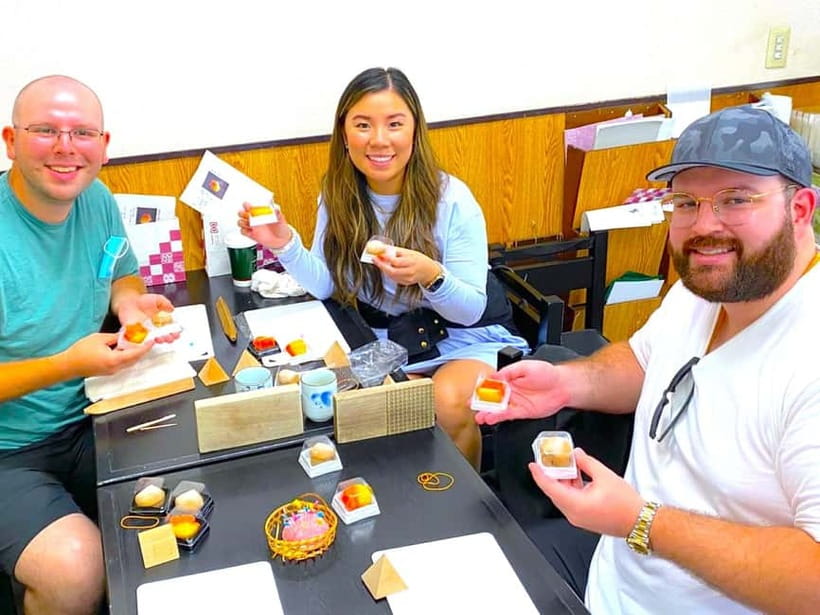
- Nerikiri wagashi (mochi flour) shaping, guided like clay work
- Seasonal design details added with tools after hand-forming
- Chair-style tea room where you eat the wagashi and drink matcha
- Beginner-friendly pacing, especially if you’re not “crafty”
Why a 100-Year-Old Roadside Antique Shop Changes Everything
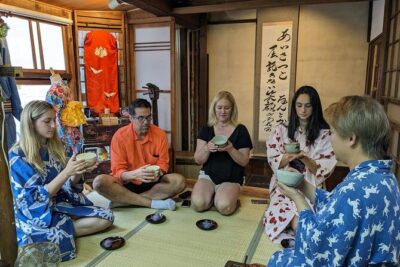
This isn’t a cookie-cutter tea-and-sweets class. The experience happens in a century-old roadside antique shop, the kind of place where you instinctively slow down and look at objects as if they’re telling stories. Even better, the shop has been featured after CNN interviewed it, which tells you this is the real deal and not a staged set.
The tea and wagashi parts still matter most, of course. But the venue is the secret sauce. When you’re surrounded by old tableware, the ceremony stops feeling like a performance and starts feeling like a tradition you’re stepping into.
I also like how the program makes room for you to settle in. You’re encouraged to take your time browsing the antique tableware first, so you’re not rushed into the lesson the second you arrive.
You can also read our reviews of more tours and experiences in Tokyo.
Teacup Choice: The Small Detail That Makes It Special
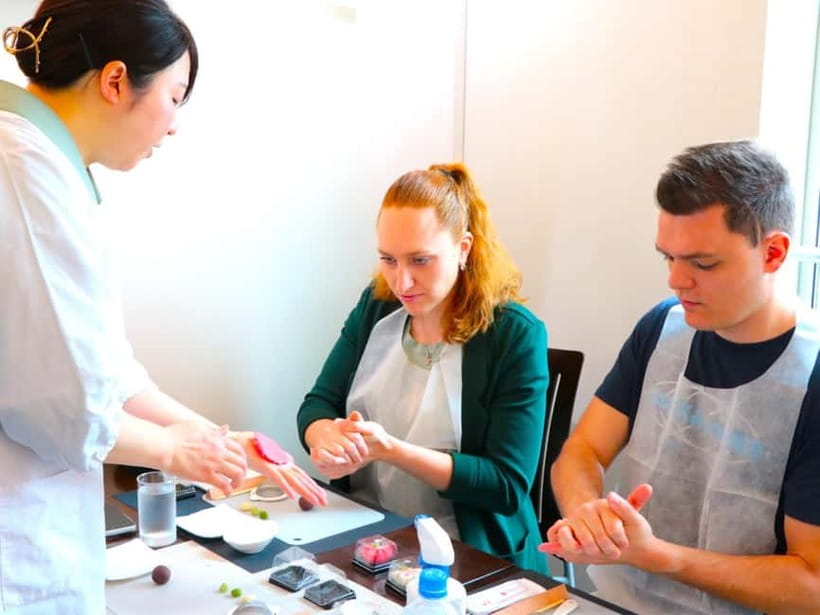
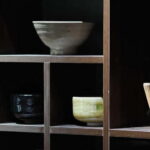
After you arrive, you begin with the fun part: choosing the teacups you’ll use during the tea ceremony. Some cups are described as several hundred years old, so you’re not just borrowing a prop—you’re working with something that has real age and character.
This matters more than it sounds. When you select the cup yourself, you pay attention. Your brain shifts from sightseeing mode to slow-ritual mode. And you’re more likely to notice the way the host handles the objects and how the ceremony flows.
If you’re an antique lover, you might also feel the itch to buy something. The program doesn’t include purchases, but the shop does allow you to purchase antique tableware if you want.
Nerikiri Wagashi: Shaping Seasonal Beauty Like Clay Work
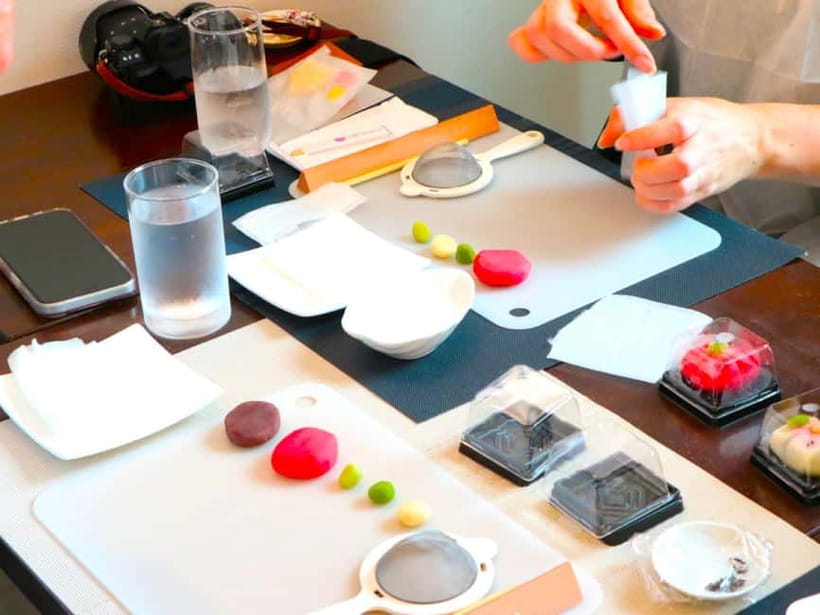
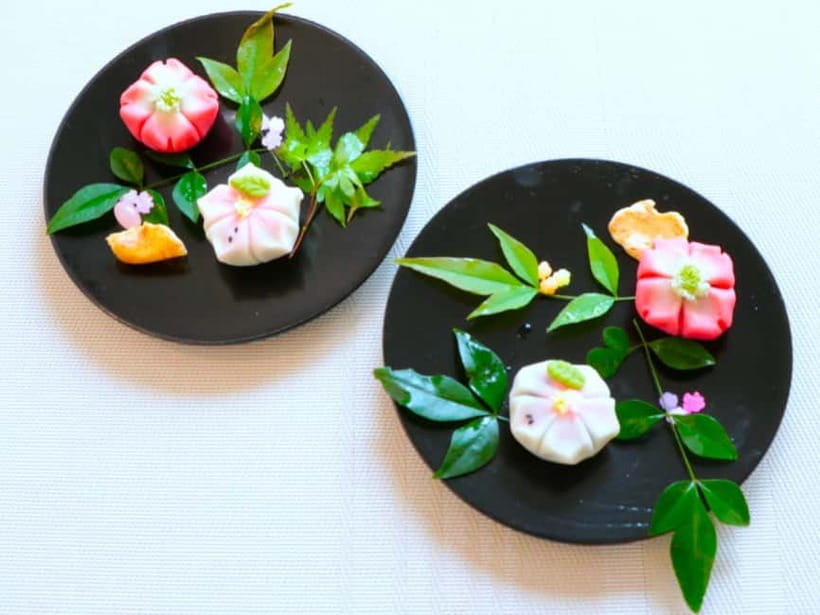
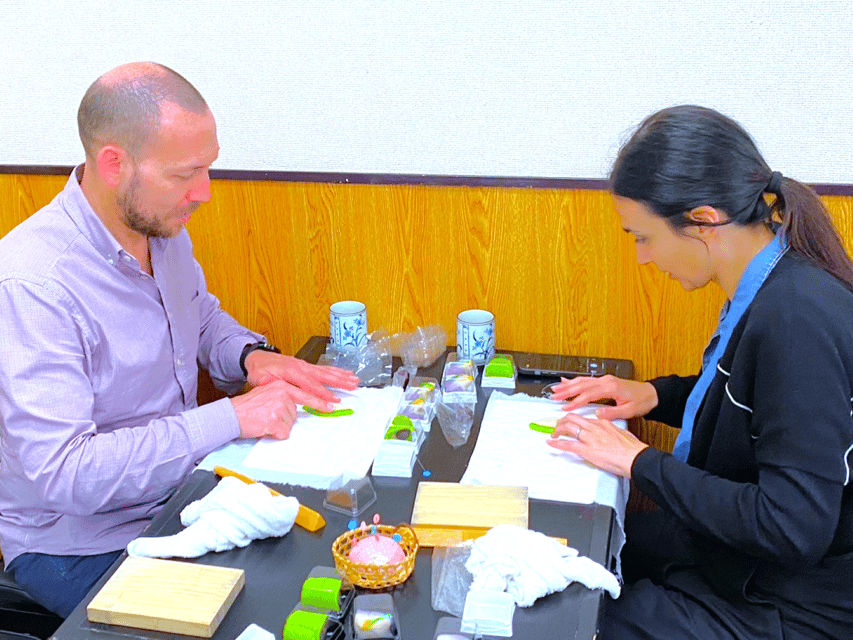
Next comes wagashi forming, specifically a type called nerikiri. It’s described as a mochi-based sweets process using mochi flour, plus colored materials you shape by hand. If you’ve never done anything like this, don’t worry. The guidance is meant to be patient and step-by-step.
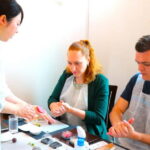
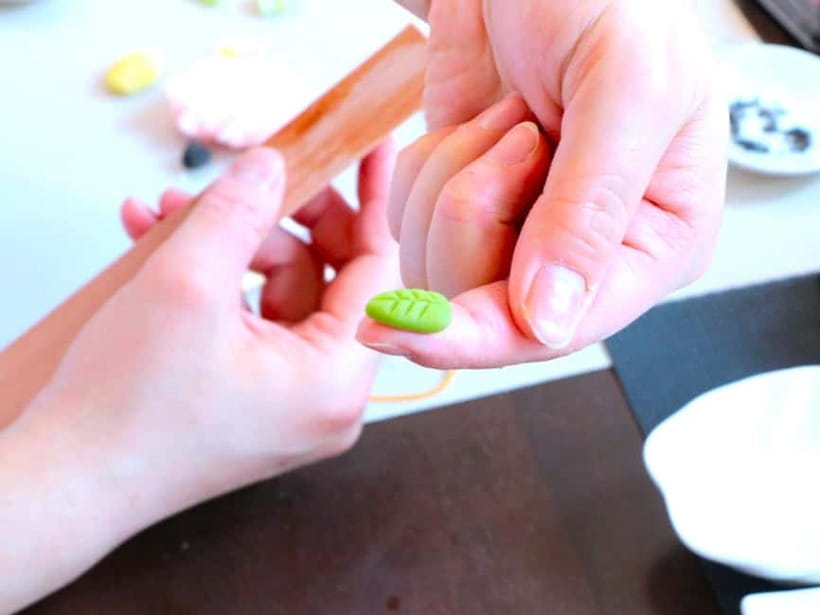
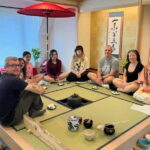
The shaping itself is explained as an easy, fun activity that works a bit like colorful clay. You form pieces together and build toward a theme for the day. Then comes the part where it gets really satisfying: you delicately form the colored dough and add lines with tools so the result shows the seasonal beauty of Japan.
That phrase might sound poetic, but it’s practical once you’re doing it. The lines and fine details are where your hands feel the difference between making something edible and making something that looks intentional. You’re not just filling a mold. You’re creating a design.
And since you’re eating what you make later, the taste payoff is built in.
The Tea Ceremony: Matcha Served After Your Own Wagashi
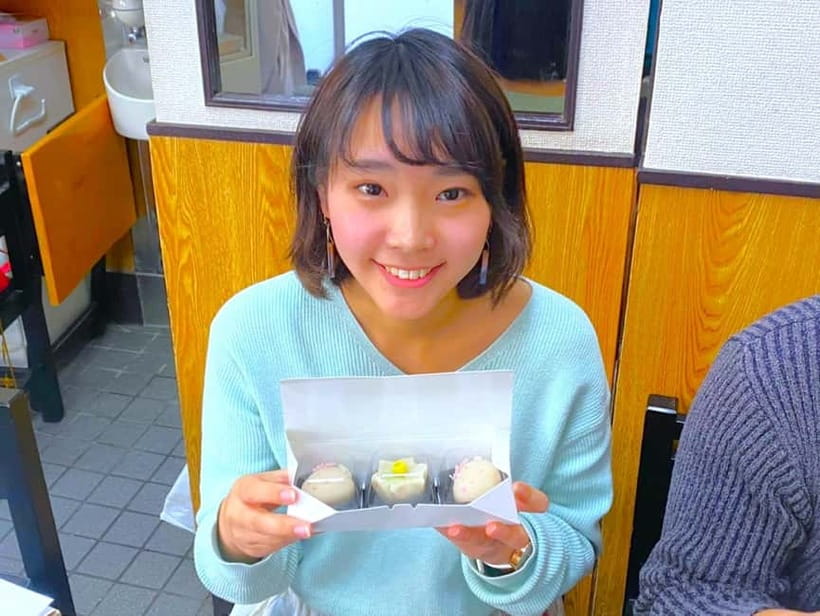
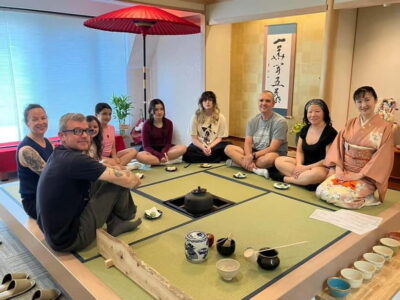
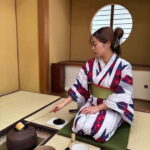
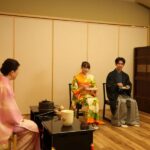
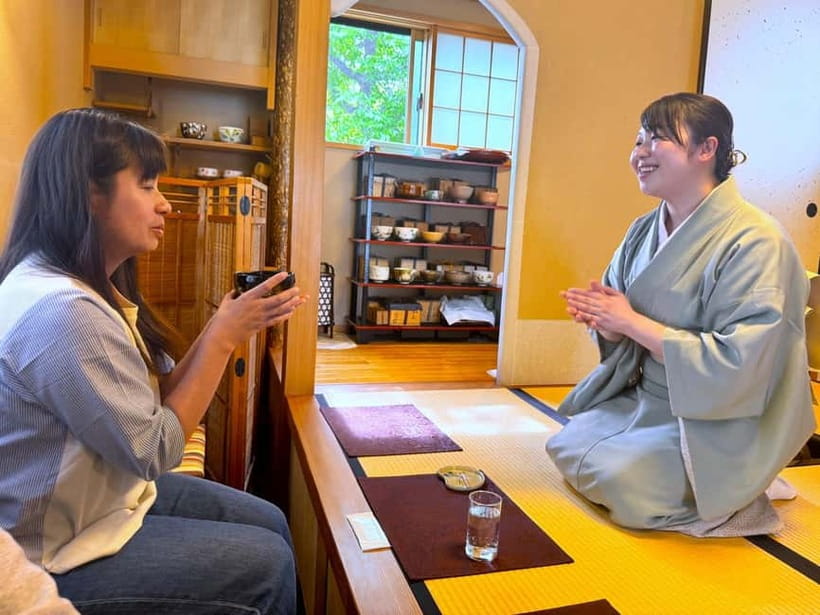
After shaping, you move to the tea area for a tea ceremony that’s designed for sitting in chairs. That’s a small detail, but it can make the experience feel more welcoming—less “bend yourself into a pretzel” and more “focus on the ritual.”
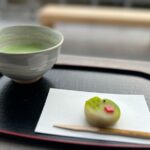
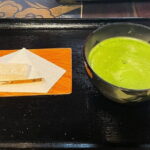
Once you’re settled, the host serves you your wagashi first. Then you get matcha: a real matcha served as powdered green tea. It’s described as not sweet, which means you’ll taste the tea more directly. Pairing it with your own shaped nerikiri gives you contrast—sweet-and-artful on one side, grassy and clean on the other.
Conversation is part of the experience, too. The program emphasizes that Q&A matters, because talking helps enrich the tea time. The host is described as an artisan rather than a commercial-style instructor, and English might be limited. Still, the team will do their best to help you enjoy the conversation.
So if your Japanese is basic or nonexistent, treat this like cultural listening. Ask what you can, point when you need to, and accept that some moments will be quieter than a typical tour script.
What You Actually Do, From Arrival to Finish
Here’s the flow you can expect.
You start near Nippori Station, about a 10-minute walk from the meeting point. After reservation, the exact location details are provided to you. The program ends back at the meeting point, so you’re not stuck navigating the area afterward with a sugar rush.
When you arrive, you’re not pushed immediately into the lesson. You get time to look around the antique tableware. That sets the tone and helps you appreciate why the setting matters.
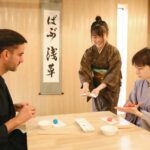
Then you switch gears to wagashi. You’ll shape nerikiri with colored materials, guided through the process even if you’ve done no crafting before. You’ll use tools to add detail lines to create a seasonal-themed design.
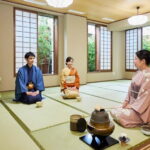
After that, you move to the tea room. You sit in chairs, eat the wagashi, and drink matcha served by the host. The ceremony includes time for interaction, and it’s built to be more than a one-way explanation.

Price and Value: Why $57 Can Be Worth It Here
The price is $57 per person, plus tax is included. On paper, it sounds like a standard workshop cost. But what makes the value stronger is what’s included with the money.
Your fee covers the experience, facility usage, tool usage, the materials for wagashi, and matcha powder. In other words, you’re paying for the ingredients and the setup, not just the instruction.
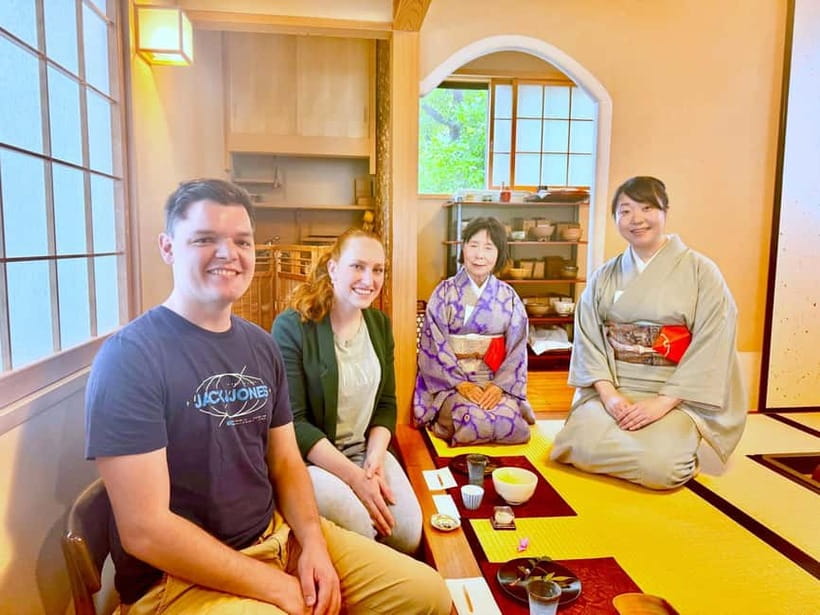
Then there’s the venue advantage. You’re not doing this in a generic room. You’re in a 100-year-old antique shop with antique tableware and teacups you can choose from. That changes the atmosphere and the sensory experience. If you enjoy Japan’s craftsmanship, that environment is part of the product.
If you’re the kind of traveler who only wants photos, this might feel slower. If you like tactile learning, making something you taste, and spending time in a real cultural setting, it’s a strong value.
Practical Side: Rules, Comfort, and Who Should Consider It
This experience does come with a clear set of do-not-do rules. No smoking. No intoxication or drugs. No chewing gum. And no baby strollers, baby carriages, or bare feet. Unaccompanied minors aren’t allowed, and it’s not for children under 13.
There are also health and comfort limitations. The experience is not suitable for wheelchair users and for people with vertigo or epilepsy. It’s also not suitable if you have a cold. In addition, if you show up unwell or under the influence of alcohol, you won’t be permitted to participate, and there’s no refund.
Timing is also strict. If you’re late, the program ends at the scheduled time. That matters because the steps are connected: wagashi shaping leads directly into the tea portion.
One more note: if someone just wants to enter the venue without participating, there is a fee required and must be arranged in advance. So it’s not an open hangout; it’s a planned experience.
If you want the best vibe, go with a calm mindset. You’re there to make, taste, and listen. The experience is described as teaching and calming in the feedback, and that matches the structure.
Reviews in Plain English: What People Seem to Love
The overall rating is a perfect 5, based on the small set of reviews you have. The themes are consistent: people enjoy the calming pace, the hands-on wagashi, and the care from the instructor.
A few specific details stand out. One review highlights that the instructor took time to help make the experience feel perfect. Another says the instructor was extremely friendly even though English wasn’t his first language. That’s a good signal for you: the experience is built to be welcoming even when language is limited.
Also, multiple reviews connect the dots between the two halves. You’re not treating wagashi and tea ceremony as separate attractions. You’re making the sweets, then eating them as part of the tea time, which makes the whole experience feel like one coherent ritual.
Should You Book This Antique Tea and Wagashi Workshop?
Book it if you want something more personal than a standard tea demo. The antique shop setting, the teacup choice, and the guided nerikiri shaping are a great combo. This is especially good for travelers who like craft, like eating what they make, and want a slower, respectful cultural moment near central Tokyo.
Skip it if you need wheelchair access, have vertigo or epilepsy, or you’re traveling with a child under 13. Also consider your language comfort level: English is listed, but the host may not speak it well, so you’ll do best if you’re okay with a more conversational, non-scripted style.
If you fall into the first group, I’d call this an easy “yes.” It’s memorable for reasons that aren’t just visual, and it gives you a tasty souvenir you can’t buy later.
FAQ
How far is the meeting point from Nippori Station?
The experience site is approximately a 10-minute walk from Nippori Station. Exact details are provided after you make the reservation.
What does the price include?
The fee includes the experience, facility usage fee, tool usage fee, matcha and wagashi material cost, and consumption tax.
Can I choose which teacup I use?
Yes. You can choose the teacups used during the tea ceremony, and some teacups are described as several hundred years old.
What wagashi are you making?
You’ll make nerikiri, a Japanese sweets forming experience where the main ingredient is mochi flour.
Do I need to speak Japanese?
No. Languages are listed as English, and the team will do its best to help. The host is described as an artisan who may not speak English well, so expect a slower, more guided exchange.
Is this workshop suitable for wheelchair users?
No. It is not suitable for wheelchair users.
What is the minimum age to join?
Participants must be at least 13 years old. Those under 18 must be accompanied by an adult.
What conditions make the experience not recommended?
The experience is not suitable for people with vertigo or epilepsy, and it is not suitable if you have a cold. Also, unwell participants are not permitted.