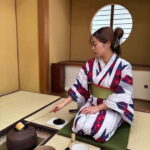
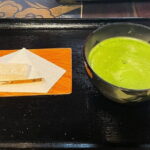
REVIEW · TOKYO
Matcha table tea ceremony experience in Tokyo
Book on Viator →Operated by Shuminavi Inc. · Bookable on Viator
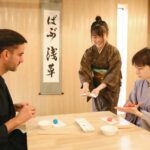
Matcha at a table beats floor kneeling. In Meguro, Tokyo, you learn matcha etiquette with a true hands-on whisking lesson from Masumi Matsumoto, a Master Instructor of the Japan Table Tea Ceremony Association. You’ll also get a chance to taste freshly made matcha and seasonal Japanese sweets during the session.
I also like that the class keeps a small group size of up to 5 people, which helps beginners feel comfortable and keeps questions in the flow. One possible drawback: this is the chair-at-a-table style, not the classic floor-seiza format—so if you’re specifically chasing the full traditional posture ritual, it may feel less formal than you expected.
In This Review
- Key things to know before you go
- Why this Table Matcha Ceremony feels different in Tokyo
- Meeting Masumi Matsumoto and your 2-hour game plan
- The first half: etiquette, matcha basics, and seasonal sweets
- The second half: you whisk, you serve, you repeat
- Chair-at-table seating: comfort that still respects the ceremony
- Seasonal wagashi and why the sweets matter
- Location walk-through: Meguro area after your tea
- Price and value: what $65.04 buys you in a small group
- Who this Table Matcha Ceremony is best for (and who should think twice)
- Should you book this Matcha Table Tea Ceremony in Tokyo?
- FAQ
- How long is the matcha table tea ceremony experience?
- What is the group size limit?
- Who teaches the ceremony?
- Is this table tea ceremony done sitting on the floor?
- What happens in the first half of the session?
- What happens in the second half?
- Does the sweets (wagashi) stay the same?
- Where is the meeting point and what’s nearby?
- How far in advance should I book?
- What’s the cancellation policy?
Key things to know before you go
- Master Instructor-led tea: you learn directly from Masumi Matsumoto, listed as a Master Instructor in the Japan Table Tea Ceremony Association.
- Chair-based Table Tea Ceremony: you sit at a table instead of on the floor, so it’s easier on your body.
- Make-and-serve matcha: the second half is practical—using the special matcha whisk to prepare your own tea.
- Seasonal wagashi: the sweet pairing changes with the seasons, so what you get will be tied to the time of year.
- A calm, small-group pace: with a maximum of 5 travelers, it’s easier to ask questions and keep up.
Why this Table Matcha Ceremony feels different in Tokyo
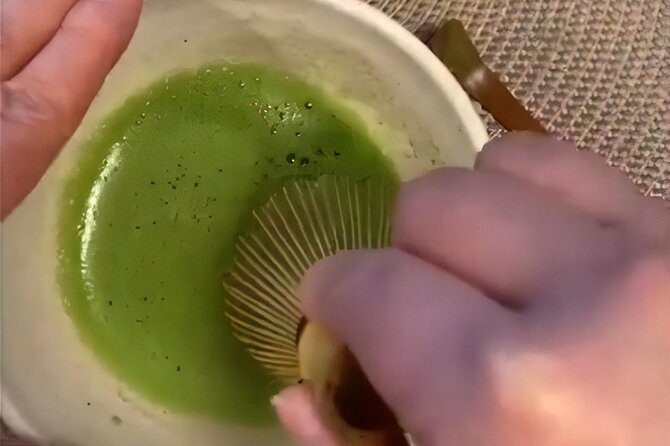
In Tokyo, it’s easy to find matcha tastings. What’s harder to find is a lesson that turns tasting into skill. This Table Tea Ceremony is built for exactly that: you learn the etiquette side, taste what good matcha feels like, and then make and serve your own.
The big practical win is that it’s not the floor version. You sit on a chair at a table. That means you can focus on the motions, the timing, and the manners—without your legs turning into the main event.
Also, the session is guided by Masumi Matsumoto, a Master Instructor. When the teacher’s role is clearly tied to the table-tea style, you should expect instruction that matches what you’re actually doing—whisking matcha, preparing properly, and serving with intention.
You can also read our reviews of more tours and experiences in Tokyo.
Meeting Masumi Matsumoto and your 2-hour game plan
The experience runs about 2 hours and starts back at the meeting point: 1-chōme-9-1 Nakane, Meguro City, Tokyo 152-0031, Japan. The activity ends back at the same place, so you’re not stuck figuring out where to go next.
Logistics are refreshingly simple. It’s a short walk from Toritsudaigaku Station—about 2 minutes. If you’re already planning a day around Nakameguro or Jiyugaoka, this fits nicely without turning into a whole separate trek across the city.
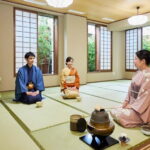
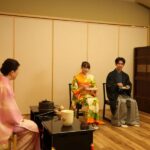
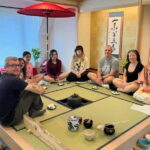
Group size is small (maximum 5), so this doesn’t feel like a lecture. It’s more like a guided workshop with structure. I like that, because tea ceremony etiquette can feel abstract until you’re holding the whisk and trying it yourself.
The first half: etiquette, matcha basics, and seasonal sweets
The session starts with explanation—how to enjoy tea and what to pay attention to. You’ll also learn insights into the history of matcha tea, which gives the rituals a reason to exist beyond doing movements “because that’s what you do.”
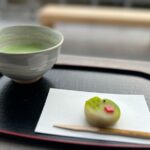
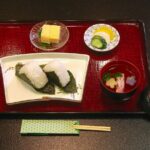
Then comes the tasting portion. The instructor prepares matcha green tea and seasonal Japanese sweets (wagashi). What makes this part useful is that you’re not just eating something sweet—you’re learning how the pairing and the sequence work together.
Here’s what to expect in practice:
- You observe the steps as the instructor prepares the tea.
- You taste matcha that’s made fresh for the lesson, not something pre-made for display.
- You try the seasonal wagashi alongside it, so your palate gets a real context match.
If you’re worried about language, you’ll likely feel more at ease than you expect. Instruction is described as clear in English, and the tone is described as friendly and easy to follow. That matters, because tea ceremony manners are subtle—and beginners need time to understand without feeling rushed.
The second half: you whisk, you serve, you repeat
After the tasting and explanation, the lesson turns hands-on. This is where the Table Tea Ceremony earns its keep.
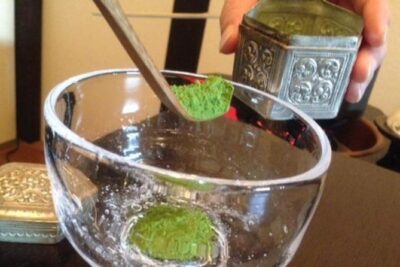
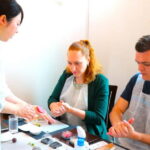
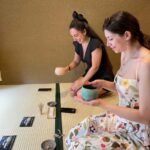
You’ll use a special matcha tea whisk (the lesson is specifically built around learning how to use it). Then you’ll prepare and serve your own matcha as part of the group experience. The goal isn’t perfection. It’s learning the technique you can recreate at home—so you can stop treating matcha like a mystery you only drink in cafés.
Why the “make and serve” part is valuable: it forces you to slow down. Matcha isn’t just a flavor. It’s texture, aroma, and the small choreography of how you handle the tools and present the tea. When you do it yourself, etiquette stops being intimidating and starts being practical.
Also, the lesson is structured so you’re not stuck watching the whole time. With a small group limit, the instructor can adjust the pace and clarify what you’re doing right and what to tweak.
Chair-at-table seating: comfort that still respects the ceremony
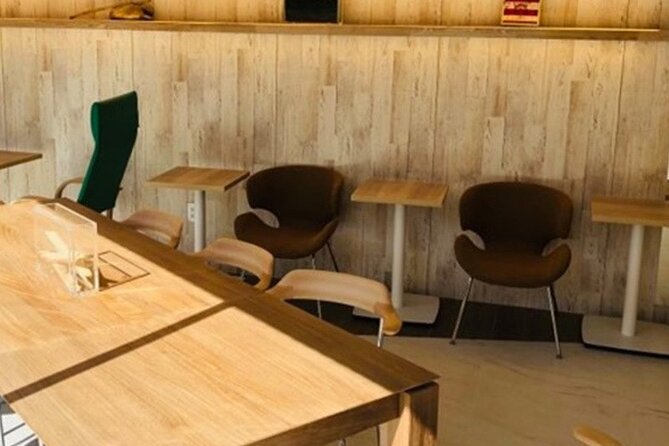
A lot of people want a tea ceremony but don’t want the floor challenge. This table format is designed for that reality: you sit on a chair instead of on the floor.
That doesn’t mean it’s casual in a careless way. The experience still focuses on manners, how to handle the tea, and how to enjoy it properly. The difference is that your body isn’t fighting you, so you can actually pay attention to the details that matter.
If you’re bringing kids, this is also a smart option. The format reads as approachable, and the lesson pacing is friendly toward beginners. You get the cultural activity without turning it into a long endurance test.

Seasonal wagashi and why the sweets matter
The wagashi pairing changes with the seasons. That means your experience won’t feel copy-pasted from someone else’s date on the calendar. In practice, seasonal sweets also give you a concrete way to notice the tea ceremony is tied to time and place, not just a fixed script.
I like that the sweets aren’t an afterthought. They’re served as part of the learning flow: you taste, you observe how the instructor frames it, then later you take that learning into making your own tea.
Even if you’re not a sweets person, don’t skip them. Wagashi tends to be a gentle, structured companion to matcha—not something sugary that drowns everything else out.
Location walk-through: Meguro area after your tea
The ceremony happens in Meguro-ku, a part of Tokyo with easy strolling and good “between neighborhoods” vibes. Around here, you can connect your tea lesson to a simple walking plan.
Meguro River is nearby, and the area also ties into sweets-focused fun around Jiyugaoka. If you’d like a quiet nature break, Nakameguro Park is also in the broader area. None of this is required for the tea ceremony, of course—but it’s a smart way to turn a 2-hour cultural stop into a fuller half-day.
Start your thinking like this: plan to arrive a little early, then after your lesson, keep it light. You’ll already have slowed your pace down for the tea. A calm walk afterward keeps the day coherent.
Price and value: what $65.04 buys you in a small group
The price is $65.04 per person for about 2 hours. The session is booked on average 98 days in advance, so early planning really pays off.
Here’s the value logic I’d use:
- You’re paying for instruction from Masumi Matsumoto, a Master Instructor tied to the table-tea style.
- You get the tasting portion (fresh matcha plus seasonal wagashi).
- You get the practical skill-building portion—whisking and making your own tea.
- You’re in a maximum group of 5, which makes the lesson feel less like a show.
If all you wanted was a matcha drink, this would be overpriced compared to a café. But if you want the method—something you can recreate at home—then the cost starts to make sense. For many people, that one “I can do this now” skill is exactly what turns a nice experience into a lasting one.
Who this Table Matcha Ceremony is best for (and who should think twice)
This is a great fit if you:
- Want authentic Japanese culture but prefer practical instruction over a lecture.
- Are curious about matcha history and etiquette, yet you learn best by doing.
- Don’t want to sit on the floor for a long time.
It’s also strong for families and first-timers because the atmosphere is described as friendly and not overly formal. You should feel at ease asking questions in English.
Think twice if you’re specifically chasing the classic floor kneeling style as part of your personal checklist. This is table tea ceremony, so the posture will be different. The cultural experience remains real—just not the exact same physical format.
Should you book this Matcha Table Tea Ceremony in Tokyo?
Yes, if your goal is to learn matcha tea ceremony basics in a way you can actually reproduce at home. The mix of explanation, tasting, and then making and serving your own matcha is the key selling point. Add the chair-at-table setup and the small group limit, and it’s a comfortable way to get close to the ritual without the stress.
If you’re the type who hates workshops that feel too stiff or intimidating, this format is likely to work for you. If you’re hunting the most traditional floor-seiza posture possible, you may want a different tea ceremony style.
FAQ
How long is the matcha table tea ceremony experience?
It runs for about 2 hours.
What is the group size limit?
The experience has a maximum of 5 travelers.
Who teaches the ceremony?
The instructor is Masumi Matsumoto, a Master Instructor of the Japan Table Tea Ceremony Association.
Is this table tea ceremony done sitting on the floor?
No. You sit on a chair at a table instead of sitting on the floor.
What happens in the first half of the session?
You’ll get an explanation of how to enjoy tea, then taste matcha green tea and seasonal Japanese sweets prepared by the instructor.
What happens in the second half?
You’ll make and serve your own tea using a matcha tea whisk, as part of the hands-on tutorial.
Does the sweets (wagashi) stay the same?
No. The wagashi changes with the seasons.
Where is the meeting point and what’s nearby?
The meeting point is 1-chōme-9-1 Nakane, Meguro City, Tokyo 152-0031, Japan. It’s about a 2-minute walk from Toritsudaigaku Station.
How far in advance should I book?
On average, it’s booked about 98 days in advance.
What’s the cancellation policy?
Free cancellation is available. You can cancel up to 24 hours in advance for a full refund. Canceling less than 24 hours before start time is not refunded.