REVIEW · HO CHI MINH CITY
Ho Chi Minh City: Vietnamese Lotus Tea Culture Experience
Book on GetYourGuide →Operated by CÔNG TY CỔ PHẦN SẢN XUẤT THƯƠNG MẠI DỊCH VỤ TRÀ VIỆT · Bookable on GetYourGuide
Lotus tea is weirder than you think. In this Ho Chi Minh City workshop, you’ll see tea treated like an art form, especially during the live lotus bud brewing moment. I love watching the artisan work slowly, because you can actually see how patience turns into flavor.
I also like the hands-on part where you taste Tay Ho Lotus Tea and then scent and build your own lotus tea. One consideration: this experience isn’t suitable for wheelchair users, since you’ll be handling lotus flowers and tea leaves.
In This Review
- Key Highlights You’ll Care About
- Finding The Showroom Near Bitexco Tower
- Part 1: Getting Oriented in Vietnamese Tea Culture
- Part 2: The Live Performance Inside Lotus Buds
- Part 3: Tay Ho Lotus Tea Tasting and the Scenting Moment
- Part 4: Build Your Own Lotus-Filled Keepsake
- Tea, Craft, and Quiet Control in a Busy City
- Price and Value: Why $15 Can Make Sense Here
- Who This Workshop Fits Best
- Quick Logistics You Should Know
- Should You Book This Lotus Tea Culture Experience?
- FAQ
- What does the lotus tea workshop include?
- What is the location of the meeting point?
- Is transportation included?
- Do I get to keep what I make?
- What languages are available?
- Is it suitable for young children or infants?
- Is the experience wheelchair accessible?
Key Highlights You’ll Care About
- Live lotus-bud brewing: see tea prepared in fresh lotus buds, not just poured and done
- Tay Ho Lotus Tea tasting: sample the delicate, floral notes that make this famous
- Fresh lotus scenting practice: learn the gentler side of Vietnamese tea flavoring
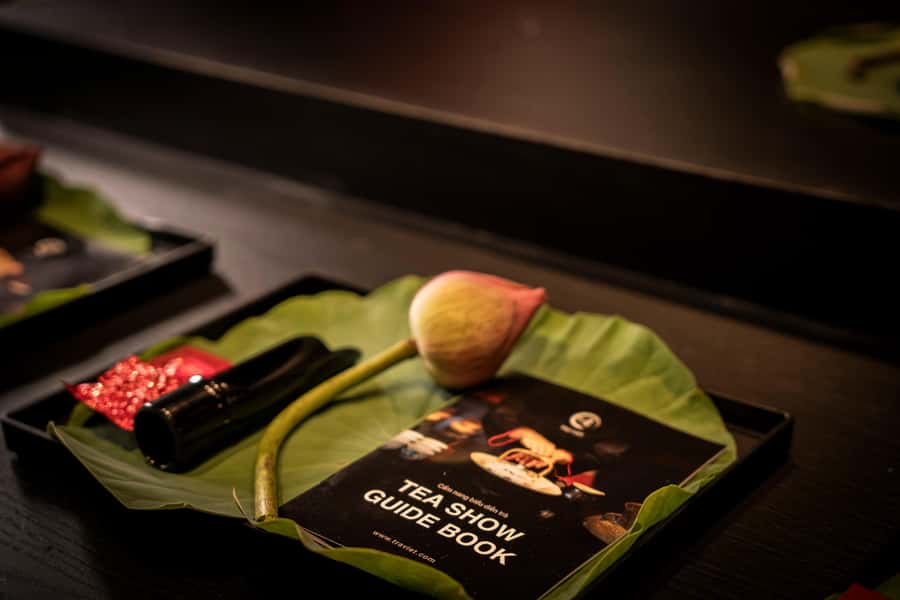
- Step-by-step lotus flower assembly: put tea leaves into a real lotus flower yourself
- You take something home: one lotus flower filled with your own blend
- English support and guidebook: an English-speaking host/ artisan plus an English guide
Finding The Showroom Near Bitexco Tower
This starts in District 1, right opposite Bitexco Tower, on the 2nd floor of a local apartment building at 19 Hai Trieu Street (Ben Nghe Ward). The location is easy to plug into a day out on foot because it’s only about a 1-minute walk from Nguyen Hue Walking Street.
What I like about this setup is that it avoids the “half day wasted on getting there” feeling. You can do this as a calm break between busier sightseeing moments—tea gives you something useful to do with your senses, not just another photo stop.
You can also read our reviews of more tours and experiences in Ho Chi Minh City.
Part 1: Getting Oriented in Vietnamese Tea Culture
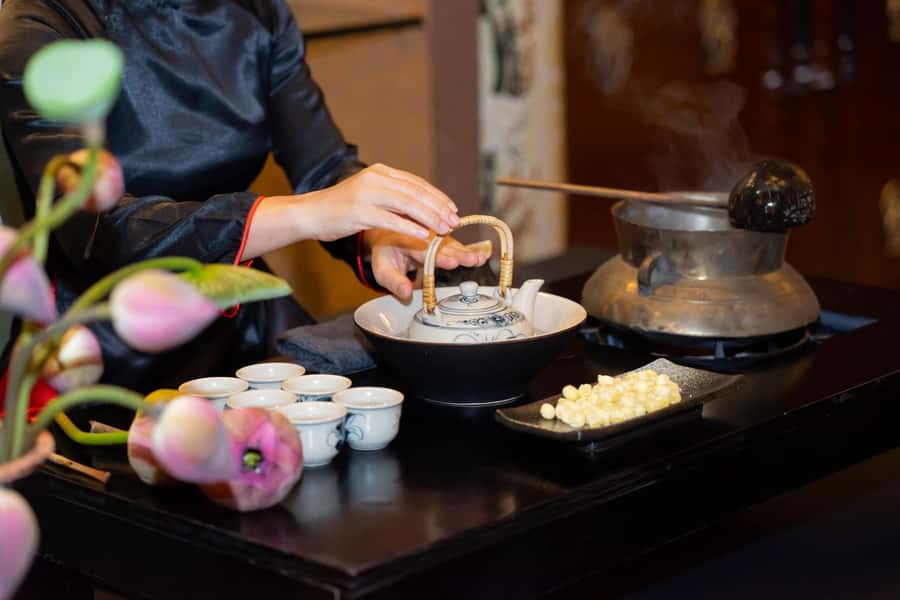
Before you touch anything, you’ll get a structured intro to Vietnamese tea culture and why it matters in daily life and traditional ceremonies. Expect the story of tea in Vietnam to be explained in plain language, then tied to the famous West Lake Lotus Tea tradition.
This is also where you learn what makes lotus tea special in Vietnamese practice: the lotus flowers aren’t just decoration. Real lotus flowers are involved in the process, which is why the aroma feels more delicate than the typical “flavored tea” idea people sometimes expect.
A small but smart benefit here: you’re not just learning facts. You’re learning what to pay attention to later—especially how scent and flavor connect, and why the brewing method matters.
Part 2: The Live Performance Inside Lotus Buds
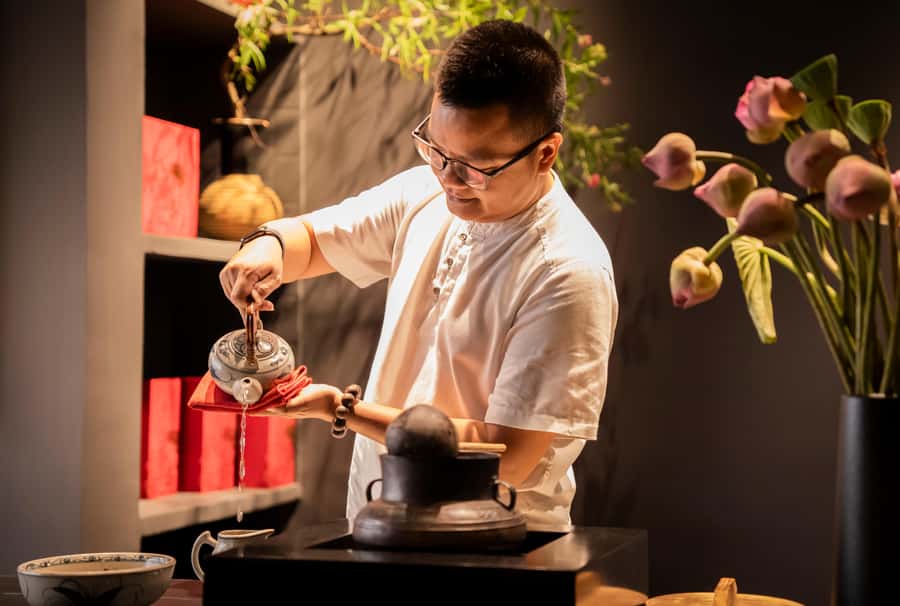
Then comes the main show: a live demonstration by the tea artisan (in my notes, this is where people often mention Ky). The artisan performs the refined technique of brewing tea in fresh lotus buds, an almost forgotten ritual that has been passed down through generations.
Watch closely. It’s easy to think this is just theatrical. It isn’t. The process is designed to capture the essence of the lotus while keeping the tea notes clear, which is why the result doesn’t taste heavy or artificial.
If you like craft work, this is the part that clicks. You’ll see how nature and patience are treated like ingredients. And even if you’ve never heard of lotus-bud brewing, you’ll leave understanding what the artisan is aiming for: balance—tea character plus a light floral lift.
Part 3: Tay Ho Lotus Tea Tasting and the Scenting Moment
After the performance, you shift from watching to tasting. You’ll enjoy an organized tasting session focused on authentic Tay Ho Lotus Tea, guided so you know what subtle notes to look for.
Tay Ho Lotus Tea tends to be prized for delicate aroma rather than a loud flavor. That’s why the tasting is guided instead of letting you freestyle—your palate needs a little direction to notice the quieter notes.
Then you get to try scenting with fresh lotus petals yourself. This isn’t about rushing. It’s more like a gentle, meditative practice where you learn how aroma transfers and how careful handling affects the final result.
The practical payoff: once you do it once, the whole idea of lotus tea becomes understandable. It stops being a curiosity and starts being a process you can picture.
Part 4: Build Your Own Lotus-Filled Keepsake
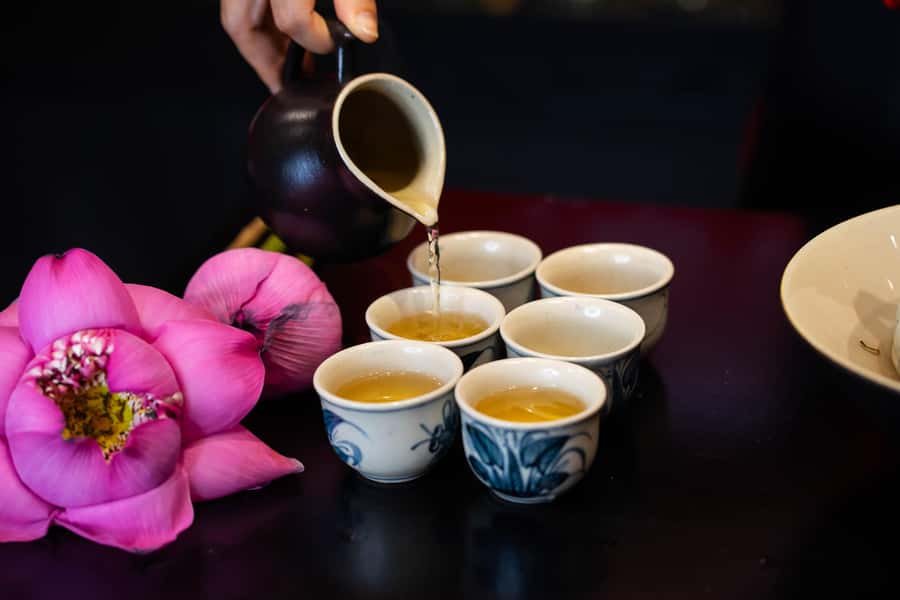
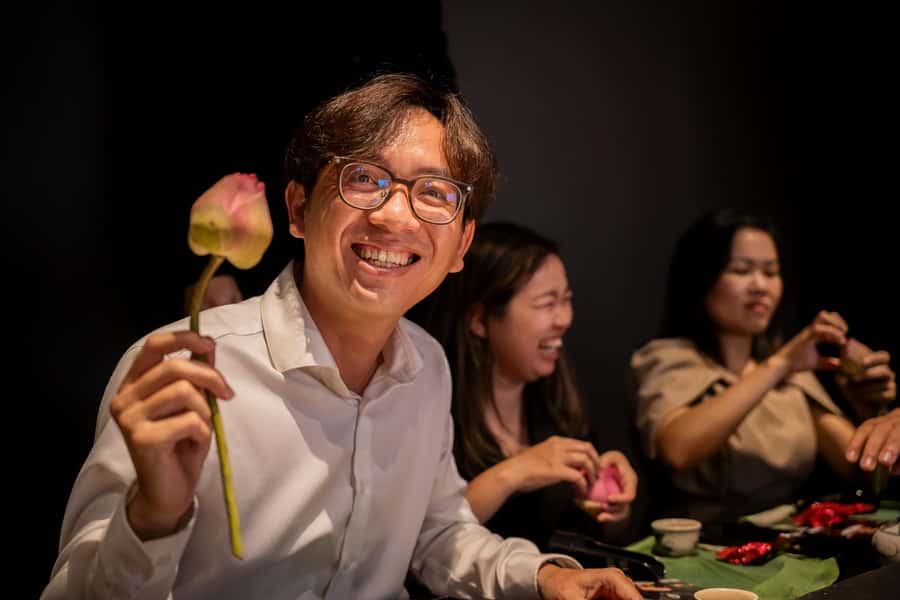
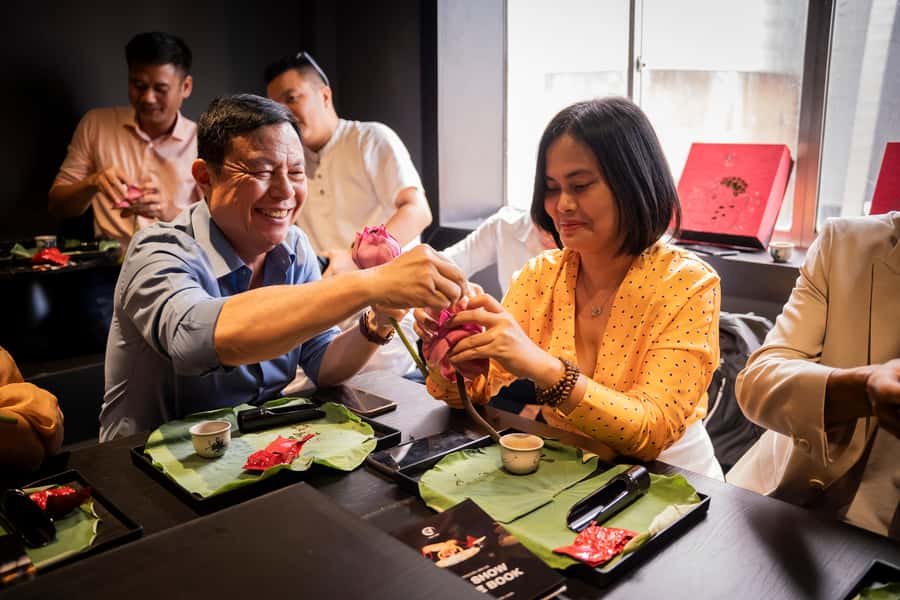
The final part is the hands-on souvenir activity, and it’s the most memorable because you leave with an actual piece of what you made. You’ll create your own lotus-scented tea by inserting tea leaves into a real lotus flower—step by step—using guidance from the artisans.
This is traditional lotus tea assembly, not a craft project that only looks authentic. The guidance matters because placement and care affect what you’re creating. You’ll also likely appreciate that it’s structured: you’re not thrown into the deep end with fragile flowers.
What’s included is clear and tangible:
- 1 lotus flower filled with your own tea blend
- a tea show guidebook in English
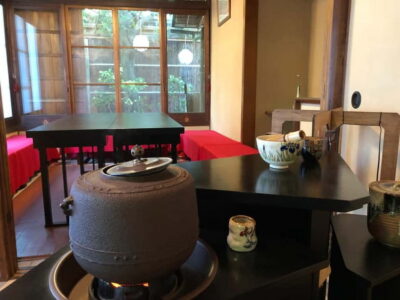
- photo opportunities in a traditional tea setting
- English-speaking host/artisan support
So you’re not just buying a ticket for tasting. You’re making something that holds scent and meaning, then taking it home as a reminder.
Tea, Craft, and Quiet Control in a Busy City
Ho Chi Minh City moves fast. This experience adds contrast. The setting is described as a calm break, and that matches how the workshop feels in practice: fewer decisions, more focus. You’ll spend time with small, precise actions—brewing, tasting, scenting, assembling—so your day slows down in a good way.
Also, tea culture here isn’t presented as a trendy wellness product. It’s presented as craft and ceremony. That matters because it keeps the experience grounded. You’re learning why Vietnamese tea traditions developed the way they did, and how West Lake Lotus Tea fits into that story.
If you enjoy cultural activities that respect detail—rather than just passing through a room of souvenirs—this format is a strong match.
Price and Value: Why $15 Can Make Sense Here
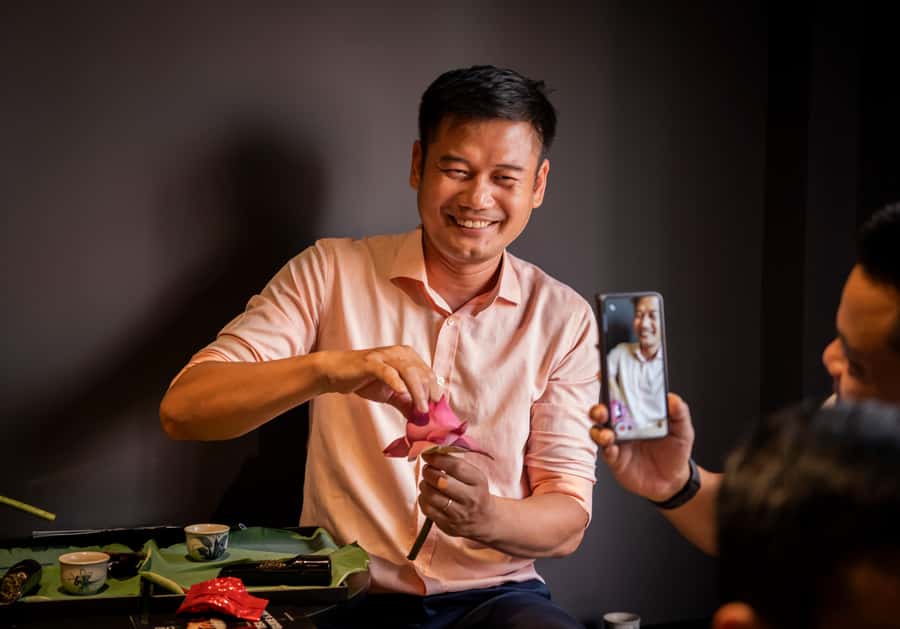
The price is $15 per person, which is reasonable for what you actually get. A simple tea tasting elsewhere might give you a small sample and a short explanation. Here, you’re paying for a multi-part format:
- tea tasting session
- lotus-bud brewing performance
- hands-on scenting practice
- a lotus tea keepsake you assemble yourself
- English guidebook and an English-speaking host/artisan
- photo time in a traditional tea setting
The biggest value lever is the takeaway: you receive a lotus flower filled with your own blend. That turns the cost from “consumption” into “creation,” which makes it easier to feel like you got your money’s worth.
One more practical point: you’ll likely see additional tea available for purchase on request. That’s optional, but it helps if you already know you’ll want more Tay Ho Lotus Tea after the tasting.
Who This Workshop Fits Best
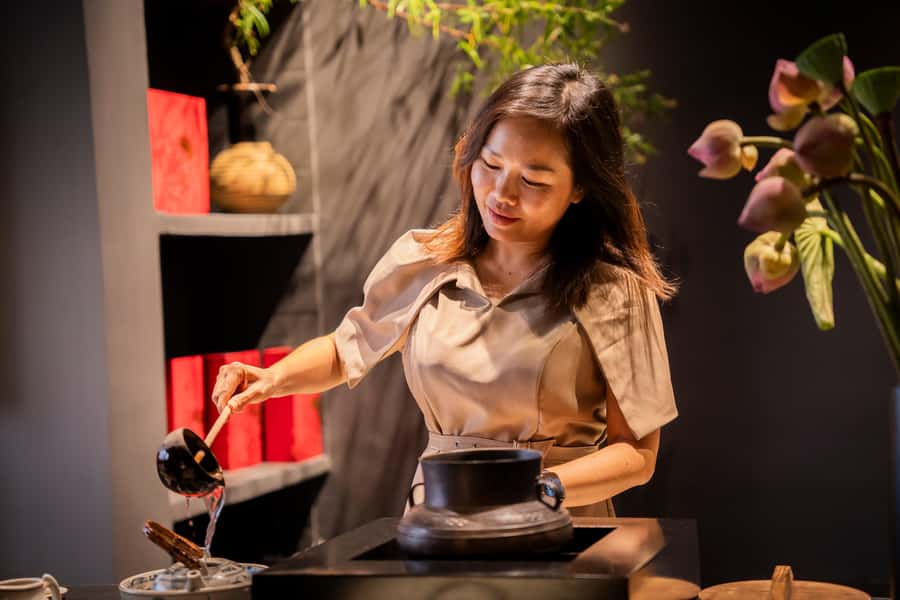
This is ideal if you want something cultural, calm, and hands-on while you’re in Ho Chi Minh City. You’ll probably enjoy it most if:
- you like food-and-drink experiences with a craft focus
- you enjoy learning by doing, not just watching
- you’re curious about lotus tea beyond a quick sip
It also works well as a shared activity. The tasting and assembly give you natural conversation topics without needing to be “good at” tea culture first.
One thing to consider: the activity involves handling lotus flowers and tea leaves. So plan for delicate objects, floral fragrance, and careful movements.
Quick Logistics You Should Know
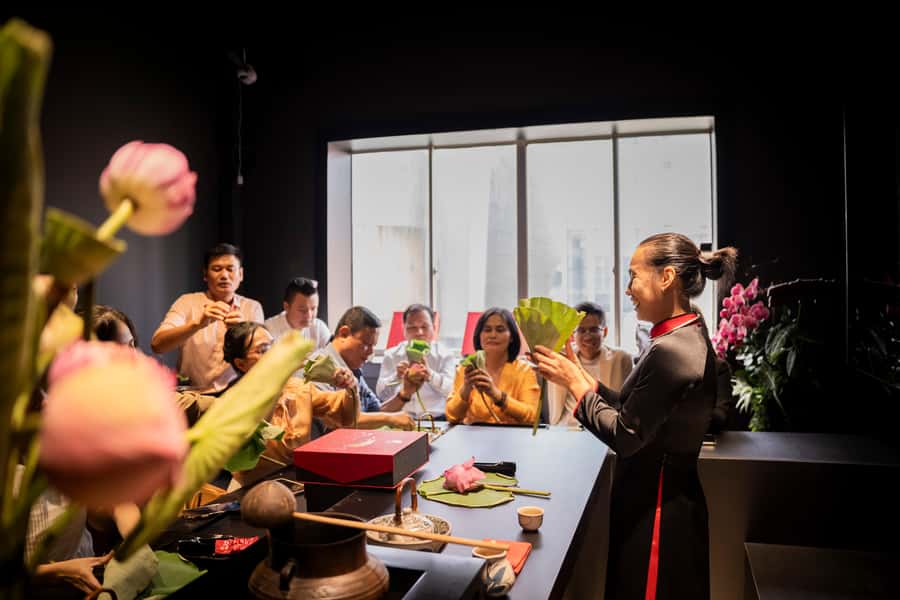
Meeting point is straightforward: opposite Bitexco Tower, 2nd floor, 19 Hai Trieu Street, Ben Nghe Ward, District 1. The activity ends back at the meeting point.
Transportation isn’t included, so you’ll want to get yourself there independently. The workshop also notes that meals or drinks outside the tasting aren’t included, which means you should eat before or after based on your day plan.
Language-wise, you’ll have English-speaking support from the host and artisan, and the experience lists Armenian as a language option too. If language comfort matters to you, it’s worth planning to rely primarily on the English support.
Should You Book This Lotus Tea Culture Experience?
Yes—if you want a short, meaningful cultural workshop where you actively participate. The standout is that you don’t just taste Tay Ho Lotus Tea; you learn how lotus-bud brewing works, then you practice scenting, then you assemble your own lotus tea flower to take home.
Skip it if you need a wheelchair-friendly activity, because it isn’t suitable for wheelchair users. And if you’re traveling with a child under 2, this isn’t the right fit either.
If your ideal day in Ho Chi Minh City includes one calm, craft-focused stop (with something fragrant you made yourself), this is a strong choice for the value.
FAQ
What does the lotus tea workshop include?
It includes a tea tasting session, a hands-on lotus tea scenting activity, one lotus flower filled with your own tea blend, an English tea show guidebook, photo opportunities in a traditional tea setting, and an English-speaking host and artisan.
What is the location of the meeting point?
The showroom is opposite Bitexco Tower on the 2nd floor of a local apartment building at 19 Hai Trieu Street, Ben Nghe Ward, District 1, Ho Chi Minh City, about a 1-minute walk from Nguyen Hue Walking Street.
Is transportation included?
No. Transportation to the venue is not included.
Do I get to keep what I make?
Yes. You’ll take home 1 lotus flower filled with your own tea blend.
What languages are available?
The experience lists Armenian, and it also includes an English-speaking host and artisan.
Is it suitable for young children or infants?
It is not suitable for children under 2 years.
Is the experience wheelchair accessible?
No. It is not suitable for wheelchair users.