REVIEW · KYOTO
Kimono & Tea Ceremony Experience in a Kyoto Cultural Asset
Book on GetYourGuide →Operated by Tondaya, Co., Ltd. · Bookable on GetYourGuide
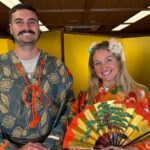
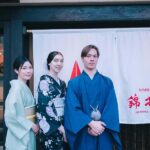
Silk kimono and matcha, in Kyoto silence. In this machiya experience, you get fitted in a 100% silk kimono, tour an old townhouse, then settle into a quiet tea room called Rakuju.
You’ll also get a proper tea ceremony with clear guidance and soothing matcha served in a detached tatami setup tied to Noh tradition. One catch: if you book the standard group option, the experience can feel crowded and you may wait at times for your slot.
In This Review
- Key Highlights You’ll Actually Feel
- What Makes This Kyoto Experience Worth Your Time
- Meeting at Tondaya: A Simple Start in the Nishijin Area
- Kimono Fitting Rules: Socks, Neck Fit, and the T-Shirt Detail
- What you must bring
- What’s not allowed
- Clothing tips that make the kimono look right
- Expect fit variation
- Walking Through a Meiji-Period Machiya (Townhouse) Like It’s Part of the Lesson
- Photo reality check
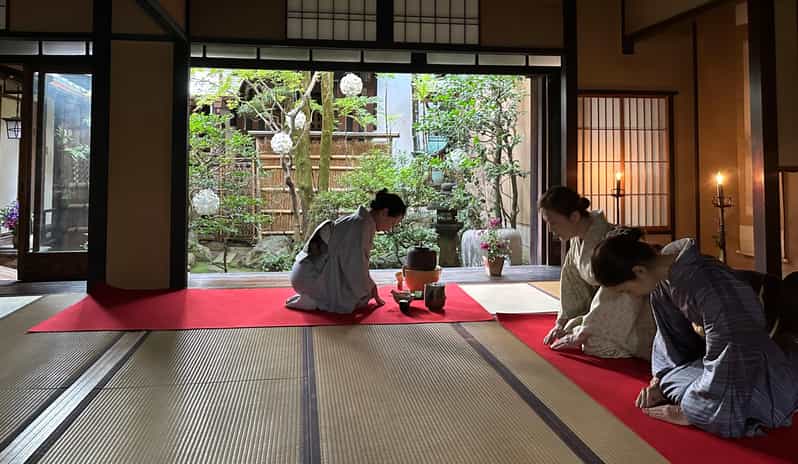
- The Rakuju Tea Room and the Ceremony Steps You’ll Understand
- How guided it feels
- Group vs Private: When Calm Is a Luxury and When It’s Not
- Standard group option
- Private option
- Behavior Matters Here: Respect the Room and the Hosts
- Value Check: Is $126 for 1.5 Hours Reasonable?
- Who This Kyoto Kimono and Tea Ceremony Fits Best
- Practical Tips You’ll Be Glad You Follow
- Should You Book This Kimono & Tea Ceremony Experience in Kyoto?
- FAQ
- Where do I meet for this kimono and tea ceremony experience?
- How long is the experience?
- What should I bring?
- Are bare feet allowed during the experience?
- Can I wear stockings instead of socks?
- Is this a group experience?
- What’s included in the price?
Key Highlights You’ll Actually Feel
- 100% silk kimono fitting at a traditional Kyoto townhouse
- Meiji-period machiya tour with storehouses and garden spaces
- Rakuju tea ceremony room experience with matcha
- Tatami space linked to Noh performances (a cool cultural detail)
- Private or small-group options if you want more calm
- Plenty of photo time once you’re settled, not during dressing
What Makes This Kyoto Experience Worth Your Time
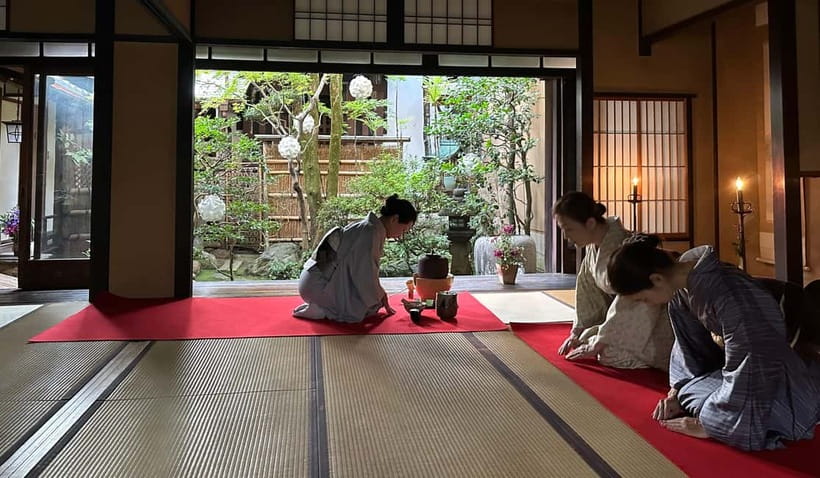
Kyoto is full of things to see. This one adds something harder to replicate: atmosphere. You’re not just watching a performance in a studio—you’re stepping into a traditional townhouse and moving through its spaces the way the house was designed to be used.
The kimono part matters more than people expect. It changes how you walk, how you sit, how you hold still. You’ll feel why Japanese hospitality is so physical—small gestures, careful timing, and a calm pace.
Then you slow down again in the tea room. The ceremony isn’t just a checklist of steps; it’s a guided explanation of what’s happening and why certain motions exist. If you like culture that you can feel in your body, this is a strong match.
You can also read our reviews of more tours and experiences in Kyoto.
Meeting at Tondaya: A Simple Start in the Nishijin Area
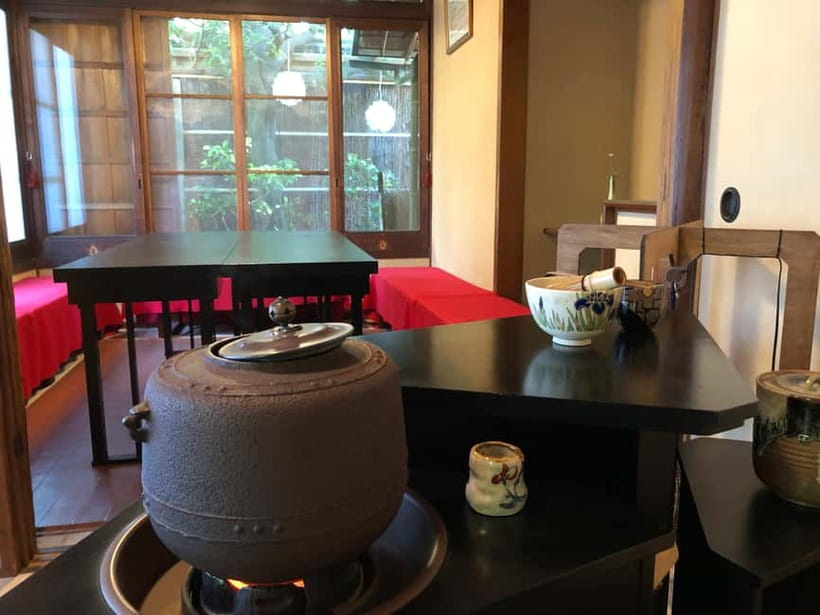
You meet at Tondaya -Nishijin Japanese Cultural Experience Museum (697 Ishiyakushichō, Kamigyo Ward, Kyoto). The good part of this meeting point is that it’s built around the experience itself, so you’re not trying to find a random alley location and guess where the townhouse entrance is.
Plan to arrive a little early if you want a calmer start. Some sessions can start with immediate kimono fitting once you’re there. If you show up exactly on time, you may feel rushed for a minute—nothing dramatic, but Kyoto runs on flow, not on your personal schedule.
Getting there can be a small hassle. One review noted difficulty getting a taxi from the area even with ride-share apps. If you’re sensitive to that kind of uncertainty, give yourself a buffer day-of.
Kimono Fitting Rules: Socks, Neck Fit, and the T-Shirt Detail
This is where you’ll spend the first chunk of your time, and the rules are important for comfort and presentation.
What you must bring
- Socks (required)
- Avoid stockings. The fit and look matter for the kimono setup.
What’s not allowed
- Bare feet are not allowed.
Clothing tips that make the kimono look right
You’ll be asked to wear clothing that isn’t too tight around the neck. That’s not just style—it’s practical. Loose access makes dressing faster and prevents awkward pulling around your collar.
One detail that’s easy to miss: they can’t assist you in wearing a kimono if your T-shirt is wet. Bring a dry shirt to change into, or at least something you know is dry. If you’ve been sweating on a Kyoto day (very normal), this can save you stress.
Expect fit variation
Kimono sizes are chosen from the inventory available that day. Reviews mention that taller guests sometimes get different sizing, and one person noted fit issues. Another common note: some people with fewer options in prints (solid colors) might not get the pattern they hoped for. That doesn’t mean the kimono is “worse”—just that it’s inventory-based.
Also: hair styling and makeup aren’t included. If you want a polished look, do your prep before you arrive.
Walking Through a Meiji-Period Machiya (Townhouse) Like It’s Part of the Lesson
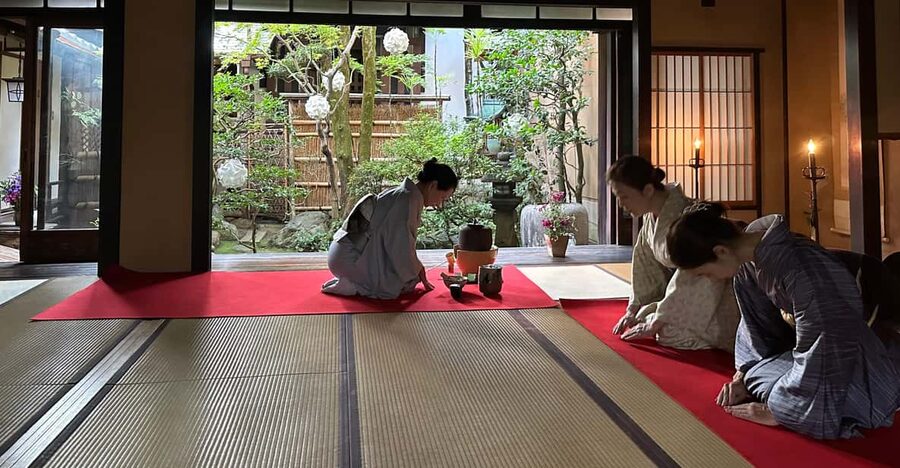
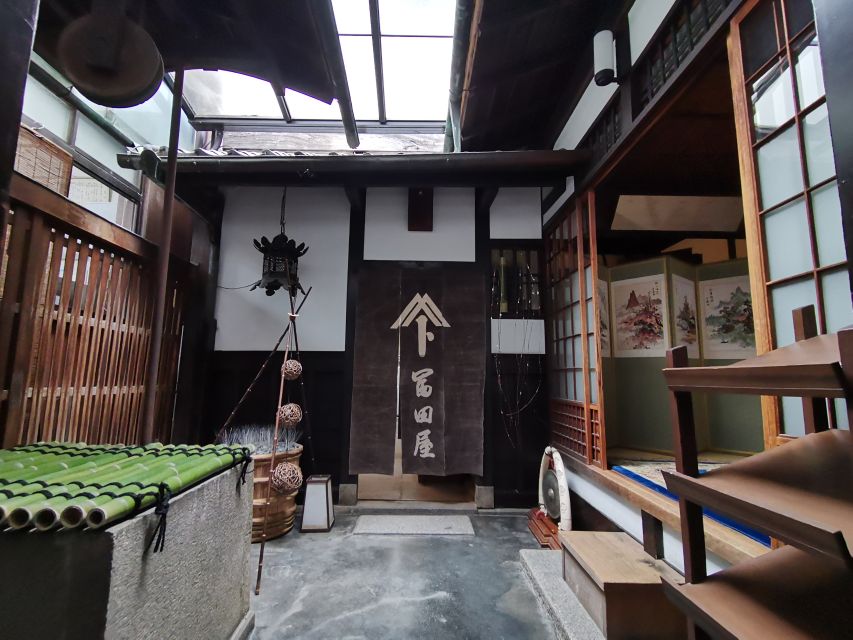
After dressing, you explore the machiya—a traditional Kyoto townhouse—built in the Meiji period. This isn’t a generic walk-through. The house layout is part of the story.
Here’s what you can look forward to:
- A look at the townhouse’s overall structure and how the spaces connect
- Time to visit three storehouses
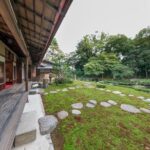
- A stroll through the six tsuboniwa gardens
Those tsuboniwa garden spaces matter because they’re about seasonal feeling and airflow. Reviews describe the sense of wind and seasonal movement through the property. In plain terms: even if the weather is mild, the house design helps you experience a more “alive” atmosphere than you’d get in a modern building.
The property’s age and layout also help explain why tea isn’t just a drink. It’s a rhythm. The house teaches you that rhythm first, then the tea room continues it.
Photo reality check
You’ll likely have lots of photo time around the house once you’re moving through areas. But note this: some photos may be restricted during kimono dressing and when removing the kimono. So if photography is a priority, think of it like this—first: obey the rules and let the dressing happen; second: then enjoy the house and ceremony shots.
The Rakuju Tea Room and the Ceremony Steps You’ll Understand
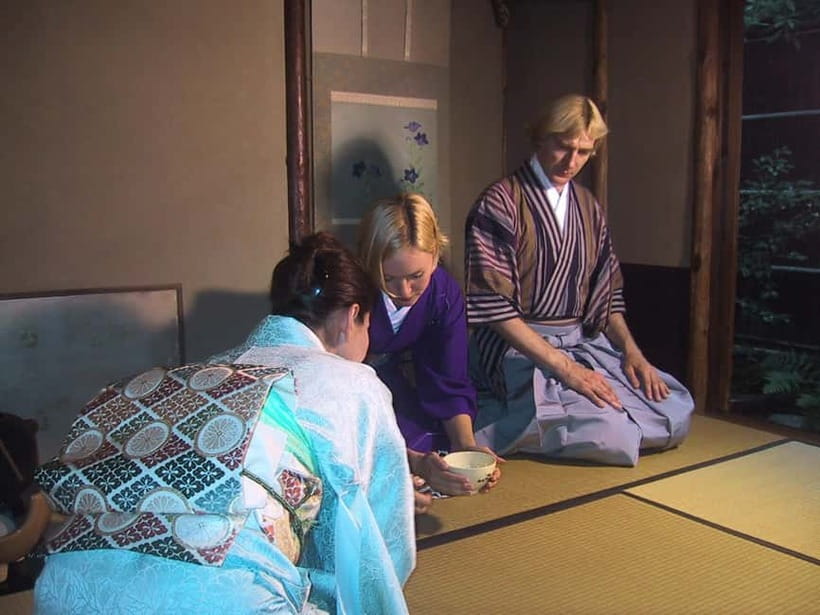
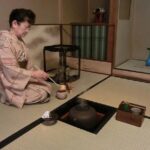
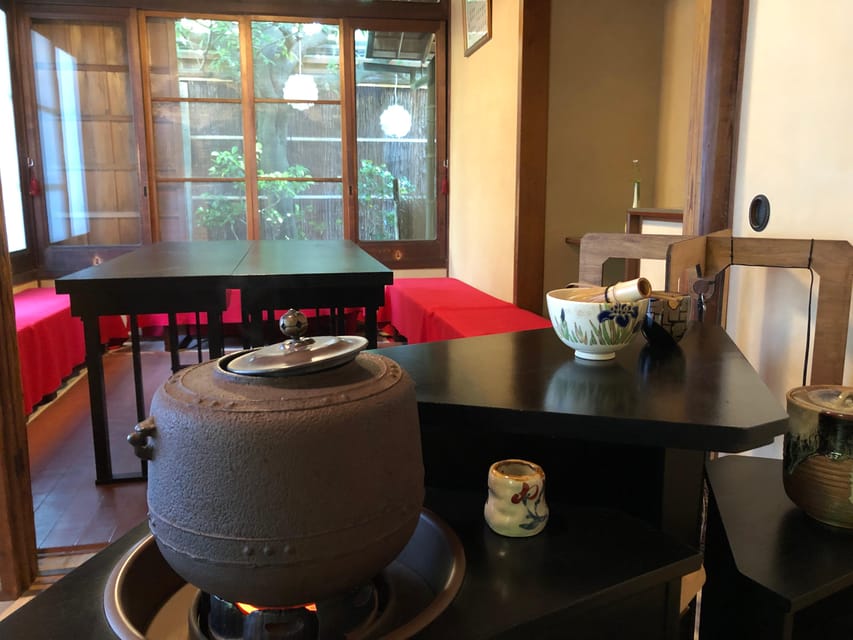
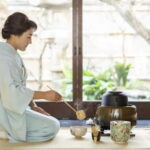
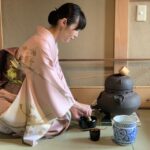
Eventually you’ll head to the tea ceremony room: Rakuju. This is where the experience shifts from “tour” mode into “slow down” mode.
In Rakuju, you’ll:
- Hear an explanation of the tea ceremony
- Watch a tea ceremony performance
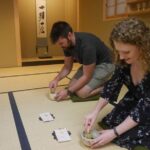
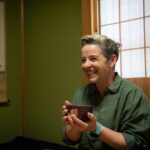
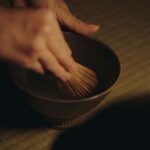
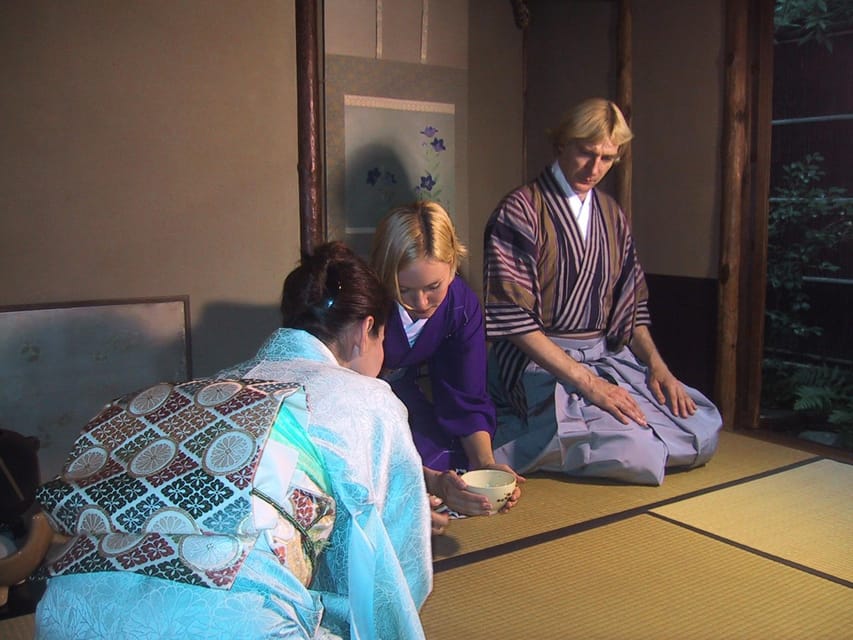
- Participate while matcha green tea is served
There’s also a special architectural/cultural detail: the experience includes a detached tatami room where Noh plays were performed. You don’t need to know Noh history to appreciate that this space once hosted another traditional art form. It reinforces that Japan’s arts often share the same careful logic: posture, timing, respect for the room, and attention to what matters.
How guided it feels
For most people, the ceremony guidance lands well. Many reviews praise the clarity of the tea instructions and the way guides explain what you’re doing and why.
Still, language can vary by guide. Some staff members don’t speak English fluently, and a translation device may be used during the tour. If you’re the kind of traveler who relies on fine details of language, don’t worry—just expect that the explanations may come in through translation tech rather than a fully fluent back-and-forth.
One review specifically praised a guide named John for being knowledgeable. You might encounter different guides in different sessions, but the overall goal is consistent: help you understand the motions and meaning, not just watch someone do them.
Group vs Private: When Calm Is a Luxury and When It’s Not
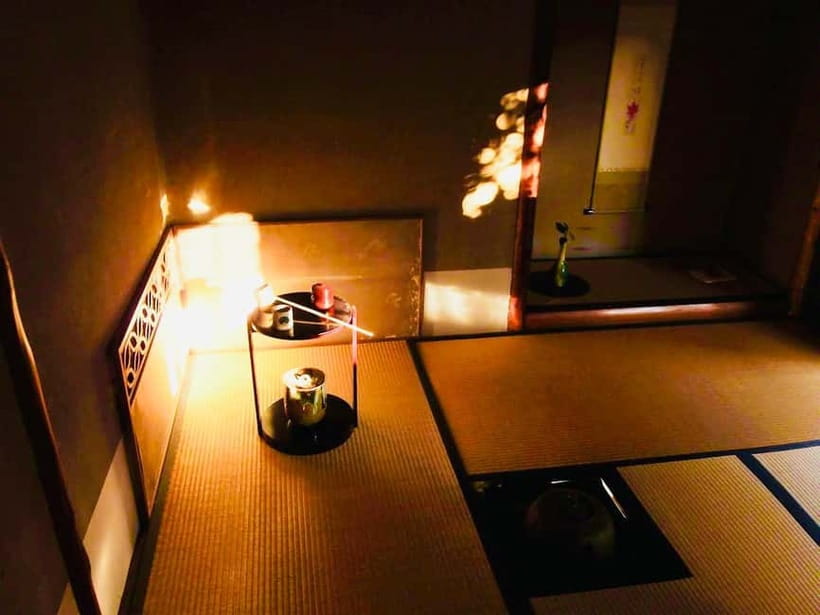
Your experience can change noticeably based on group size.
Standard group option
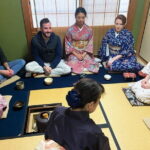
If you didn’t choose private, you join the tea ceremony with other participants and may have to wait at times. Some reviews liked the experience even in groups, and others felt the group size made the ceremony a bit crowded.
The upside of groups: more people can mean more energy and more moments of shared delight in photos and dressing. The downside: tea ceremonies ask for quiet attention, and that can be harder in a busy group.
Private option
If you can swing it, private or small-group options are the cleaner fit for people who want a slower pace and more direct Q&A. Reviews describe private sessions as feeling more like being guests in the house, with no rush and a more personal pace.
Behavior Matters Here: Respect the Room and the Hosts
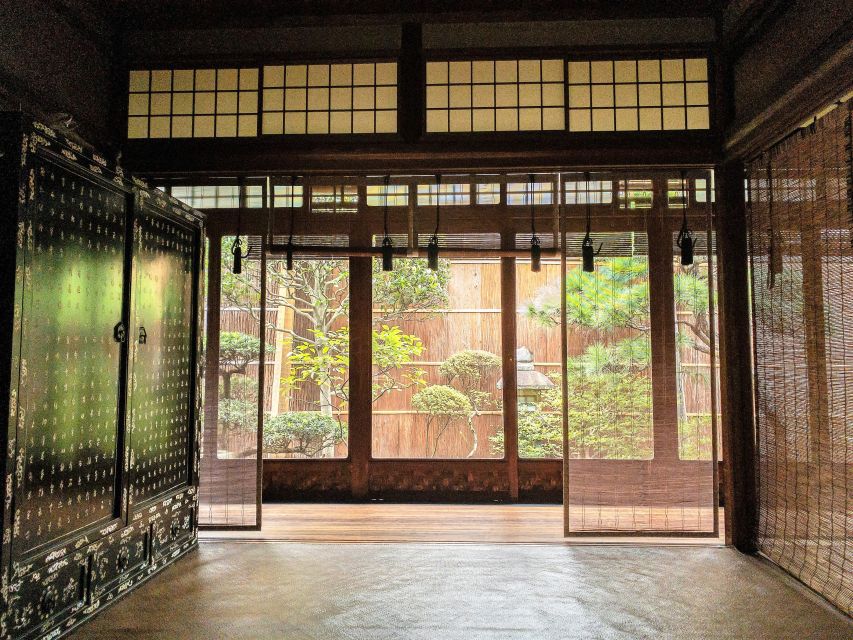
This is one of those experiences where your manners directly affect the mood. A few reviews complained about disruptive tourist behavior—late arrivals demanding chairs loudly, whispering, phones raised during instructions, and even filming too close to the host.
Here’s the practical rule I’d follow: once the ceremony begins, lower your phone and treat the space like it’s a quiet performance. They give you plenty of photo opportunities at other times, including around the townhouse.
Also, be on time. If you arrive late, your delay can ripple through the group’s dressing schedule and ceremony flow.
Value Check: Is $126 for 1.5 Hours Reasonable?
Let’s talk money honestly.
At $126 per person for about 1.5 hours (check starting times), you’re paying for:
- the kimono dressing service,
- a guided machiya tour,
- and a guided tea ceremony with matcha.
This isn’t “cheap,” but it’s also not a one-act show in a theater. You’re getting a full cultural package: clothing, space, explanation, and participation. That combination is exactly what makes it feel worth it for many people—even if you can find cheaper tea experiences in Kyoto.
Where the value can wobble is when you end up in a large group or when the explanations don’t match what you want. One review wished for deeper garment education—origins and significance of what they were wearing—so if you’re specifically a kimono-nerd, choose the private option when possible or go in ready to ask questions.
Who This Kyoto Kimono and Tea Ceremony Fits Best
This works best if you want:
- a hands-on cultural experience, not just sightseeing
- a photo-friendly setting with real traditional spaces
- a calm tea ceremony guided by explanation, not silence-only participation
It’s also a good fit for first-time visitors to tea ceremony etiquette, because you’ll be shown what’s happening and how to do it.
It may be less ideal if:
- you hate waiting in groups
- you’re extremely sensitive to quiet disruptions
- you want deep kimono history from the garments themselves (some sessions may focus more on the flow and ceremony than garment scholarship)
Practical Tips You’ll Be Glad You Follow
- Wear loose clothes that aren’t tight at the neck so dressing is easy.
- Bring socks and expect not to remove them during the kimono setup.
- Bring a dry extra shirt if you’ve been in rain or heavy sweat. Wet clothing can block assistance.
- If you’re tall, ask yourself whether you’re okay with fit differences from the available kimono sizes.
- Plan your expectations for photos: you’ll get lots of chances around the house, but dressing/removal has restrictions.
Should You Book This Kimono & Tea Ceremony Experience in Kyoto?
If you want a Kyoto moment that feels genuinely traditional—100% silk kimono, a real machiya space, and a guided tea ceremony in Rakuju—this is an easy yes.
Book it if you value the whole package, like structured cultural instruction, and you’re comfortable sharing the experience with others unless you choose private. I’d especially recommend private or small-group if your biggest priority is quiet attention during the ceremony or you want more time for explanations.
Skip it or choose private carefully if crowding would stress you out or if you mainly care about deep kimono scholarship rather than the full house-and-ritual experience.
FAQ
Where do I meet for this kimono and tea ceremony experience?
You meet at Tondaya -Nishijin Japanese Cultural Experience Museum, 697 Ishiyakushichō, Kamigyo Ward, Kyoto, Japan.
How long is the experience?
The duration is about 1.5 hours. Starting times vary, so check availability for the exact slot you can book.
What should I bring?
Bring socks. They’re required, and bare feet are not allowed.
Are bare feet allowed during the experience?
No. Bare feet are not allowed.
Can I wear stockings instead of socks?
You should not wear stockings. The guidance specifically asks you to refrain from stockings and remember to wear socks.
Is this a group experience?
There is a group option, and there are also private or small-group options. If you book the group option, you may have to wait at times.
What’s included in the price?
The included items are the entrance fee, a townhouse tour guide, the tea ceremony, and kimono dressing. Lunch is not included.