REVIEW · KYOTO
Kyoto: Kimono Tea Ceremony with Matcha and Sweet
Book on GetYourGuide →Operated by GLOBA Inc. · Bookable on GetYourGuide
Kimono on, matcha brewing, calm follows. This Kyoto experience turns a classic ritual into a do-it-yourself class, with kimono dressing and Zen values taught in full English. If you’re lucky, your tea master will bring the room to life the way hosts like Maki and Megumi are praised for doing, with clear pacing and a relaxed feel.
I also love the matcha practice. You’ll observe the steps, then make your own bowl using premium matcha powder and learn how to aim for that smooth, creamy froth. The main consideration is tatami seating: you can request a wooden chair, and bamboo chairs are available with advance request, which matters if you’re sensitive to kneeling.
In This Review
- Key highlights you’ll feel right away
- Choosing Your Kimono Outfit and Getting Dressed Like a Local
- Tatami Tea Rooms, Chair Options, and How the Space Is Set Up
- The Tea Master’s English-Led Lesson on Tea Etiquette and History
- Hands-On Matcha: Making a Frothy Bowl with Premium Powder
- Seasonal Wagashi Sweets Pairing with Your Cup of Tea
- Zen Values in Motion: Wa, Kei, Sei, and Jaku During the Ritual
- Group Size, Timing, and Why 90 Minutes Feels Just Right
- Cost Breakdown: What You Really Get for $66 in Kyoto
- Who This Experience Fits Best (and Who Might Want a Different Plan)
- Should You Book the Kyoto Kimono and Matcha Tea Ceremony?
- FAQ
- How long does the Kyoto kimono and tea ceremony last?
- Is kimono dressing included in the price?
- Can I sit on a chair instead of tatami mats?
- Do you provide English guidance?
- Are children allowed?
- Is transportation included?
Key highlights you’ll feel right away
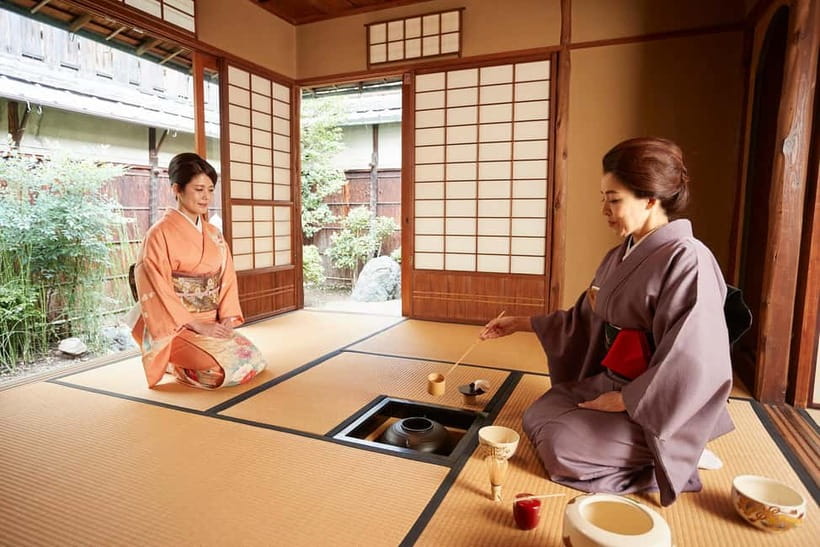
- Kimono dressing plus hair styling (women with long hair) so you look the part fast
- Small group size (about 12–14) for calmer attention and easier questions
- Tea master-led etiquette lesson focused on how the ritual works, not just what it is
- Hands-on matcha with premium powder and guidance while you whisk
- Seasonal wagashi sweets served alongside your tea for a color-and-flavor snapshot of the season
Choosing Your Kimono Outfit and Getting Dressed Like a Local
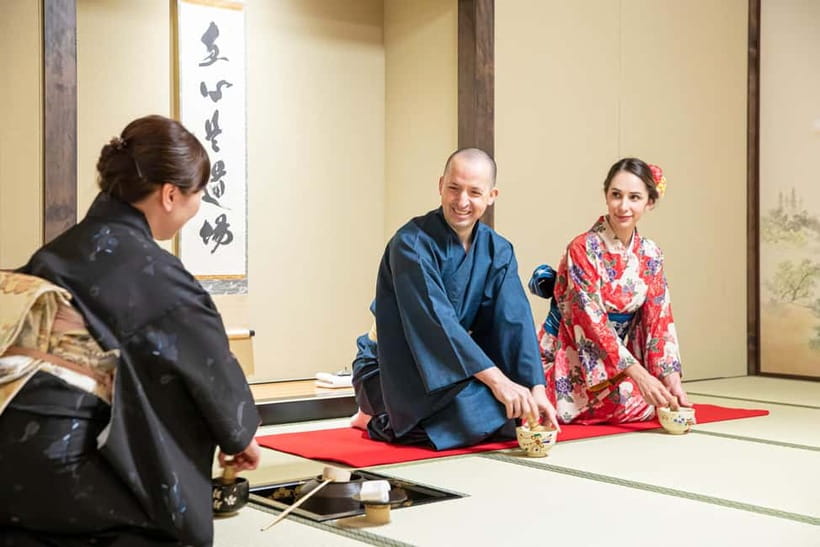
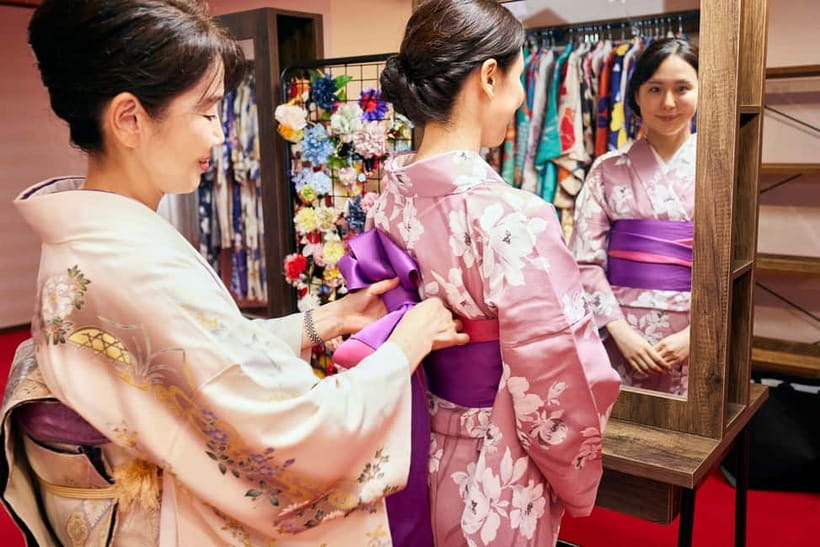
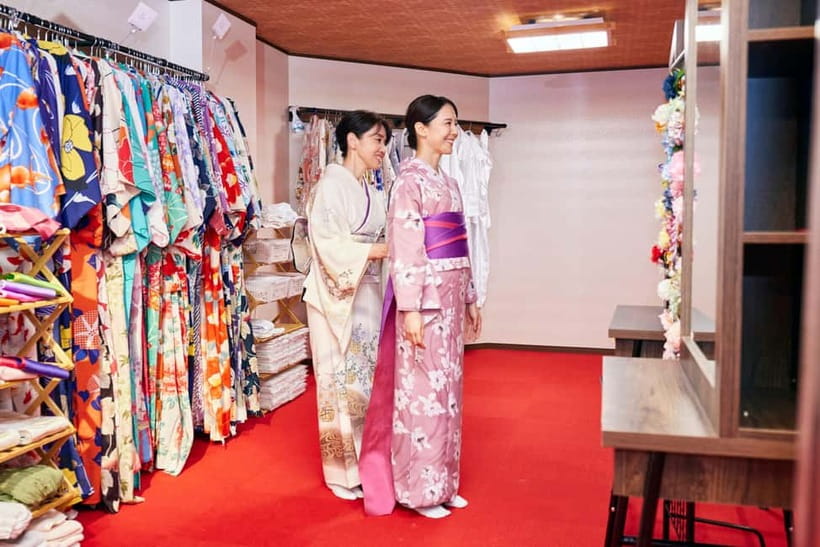
The session starts with kimono dressing, and it’s not treated like a quick costume change. You get staff support to get the fit and look right, which is a big deal because the ceremony itself runs on correct posture and careful handling.
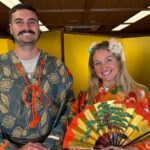
You’ll be able to choose a kimono, and women with long hair can get hair styling included. Some guests also mention small extras like kimono socks and hair adornments, so if you care about photos, plan to use the time to get properly dressed before you head into the tea room.
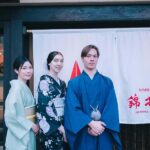
Photos are a practical part of this experience. Many people come to Kyoto for temples and streets, then want one real, traditional look to take home. With the kimono on before and after the ceremony, you’ll have a few chances to get pictures without feeling rushed.
You can also read our reviews of more tours and experiences in Kyoto.
Tatami Tea Rooms, Chair Options, and How the Space Is Set Up
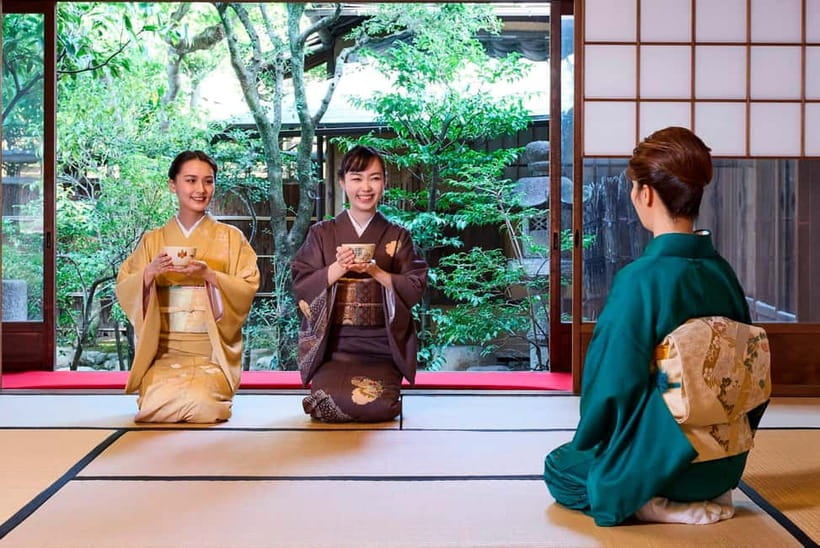
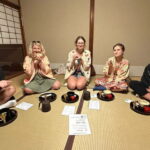
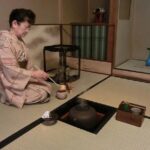
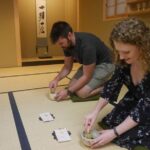
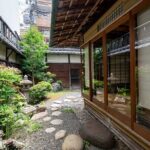
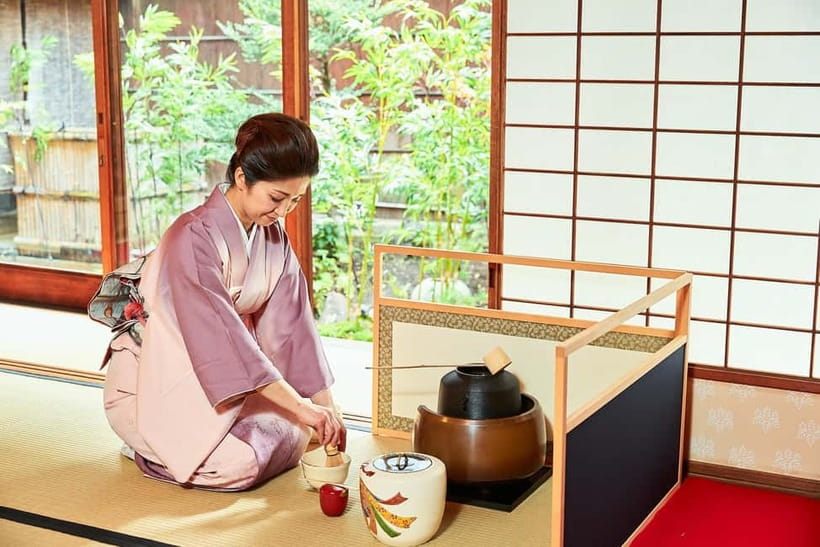
Next you’ll step into a traditional tea room where the tools and utensils are arranged for the ritual. It helps to know what you’re walking into: this is a setting designed for quiet focus, with everything placed deliberately.
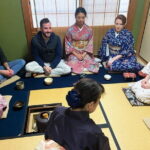
Sitting on tatami mats is customary, but you’re not stuck there if your body wants options. Wooden chairs are available upon request, and bamboo chairs can be requested in advance for anyone who doesn’t want to sit on the mats.
One smart move: when you book, note your seating preference early. It’s the kind of detail that’s easy to overlook until you’re in full kimono and trying to make yourself comfortable for 90 minutes or a bit more.
Also, the group is small (about 12–14 participants). That means you’ll still feel like you have a place in the room, rather than being squeezed into a corner while everyone else watches.
The Tea Master’s English-Led Lesson on Tea Etiquette and History
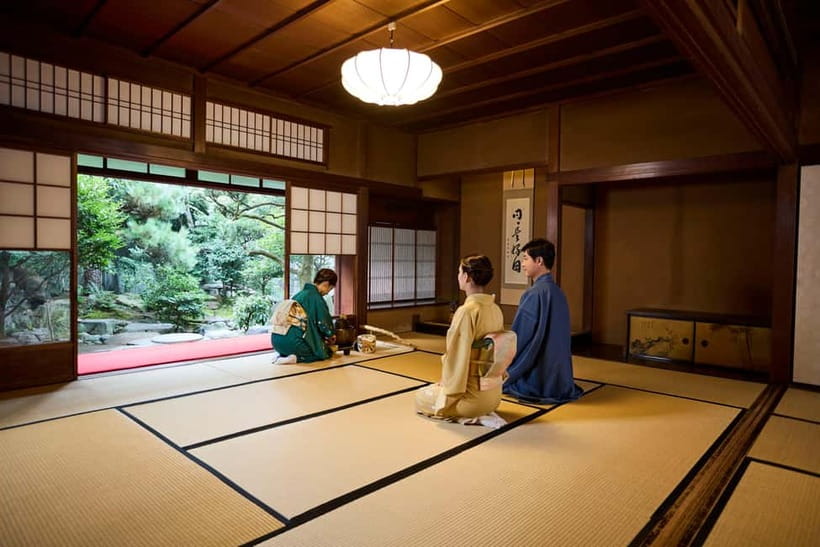
A skilled tea master guides you through the ritual steps, and the class covers more than how to whisk. You’ll learn the history, tools, and etiquette behind tea—what each item is used for and how the movements connect to the meaning of the ceremony.
Expect the host to explain what you’re seeing before you do it. That’s one reason this feels easier than many cultural workshops: you’re not guessing what to do while people politely wait.
English guidance is central here, with bilingual staff assistance throughout. Guests often highlight how the host spoke clearly and kept the pace comfortable, which matters if you’re not fluent in Japanese and you still want to understand why each action happens.
Even if you only remember a few key points, you’ll walk away with a better sense of what tea ceremony is trying to teach: attention, respect, and calm behavior in a small shared moment.
Hands-On Matcha: Making a Frothy Bowl with Premium Powder
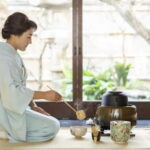
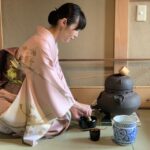
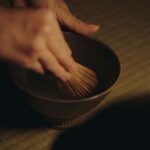
After watching the ritual in action, you get to make your own bowl of matcha. This is the moment most people remember, because it turns a seated lesson into something physical and satisfying.
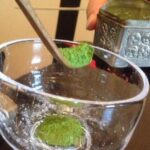
You’ll use high-quality matcha powder and follow the steps with guidance from your tea master. The goal isn’t just to make tea; it’s to make tea you can be proud of—many guests specifically mention getting that frothy, creamy texture.
If you’ve never whisked matcha before, you’ll likely be surprised by how much difference technique makes. Your host’s coaching helps you understand what to adjust during the process, instead of treating it like a magic trick.
Because you’re in kimono, you might feel slightly more aware of your posture and movement while you work. That’s part of the point—Sei (purity) and Kei (respect) show up in how you handle utensils—but it can feel a bit intense if you expected something casual.
Seasonal Wagashi Sweets Pairing with Your Cup of Tea
You won’t drink matcha alone. You’ll also be served traditional Japanese sweets called wagashi, and the choices change with the seasons.
That seasonal change is more than decoration. Wagashi is selected to complement the mood of the time of year, so color, flavor, and design reflect what’s going on outside the tea room. Guests frequently call out how each session feels unique because of those seasonal sweets.
Wagashi also gives your brain a small job while you slow down. Between sipping matcha and tasting the sweetness, you’re forced out of the rush mode you may have in Kyoto. It’s a simple rhythm that supports the ceremony’s calm tone.
If you’re a foodie, this is one of the easiest ways to learn: taste something traditional, then connect it back to the ceremony’s pacing and meaning. You get a mini lesson without needing to read a textbook.
Zen Values in Motion: Wa, Kei, Sei, and Jaku During the Ritual
The tea ceremony is built around Zen principles, and your host will bring them up throughout the experience: Wa (harmony), Kei (respect), Sei (purity), and Jaku (tranquility).
Here’s what that means in real life, not just on paper:
- Wa shows up in how guests share a quiet space and how the movements stay smooth and considerate.
- Kei shows up in etiquette—how you respond to the host, handle items, and keep the moment respectful.
- Sei is about cleanliness and intentional preparation, including the care taken with tools and how you approach the process.
- Jaku is the feeling the room is aiming for: a gentle pause that slows your breathing and focus.
What I like about this structure is that it gives you a lens. Even if you can’t remember every step, you can still understand what the ritual is trying to produce inside you.
And because the host ties those ideas to what you’re actually doing (bowing, receiving, stirring, setting items down), the principles don’t feel like a lecture. They become part of the choreography.
Group Size, Timing, and Why 90 Minutes Feels Just Right
The advertised duration is 90 minutes, and you should also plan for the ceremony to run around 90–120 minutes depending on the flow of the session. In other words, treat it as a block of time, not a tight slot.
Kimono dressing comes first, then the ceremony begins in the tea room. After that, you’ll do hands-on matcha preparation and enjoy the wagashi with guidance.
The group size (about 12–14) helps a lot. You’re not lost in a crowd, and the tea master can check in with individuals as needed, especially during the hands-on matcha portion.
If you’re traveling as a couple, this format can feel romantic in a low-key way, because you’re sharing quiet attention rather than trying to squeeze in another busy attraction. Solo travelers often like it too, because it’s structured enough that you never feel awkward.
One more thing: children under 7 aren’t allowed. If you’re traveling with younger kids, this is a hard no based on the rules. If you’re traveling with older kids, keep in mind the seating and the calm, slower pace.
Cost Breakdown: What You Really Get for $66 in Kyoto
At $66 per person, the big question is value: what’s included that you’d otherwise pay for?
This price covers kimono dressing, a tea ceremony led by a tea master, hands-on matcha preparation, Japanese sweets (wagashi), and bilingual staff assistance. For women with long hair, hair styling is also included. Transportation to and from the venue is not included, so plan that separately.
The best value here isn’t just the matcha class. It’s the full package of ritual + outfit + explanation. If you’re the type who wants to understand what you’re doing while you do it, this price can feel fair compared to cobbling together separate experiences.
The one caution I’ll give is expectations around timing and pacing. A few guests mention that kimono fitting can feel fast, and some would have liked more time for makeup or finishing touches. If you care about makeup, do it before you arrive if possible, or bring a small touch-up kit.
Also, remember you’ll be fully dressed in kimono for the experience. If you expected a relaxed, casual tea break in normal clothes, you may feel slightly overdressed while you’re whisking and learning.
Who This Experience Fits Best (and Who Might Want a Different Plan)
This is a great fit if you want a cultural activity that slows you down and gives you something real to do. I’d point you here if you:
- like hands-on learning more than watching
- want English guidance for the steps and meaning
- care about traditional photos in Kyoto beyond temple snapshots
- enjoy calm, mindful activities for a change of pace
You should think twice if you strongly dislike sitting on tatami mats and you can’t make an advance seating request. You can request chair options, but you’ll still be in a traditional setting with a ritual pace.
This also works well for couples and small groups. The small size keeps the experience personable, and the kimono element turns it into something memorable in a way a standard tea shop visit usually won’t.
If your main goal is just sipping matcha quickly, you may prefer a different plan. But if you want the ceremony’s etiquette, tools, and Zen framework in a guided format, this one hits the target.
Should You Book the Kyoto Kimono and Matcha Tea Ceremony?
Book it if you want one Kyoto experience that’s more than a photo op. The mix of kimono dressing, a tea master’s guidance in English, hands-on matcha whisking, and seasonal wagashi makes it feel complete.
I’d especially recommend it if you’re the type who enjoys learning why people do things a certain way, not only the final result in your cup. And if you’re planning ahead about seating, you can make the tatami part comfortable enough to focus on the ritual.
Skip (or choose another option) if you’re traveling with a child under 7, or if you know you’ll struggle with the slow pace and traditional posture.
If you want a calm Kyoto moment where you actively participate, this is an easy yes.
FAQ
How long does the Kyoto kimono and tea ceremony last?
The experience is listed at 90 minutes, and the tea portion can last about 90–120 minutes in total timing.
Is kimono dressing included in the price?
Yes. Kimono dressing is included, and hair styling is included for women with long hair only.
Can I sit on a chair instead of tatami mats?
Yes. Wooden chairs are available upon request. Bamboo chairs are available if you request them in advance.
Do you provide English guidance?
Yes. The instructor provides the experience in English, and bilingual staff assistance is included.
Are children allowed?
Children under 7 are not allowed.
Is transportation included?
No. Transportation to and from the venue is not included.