REVIEW · KYOTO
Kimono Tea Ceremony at Kyoto Maikoya, NISHIKI
Book on Viator →Operated by Maikoya · Bookable on Viator
A kimono and matcha lesson in Kyoto’s center. I love how hands-on the ceremony feels, with you making your own matcha. I also love the fact that it’s structured and easy to follow, so you learn the meaning without needing to study Japanese tea first. One possible drawback: you’ll need to get yourself to the Nishiki meeting point, since there’s no hotel pickup.
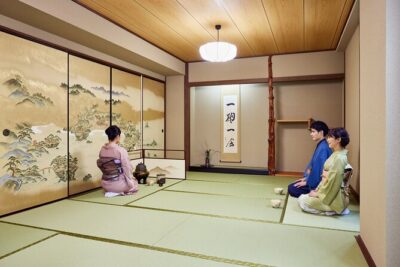
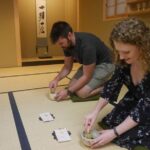
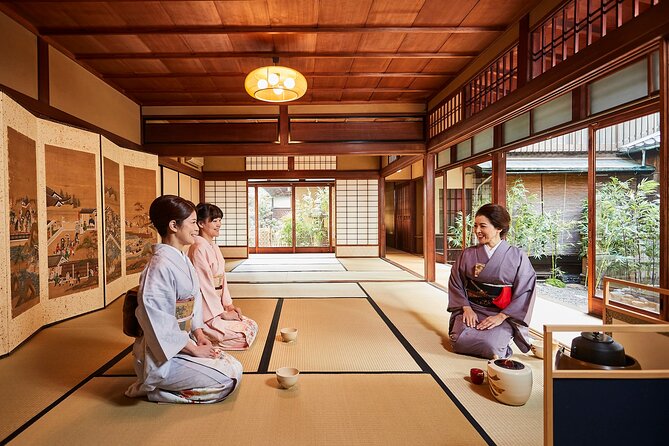
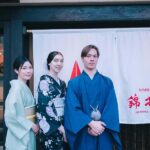
You’ll start by meeting your host and a small group, then pick a kimono from a selection and get dressed properly. If you’re going as a woman, expect simple hair styling to match your outfit. Then it’s down on the tatami for the ceremony, where your host walks you through the steps, tools, and the story behind the ritual.
Here’s the nice part: this is calm, cultural, and not overly complicated. It’s also a great way to get “Kyoto photos” without wasting time hunting for a kimono shop first.
In This Review
- Key highlights worth marking on your Kyoto map
- Why this Nishiki tea ceremony is a smart Kyoto add-on
- Choosing your kimono and getting ready (this is half the fun)
- The matcha lesson: how the ceremony actually unfolds
- Your host’s role: asking better questions makes it richer
- Timing and location: getting there without stress
- Price check: what you’re really paying for at $65.66
- Who this fits best (and who might want to skip it)
- Should you book this Kyoto Maikoya Nishiki kimono tea ceremony?
- FAQ
- What’s included in the Kyoto Maikoya Nishiki kimono tea ceremony?
- Do I need to arrange transportation or is there hotel pickup?
- How long is the experience?
- Can children under 7 attend?
- Is the group size small?
- What if the weather is bad?
Key highlights worth marking on your Kyoto map
- Kimono + tea, in one stop: No separate rental hunt needed before you get to matcha.
- Tatami ceremony with clear guidance: You learn the flow of the ritual while you do it.
- You make matcha yourself: High-quality matcha powder goes into your own bowl.
- Wagashi included: Sweet accompaniment comes with your tea, not as an optional add-on.
- Central Kyoto location near transit: Easy to pair with other sightseeing plans.
Why this Nishiki tea ceremony is a smart Kyoto add-on
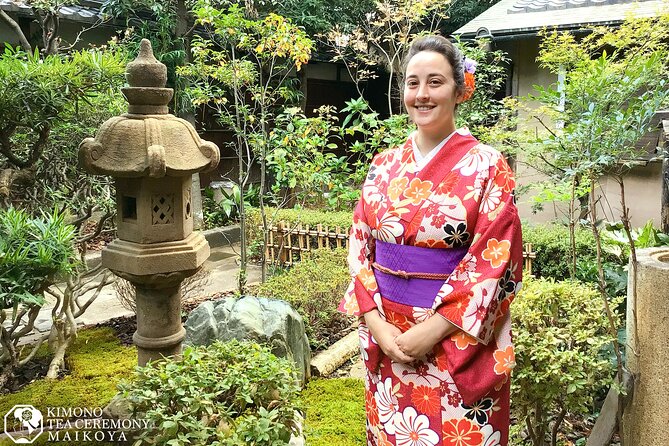
Kyoto has tons of cultural experiences, but not all of them let you participate. This one does. You’re not just watching someone do tea. You’re learning the rhythm of the ceremony and taking your own turn at the matcha-making steps.
The biggest practical win is that the experience bundles the full setup. You get kimono costume access, the green tea and tools, and a guided explanation of what matters in the ritual. For many people, that turns a “nice activity” into a real memory you can talk about for years.
At the same time, it stays manageable. The whole experience runs about 1 hour 30 minutes, so it fits well even on a busy day. You’re not committing to an all-day cultural class, which matters when Kyoto schedules can get chaotic.
You can also read our reviews of more tours and experiences in Kyoto.
Choosing your kimono and getting ready (this is half the fun)
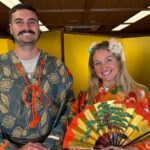
Before you sit for tea, you’ll be busy with the part that feels most like Kyoto postcard life: dressing. You’ll meet your host, then choose from a selection of kimonos and get put into it properly. This is the stage that makes most people relax fast. Someone handles the tricky parts so you don’t spend 30 minutes wrestling sleeves like you’re in a slapstick drama.
If you’re a woman, you also get simple hair styling to match the kimono. It’s not a complicated “bridal” transformation, but it’s enough to make you feel like you truly belong in the ceremony setting.
Then comes the practical side. You’ll be guided into position for the tea on the tatami floor, and you’ll have time for photos as part of the flow. One detail worth planning for: there’s often an expectation of photo-friendly pauses, including a spot for pictures before the ceremony starts. If you care about photos, show up a bit early so you’re not rushing.
Two logistics tips:
- Wear shoes that are easy to slip on and off. You’ll change out of your day footwear.
- Bring a light plan for your valuables. There’s mention of a purse/way to keep things secure, which is helpful because you’ll want your hands free during the tea tools part.
The matcha lesson: how the ceremony actually unfolds
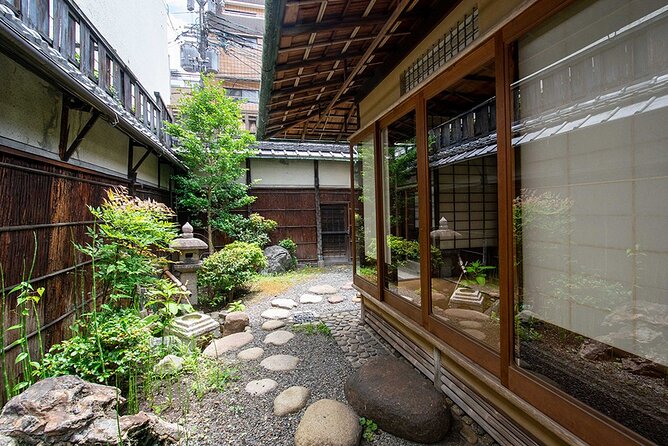
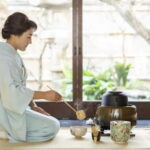
Once you’re seated, your host explains the history and significance of the traditional tea ceremony. The goal isn’t to drown you in facts. It’s to help you understand what each moment is for, so your tea doesn’t feel random.
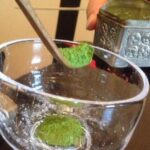
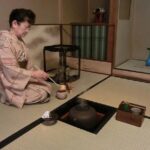
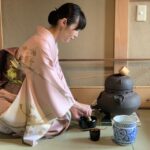
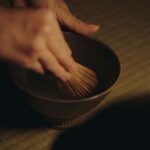
Then you move into the teaching portion. You’ll be shown the steps and utensils involved, and you’ll learn how to make matcha using high-quality matcha powder. This is the core “do it with guidance” part, and it’s where most people get hooked. Tea ceremonies can sound intimidating. Here, it’s explained clearly as you go.
When it’s time to sip, you’ll drink your tea as part of the ceremony, not just as a tasting sample. And you won’t be sipping plain matcha either. You’ll end with wagashi sweets, the classic Japanese sweet course often served alongside tea.
One small bonus from what people have experienced: a short, calming meditation moment may be included for some sessions. It’s not something you should count on every time, but if it happens, it adds a nice “quiet reset” before or after the matcha.
Your host’s role: asking better questions makes it richer
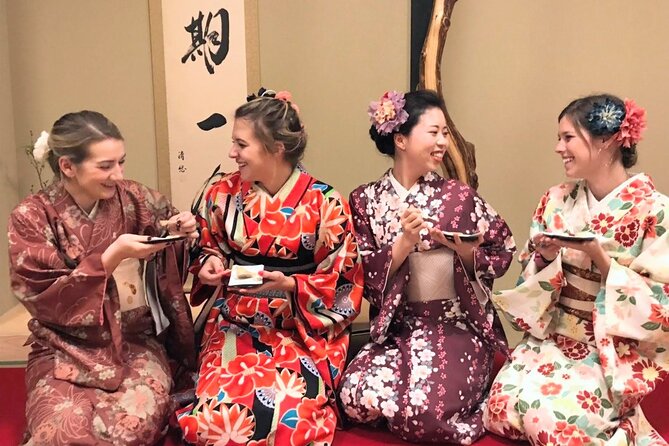
The tea master host (and staff) are a big part of why this works. The structure is clear, and the explanations connect the ritual to Kyoto and Japanese culture. You’ll get details about what makes the ceremony meaningful—like why the tools and steps matter, and what the experience is trying to cultivate in the moment.
Some hosts are especially strong at making the subject click. One name that shows up in feedback is Sono, praised for clear, fun explanations. Even if you don’t get the same host, the format is similar: you’re guided through what you’re doing and why it matters.
If you want to squeeze more value out of the hour, come with one or two questions ready, like:
- What’s the point of the different utensils and steps?
- What should I focus on while whisking matcha?
- What’s the etiquette behind the way tea is served and received?
You don’t need perfect Japanese. In fact, the best approach is to let your host lead and then ask follow-ups when you genuinely wonder.
Timing and location: getting there without stress
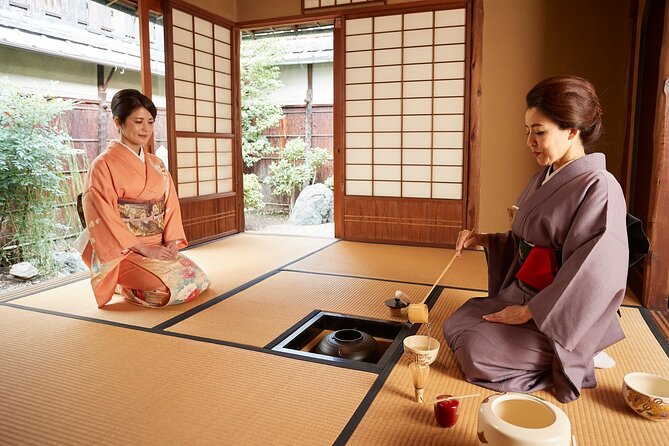
This is a self-arranged meet-up. You’ll make your own way to the start location at:
Kimono Tea Ceremony MAIKOYA Nishiki
329 Ebiyachō, Gokomachi-dori Sanjo sagaru, 329 海老屋町 中京区 京都市 京都府 604-8076, Japan
It’s noted as being near public transportation, which is a big deal. Kyoto can be spread out, and not having hotel pickup means you should build time for transit. Plan to arrive a few minutes early so the kimono changing part doesn’t feel rushed.
You’ll also choose a morning or afternoon timing, depending on what works with your day. Either option is fine because the format stays the same: dress, sit, learn, make matcha, and finish with sweets.
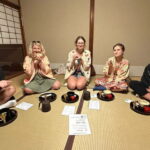
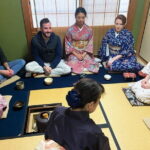
About group size: your booking is limited, with a maximum of 2 travelers per booking. But once you’re inside the ceremony flow, you may be seated with a small group of others—feedback suggests around a dozen people is possible. That’s actually a plus. It keeps the experience lively enough for questions, while still feeling peaceful on the tatami.

Price check: what you’re really paying for at $65.66
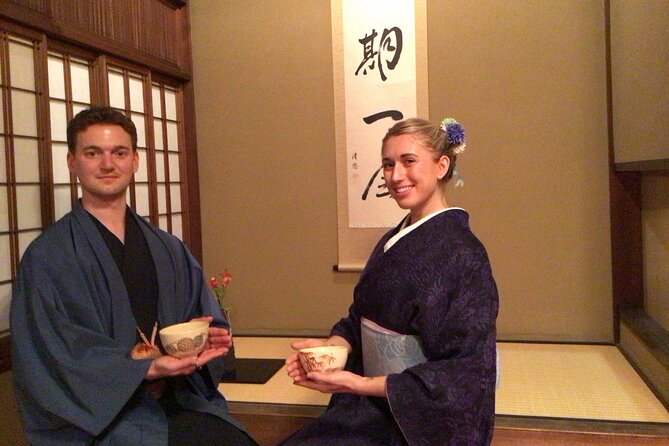
At $65.66 per person, this isn’t the cheapest Kyoto activity. But it’s also not just “pay for a show.” You’re paying for a full package:
- Kimono costume
- Green tea
- Utensils
- Hairstyling (simple style)
- Matcha preparation guidance
- Wagashi sweets/snacks included
You’re also not paying extra at the last minute for separate kimono rental and a stand-alone tea class. For many visitors, that combination is where the value lives. If you’ve ever priced out kimono rentals and then added a tea ceremony ticket on top, you’ll understand why this type of bundle can feel fair.
What’s not included is also clear: there’s no transportation and no hotel pickup/drop-off. So factor that into your day plan. If you’re staying near transit, that’s easy. If you’re far out, it might cost you time (and possibly a bus or taxi ride).
Who this fits best (and who might want to skip it)
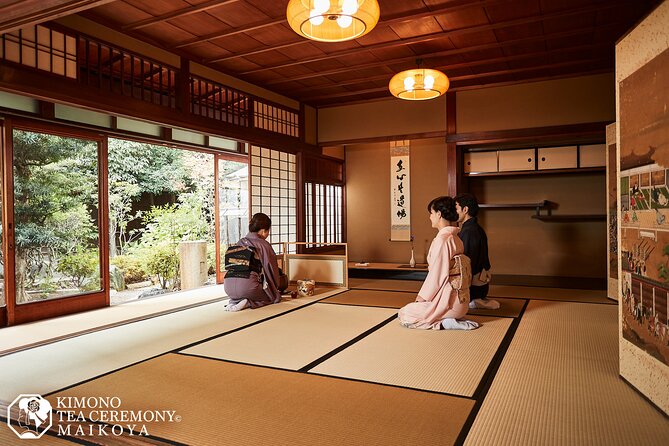
This experience is a strong match if you want:
- A hands-on cultural activity, not just sightseeing
- To wear a kimono without planning multiple stops
- A calm, guided structure where you learn by doing
- A blend of education and sweets (matcha plus wagashi is a winning combo)
It may not be the best fit if:
- You dislike dressing up or you want a quick, minimal-effort activity
- You’re expecting total privacy. It’s a group experience, even if your booking is small.
- You’re traveling with children under 7. Children under 7 cannot enter the tea ceremony venue, so reservations for that age group won’t work.
Should you book this Kyoto Maikoya Nishiki kimono tea ceremony?
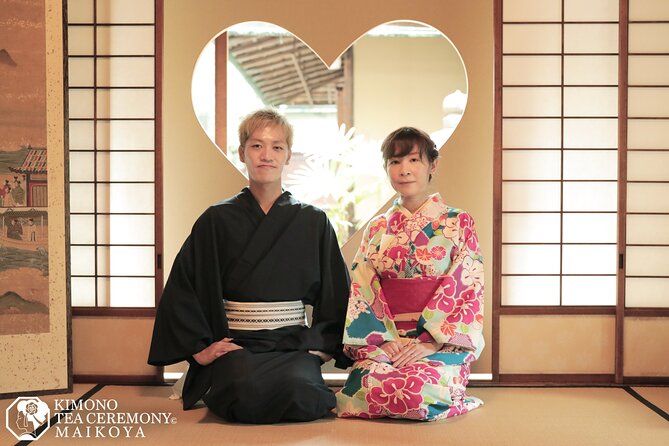
I’d book it if you want a Kyoto experience that feels both authentic and practical. The big reasons are simple: you make your own matcha, you get the kimono setup handled for you, and the ceremony is guided in a way that helps you understand what you’re doing while you’re doing it.
Before you commit, do one quick check: make sure you’re comfortable handling your own transit to the Nishiki location and that your schedule can spare about 1 hour 30 minutes. If weather is poor, the experience can be canceled due to weather conditions, with an alternate date or full refund offered—so keep an eye on forecasts for Kyoto.
If you’re aiming for one “culture you actually participate in” moment during your Kyoto trip, this is the kind of ticket that tends to feel worth it.
FAQ
What’s included in the Kyoto Maikoya Nishiki kimono tea ceremony?
The experience includes kimono costume, green tea, utensils, hairstyling (simple style), and snacks, plus wagashi sweets served with your tea.
Do I need to arrange transportation or is there hotel pickup?
Hotel pickup and drop-off are not included. You’ll need to make your own way to the meeting point at Kimono Tea Ceremony MAIKOYA Nishiki. The location is noted as near public transportation.
How long is the experience?
The duration is about 1 hour 30 minutes.
Can children under 7 attend?
No. Children under 7 cannot enter the tea ceremony venue, so you cannot make a reservation if your party includes a child under 7.
Is the group size small?
Your booking is limited to a maximum of 2 travelers, and the experience runs as a small guided ceremony for a group.
What if the weather is bad?
This experience requires good weather. If it’s canceled due to poor weather, you’ll be offered a different date or a full refund.