REVIEW · KYOTO
Kyoto Tea Ceremony & Kiyomizu-dera Temple Walking Tour
Book on GetYourGuide →Operated by MagicalTrip · Bookable on GetYourGuide
Kyoto rewards the curious, and this tour is built for that. You start in historic Gion-adjacent streets and end in a calm tea room, with Kiyomizu-dera and its UNESCO setting as the anchor.
What I like most is the hands-on tea ceremony component: you learn matcha steps, hear the cultural meaning, and make your own green tea with sweets. I also love the temple variety in one loop, from the colorful wish-balls at Yasaka Koshin-do to the famous Water Temple platform at Kiyomizu-dera.
One drawback to plan around: the route includes spots that are not wheelchair or stroller friendly, and the Otowa Waterfall area may have a line. Add heat in summer and you’ll want to pace yourself.
In This Review
- Key things to know before you go
- Starting at Yasaka Shrine: where the walk really begins
- Kiyomizuzaka street time: shops, food smells, and Kyoto color
- Yasaka Koshin-do: the wish balls that steal the show
- Kiyomizu-dera: UNESCO fame, the Water Temple name, and the platform views
- Tea ceremony workshop: matcha, utensils, and the calm after the crowds
- Street snacks, sweets, and how the included items add up
- Timing, heat, and the 3-hour reality check
- Wheelchair or stroller? Know the limits before you commit
- Who this tour is best for (and who may want a different plan)
- Tea room and temple etiquette: small moves that make a big difference
- Should you book this Kyoto Tea Ceremony & Kiyomizu-dera Temple tour?
- FAQ
- How long is the Kyoto Tea Ceremony & Kiyomizu-dera Temple Walking Tour?
- Where do I meet the guide?
- Is the Kiyomizu-dera entrance fee included?
- Does the tea ceremony include making matcha?
- Are food and drinks included?
- Can I bring cash?
- Will there be lines at the Otowa Waterfall?
- Is the tour wheelchair or stroller accessible?
- Are there any age limits?
- Can the tour accommodate allergies or dietary restrictions?
Key things to know before you go
- Meet at Yasaka Shrine Nishirom Gate area: look for the MagicalTrip board near the statue and arrive 10 minutes early
- Yasaka Koshin-do wish balls: the ceiling hangs with colorful balls and written wishes
- Kiyomizu-dera viewpoint from the wooden platform: cherry and maple views plus the city in the distance
- Otowa Waterfall water: you can drink the clear water for good luck (lines are possible)
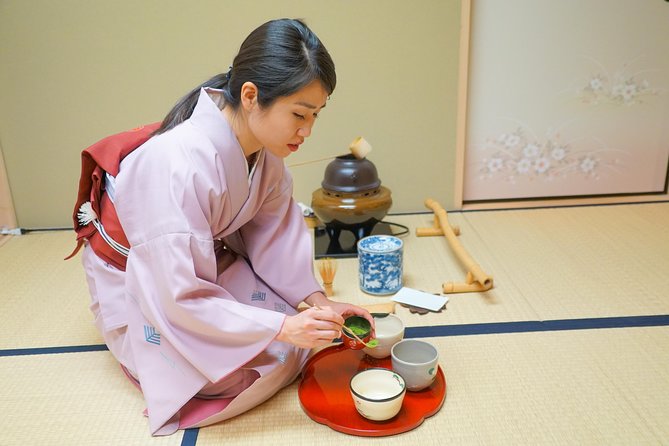
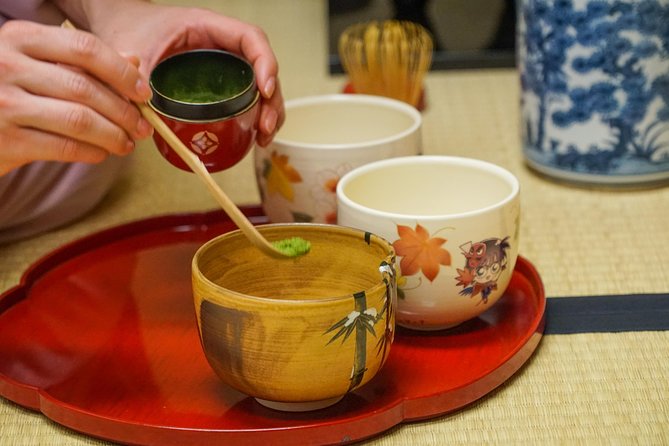
- Tea ceremony with matcha-making: learn phrases, utensils, and traditional steps, then enjoy sweets
- Value includes more than sightseeing: entrance fee, tea experience, samplings, and guided photos
Starting at Yasaka Shrine: where the walk really begins
Your tour kicks off at Yasaka Shrine’s Nishiromon Gate area. The meeting point is in front of the statue of Yasaka Shrine, and your guide will be holding a board that says MagicalTrip. Arrive about 10 minutes early. Kyoto is easy to walk in, but it’s also easy to miss a small meeting landmark when you’re hunting for it.
This start matters because it sets the tone: you’re not just being dropped at a single attraction. You’re eased into Kyoto’s temple-and-street vibe first—then the tour “spends” the best time where it counts, at Kiyomizu-dera and in the tea room. The route also loops back to the same meeting point, so you’re not stuck figuring out transit afterward.
This is also where you’ll want to get your bearings fast. Expect to be on foot, with some sections that don’t work well for strollers or wheelchairs.
You can also read our reviews of more tours and experiences in Kyoto.
Kiyomizuzaka street time: shops, food smells, and Kyoto color
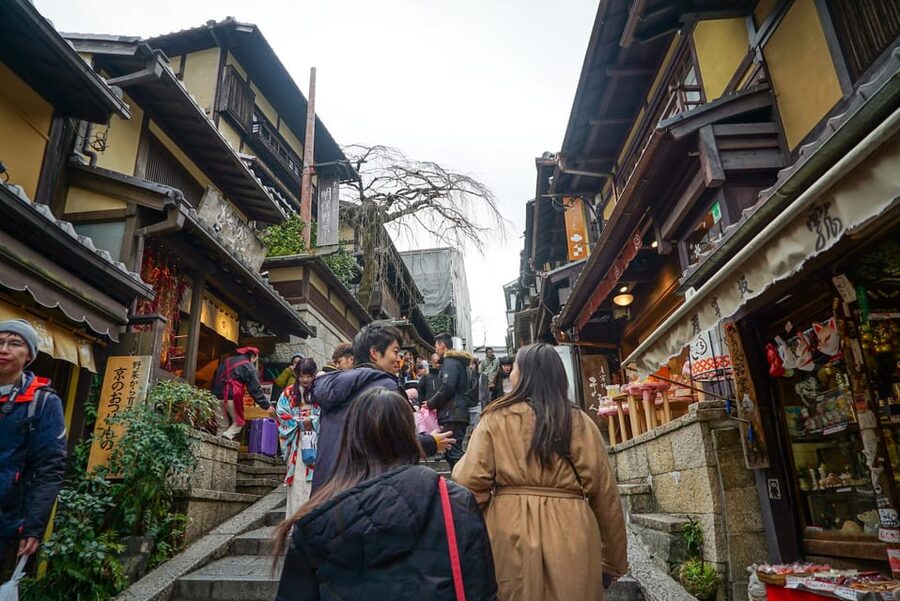
After the meetup, you’ll move through the Kiyomizuzaka area. This is the part that feels like Kyoto postcards came from real street corners: old teashops, sweet shops, and traditional sun-dried food stalls line the walk. It’s easy to wander just from the senses—steam, sugar smells, and those papery packages you can’t help but notice.
A sweet-to-savory detail worth paying attention to: the tour includes a few food samplings during street stops. That’s practical. You get tastes without blowing your whole budget before you reach the tea ceremony and main temple.
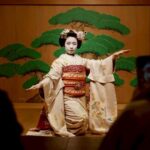
You might also spot the graceful flow of Maiko and Geisha along the streets. The tour can’t guarantee you’ll see them at the exact moment you pass, but the area is known for that drama-of-daily-life feeling. If you want more context about Gion culture and what you’re seeing, it’s smart to ask your guide as you walk—especially early, when you’re still near the shrine district.
Yasaka Koshin-do: the wish balls that steal the show
Next up is Yasaka Koshin-do, often described as one of Kyoto’s most colorful temple spots. The standout feature is right overhead: colorful balls hanging from the ceiling with wishes written on them. It’s the kind of detail you notice in photos, but it’s even better in person because you can feel how intentionally the space is decorated.
Why this stop is worth your attention: it’s not just “another temple.” It’s a visual form of belief and a reminder that Japanese religious spaces aren’t only about architecture—they’re also about daily hopes and prayers, displayed in tangible form.
If you’re the type who likes photo moments with meaning, this is a good one. Spend an extra minute here before moving on, because the pace of the rest of the day will shift to the bigger ritual spaces.
Kiyomizu-dera: UNESCO fame, the Water Temple name, and the platform views
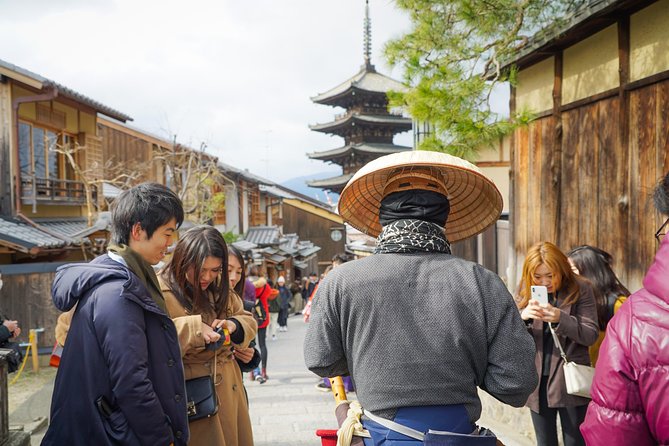
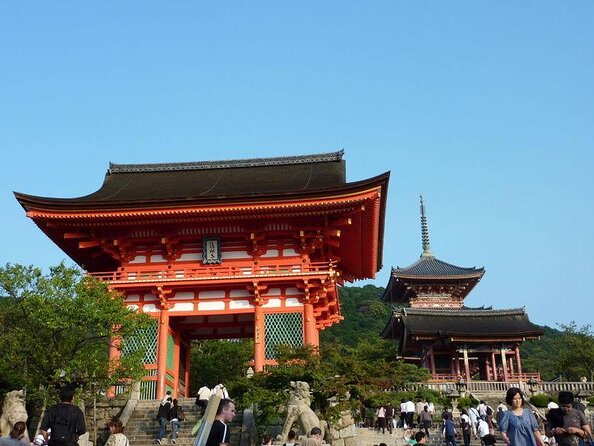
Then you get to the big star: Kiyomizu-dera Temple, a UNESCO World Heritage Site. You’ll visit Kiyomizu-dera known as the Water Temple, built on the site of the Otowa Waterfall.
What I think you should watch for during your visit is the shift from approach to viewpoint. From the main temple area you’ll work toward the wooden platform, where the atmosphere turns more scenic than solemn. This is where you can admire views of cherry and maple trees, plus a distant look over Kyoto.
And yes, the “water” part is central. You can visit the Otowa Waterfall and drink a cup of its clear water. The idea is that it brings good luck. The only planning note: there can be a line around the waterfall, so build in patience. If you’re there during peak times, the wait can affect how quickly you move through the rest of the site.
Also note that the tour is focused, not rushed. The guide is there to help you connect what you’re looking at—temple layouts, cultural context, and what certain areas mean—so you leave with more than just a bunch of photos.
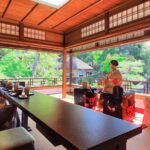
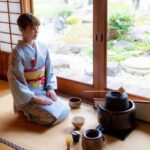
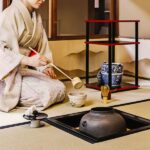
Tea ceremony workshop: matcha, utensils, and the calm after the crowds
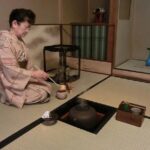
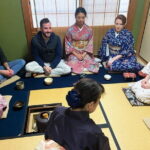
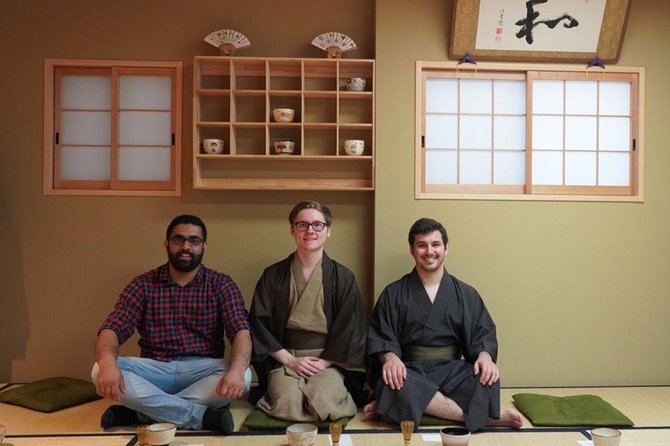
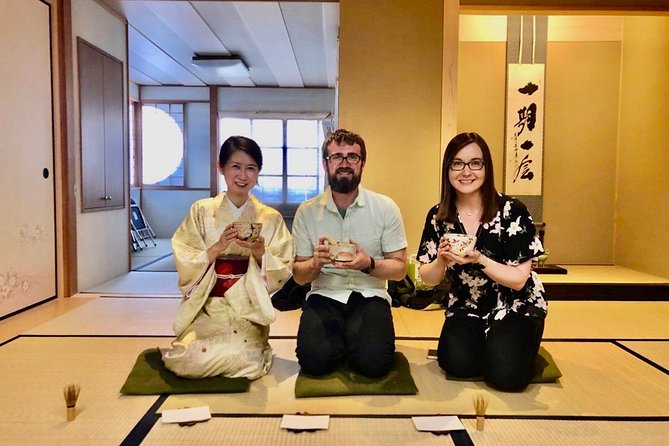
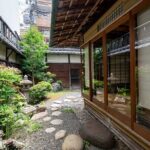
After temples and street energy, the tour shifts into a quieter world: a traditional tea ceremony. This is one of the best ways to slow down in Kyoto. The ceremony doesn’t just explain tea—it explains how people pay attention.
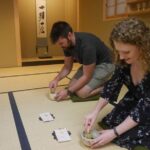
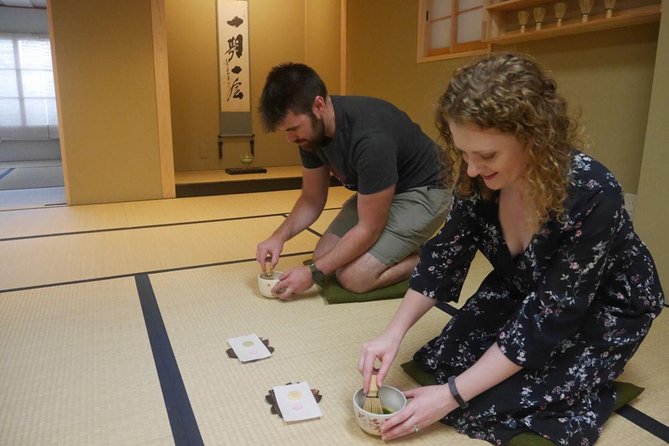
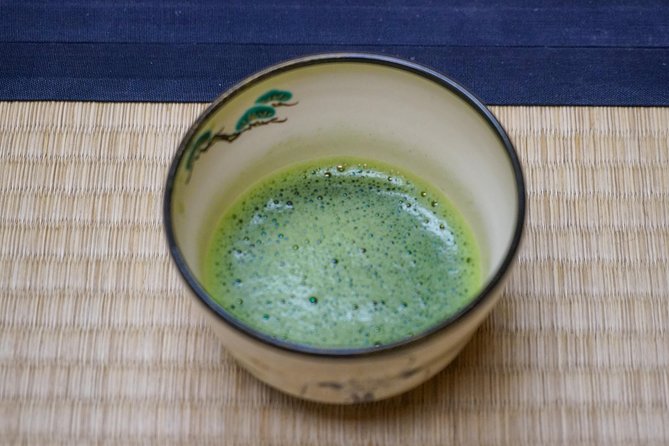
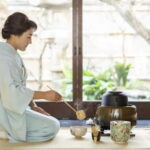
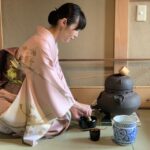
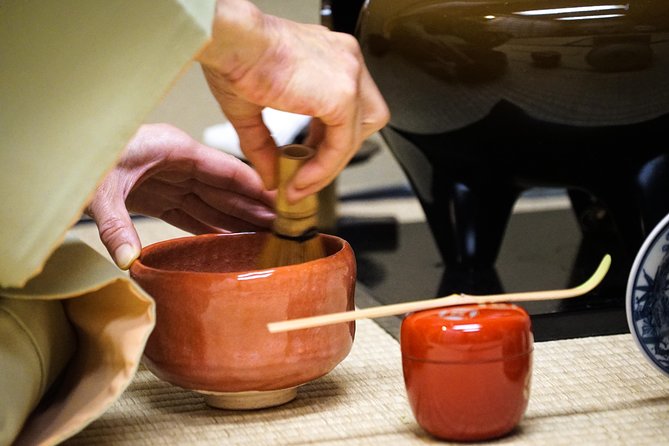
You’ll enjoy Japanese sweets and learn about the meaning behind the ritual. You’ll also see and use familiar utensils, including a bamboo tea whisk and unique tea bowls. The guide will walk you through steps for making traditional matcha and may share some Japanese phrases tied to the experience.
Practical tip: go into the tea room ready to focus. You’ll get more out of it if you treat it like a hands-on class rather than a photo stop. If you’re traveling with a little extra energy, it helps to mentally switch gears right when you sit down.
There’s one timing caution worth taking seriously. In at least one case, a timing misunderstanding led to the tea ceremony being missed, but the guide handled the situation and did their best to book the group back another way or provide appropriate resolution. Your best move: arrive on time for every segment and pay attention when your guide tells you when/where to meet for the ceremony start.
Street snacks, sweets, and how the included items add up
The tour includes more than entry tickets. You’re getting:
- Kiyomizu-dera entrance fee
- Tea ceremony experience
- A few samplings during street stops
- Photos during the tour
- A 3-hour guided walk with an English-speaking local guide
For $63 per person, the value comes from bundling. You’re paying for a guided flow that connects the streets, two religious sites, and the tea session in one block of time. You’re also not left hunting for what to eat or where to stand for the right view.
What’s not included is also important: extra food and drinks are available for purchase, so if you have strong cravings, you’ll need cash or a plan to buy along the way. The tour specifically suggests bringing some cash for additional food, drinks, and souvenirs.
The “few samplings” style is ideal for many people. It helps you taste Kyoto without turning the day into a full food mission before the tea ceremony. If you’re a serious foodie who wants big meals, you’ll likely still want to eat after the tour ends.
Timing, heat, and the 3-hour reality check
This is a 3-hour tour, and Kyoto does not care about your schedule. You should expect some walking time and some waiting time (especially if the Otowa Waterfall area has a line).
If you’re visiting in summer, the tour guidance is clear: it’s very hot and humid. Bring water and wear a hat to reduce the risk of heat stress. Even if you’re traveling lightly, don’t “tough it out.” Kyoto stone and steps can feel longer when the air is thick.
Another timing point: the tour will start promptly. That means if you show up late, you’ll miss part of the flow. Arriving 10 minutes early is not just polite—it helps you settle in and avoid panic.
Wheelchair or stroller? Know the limits before you commit
This tour includes locations that are not accessible by a wheelchair or stroller. That doesn’t mean you can’t enjoy Kyoto at all—it just means you should think carefully about your route on this specific day.
If you need step-free access, you’ll likely need a different tour format or a modified plan. The key is to match your mobility needs to the actual ground reality at temple slopes and older street areas.
Who this tour is best for (and who may want a different plan)
This is a great fit if you want:
- A guided taste of Kyoto’s temple culture without planning
- The combination of Kiyomizu-dera plus tea ceremony (a rare combo that feels “Kyoto” in both senses)
- A manageable time block: 3 hours, not half a day
It may be less ideal if you want lots of free time to roam independently. This tour is structured, with stops that happen in a set order, including street browsing and specific photo-worthy points like Yasaka Koshin-do.
Also, the tour is children 6+ only. If you’re traveling with younger kids, this one won’t work.
Tea room and temple etiquette: small moves that make a big difference
You’ll be entering spaces where people expect calm behavior. Even if you don’t know every custom, you can follow the tone:
- Be quiet when the group gathers
- Follow your guide’s instructions for where to stand and how to move through rooms
- In the tea ceremony, treat it like a class: phone down, listen up
Your guide may share cultural context along the way, including religious traditions around what you’re seeing. Use that moment. It turns the visit into something you understand, not just something you pass through.
Should you book this Kyoto Tea Ceremony & Kiyomizu-dera Temple tour?
If you’re choosing between a self-guided temple day and a guided cultural day, I’d lean toward booking this. The reason is simple: it ties together the two things that are hardest to DIY well—figuring out what matters at Kiyomizu-dera and getting a real tea ceremony with matcha-making.
Book it if you value:
- A guided route through Kiyomizuzaka street culture
- A standout photo and meaning stop at Yasaka Koshin-do
- A hands-on tea experience, not just watching
Skip it or look for alternatives if:
- You need step-free access (some stops aren’t stroller/wheelchair friendly)
- You’re very sensitive to timing and waiting (lines can happen at Otowa)
- You have strict dietary needs or allergies and need guaranteed allergy-free handling (the tour can’t promise that)
If your priority is to see Kiyomizu-dera and learn how Kyoto people experience ritual and craft in daily life, this is a strong use of a few hours.
FAQ
How long is the Kyoto Tea Ceremony & Kiyomizu-dera Temple Walking Tour?
It’s a 3-hour tour with a local guide.
Where do I meet the guide?
Meet in front of the statue of Yasaka Shrine. The guide holds a board that says MagicalTrip. Plan to arrive about 10 minutes early.
Is the Kiyomizu-dera entrance fee included?
Yes. The tour includes the Kiyomizu-dera Temple entrance fee.
Does the tea ceremony include making matcha?
Yes. You’ll have a traditional tea ceremony experience, learn the steps for matcha, and make your own green tea. Tea ceremony sweets are included.
Are food and drinks included?
You’ll get a few samplings, but extra food and drinks are not included and are available for purchase.
Can I bring cash?
Yes, you should bring some cash for additional food, drinks, and souvenirs.
Will there be lines at the Otowa Waterfall?
It’s possible there will be a line to visit the Otowa Waterfall.
Is the tour wheelchair or stroller accessible?
Some locations on the itinerary are not accessible by a wheelchair or stroller.
Are there any age limits?
Children under 6 years old are not allowed on this tour.
Can the tour accommodate allergies or dietary restrictions?
The tour cannot guarantee allergy-free options or specific dietary substitutions because food is prepared in kitchens not belonging to MagicalTrip. If you have dietary requests or allergies, you should inform them at least one day before the tour.