REVIEW · KYOTO
Uji Walking Tour – Byodo-in temple and Tea Ceremony from Kyoto
Book on Viator →Operated by JTB Global Marketing & Travel Inc. · Bookable on Viator
Uji is Kyoto’s calmer tea side. This Uji walking tour from Kyoto layers three things into one smooth morning: a train ride out to Uji, a riverside stroll to the Ujibashi Bridge and Nakanoshima Park, then a traditional tea ceremony at Taihoan and a Byodo-in temple visit. I especially like the focus on cultural stops you’d normally schedule separately, and the chance to see the Phoenix Hall landmark tied to Japan’s money and history. One thing to watch: the pace is brisk, and time inside Byodo-in can feel tight if you’re hoping for long museum wandering.
I also like that the guide is an English-speaking interpreter, and the group size stays small (up to 12), which makes it easier to move and ask questions. You’ll ride JR trains with non-reserved seating, so you’re not guaranteed seats, and you’ll want shoes that can handle a solid walk. The tea ceremony is held on tatami, so you must wear socks, and video recording isn’t allowed in the tea room.
In This Review
- Key points worth knowing before you go
- Uji makes a great day trip from Kyoto
- Getting there by JR rapid trains (and why it matters)
- Ujibashi Bridge and Nakanoshima Park: the scenic warm-up
- Taihoan tea ceremony: the cultural reset you can feel
- Byodo-in Temple: what you’ll see, and how crowd timing can change your visit
- Price and logistics: is $96.06 a fair deal?
- Pacing, photos, and what to wear
- Who this tour suits (and who might prefer something else)
- Should you book the Uji Walking Tour from Kyoto?
- FAQ
- How long is the Uji Walking Tour from Kyoto?
- What time does the tour start, and where do I meet?
- How do you get to Uji and back?
- Is the tea ceremony included, and where does it take place?
- What should I wear or bring for the tea ceremony?
- Is Byodo-in Temple admission included?
- What happens if the Phoenix Hall is too crowded to enter?
- Can I get a full refund if my plans change?
Key points worth knowing before you go
- Ujibashi Bridge: a famous photo stop tied to a bridge tradition that dates back centuries, plus a viewpoint area for great angles
- Nakanoshima Park: an easy riverside walk that keeps Uji feeling relaxed (but it can be skipped if the river is high)
- Taihoan tea ceremony: tea service in a tatami room, with socks required and video recording not permitted
- Byodo-in Temple: Heian-era temple grounds with the Phoenix Hall area—entry can depend on crowding
- Small group (max 12): easier pacing and less “herding,” but don’t plan on a slow stroll
Uji makes a great day trip from Kyoto
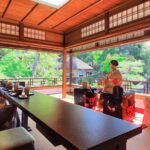
Uji is close enough to feel convenient, yet different enough to feel like a real switch-up from Kyoto. The town is strongly tied to tea culture and the Uji River setting makes it calmer than many bigger Kyoto day trips. The bonus is that your stops are all connected: river views, a tea house experience, then a standout temple.
Byodo-in Temple is the big anchor. It’s associated with the Heian period and the Phoenix Hall image is famously linked to Japan’s 10 yen coin, so you’re not just seeing “an old temple,” you’re seeing a symbol you’ve likely noticed before. Even if you’ve seen temples in Kyoto already, Byodo-in gives you a different look—more garden-driven and more centered around one iconic view area.
You can also read our reviews of more tours and experiences in Kyoto.
Getting there by JR rapid trains (and why it matters)
This tour runs a morning train day. You meet at the JTB Sunrise Tours Desk in Kyoto, inside the AVANTI building near Kyoto Station, with a start time of 8:20. From there, you take JR from Kyoto Station to Uji Station using a rapid/local train with non-reserved seating, which means seats are first-come.
That detail matters. If you’re the kind of traveler who hates being packed in while you’re already excited for sightseeing, arrive with extra buffer time so you can board promptly. Also, your group returns by train after the last temple stop, again on non-reserved seating. In other words: you’re planning a walking-and-transit morning, not a relaxed bus-and-lounge day.
One more practical point: trains are only part of it. This is explicitly a walking tour, so you’ll do real footwork between sights. Bring shoes that are comfortable for steady walking and keep them geared for photos, too—because stops are short and you’ll want to move quickly.
Ujibashi Bridge and Nakanoshima Park: the scenic warm-up
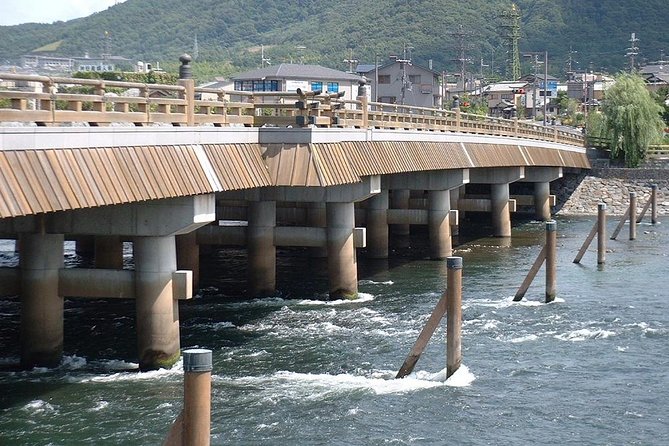
The first major “wow” moment is the walk to Ujibashi Bridge. This bridge is thought to have originally been built as far back as the 7th century, and it’s known as one of Japan’s oldest bridges. The guide points out a smaller protrusion on one side called san-no-ma, which gives you a more dramatic angle for photos over the river.
If you like taking pictures, this is your moment to slow down—just don’t slow down too long, because the rest of the day flows fast. The bridge is a classic, postcard-style stop, but the value here is that it’s paired with a guided walk that keeps you oriented. You’re not wandering; you’re moving from viewpoint to viewpoint with context.
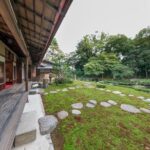
Next is Nakanoshima Park (Uji Park). This is where Uji feels most peaceful. Expect a scenic pause by the river before you head into the tea town. There’s a catch: the tour may not be able to stop here if the Uji River water level is high. That’s rare, but it’s part of nature-based sightseeing in river towns. If you want the best odds of enjoying the park, be flexible in your expectations for the day.
Taihoan tea ceremony: the cultural reset you can feel
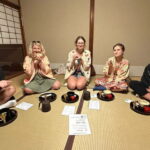
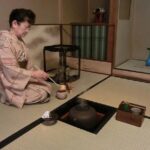
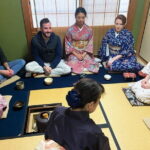
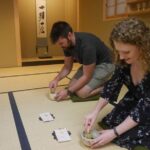
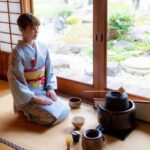
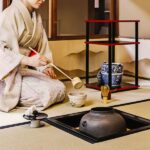
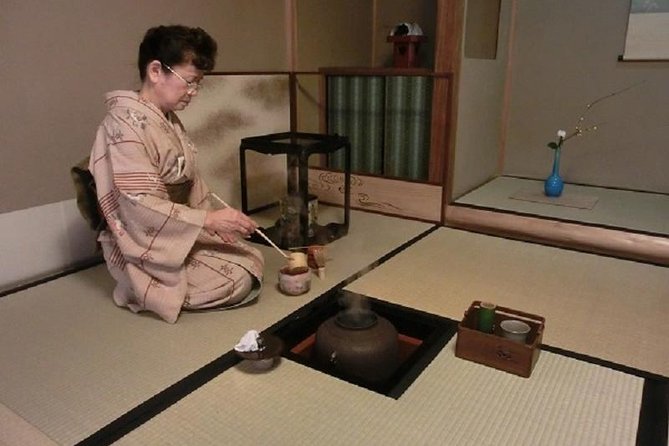
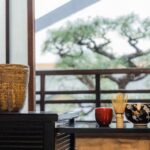
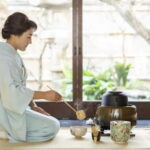
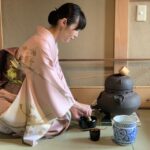
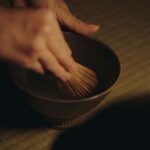
Taihoan is where the tour turns from sightseeing into a true cultural activity. You’ll get a traditional tea ceremony experience in Uji’s tea town, and admission is included. The session runs about 20 minutes, so it’s not long, but it’s real—and that’s exactly why it works on a timed walking tour.
Here’s what you should know before you go in:
- The tea ceremony may use matcha on one day or sencha on another, depending on what’s scheduled
- The session may be shared with other customers
- It’s held in a tatami room, so you need to wear socks
- Video recording isn’t allowed in the tea room
For me, the best part of a guided tea ceremony isn’t the drink—it’s understanding what you’re seeing while you’re seeing it. The guide’s English interpretation helps turn a short ritual into something you actually remember, instead of a quick photo op. You also get a sense of how tea culture ties into daily life in Uji, not just tourist performances.
If you’re the type who always wants to follow the pace of the room, this stop suits you. Just remember: you won’t have time to linger afterward. Think of it as a concentrated cultural reset, not a slow afternoon.
Byodo-in Temple: what you’ll see, and how crowd timing can change your visit
Byodo-in is the Heian-era highlight. The temple complex is known for housing a Buddha statue and other images, and it’s surrounded by a garden setting. It’s part of the World Heritage listing connected to the Historic Monuments of Ancient Kyoto. If you’ve ever seen the Phoenix Hall pictured on the 10 yen coin, you’ll recognize the shape quickly when you arrive.
Your admission is included, and the visit is about 50 minutes. That sounds generous until you remember that you’re also traveling back by train and moving as a group. The practical result: you should expect a guided “see the essentials” style visit.
There’s also a real-world complication. The tour notes that they may not be able to enter the Phoenix Hall area if it’s crowded. If that happens, JPY 300 is refunded on location. This is a good system to have, even if it’s disappointing in the moment.
Some people end up feeling rushed when there’s limited time on the grounds and any museum portion. You can protect yourself from that by doing two things:
- Pick what matters most to you before you arrive (the garden view, the main hall area, the coin-related Phoenix Hall focus)
- Move with the group so you don’t lose track of where you’re supposed to be next
Byodo-in is worth your attention, even on a short visit. Just manage expectations: this is not a “wander for hours” temple day.
Price and logistics: is $96.06 a fair deal?
The price is $96.06 per person for about 4 hours and 10 minutes, including train transport, the tea ceremony, and Byodo-in admission, plus an English-speaking licensed guide interpreter. For a day trip that bundles three separate experiences (Uji transport + tea + a major temple), that’s a fairly straightforward value.
You’re mainly paying for:
- Someone else handling the sequence of stops
- A guide who can explain what you’re looking at
- Admissions and tea ceremony access bundled into one ticket
- The “time-saving” benefit of group logistics
Could you do this cheaper on your own? Often, yes—if you enjoy planning and you’re comfortable navigating trains and attractions independently. But the tradeoff is time and friction. This tour is built for people who want to spend their morning seeing Uji, not plotting it.
Where the value can feel less good is if you’re the slow-photo type or you strongly dislike tight timing. The group moves with a schedule, and if you pause too long, you may feel like you’re working to keep up. In that sense, the tour is best as a structured hit of Uji culture rather than a leisurely stroll.
Pacing, photos, and what to wear
This is the part that can make or break the experience. The day runs on a tight rhythm: train out, quick walk to the bridge, park stop, tea ceremony, then Byodo-in, then train back. Even when the attractions are beautiful, the time in each place is limited.
In practical terms:
- You should come ready to walk steadily
- You’ll want to keep photo stops efficient
- If you stop for long photo sessions, you might feel rushed afterward
The tour also stresses proper footwear. Since you’re not on a bus, your shoes are your comfort plan. For the tea room, socks are mandatory. Bring socks you’ll feel good wearing for a short seated period—because you don’t want to be fiddling with socks while the ceremony begins.
For anyone coming with kids: there’s a rule that parental permission in writing is required for participants under 18, and younger participants must be joined by a parent or guardian. If you’re traveling with a teen or preteen, check this early so you’re not stuck at the meeting point.
Who this tour suits (and who might prefer something else)
This works best if you want a guided taste of Uji with zero planning stress. You’ll like it if you:
- Care about tea culture and temple context, not just sightseeing photos
- Want a small group that moves well through one focused area
- Prefer an organized day with admissions handled
- Can handle walking on a schedule
You might want to skip it—or pick a different style of tour—if you’re chasing a slow, hours-long Byodo-in visit. The timing can compress the temple grounds and any indoor time. Also, because train seats aren’t reserved, people who dislike crowds during commuting hours may find the transport portion less pleasant.
That said, the blend here is hard to beat: bridge views for photos, a real tea ceremony on tatami, and Byodo-in with that Phoenix Hall connection to the 10 yen coin.
Should you book the Uji Walking Tour from Kyoto?
Book it if your goal is a one-shot morning that mixes tea ceremony, river views, and Byodo-in Temple without planning the logistics yourself. It’s also a strong choice if you appreciate a small group and want an English-speaking guide to help you understand what you’re seeing.
Hold off if you’re planning this as a slow, contemplative temple day or if you hate moving on someone else’s timeline. The schedule is the tradeoff for the convenience and value.
If you’re somewhere in the middle—curious, comfortable walking, and excited by tea and major sights—this tour is a smart, efficient way to experience Uji in a few hours.
FAQ
How long is the Uji Walking Tour from Kyoto?
It runs for about 4 hours and 10 minutes.
What time does the tour start, and where do I meet?
The tour starts at 8:20 am. You meet at the JTB Sunrise Tours Desk Kyoto, located in the AVANTI building near Kyoto Station.
How do you get to Uji and back?
You travel by JR train from Kyoto Station to Uji Station and back, using rapid/local trains with non-reserved seats.
Is the tea ceremony included, and where does it take place?
Yes. The tea ceremony at Taihoan is included. It takes place in a tatami room, and socks are required.
What should I wear or bring for the tea ceremony?
Wear socks for the tatami room. Also note that recording videos is not allowed inside the tea room.
Is Byodo-in Temple admission included?
Yes. Byodo-in Temple admission fees are included.
What happens if the Phoenix Hall is too crowded to enter?
If entry to the Phoenix Hall isn’t possible due to congestion, JPY 300 is refunded at the location.
Can I get a full refund if my plans change?
Yes. You can cancel up to 24 hours in advance for a full refund. If you cancel less than 24 hours before the start time, it won’t be refunded.