REVIEW · CHONGQING
Chongqing 1941 theatre: Tea Art Performance with Folk Art
Book on GetYourGuide →Operated by 成都环球国际旅行社有限公司新都第三分公司 · Bookable on GetYourGuide
A short show, a real taste of local performance. At Chongqing 1941 Theatre, you get tea art plus stage entertainment rooted in Sichuan folk tradition, all in just 45 minutes. I like that the evening isn’t just music on a loop; it’s interactive, with tea in hand and performers up close. I also like that you see distinct acts—kung fu, pipa, Quyi storytelling, and dramatic facial makeup—rather than one long routine. The main drawback is simple: it’s brief, so if you’re expecting a full evening of theater, plan something else after.
You’ll enjoy a traditional tea ceremony paired with folk performance, and you’ll probably recognize elements even if your Chinese is limited. You should consider one thing before you go: arrive on time, because the included tea won’t be served if you’re late, and the show moves fast once the performance begins.
In This Review
- Key Things That Make This Show Worth Your Time
- Inside Chongqing 1941 Theatre: Tea, Craft, and Folk Performance All at Once
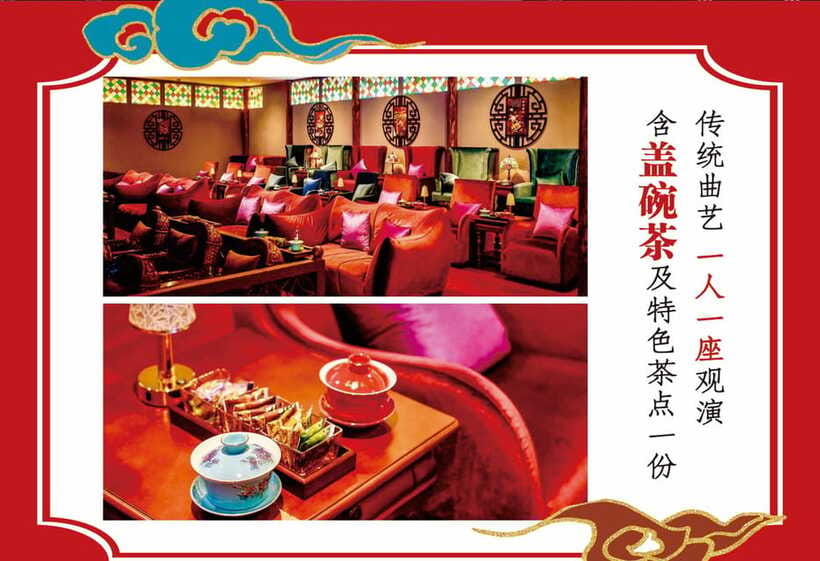
- The Tea Ceremony Component: Covered Bowl Tea and a Snack
- Tea Art That Looks Like Magic: The 1.2-Meter Long Teapot Moment
- Sichuan Drama Plus Kung Fu: Human Good on Stage
- Pipa Performance: Interwoven Sound You Can Hear Right Away
- Quyi Money Board: Singing and Storytelling With Folk Flavor
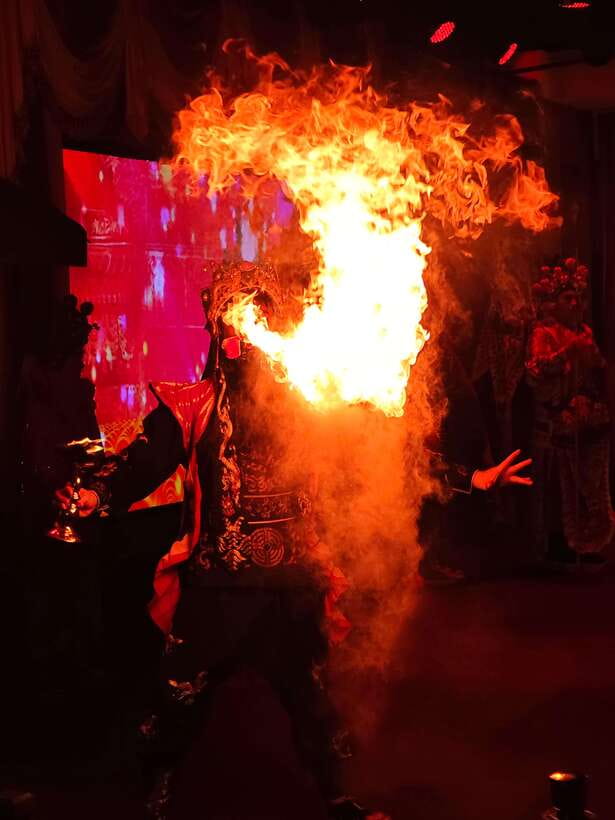
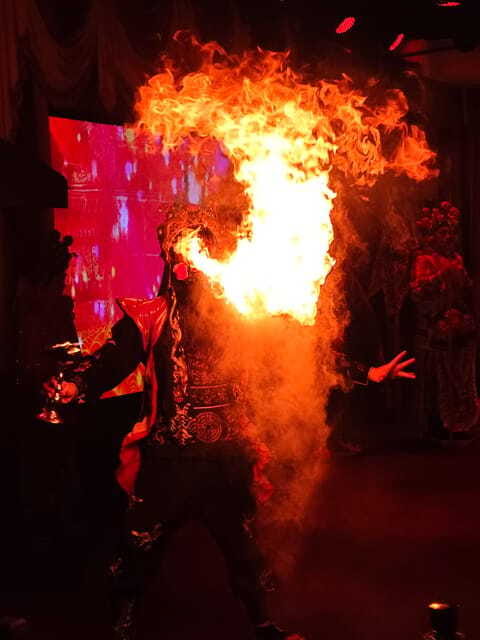
- Facial Makeup Close Up: The Unpredictable Moment You’ll Want to See Clearly
- Price and Value: Is $31 for 45 Minutes Fair?
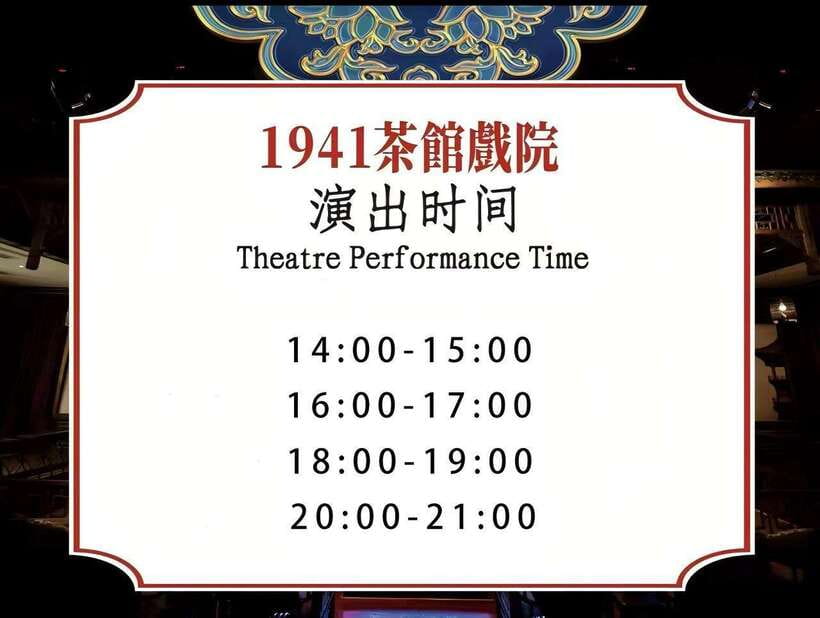
- Timing and Logistics That Actually Matter in Real Life
- Who Should Book This Show (and Who Might Skip It)
- How to Make the Most of Your 45 Minutes
- Should You Book Chongqing 1941 Theatre Tea Art and Folk Art?
- FAQ
- What’s the duration of the Chongqing 1941 tea art performance?
- Where do I meet for the activity?
- Is transportation included?
- What’s included in the ticket price?
- What happens if I arrive late?
- What kinds of performances are included?
- Is the show indoors?
- What language is used during the show?
- What’s the cancellation policy?
Key Things That Make This Show Worth Your Time
- Tea Art on Stage: Watch artisans work the craft while you’re seated with hot tea and a snack.
- The 1.2-Meter Long Mouth Pot: A giant teapot performance that turns brewing into a visual act.
- Sichuan Drama Meets Kung Fu: A staged performance featuring Human Good alongside martial moves.
- Pipa With Layered Sound: A pipa performance known for a clear, interwoven musical effect.
- Quyi Money Board Storytelling: Singing and narration built around folk story energy.
- Facial Makeup Up Close: Dramatic mask-and-face changes that you can watch closely as the acts rotate.
Inside Chongqing 1941 Theatre: Tea, Craft, and Folk Performance All at Once
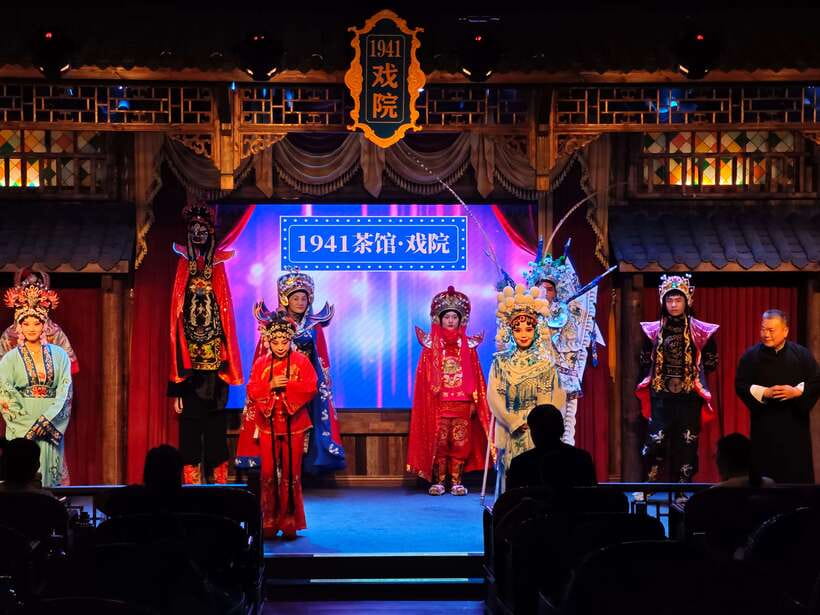
This is a compact evening show with a very specific idea: tea isn’t just a beverage, it’s part of the entertainment. You sit indoors and watch a rotation of traditional performances while you’re treated to a covered bowl tea and a snack. It’s the kind of format that works well in Chongqing, where warm hospitality and street-level folk culture feel close at hand.
The strongest part for most people is the blend. Instead of separating tea culture from stage culture, the show merges them—so your attention is split in a good way between what the performer is doing and what the tea artisan is shaping in front of you. And because the acts change, you don’t feel stuck in one style of performance for the whole time.
The Tea Ceremony Component: Covered Bowl Tea and a Snack
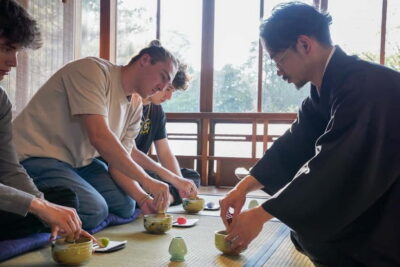
You’re included with a traditional tea experience: a covered cup/bowl tea and a special snack. The tea is tied to the timing of the performance, so timing matters more than you might expect. If you show up late, you may miss the included tea service—so arrive early and settle in.
The snack is described as a special snack per person, and one key detail: it’s made of nuts. If you get easily distracted during shows, eat a little something before you go so you’re comfortable watching for the full 45 minutes without feeling snack-hunger or thirst-hunger. (And if you have nut allergies, this is the kind of situation where you should double-check before you buy.)
What makes the tea part appealing isn’t fancy language; it’s the practical rhythm. You’ll see tea presented as an art—especially when the performance turns to tea mechanics and visual technique.
Tea Art That Looks Like Magic: The 1.2-Meter Long Teapot Moment
One highlight is the Long Mouth Pot Tea Art performance featuring a teapot about 1.2 meters long. That detail matters because it turns tea-making into a physical choreography. You get to watch how the artisan handles form and control, not just how they pour.
This kind of tea art is best appreciated with relaxed attention. You don’t need to understand every spoken explanation to follow the action: look at the timing, the movement of the hands, and how the performer uses the tool’s length to stage the effect. Even if you’re not a tea expert, it’s visually engaging enough to feel like a specialty act in its own right.
If you like culture that you can see as well as taste, this is the part you’ll likely remember when you think back on the evening.
Sichuan Drama Plus Kung Fu: Human Good on Stage
Another highlight is a performance of the Sichuan drama Human Good with kung fu. This matters because Sichuan opera and kung fu style share a common spirit: strong gestures, rhythmic timing, and a performance that uses the whole body. The result is usually more cinematic than you’d expect from a short, indoor show.
The drawback is also tied to this strength: the action can be fast and physically theatrical, so you’ll want to be seated comfortably before the show starts. If you arrive late or keep repositioning, you’ll miss parts of the choreography—especially the moments where movement and story overlap.
Still, for many visitors, the Human Good segment is the act that makes the show feel like a true Sichuan-style performance package rather than just a tea demo.
Pipa Performance: Interwoven Sound You Can Hear Right Away
The show also includes a pipa performance, noted for a beautiful and sonorous interwoven sound. Pipa is one of those instruments that can make the room feel instantly focused. Even if you don’t catch the story elements, the sound is clear and emotional on its own.
In a 45-minute program, the pipa segment acts like a musical reset. After more theatrical or action-driven moments, you get a different pacing—something smoother that lets you listen instead of only watching hands and stunts.
If you’re traveling with someone who likes music more than opera, this is often the easiest act for shared enjoyment.
Quyi Money Board: Singing and Storytelling With Folk Flavor
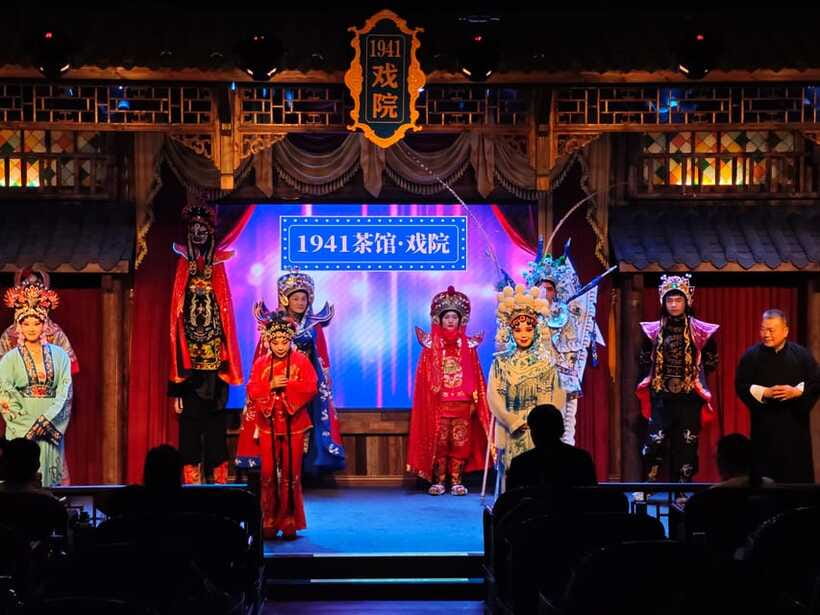
Quyi Money Board is another listed performance, combining singing and storytelling. This is the part that feels closest to folk public performance—less about armor-like stage gestures and more about voice, rhythm, and narrative energy.
What I like about this segment as a traveler is that it fills in cultural context through performance style. Even if you don’t speak Chinese fluently, story-based entertainment usually gives you enough cues—tone, cadence, and audience engagement—to follow the gist.
This is also a good segment for people who want something more human-scaled. It’s performance craft in the old sense: voice, timing, and charisma, not just impressive tricks.
Facial Makeup Close Up: The Unpredictable Moment You’ll Want to See Clearly
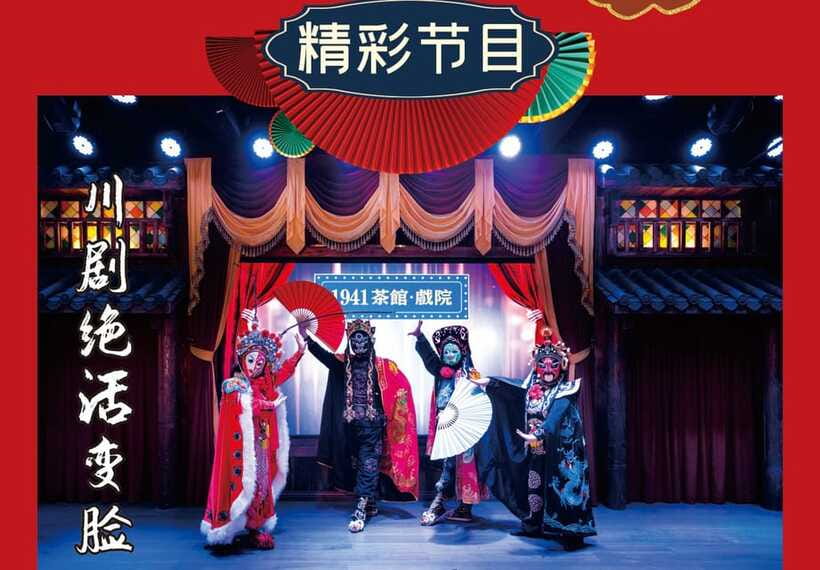
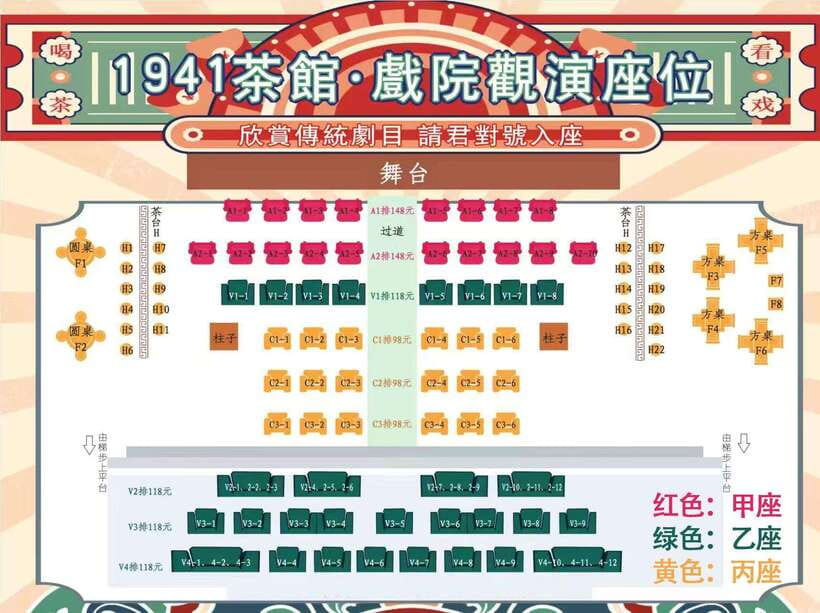
One of the most distinctive features is facial makeup close up, described as unpredictable. In this kind of folk performance rotation, facial changes often land as surprise moments, and being close helps you appreciate the transformation.
This is where your seat choice can matter. If you can, get comfortable and keep your eyes forward so you’re ready when the face-changing moment happens. It’s the sort of segment that feels especially fun when you watch it with your whole attention, because it looks dramatic even without explanation.
Also, it’s short. So when the makeup and folk-art rotation begins, don’t assume you’ll have time to settle in further.
Price and Value: Is $31 for 45 Minutes Fair?
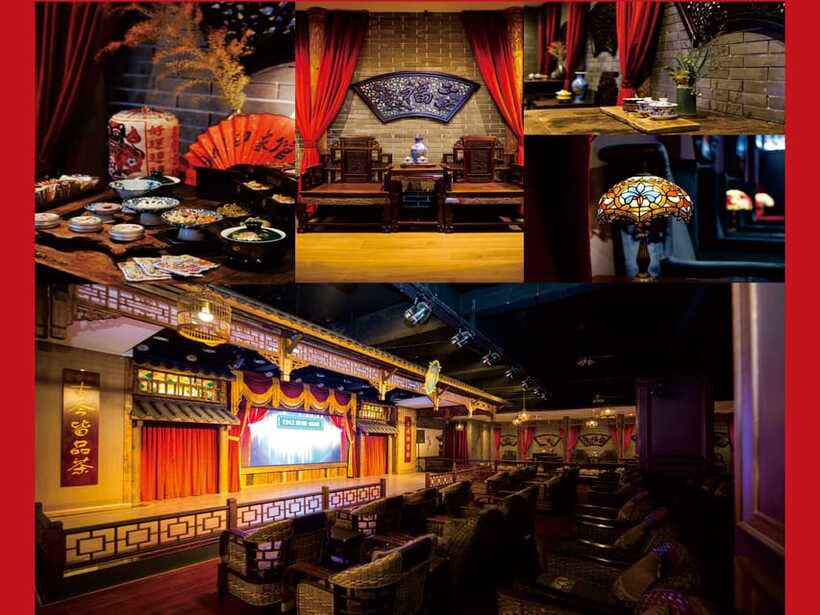
At $31 per person for about 45 minutes, you’re paying for a tight mix of performance types plus the included tea art moment. This isn’t a bargain like street shows you can stroll into, but it’s not in the luxury category either.
Here’s the practical value math:
- You’re getting a program that includes tea ceremony elements plus multiple distinct performance styles (tea art, Sichuan drama with kung fu, pipa, Quyi storytelling, and facial makeup).
- The show is indoors, so it’s weather-proof.
- The included tea and snack remove a common “add-on” expense that many theater experiences sneak in later.
Your main risk is expectation. If you expect a long, full-length opera evening, 45 minutes may feel short. But if you want a condensed sampling of Sichuan folk arts with real tea craft, the timing works in your favor.
The show has an average rating around 3.8, which usually means “good for the price, but not for everyone.” In practical terms, that often happens with short performances: some people want more time on stage, and others appreciate the variety.
Timing and Logistics That Actually Matter in Real Life
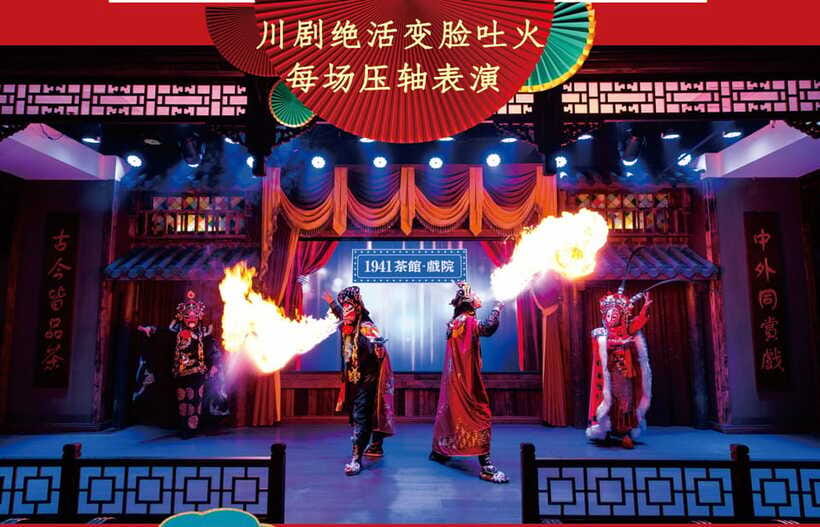
This show is indoors, and you should arrive 30 minutes before it starts. That’s not just a generic tip; the tea service is tied to show timing. If you’re late, you risk missing the included covered tea.
Your meeting point is specific: Yutian building garage entrance next to the time elevator to the 8th floor. Transportation to and from the activity isn’t included, so build that into your plan. Wear shoes that make it easy to move through a building entrance area, since you may need to find the exact elevator/time-elevator area before you’re escorted to seating.
Language is Chinese. The good news is that traditional folk performance carries meaning through action, music, and face changes. The hard part is the spoken portions, so plan to enjoy it even if you don’t catch every line.
Who Should Book This Show (and Who Might Skip It)
Book this if you want:
- A compact introduction to Sichuan-flavored folk performance
- A tea experience where the craft is part of the show, not an add-on
- A mix of action (kung fu), music (pipa), and story energy (Quyi)
Skip or reconsider if you:
- Need a long sitting session or a full evening of theater
- Are very sensitive to missing included items if you arrive late
- Have nut allergies, since the snack is described as nuts
It also suits cultural travelers who enjoy “small stage, big craft.” This is the kind of experience where you get to see multiple art forms in one place without committing to a full-day plan.
How to Make the Most of Your 45 Minutes
A few simple tactics can raise your enjoyment level fast:
- Get there early so you can settle in and not miss the tea moment.
- When the performance shifts, keep your attention forward. The facial makeup and rotating acts move quickly.
- If you’re with friends who want different things, this show has enough variety to satisfy more than one taste—tea craft for some, pipa and Quyi for others, and kung fu for people who want action.
If you’re thinking about photos, there’s an invite for pictures with performers after the show. So when the program ends, don’t rush away before the photo moment happens.
Should You Book Chongqing 1941 Theatre Tea Art and Folk Art?
If your goal is a short, indoor cultural evening with real tea craft and multiple Sichuan-style acts, I’d say yes. The value is in the variety packed into 45 minutes, plus the included covered-bowl tea and snack. The experience is also easy to fit into an itinerary because it’s not a half-day commitment.
But if you want a long, narrative-heavy theater night—or if arriving exactly on time feels stressful for your travel day—then you might prefer a different option. This show rewards good timing and relaxed attention.
In short: for many visitors, it’s a fun, focused sampler of folk art. If that matches your style, it’s a solid booking.
FAQ
What’s the duration of the Chongqing 1941 tea art performance?
The show lasts about 45 minutes, and you can check available starting times.
Where do I meet for the activity?
Meet at the Yutian building garage entrance next to the time elevator to the 8th floor.
Is transportation included?
No. Transportation to and from the activity isn’t included.
What’s included in the ticket price?
You get the traditional performance ticket plus a covered bowl tea and a special snack per person.
What happens if I arrive late?
Tea will not be provided if you are late, since the tea service is tied to the show timing.
What kinds of performances are included?
The show includes Sichuan drama with kung fu (Human Good), Long Mouth Pot Tea Art with a 1.2-meter teapot, a pipa performance, Quyi Money Board singing and storytelling, and folk-art elements like facial makeup.
Is the show indoors?
Yes, it takes place indoors.
What language is used during the show?
The language is Chinese.
What’s the cancellation policy?
You can cancel up to 24 hours in advance for a full refund.