REVIEW · KANAZAWA
Kanazawa: Tea Ceremony Experience at Kenrokuen
Book on GetYourGuide →Operated by 陶芸喫茶東山 · Bookable on GetYourGuide
A tea whisk and a famous garden nearby. This Kanazawa experience brings hands-on matcha to the quiet streets just outside Kenrokuen, with Kanazawa Castle Park right across the road. You’ll get seasonal views too, whether it’s spring blossoms, autumn leaves, or winter snow.
Two things I really like about it: you learn the process using a traditional bamboo whisk (chasen), and you don’t need any prior experience because an English-capable guide walks you through it. The setting also feels calm and respectful, with a private-group pace rather than rushing through a checklist.
One thing to plan for: the timing can be a little longer than you expect. The activity is listed as 1 hour, but the on-the-ground experience is described as approximately 2 hours, so I’d build in extra buffer time around your Kenrokuen visit.
In This Review
- Key Highlights at a Glance
- Why This Kanazawa Tea Ceremony Feels Worth It
- Where You Meet: Togeikissa Tozan and the Tea House Street
- The Matcha Ceremony Flow: Watch, Learn, Whisk, Sip
- First: a guided introduction and the basic method
- Then: you try it yourself
- Finish: you taste your matcha with a traditional sweet
- Kenrokuen Without the Extra Ticket Hassle
- Views by Season: Cherry Blossoms, Autumn Leaves, or Snow
- Duration and Pace: Plan for Around Two Hours Total
- Price: $29 for Skill, Tea, Sweet, and a Full Moment
- Who This Tea Ceremony Is Perfect For (and Who Should Skip)
- Practical Tips So You Don’t Feel Rushed
- The Small Service Touches That Matter
- Should You Book the Kanazawa Tea Ceremony at Kenrokuen?
- FAQ
- How much does the Kanazawa tea ceremony cost?
- How long is the experience?
- Where do I meet for the experience?
- Is Kenrokuen Garden admission included?
- Do I need prior experience making matcha?
- What’s included in the price?
- Are photos allowed?
- Are there any restrictions?
- Are children allowed?
Key Highlights at a Glance
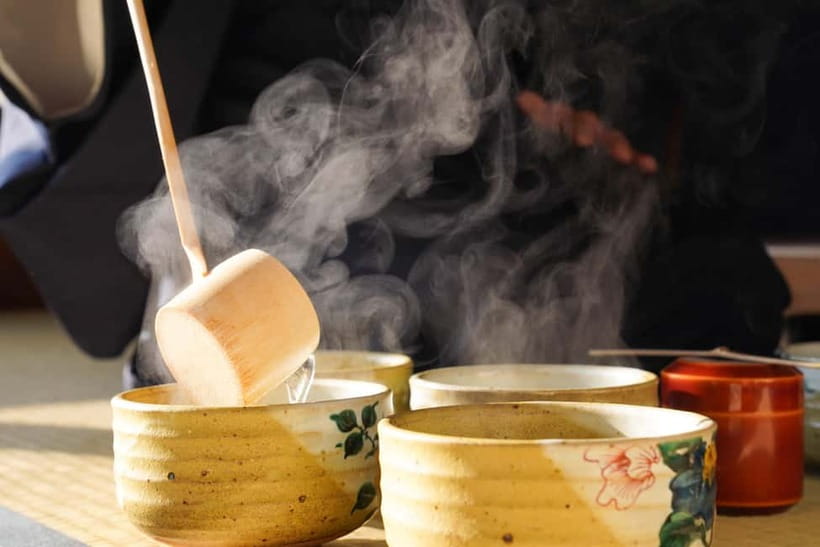
- Whisk your own matcha with a traditional bamboo chasen
- Castle Park views from a tea-house spot near Kenrokuen
- No experience needed, with guided steps and basic English support
- Watch first, then try, including a full ceremony flow you can observe
- Traditional Japanese sweet served alongside your freshly whisked tea
- Photos allowed with staff assistance
Why This Kanazawa Tea Ceremony Feels Worth It
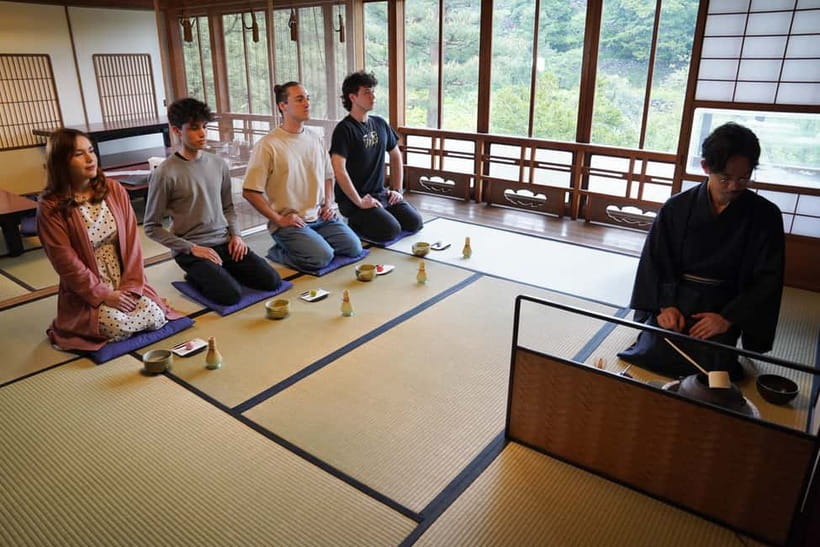
Kanazawa is a city where “small moments” matter, and this tea ceremony fits that style perfectly. It’s short, focused, and placed right where you’re already thinking about Kenrokuen Garden—so you can add something meaningful without spending half the day traveling across town.
The biggest win is the practical, hands-on part. You’re not just watching tea rituals from behind glass. You learn how to whisk matcha properly using the bamboo chasen, then taste what you made in a calm, traditional room. That combination is what turns a pretty activity into a memory you can actually explain later.
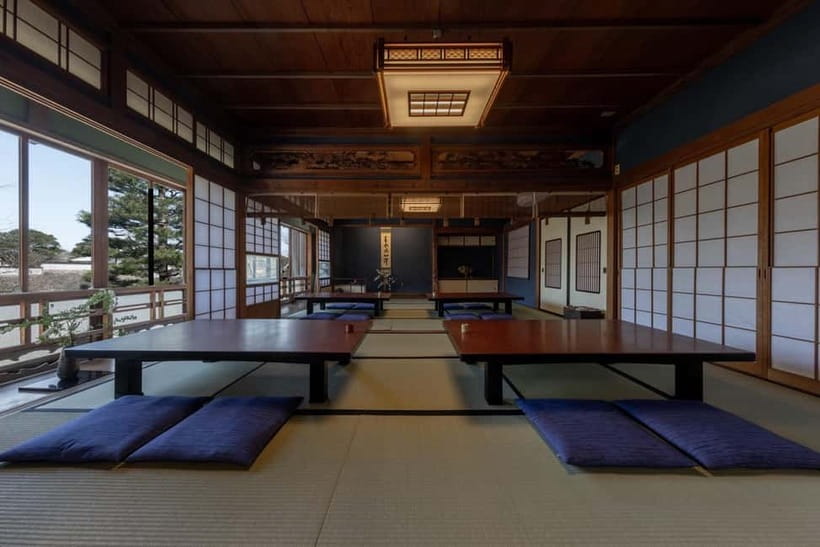
The second win is the setting. From this tea-house area on the Tea House Street near the Katsurazaka Gate, you can catch views of Kanazawa Castle Park and enjoy seasonal changes around Kenrokuen. That means your tea experience doesn’t happen in a vacuum. It sits in the same Kanazawa mood as the garden—quiet, scenic, and unhurried.
You can also read our reviews of more tours and experiences in Kanazawa.
Where You Meet: Togeikissa Tozan and the Tea House Street
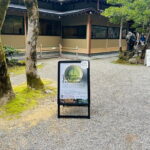
You’ll meet at Togeikissa Tozan, a traditional tea and pottery shop near the Katsurazaka Gate of Kenrokuen. The location is on the “Tea House Street,” a narrow lane lined with old-school shops that create that “you’re here for the culture” feeling fast.
Look for a wooden building with signs for Matcha Experience and Pottery Workshop. You’ll also see stone walls of Kanazawa Castle Park just across the street, which is a nice visual cue that you’re in the right place.
Practical tip: give yourself a few minutes to orient. This is a compact area where it’s easy to walk past the right building if you’re zooming straight toward the garden entrance.
The Matcha Ceremony Flow: Watch, Learn, Whisk, Sip
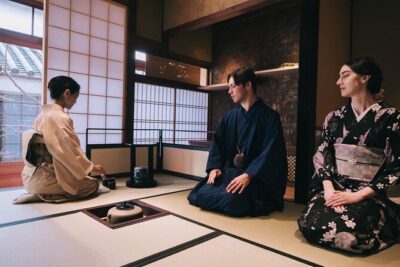
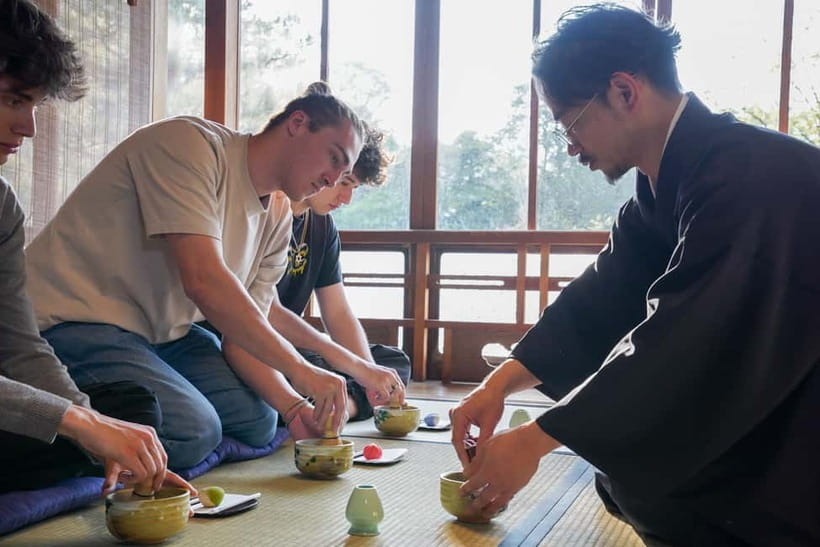
The core experience is matcha preparation in a traditional setting. Even though it’s called a tea ceremony experience, what you’ll remember most is the step-by-step process of making your own cup.
First: a guided introduction and the basic method
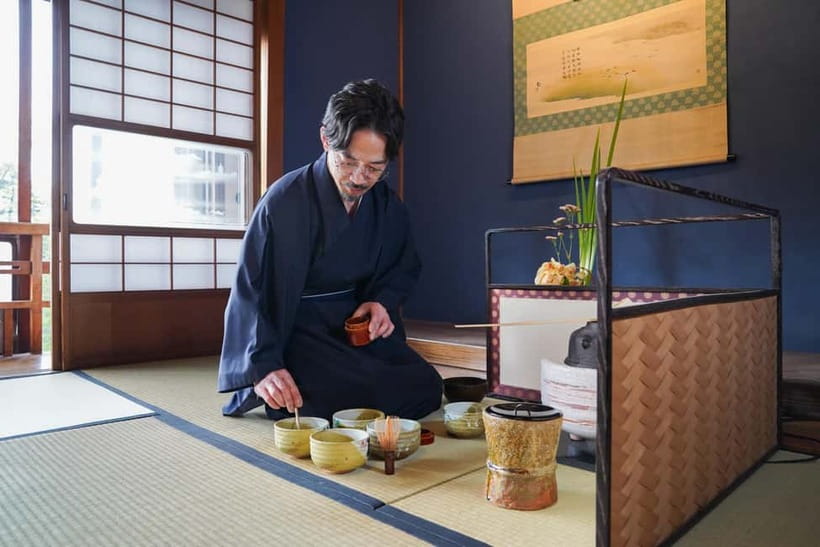
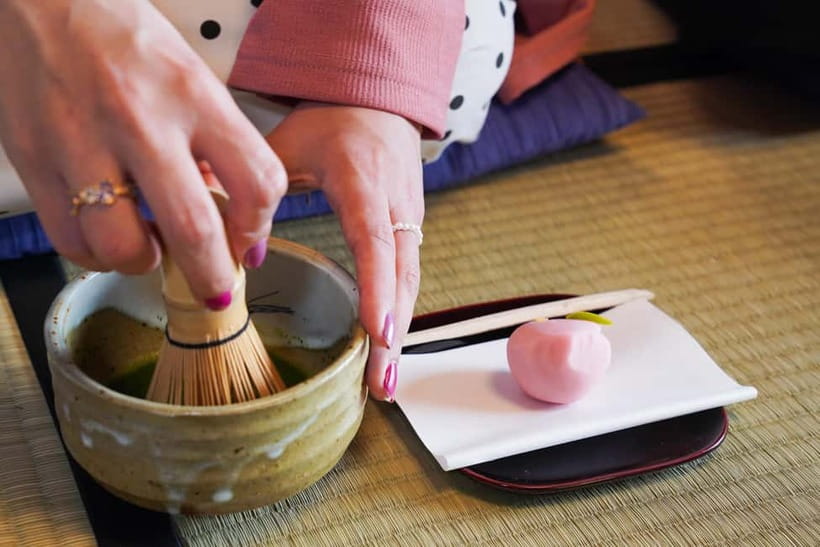
Before you start whisking, you’ll be shown what to do and what the tools are for. You’ll work with the bamboo chasen, which is the classic whisk used to make matcha’s texture smooth and frothy.
You don’t need to know any tea vocabulary ahead of time. The staff provides basic English support, and there’s translation help when needed. One of the strengths of the host setup is that they can adjust to the language you use, so you’re not left guessing.
Then: you try it yourself
Once you get the rhythm, you’ll whisk your matcha. This is where the experience becomes genuinely “yours.” You’ll learn how the chasen is used and how the whisking action affects the final tea you drink.
This is also a great activity if you’re the kind of traveler who wants to do more than take a photo. The physical act of whisking turns it into a skill—small, but memorable.
Finish: you taste your matcha with a traditional sweet
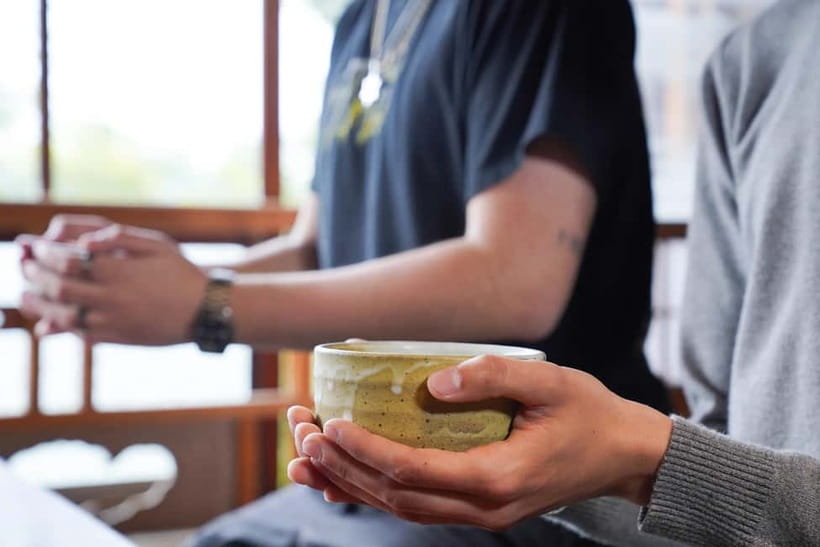
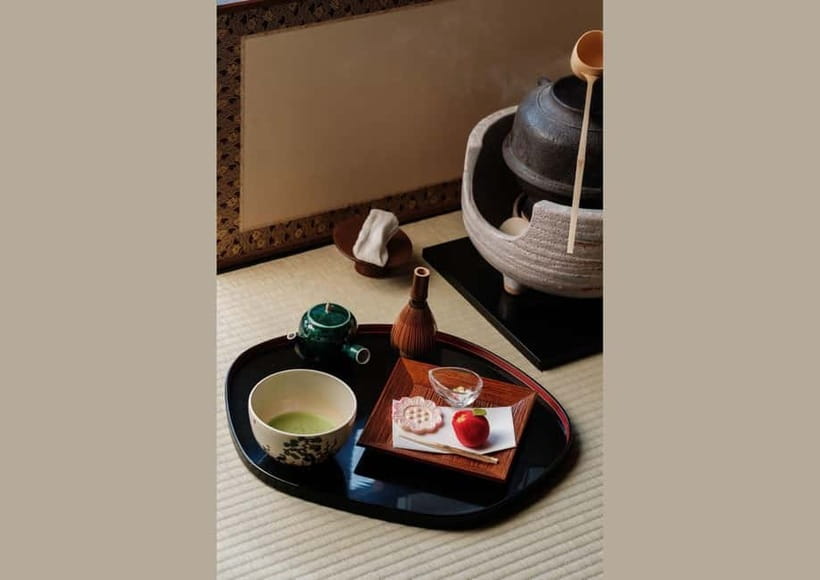
After your cup is prepared, you’ll enjoy one freshly whisked cup of matcha along with a traditional Japanese sweet. That pairing matters because matcha is bitter and grass-forward; the sweetness balances it so the flavor feels complete rather than sharp.
Also: photos are allowed, and staff can assist. If you want to capture the whisking moment, this is the place to do it without awkward interruptions.
Kenrokuen Without the Extra Ticket Hassle
Admission to Kenrokuen Garden is not included in the experience fee. The good news is that you don’t have to treat these as totally separate plans.
Because the shop is on the tea-house street just outside the garden, you can structure your day like this: do the matcha experience first, then head into Kenrokuen when you’re ready. Or reverse it if you prefer starting with the garden’s seasonal views.
If your main goal is seeing Kenrokuen, this is a smart add-on because it doesn’t force a big detour. You’re already in the right neighborhood, and the experience gives you a cultural stop that feels tied to the place.
Views by Season: Cherry Blossoms, Autumn Leaves, or Snow
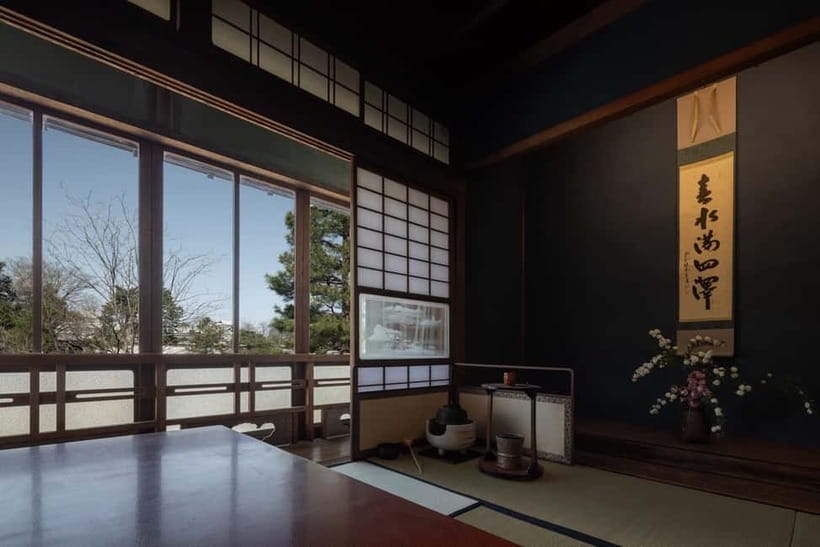
A major part of the appeal is the seasonal backdrop. You can enjoy the experience alongside the mood of Kanazawa’s changing seasons—cherry blossoms in spring, colorful leaves in autumn, or winter snow.
Even if you can’t control the exact weather, you’re still in a location where the scenery tends to cooperate. That matters because tea ceremonies are quiet by nature. When you’re sitting with a view, the outside world becomes part of the atmosphere rather than a distraction.
If you’re traveling in peak scenery months, this timing can make the whole day feel more coherent. Matcha + seasonal scenery is a combo that plays well with the rest of Kanazawa’s garden-focused vibe.
Duration and Pace: Plan for Around Two Hours Total
The pricing and the time are straightforward on paper: $29 per person and a 1-hour activity length (with starting times based on availability). But there’s also note guidance that the experience is approximately 2 hours.
So here’s my practical advice: plan for about 2 hours from meeting until you’re done. That buffer reduces stress if the tea ritual takes a little longer, if the room needs time between participants, or if you’re doing photos and questions.
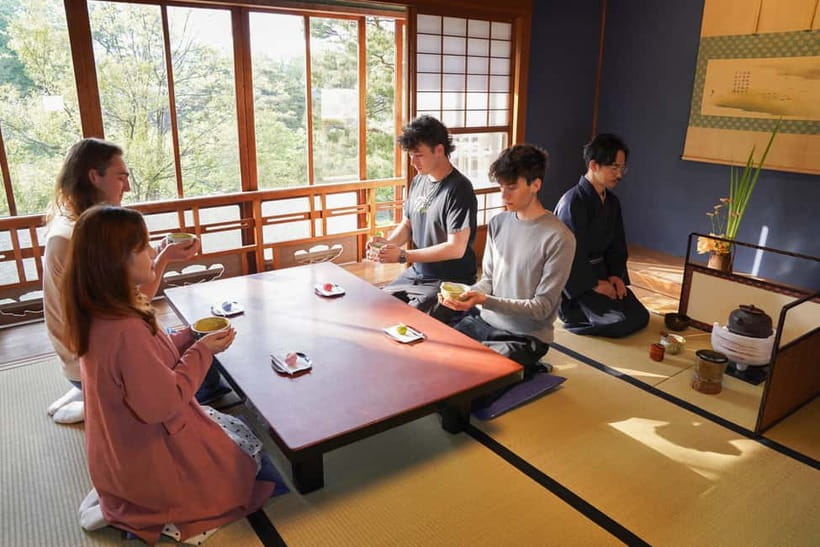
This is also a private group setup. That tends to make the pace feel more relaxed. You’re not competing for attention, and it’s easier to ask what you don’t understand.
Price: $29 for Skill, Tea, Sweet, and a Full Moment
For $29 per person, you get a lot packed into a short timeframe:
- matcha preparation experience
- one cup of freshly whisked matcha
- a traditional Japanese sweet
- tools and materials provided
- photo time with staff assistance
What makes the value feel better than a basic “watch a show” experience is the skill component. You’re learning a technique using the chasen, not just observing.
In many parts of Japan, paying for a cultural activity is really paying for access—someone knowledgeable sets the stage and handles the details. Here, the staff guidance plus the hands-on method means you’re paying for both the context and the doing.
If you’re going to pay for just one “tea-related” thing in Kanazawa, this is a strong contender because it’s near Kenrokuen and it gives you a personal output: your own cup.
Who This Tea Ceremony Is Perfect For (and Who Should Skip)
This is an excellent fit if you want:
- a calm cultural moment near Kenrokuen
- a hands-on activity with clear guidance
- something that works even if you have zero tea knowledge
- a private, paced experience rather than a crowded group setup
It’s also child-friendly with adult supervision, which can be a real advantage for families who want culture without turning it into a long ordeal.
Where it may not work:
- Wheelchair users: it’s not suitable for wheelchair access based on the provided info.
- If you only have 30–40 minutes total and hate uncertainty, this may feel too slow. Plan properly and it won’t.
Practical Tips So You Don’t Feel Rushed
Comfort wins here. Wear comfortable clothing and show up ready to sit and participate. You don’t have to bring anything—the tools and materials are provided.
One more detail that’s easy to forget in Japan: no smoking. If you’re taking breaks near the shop, step away from the activity area.
If you have food allergies, inform the staff in advance. The experience includes a traditional sweet and matcha, so it’s best to communicate early.
The Small Service Touches That Matter
A few things make this kind of experience feel smoother than many standard cultural bookings:
- You get basic English support, plus translation help when needed.
- The host setup can support private, personalized interaction.
- You’ll have time both to watch the full ceremony flow and then try it yourself.
That watch-then-do structure is underrated. It helps you understand what you’re aiming for before you start whisking, so your first attempt feels guided instead of chaotic.
Also, photos being allowed (with staff help) is a plus. You’ll get the visual memory without the constant feeling that you’re interrupting something sacred.
Should You Book the Kanazawa Tea Ceremony at Kenrokuen?
I think it’s a smart booking if you want a short, cultural, hands-on experience in the same area as Kenrokuen. The value is strongest for people who:
- like doing rather than only watching
- want a calm private-group pace
- are already planning to visit Kenrokuen Garden
Skip it only if you’re very tight on time, need wheelchair access, or you know you don’t enjoy seated activities.
If you’re in Kanazawa for the gardens and want one extra layer of meaning to go with the scenery, this matcha ceremony is a solid choice.
FAQ
How much does the Kanazawa tea ceremony cost?
It costs $29 per person.
How long is the experience?
It’s listed as 1 hour, but the activity is described as approximately 2 hours. Check available starting times when you book.
Where do I meet for the experience?
The meeting point is Togeikissa Tozan, a traditional tea and pottery shop near the Katsurazaka Gate of Kenrokuen Garden, along Tea House Street.
Is Kenrokuen Garden admission included?
No. Kenrokuen Garden entrance admission is not included.
Do I need prior experience making matcha?
No experience is needed. English-speaking (basic English support) staff guide you step by step.
What’s included in the price?
You get a matcha preparation experience, one cup of freshly whisked matcha, and a traditional Japanese sweet.
Are photos allowed?
Yes. Photos are allowed, and staff can assist.
Are there any restrictions?
Smoking is not allowed. Wheelchair users are not suitable for this experience.
Are children allowed?
Yes, children are welcome with adult supervision.