REVIEW · KANAZAWA
Kanazawa: Kenrokuen Tea Ceremony Experience
Book on GetYourGuide →Operated by 兼六亭 Kenrokutei · Bookable on GetYourGuide
Slow down in Kenrokuen with a matcha ritual.
At Kenrokutei, you get the full experience rhythm: see the formal tea procedure, learn why every gesture matters, then try making tea yourself with guidance. I love that you get both the calm, traditional setting and the practical “I can do this” payoff of making your own matcha. I also like the wagashi moment, with a few sweets that help turn the whole thing from a show into a tasting.
One thing to plan for: the tea room doesn’t give you Kenrokuen views, and Kenrokuen entry (320 yen) is extra.
In This Review
- Key Things to Know Before You Go
- Why This Kenrokuen Tea Room Feels Different From a Quick Demo
- Kenrokuen Before the Ceremony: Enjoy the Garden on Purpose
- Inside Kenrokutei: Etiquette, Seating, and a Quiet Room
- Sitting on mats, with a chair option
- Age and tone matter
- Translation requests need privacy
- The 1-Hour Ceremony Flow: Watch the Master, Then Make Your Own Matcha
- What “making tea yourself” really means
- Expect Q&A built into the experience
- Wagashi Pairing: The Included Sweets That Make the Tea Feel Complete
- Price and Value: Is $35 Worth It?
- It’s not just a performance
- English instruction helps you actually understand it
- Who Should Book This Tea Ceremony in Kanazawa
- Practical Tips to Make Your Hour Go Smoothly
- Should You Book This Kenrokuen Tea Ceremony?
- FAQ
- Where is the meeting point?
- How long does the tea ceremony experience last?
- What is included in the $35 price?
- Do I need to pay for Kenrokuen Garden separately?
- Can I take photos during the ceremony?
- Is there an option if I can’t sit on the floor?
- What are the age requirements?
- Can I cancel or change plans?
Key Things to Know Before You Go
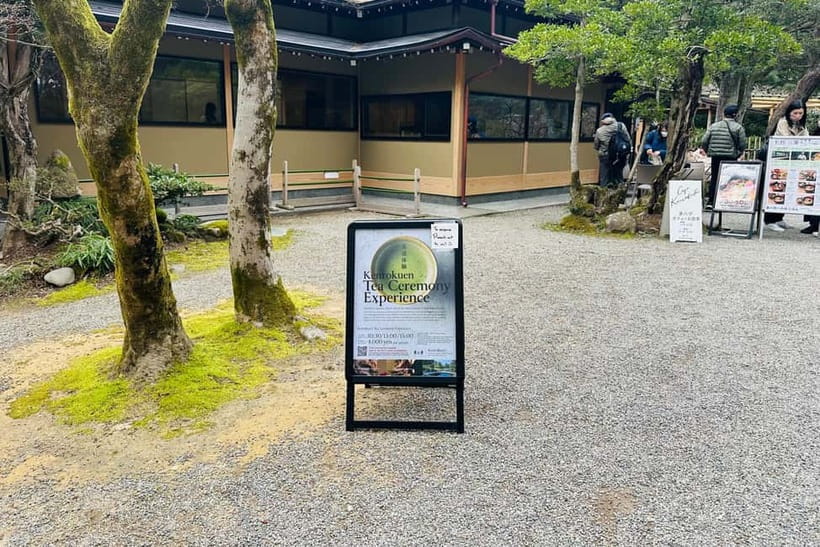
- You watch the procedure up close, then you participate at the right moments
- It’s in a formal tea room where you follow etiquette away from the garden scenery
- You make matcha yourself with help, not just observation
- Wagashi is included, served from a traditional confectioner with a few sweets
- You meet at Kenrokutei inside Kenrokuen, near the fountain linked to Lord Maeda’s entertainments
- Photography is allowed, so you can capture the setting and your moment
Why This Kenrokuen Tea Room Feels Different From a Quick Demo
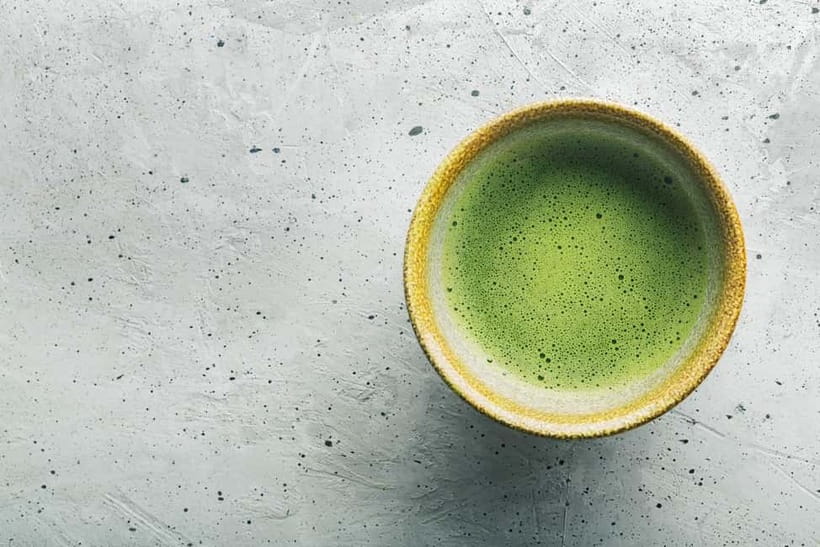
A lot of tea experiences boil down to: sit, watch, drink, leave. This one moves at a calmer pace because it’s designed around the ceremony itself. You start with historical context and guidance on the way of tea, so you understand what you’re doing instead of just mimicking it.
What I like most is the two-part flow. First, you see the tea ceremony procedure led by a master, where you can actually track the steps. Then you get a turn to make tea yourself with support. That “watch, then try” structure matters. You end up with something memorable that sticks, not just a photo and a sip.
And there’s a quiet bonus: multiple guides in the reviews mention clear explanations and patient teaching, like Nana and Océane, which you’ll really feel during the hands-on part. This experience is meant to be peaceful, and the format keeps it that way.
You can also read our reviews of more tours and experiences in Kanazawa.
Kenrokuen Before the Ceremony: Enjoy the Garden on Purpose
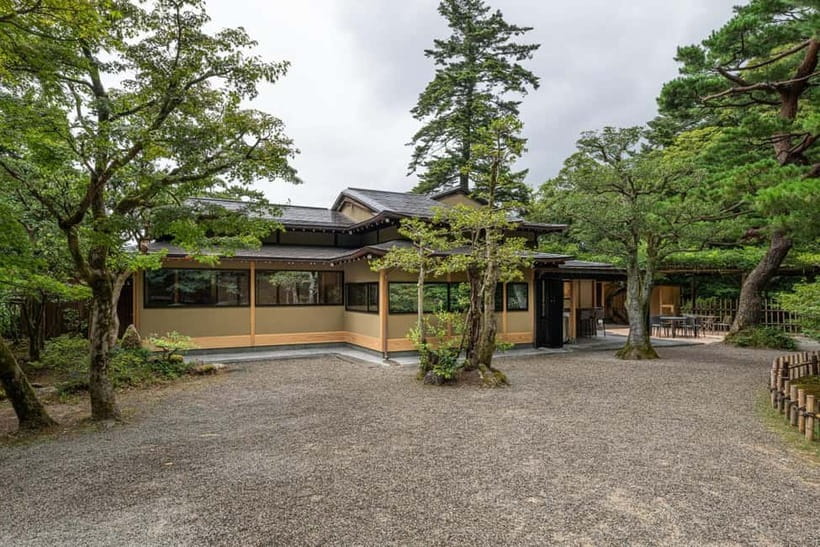
This activity happens inside Kenrokuen Garden, but the tea room itself doesn’t show the garden views. So if you only pop in for the ceremony, you’ll miss half the appeal.
Here’s a simple strategy:
- Arrive early enough to enjoy Kenrokuen scenery before your session.
- Then treat the tea room as the calm indoor chapter of your garden day.
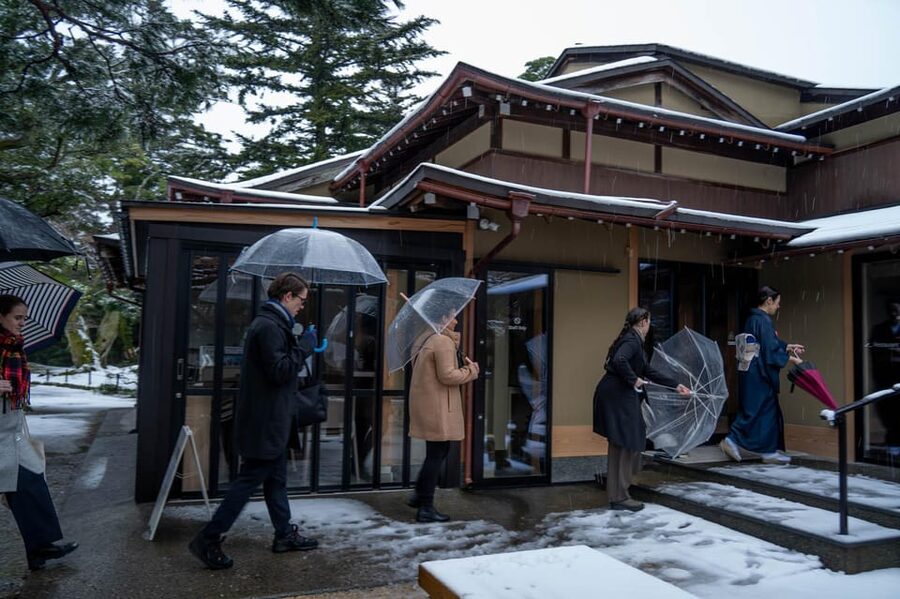
Your meeting point is very specific: Kenrokutei, located in Kenrokuen Garden, right in front of the fountain. That’s helpful because the garden is big, and you don’t want to waste time hunting signs at the last second.
Also remember: Kenrokuen entry is not included. The tea ceremony ticket covers the tea session, sweets, and photos, but you must pay the garden entrance fee separately (320 yen). Plan it as part of the real total cost, especially if you’re budgeting tightly.
Inside Kenrokutei: Etiquette, Seating, and a Quiet Room
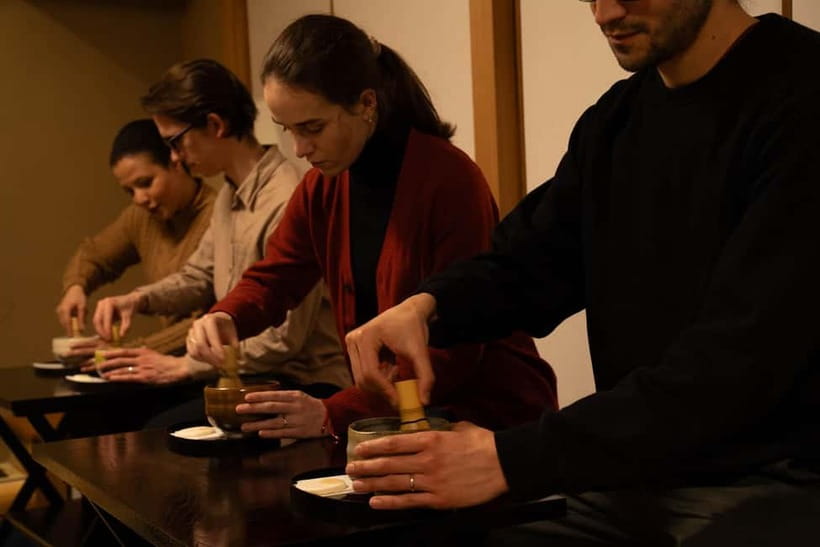
The ceremony starts with you meeting at Kenrokutei and getting an explanation of how the tea works. This is more than trivia. It’s the difference between feeling awkward and feeling like you know what comes next.
You’ll be guided on how to act and behave in a tea ceremony, so you can join without stepping on the vibe. The experience is held at the same time as other groups, but the instruction is to keep it quiet and enjoyable for everyone, and the ceremony room is built for that.
Sitting on mats, with a chair option
The tea ceremony typically involves sitting on the floor. If you need it, you can request a chair. That’s a big deal for comfort—especially in Japan, where “quick cultural experience” can still mean sitting properly for a full hour.
Age and tone matter
Participation is only allowed for ages 7 and older. The point is partly comfort, but also the atmosphere. Tea rooms are controlled spaces, and the organizers want the experience calm rather than chaotic.
Translation requests need privacy
If you need translation services from English to your native language, the experience requests a PRIVATE reservation (so other guests aren’t disrupted). If you’re traveling with someone who needs that, it’s worth arranging early.
The 1-Hour Ceremony Flow: Watch the Master, Then Make Your Own Matcha
The total duration is 1 hour, which is a short window for something that traditionally takes longer in full ceremonies. Still, this format hits the core: procedure, etiquette, then hands-on practice.
A typical flow looks like this:
- Meet at Kenrokutei (in front of the fountain inside Kenrokuen).
- Historical explanation and setup for the way of tea. You’ll learn the meaning behind the steps, not just the steps.
- Tea ceremony procedure led by a master, performed in the formal tea space.
- Instruction for your participation, including how to follow the host’s directions.
- You make tea yourself, with help and guidance.
- Tea and sweets, with the wagashi served alongside your matcha.
- Photography is allowed, so you can capture your moment.
What “making tea yourself” really means
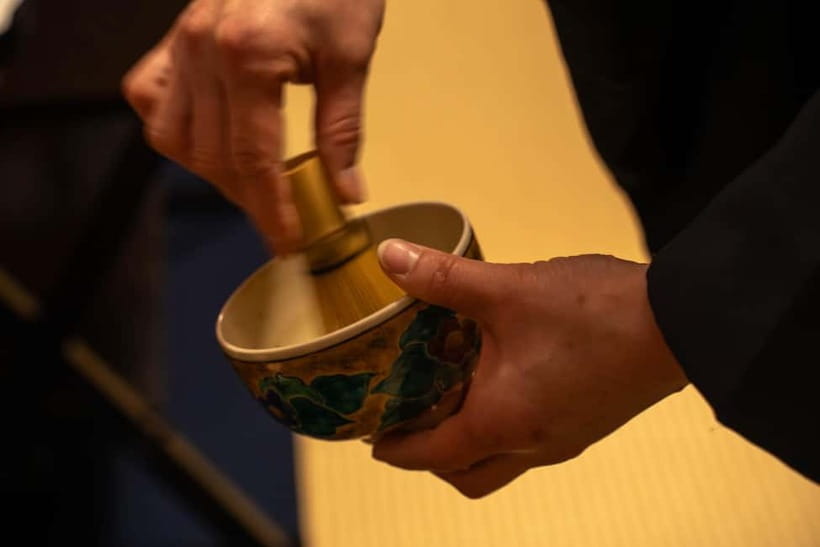
Even with help, it’s not always easy. One review notes it can be harder than it looks, which makes sense because matcha preparation takes coordination—whisking technique, timing, and attention to how you handle everything.
The upside: you get real skill transfer. If your goal is to leave Kanazawa able to make matcha at home with better technique, this hands-on part is the reason the hour feels worth it.
Expect Q&A built into the experience
Many reviews highlight that the hosts explain clearly and answer questions at the right times. If you’re the type who wants to understand why you’re doing something—rather than just doing it—you’ll appreciate this structure.
And yes, matcha quality is a frequent compliment. People mention it was better than what they tried elsewhere, which is a good sign when you’re paying for a short tea experience.
Wagashi Pairing: The Included Sweets That Make the Tea Feel Complete
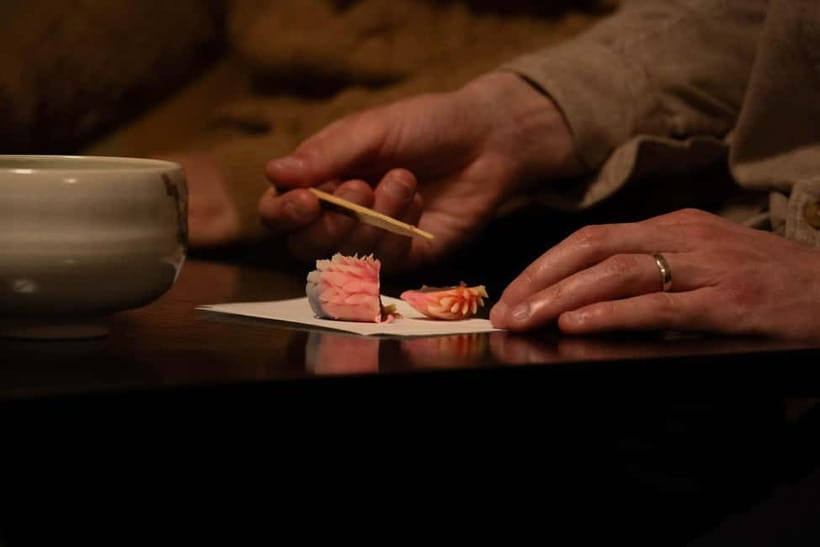
The ceremony includes sweets: a few delicious Japanese wagashi. They’re made by a renowned confectioner (served as part of the tea experience), and they’re not random filler. In a good tea setup, wagashi helps balance the bitterness of matcha and gives you another flavor note to focus on while you slow down.
A practical way to think about it: if you’re new to matcha, the sweets can make the whole tasting easier to enjoy. If you already like matcha, you’ll still appreciate how the wagashi frames it. Either way, you get a fuller cultural taste without needing to order anything separately.
Also, because the sweets are included, you don’t have to worry about finding a shop afterward just to make the time feel “complete.”
Price and Value: Is $35 Worth It?
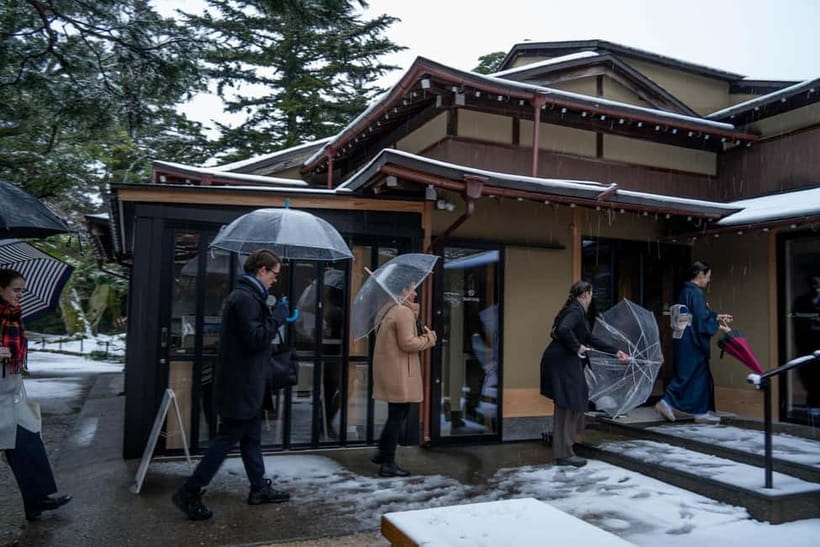
The price is $35 per person, and the included value is pretty clear:
- Tea ceremony
- Sweets (wagashi)
- Photograph (allowed during the experience)
But don’t forget the separate Kenrokuen Garden entrance fee (320 yen). That’s the one extra you must factor in if you’re doing this as part of a broader Kanazawa itinerary.
So what makes it worth the money?
It’s not just a performance
Many experiences give you a show. This one gives you participation. The best value is the combination of:
- watching the master procedure
- learning etiquette so you don’t feel lost
- making tea yourself at the end
One review even notes this is a shorter version compared with full ceremonies that can last 3–4 hours. That’s important because it explains the pricing. You’re paying for a concentrated, well-led cultural lesson that still feels respectful and structured.
English instruction helps you actually understand it
The instructor is English-speaking, and multiple reviews mention clear explanations. If you’ve done cultural activities in Japan before, you know how often the “meaning” gets lost when you can’t follow the language. Here, the explanation is part of the product.
Who Should Book This Tea Ceremony in Kanazawa
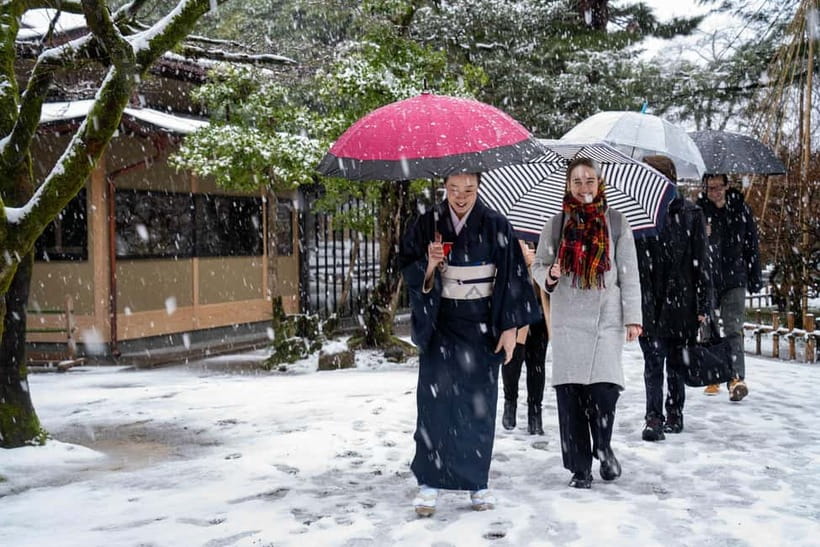
This is a great match if you:
- want a calm, structured cultural experience in Kanazawa
- like hands-on learning (you want to make matcha, not just watch)
- care about etiquette and context, not only the drink
- are visiting Kenrokuen anyway and want to connect the garden to tea culture
It may be less ideal if you:
- want maximum garden visuals during the ceremony (the tea room doesn’t show the scenery)
- need a completely effortless, no-guidance experience (you’ll be following instructions and etiquette)
- are traveling with children under the allowed age (minimum is 7+)
If you’re nervous about sitting on the floor, you can request a chair, which makes the experience more doable.
Practical Tips to Make Your Hour Go Smoothly
A tea room runs on timing and attention. These small points make a big difference:
- Be on time. If you arrive more than 10 minutes late after the starting time, the reservation is canceled.
- Use the Kenrokuen garden time before/after. Since the tea room doesn’t show the views, enjoy the scenery separately.
- Meet at the fountain in front of Kenrokutei so you don’t end up sprinting through the garden.
- Plan for floor seating or request a chair if you have difficulty sitting on the mats.
- Read the tea ceremony signboard info at the meeting area, especially about entry to Kenrokuen.
One more thing: if you like asking questions, you’ll find plenty of room for it. The hosts are praised for answering at the right times without rushing the ceremony.
Should You Book This Kenrokuen Tea Ceremony?
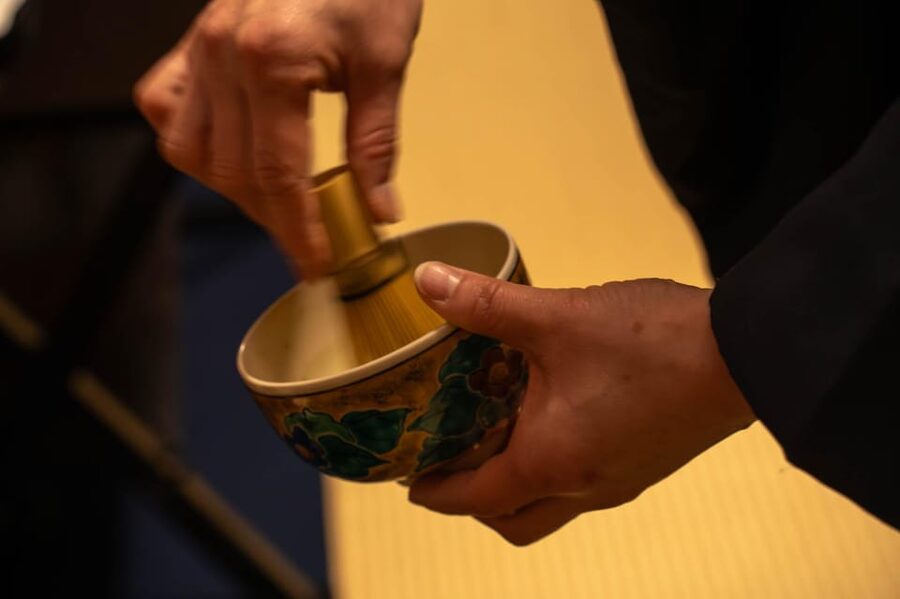
I’d book it if you’re in Kanazawa for a limited time and want a ceremony that feels real, calm, and guided—while still letting you participate. The value isn’t only that it’s beautiful in Kenrokuen; it’s that you learn the etiquette, watch carefully, then make your own matcha with help.
Skip it if you only want scenery inside the tea room or if you’re looking for a long, full-day traditional ceremony style. In that case, you might prefer something lengthier, because this one is deliberately built as a focused one-hour experience.
If you’re on the fence, here’s my simple decision rule: if you want to go home able to make matcha with more confidence, this hour is a solid use of your time in Kanazawa.
FAQ
Where is the meeting point?
You meet at Kenrokutei, in front of the fountain inside Kenrokuen Garden.
How long does the tea ceremony experience last?
The experience lasts 1 hour.
What is included in the $35 price?
Your ticket includes the tea ceremony, sweets (wagashi), and photographs.
Do I need to pay for Kenrokuen Garden separately?
Yes. Kenrokuen Garden entrance fee (320 yen) is required separately and is not included in the tea ceremony ticket.
Can I take photos during the ceremony?
Yes, you are allowed to take pictures to remember the experience.
Is there an option if I can’t sit on the floor?
Yes. You can request a chair if you have difficulty sitting on the floor.
What are the age requirements?
The activity allows participants who are aged 7 years old or older.
Can I cancel or change plans?
You can cancel up to 24 hours in advance for a full refund, and there is also reserve now & pay later.