REVIEW · VARANASI
Varanasi: Sunrise Boat Ride with Masala Tea – Arti Ceremony
Book on GetYourGuide →Operated by Mercury Luxury Vacations · Bookable on GetYourGuide
Sunrise over the Ganges has a way of changing your tempo. This Varanasi morning tour pairs a boat ride at dawn with chai and ritual, plus time at major ghats including Manikarnika Ghat. It’s designed for a full-feeling first look at the city—from the water, then back on land for something serious and unforgettable.
I especially love the all-around perspective you get while floating past the ghats, because the river shows how everything connects. I also like the built-in guide approach, where you’re not just staring at landmarks—you’re getting story context as you pass them.
One drawback to consider: the morning is the morning, and visibility of the Arti ceremony can vary. If you’re expecting a perfectly timed, long Arti moment on the water, you might leave a bit wanting—especially if the boat segment ends up shorter than you pictured.
In This Review
- Key takeaways before you go
- Sunrise Boat Ride in Varanasi: Starting at Assi Ghat
- Arti service and havan on land: why it sets the tone
- Masala tea and breakfast options: chai that actually fits the moment
- The Ganges boat ride: passing about 55 ghats and landmarks
- Ghat-side orientation: learning Varanasi as a system
- Manikarnika Ghat visit: respectful viewing of the cremation ceremony
- Ganga Ghat and the return toward Assi: making sense of the riverfront
- Price and value: is $29 really worth it?
- Best-fit traveler: who will love this most
- Who should skip or rethink
- A quick reality check before booking
- Should you book this Varanasi dawn boat tour?
- FAQ
- Where does the sunrise tour start?
- What’s included in the tour besides the boat ride?
- Is masala tea included?
- Is breakfast included?
- Is the boat ride guaranteed?
- Which languages are available?
Key takeaways before you go
- Sunrise boat view from the Ganges gives you the fastest way to read Varanasi
- Arti and havan setup on land adds context before you step onto the boat
- Masala tea (and sometimes breakfast) turns the early start into something enjoyable
- About 55 ghats passed by boat means lots of landmarks without extra effort
- Manikarnika Ghat visit focuses on respectful observation at the city’s best-known cremation site
Sunrise Boat Ride in Varanasi: Starting at Assi Ghat
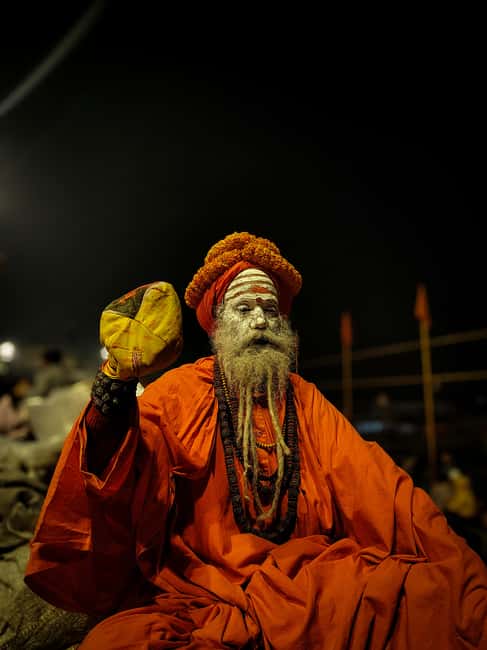
I like how this tour begins with purpose rather than wandering. It starts from Assi Ghat, and that matters because Assi is one of the classic entry points for seeing how daily life and sacred routines spill into the river.
You’ll move as part of the tour by tuk-tuk, then you shift into walking and river time with a live professional escort. That escort part is key. Varanasi is easy to get fascinated by, but it’s also easy to get lost in details you don’t understand. Having a guide helps you connect names of ghats and landmarks to why they matter.
Also, this is a dawn-style experience. That means you’re trading a lie-in for the chance to watch Varanasi with fewer crowds and more atmosphere. You’re there early enough that the city feels like it’s just starting its day, not already performing for visitors.
Arti service and havan on land: why it sets the tone
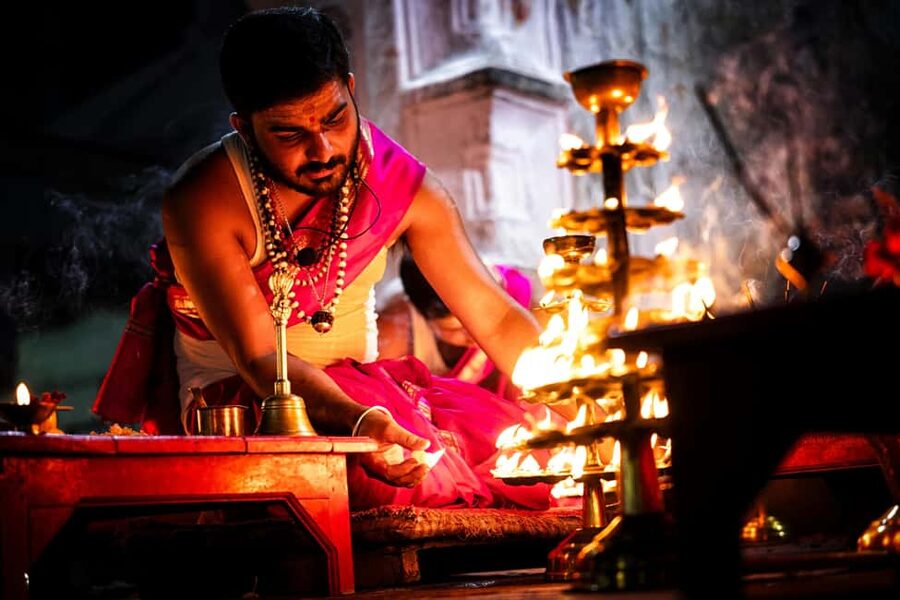
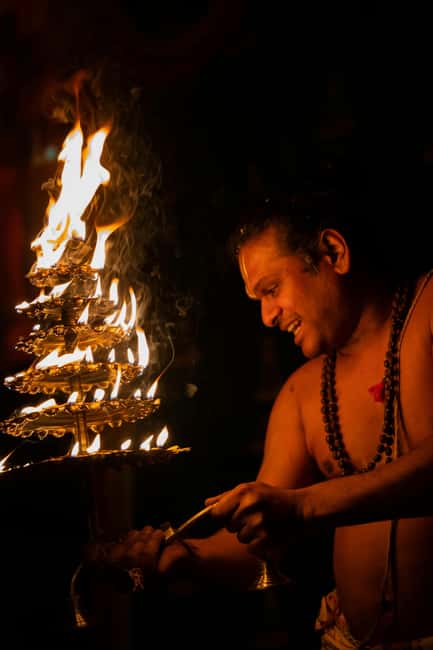
Before the boat, the plan includes watching the Arti service and havan. In Hindu practice, these are not just performances; they’re ritual routines with meaning. The havan in particular is part of a longer tradition of offerings and sacred fire, and it can feel striking in person because it’s active and immediate.
Now, here’s the practical catch: Arti timing can be fluid. The experience aims to show it in the morning, but if the timing doesn’t line up perfectly with your group schedule, you might not see the Arti the way you expected. Some people also find the morning ritual time brief compared with what they pictured.
Still, even when the moment is shorter, the intent is right. Getting the ritual context before boarding makes the boat ride more than a scenic cruise. You’re not only sightseeing; you’re learning the language of what you’re watching.
Masala tea and breakfast options: chai that actually fits the moment
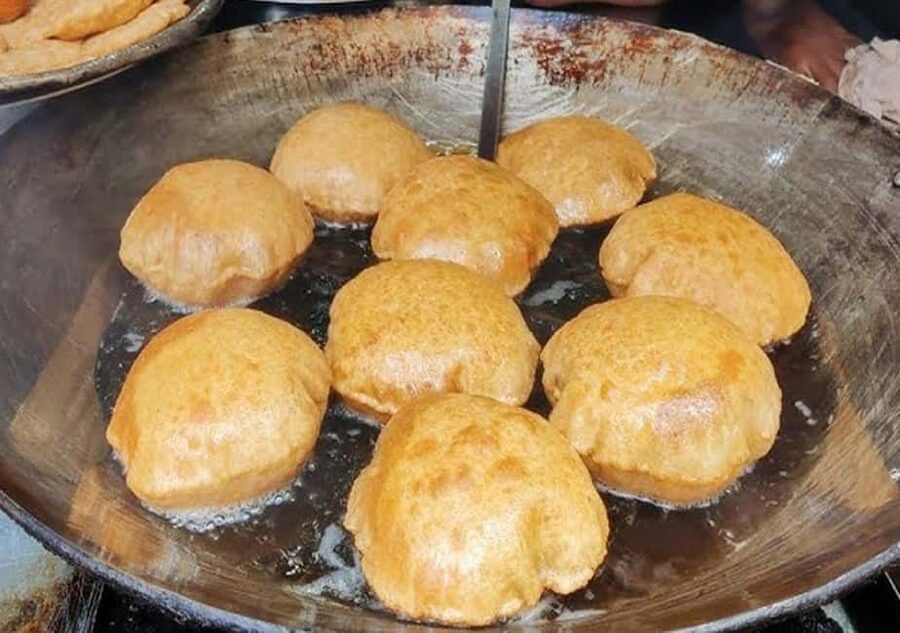
Before you go out on the water, you’ll taste traditional masala tea in the customary way (this is included if you choose that option). Breakfast is also available as jalebi-kachori if you selected the option.
What I like about this setup is that it’s not an afterthought. You’re at a sunrise start, so warming up with chai makes the timing feel human. And if you add breakfast, you’re less likely to turn your attention into a food hunt while you’re trying to follow ghat stories.
It’s also a small value point. Tours in India sometimes treat food as a token. Here, it’s placed exactly where your energy matters most: before boat time.
The Ganges boat ride: passing about 55 ghats and landmarks
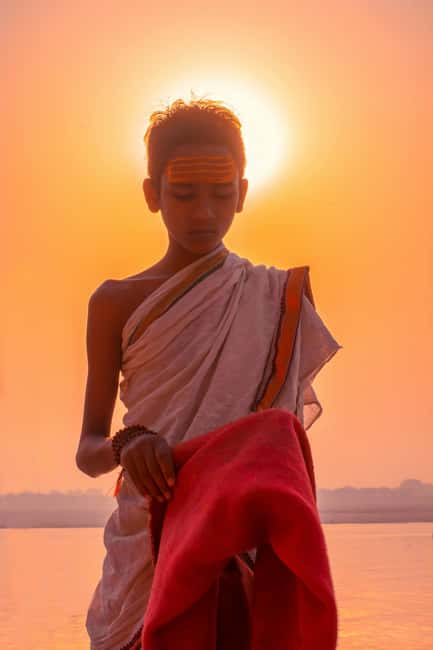
The main event is the Ganga boat ride, and the standout promise here is scope. You float on the river and pass around 55 main ghats. That’s a lot of visual information, and it’s also exactly why a boat ride is such an efficient way to understand Varanasi.
A guide typically shares tales about the ghats and what you’re seeing along the bank. This isn’t meant to be a textbook tour, though. It’s more like guided orientation. The benefit for you is that you can start placing landmarks in your mind as you go, instead of trying to sort them out later from memory.
One practical note: the boat ride is weather-dependent. If conditions aren’t good, you may have changes. Since the tour is built around the river segment, it’s smart to be flexible about the exact feel and length of the ride.
Also, some groups get a shorter boat segment than expected. If you’re the type who wants long stretches of silence and time to linger with photos, you might find it’s more of a moving introduction than a slow cruise. The trade-off is you get a lot of ground covered and still make time for Manikarnika.
Ghat-side orientation: learning Varanasi as a system
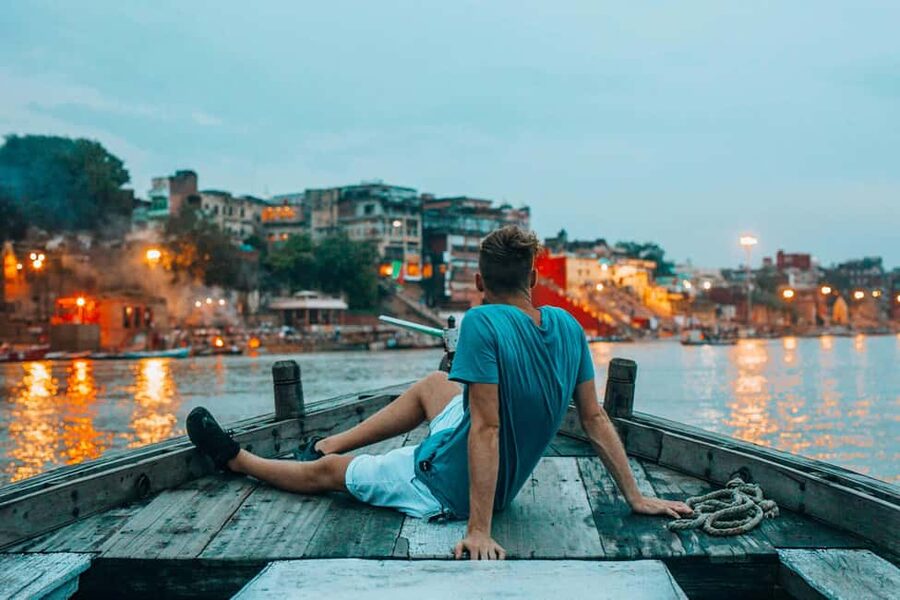
Here’s what the boat ride does best: it turns Varanasi from random images into a system. You start to see why the ghats matter so much—not just as steps and buildings, but as entry points for everything from daily routines to major ceremonies.
The escort’s job is to attach meaning to what you see. That’s why the narration matters more than the route on the map. When a guide tells you what a ghat is known for, you notice it differently. You stop treating it as a backdrop and start reading it like a signpost.
If you’re short on time in Varanasi, this is also the advantage. You’re getting a “first sweep” view of the riverfront. Later, you can choose where to return on your own with more focus.
Manikarnika Ghat visit: respectful viewing of the cremation ceremony
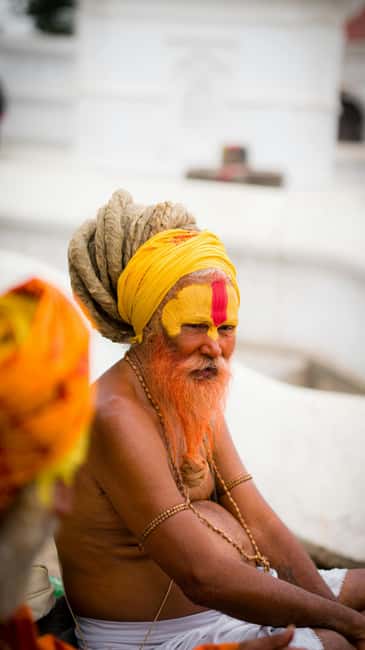
After the boat ride, the tour goes to Manikarnika Ghat, described as the city’s most worshiped crematorium. This part of the experience is serious, and you should know that going in.
What makes this stop important is not drama. It’s that you’re witnessing a central Hindu ritual context tied to belief and tradition. The tour includes a visit there and then returns gradually toward Assi Ghat, with stops that keep you moving through the city’s river-side rhythm.
Now the honest balance: some people want more detailed cultural explanation—especially about what happens during cremation and the meaning behind each step. Depending on your vantage point, you may also see the ceremony from a distance rather than up close. That can affect how much you feel you understood in the moment.
A helpful way to handle this as a visitor: come ready to observe quietly and use your questions wisely. If your guide or the person accompanying the ceremony segment is available, ask specific questions like what you’re seeing and what the steps represent. You won’t get full answers to everything, but asking for clear context often makes the difference between feeling lost and feeling respectful.
Ganga Ghat and the return toward Assi: making sense of the riverfront
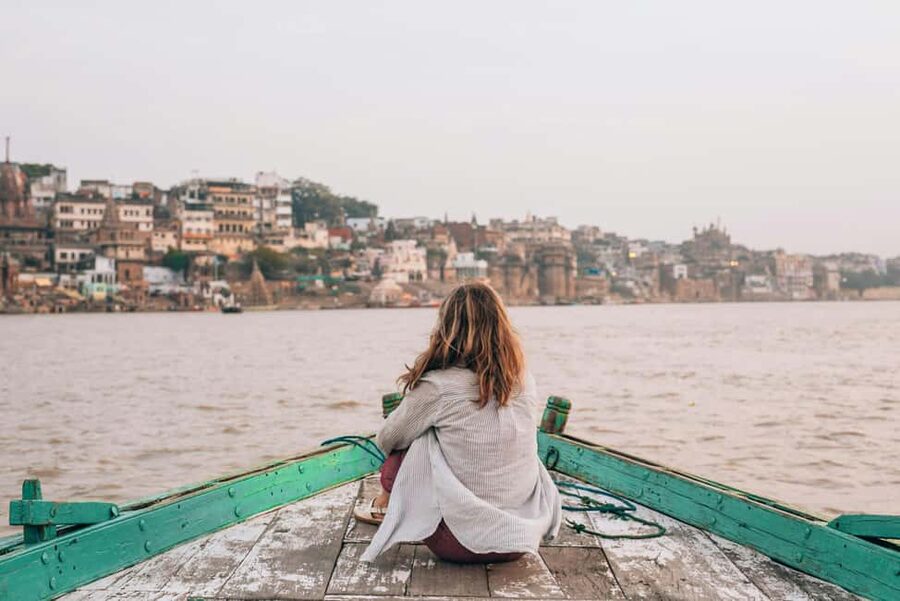
The tour also includes Ganga Ghat visit, and then it transitions back toward Assi. This return leg matters because it lets the experience land on your feet, not only your eyes.
Boat time gives you the “how it all lines up” view. The land segments help you connect that river perspective to actual ghats and nearby activity. Even if some portions are brief, the pacing is designed to keep you from treating Varanasi like a photo mission.
This also helps you mentally reset. After Manikarnika, the city can feel intense. Having a structured return gives you a thread to follow instead of leaving you to process alone.
Price and value: is $29 really worth it?
At $29 per person, the headline price looks like it could be a great deal—especially because it includes the main logistics (tuk-tuk tour elements), a live professional escort, and entry time at the major ghats. It also includes GST and, when selected, masala tea and breakfast.
But value depends on what you care about most:
- If you strongly want the boat ride with meaningful narration, value is highest when the weather cooperates and you get solid explanation during the ride.
- If you’re expecting a long, perfectly timed Arti segment with extended viewing, you may feel the cost more sharply if what you see is shorter or less scheduled than you hoped.
- If Manikarnika is your primary interest, value improves when you get clear guidance about what you’re observing and what it means, not only where to stand.
One thing to watch: the experience includes optional add-ons (masala tea and breakfast). If you want both, confirm they’re selected before you go. Small differences in add-ons can change perceived value more than you’d expect.
Also, you’re paying for someone to connect the dots. You could, in theory, do parts of this on your own in Varanasi. The question is whether you want to spend your limited time figuring out timing and geography, or whether you want a guide to handle the sequencing.
Best-fit traveler: who will love this most
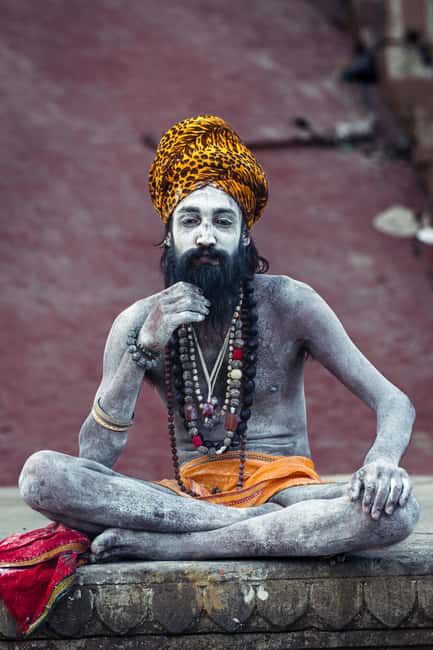
This tour is a strong fit if you:
- Want a morning start and a fast first look at Varanasi’s riverfront
- Like getting context as you move, instead of collecting standalone photos
- Are comfortable with a respectful visit to Manikarnika as part of the itinerary
- Prefer guided language support, since it’s offered in English, German, Italian, and Spanish
It also tends to work well for travelers who appreciate patience and structure. Guides like Sanjay (also seen as Sanji) are specifically praised for being prepared and for staying calm even when people ask lots of questions.
Who should skip or rethink
You should rethink this experience if you:
- Are pregnant (it’s not suitable per the tour information)
- Want a slow, long boat cruise. Some people find the boat portion shorter than expected.
- Need extremely detailed instruction at Manikarnika. The ceremony viewing can be limited by timing and vantage point, so you may want to ask for context and be ready for a high-level orientation rather than a full seminar.
A quick reality check before booking
This is a sunrise, ritual, river, and cremation-ghat day. That combination is why it’s memorable. It’s also why it can feel intense.
If you treat it like a guided introduction to Varanasi’s sacred geography—boat first, meaning second, Manikarnika with respect—you’ll probably have a very rewarding morning.
If you come in expecting a long, uninterrupted Arti spectacle and a close-up, step-by-step account of every cremation detail, you might feel shortchanged. The experience can still be worthwhile, but your expectations should match the structure: guided overview with key moments, not unlimited time at each stop.
Should you book this Varanasi dawn boat tour?
Yes, I think you should book it if you want the most efficient way to get oriented—Assi Ghat to the Ganges to Manikarnika—with a live guide and optional chai/breakfast to make the early start easier.
I’d skip it or rethink it if your main goal is one specific ritual moment you’re sure will happen exactly the way you imagine, or if you want a long boat experience with lots of free time for lingering.
If you do book, your best strategy is simple: choose the masala tea (and breakfast if you want it), ask questions when you can, and treat Manikarnika with the seriousness it deserves.
FAQ
Where does the sunrise tour start?
The tour starts from Assi Ghat.
What’s included in the tour besides the boat ride?
It includes visits to Assi Ghat, Ganga Ghat, and Manikarnika Ghat, plus a Manikarnika Ghat visit and a Ganga boat ride when weather conditions allow.
Is masala tea included?
Traditional Indian masala tea is included if you select the option.
Is breakfast included?
Jalebi-kachori breakfast is included if you select the option.
Is the boat ride guaranteed?
The Ganga boat ride is as per weather conditions, so it depends on the day.
Which languages are available?
The tour is available in English, German, Italian, and Spanish.