REVIEW · OSAKA
Osaka: Private Tea Ceremony Experience
Book on GetYourGuide →Operated by Japanese Culture Experience WA NO MA · Bookable on GetYourGuide
Quiet matcha, private and personal. This Osaka private tea ceremony turns a quick cultural stop into a slow, calming hour where you taste matcha and make your own, right in front of your eyes. I especially like two things: the hands-on matcha making you do during the lesson, and the way you get Japanese sweets twice to pair with the tea. One possible drawback: it’s not wheelchair-friendly, and calligraphy isn’t included unless you book the separate tea-and-calligraphy plan.
You also get a rare kind of control in Japan’s typical group-tour world. The experience is fully private for your group, with an instructor who can adjust the pace, plus time built in for photos whenever you want. I like that you meet in central Namba near Shinsaibashi, so you’re not spending your best energy on transfers. Just note: you’ll need to wear socks.
In This Review
- Key highlights you’ll care about
- Namba location: why meeting near Shinsaibashi feels smart
- A 1-hour private ceremony flow that doesn’t feel rushed
- Matcha making: what you’ll actually do in the ceremony
- Japanese sweets twice: why the pairing is built in
- Photo-friendly pacing: when you can take your time
- Etiquette and tea tools: what you learn from the guided setup
- Price and value: what $38 buys you in Osaka
- Who should book this private tea ceremony (and who shouldn’t)
- Before you go: quick checklist for a smooth start
- Should you book this private tea ceremony in Osaka?
- FAQ
- How long is the Osaka private tea ceremony?
- Where do I meet the instructor?
- How much does it cost?
- What’s included in the price?
- Is calligraphy included?
- What languages are spoken by the instructor?
- What should I bring?
- Is this experience wheelchair-friendly?
Key highlights you’ll care about
- A fully private group means quieter pacing and close attention from the instructor
- Matcha making + tasting: you learn how tea is prepared, then you do it yourself
- Choose a tea bowl that matches your mood for the day
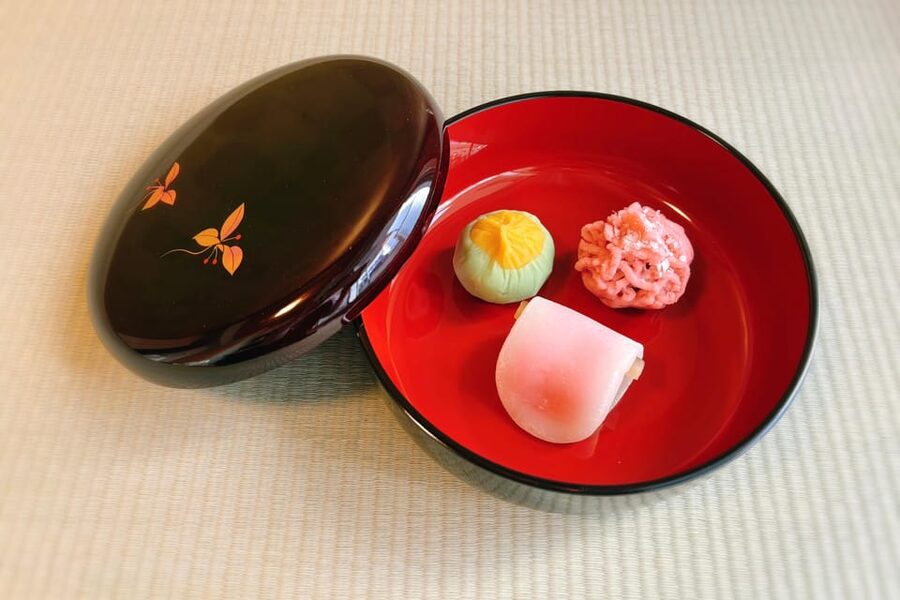
- Japanese sweets twice during the ceremony for better tea-and-sweet balance
- Photo-friendly timing, with freedom to adjust as your group needs
- English support from a Japanese instructor, plus a calm, guided flow
Namba location: why meeting near Shinsaibashi feels smart
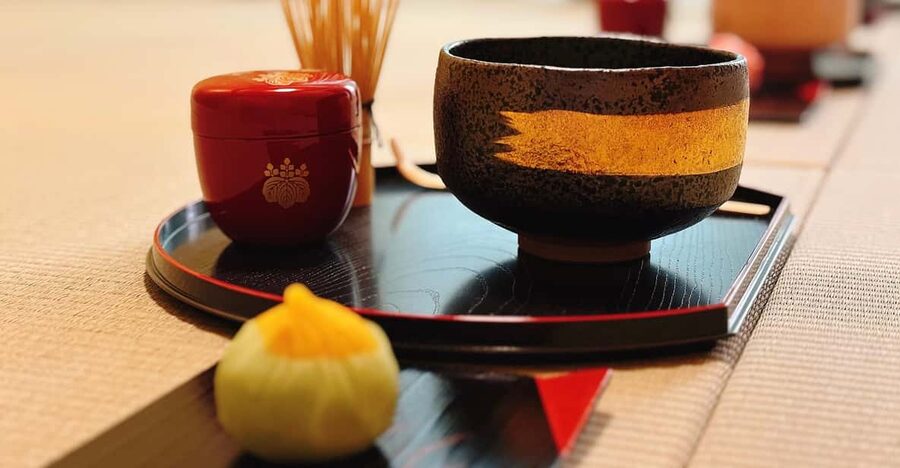
Osaka’s Namba area is easy mode for visitors. You’ll meet outside the New Osaka Hotel Shinsaibashi, then walk about 30 seconds west. That puts you close to the action around Shinsaibashi-suji, but you’re still stepping into something peaceful once the ceremony starts.
If you’re planning a day with shopping in Shinsaibashi and you want a break that isn’t just another café stop, this setup makes sense. It’s short at 1 hour, so you can slot it in without wrecking your schedule. And because the session is private, you don’t have to rush to keep up with a larger group.
Also, look for the staff wearing kimonos. It’s a tiny detail, but it helps you find the right person fast and keeps the first 3 minutes from turning into a scavenger hunt.
You can also read our reviews of more tours and experiences in Osaka.
A 1-hour private ceremony flow that doesn’t feel rushed
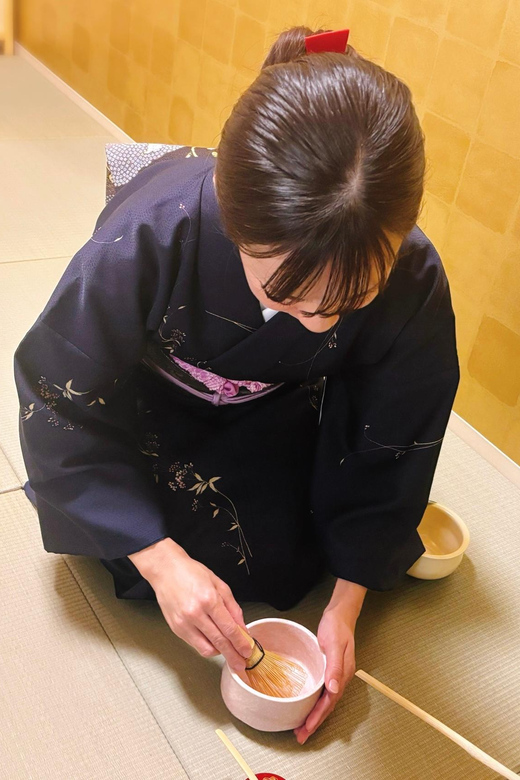
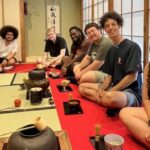
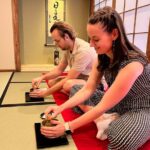
This experience runs for about 1 hour. You’ll get your own time slot, meaning you’re not sharing the room with strangers or waiting around while someone else’s group finishes up. In practice, that matters because tea isn’t a thing you do while mentally multitasking. The ceremony’s value is in the pacing and attention.
Here’s how the session generally moves:
- You’ll start with guidance from a friendly instructor, who teaches you how Japanese tea is prepared.
- Then you’ll move into hands-on work, making tea yourself.
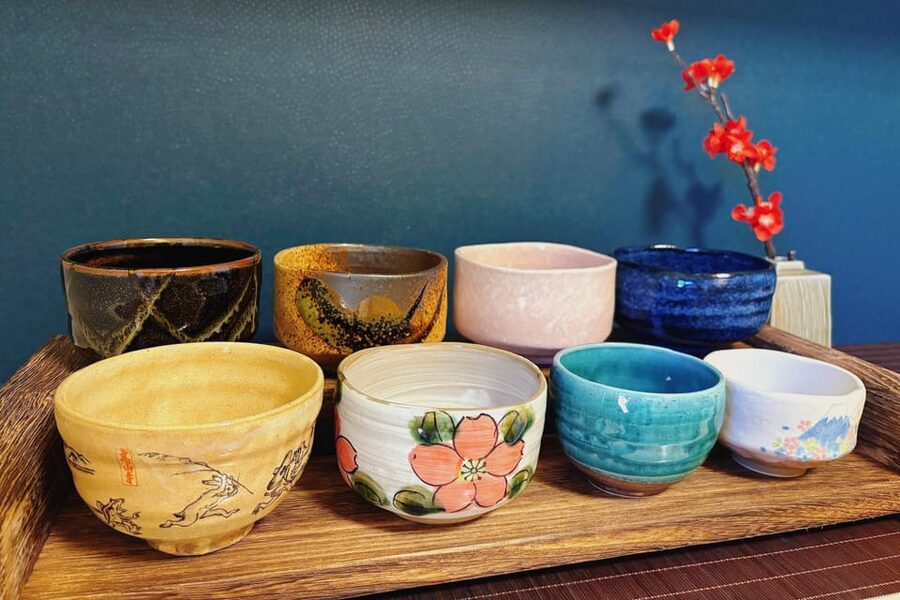
- During the making part, you get to pick from several tea bowls. The bowl you choose is meant to reflect how you feel that day.
- Along the way, you’ll taste matcha and enjoy Japanese sweets.
- You’ll also have the chance to take photos during the experience, not just at the end.
I like that the provider says they’ll closely attend to all participants. That’s a big deal for families and for anyone who learns best by slowing down. If you’re traveling with kids, this kind of structure tends to reduce stress: you don’t feel like you’re dragging the group behind you.
Matcha making: what you’ll actually do in the ceremony
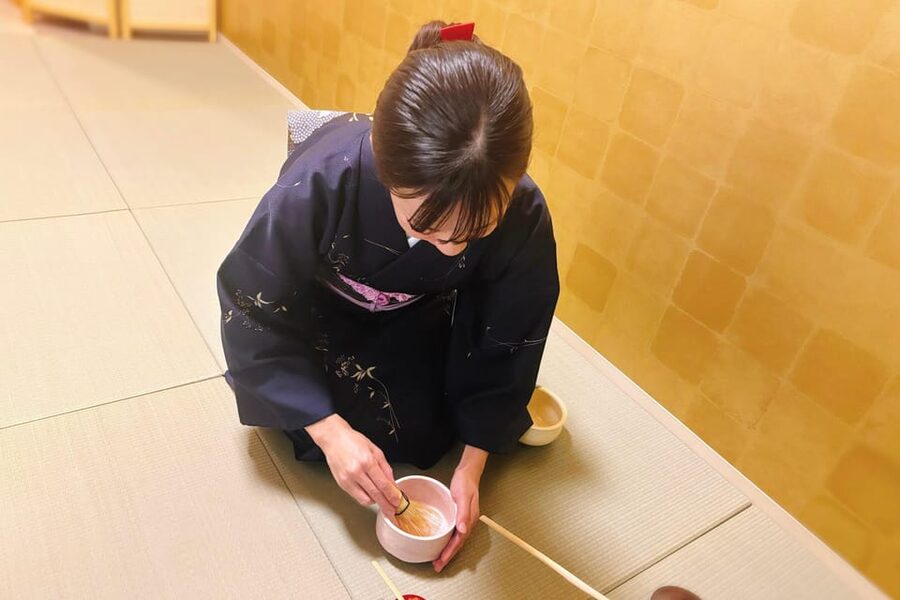
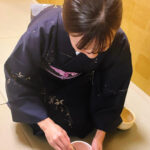
The matcha lesson is the heart of the experience. You’ll learn how to make tea, then you’ll make it yourself. You’re not just watching someone demonstrate and then eating sweets on the side.
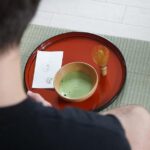
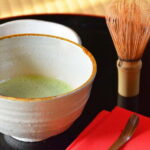
One of the more memorable parts is the tea bowl choice. Instead of getting the same basic setup every time, you’ll choose the one that expresses your feelings today from among a few options. It turns a small moment into something personal, and it gives you a reason to slow down and pay attention. When you’re holding a bowl that feels right for your mood, the rest of the procedure clicks better.
You’ll also taste matcha as part of the ceremony. That gives you a reference point for when you make your own. If you’ve never worked with matcha before, don’t worry—there’s no requirement that you already know how to whisk, pour, or handle the tools. The lesson is built for a relaxing first-timer experience.
Practical note: you’ll want your socks ready. The only specific item you’re asked to bring is socks, so plan ahead if you’re the type who shows up in sandals and hopes for the best.
Japanese sweets twice: why the pairing is built in
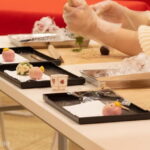
Tea ceremonies aren’t only about tea. They’re about the order, the contrast, and the small ritual moments between tastes. Here, you’ll enjoy different types of Japanese sweets twice during the ceremony.
That double-sweet rhythm is a smart design. First, it gives you something to balance the matcha you’re tasting. Then later, you get another chance to compare flavors once you’ve made and tasted your own tea. In other words, the sweets aren’t random extras—they help you notice how matcha changes depending on what’s in your mouth and how your body is ready for the next taste.
From the experience feedback, people consistently call the sweets delicious and the explanations clear. That lines up with what you want from a cultural activity: not just a cute photo, but a guided moment that actually improves your understanding of what you’re eating and why.
Photo-friendly pacing: when you can take your time
One reason I recommend this style of experience is the “do it your way” approach to photos and timing. You’re told you can take photos anytime during the experience, and you can make adjustments toward satisfaction—like taking lots of photos or moving slowly to match a child’s pace.
That doesn’t sound like a big deal until you’ve been in Japan and watched a group get herded through something delicate. Here, you’re encouraged to slow down rather than sprint. You can also plan your day with less anxiety, because you’re not trapped in a rigid script where you must choose between learning and capturing moments.
If you care about getting good photos, treat this as a photo session that happens to teach you matcha too. You’ll get both without sacrificing the actual lesson.

Etiquette and tea tools: what you learn from the guided setup
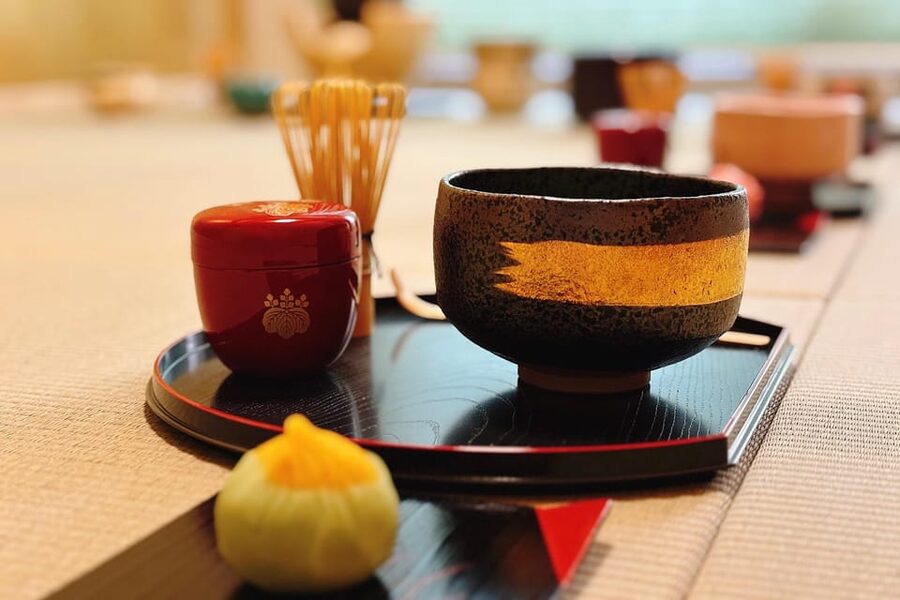
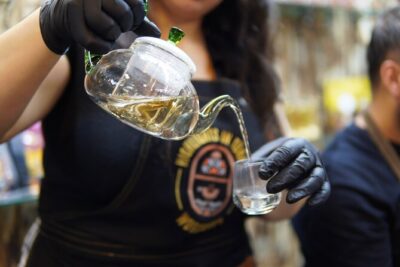
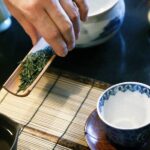
You’ll be carefully guided throughout. The instructor teaches you how to make tea, and you practice with guidance so you don’t feel lost. Even if you’ve never done a tea ceremony before, you’re learning the basic flow and the logic behind it: prepare, whisk/mix, offer, taste, and take in the moment rather than treating it like a checklist.
You’ll also get to choose from several tea bowls. That’s not just decorative. It changes how you experience the ceremony, because the bowl becomes part of your personal ritual. It’s also an easy way to make the activity feel unique each time you do it, even if you’ve seen tea ceremonies in other cities.
And since the instructor speaks Japanese and English, you’re not relying on guesswork or vague gestures. Clear explanations matter here because tea tools can be unfamiliar, and small steps matter when your goal is to make the tea yourself.
Price and value: what $38 buys you in Osaka
At $38 per person for a 1-hour private experience, the value depends on what you want from the hour.
Here’s what you’re getting that usually raises the value:
- All fees and taxes included
- An instructor included
- Matcha and Japanese sweets included
- You make your own matcha during the ceremony
- Private group time (not a mixed crowd experience)
So you’re not paying for “watching.” You’re paying for a structured cultural activity with hands-on practice and included food and drink. That’s often a better deal than paying for a tea café experience plus a separate class. You also save time, because the whole thing is designed as one complete session.
If you’re traveling as a family or with a small group, private time tends to be worth it. One of the standout comments you’ll hear about this kind of setup is that it fits a family of four well, with a calm atmosphere and a pace that feels human.
Who should book this private tea ceremony (and who shouldn’t)
This experience is a great match if you want:
- A calm, guided activity in the center of Osaka
- Hands-on learning rather than just sightseeing
- A short 1-hour cultural break with included treats
- A private setting where your group can move at its own pace
It may be less ideal if:
- You’re a wheelchair user. The experience is not suitable for wheelchair users.
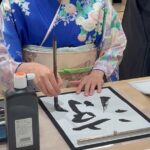
- You’re specifically looking for calligraphy. This plan doesn’t include calligraphy, but there is a separate option if you want both.
Also, it’s a good choice if you’re new to Japanese tea. The tone of the experience is relaxed, and the instructor is there to guide you step-by-step.
Before you go: quick checklist for a smooth start
You’ll be asked to bring socks. That’s it for clothing basics.
For arrival, plan to show up 5 minutes before your scheduled time. You’ll find the meeting point outside the New Osaka Hotel Shinsaibashi, near a blue vending machine close to the entrance. Staff will be easy to spot because they wear kimonos.
One more practical point: no smoking is allowed during the experience.
If you’re the kind of traveler who likes to plan for comfort, this is a low-friction activity. There’s no complicated equipment. You just show up ready to slow down and follow the guide.
Should you book this private tea ceremony in Osaka?
Yes, if you want a calm, hands-on cultural hour that doesn’t require prior knowledge and doesn’t eat your whole day. The private format is the big selling point: you get focused instruction, room for photos, and a pacing style that works for families.
Book it especially if matcha is on your Osaka checklist and you’d rather learn how it’s made than just order a drink. And if you’re traveling with kids, the flexibility to match their pace makes it feel more like a shared experience than a performance you have to sit through.
Skip it only if you need wheelchair accessibility or if calligraphy is a must-have. For everything else—peace, guidance, matcha you actually make yourself, plus sweets twice—this is a strong use of time in Namba.
FAQ
How long is the Osaka private tea ceremony?
The experience lasts 1 hour.
Where do I meet the instructor?
Meet at the entrance of New Osaka Hotel Shinsaibashi. Walk west about 30 seconds; there’s a blue vending machine near the entrance. The staff waits outside about 5 minutes before your scheduled time.
How much does it cost?
It costs $38 per person.
What’s included in the price?
All fees and taxes are included, along with the instructor, matcha, Japanese sweets, and the matcha-making experience.
Is calligraphy included?
No. Calligraphy is not included in this plan. If you want calligraphy, you need to reserve the separate Osaka private tea ceremony and calligraphy experience plan.
What languages are spoken by the instructor?
The instructor speaks Japanese and English.
What should I bring?
Bring socks.
Is this experience wheelchair-friendly?
No. It is not suitable for wheelchair users.