REVIEW · OSAKA
ZEN therapy | Shiatsu-style massage, EnergyTherapy & Japanese Tea
Book on Viator →Operated by 水素セラピーMAITRII · Bookable on Viator
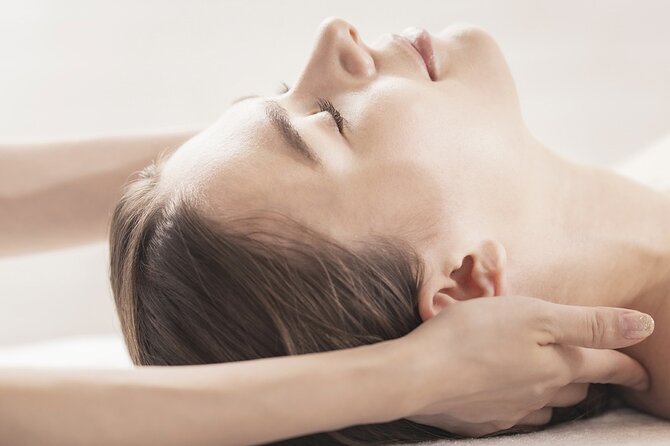
A session like this slows you down fast. In Osaka, Zen Therapy blends shiatsu-style massage with Qi energy balancing and finishes with a calm Japanese tea moment. I like the mix of hands-on bodywork plus the energy-focused approach, and I also like that you get a Zen-style recovery experience, not just a quick rubdown. The main consideration is that the energy-healing side is belief-based, so if you only want something strictly physical, you’ll want to manage expectations.
Logistically, it’s built for an easy reset: private room, you change into a Zen monk’s kimono-style samue, and you lie down while crystals and energy tech are used to support the therapy. I also appreciate the added human touch of a treatment report afterward, with advice based on your energy status. The location is in an office building area near public transit, so it’s convenient for a day plan, not the kind of place you wander to for scenery.
At $57.23 for about an hour, it’s priced like a focused wellness appointment, and not a generic spa stop. Booking tends to happen fairly quickly, so if you’re set on a specific time slot, you’ll want to grab it early. If you can, choosing a longer option tends to make the experience feel more complete for tight muscles and mental fatigue.
In This Review
- Key Things To Know Before You Go
- Getting Oriented at MAITRII Near Shin-Osaka
- The Samue Kimono Switch: Why the Setting Starts With Mindfulness
- Shiatsu-Style Qi Balancing: What the Main Session Feels Like
- Crystals Under the Bed and Artificial Quartz Technology
- What Happens After: Matcha, Tea Sweets, and Your Treatment Report
- Choosing the Right Length: 30 Minutes vs 120 Minutes
- Price and Value in Osaka: Is $57.23 a Fair Deal?
- Who This Is Best For (and Who Should Be Careful)
- Should You Book Zen Therapy in Osaka?
- FAQ
- Where is the meeting point for Zen Therapy?
- How long is the session?
- Is this experience private?
- What’s included in the experience?
- Do I wear the Zen kimono during the session?
- Is matcha or tea included?
- Will I get any feedback after the session?
- What is the cancellation policy?
- Is the experience suitable for most travelers?
Key Things To Know Before You Go
- Samue kimono provided: you change into a Zen monk’s work robe-style outfit before the session starts.
- Shiatsu-style massage plus energy balancing: hands-on bodywork is combined with Qi-focused treatment.
- Crystals under the bed: the room setup uses high-quality Japanese crystals to support the energy concept.
- Artificial quartz technology: the therapy specifically mentions specially made artificial quartz with orderly crystals.
- Matcha and tea sweets included: you end with a Japanese tea ritual feel, not just a check-out.
- You get a treatment report: the therapist shares your energy status and future advice after the session.
Getting Oriented at MAITRII Near Shin-Osaka
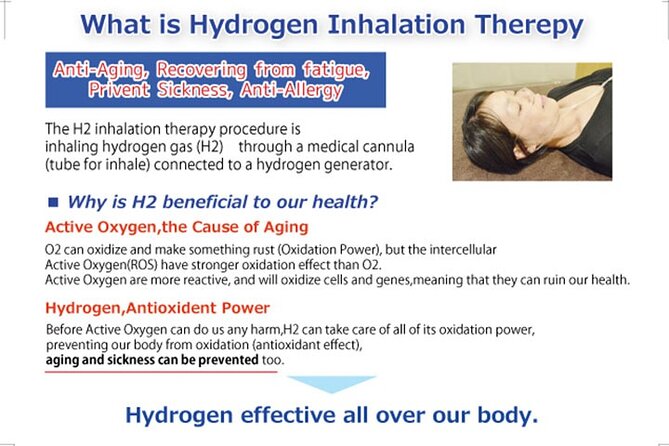
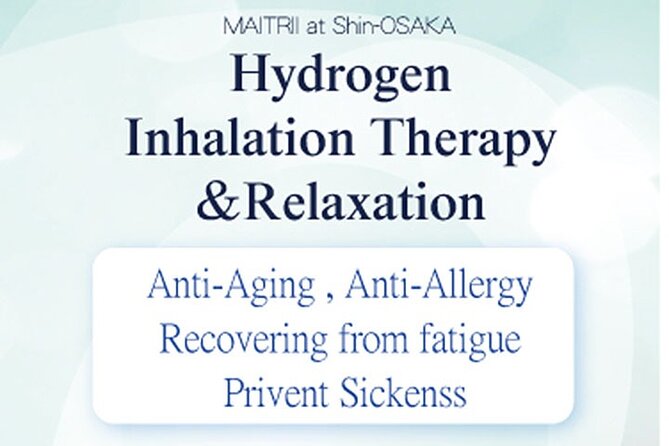
Your starting point is MAITRII, H2 Inhalation Therapy & relaxation, located in Shin-Osaka Daiichi Building (Shin-Osaka-daiichi-bldg) on the 8th floor. The address is in Nishinakajima, Yodogawa-ku—an area that’s practical for getting around, especially if you’re already using Shin-Osaka as your base.
This is a private experience, meaning it’s only your group in the room. That matters here because the therapy includes changing outfits and staying in a calm, quiet flow. You’ll also want to plan for a body-reset session that doesn’t leave you rushing back to your next reservation.
The session is sold in different lengths, but the overall tour summary is listed at about 1 hour. So think of it as a guided wellness block where the first half can set the tone, then the massage and energy work takes center stage. If you’re trying to fit this between major Osaka sights, give yourself buffer time afterward—especially since the tea ritual is part of the payoff.
You can also read our reviews of more tours and experiences in Osaka.
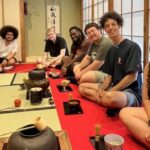
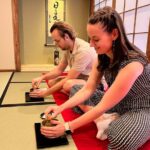
The Samue Kimono Switch: Why the Setting Starts With Mindfulness

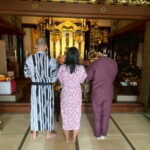
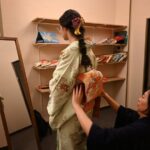
One of the most distinctive parts is that you don’t just visit a treatment room—you change into a Zen monk’s kimono-style robe called samue. This isn’t a costume gimmick in the description; it’s meant to help you shift your headspace from tourist mode into a calmer, more mindful mode.
That matters because the therapy blends bodywork with energy concepts. When you sit still in a comfortable robe and follow the therapist’s lead, it’s easier to feel what’s happening without turning the session into a performance. If you’ve ever done zazen at a Japanese temple, the samue idea connects to that same theme of work, quiet attention, and routine.
Also, there’s an optional souvenir angle. You can purchase a samue robe so you can recreate a small part of the experience later at home. Even if you don’t want to buy anything, it’s a nice touch that the robe is treated as a wearable, practical item—not just a photo prop.
Shiatsu-Style Qi Balancing: What the Main Session Feels Like
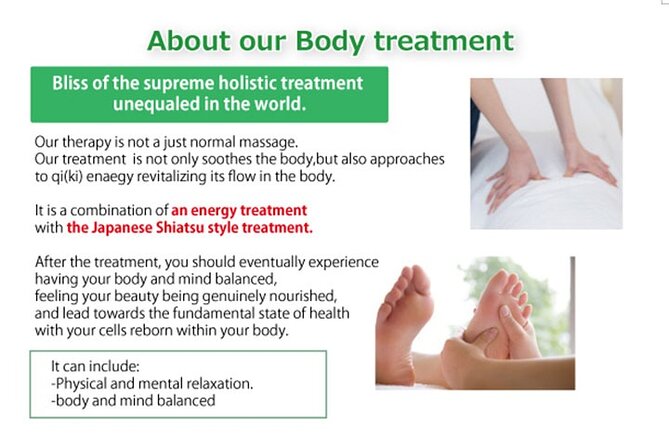
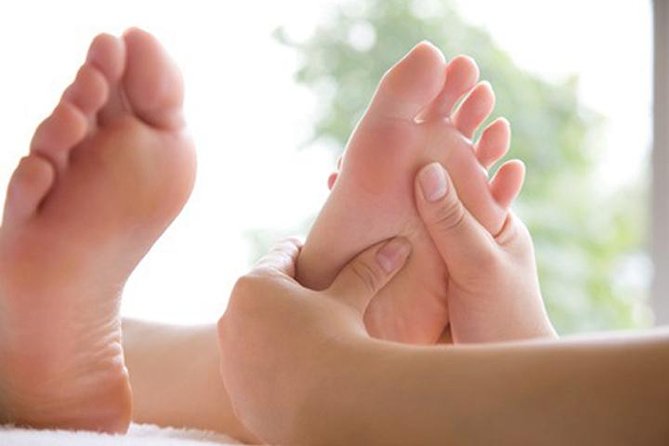
The core treatment is described as shiatsu-style massage using energy therapy, focused on Qi circulation as understood in Oriental medicine. In practical terms, you can expect bodywork aimed at relaxing tight areas and bringing your physical state into a steadier rhythm.
The description talks about removing unwanted stored energy linked to toxins and stress, then recharging with what you need. That’s the language of energy healing, so I’ll be straight with you: there’s no way to verify Qi claims through your own senses. But the hands-on massage component is real enough to justify the experience even if you remain skeptical about energy work.
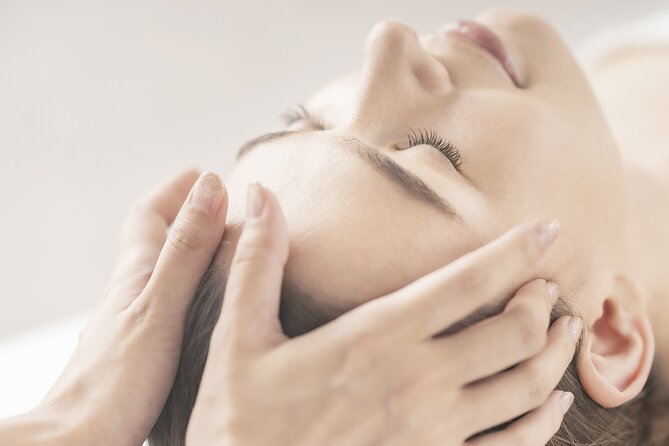
What makes it more than a generic massage is the claimed mental and physical “calm” effect. The therapy mentions a therapist trained to detoxify the mind and thoughts, leaving you calm. Whether or not you buy the energy theory, the overall structure is designed to reduce stress, and that’s the part your body can respond to.
The therapist also does “body fir-shaping technique” that works on qi as part of the method. I’m not going to pretend that you’ll get a guaranteed transformation, because body shape outcomes depend on many factors. Still, a longer, structured appointment like this can be a good way to loosen tension you’ve been carrying without noticing.
Crystals Under the Bed and Artificial Quartz Technology
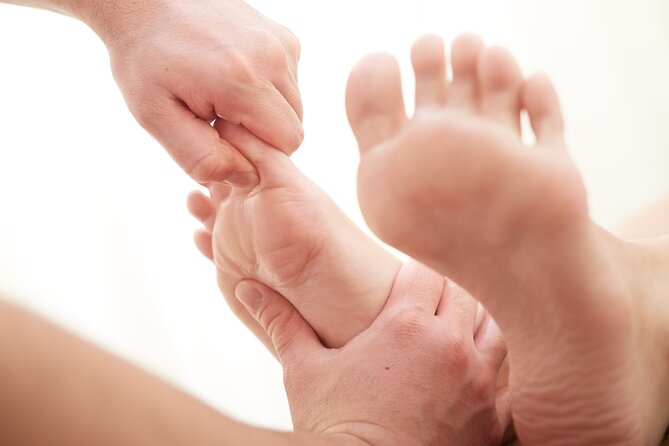
After you’re set up, the therapy uses crystals placed under your bed to amplify what they call good energy and regulate the energy field. It also mentions high-quality Japanese crystals and an artificial quartz technology using Japanese craftsmanship and years of completion.
Here’s the practical way to think about this part: you’re in a controlled, wellness-oriented room designed to encourage stillness. Even if the science behind energy fields isn’t something you can measure during the session, the environment itself is part of the “setup” that helps your nervous system downshift.
The therapy description is specific about artificial quartz having well-ordered crystals, compared with natural quartz that may have irregular crystals. That level of detail suggests the center wants you to see the process as engineered, not random. If you’re the kind of person who likes clear, technical explanations, you might find that comforting.
What Happens After: Matcha, Tea Sweets, and Your Treatment Report
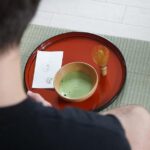
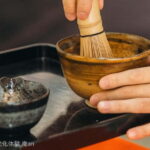
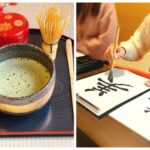
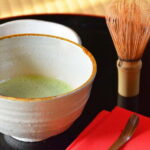
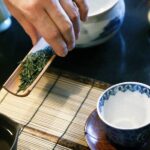
The session doesn’t end when you sit up. You get Japanese matcha and tea sweets as part of the Zen tea ritual experience. The description compares it to coming out at tea, which is a good way to think of it: you’re finishing in a social, calming way rather than being hustled out the door.
That tea moment is also practical. After any deep relaxation work, it’s easy to feel slightly slow or emotionally quiet. Having something warm and soothing to drink helps you transition back into your day without the abrupt “all done” feeling.
Then you receive a treatment report describing your energy status and advice for the future. Again, the energy “status” part is belief-based, but the report still gives you a structured takeaway. If you go in with questions—like where you feel tension or what habits you think are draining you—you may find it easier to use the session as a starting point for your own recovery routine.

Choosing the Right Length: 30 Minutes vs 120 Minutes
The options are listed as four different session lengths:
- 30 minutes
- 60 minutes
- 90 minutes
- 120 minutes (described as luxury forehand)
The guidance is clear: if you’re concerned that some body parts are too elaborate, pick premium or luxury (the longer options). That’s useful advice because many people underestimate how much time it takes to fully settle, especially when energy work is layered on top of massage.
If you’re tight and stressed but short on time, the 30 or 60-minute choice can still be a solid reset. Think of it as a “start here” session. If you want a deeper recovery arc—especially for fatigue that’s built up over weeks—lean longer. The 120-minute option is designed to give more time for both the hands-on and the energy-focused flow.
Value-wise, longer sessions generally feel less rushed. In a therapy like this, rushing can break the calm rhythm, and that’s where the experience is trying to win you over.
Price and Value in Osaka: Is $57.23 a Fair Deal?
At $57.23 per person, this sits in the range of a serious wellness appointment rather than a casual add-on. The value comes from the package: private time, shiatsu-style massage with energy balancing, a Zen-style kimono change, and an included matcha tea ritual.
What pushes it toward “worth it” for many people is the combination format. It’s not just massage; it’s massage plus the center’s energy treatment framework and crystal setup. And it’s not just that—it includes a treatment report, which gives you a more memorable souvenir than a photo.
The one consideration is that you’re paying for a specific method and worldview. If you don’t care about the energy healing concepts and you only want classic massage, you might decide to use that money elsewhere. Still, even skeptics can find the relaxation and bodywork part enjoyable, as long as they don’t treat the energy claims as medical promises.
If you want to try it, my practical advice is to book based on the length that matches your goal. A longer session gives you enough time to actually switch gears from sightseeing stress.
Who This Is Best For (and Who Should Be Careful)
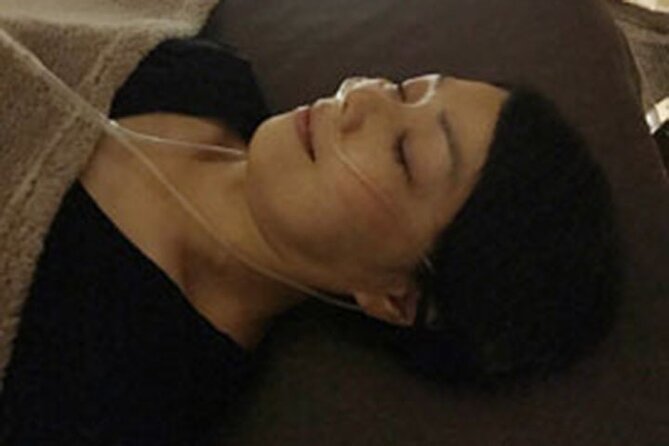
This experience is ideal if you want a structured reset for fatigue recovery and deep relaxation. The description also frames the therapy as support for anti-aging, beauty, disease prevention, and brain development—those are claims made by the therapy itself, so take them as wellness marketing language, not medical treatment.
You’ll likely enjoy it most if you like:
- hands-on bodywork that aims to calm tension
- Japanese wellness culture, like matcha rituals
- a mindful setting that discourages scrolling and rushing
- the idea of getting a personal report after
Be more cautious if:
- you want a purely medical intervention (this is a wellness therapy, not a clinical procedure)
- you dislike energy-healing concepts and won’t engage with any “Qi” language at all
- you’re sensitive to the idea of being asked to slow down and focus during the session
Should You Book Zen Therapy in Osaka?
If you’re in Osaka looking for something different from temples and food streets, this is a strong choice. The kimono samue moment, the energy-and-shiatsu blend, the crystal setup under the bed, and the matcha tea ritual make it feel like a complete experience rather than a quick appointment.
I’d especially book it if you’re burned out, carrying stress in your shoulders and back, or you want a quiet break that still feels culturally rooted. If you’re short on time, pick a length that matches your needs—don’t force a full reset into the shortest option.
Finally, book early if you have a preferred time. The average lead time listed is about 19 days, which is a polite hint that the best slots can disappear when your schedule is set.
FAQ
Where is the meeting point for Zen Therapy?
It starts at MAITRII, H2 Inhalation Therapy & relaxation, Shin-Osaka Daiichi Building 8F, 5-6-16-6 Nishinakajima, Yodogawa-ku, Osaka, Japan 532-0011.
How long is the session?
The tour summary lists about 1 hour, and the therapy options are also offered in multiple lengths: 30 minutes, 60 minutes, 90 minutes, and 120 minutes.
Is this experience private?
Yes. It’s described as a private tour/activity, with only your group participating.
What’s included in the experience?
The included items are a full-body Qi (energy) balancing shiatsu-style massage and a Japanese Zen tea ritual.
Do I wear the Zen kimono during the session?
Yes. You can change into a Zen monk’s kimono called samue before the treatment.
Is matcha or tea included?
Yes. The experience includes Japanese matcha and tea sweets as part of the tea ritual.
Will I get any feedback after the session?
Yes. The therapist provides a treatment report describing your energy status and advice for the future.
What is the cancellation policy?
Free cancellation is available up to 24 hours in advance for a full refund. If you cancel less than 24 hours before the experience starts, you won’t receive a refund.
Is the experience suitable for most travelers?
It’s described as Most travelers can participate.