REVIEW · OSAKA
Osaka; Japanese Tea ceremony experience, Macha and Sencha
Book on GetYourGuide →Operated by Do co., Ltd · Bookable on GetYourGuide
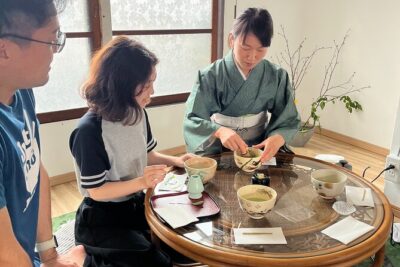
Tea ceremony lessons in Osaka feel like a small reset. You get the calm setting, hands-on etiquette, and two types of tea in one hour. In a traditional tatami room, an English-speaking tea master (often Yuko) guides you through matcha and sencha with clear explanations you can actually use.
I love the format: you watch first, then you do. You’ll learn how to make tea the way the ceremony expects, not just the history part. I also like that you get sweet pairings with both teas, so you experience how flavor and timing fit together.
One possible drawback: if you have food allergies, this may not work for you since Japanese sweets and confectionery are part of the experience and you’re not meant to eat them with allergies.
In This Review
- Key Takeaways Before You Go
- Stepping Into a Tatami Tea Room in Osaka
- Matcha 101: Watching, Then Making Your Own Tea
- The Ceremony Meaning: History, Spirit, and Etiquette That Actually Guides You
- Traditional Sweets with Matcha: Why the Pairing Is Part of the Lesson
- Sencha Time: Learning Japan’s Everyday Tea Culture
- Yukata + Photo Moment: A Fun Add-On If You Want the Storybook Look
- Price and Value: What $25 Buys You in One Hour
- Where to Meet on the Midosuji Line (and How Not to Stress It)
- Who Should Book This (and Who Should Skip It)
- Should You Book This Osaka Matcha and Sencha Tea Lesson?
- FAQ
- How long is the Osaka Japanese tea ceremony experience?
- What teas and sweets are included?
- Can I wear a yukata during the ceremony?
- Is the instructor available in English?
- Where is the meeting point?
- What is the price per person?
- Are there restrictions on food allergies?
- Is smoking or alcohol allowed?
Key Takeaways Before You Go
- Tatami-room tea lesson that keeps the pace calm and focused for about an hour
- Hands-on matcha practice after watching the tea master prepare it
- Tea meaning + etiquette explained in a practical way, in English (and Japanese)
- Two tea styles: whisked matcha, then everyday-feeling sencha with sweets
- Photo and optional yukata option to turn the lesson into a souvenir
- Strict no-no rules like quiet behavior, no intoxication, and no smoking
Stepping Into a Tatami Tea Room in Osaka
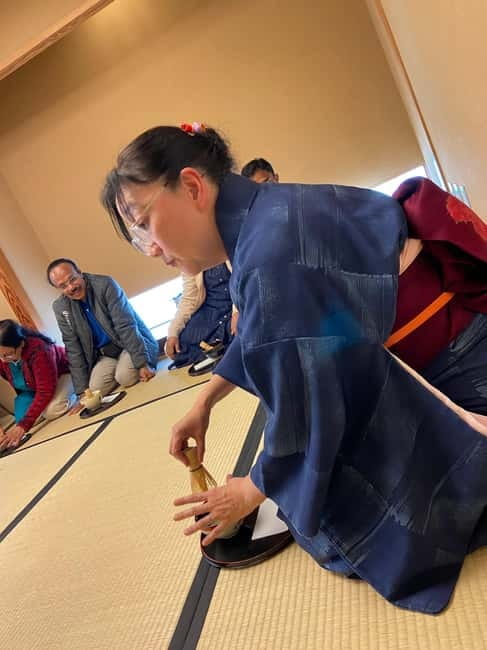
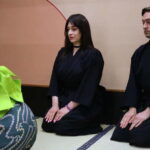
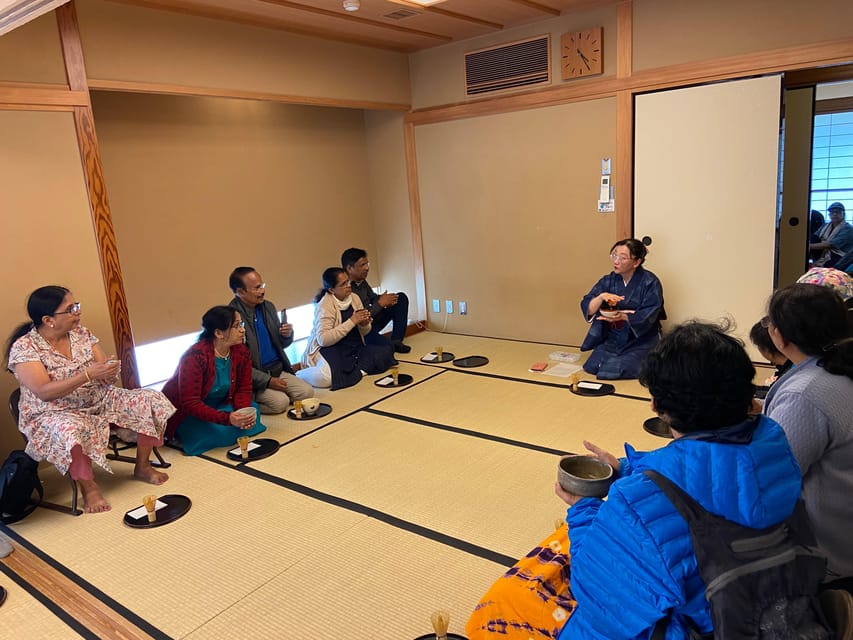
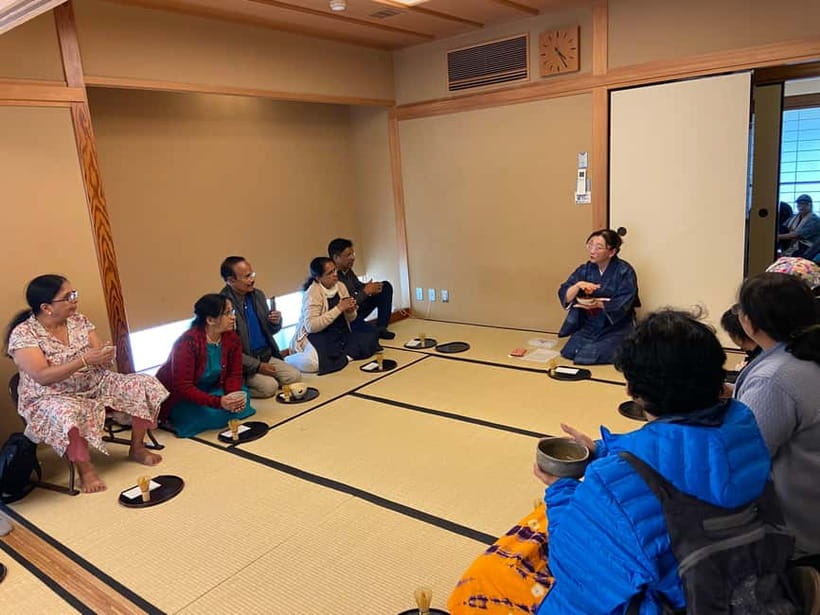
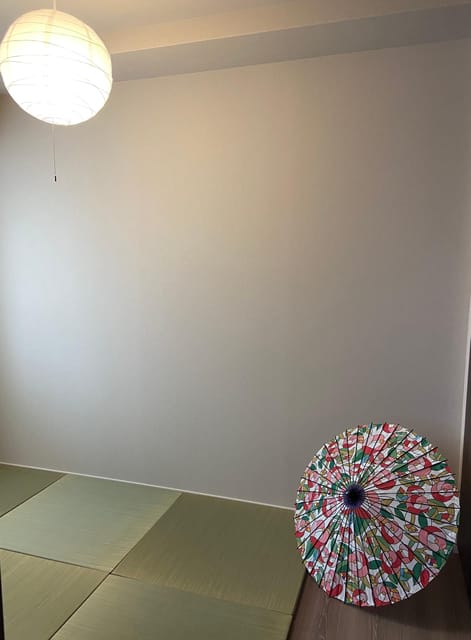
This experience starts with the atmosphere: you’re in a traditional Japanese tatami room, where the goal is not performance, it’s respect. The ceremony has rules for a reason. They keep everything slow enough for you to notice what you’re doing—water temperature, how you handle utensils, and the rhythm between tea, sweets, and conversation.
You’ll be welcomed by an English-speaking tea master. In the name recognition department, Yuko comes up in the feedback, and her style seems to land well with non-Japanese speakers: kind, clear, and comfortable switching between tea talk and real-life instruction. If you’re hoping for a lesson that doesn’t feel like a lecture, this setup is built for that.
There’s also a helpful “heads up” to know what to expect socially. You’ll want to keep things quiet, avoid anything messy (including chewing gum), and follow the instructor’s lead with how you move and where you look. It’s not stuffy—just intentional.
You can also read our reviews of more tours and experiences in Osaka.
Matcha 101: Watching, Then Making Your Own Tea
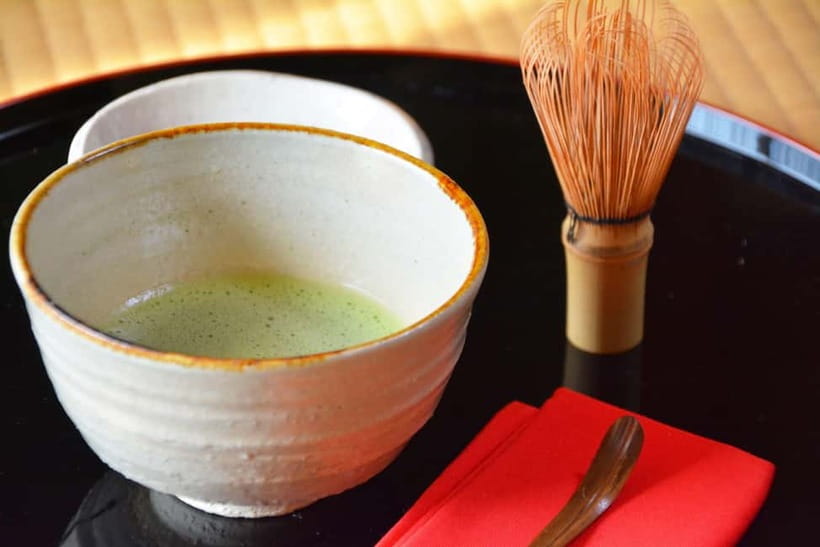
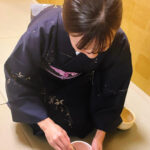
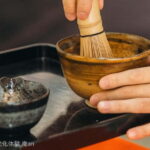
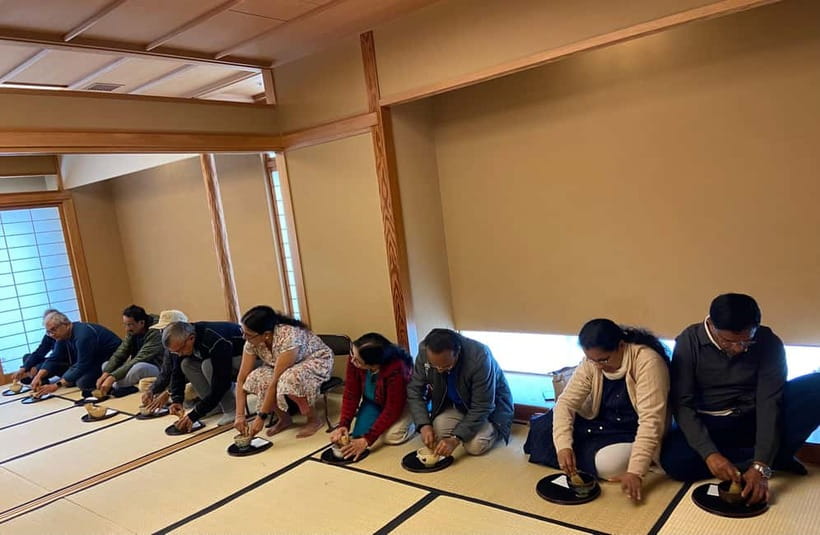
The first main act is matcha. You’ll watch the tea master prepare matcha green tea, then you’ll have your turn making tea according to the ceremony’s etiquette.
What I like about this sequence is that you get context before you touch anything. Matcha isn’t just tea you pour. It’s powdered green tea whisked into a bowl until it’s the right texture. When you first see it done, you pick up details that are hard to learn from a description—how the bowl is held, what “good” consistency looks like, and how timing matters.
Then comes the practical part. You’ll learn how to make the tea yourself, with etiquette guiding the process. Think of it as a guided routine: how to present, how to handle the tools, and how to participate respectfully during the tea exchange moment.
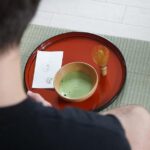
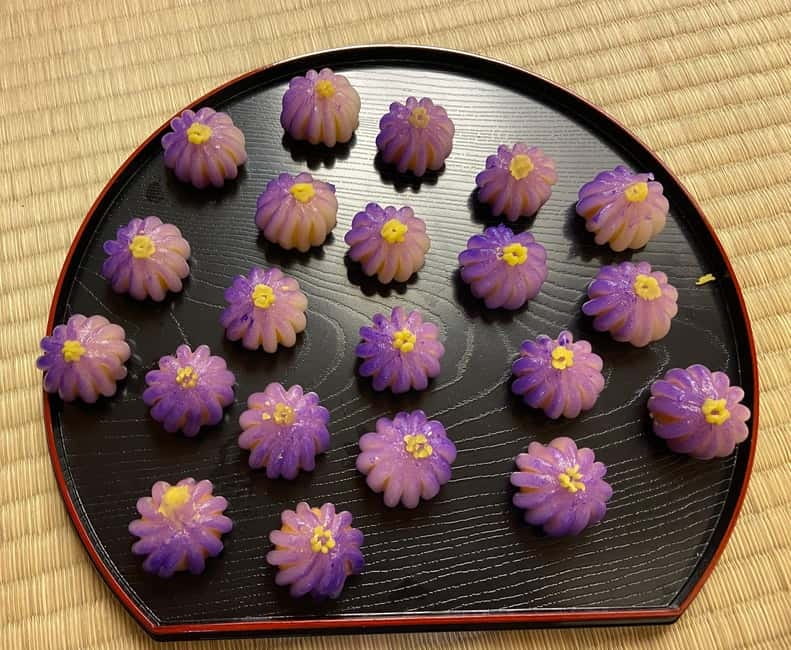
You’ll taste the matcha as part of the experience, with traditional Japanese sweets. Those sweets matter more than you might expect. They give you a clean, gentle contrast to the bitterness and grassiness matcha can have. The lesson becomes less about judging flavor and more about understanding balance—sweet, bitter, and timing.
The Ceremony Meaning: History, Spirit, and Etiquette That Actually Guides You
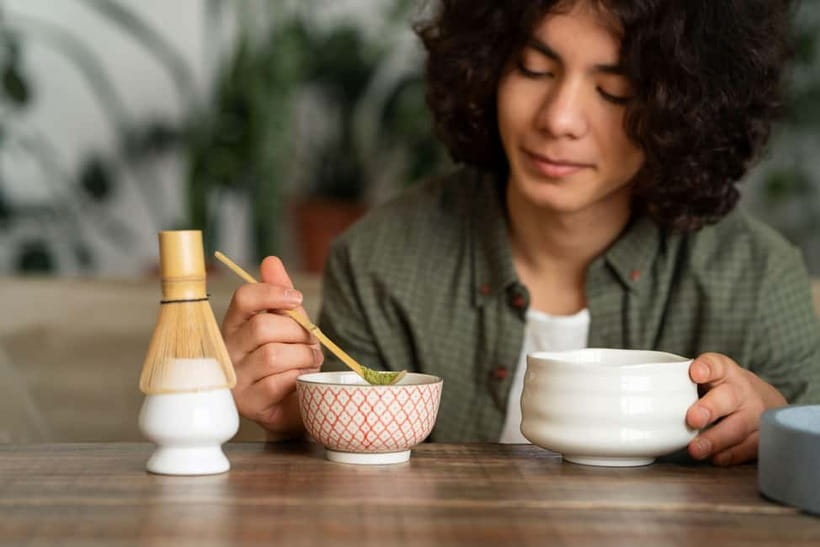
After you see matcha prepared and before you fully settle into tasting mode, the tea master explains the history and spiritual role of the tea ceremony. This is where many short experiences get vague. Here, the emphasis is on spirit plus etiquette—so you understand the why behind what you’re doing.
You’ll hear the ceremony framed as more than tea. It’s a way of training attention. The etiquette isn’t for show. It’s there to keep the moment respectful and to slow you down so you can notice the small things.
One practical way to think about it: etiquette becomes a checklist for mindfulness. When you focus on correct hand positions, correct timing, and correct spacing, you naturally quiet your brain. That’s a big part of why people leave these lessons feeling calmer than when they arrived.
If you’re the type who loves cultural context but worries about a long, dry talk, you should feel good about this format. It’s connected to actions you’re doing right in front of you. So the history lands.
Traditional Sweets with Matcha: Why the Pairing Is Part of the Lesson
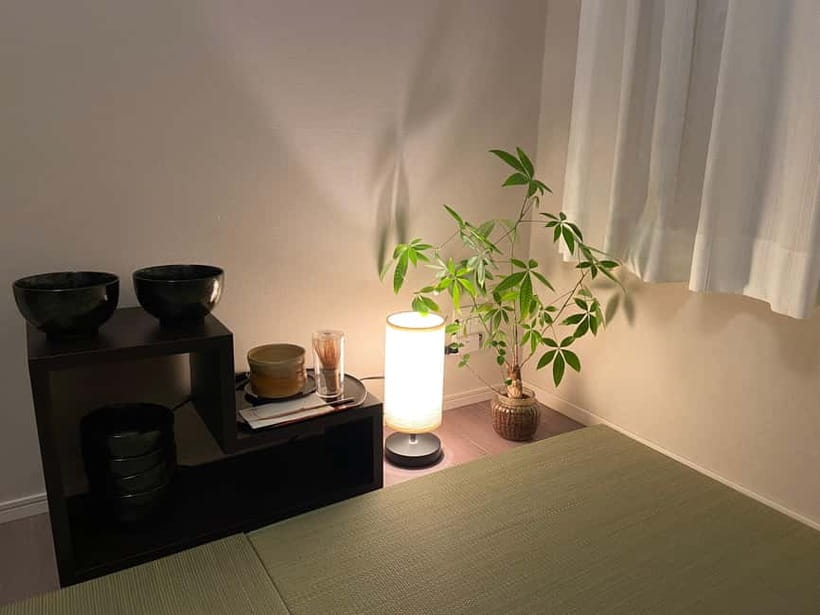
Japanese tea ceremony sweets aren’t just snacks. They’re part of the pacing and taste education.
You’ll have traditional Japanese sweets with the matcha green tea included in the experience. The idea is that you try the sweets alongside the tea moments the ceremony creates—so you experience how flavors “talk” to each other.
A quick heads-up that’s important for planning: people with food allergies should not eat Japanese sweets and confectionery. The experience is built around tasting those items, and allergy-friendly alternatives aren’t stated as available. If allergies are a concern, you’ll want to skip or ask questions before booking so you don’t end up in an uncomfortable situation.
If you don’t have allergies, you’ll likely appreciate the sweet’s role. It gives you a more complete sense of the tea ceremony as an experience, not a solo beverage lesson.
Sencha Time: Learning Japan’s Everyday Tea Culture
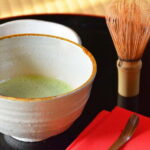
After matcha, you’ll taste sencha tea and sweets. Sencha is commonly drunk in Japan today, so this part connects the ceremony vibe to how people actually drink tea in modern life.
Here’s what makes it interesting. Matcha often gets romanticized as the ceremony tea. Sencha doesn’t require whisking like matcha, and it feels more familiar to most visitors once you taste it. The lesson keeps you moving: from the carefully made matcha ritual into a style that shows up in everyday Japanese tea culture.
You’ll have sencha green tea plus “current Japanese confectionery” included. That means the sweetness pairing isn’t stuck in some museum of tradition. It’s a look at what people are eating now, while still tying it back to tea.
The instructor explains the history of sencha and other aspects of sencha, so you don’t leave thinking it’s just another sip. You’ll get enough background to understand where it fits in Japan’s broader tea world and why it’s such a staple.

Yukata + Photo Moment: A Fun Add-On If You Want the Storybook Look
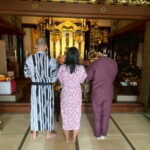
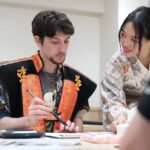
You can also wear a yukata during the tea ceremony experience. The base activity includes the tea and sweets, and yukata is not included by default. The good news: renting a yukata and getting a photo taken is available as an additional option you select when booking.
If you choose it, you’ll wear the yukata and then have your photograph taken after the experience. This adds a “you can take this home” element without changing the heart of the lesson. You’re still doing tea, tasting tea, and learning etiquette—the outfit just turns the memory into something you can share.
Practical tip: if you’re sensitive about fit or comfort, consider what you can wear under a yukata. The listing doesn’t give details on dressing time or layering, so I’d plan to keep your clothing simple underneath.
Price and Value: What $25 Buys You in One Hour
At $25 per person for about one hour, you’re paying for more than two drinks. You’re paying for guided instruction, a traditional tatami setting, and structured tasting—matcha plus sencha—each paired with sweets.
In value terms, this is a “high learning per minute” kind of activity. You’re not just watching a demonstration from the back of a room. You learn etiquette and then make tea yourself. That’s the difference between taking photos and actually understanding what you just did.
You should also feel good that the cost includes the core tasting items:
- Matcha green tea with traditional Japanese sweets
- Sencha green tea with current Japanese confectionery
- Tea ceremony instructors (English and Japanese)
Not included is meals. So if you’re timing this around lunch or dinner, eat beforehand and treat the sweets as part of the ceremony, not your whole meal plan.
Where to Meet on the Midosuji Line (and How Not to Stress It)
The meeting point is underground on the Midosuji Line, Exit 3, ground floor. That’s a detail worth treating seriously, because tea rooms don’t always announce themselves from the street.
Give yourself a little buffer. Arrive with time to orient yourself underground, then come up to ground level calmly. If you’re carrying a bag, keep it simple—quiet spaces and tea tools don’t mix well with clutter.
Language support is listed as English and Japanese, and the experience is led by an instructor. If anything goes off script, the best move is to stay near your instructor and let them guide you on what to do next.
One more timing note: the duration is listed as 1 hour. That means every step matters. Don’t plan this right after a tight train connection unless you’re very confident about your route.
Who Should Book This (and Who Should Skip It)
This tea ceremony experience is a great match if:
- You want a short, meaningful cultural lesson in Osaka without committing to half a day
- You like hands-on activities (you make tea, not just watch)
- You want both matcha and sencha so you see range in Japanese tea culture
- You enjoy etiquette and cultural context you can actually use
It’s not suitable if:
- You have food allergies, since Japanese sweets and confectionery are part of the experience
- You use wheelchairs (wheelchair users are not suitable, and electric wheelchairs and non-folding wheelchairs aren’t allowed)
- You need any high-noise environment. The rules include not making noise and no smoking
Also, the experience has a clear behavior code: no pets, no weapons or sharp objects, no intoxication, no alcohol or drugs, and even chewing gum is listed as not allowed. That tells you how seriously they manage the setting.
If you’re traveling with a bachelor or bachelorette group, that’s also not allowed. Keep this one more personal and calm.
Should You Book This Osaka Matcha and Sencha Tea Lesson?
If you want a one-hour activity that feels genuinely Japanese—tatami room, matcha etiquette, and sencha culture—this is an easy yes. The best part for me is the mix: you learn the meaning, you practice the method, and you taste both tea styles with sweets that make sense in the flow of the ceremony.
Skip it if food allergies are on the table, or if mobility needs don’t fit the stated limits. If neither applies, this is the kind of experience that doesn’t just give you a memory. It gives you skills you can talk about—how matcha is made, how sencha fits into everyday Japan, and why etiquette matters.
FAQ
How long is the Osaka Japanese tea ceremony experience?
It lasts about 1 hour.
What teas and sweets are included?
You’ll have matcha green tea with traditional Japanese sweets, and sencha green tea with current Japanese confectionery.
Can I wear a yukata during the ceremony?
Yes, you can wear a yukata. It’s available as a separate rental option if you choose the relevant add-on when booking.
Is the instructor available in English?
Yes. The instructors speak English and Japanese.
Where is the meeting point?
Meet at the underground Midosuji Line Exit 3, ground floor.
What is the price per person?
The price is $25 per person.
Are there restrictions on food allergies?
Yes. Persons with food allergies should not eat the Japanese sweets and confectionery, and the experience is listed as not suitable for people with food allergies.
Is smoking or alcohol allowed?
No. Smoking is not allowed, and intoxication or alcohol and drugs are also not allowed.