REVIEW · OSAKA
Learn Zen in a class of making Matcha tea near Osaka Castle
Book on GetYourGuide →Operated by 株式会社武士の誉れ · Bookable on GetYourGuide
Matcha and manners in samurai style. This one-hour class near Osaka Castle pairs a real tea ceremony with kimono dressing, wagashi sweets, and etiquette you can actually use. I love how it treats everyone equally the moment you enter the tea room.
If you care about Japanese aesthetics, the wagashi lesson connects wabi-sabi and the four seasons to what you’re tasting and doing. One thing to plan around: the experience is only one hour, so it’s best if you’re okay with a tight, structured schedule.
In This Review
- Key Things to Know Before You Go
- Meet Samurai Honor: Your Osaka Castle Area Tea Ceremony Base
- What the 30-Minute Early Arrival Really Does for You
- Entering Through the Nijiriguchi: Equality Is the Point, Not a Pretty Detail
- Wagashi Lessons: Wabi-Sabi, Four Seasons, and Why the Sweets Look the Way They Do
- Matcha Etiquette and Tea Making: Small-Group Pace, Clear Steps
- Kimono, Hairstyles, and Photo Shooting: Get the Memories Without Losing the Moment
- Price and Value: Is $40 Worth It?
- Who This Matcha + Zen Class Suits Best (And Who Should Skip)
- Should You Book This Learn Zen Matcha Class Near Osaka Castle?
- FAQ
- How long is the Learn Zen matcha tea class?
- What’s the group size?
- Is English interpretation available?
- What’s included in the price?
- What should I bring?
- Where do I meet, and how do I find the location?
- What time should I arrive?
- What isn’t included?
- What’s your cancellation policy?
Key Things to Know Before You Go
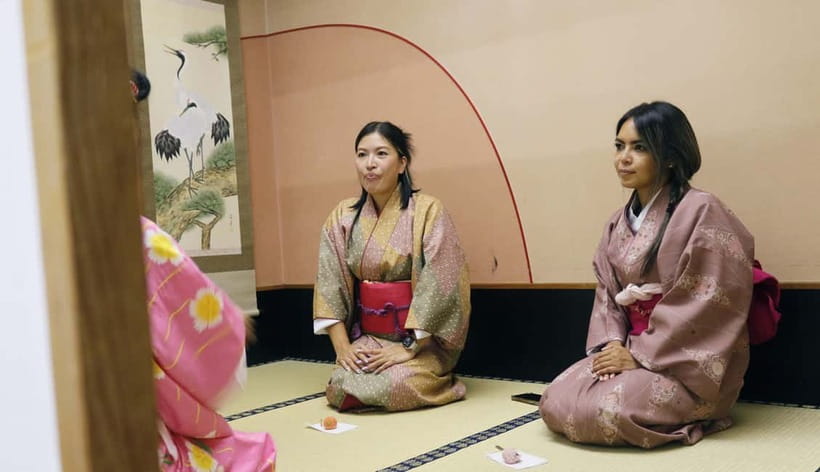
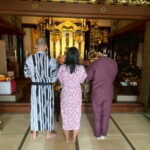
- A costume-based start: Men dress in hakama and dogi; women wear kimono, turning the class into a full cultural moment.
- Equality at the door: Once you pass the nijiriguchi, status doesn’t matter—everyone follows the same etiquette.
- Wagashi as your classroom: Expect a guided look at wabi-sabi, the seasons, and why the sweets are shaped and colored the way they are.
- Practice-focused tea time: You learn the gestures and manners, with a step-by-step pace in a small group.
- Photos included: Photo shooting is part of the package, with digital data sent to your email.
Meet Samurai Honor: Your Osaka Castle Area Tea Ceremony Base
This experience is run by 株式会社武士の誉れ at Samurai Honor, part of an arts-and-culture setting branded as Bushi no Homare. The address listed is Excellence Takayama 1F, 2-3-19 Shiginonishi, Joto-ku, Osaka-shi, Osaka 536-0014. The key practical tip is that Apple Maps may be wrong—use the Google Maps link provided to avoid a dead-end detour.
When you arrive, look for the meeting point landmark: a wooden sign that reads Honor of the Samurai. It’s described as a rack with Samurai Honor activity pamphlets in front of the store, and you may also see kimonos and hakama hanging up to dry. That visual cue makes this easier than many “find the door” cultural activities.
Also note the theme: “Learn Zen” here is less about spiritual speeches and more about behaving correctly—carefully, politely, and with attention to detail—inside a traditional tea setting.
You can also read our reviews of more tours and experiences in Osaka.
What the 30-Minute Early Arrival Really Does for You
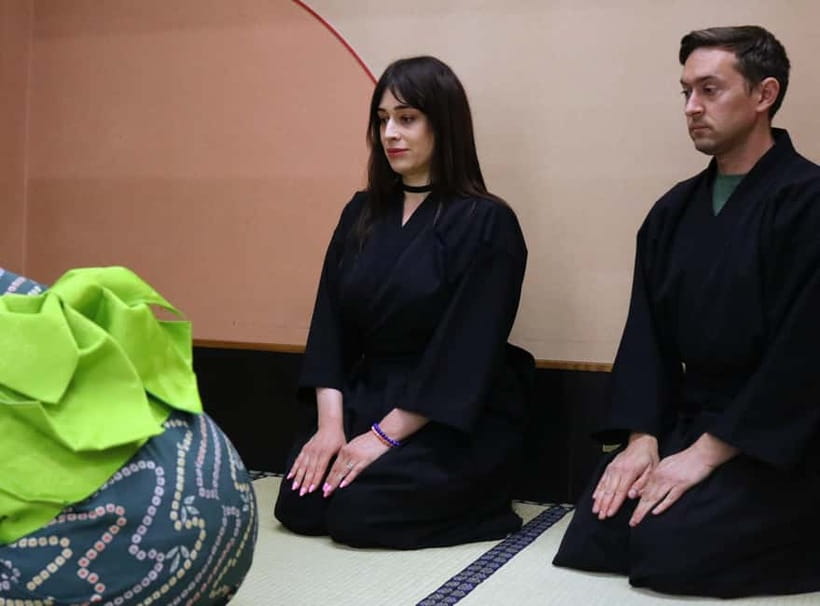
You’re asked to arrive 30 minutes before your reserved time. Don’t treat that as a formality. In practice, that buffer is what lets you change clothes, get styled, and get briefed so the ceremony can start smoothly.
Here’s what you should plan for:
- You’ll change into traditional attire before tea begins.
- Men wear hakama and dogi to become a samurai for the session.
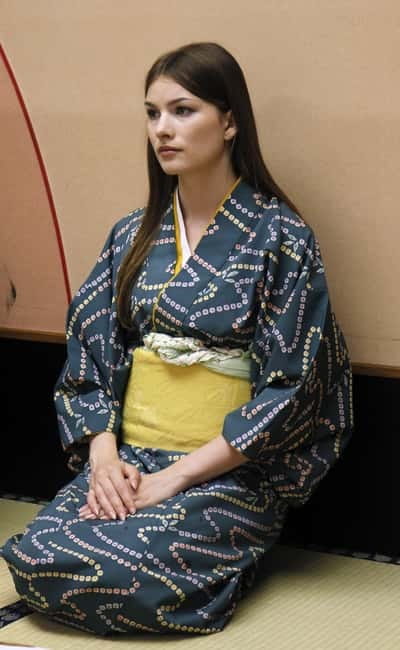
- Women wear kimono to become a Yamato Nadeshiko.
- You’ll be guided through proper manners and gestures once you’re seated.
What to bring is simple: bring a T-shirt. That’s not a fashion suggestion—it’s the baseline layer that makes changing faster and less stressful. Also, the class rules mention no alcohol and drugs, no pets, and no nudity, so keep it straightforward.
One more practical note: wagami (collected hair + kanzashi) is listed as not included. That doesn’t automatically mean your hair won’t be styled for photos—some participants describe getting an updo with flowers without an extra charge—but wagami as a specific accessory set is something to clarify when you book.
Entering Through the Nijiriguchi: Equality Is the Point, Not a Pretty Detail
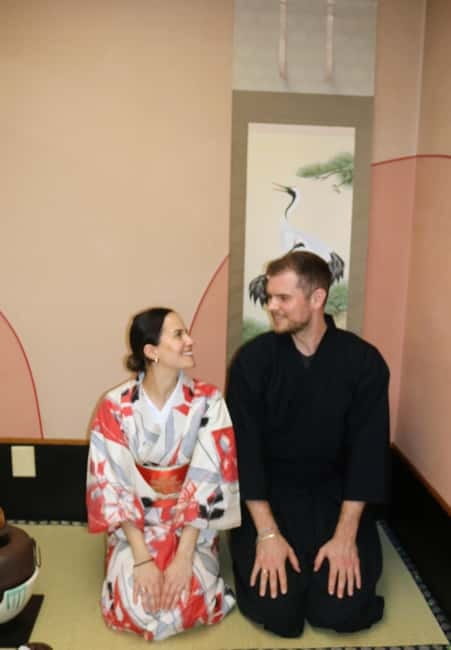
The most important moment happens at the doorway to the tea room, the nijiriguchi. Once you pass through it, everyone is treated equally—regardless of nationality, age, gender, or status.
This matters because it changes how you behave. In a lot of classes, there’s an instructor and a student gap. In this one, the ceremony language levels that gap. You stop thinking like a tourist and start thinking like a participant in a shared ritual.
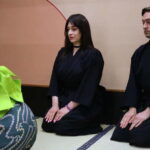
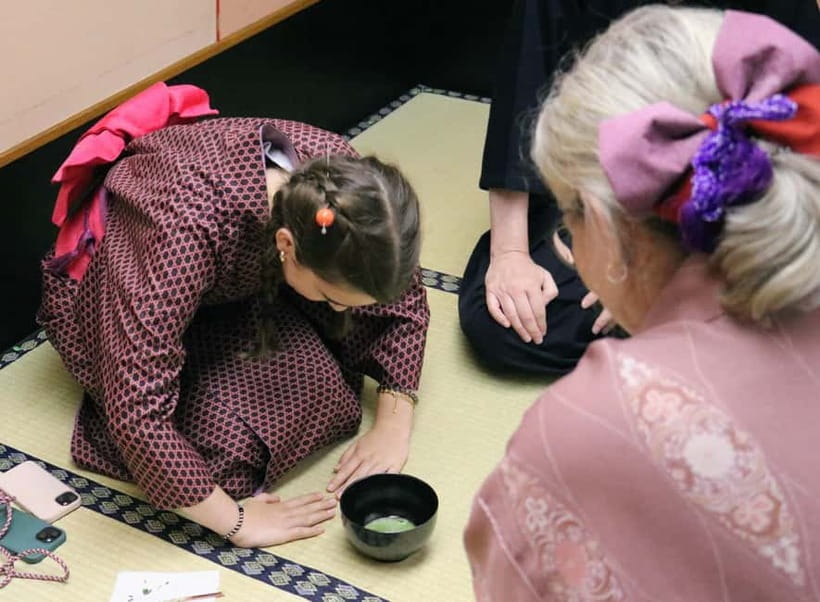
The ceremony also trains manners as physical actions. You’ll learn practical tea etiquette such as how to sit, bow, stand, and even how to walk—because the ceremony treats small motions as part of hospitality. The hostess follows traditional manners, and the master serves matcha to the participants, reinforcing that the atmosphere is built by both sides: the host’s care plus the participant’s response.
That idea—hospitality not being one-way—is a useful takeaway if you’re trying to understand Japan beyond surface etiquette.
Wagashi Lessons: Wabi-Sabi, Four Seasons, and Why the Sweets Look the Way They Do
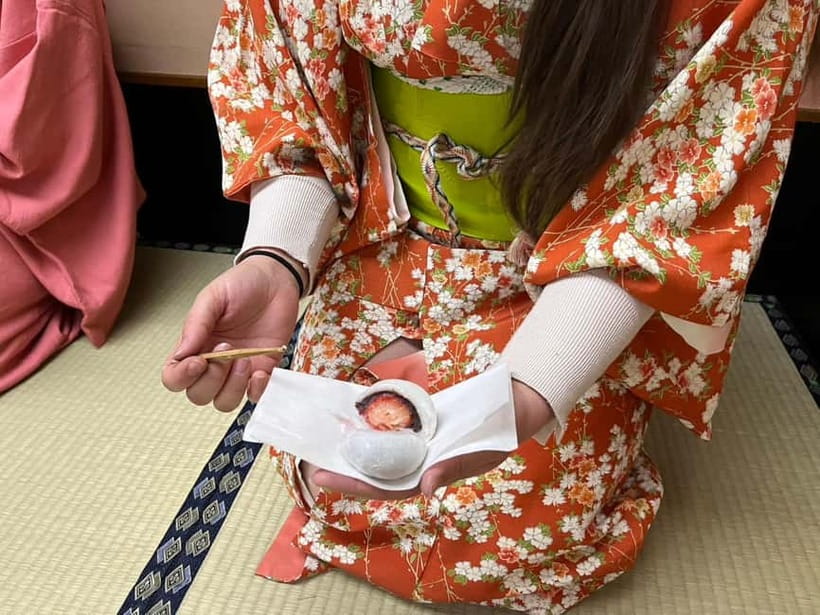
Wagashi is included, and it’s also where the class quietly teaches you to see. You’ll learn about Japanese aesthetics through the sweets—things like wabi-sabi and the four seasons.
Wagashi developed alongside the tea ceremony in the Kamakura period, and the sweets reflect a love of seasonal change. The sweets are described as handmade with delicate designs and craftsmanship created step by step by artisans. And yes, the classic line applies: they’re often too beautiful to eat.
But the practical value is that wagashi gives you a sensory framework before you touch the matcha. Colors, shape, and texture are tied to spring, summer, fall, and winter. Instead of treating the sweets as a snack, you’re being taught to connect what you’re tasting to what the ceremony values—quiet beauty, imperfection, and the passing of time.
If you’ve ever wanted Japanese culture that’s more than a museum story, this is one of the best entry points: you’re learning philosophy through food design you can hold.
Matcha Etiquette and Tea Making: Small-Group Pace, Clear Steps
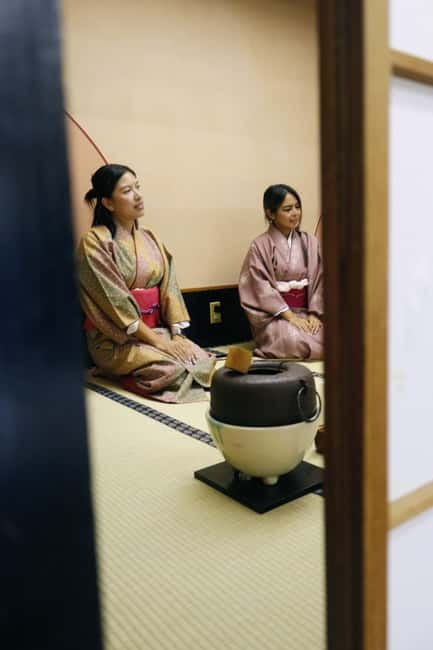
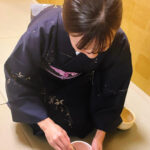
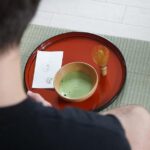
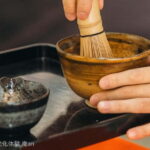
Matcha preparation is part of what you learn, not just what you watch. The master serves matcha, and then you practice the etiquette and gestures so you understand how the ceremony is meant to unfold.
Expect a structured flow:
- Start with introductions and traditional manners guidance.
- Learn how the host and master handle serving and movements.
- Study the steps and gestures used in tea preparation.
- Practice the proper way to sit and respond during the ceremony.
A big reason this feels worth the time is the small-group size: limited to 6 participants. That keeps the class from feeling like a conveyor belt. Some participants describe the host taking time to ensure everyone gets a real chance to experience tea making, not just observe.
English interpretation is available by interpreter guide staff. The default language is English, and the provider notes that other languages may depend on staff availability, so if you’re booking in Italian, Spanish, French, Chinese, Thai, or Indonesian, it’s smart to ask before you commit.
One instructor name that shows up in the feedback is Kaori. People specifically mention clear explanations of historical and cultural context, plus step-by-step guidance through preparation.




Kimono, Hairstyles, and Photo Shooting: Get the Memories Without Losing the Moment
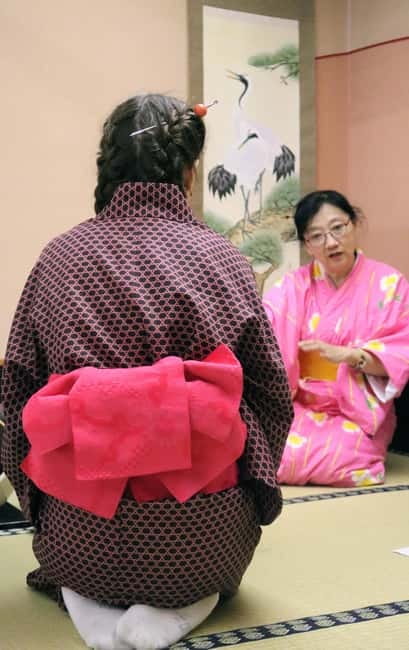
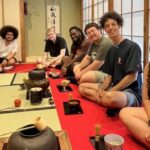
You’ll wear traditional clothing for the ceremony, and photo shooting is included. That’s a big part of why many people choose this class: you get the visual proof you were really inside a tea moment, not just near it.
A few practical details matter:
- You get photo shooting during the ceremony experience.
- The photo data is sent to a designated email address.
- Some feedback notes photos being delivered the same day by email.
Costume styling can be more than a quick change. One participant describes being able to choose kimono colors, and another mentions an updo style being added with flowers without an extra charge. That lines up with the idea that you’re not just in a costume—you’re being put together so you look right for the ritual.
If you’re thinking about expanding photos outdoors or adding a movie shoot: those options are listed as paid extras. In other words, the base session already gives you strong photo coverage, but bigger production needs added cost.
Finally, the class includes photo shooting, so try not to spend the whole ceremony taking selfies. Give your guide a clear window to shoot the key moments, then enjoy the tasting and gestures without rushing.
Price and Value: Is $40 Worth It?
At $40 per person for a one-hour experience, the value comes from what’s included—not just the matcha.
Included items list:
- Kimono clothing
- English interpreter guide staff (English default)
- Matcha
- Wagashi
- Certified professional instructor
- Tax and tips
- Photo shooting with digital delivery
That’s a lot of basics covered in a short time. In many similar cultural activities, you might pay for entrance, then pay extra for a translator, then extra for a guide, then extra for photos. Here, those pieces are bundled.
Where you should be honest with yourself is time. One hour is not long. If you want a slow, contemplative, multi-hour tea immersion, this may feel compact. If you’re the type who enjoys a structured cultural hit—costume, etiquette, tasting, photos—this format is a strong fit.
Also, transport isn’t included. You’ll need to handle getting yourself to the Samurai Honor location near Osaka-sha area.
Who This Matcha + Zen Class Suits Best (And Who Should Skip)
This experience is not suitable for children under 10, people with altitude sickness, or people over 95. It also bans pets and alcohol/drugs, which is standard for a cultural setting but still worth noting.
Who tends to enjoy it most:
- People who like hands-on learning with clear instructions
- First-time visitors who want etiquette explained in plain language (English interpretation helps a lot)
- Anyone who wants photos but also wants a real cultural activity behind them
- Parents booking with kids old enough to participate, since the highlights specifically mention sharing experiences and memories together
If you’re nervous about etiquette, don’t worry. The ceremony is taught step by step, and the equality rule at the nijiriguchi is built to reduce intimidation. You’re meant to be guided, not tested.
Should You Book This Learn Zen Matcha Class Near Osaka Castle?
Book it if you want a compact, well-organized cultural experience that covers the core pillars: kimono dressing, wagashi aesthetics, and matcha etiquette, with photo shooting included. The small group size (max 6) is a real advantage if you want time to learn rather than just watch.
Consider skipping if you hate tight schedules or you want a longer, slower ceremony with minimal structure. Also, if you need help getting from your hotel to the meeting point, note that pickup and drop-off aren’t included.
My take: for $40, this is strong value because you’re paying for the whole package—translator, instructor, tea elements, costume, and photos—inside one hour. It’s one of those Osaka experiences that feels easy to do and hard to forget.
FAQ
How long is the Learn Zen matcha tea class?
The experience lasts about 1 hour.
What’s the group size?
It’s a small group with a maximum of 6 participants.
Is English interpretation available?
Yes. English is the default language for interpreters, and there is also Japanese interpretation. Other languages may depend on staff availability.
What’s included in the price?
Included items are kimono clothing, matcha, wagashi, a certified professional instructor, English interpreter staff, tax and tips, and photo shooting with digital delivery by email.
What should I bring?
Bring a T-shirt.
Where do I meet, and how do I find the location?
Meet at Samurai Honor near the landmark of a wooden sign reading Honor of the Samurai. Use the Google Maps link provided, since the Apple Maps address is noted as incorrect.
What time should I arrive?
Arrive 30 minutes before your reserved experience time for instructions and changing clothes.
What isn’t included?
Not included items listed include transportation, pick-up/drop-off, wagami (collected hair + kanzashi), and any paid photo options like outdoor photo shoots and movie shooting. Personal expenses are also not included.
What’s your cancellation policy?
Free cancellation is available up to 24 hours in advance for a full refund.