REVIEW · CHENGDU
Tea Village in lost Town and Buddha 1 day tour
Book on Viator →Operated by U2Panda · Bookable on Viator
A Buddha view from the water changes everything. This full-day tour pairs the UNESCO-listed Leshan Giant Buddha with a surprisingly real, hands-on tea village experience. It mixes big sight scale with small-world tea details, so the day doesn’t feel like one long checklist.
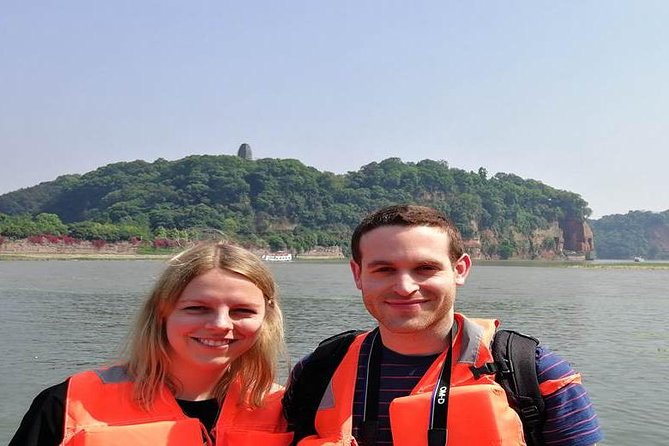
I especially like the boat trip viewpoint. From the river, you get a better sense of how enormous the statue really is, and you spend less time in crowds than you might expect. I also like that the tea part isn’t just sitting and watching; you’ll get to go into fields and learn what harvesting and making tea actually looks like.
One consideration: it’s a long day with lots of moving. You’re picked up at 08:00 and you’ll be in transit most of the time, so if you hate early starts or you want lots of downtime, this may feel busy.
In This Review
- Key things that make this day tour work
- First stop: Leshan Giant Buddha from the river and on land
- The “time traveler” Leshan town stop for old workshops and tea-houses
- Jiajiang Tianfu Tea Plantation: harvest, tea fields, and farmer-led learning
- Tea tasting and lunch: where the value shows up
- Guide style, group size, and what to expect from the team
- Timing and logistics: the rhythm from 08:00 pickup to returning to Chengdu
- Who this tour fits best (and who should choose differently)
- Should you book Tea Village and Leshan Giant Buddha from Chengdu?
- FAQ
- How long is the Tea Village and Buddha day tour?
- What time do they pick me up in Chengdu?
- Is there a boat trip to see the Leshan Giant Buddha?
- Will I be able to walk around the Leshan Giant Buddha area?
- Do I get to visit an ancient town?
- What tea activities are included at the tea plantation?
- Is lunch included?
- How big is the group?
- What if I need to cancel?
Key things that make this day tour work
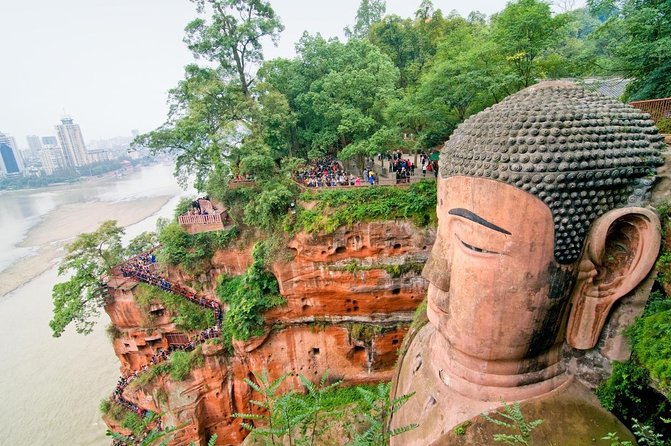
- A short boat ride that gives you real scale of the Leshan Giant Buddha, without making the day complicated
- Tea harvesting with a working tea farmer, plus tea-making and tasting tied to the local way of life
- A 1400-year-old Leshan town stop that feels like time travel with old workshops and tea-house culture
- Old-school tea-drinking and craft experiences, including a Qing-dynasty tea house and old courtyard family visits
- Small-group feel (up to 15) with an English-speaking local guide and an air-conditioned car/van
First stop: Leshan Giant Buddha from the river and on land
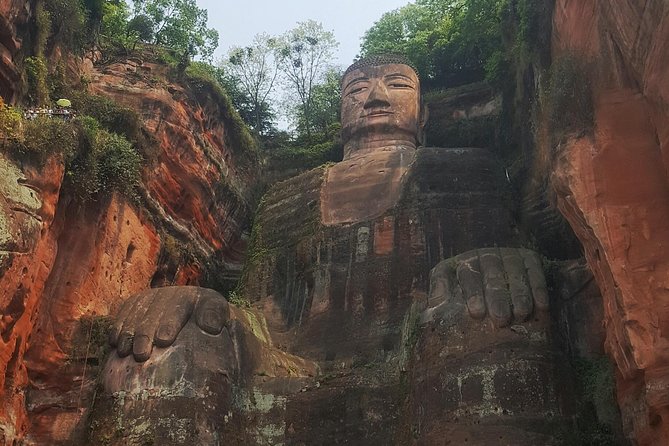
The day kicks off in Chengdu with a hotel pickup at 08:00. After that, you’re on the road for about two hours toward Leshan, so you’re not rushing the first minutes of the morning. This matters because the highlight needs your energy: the UNESCO-listed Giant Buddha is a “slow look” kind of site.
You’ll reach the area for the boat trip (about 40 minutes). It’s one of those experiences where the timing is short enough to feel efficient, but the view is strong enough to stick with you. From the water, you get a different angle than the usual walkway photos. People who want the closest possible views often add extra hiking on their own, since this tour’s plan is boat + surrounding walk rather than a full climb-and-stay regime.
After the boat, there’s time to walk around the Leshan area (roughly 30–40 minutes). This is where you get bearings fast: how the statue sits within the river corridor, how people move around it, and how the viewpoints connect. If you’re the type who likes to understand a place in layers—big view, then smaller context—this sequencing is a smart rhythm.
The whole Buddha block runs about four hours. That balance is practical: you’re getting the signature sight early, when the day is still fresh, and then you can spend the afternoon on the tea that makes the tour more personal.
You can also read our reviews of more tours and experiences in Chengdu.

The “time traveler” Leshan town stop for old workshops and tea-houses
Next you drive to an ancient town nearby Leshan city. The stop is about two hours, and it’s designed to feel like you stepped out of modern schedules. The town is described as around 1400 years old, and the vibe is traditional craft and everyday life rather than just photo points.
Here’s what you should look for during this window: small workshops, old-school storefronts, and tea-house culture that locals actually still use. The tour includes a few “taste of life” moments like sipping tea in a traditional setting and browsing older hand-craft shops. If you like seeing the small economy—people making things, serving tea, and living the routine—you’ll enjoy this stop a lot.
There’s also mention of a Qing-dynasty tea house (about 600+ years old) and old courtyard family visits. These parts matter because they slow the day down just enough. You’re not only moving through monuments; you’re learning how tea fits into daily social life and local identity.
A possible drawback: two hours can feel short if you really love markets and lingering. But the tradeoff is that you keep energy for the tea plantation part later, which is the more active and hands-on section.
Jiajiang Tianfu Tea Plantation: harvest, tea fields, and farmer-led learning
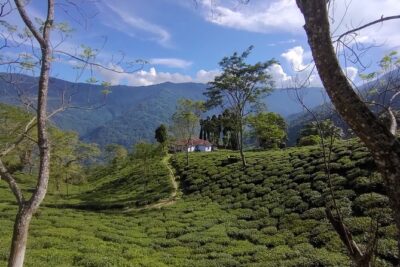
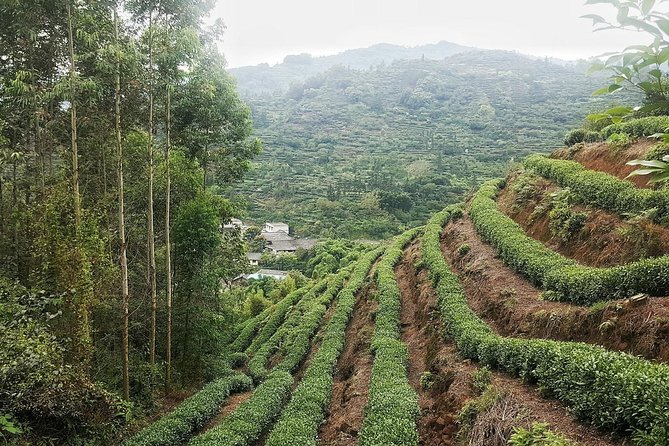
This is the section that turns a sightseeing day into a “do something” day. You’ll drive up to the tea mountain and plantation area, where the plan includes guided walking with a tea farmer and a move through fields used for harvesting.
The tour specifically sets you up for:
- learning about tea regions and what makes them different
- going to a tea garden to understand harvesting
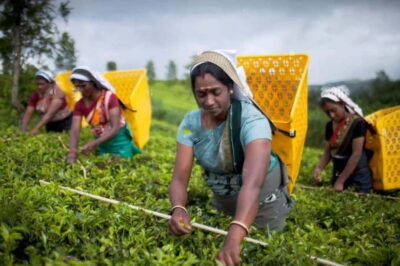
- joining tea picking (the hands-on part)
This is also where the schedule is most satisfying, because you’re not just receiving facts in a vehicle. You’re seeing plants in the right setting, hearing explanations as you walk, and practicing how harvesting works. Even if you’re not a tea expert, you’ll likely notice how much the process depends on timing and careful picking—details you’d miss if all you saw was a tea package.
You’ll spend about two hours here. It’s not a full-day trekking plan, but it’s enough time to feel like you were actually part of a working tea world rather than visiting a staged attraction. The plantation experience also includes tea making experience and tea farmer house visiting, which helps you connect the plant to the finished cup.
Practical note: tea mountains can be cooler or windier than Chengdu. Bring a light layer, and wear shoes that are comfortable for walking on uneven ground.
Tea tasting and lunch: where the value shows up
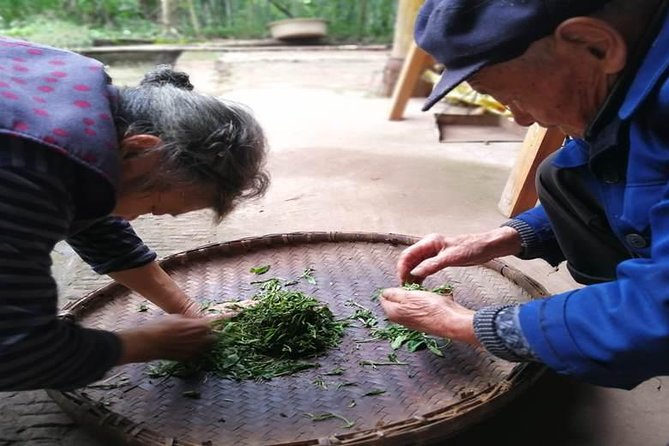
A good tea day isn’t just about touching leaves—it’s about tasting the difference and eating something local. The tour includes lunch, described as local food, and the tea portion ends with sampling various regional teas.
Tea tasting is where you get to test what you learned. If you pay attention during the harvesting and tea-making steps, you’ll likely understand why different teas smell and taste the way they do. The tasting also helps you leave with a basic sense of your preferences, which is useful when you’re shopping later in China.
Lunch is another reason this tour tends to feel worth the money. In the experience’s story, the meal is tied to the local setting—there’s a strong local-food angle rather than a generic highway stop. One review highlights lunch with a local farmer and his wife, which fits the overall design: you’re meant to sit down after hands-on work and experience the day as locals would.
This is also where the pricing logic makes sense. At $169.24 per person, you’re not only paying for entry to major sights like the Giant Buddha. You’re paying for the transportation from Chengdu, the English-speaking local guide, the boat ride, and the fact that the tea part includes picking and making—not just observation.
Guide style, group size, and what to expect from the team
This tour is built for a small-group feel, with a maximum of 15 travelers. That’s big enough to meet people, but small enough to ask questions and keep the day moving without turning into a herd.
The experience includes an English-speaking local guide and a comfortable car/van with air-conditioning. That matters because the day is long, and you’ll be in transit enough to appreciate a seat that isn’t miserable. You’ll also have a mobile ticket, which simplifies entry moments.
About the guide: one of the named guides you may hear referenced is Patrick, praised for clear explanations and strong English. The organizing team behind U2Panda also includes Sheldon, described as local to the area and trained in tourism. You can’t assume specific people will be on your date, but the pattern is consistent: this is a guided cultural day, not a drive-by photo trip.


Timing and logistics: the rhythm from 08:00 pickup to returning to Chengdu
The plan starts at 08:00 pickup in Chengdu. From there, you spend about two hours driving to the Giant Buddha area, then you have the boat and walking before moving on to Leshan town and then the tea plantation.
By mid-afternoon, you shift from the Buddha site to town culture, and then into hands-on tea. The return to Chengdu is scheduled for about 16:00–18:00. That makes this a day you’ll want to treat as your main activity, not a side quest.
Here’s my practical advice: eat a solid breakfast before pickup. The day includes lunch, but you’ll be starting early enough that you don’t want your stomach to start negotiating with you by 10:30. Also keep your day bag simple: a light layer, water, and a way to dry off if weather turns damp.
Weather is a real factor. One review mentioned enjoying the tour even on a rainy day. Still, with a boat component, you’ll want to be ready for wet conditions.
Who this tour fits best (and who should choose differently)
This experience is a great fit if you want:
- UNESCO-level sights without losing the local day-to-day story
- a tea experience that includes harvesting and making, not only drinking
- a guide-led itinerary with enough structure to make the day easy
It’s also a smart choice if you’re short on time in Chengdu. You get a major landmark day and a working tea-world experience in one go.
You might choose a different option if:
- you dislike long days with frequent transfers
- you want heavy hiking or extended time on-site at the Buddha (this plan is boat plus a surrounding walk)
- you need lots of downtime or quiet breaks
Should you book Tea Village and Leshan Giant Buddha from Chengdu?
I’d book it if you like tours that blend scale with craft. The strongest reason to choose this one is the combination: Leshan Giant Buddha from the river, then real tea work with a farmer, including picking and making, plus tasting and local lunch.
If you’re the kind of traveler who buys tea back home, this tour gives you a better basis for what you’re buying—because you’ve seen the plant-to-cup logic. And if you’re traveling with someone who thinks museums are boring, the tea plantation part is usually the hook that changes the mood.
If your priority is only the Buddha and you want maximum time there, consider a different format or plan extra time on your own. Otherwise, this is a well-paced day that feels both iconic and personal.
FAQ
How long is the Tea Village and Buddha day tour?
The tour runs about 9 hours (approx.). The schedule includes an early pickup, time at Leshan Giant Buddha, then the ancient town and tea plantation, with return to Chengdu in the late afternoon.
What time do they pick me up in Chengdu?
Pickup starts at 08:00 from your hotel.
Is there a boat trip to see the Leshan Giant Buddha?
Yes. The tour includes a boat trip for about 40 minutes that gives a viewpoint from the water.
Will I be able to walk around the Leshan Giant Buddha area?
Yes. After the boat trip, the plan includes time to take around/visit the Leshan area on foot.
Do I get to visit an ancient town?
Yes. There is a stop in an ancient Leshan town nearby. The town time is about 2 hours, and it includes tea-house and traditional workshop-style experiences.
What tea activities are included at the tea plantation?
At Jiajiang Tianfu Tea Plantation, you’ll have a farmer-led visit and an opportunity for tea picking. The tour also includes tea making experience and tea tasting.
Is lunch included?
Yes. The day includes lunch of local foods during the experience.
How big is the group?
This tour has a maximum group size of 15 travelers.
What if I need to cancel?
You can get a full refund if you cancel at least 24 hours before the experience start time. If you cancel later than that, the paid amount is not refunded.