REVIEW · CHENGDU
Three-Hour Private Chengdu Tea Wholesale Market Tour
Book on Viator →Operated by Chilli Cool China · Bookable on Viator
Tea and a wholesale market in one stop? That mix is the point. This three-hour private tour in Chengdu takes you through one of China’s biggest tea wholesale hubs, where you can see how different teas are dried, processed, graded, and packaged.
Two things I really like about it: you get an English-speaking guide (Jerry) to help you make sense of what you’re seeing, and you can taste before you commit if you decide to buy.
The only real consideration: it moves through lots of shops, so if you hate shopping crowds or get overwhelmed by options fast, you’ll want to set a simple goal before you go in.
In This Review
- Key highlights at a glance
- Chengdu’s tea wholesale market: why this tour is more than shopping
- Meeting up near Wenshu Yuan Monastery (and getting to the stalls fast)
- Getting your guide, Jerry, and learning what tea grading means
- Tea types you can spot: oolong, green, black, white, and Pu-er
- How tasting before buying actually changes your shopping
- Stop 1: the Chengdu wholesale tea market itself
- Tea sets and accessories: where you can shop without burning half a day
- Price and Logistics: is $46.16 really fair for 2–3 hours?
- What to expect from a private experience like this
- Who should book this Chengdu tea market tour?
- Should you book this tea wholesale market tour?
- FAQ
- How long is the private Chengdu tea wholesale market tour?
- How much does the tour cost?
- Is there admission included?
- Do you get pickup from your hotel?
- Where is the meeting point?
- Is this tour private?
- Can I taste tea before buying?
- What tea types will I learn about?
- Do I receive a mobile ticket?
- What is the cancellation policy?
Key highlights at a glance
- Meet an English-speaking guide (Jerry) and get real explanations in plain language
- Taste tea before buying, so you’re not guessing
- Learn how to differentiate oolong, green, black, white, and Pu-er
- Understand tea grading so shopping feels less random
- Shop for tea sets and accessories in one concentrated area
- It’s private, so you’re not competing for attention with strangers
Chengdu’s tea wholesale market: why this tour is more than shopping
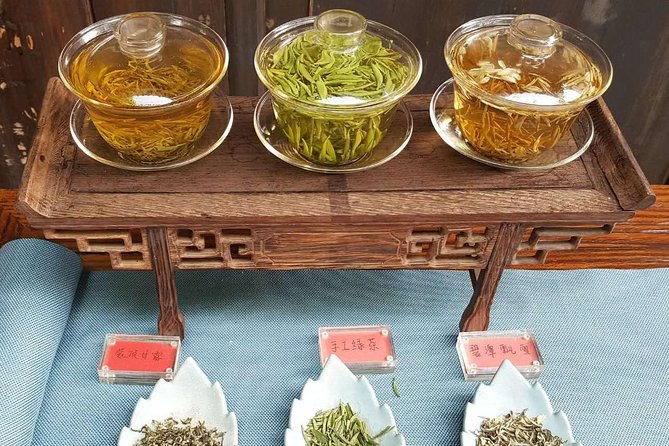
Chengdu tea culture isn’t just about sipping cups at home. It’s also about trade—bulk buying, small-batch sellers, and lots of skill behind getting leaf to cup. That’s why this tour works: it’s built around a market where you can actually see the supply chain in action, not just buy a souvenir bag.
I like how the experience turns a chaotic-looking place into something you can follow. You’re not left staring at shelves and guessing what’s what. The guide helps you connect the dots between leaf appearance, tea type, and what drinking those teas is said to do.
You can also read our reviews of more tours and experiences in Chengdu.

Meeting up near Wenshu Yuan Monastery (and getting to the stalls fast)
You start from a clear meeting point: Wenshu Yuan Monastery area (66 Wen Shu Yuan Jie, Qing Yang Qu, Chengdu). If pickup is offered for your booking, you’ll likely meet your leader at your centrally located hotel and then head over together.
Either way, it’s well placed. The area is near public transportation, so you’re not stuck coordinating complicated transfers. Once you’re in the market zone, you’ll spend more time learning and tasting instead of figuring out logistics.
One more practical win: this is a private tour. That means your pace is your pace. You can ask questions as you go, rather than hearing a timer beep every time you slow down.
Getting your guide, Jerry, and learning what tea grading means
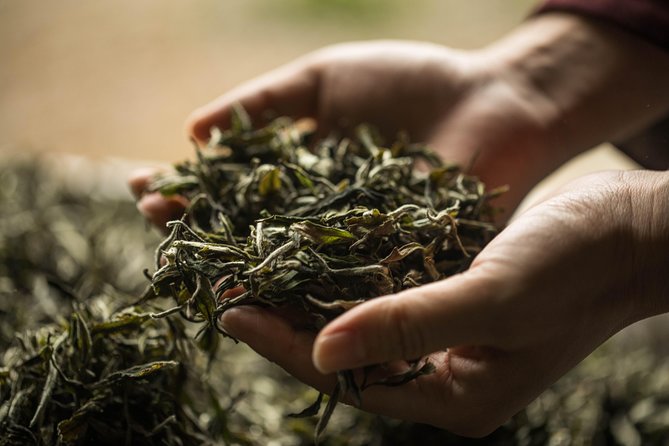
The tour is led by an English-speaking guide, and the experience described with this provider puts special emphasis on understanding what you’re looking at. In the feedback I saw, Jerry is specifically praised for making the market feel understandable and for teaching tea grading.
Tea grading matters because it helps you shop with intention. Without that, it’s easy to focus only on price, or only on looks, or only on how the vendor explains it. With grading guidance, you’re better equipped to compare teas more fairly while you walk from shop to shop.
It also helps you ask better questions. Instead of only asking what tastes best, you can ask what’s being sold as what type, and why one leaf looks different from another. That’s how the market turns from overwhelming to educational.
Tea types you can spot: oolong, green, black, white, and Pu-er
One of the best parts of this tour is that it doesn’t stop at naming tea types. You learn how to differentiate oolong, green, black, white, and Pu-er and what different kinds are commonly associated with. That’s valuable because each type has a different processing style, and processing shows up in how leaf looks and behaves.
Here’s the practical angle: when you can label tea types, you can shop smarter. You can narrow down what you want instead of buying based on packaging alone. And if you’re trying to match a flavor style to what you like drinking at home, this basic tea map makes a difference.
The experience also frames tea benefits in simple terms—what people typically look for when drinking each kind. You won’t walk away with medical promises, but you will come away with a clearer idea of why certain teas get recommended for different moments of day.
How tasting before buying actually changes your shopping
A lot of market tours sound good in theory, then end with you buying whatever you’re nudged toward. This one gives you a better option: you can sit down and taste what you want before you purchase.
That’s a big deal. Tea is subtle, and “I think I like it” is common when you haven’t tried the exact tea you’re buying. Tasting reduces the risk of ending up with a bag that looks impressive but doesn’t match your taste.
I also like that tasting happens within a wholesale context. Sellers have a range of shapes and sizes of tea leaves, not just one “show tea.” So when you taste, you’re tasting within real choices, not a curated display.
If you plan to buy, go in with a simple target:
- One tea type you’re curious about
- One tea you want for everyday sipping
- One thing that would make a nice gift
You’ll get far more out of the experience by having a small list instead of trying to solve every taste question in 2–3 hours.


Stop 1: the Chengdu wholesale tea market itself
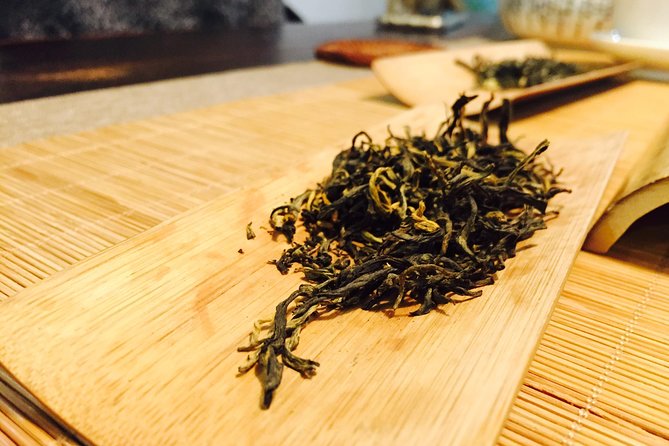
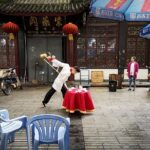
This tour’s focus is one main stop, the Chengdu tea wholesale market, and that’s where the value lives. You’ll walk through a collection of tea shops that’s large enough to feel like its own mini-world.
Even if you don’t buy much (or at all), it’s worth it because you can see:
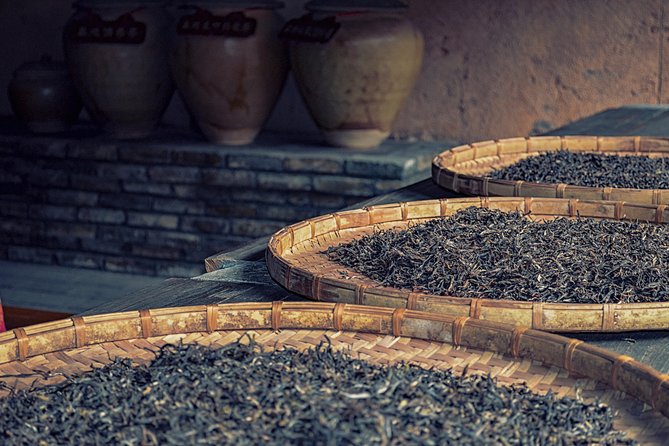
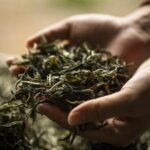
- How tea is dried, processed, and packaged
- A huge variety of leaf shapes and sizes
- How vendors present different tea categories under one roof
There’s also an educational layer. The guide helps you understand differences you might otherwise miss, like how the market organizes teas and what you should notice when vendors talk about types and quality.
Potential drawback here is simple: the market is big. If you expect a calm museum-like pace, this isn’t it. You’ll be walking shop to shop and talking while you move. The private format helps, but you still need energy for a short sprint.
Tea sets and accessories: where you can shop without burning half a day
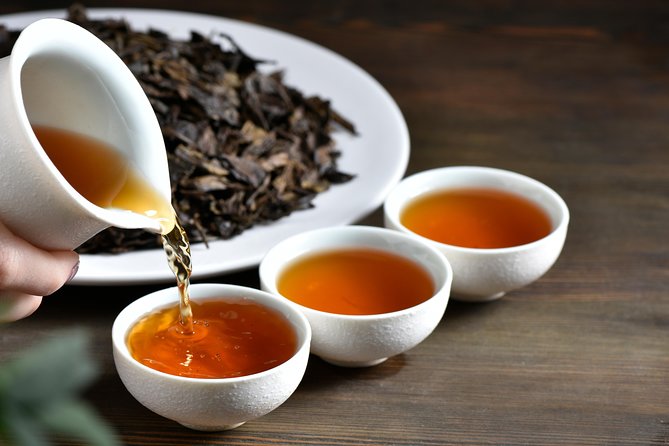
One of the underappreciated benefits is that this market is described as one of the better places to buy tea sets and accessories, often at reasonable prices. If you’re the type who likes to make tea at home, this is practical. You can find the cups, tools, or set-ups that match the tea you just learned about.
This is where I think the tour offers real value beyond the tea lesson. Instead of splitting your time between finding tea and then hunting for equipment elsewhere, you can solve both in one route.
How to shop smart in a market like this:
- Decide your tea goal first (daily drinker vs. special occasion)
- Then buy equipment that fits that use
- Don’t let fancy packaging talk you out of your budget
Even if you only buy one small item, you’ll leave with something useful from the experience, not just a bag.
Price and Logistics: is $46.16 really fair for 2–3 hours?
At $46.16 per person, this tour can be good value, mainly because it bundles three things: time, a guide who can explain tea categories, and access to the market experience with less guesswork.
A few points that help the value equation:
- It’s private, so your group isn’t diluted
- Admission ticket is free
- You get pickup offered (when arranged) and you’re near public transport
- You can use a mobile ticket
Also, the tour is short enough that you won’t feel like you’re giving up your whole day to learn tea. 2 to 3 hours is the sweet spot: long enough to cover meaningful ground, short enough to still have energy for a Chengdu dinner afterward.
One practical note: it’s often booked about 10 days in advance. If your dates are fixed, it’s smart to plan early rather than waiting until the last minute.
What to expect from a private experience like this
Because it’s private, your “feel” of the tour depends on what you want to ask. If you’re a curious learner, you’ll likely get a lot out of the tea-type explanation and grading focus. If you’re mainly shopping, you’ll appreciate the tasting option and the guidance that helps you compare teas.
Your guide’s job is to translate the market into categories you can act on. That includes pointing out differences in leaf and helping you understand what type you’re looking at. You’re not just wandering—you’re learning to read the shelves.
And thanks to the format, it works well even if you’re not a tea expert. Most people can participate, and the overall structure is straightforward: meet, walk through the market, learn, taste, and (if you want) buy.
Who should book this Chengdu tea market tour?
You’ll likely love this if:
- You want a guided, English-speaking tour in Chengdu
- You like hands-on learning, not just sightseeing
- You plan to buy tea and want to taste before purchasing
- You’re interested in tea types and basic how-the-system-works knowledge
You should think twice if:
- You hate shopping environments or get stressed by many choices
- You want a slow, relaxed cultural stroll with minimal talking
Should you book this tea wholesale market tour?
I’d book it if your goal is practical: understand tea types, taste what you’re buying, and shop efficiently in a huge market without wasting time. The combination of Jerry’s guidance, the emphasis on tea grading, and the chance to taste before you buy makes it feel like more than a sales stop.
Skip it if you’re only looking for a quick photo-and-leave experience. This one is for people who want to ask questions and come away with clearer choices—especially if you plan to take tea home.
If you do book, go in with one or two tea priorities so the tasting and shopping time has direction. And if you share your tea finds online, keep an eye out for the provider’s social push—people are encouraged to tag @ChilliCoolChina with tea haul videos, and the team seems to like seeing what you bring back.
FAQ
How long is the private Chengdu tea wholesale market tour?
It runs about 2 to 3 hours.
How much does the tour cost?
The price is $46.16 per person.
Is there admission included?
Admission ticket is free.
Do you get pickup from your hotel?
Pickup is offered.
Where is the meeting point?
The meeting point is near Wenshu Yuan Monastery (66 Wen Shu Yuan Jie, Qing Yang Qu, Chengdu).
Is this tour private?
Yes. Only your group participates.
Can I taste tea before buying?
Yes, you can have a seat and taste what you want to try before you make a deal.
What tea types will I learn about?
You’ll learn how to differentiate oolong, green, black, white, and Pu-er.
Do I receive a mobile ticket?
Yes, the tour includes a mobile ticket.
What is the cancellation policy?
Free cancellation is available. You must cancel at least 24 hours before the experience start time for a full refund.
If you want, tell me your travel dates and whether you plan to buy tea or just learn—I can suggest a simple shopping-and-tasting game plan for the 2–3 hour window.