REVIEW · KANAZAWA
Kenrokuen Tea Ceremony Experience in Kanazawa
Book on Viator →Operated by Kenrokutei · Bookable on Viator
Matcha in Kanazawa feels instantly calming. This Kenrokuen tea ceremony pairs a guided lesson in traditional tea utensils with the real garden setting at Kenrokuen, inside Kenrokutei. I especially liked the hands-on part where you make tea yourself, and the clear, step-by-step way the whole flow is explained.
The one drawback to plan for is logistics. You must be on time, and Kenrokuen Garden admission is extra, so your total day costs a bit more than the tour price.
In This Review
- Kenrokuen’s Kenrokutei: Tea Ceremony in a Historic Setting
- Tea Master to Your Bowl: How the 50 Minutes Works
- What You’ll Drink and Eat: Matcha and Wagashi Pairing
- Kenrokuen Garden Timing: Meeting Point, Entrance Fee, and Punctuality
- Small Group, Quiet Ceremony Energy (Max 4 People)
- Standing-Style Tea and Translation Requests
- Getting the Photo Moment Right
- Value Check: Is $39.40 Worth It?
- Who Should Book This Tea Ceremony
- Should You Book This Kenrokuen Tea Ceremony Experience?
- FAQ
- Is Kenrokuen Garden admission included in the tour price?
- How long is the tea ceremony experience?
- Can I do the ceremony without sitting on the floor?
- What age do participants need to be?
- What happens if I arrive late?
- Can I cancel for a full refund?
Kenrokuen’s Kenrokutei: Tea Ceremony in a Historic Setting

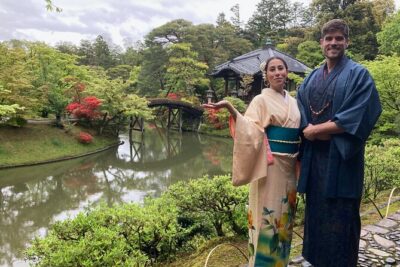
Kenrokuen is one of Japan’s best-known gardens, and doing tea inside Kenrokutei gives the experience an extra layer of meaning. Kenrokutei is a historic spot where important visitors were entertained by lords in the past. You’re not just standing in a pretty place while someone talks. You’re in a setting designed for ceremony.
The tour starts at Kenrokutei inside Kenrokuen Garden, so you’re already in the right mood. You’ll notice the atmosphere is quiet and deliberate, with the sense that tea isn’t a show. It’s a sequence of small actions, each one with a reason.
A nice detail: the group is kept small, with a maximum of 4 travelers. That usually means you’re easier to hear, and the instructor can adjust if you look unsure about something.
Tea Master to Your Bowl: How the 50 Minutes Works
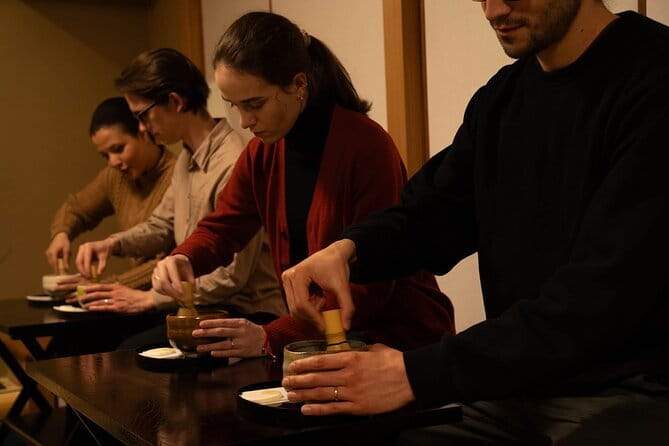
This experience runs about 50 minutes, and it’s built around a simple arc: watch first, then do. You’ll meet your guide in Kenrokutei, then begin with a demonstration from the tea master on how to make tea. This is the part that helps you understand what you’re about to try, so you’re not just copying motions.
After the demonstration, you’ll get instructions on how to use the tea utensils. The session is paced for first-timers, so you can follow along without feeling rushed. You’ll also get guidance that focuses on the rhythm of the ceremony—how the movements flow, and what each action is trying to do.
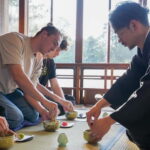
Then it’s your turn. You’ll try making the tea yourself, using what you learned, and finally drink what you made. One small thing that makes this satisfying: you’re not just tasting matcha. You’re learning how the foam and consistency happen through your own technique.
If you’re worried about sitting on the floor, there’s a practical option. You can choose a standing-style tea ceremony if you have difficulty sitting on the floor, which keeps the experience comfortable while still letting you participate.
You can also read our reviews of more tours and experiences in Kanazawa.
What You’ll Drink and Eat: Matcha and Wagashi Pairing
The centerpiece is matcha, the powdered green tea whisked into a drink. You learn how to prepare it during the ceremony, and you’ll get to drink the result. For many people, it’s the real highlight because making matcha is different from just ordering a cup at a café. You can actually feel how timing and technique change the drink.
You’ll also get wagashi, traditional Japanese sweets. The ceremony includes a selection of wagashi crafted by a distinguished confectioner. Expect sweets that are designed for tea, not just to fill space. They’re part of the tasting experience, with flavors and textures that balance the bitterness and earthy character of matcha.
One detail I really like is that the sweets aren’t treated like an afterthought. They show up as a planned step in the ceremony, so you’re tasting as the session moves forward. That makes it easier to stay present instead of thinking about the next attraction.
Kenrokuen Garden Timing: Meeting Point, Entrance Fee, and Punctuality
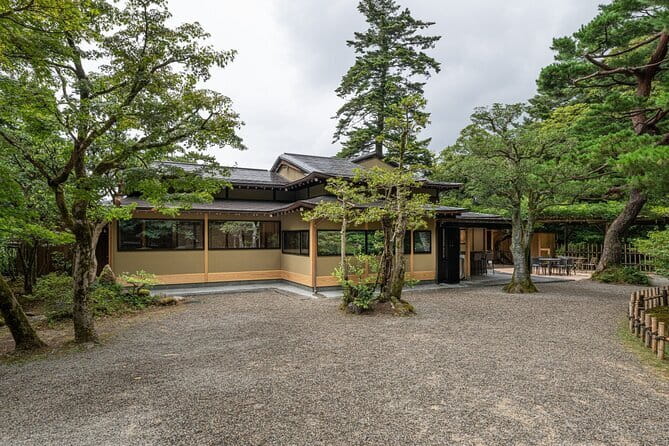
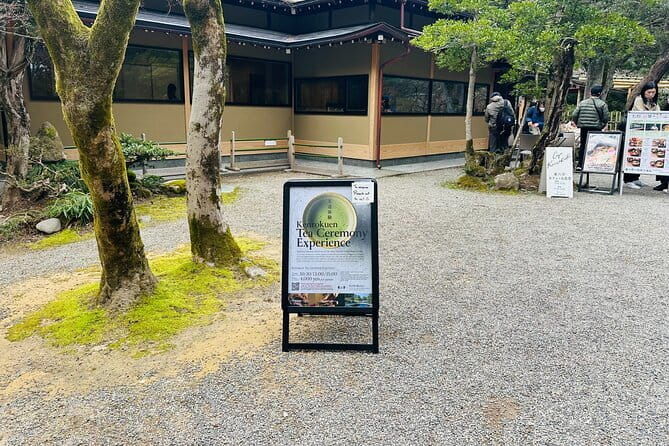
Your meeting point is 1-20 Kenrokumachi, Kanazawa, Ishikawa 920-0936, Japan. The event is located in Kenrokuen Garden at Kenrokutei, and it ends back at the meeting point.
Here’s the part you’ll want to plan around: Kenrokuen Garden requires a separate entrance fee. The tour ticket does not include it, and the admission is 320 yen. So if you’re doing other things inside Kenrokuen, it’s easy to misread the budget. Add that 320 yen per person to your overall plan.
Timing matters a lot. Please be punctual, because if you arrive more than 10 minutes late, your reservation will be canceled. That’s not a polite suggestion. It’s the rule. I recommend building in extra buffer time for getting through the garden and finding Kenrokutei, especially if you’re visiting during busy hours.
The good news: you’re near public transportation, so you usually can plan your route without a headache.
Small Group, Quiet Ceremony Energy (Max 4 People)
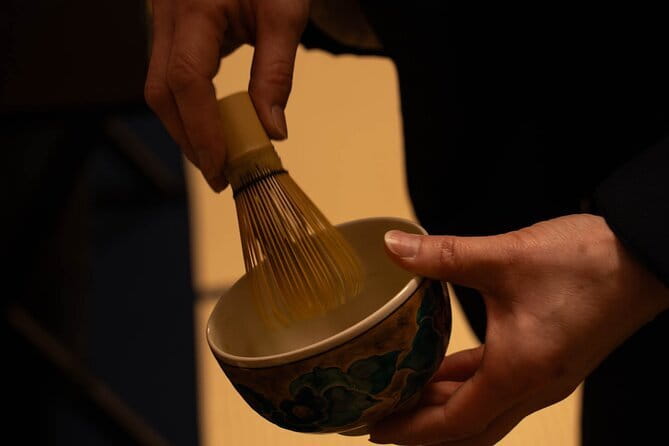
This isn’t a crowded production line. The group size is capped at 4, which helps the ceremony feel calm and focused. You can hear the guide, and questions feel easier to ask. It also means you won’t be fighting for attention while you figure out how to hold and use the utensils.
That quiet setup is intentional. The ceremony is held with other groups at the venue, and the goal is to keep things quiet and enjoyable. In practice, this means you’re expected to move carefully, speak softly, and avoid disrupting the flow.
If you’re sensitive to noise or you’re traveling with kids who might get restless, the small format is a plus. There’s also a clear age guideline: participants must be 7 years or older. That keeps the ceremony suited to people who can participate without losing the calm.
Standing-Style Tea and Translation Requests
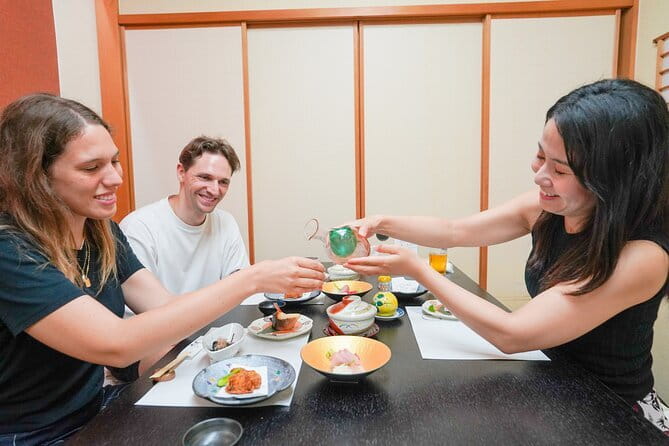
One of the most helpful choices is the standing-style option. If you have difficulty sitting on the floor, you can select a standing-style tea ceremony. You still follow the ceremony sequence and participate in making tea, but in a way that respects your body.
Language support is another practical consideration. The ceremony is offered with translation, but if you need translation services, you must make a PRIVATE reservation by emailing in advance. The reason is simple: it avoids disturbing others in the shared setting.
So if you’re not fully comfortable in English, don’t wait until the day of. Plan ahead so you know what kind of translation support you’ll get and can enjoy the session without guessing.
Getting the Photo Moment Right
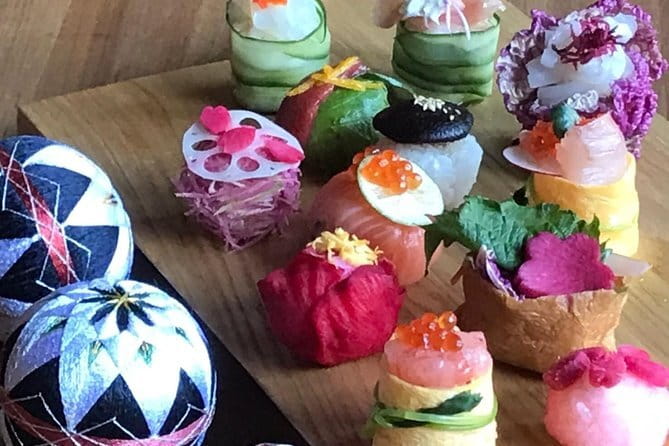
The overview mentions a chance to capture a photograph of the ceremony at the end. That’s a nice touch because it turns the experience into a memory you can actually keep, not just a taste you forget later.
To make the photo part smooth, keep your phone ready but don’t treat it like a constant filming session. During the ceremony, the rhythm is part of what you came for. A photo at the end feels more respectful and usually results in a better shot too.
If you want a clean photo, pay attention to where you’ll be standing and where the guide expects you to pause. The best approach is to watch the demonstration first and notice your position before you start making tea.
Value Check: Is $39.40 Worth It?
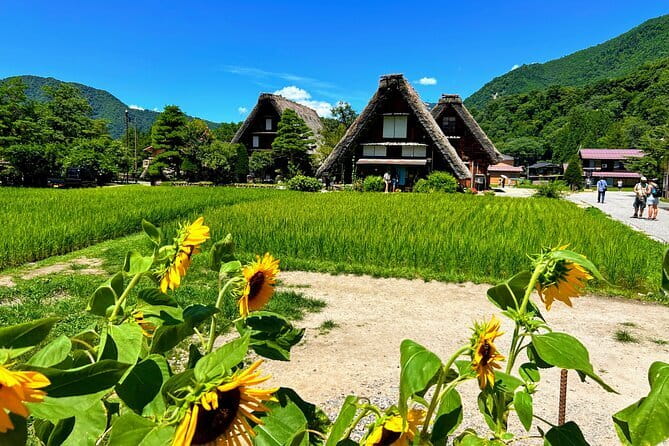
At $39.40 per person, this is not a budget impulse buy, especially since Kenrokuen admission is extra. But the value comes from the structure: you don’t just watch. You participate in making tea, and you learn how the utensils and motions work.
It also includes snacks, which in this case are the wagashi sweets served with the matcha experience. You’re paying for guided instruction, a small-group setting, and the tea-and-sweets package in a historic garden building.
The max of 4 people matters here. If you’ve done big group tours in Japan, you know the difference when the instructor can slow down for you. That’s the kind of value you’re buying with the price.
If you’re visiting Kenrokuen anyway, you can treat this as a way to turn garden time into culture time. If you’re the type who loves trying skills with your hands, you’ll likely feel like this is money well spent.
Who Should Book This Tea Ceremony
This is a great fit if you want a calm, hands-on cultural activity in Kanazawa. You’ll enjoy it most if you like learning by doing and you want context for what you’re eating and drinking.
It also works well if you’re traveling with someone who isn’t a big museum person. A tea ceremony gives you a different kind of story. You don’t just read about tradition. You practice it for 50 minutes and then you taste the result.
You might consider skipping it if you hate strict timing. Arrive late and your reservation can be canceled. You also want to make sure you’re comfortable with the quiet group setting. This is not the kind of activity where you can drift in and out without paying attention to what’s happening.
Should You Book This Kenrokuen Tea Ceremony Experience?
I’d book it if you want a small-group, guided tea ceremony in one of Kanazawa’s top places, with the chance to make your own matcha and eat wagashi as part of the flow. The standing-style option is a thoughtful touch, and the 50-minute format is long enough to learn without turning into a drag.
I’d think twice if your schedule is tight or you hate punctuality rules. Add Kenrokuen’s 320 yen admission to your budget, and give yourself extra time to reach Kenrokutei inside the garden.
If you plan well, this one is easy to recommend: it’s practical, hands-on, and the garden setting makes the whole lesson feel like more than just tea.
FAQ
Is Kenrokuen Garden admission included in the tour price?
No. Kenrokuen Garden admission is required separately, and it is listed as 320 yen. This activity ticket does not include that entrance fee.
How long is the tea ceremony experience?
The duration is approximately 50 minutes.
Can I do the ceremony without sitting on the floor?
Yes. You can choose a standing-style tea ceremony if you have difficulty sitting on the floor.
What age do participants need to be?
Participants must be 7 years or older.
What happens if I arrive late?
If you arrive more than 10 minutes late, your reservation will be canceled.
Can I cancel for a full refund?
Yes. You can cancel up to 24 hours in advance for a full refund. If you cancel less than 24 hours before the start time, the amount you paid will not be refunded.