REVIEW · TOKYO
Tokyo: Tea Ceremony Experience
Book on GetYourGuide →Operated by 日本文化体験 庵an東京 AN TOKYO · Bookable on GetYourGuide
Matcha minutes can feel like a time-out. In this 30-minute Tokyo tea ceremony, you’ll grind and make matcha yourself, then relax with Ohigashi while an instructor guides you through the steps at a smooth sightseeing pace.
What I like most is that it’s hands-on from the start, not just watch-and-clap. You do the grinding demo and then the tea-ceremony experience right after the short lecture. The second big win is the matcha itself: you get a single-origin special Matcha, plus Japanese sweets served alongside your cup.
One thing to consider: it’s short and the schedule is tight. The event won’t be held for delays, so plan to arrive a little early and protect your timing.
In This Review
- Key highlights worth your time
- Matcha, sweets, and the OTE-MAE feeling in 30 minutes
- What happens during the session (and how to get the most from it)
- 1) Welcome and tea basics (the lecture portion)
- 2) Matcha grinding demo (watch the transformation)
- 3) Tea-ceremony experience (your turn)
- 4) Picture time (capture it, then move on)
- 5) Eating and drinking time (Ohigashi and your matcha)
- 6) Room departure
- The matcha and Ohigashi pairing: why it’s more than a snack
- Instructor-led, with English support when possible
- Location and timing: how this fits into a Tokyo sightseeing day
- Price and value: why $7 can feel like a fair trade
- Who this tea ceremony is best for
- Should you book AN Tokyo Tea Ceremony?
- FAQ
- How long is the Tokyo tea ceremony experience?
- Where is the meeting point?
- What is included in the price?
- What languages are used during the experience?
- Is there an extra fee for a completion certificate?
- What is the child policy?
Key highlights worth your time
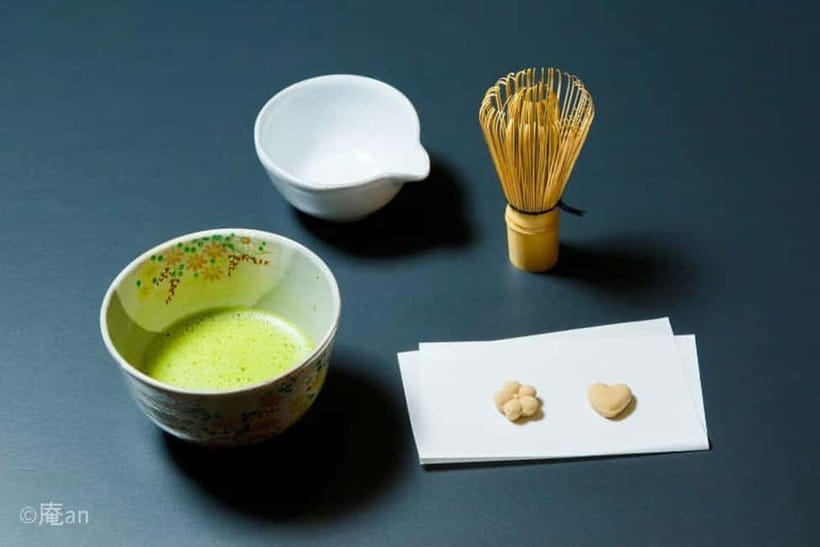
- You actually make the matcha: grinding and then drinking, not just observing
- Single-origin special Matcha: a more focused flavor than generic blends
- Ohigashi included: sweet pairing that changes how you experience the tea
- OTE-MAE experience format: a structured, traditional-style tea service in a compact time slot
- Photo time built in: you get a moment to capture the experience without rushing
- English support when possible: Japanese is the main language, but translation is provided as much as possible
Matcha, sweets, and the OTE-MAE feeling in 30 minutes
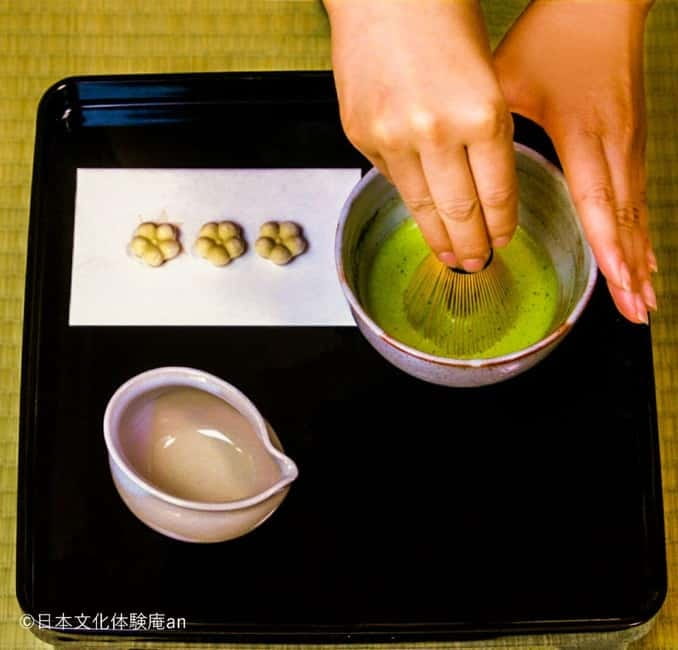
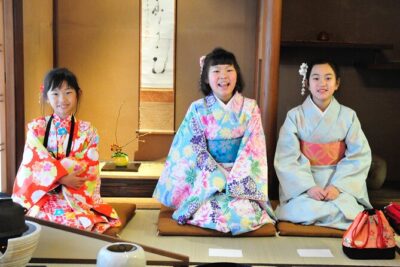
Tokyo can be a lot. Between stations, lines, and “quick photo” stops, your brain gets busy. This experience gives you a break that’s actually different: you slow down for tea, focus on one ritual, and taste something thoughtfully prepared.
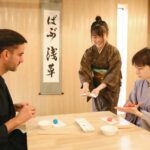
The core of it is the OTE-MAE style tea ceremony. Even though it’s condensed into about 30 minutes, you still get the shape of the tradition: an explanation, a matcha-making step (including grinding), then you perform the tea service experience and finish with eating and drinking time.
And yes, the practical stuff matters here. For $7 per person, you’re not paying for a long museum visit or a big show. You’re paying for a guided, hands-on ritual where the payoff is immediate: matcha in your cup and sweets at your side.
You can also read our reviews of more tours and experiences in Tokyo.
What happens during the session (and how to get the most from it)
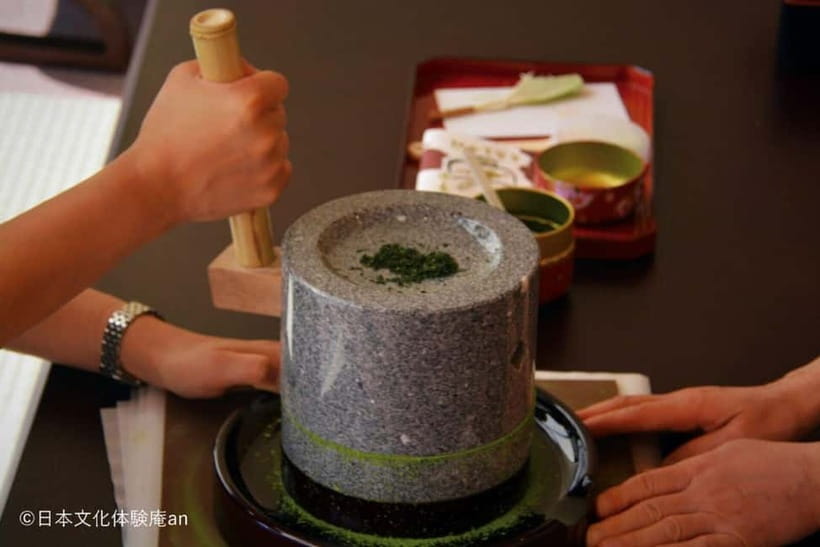
Here’s the flow you can expect, in plain terms, with tips for making it feel worth your time.
1) Welcome and tea basics (the lecture portion)
The session starts with an explanation about tea. This is your fastest path to not feeling clueless. Even a few minutes of context helps you understand what you’re doing next—especially the tone of the ritual: calm pace, careful movements, and attention to the cup and preparation.
Tip: arrive rested enough to listen. If you’re rushing from another stop, take a breath before you sit down. That little pause makes the whole experience feel smoother.
2) Matcha grinding demo (watch the transformation)
Next comes the matcha grinding demonstration. This matters because matcha doesn’t just taste like matcha—it has a texture component too. Grinding is where you go from dry powder to something you’ll later whisk into a drink with the right feel.
Even if you’re not a tea person, this demo is a good reality check. You’ll see how the process turns into flavor, not just theater.
3) Tea-ceremony experience (your turn)
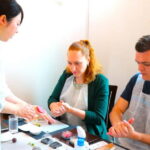
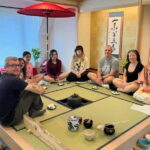
Then you do the tea-ceremony experience. You’re not stuck as a spectator. You get to participate, following the instructor’s pace and cues.
In a short session like this, participation is the main value. If you treat it like a performance you’re watching from the edge, you’ll miss the point. Sit forward, ask what you can, and let yourself go a little slower than you would in normal life.

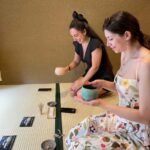
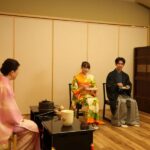
4) Picture time (capture it, then move on)
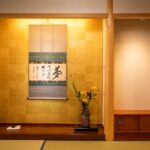
There’s picture time built in. This is helpful because it gives you permission to document without trying to squeeze photos in while everyone is mid-routine.
Practical move: decide your top two photos before you start. One “whole setup” shot and one close-up of the cup or sweets. You’ll avoid the classic scramble.
5) Eating and drinking time (Ohigashi and your matcha)
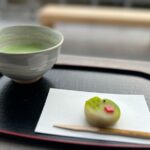
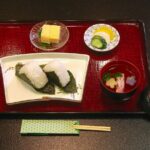
After the tea-ceremony part, you settle into eating/drinking time. This is where the pairing kicks in. You’ll have Japanese sweets called Ohigashi alongside your matcha.
This is also when you can notice how the taste works in combination. The sweetness changes the tea’s perception. If matcha alone can feel intense, Ohigashi often makes it feel more balanced and easier to enjoy.
6) Room departure
The session ends and you depart. No long lingering expected. Plan your next stop with a buffer so you don’t feel rushed leaving.
The matcha and Ohigashi pairing: why it’s more than a snack
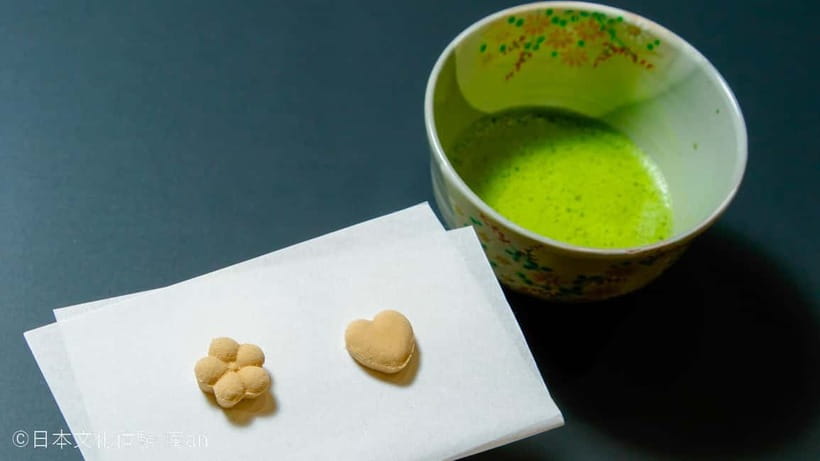
The matcha is the headline, but the sweets are what complete the story. You get single-origin special Matcha, which signals a more specific flavor profile rather than a general mass-style matcha. That’s good for you because it’s easier to taste what makes it different.
What you’ll likely experience as you sip:
- Matcha flavor that feels clearer and more defined
- A more intentional taste progression as you alternate with the sweets
- A calmer, more grounded moment compared to quick street treats
And then there’s Ohigashi. These are Japanese sweets, included as part of the experience. Even if you’ve never tried them before, they’re meant to be part of the ceremony rhythm—not an afterthought.
If you like trying local food through the lens of a tradition, this pairing is a win. You’re tasting Japanese culture in a way that’s structured around timing and attention.
Instructor-led, with English support when possible
The instructor is Japanese. That’s great if you enjoy authenticity, but it also means you may hear mostly Japanese during parts of the session.
The good news: English translation is provided as much as possible. So you shouldn’t feel completely shut out. Still, for best results, go in with a flexible mindset. Think of the experience as a guided ritual, not a lecture course.
One extra positive note from real experiences: the instructor was described as very lovely when transportation issues affected arrival time. That suggests the staff approach can be supportive, even though the event itself still can’t always wait for delays.
A simple strategy for language:
- Smile and use short questions like What should I do next?
- Watch what the instructor does, then copy the pace
- Don’t worry about perfect etiquette. The point is participation, not scoring
Location and timing: how this fits into a Tokyo sightseeing day
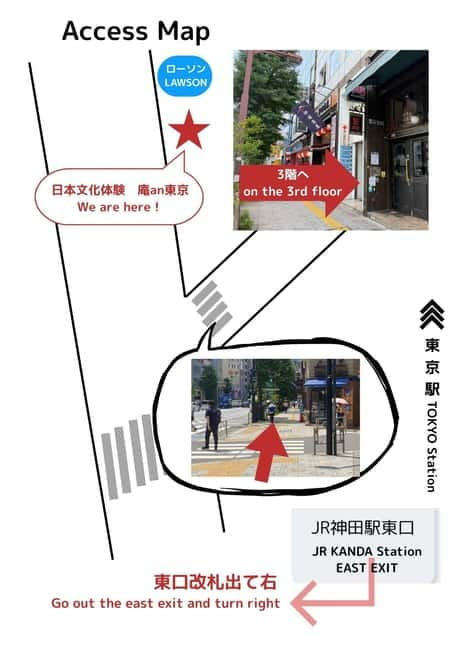
The meeting point is AN TOKYO Japanese Culture Experience, with coordinates 35.6916541, 139.7715022.
Operation hours are from 10:00 to 17:00. If you reserve after 17:00, your request is processed the next day. That means you’ll want to pick a start time that matches your day plan and avoids last-minute stress.
Duration is about 30 minutes, which makes this a smart “reset button” between bigger activities. You can pair it with a morning neighborhood walk, then follow with lunch. Or do it late afternoon to slow down before dinner.
Also: the event may not be held for delays. Build in buffer time. Tokyo is fast, but navigation can be unpredictable when you’re moving quickly.
Price and value: why $7 can feel like a fair trade
At $7 per person for a 30-minute, hands-on OTE-MAE tea ceremony experience, the value is mostly about what you receive:
- You participate in matcha making
- You get single-origin special Matcha
- You receive Ohigashi sweets
- You have instructor explanation and photo time included
If you compare this to the cost of doing a “spectator-only” experience, the hands-on part is what makes it feel like your money is doing something. You’re not just paying to watch. You leave with the taste and the ritual memory.
And honestly, in a city where experiences can get expensive fast, this price level is approachable. It’s a low-risk way to try a traditional activity without committing an entire afternoon.
Who this tea ceremony is best for
This activity fits best if you want a genuine cultural moment that doesn’t eat your whole day.
You’ll probably love it if you:
- Want something calmer than Tokyo’s usual pace
- Like food experiences that come with context
- Enjoy interactive activities where you do more than watch
- Prefer a short commitment with clear steps
It may be less ideal if you:
- Need lots of deep explanation over a long period
- Are frequently late and can’t plan for strict timing
- Want a fully English-first guided experience (English translation is provided as much as possible, but Japanese is the main language)
Should you book AN Tokyo Tea Ceremony?
My take: yes, book it if you’re curious about tea rituals and you like the idea of tasting matcha you made yourself. The combo of single-origin special Matcha plus Ohigashi is the kind of value you don’t always get at this price.
Go for it when you want a real break in Tokyo: a short ritual, a calm room, and a cup of matcha that tastes like you earned it. Just make sure you protect your arrival time so the experience stays smooth.
FAQ
How long is the Tokyo tea ceremony experience?
It lasts about 30 minutes, including the start of the experience, tea explanation, matcha grinding demonstration, the tea-ceremony experience, picture time, eating/drinking time, and then room departure.
Where is the meeting point?
The meeting point is AN TOKYO Japanese Culture Experience at coordinates 35.6916541, 139.7715022.
What is included in the price?
The included item is a set of experience of OTE-MAE (Japanese tea ceremony), which covers the tea-ceremony experience and the included matcha and sweets.
What languages are used during the experience?
The experience language is Japanese. English translation is provided as much as possible.
Is there an extra fee for a completion certificate?
Yes. The experience completion certificate costs 300 JPY. If you want nominative certificates, you should let them know your names in advance.
What is the child policy?
Children who sit on their parents’ laps are free of charge. The free rule applies to children under 2 years old.