REVIEW · KYOTO
Tea Ceremony in 150 Years Old Townhouse with Tables and Chairs
Book on Viator →Operated by Tea Ceremony & Cultural Experience Kangetsu Kyoto 日本文化体験教室 寒月 · Bookable on Viator
Tea has a way of slowing everything down. This Kyoto matcha experience pairs a 150-year-old townhouse setting with a small-group lesson on tea etiquette and rituals, right in the Sannenzaka Ninenzaka area. I like how it turns a traditional performance into something you can actually do, not just watch.
What I especially like is the chance for hands-on matcha preparation and the quality of what you drink. You’ll also taste handcrafted seasonal Japanese sweets designed to go with your tea, and the session wraps up with Q&A so your questions don’t hang in the air.
One thing to keep in mind: this is not a private, one-to-one tea ceremony. You’re in a small group (up to 15), and schedules can be affected by earlier arrivals, so being on time and staying respectful matters.
In This Review
- Key things to know before you go
- A 150-year-old townhouse tea room in Ninenzaka
- Getting ready: socks, clothing, perfume, and phone rules
- The 50-minute flow: etiquette and rituals that actually make sense
- Stop 1 in practice: settling into Sannenzaka Ninenzaka
- Hands-on matcha: your turn with the tools
- What you actually drink and eat: Uji matcha plus seasonal sweets
- Group reality check: punctuality and respectful behavior
- Kimono add-on: what it changes (and what it costs)
- Who this fits best in Kyoto
- Value check: is $28.90 worth it?
- Should you book this Kyoto matcha ceremony?
- FAQ
- How long is the tea ceremony experience?
- What’s included in the price?
- Do I need to wear socks?
- Can I bring a kimono?
- Are smartphones and videos allowed in the tea room?
- Are there age restrictions?
Key things to know before you go
- Uji matcha, not bargain powder: you’ll be served high-quality matcha made in Uji, Kyoto.
- A hands-on lesson: you don’t just watch. You get tools and make your own cup.
- Tea rules inside the room: socks required, perfume prohibited, and video recording during the demonstration is not allowed.
- Small-group format: maximum 15 travelers means you’ll still feel personal, but it’s not private.
- Seasonal sweets included: two types of authentic sweets are paired with your tea during the tasting portion.
- English-led experience: the instruction is available in English every day.
A 150-year-old townhouse tea room in Ninenzaka
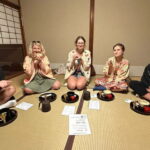
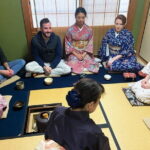
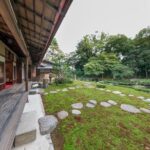
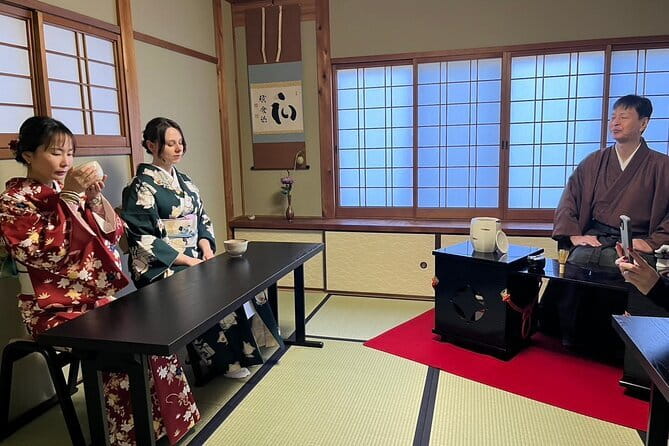
Kyoto’s Ninenzaka (and the nearby Sannenzaka streets) are the kind of lanes that make you want to walk slowly. This ceremony takes place in a traditional townhouse atmosphere, and the big win here is scale. With a max group size of 15, you’re not packed into a theatre. You’re sitting at tables and chairs in a setting that feels like real daily life from a different era.
The location matters too. Ninenzaka is one of those areas where you’re surrounded by old-street textures, so the tea ceremony doesn’t feel like an isolated “thing to do.” It feels like part of the Kyoto you came for. The meeting point is at Tea Ceremony & Cultural Experience Kangetsu Kyoto, in Masuyachō 349-19, Higashiyama Ward, which is also convenient if you’re using public transportation.
You can also read our reviews of more tours and experiences in Kyoto.
Getting ready: socks, clothing, perfume, and phone rules
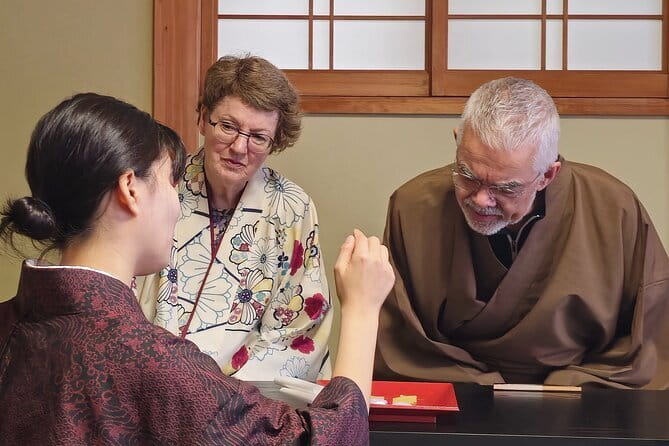
Before you even touch the tea tools, you’ll notice the ceremony is taken seriously. The house rules are clear, and they’re there for a reason: scent and comfort affect the tea experience.
Here’s what you should plan for:
- Wear socks. If you forget, you can purchase socks on-site.
- Choose clothing that does not show too much skin.
- No perfume is allowed. Strong scents interfere with the aroma of tea and incense in the room.
- In the tea room, only smart phones are allowed.
- Video recording during the instructor’s demonstration is prohibited.
These rules may sound strict, but they actually make the experience better. Tea is delicate, and matcha can taste off if the room (or you) smells strongly of perfume, cologne, or even certain lotions. The phone and video limits also protect the quiet focus of the room, which is a big part of why people love this style of ceremony.
And yes, there’s also a practical note: the experience is in English every day, and you’ll get guidance that matches what you need to know in a foreign setting, not a vague show-through-gesture lesson.
The 50-minute flow: etiquette and rituals that actually make sense
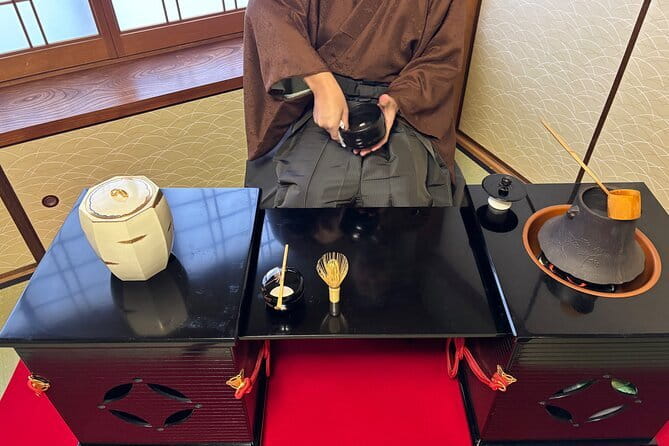
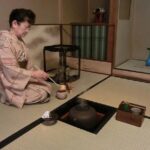
The ceremony runs about 50 minutes, and the structure is designed to teach you while keeping things calm. You’ll get an explanation of the key ideas behind Japanese tea culture: etiquette, utensils, and the ritual sequence. The tea master walks you through what’s happening and why it matters, and an English instructor/translator helps keep the steps clear.
This is where the experience earns its high ratings. The teaching is detailed, but it stays approachable. You’re not being tested. You’re being guided.
What I think makes the timing work:
- You get a short orientation so the room rules don’t feel random.
- You learn what to look for, so the ceremony stops being a blur.
- There’s time for a Q&A segment at the end, which is the perfect place to ask things like how matcha quality differs, why the whisking matters, or what etiquette is most important.
Stop 1 in practice: settling into Sannenzaka Ninenzaka
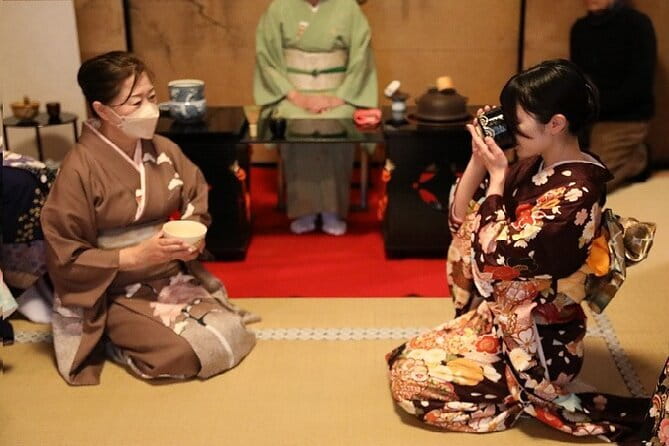
Your session begins in the Sannenzaka Ninenzaka area. Even though there’s only one stop, it’s not just a place marker. This is the part of Kyoto that sets the tone.
If you’ve got a Kyoto day planned, treat this as your “tone-setter” activity. Arrive a bit early so you can settle in without rushing. One review noted that being kept waiting can happen when another group runs ahead or falls behind. That’s rarely the fault of the tea room itself, but it’s worth planning around. If you show up relaxed, the whole ceremony lands better.
Also, the location is described as near public transportation, so you don’t have to build a complicated route plan. And you may receive instructions by text explaining how to get to the meeting spot, which helps when you’re navigating narrow streets.
Hands-on matcha: your turn with the tools
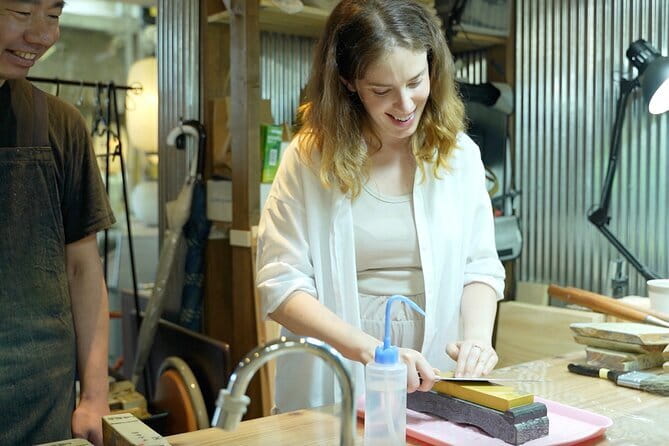
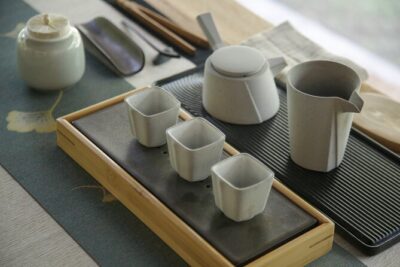
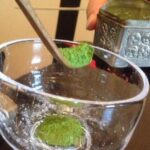
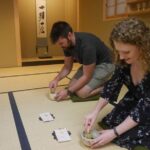
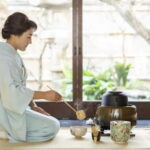
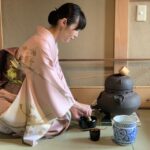
This is the part that most people remember, because you do the work. You’ll use the provided tools to prepare matcha and make your own cup. That’s a huge value-add versus the “watch only” tea experiences that can feel like a museum exhibit.
The instructions are step-by-step, with support from the English interpreter. That means you can follow along even if you’ve never whisked matcha before. You’ll learn the basics of technique and what you’re trying to achieve in the cup.
One practical mindset shift: don’t treat it like a performance you must get perfect. Treat it like learning. The ceremony isn’t about showing off. It’s about paying attention—how you handle utensils, how you follow the ritual sequence, and how the tea’s texture and aroma change as you prepare it.
If you’re a tea fan, this hands-on portion is the easiest way to understand why matcha is special. If you’re not, it’s still worth it because the act of making it gives you a sensory reason to care.
What you actually drink and eat: Uji matcha plus seasonal sweets
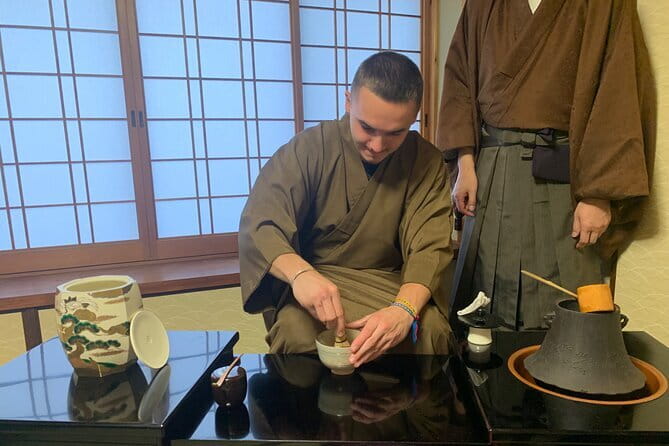
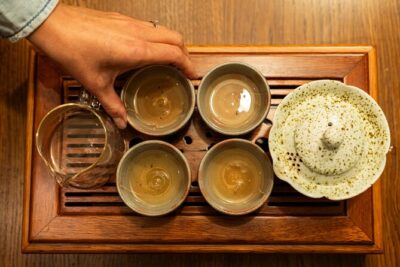
You’ll be served two cups of high-quality matcha made in Uji, Kyoto. Uji is one of Japan’s best-known matcha regions, so this isn’t just generic powder in a cute cup. The ceremony also includes coffee and/or tea, depending on the drink options offered during your session.
Then comes the tasting. You’ll have snacks: two different types of beautiful seasonal authentic Japanese sweets paired with your tea.
Why this pairing matters: matcha has a distinct profile—earthy, grassy, and a little bitter if it’s handled carelessly. Japanese sweets are often balanced to meet that flavor, so you can taste contrast rather than just sweetness. The fact that the sweets are seasonal is also a big plus. It means you get a different experience depending on when you visit, and it keeps the ceremony from feeling like a factory menu.
You’ll also have time for Q&A before the tasting ends, so if something tasted surprising—too thick, not thick enough, too bitter, perfectly balanced—you can ask why.
Group reality check: punctuality and respectful behavior
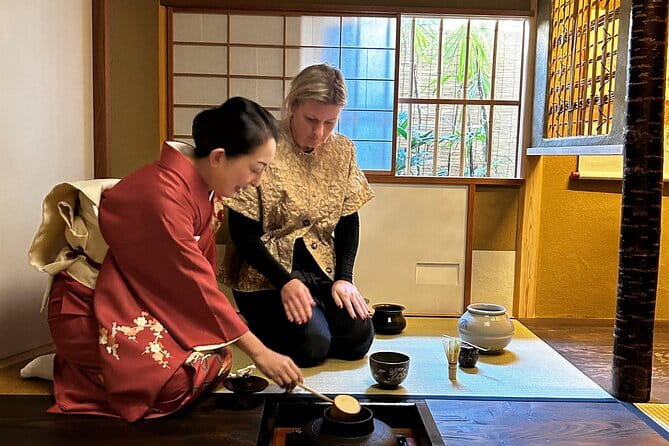
Because this is a small group (max 15), you share the moment with other people. That can be great. It can also expose a downside: a ceremony depends on calm attention.
Two concerns show up in real feedback:
- Timing can get thrown off if an earlier group delays the flow, which may lead to waiting.
- Misbehavior by a minority can inconvenience others, since the room has strict rules and a low-noise expectation.
The best advice is simple:
- Arrive on time, or slightly early.
- Follow the room rules without arguing.
- Put your phone away unless you’re allowed to use it.
- Treat the tea tools like they’re sacred, because in that room, they are.
If you want a quiet, respectful atmosphere, this ceremony is one of the best ways to get it in Kyoto. But you have to show up ready for that kind of etiquette.
Kimono add-on: what it changes (and what it costs)
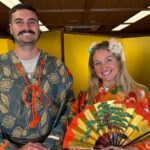
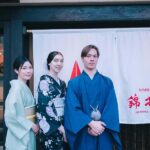
If you want the full Kyoto photo vibe, there’s an optional kimono rental. It costs 1,000 JPY for a two-piece type kimono, and it is not included in the base price.
Wearing it can change the feel of the ceremony. With the modest clothing rule already in place, a kimono can make you feel more “in character” for the ritual. If you do rent one, plan ahead so you’re not scrambling for fit or timing right before you enter the tea room.
That said, it’s not required. The ceremony itself is the point, and the real payoff is the etiquette lesson and hands-on matcha preparation.
Who this fits best in Kyoto
This is a strong match if you:
- Want a cultural experience that is active, not passive.
- Like tea and want a real explanation of the why behind the process.
- Prefer small groups where you can ask questions.
- Want a calm break from Kyoto’s walking pace.
It’s also family-friendly in the sense that the ceremony is structured and explained. One note from feedback: children were able to enjoy the history and the activity when they were older than the minimum age. The important rule is: children under 7 are not allowed.
If you’re traveling with a group of mixed ages, this is usually a good pick because it’s taught in English and paced to fit the group size.
What it’s not best for:
- If you’re expecting a private, one-to-one ceremony with personalized pacing, you may be disappointed. This experience is clearly run as a group session.
Value check: is $28.90 worth it?
At $28.90 per person, this isn’t an impulse-trinket price. But when you look at what’s included, it holds up well.
You get:
- A guided lesson on etiquette, utensils, and ritual flow.
- Tools to make your own matcha cup.
- Two cups of high-quality Uji matcha.
- Two types of seasonal Japanese sweets.
- An experience duration of about 50 minutes in a traditional 150-year-old townhouse setting.
For many visitors, the biggest value is the “learn and do” combination. You’re paying for instruction and for ingredients, not just a photo opportunity. Add in the small group size, and it feels like you’re paying for quality attention, not crowd management.
If you’ve been comparing tea experiences, this one tends to look better when you care about the practical side: making matcha correctly, understanding etiquette, and tasting sweets that are actually part of the ritual.
Should you book this Kyoto matcha ceremony?
I’d book it if you want the real Kyoto tea feeling in a format that teaches you how it works. The combination of a traditional townhouse atmosphere, hands-on matcha preparation, Uji matcha, and included seasonal sweets is a rare blend at this price point.
Skip it or rethink it if:
- You want a private, one-to-one ceremony.
- You’re uncomfortable following clear room rules (socks, no perfume, phone/video limits).
- You’re the type who expects everything to be flexible without a set sequence.
If you do book, go in with one goal: pay attention. Tea etiquette isn’t about pretending to be perfect. It’s about learning a rhythm. And once you feel that rhythm, the whole Kyoto day tends to slow down in the best possible way.
FAQ
How long is the tea ceremony experience?
It lasts about 50 minutes (approx.).
What’s included in the price?
The experience includes all fees and taxes, tools to make your own tea, two cups of high-quality matcha made in Uji (Kyoto), and snacks with two different types of seasonal authentic Japanese sweets.
Do I need to wear socks?
Yes. Socks are required in the tea room. If you forget, you can purchase socks.
Can I bring a kimono?
A kimono is not included, but you can rent a two-piece kimono for 1,000 JPY.
Are smartphones and videos allowed in the tea room?
Smart phones are allowed, but only smart phones. Video recording during the instructor’s demonstration is prohibited.
Are there age restrictions?
Yes. Children under 7 years old are not allowed to participate.