REVIEW · KYOTO
Kyoto: Tea Ceremony Meditation – Make Matcha with Tea Master
Book on GetYourGuide →Operated by aeru · Bookable on GetYourGuide
Matcha taught in a quiet old Kyoto home. This workshop lets you learn Omotesenke-style matcha-making with a calm, guided vibe in a 100-year-old townhouse. You’ll make your own bowl, sip it right there, and ask questions to understand how tea fits into Japanese culture.
I especially like the small group limit of 10, which keeps things interactive and makes it easier to get answers as you practice. You’ll also get access to authentic, handcrafted utensils and proper steps, not just a quick demo. A possible drawback: kimono and hair setting aren’t included, and the space is limited, so it’s not really set up for eating or hanging around early.
In This Review
- Key Things You’ll Notice Right Away
- Kyoto’s Matcha Workshop That Feels Like a Reset Button
- The 100-Year-Old Townhouse: Why the Room Changes Your Timing
- What Omotesenke-Style Tea Training Really Means for You
- Your 45 Minutes: The Flow From Welcome to Your Own Bowl
- Making Matcha Yourself: Utensils, Etiquette, and Tiny Details
- A practical tip for your own success
- The Sweet, the Sip, and the Cultural Meaning Behind It
- Location in Kyoto: Finding It Fast Without Stress
- Price and Value: Is $45 Worth It for 45 Minutes?
- Who Should Book This Tea Master Experience
- Should You Book This Kyoto Matcha Workshop?
- FAQ
- How long is the Kyoto tea ceremony meditation experience?
- What is the price per person?
- Is the tea master instruction in English?
- What’s included in the price?
- What is not included?
- Where is the meeting point?
- Is there parking at the venue?
- Are bikes allowed during the activity?
- Are there dress or scent rules?
- Can I cancel and get a full refund?
Key Things You’ll Notice Right Away
- Omotesenke-trained host guides the ceremony and etiquette, with English support
- Handcrafted utensils from skilled artisans make your practice feel real
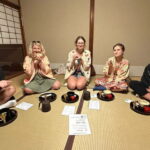
- Small group of up to 10 keeps the tone personal and questions welcomed
- You make matcha, then drink it with a traditional sweet right after
- Sushi-level quiet, tea-level patience is the point—plan to slow down for 45 minutes
- Japanese crafts available to purchase at the end for meaningful take-home items
Kyoto’s Matcha Workshop That Feels Like a Reset Button
Kyoto can be intense. Even when you’re doing everything right, crowds and schedules pile up. This tea ceremony is different because the whole format is built around slowing down, breathing, and focusing on one simple action: whisking matcha.
What makes it work is the setting and the teaching style. You’re in a traditional townhouse with the kind of atmosphere that encourages quiet attention, and your host is trained in the Omotesenke tradition. That matters, because matcha isn’t just a drink here—it’s a set of movements and etiquette that become relaxing once you understand the why behind them.
And yes, it’s still hands-on. You don’t just watch. You make your own bowl and then drink it, which turns the experience into something you can remember and repeat.
You can also read our reviews of more tours and experiences in Kyoto.
The 100-Year-Old Townhouse: Why the Room Changes Your Timing
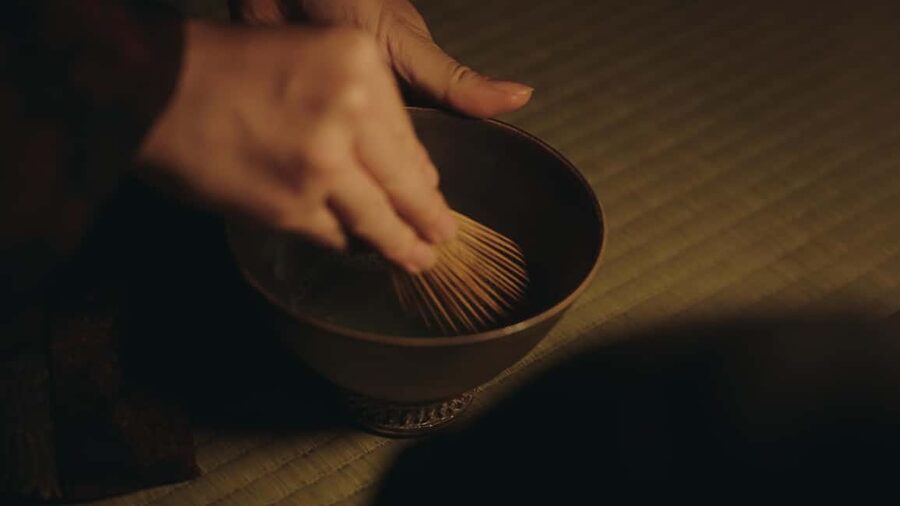
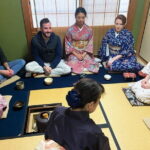
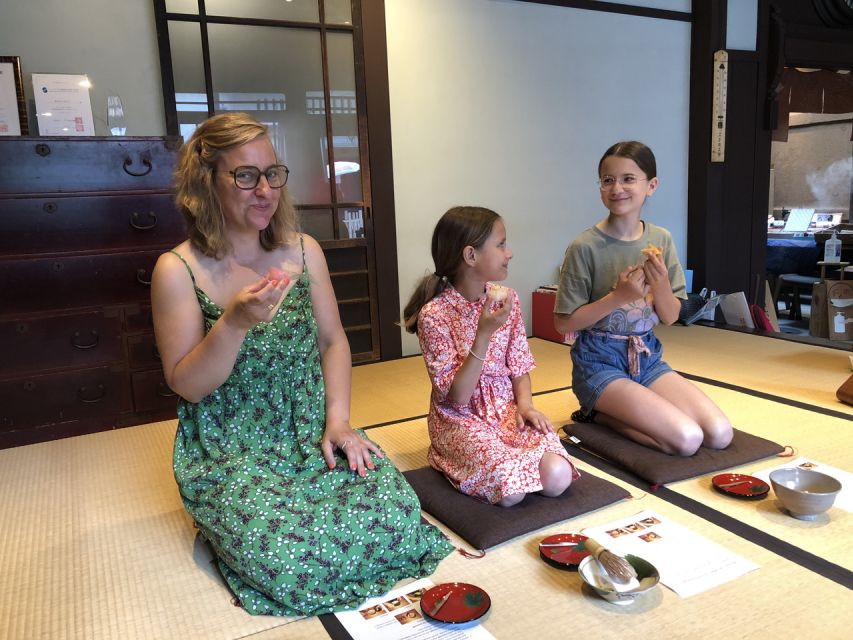
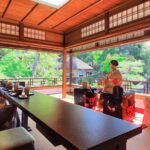
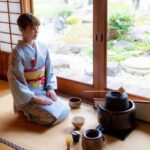
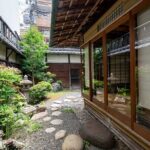
Your ceremony takes place inside a 100-year-old Kyoto townhouse, where the space itself pushes you to slow your body down. Tatami and an overall quiet mood do a lot of work. You’ll feel it in your posture as soon as you step in.
There’s also a practical reason this place is memorable: the venue is limited. You’re asked to arrive no earlier than 10 minutes before your scheduled time, and the venue is not suitable for eating. That’s not a dealbreaker, but it does mean you should treat the session like a focused appointment, not a casual drop-in.
One more heads-up that can make or break the atmosphere: you’re asked to avoid wearing perfumes or colognes so the aroma of matcha can come through clearly and so everyone can enjoy the shared sensory experience.
What Omotesenke-Style Tea Training Really Means for You
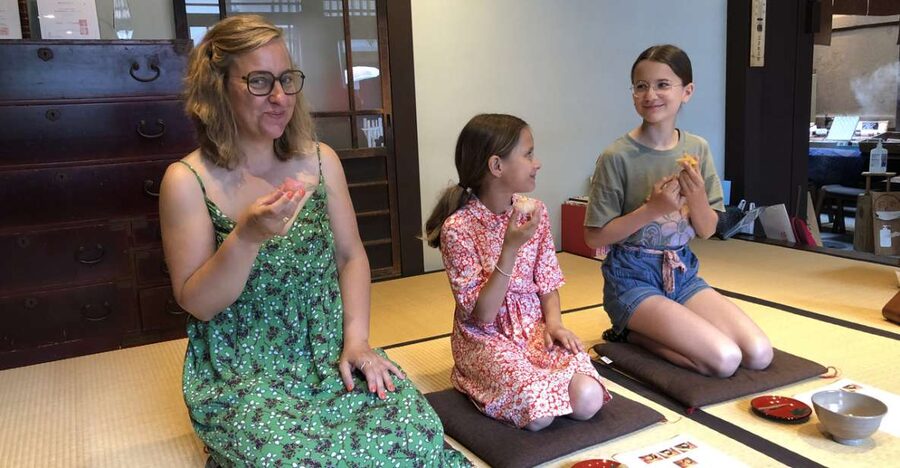
Omotesenke is one of Japan’s respected schools of tea ceremony, and your host is trained in that tradition. In plain terms, that means the guidance isn’t random or simplified to entertainment level. You’re being taught a structure—how each step connects to the overall feeling of respect, calm, and attentiveness.
You’ll get guided instruction from an English-speaking tea master. In the guest feedback you provided, the experience is frequently described as friendly and patient, with hosts named like Miki, Aki, Yoko, Joko, and Kiyoka. That variety is useful for you because it signals that the teaching approach stays consistent even as the instructor changes.
You’ll also have room to ask questions. Many people highlight that the host encouraged conversation, including questions about tea and Japanese culture beyond just the motions. If you like learning the background while you practice, this is a strong match.
Your 45 Minutes: The Flow From Welcome to Your Own Bowl
This experience runs about 45 minutes, and the pacing is designed to keep you involved without dragging. Here’s how the timing typically feels when you’re in the chair, bowl in front of you, listening and then practicing.
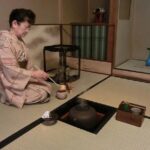
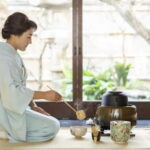
First, you step into the ceremony space and get introduced to what matcha preparation is about. Then comes demonstration: the host shows the steps with the right movements and etiquette. People describe the demonstration as calm and even meditative to watch, which helps you understand that speed is not the goal.
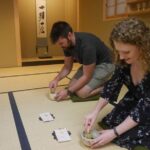
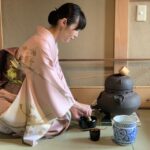
Next, you switch from observer to maker. You’ll learn the subtle techniques and the proper way to handle the utensils so your matcha comes out right and your movements don’t feel awkward. Finally, you drink what you prepared with a traditional Japanese sweet, which helps tie the whole ritual together: bitter, smooth matcha meets a carefully chosen companion taste.
This isn’t a big class where you disappear into the back row. It’s more like guided coaching in a small setting.
Making Matcha Yourself: Utensils, Etiquette, and Tiny Details
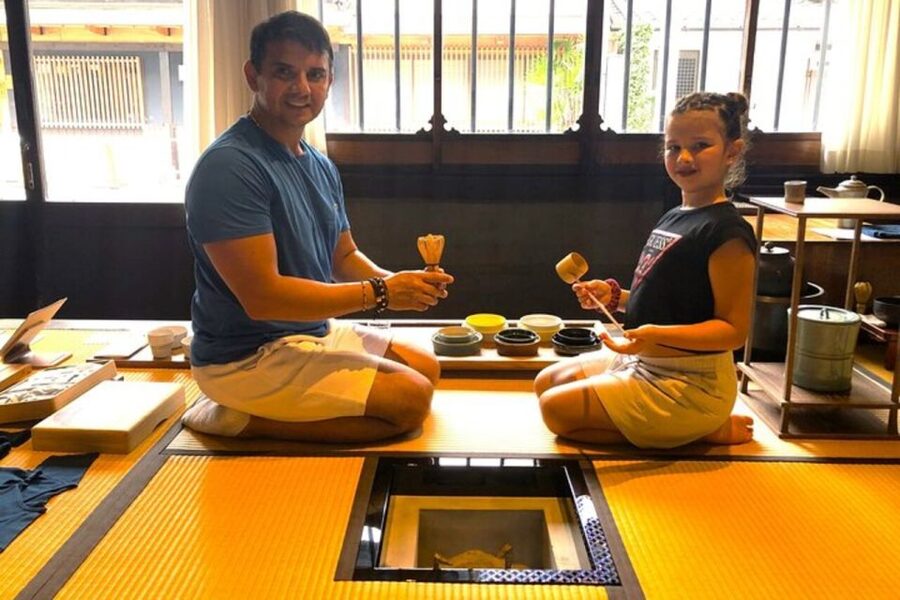
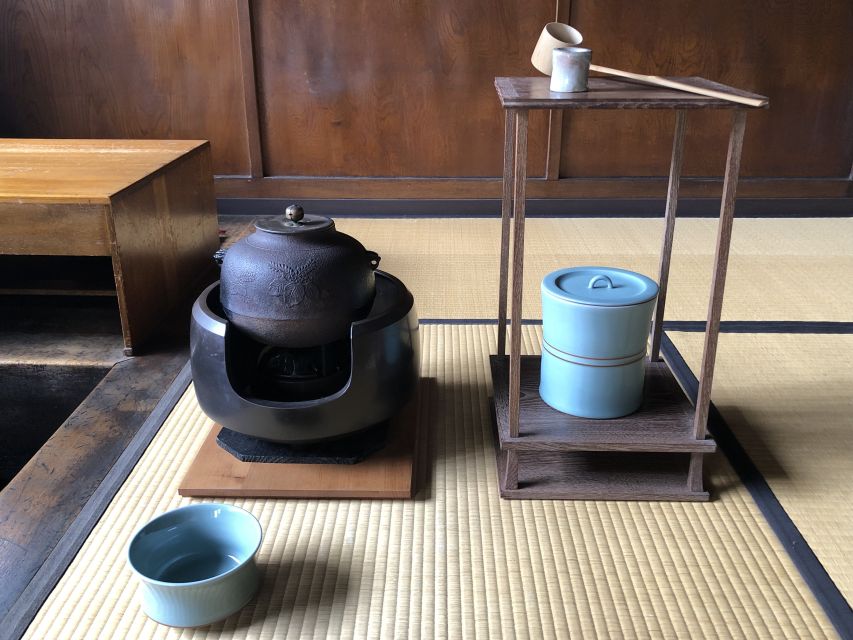
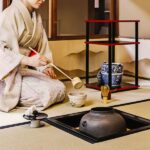
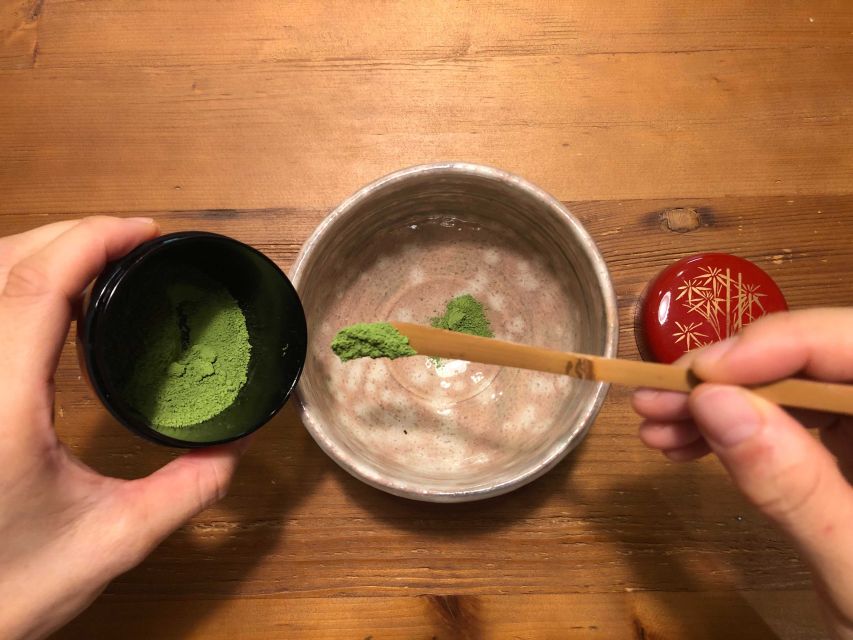
The biggest reason matcha workshops become either memorable or forgettable is whether you get real practice. Here, you do. You’ll make your own tea using authentic, handcrafted utensils made by skilled artisans.
That’s not just a “nice props” detail. Utensils affect how the whisking feels, how the bowl sits, and how you handle the process with care. When people mention that the utensils and matcha quality felt high, they’re usually pointing to the same thing: it feels like a craft, not a souvenir photo op.
As you practice, you’ll also pick up etiquette basics—how to move, how to respect the tools, and how to treat the moment like something worth slowing down for. In the feedback you shared, multiple people mention that the host explained each stage clearly and answered questions patiently, even when participants were newer to tea ceremony.
If you’re the type who worries you’ll do it wrong, good news: the format is set up for coaching. A calm host plus a small group means you’re not left guessing.
A practical tip for your own success
Come with a mindset of focus, not performance. You’re learning. If your goal is to rush through so you can “get the result,” you’ll miss the point—and the experience will feel more stressful than soothing.
The Sweet, the Sip, and the Cultural Meaning Behind It
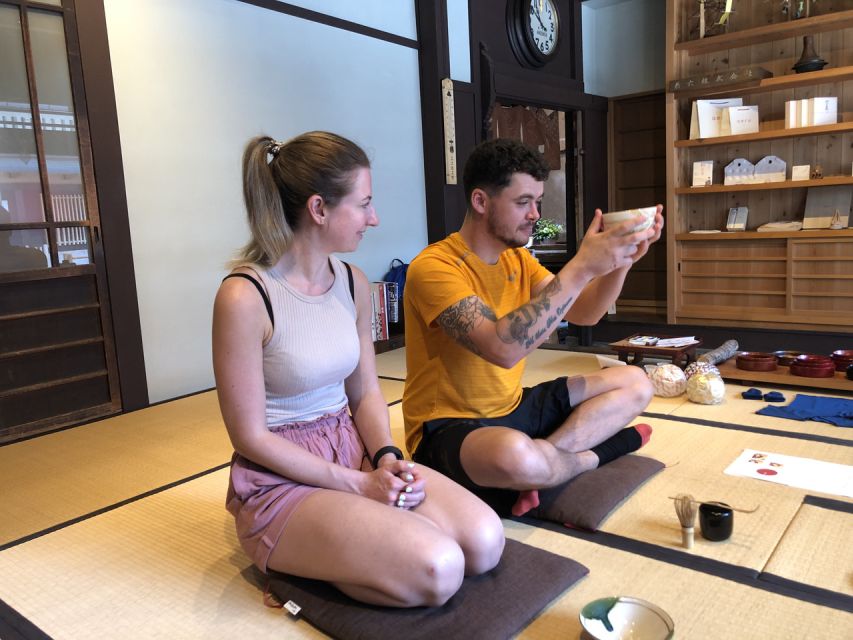
After you whisk and pour, you’ll enjoy your freshly prepared matcha with a traditional sweet. That small pairing is more than taste. It gives you an easy landing point to reset after the busy part of learning the steps.
You’re also likely to notice something else: the ceremony’s meaning isn’t delivered as a lecture. It’s built into the pace. Your host may explain the idea behind the ceremony and how it connects to Japanese culture, and people in your provided feedback repeatedly describe leaving feeling soothed and more grounded.
If you want a tea ceremony that feels like a cultural experience (not only a cooking class), this part is where it clicks.
Location in Kyoto: Finding It Fast Without Stress
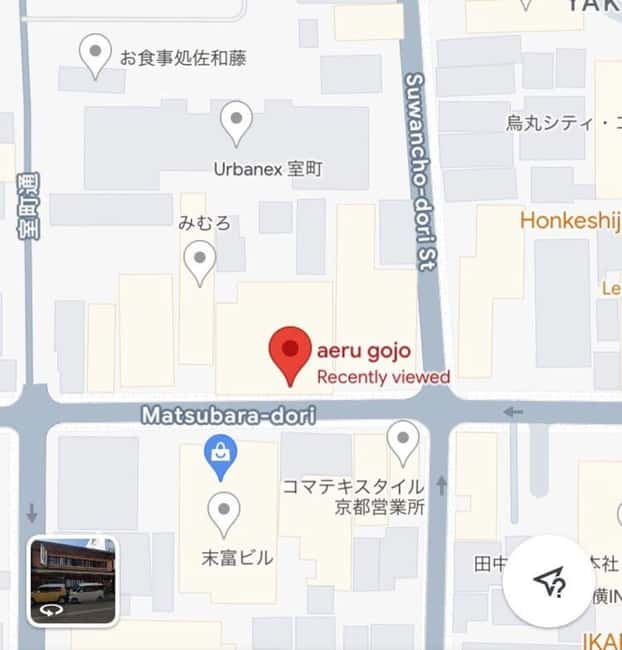
You meet near Karasuma-dori Street. If you’re coming from there, you’ll turn at the corner with the Family Mart, then go straight for one block. You should see a sign for aeru gojo next to Only Corporation and across from Zen Kyoto.
There’s no parking lot at the venue. If you’re arriving by rental bicycle, you should use public parking spaces—the closest is linked in the activity details. Also, note that bikes aren’t allowed during the activity itself, so plan to park and walk.
This matters because the experience is short. When you get lost, you don’t just lose time—you show up rushed, and rushing fights the whole vibe of a mindful matcha session.
Price and Value: Is $45 Worth It for 45 Minutes?
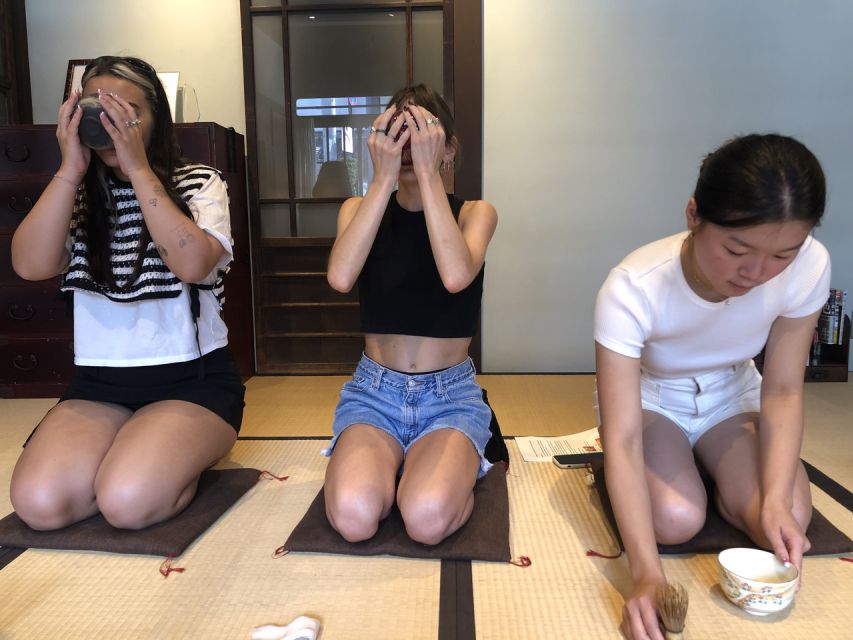
At $45 per person for about 45 minutes, the value comes from three things you can feel immediately: real instruction, real practice, and high-quality materials.
Yes, you’re paying for a teacher and a quiet space. But you’re also paying for something most cheap “tea photos” don’t give you: structured steps taught by an Omotesenke-trained host, plus the chance to make your own bowl using authentic handcrafted utensils. You also get 1 cup of matcha and a traditional sweet included.
If you usually spend money in Kyoto on viewpoints and tickets, this is a different kind of purchase. It’s not a pass. It’s a skill and a memory—something you can talk about later and even recreate at home with the right whisk and bowl.
If you want a very fast hit of culture, this may feel like “just one drink.” If you’re the kind of traveler who likes learning by doing, it’s strong value.
Who Should Book This Tea Master Experience
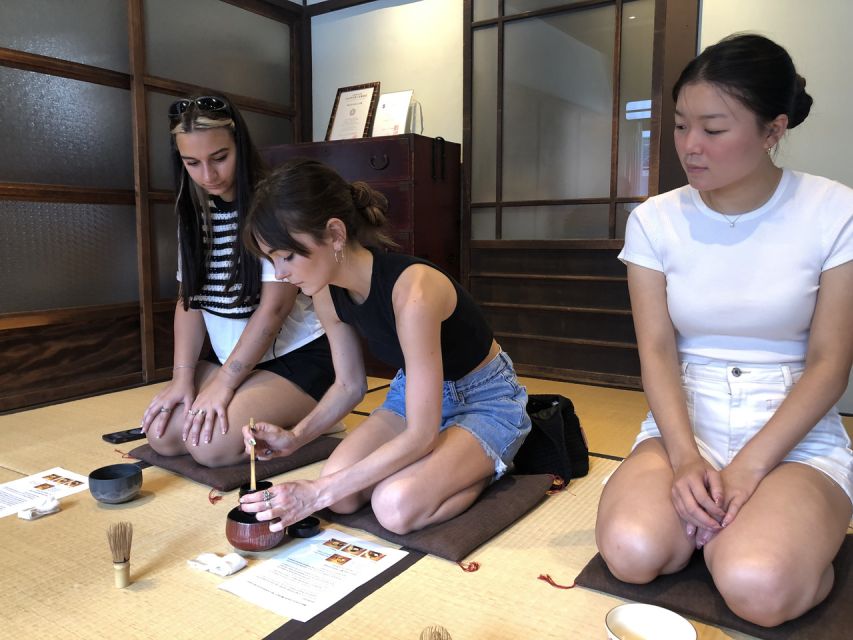
This workshop fits best if you want a genuine, structured experience in a small group. It’s a good choice for first-timers because instruction is in English, and the host interaction seems designed for questions.
It also seems to work well for people traveling with kids, at least in some cases. Your feedback includes families bringing children around ages 8 and 10 who said it was the right mix of learning and hands-on. At the same time, a few comments suggest the main point is calm focus, so if your kid needs constant movement, you might want to think it through.
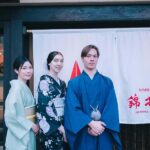
If you’re sensitive to strong scents, remember the perfume request. If you’re hoping to include kimono as part of the day, plan ahead because kimono and hair setting aren’t included.
Should You Book This Kyoto Matcha Workshop?
Book it if you want something authentic you can actually do. The combo of Omotesenke-style guidance, small group size, and the chance to make your own matcha with handcrafted utensils turns it from a performance into practice.
Skip it (or consider timing carefully) if you’re looking for a long meal experience, because the venue is not suitable for eating and the session is 45 minutes focused on tea. Also, if kimono is a must-have for your Kyoto photos, you’ll need separate arrangements since it’s not included.
If your ideal day includes quiet learning and a real cultural ritual, this is one of the easiest “yes” choices in Kyoto.
FAQ
How long is the Kyoto tea ceremony meditation experience?
The experience lasts about 45 minutes.
What is the price per person?
The price is $45 per person.
Is the tea master instruction in English?
Yes, instruction is listed as English.
What’s included in the price?
It includes the tea ceremony experience, 1 cup of matcha tea, and Japanese traditional sweets.
What is not included?
Kimono and hair setting are not included.
Where is the meeting point?
From Karasuma-dori Street, turn at the corner with the Family Mart, go straight for one block, then look for the aeru gojo sign next to Only Corporation across from Zen Kyoto.
Is there parking at the venue?
There is no parking lot. Public parking spaces are recommended for rental bicycles, using the closest option provided in the activity details.
Are bikes allowed during the activity?
No, bikes are not allowed.
Are there dress or scent rules?
Yes. Please refrain from wearing perfumes or colognes so the aroma of matcha isn’t affected.
Can I cancel and get a full refund?
Yes. Free cancellation is available up to 24 hours in advance for a full refund.