REVIEW · KYOTO
Kyoto: Kimono Tea Ceremony at Orizuruya Gion
Book on GetYourGuide →Operated by LINKTIVITY Inc. · Bookable on GetYourGuide
Put on a kimono, sip matcha, and slow down. This Kyoto experience in Gion pairs dressing up with hands-on tea skills, so you can enjoy Japanese culture without worrying about doing everything wrong. With a small group capped at 10, it feels calm, personal, and easy to ask questions.
I especially like the kimono choosing part (you pick from 200+ designs, and the staff helps you get dressed). I also love that you don’t just watch the tea ceremony—you learn how to make matcha yourself, using the traditional bamboo whisk, the chasen.
One thing to consider: you’ll need to get to the Gion Oritsuruya meeting point on your own, since transportation to and from the start isn’t included.
In This Review
- Quick hits before you go
- Arriving at Gion Oritsuruya: the easiest way to start calmly
- Picking your kimono from 200+ designs (and not stressing it)
- Dressing etiquette: what changes once you’re in kimono mode
- Inside the tea room: matcha training with a chasen
- What you taste: wagashi and matcha in the right moment
- The Japanese calligraphy option: when your brush work becomes the lesson
- Time in your day: 90 minutes to 2 hours, plus kimono freedom
- Price and value: is $49 fair for Kyoto?
- What it’s best for (and what might not fit)
- Final call: should you book the Kyoto kimono tea ceremony at Orizuruya Gion?
- FAQ
- How long is the kimono tea ceremony at Orizuruya Gion?
- Is the experience offered in English?
- What is included in the standard tea ceremony?
- What if I choose the calligraphy option?
- Can I keep the kimono after the ceremony?
- Where do I meet for the activity?
- What is the cancellation policy?
Quick hits before you go
- 200+ kimono designs to choose from, with expert help dressing you
- Small group (max 10), so explanations stay clear and questions are welcome
- Learn matcha with a chasen, then make your own bowl
- Wagashi plus matcha included, paired with what you learn
- Optional Japanese calligraphy with a kit rental, for an extra cultural skill
Arriving at Gion Oritsuruya: the easiest way to start calmly
The meeting point is Gion Oritsuruya, at 572-7 Minamigawa, Gion-machi, Higashiyama-ku, Kyoto-shi, Kyoto. If you like your day to run smoothly, arrive a little early and take a minute to orient yourself—Gion’s streets are pretty, but they can feel easy to misread.
Access is straightforward:
- about a 10-minute walk from Hankyu Kyoto-Kawaramachi Station
- about a 7-minute walk from Keihan Gion-Shijo Station
Plan on handling your own transit to the start. Once you’re there, the experience is organized and staff-led, so you’re not left figuring things out. If you’re pairing this with sightseeing, keep in mind you’ll be wearing a kimono for a big chunk of the time, so walking comfort and time planning matter.
You can also read our reviews of more tours and experiences in Kyoto.
Picking your kimono from 200+ designs (and not stressing it)
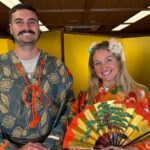
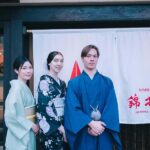
This is one of the reasons the activity works so well for first-timers: the process is structured, and you get guidance. You’ll choose your favorite kimono from over 200 designs, and the staff helps you get dressed in a professional, efficient way.
For women, simple hair styling is included to finish the look. In practice, that means you’re not just wearing a garment—you’re getting set up with the full traditional appearance. People also mention that the dressing staff are patient and make the whole experience comfortable, even if your Japanese is limited.
Practical tip: decide on your photos and outfit vibe before you get started. If you’re heading to temples or shrines afterward, pick a kimono design that matches the mood of your day—something you’ll feel good walking around in, not only posing in for a short time.
Dressing etiquette: what changes once you’re in kimono mode
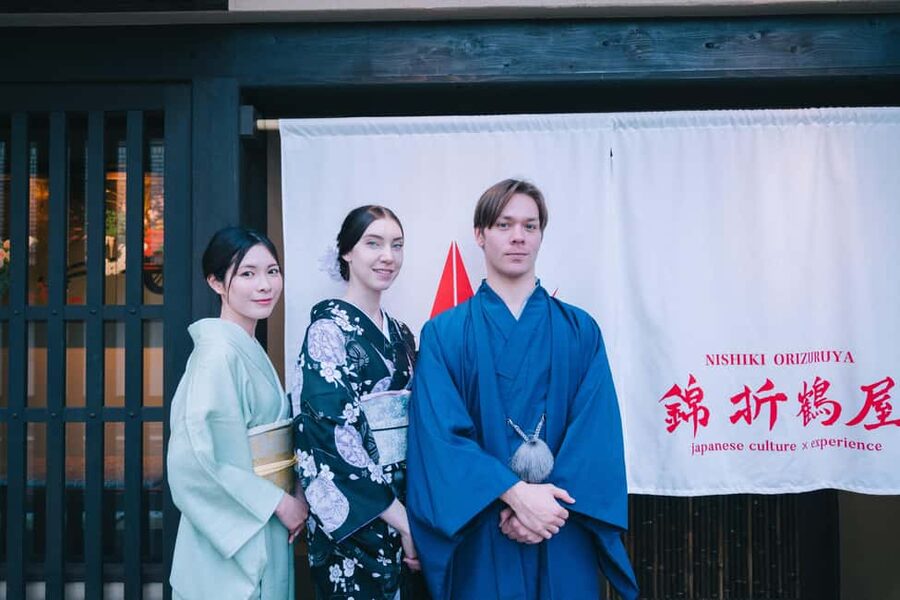
A kimono isn’t hard once you’re helped, but it does change how you move. You’ll learn the basics through the way staff guide you before the tea ceremony. That guidance is what prevents the common fear people have—doing something wrong and drawing unwanted attention.
The experience is built to make you feel at ease. Staff will help with dressing, hair styling (for women), and transitioning into the tea room. You’ll also have chances to take photos during the process, so you get the fun part without turning it into a rushed photo shoot.
If you’re someone who likes cultural context, you’ll probably enjoy how the staff explain what you’re wearing and why the tea ceremony is set up the way it is. The goal here isn’t performance. It’s participation—your job is to follow the steps and learn the meaning behind them.
Inside the tea room: matcha training with a chasen

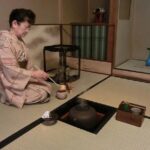
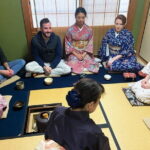
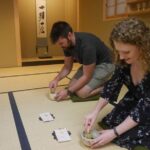
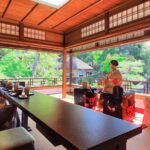
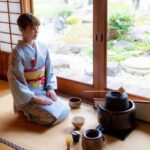
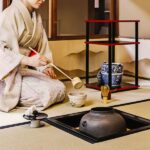
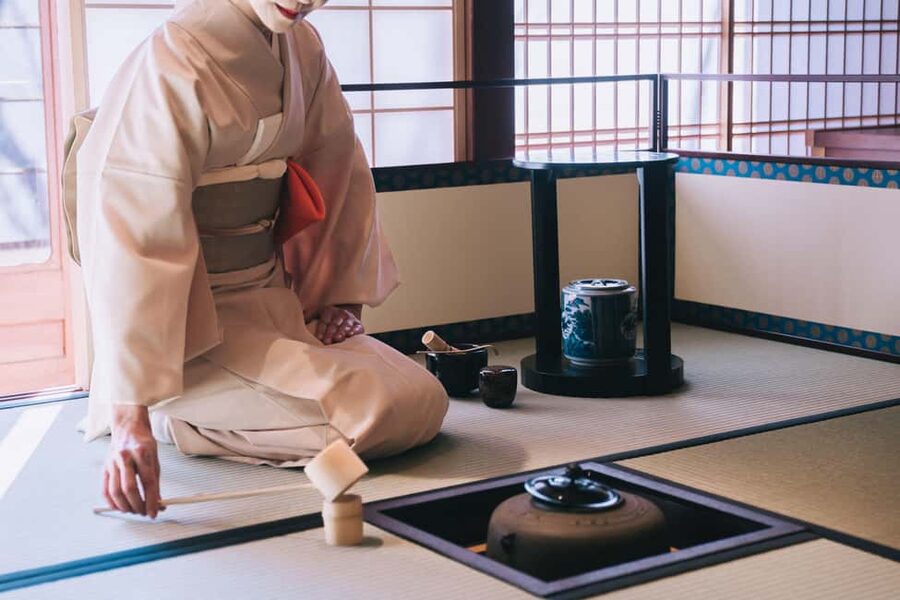
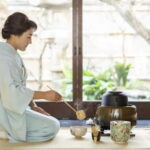
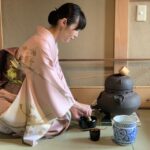
After you’re dressed, you’ll step into a serene tea room and learn the tea ceremony rituals with an experienced instructor. The ceremony has a clear flow: you’ll watch the steps, then you’ll practice the key motions yourself.
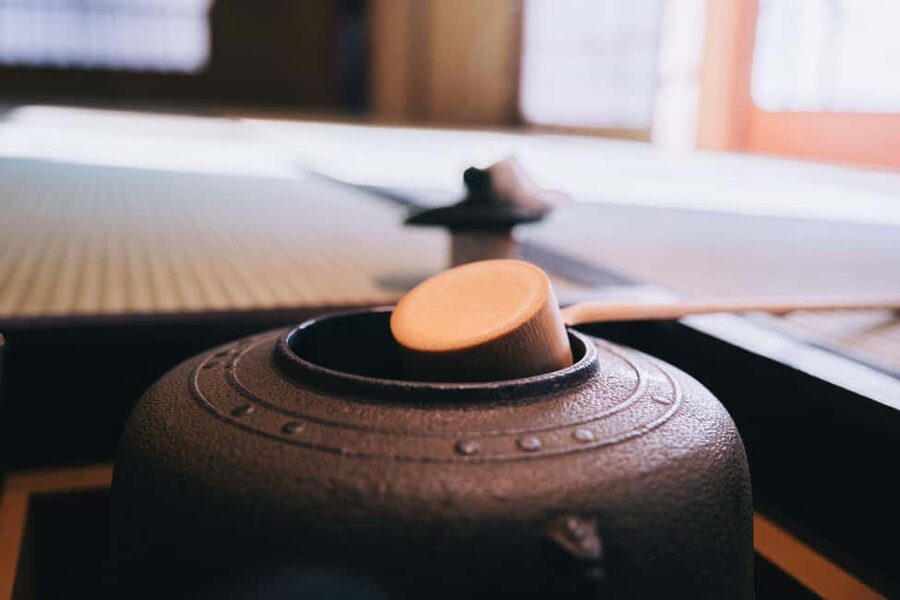
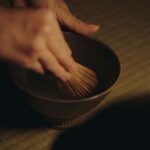
The matcha portion is hands-on. You’ll learn how to prepare matcha using a traditional bamboo whisk, the chasen, and then you’ll try making your own bowl. This is the moment most people remember because it turns matcha from a drink into a skill.
Why this matters for you: matcha preparation has a method, not just ingredients. The way you whisk, the pace, and even the focus you bring to the bowl all affect the result. The instructor’s English guidance makes it easier to understand what’s happening at each stage, so you’re not guessing.
If you want a calming, structured activity in Kyoto (especially when crowds get loud), this part delivers. You’re not multitasking; you’re learning a repeatable ritual.
What you taste: wagashi and matcha in the right moment
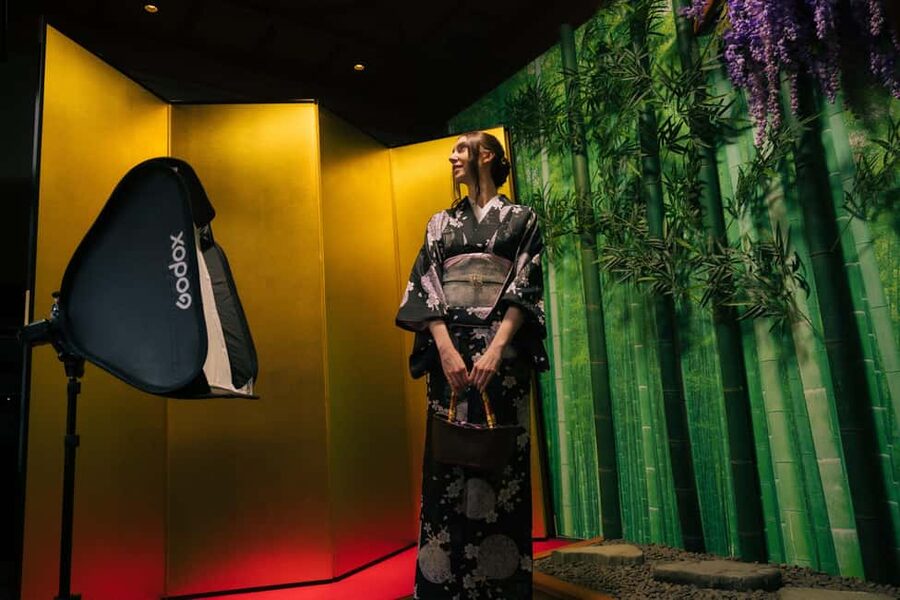
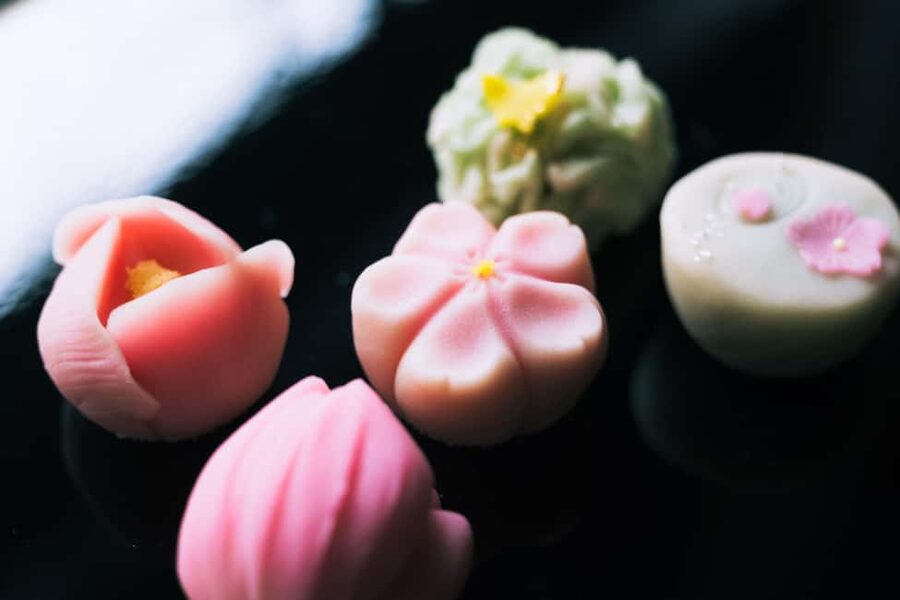
Tea ceremonies in Japan aren’t only about matcha. They’re about timing and pairing. In this experience, you get snacks (wagashi and matcha), and you’ll also enjoy Japanese sweets made for the ceremony.
The sweets are described as coming from a century-old confectionery, which gives the pairing extra credibility. In other words, it’s not random sugar added alongside tea. It’s intended to balance the flavor and texture of your matcha.
Here’s how to get more out of it: don’t treat the wagashi as something you rush through. Since you’re learning the ceremony steps, take a slow pause for the sweet first, then go back to the bowl. That gives you a better sense of why the ceremony has these built-in rhythms.
Also, if you’re sensitive to sweetness, you’ll likely appreciate that you’re offered traditional Japanese sweets paired with the tea rather than a heavy dessert course.
The Japanese calligraphy option: when your brush work becomes the lesson
There’s an optional upgrade: the Kimono Tea Ceremony & Japanese Calligraphy Experience. If you choose this option, you get a Japanese calligraphy set rental as well.
This is a great fit if you want the tea ceremony to feel more than a one-time activity. Calligraphy gives you a different kind of focus—less about technique of drink-making, more about controlled movement and attention. People describe the calligraphy lesson as challenging but fun, with patient encouragement from the teacher.
What you’ll like here is the cultural crossover. Tea culture is about discipline and form. Calligraphy is also about discipline and form. Taking both in the same session helps you connect dots: Japanese arts often teach you to slow down and work precisely.
If your schedule allows only one cultural experience beyond sightseeing, this pairing can give you more “skills per hour” than a standard show.
Time in your day: 90 minutes to 2 hours, plus kimono freedom
The tea ceremony experience runs about 90 minutes to 2 hours, depending on which option you select. The shorter plan is mainly kimono + tea ceremony, while the calligraphy option extends the time.
One perk you should know about is that you can often keep the kimono after the ceremony to enjoy the Gion area. Multiple people mention being able to wear the kimono for a walk afterward and even use it for a quick temple visit about 10 minutes away. Some also mention keeping the kimono until 5 pm on the day.
That changes the value. You’re not just paying for a brief cultural lesson inside a room. You’re also getting time dressed up in a historic neighborhood, which is the kind of memory you can’t recreate later.
Practical advice: if you book an earlier time slot, consider whether you’ll actually use the extra kimono time. If you plan to wander Gion, take photos, or visit a nearby shrine/temple area, this feature becomes a real advantage.
Price and value: is $49 fair for Kyoto?
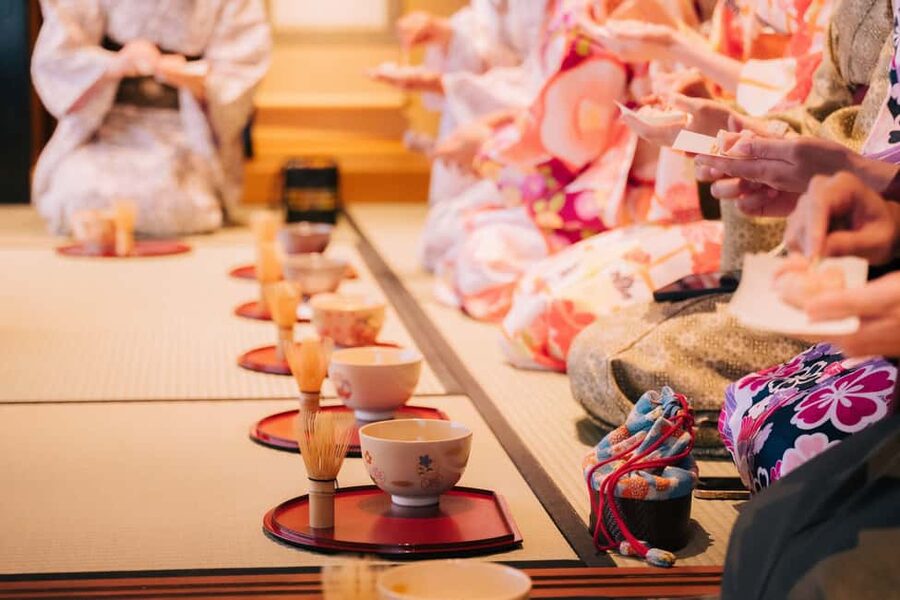
At $49 per person, this isn’t a budget add-on, but it also isn’t overpriced for what you receive. You’re getting:
- kimono set rental
- tea ceremony utensil rental
- licensed guiding
- snacks (wagashi and matcha)
- and, for women, simple hair styling
Then there’s the part that’s harder to price: you’re learning actual matcha preparation, including using the chasen and making your own bowl. Many “cultural” activities in Kyoto are more watch-and-photo than learn-and-practice. Here, you practice.
Also, the group size stays small (max 10). That matters because it improves the quality of instruction. You’re not squeezed into a conveyor-belt schedule.
My take: $49 feels reasonable because the experience covers both “presentation” (kimono, photos, tea room) and “skill” (matcha prep, and possibly calligraphy). If you want a deeper cultural activity rather than a quick photo stop, this price lines up well.
What it’s best for (and what might not fit)
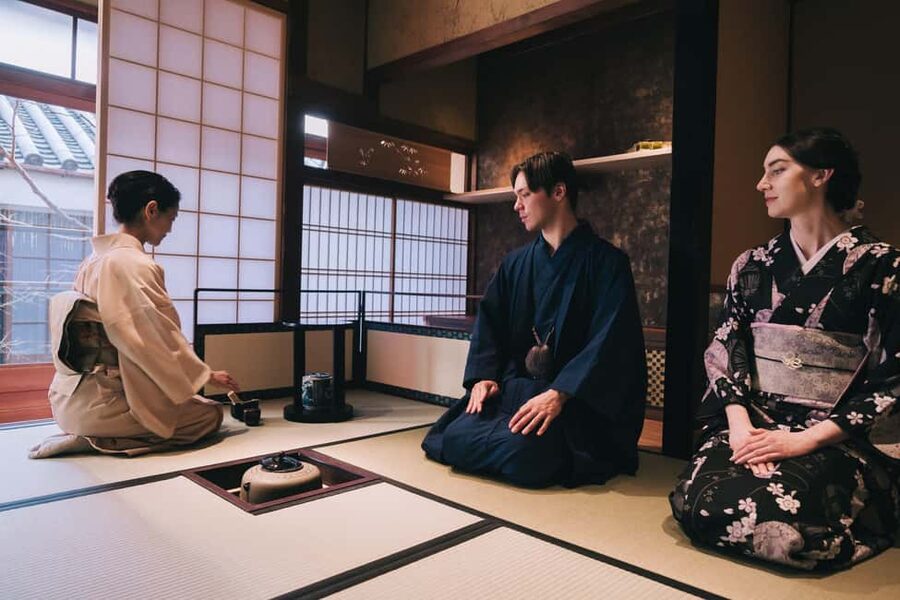
This activity fits best if you:
- want a structured, calm cultural lesson instead of a rushed attraction
- like hands-on learning (matcha whisking, making your own bowl)
- want kimono dressing without the stress of doing it yourself
- enjoy quiet, respectful environments
It may be less ideal if you prefer big, high-energy sightseeing shows. This is a quieter activity. You’re trading spectacle for craft, etiquette, and explanation.
It’s also a good option if you’re traveling as a couple, friends, or solo. With the small-group setup, you’ll still get personal attention. English instruction helps too, since the steps are explained clearly rather than leaving you to guess.
Final call: should you book the Kyoto kimono tea ceremony at Orizuruya Gion?
I’d book it if you want a real Kyoto cultural moment that feels guided, not confusing. The kimono selection, the expert dressing process, and the chance to make matcha yourself are the core reasons. Add the optional calligraphy if you want more than one craft skill from your time in Gion.
If you’re short on time, check your schedule carefully since the session runs 90 minutes to 2 hours, and the kimono time afterward can affect how you plan the rest of your day. But if you can fit it in, this is the kind of experience that turns Kyoto from something you see into something you participate in.
FAQ
How long is the kimono tea ceremony at Orizuruya Gion?
The experience runs about 90 minutes to 2 hours, depending on the option you choose.
Is the experience offered in English?
Yes. The licensed guide and instructor provide instruction in English.
What is included in the standard tea ceremony?
It includes kimono set rental, tea ceremony utensils rental, snacks (wagashi and matcha), simple hairstyling (for women), and all fees and taxes.
What if I choose the calligraphy option?
If you select the Kimono Tea Ceremony & Japanese Calligraphy Experience, you’ll also get a Japanese calligraphy set rental.
Can I keep the kimono after the ceremony?
Many participants mention being able to keep the kimono to walk around afterward, with some noting time until 5 pm.
Where do I meet for the activity?
You meet at Gion Oritsuruya, 572-7 Minamigawa, Gion-machi, Higashiyama-ku, Kyoto-shi, Kyoto. It’s about a 10-minute walk from Hankyu Kyoto-Kawaramachi Station and about a 7-minute walk from Keihan Gion-Shijo Station.
What is the cancellation policy?
There is free cancellation up to 24 hours in advance for a full refund.