REVIEW · KYOTO
Kyoto: 45-Minute Tea Ceremony Lesson Experience
Book on GetYourGuide →Operated by Tea Ceremony Koto · Bookable on GetYourGuide
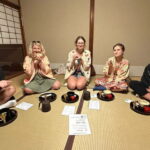
Matcha becomes more than a drink in Kyoto. In 45 minutes at Tea Ceremony Koto, a licensed Urasenke teacher guides you through a real matcha ritual on the tatami, then walks you through what each step means. I love that you actually make the tea, not just watch from the sidelines.
My second favorite part is the tasting: you try two flavors of Japanese green tea and get traditional sweets to balance the experience. The tea master explains the history and the spiritual role of the ceremony in a way that connects the etiquette to what you taste in your cup.
One consideration: the ceremony is designed for floor sitting. If you might have trouble, tell the supplier ahead of time so you can get chairs.
In This Review
- Key things I’d pay attention to
- Why this 45-minute Kyoto tea ceremony feels like the real thing
- Getting there and entering the tea room near Kinkakuji
- The tea master’s prep: watching matcha made by the rules
- Making your own matcha in a short, exact sequence
- Sweets after matcha: why the timing matters
- Kimono add-on, Nishijin textiles, and photo time
- Candlelight ceremony option after sunset in old-Kyoto mode
- Private, public, and small-group styles: pick your comfort level
- Private ceremony option
- Public ceremony option
- Candlelight ceremony option
- Price, value, and what you’re really paying for
- Practical tips so your ceremony goes smoothly
- Who should book this Kyoto tea ceremony lesson
- Should you book it?
- FAQ
- How long is the Kyoto tea ceremony lesson?
- What is included in the price?
- Who will teach the ceremony?
- Can I film or record video during the ceremony?
- Is kimono required, or is there a dress code?
- If I book the kimono add-on, when should I arrive?
- Where is the meeting point?
- Is hotel pick-up included?
- What if I need help sitting on the floor?
- Is there free cancellation?
Key things I’d pay attention to
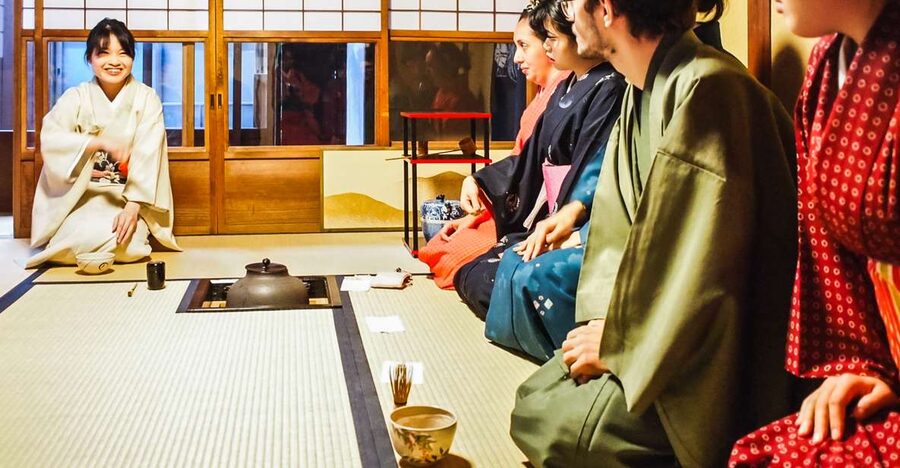
- Urasenke-trained tea master instruction with English and Japanese
- You make matcha yourself, using the rules (not a simplified script)
- Two matcha styles to taste how technique changes flavor
- Optional kimono add-on plus photo time and Nishijin textile examples
- Candlelight sessions that recreate old Kyoto after sunset
- Video recording isn’t allowed, which helps the room stay calm
Why this 45-minute Kyoto tea ceremony feels like the real thing
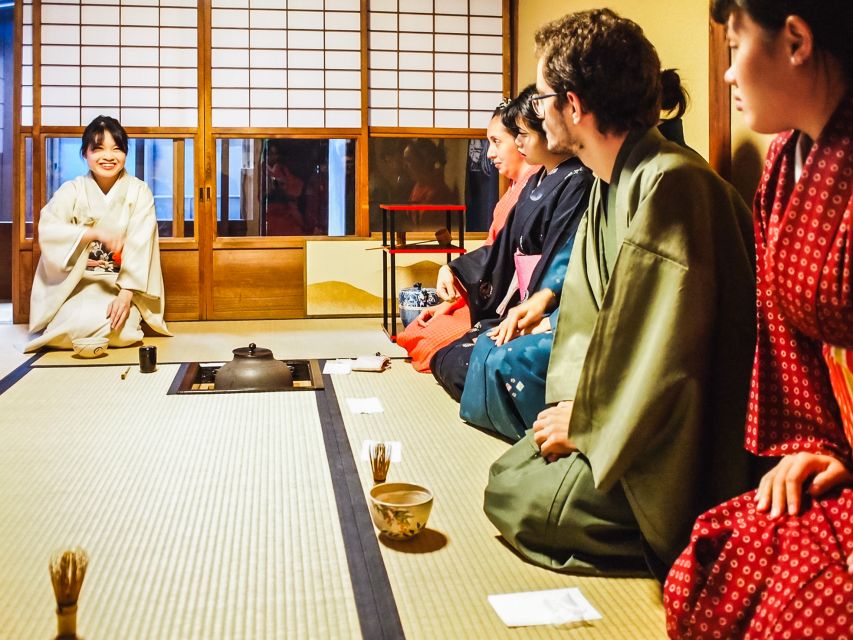
Kyoto has tons of “tea experiences.” This one is different because it treats the ceremony as an art with rules, not a quick photo stop. You sit on a traditional floor mat, you follow the sequence, and you get coached through doing it correctly.
The big payoff is that the time ratio is fair. You spend enough minutes making tea yourself to understand the rhythm: whisk, posture, serving, receiving, tasting, then the quiet end where it all clicks. At $22, you’re also not paying for transportation fluff or costume-only entertainment.
You’ll leave with more than matcha breath. You’ll understand why the ceremony asks for careful attention and why the host repeats the same “small” gestures. Those gestures aren’t decoration; they control the moment.
You can also read our reviews of more tours and experiences in Kyoto.
Getting there and entering the tea room near Kinkakuji
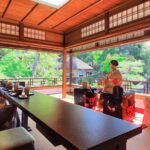
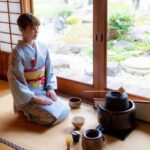
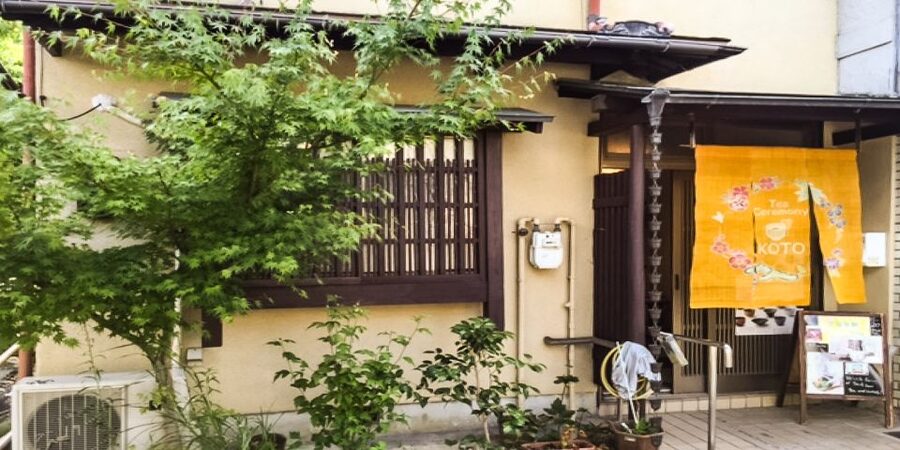
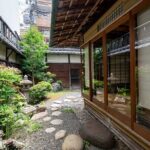
You meet at a location that’s easy to spot if you know what to look for: enter from the sliding door with the orange curtain. That’s your first clue you’ve arrived, and it matters because tea ceremony spaces are set up to prevent distractions.
The meeting point is close to Kinkakuji. It’s about a minute from the Kinkakuji-temple gate and a short walk from the Kinkakuji-michi city bus stop. If you’re using buses, the area is reachable by city bus 204 or 205 from either Kitaoji subway station or JR Enmachi, usually around 10–15 minutes.
If you add the kimono option, arrive 20 minutes early. That early buffer isn’t optional busywork; it’s the difference between a smooth changeover and a stressful scramble.
There’s no hotel pick-up, and there’s no hair setting included. So your best move is to build this into your day like any other short Kyoto activity: get yourself there on time, show up ready to sit still and listen.
The tea master’s prep: watching matcha made by the rules
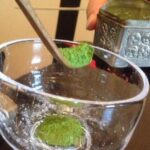
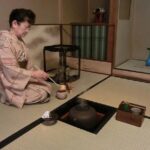
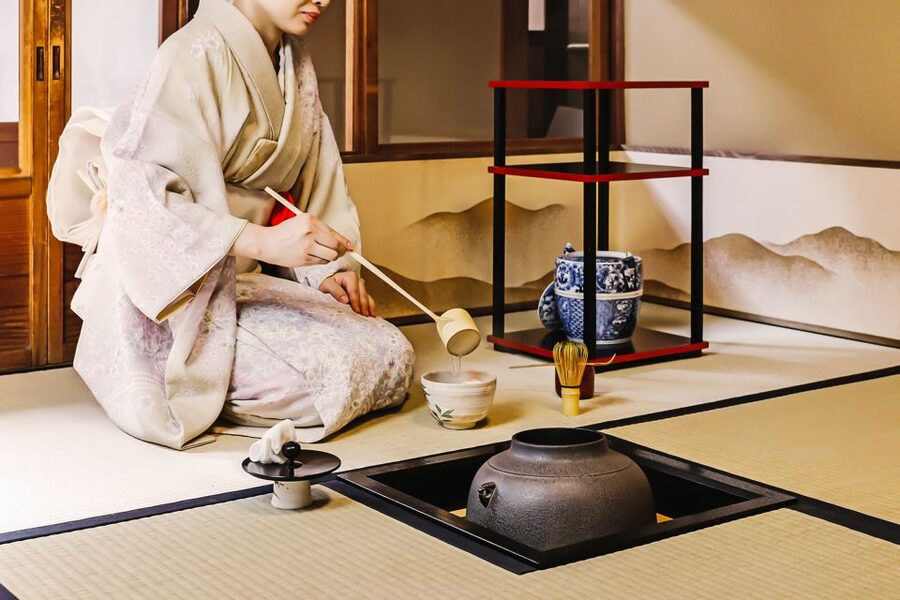
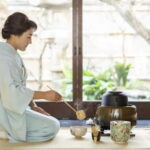
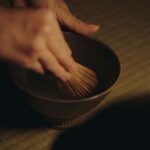
The ceremony begins with the host demonstrating the ceremonial preparation of matcha. You’ll watch matcha become tea through a method that’s precise, slow enough to follow, and structured enough to make sense later when you do it yourself.
This is where the “Urasenke” detail matters. Urasenke is the largest school of tea ceremony in Japan, and the pacing and etiquette you see in the first part tend to be what people mean when they say a ceremony feels formal. It’s not theatrical. It’s controlled.
Also pay attention to what the tea master says about flavor. You’re not just learning what to do; you’re learning what each choice changes. That sets you up to notice differences later when you taste two kinds of green tea.
One more point that affects the vibe: this experience uses the full thin tea ceremony format, not a watered-down version designed only for tourists. The host still keeps it approachable, but the structure stays authentic.
Making your own matcha in a short, exact sequence
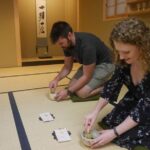
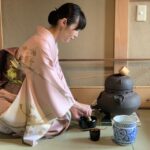
After the demonstration, you take your turn. This part is the heart of the lesson. You’ll learn how to make tea according to the ceremony rules, which means your actions have order and meaning.
What you’re really practicing is control:
- how you whisk so the texture comes out correctly
- how you handle the serving steps with calm timing
- how you present yourself as part of the ritual, not just a spectator
A couple small notes from the spirit of the experience:
- The host teaches etiquette as part of the technique. When you understand the why, you stop treating the moves like memorization.
- Expect a respectful pace. Some sessions can feel “quick” in and out, but the ceremony itself tends to be the main event, not filler.
You also get direct instruction in both languages (English and Japanese). That’s helpful if you want to ask questions without feeling rushed.
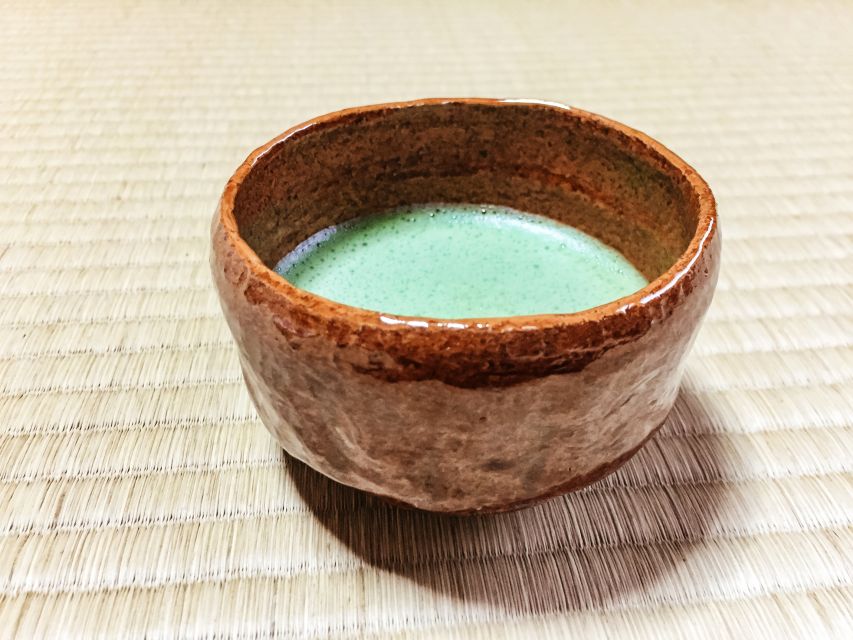
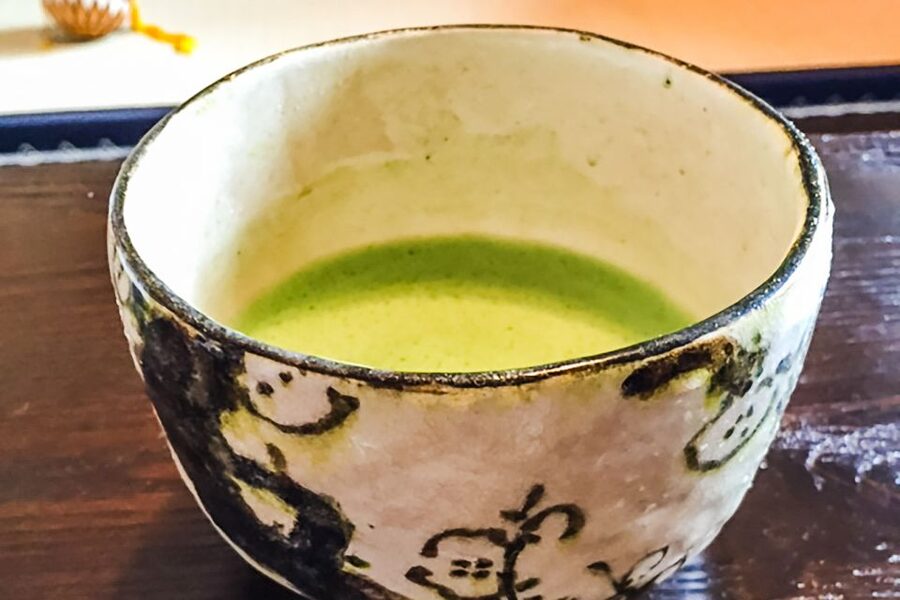
And yes, you’ll taste. The session includes two flavors of Japanese green tea, so you can compare how method and serving affect bitterness, aroma, and sweetness balance.
Sweets after matcha: why the timing matters
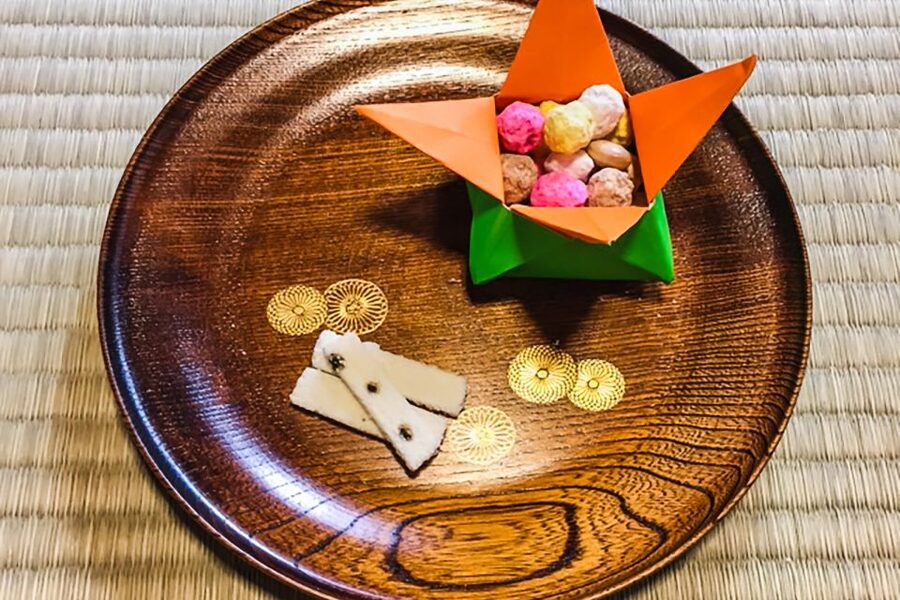
Once the tea-making practice is done, you’ll savor traditional Japanese sweets. The sweets aren’t just a snack. They’re timed to reset your palate after matcha, especially because matcha can range from gentle to quite bitter depending on preparation.
This pairing is one of those understated parts that makes the experience feel complete. You get the tea, you get the correction, then you get to end the ceremony in a calmer headspace.
If matcha usually isn’t your favorite flavor, don’t assume you’ll hate it here. One reason people come away happy is that they’re taught how the tea is supposed to be enjoyed, then they taste a good-quality matcha approach rather than a sugary workaround.
Kimono add-on, Nishijin textiles, and photo time
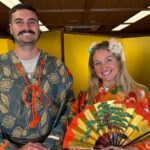
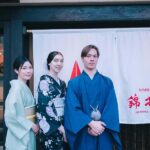
If you want the classic Kyoto look, the kimono add-on is worth considering. It’s optional, and there’s no general dress code, so this is about atmosphere, not conformity.
What you get:
- the chance to wear a kimono during the experience
- time for photos to remember it
- a chance to see examples of beautiful woven textiles from Nishijin district
One detail I like here: the photo time comes after the ceremony closes, so you’re not doing costume photos in the middle of a ritual that needs focus. That keeps the tone respectful.
If you’re the type who cares about how clothing is put on and feels during the experience, arrive early (again, 20 minutes early for kimono). That extra time is how you avoid feeling rushed while changing.
Photos are allowed, but video recording isn’t. So if you plan to record, plan to use photos instead.
Candlelight ceremony option after sunset in old-Kyoto mode
If you’re visiting in the evening, consider the candle light ceremony option. This session is designed to recreate the peaceful ambiance of old Kyoto after sunset. It’s a great match for travelers who want mood, not just information.
The structure still follows the ceremonial sequence, but the lighting changes how the room feels. You’re in the same calm, rule-based space—just with a gentler, older-Kyoto atmosphere.
This is also a nice option for couples and families, because it tends to feel like a shared moment rather than a classroom.
Private, public, and small-group styles: pick your comfort level
Tea Ceremony Koto offers three session styles. Your choice mostly affects the room energy and how much room you have to ask questions.
Private ceremony option
This is for you and your group only. You’ll get close attention from the tea master and a quieter pace. It’s ideal if you want a calm experience with fewer people and fewer variables.
Public ceremony option
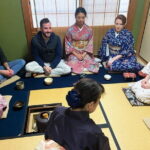
You join a small group. This can feel sociable while still being authentic, and it’s a good fit if you enjoy learning alongside others and don’t mind hearing how etiquette works for beginners.
Candlelight ceremony option
This is the evening mood version. If you’re someone who remembers experiences through atmosphere, the candlelight is often the selling point.
In all formats, the ceremony stays rule-based. So you’re not choosing “how much tea” you get. You’re choosing the tone.
Price, value, and what you’re really paying for
At $22 per person for a 45-minute lesson, you’re paying for three things that are hard to replicate on your own:
- A licensed tea master’s coaching (not just a script)
- Hands-on practice with matcha, including ceremonial rules
- Two matcha flavors plus sweets, which turns it into a true tasting lesson
What’s not included: hotel pick-up, hair setting, and kimono (unless you select the add-on). So the total cost can rise if you do the kimono option, but even then you’re paying for an experience that includes both ritual participation and photo memory.
Value is strongest if you show up ready to learn. This isn’t the best use of your money if you want a party-like activity. It’s best if you like calm, respectful cultural practice and you want your hands to learn the steps.
Practical tips so your ceremony goes smoothly
A few practical points can save your day:
- Watch the do’s and don’ts video before you go. The tea ceremony includes basic rules for proper behavior, and the provider specifically recommends reviewing short videos that show what not to do. It prevents awkward moments and helps you relax.
- Be ready for floor sitting. If you need chairs, tell the supplier so they can provide them.
- Keep your phone use in check. Video recording isn’t allowed. People also tend to keep the room calm, which means less time looking at screens and more time paying attention.
- Plan your exit transportation. After the ceremony, calling a taxi can be difficult because taxi companies won’t get on the phone immediately. There’s a big taxi stand in front that typically opens around 5:30 PM.
- No dress code, so wear something you can sit comfortably in. Your goal is mobility, not fashion perfection.
If you can handle stillness for about 45 minutes, you’ll get a lot more out of this than you expected.
Who should book this Kyoto tea ceremony lesson
Book it if:
- you want an authentic Kyoto cultural activity that stays calm and respectful
- you like hands-on learning (whisking matcha is part of the point)
- you care about etiquette and why steps matter, not only how to take photos
- you want a full-style thin tea ceremony experience rather than a simplified version
Skip it if:
- you’re looking for a lively, outgoing entertainment format
- you’re unable or unwilling to sit on the floor (and you don’t want to request chairs)
- you expect to record video throughout
Should you book it?
Yes, I think you should book this if you want a tea ceremony that feels like a real lesson and not a quick tourist performance. The combination of matcha practice, a tea master from Urasenke, and two tastings plus sweets makes the $22 feel fair for what you learn and how you experience it.
If you’re in Kyoto around sunset, the candlelight option is the one I’d lean toward for mood. If you want maximum quiet and personal pacing, go private. Either way, do the small prep step of reviewing the do’s and don’ts, arrive on time, and you’ll leave with a calmer brain and a better understanding of what matcha culture is about.
FAQ
How long is the Kyoto tea ceremony lesson?
It lasts 45 minutes.
What is included in the price?
You get two flavors of Japanese green tea and traditional Japanese sweets.
Who will teach the ceremony?
The instructor is a tea master who speaks English and Japanese.
Can I film or record video during the ceremony?
Video recording isn’t allowed.
Is kimono required, or is there a dress code?
There is no dress code. A kimono is optional as an add-on.
If I book the kimono add-on, when should I arrive?
You need to arrive 20 minutes early for the kimono add-on.
Where is the meeting point?
Enter from the sliding door with the orange curtain. It’s about 1 minute from the gate of Kinkakuji-temple.
Is hotel pick-up included?
No, hotel pick-up is not included.
What if I need help sitting on the floor?
If you might have difficulty sitting on the floor, tell the supplier ahead of time and they can provide chairs.
Is there free cancellation?
Yes, you can cancel up to 24 hours in advance for a full refund.