REVIEW · NUWARA ELIYA
Private Tea Tour and Tea Factory
Book on Viator →Operated by The Tea field’s · Bookable on Viator
Tea starts with leaf, not factory. In Hatton’s tea belt, I love wandering through tea fields and meeting the pluckers, and I also like how the tour follows the leaf through the factory steps before you drink freshly made tea.
Plan around weather, though, since the experience requires good weather.
The pace is friendly and hands-on: you’ll walk, watch, and even try your hand at plucking. I also appreciate that the group stays small (up to 10 people), so the guide can answer questions as you move station to station.
For $20 per person and about 3 hours starting at 2:30 pm, it’s a focused chunk of tea education without feeling rushed. It’s a smart pick if you want more than a photo stop and you enjoy practical, step-by-step explanations.
In This Review
- Key highlights I’d bet on
- Hatton Tea Country: why this 3-hour tour feels practical
- Price and group size: $20 for a full tea education
- Start in Norwood, finish where you began
- Walking the tea fields and learning plucking the right way
- The pluckers village and temple stop: tea labor has a home
- Weighing stations: where the harvest gets measured
- Inside the tea factory: from withering to packing
- Freshly brewed tea: use the cup to remember the steps
- Timing and weather: the two things that can change your day
- Who should book this tea tour (and who might skip it)
- Should you book the Private Tea Tour and Tea Factory?
- FAQ
- What’s included in the Private Tea Tour and Tea Factory?
- How long does the tour take?
- How much does it cost?
- What time does the tour start, and where is the meeting point?
- How big is the group?
- Can most people participate?
- What happens if the weather is bad?
- What’s the cancellation policy?
Key highlights I’d bet on
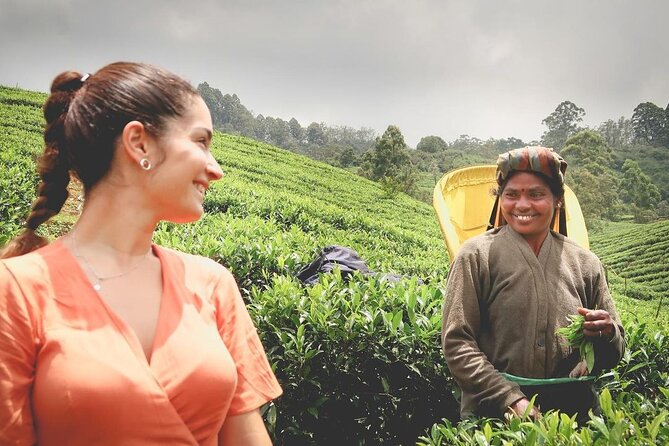
- Tea fields walk with pluckers up close: see how picking fits into day-to-day work.
- Try plucking yourself: short, simple practice that makes the rest of the tour click.
- Pluckers village and temple stop: a cultural add-on that connects tea labor to local life.
- Weighing stations on your route: you’ll see where the harvest gets measured before processing.
- Factory chain from withering to packing: the whole process is shown in order, not as vague talk.
- Fresh brewed tea at the end: you’ll taste what you just learned about.
Hatton Tea Country: why this 3-hour tour feels practical
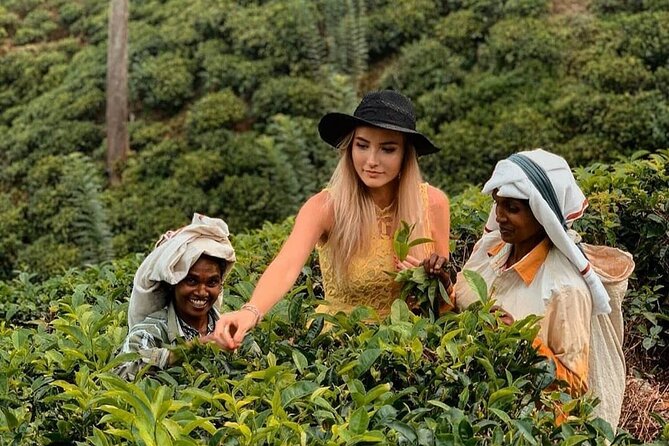
This is a Hatton tea tour in Sri Lanka’s tea heartland, in the Nuwara Eliya area. What makes it feel worth your time is the structure: you move from the bushes to the people who pick, then to the factory line, and finally to a cup of freshly brewed tea. It’s the full “tea leaf to tea pot” story, in a way that’s easy to follow.
I like that you’re not stuck watching from the outside. You’ll walk among the tea, meet the pluckers, learn their technique, and try plucking yourself. That one hands-on piece turns the tour from sightseeing into understanding.
You can also read our reviews of more tours and experiences in Nuwara Eliya.

Price and group size: $20 for a full tea education
At $20.00 per person, this sits in the budget-friendly zone for a guided tour that includes multiple stops and a factory visit. A lot of tea experiences stop at the view or at a shop. Here, you pay for the steps: fields, pluckers village and temple, weighing stations, factory processing (withering through packing), and a freshly made cup.
The small group matters. With a maximum of 10 people, the guide can keep the tour moving while still stopping to explain what you’re looking at. That helps if you have questions about tea work, processing, or what you should pay attention to.
And because it’s a private tea tour, you get that more personal vibe without needing a big group or a long travel day to make it feel “worth it.”
Start in Norwood, finish where you began
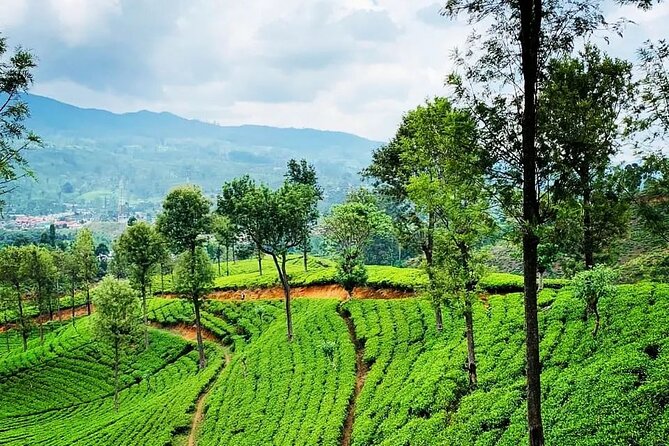
The tour starts at RJR9+WC Norwood, Sri Lanka at 2:30 pm. The activity ends back at the same meeting point, so you don’t end up figuring out transport after the fact.
It’s also listed as being near public transportation, which is a real plus in a region where getting around can take planning. If you’re building your day in Nuwara Eliya/Hatton area, this late-afternoon start gives you time to do something earlier and still catch daylight for the tea fields.
Walking the tea fields and learning plucking the right way
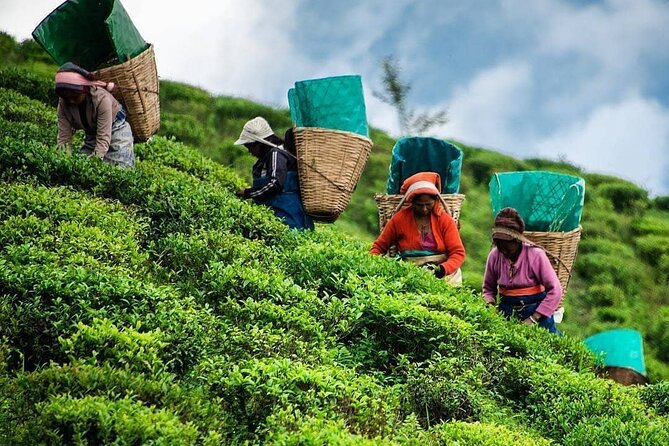
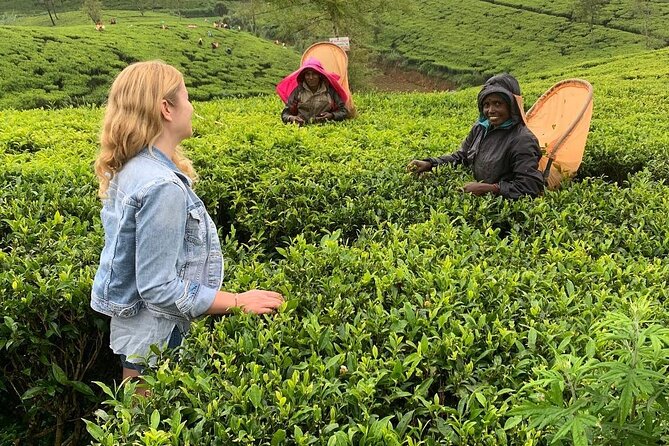
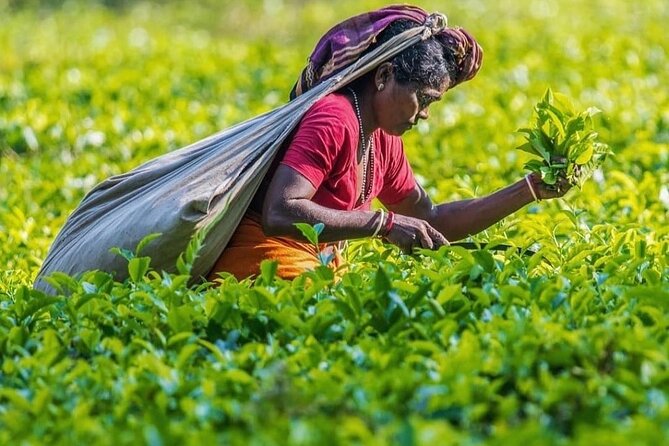
You kick things off with a walk among the tea bushes. This is where you start seeing tea as a crop, not just as a background for selfies. You’ll meet the pluckers and learn their technique, which matters because tea picking is work with its own rhythm.
One of the best parts is trying to pluck yourself. Even if you’ve never done it before, you’ll get a quick sense of what pickers aim for and how careful picking affects the next steps of the harvest. It’s not about perfection. It’s about getting your hands and eyes on the same process the factory depends on.
If you want a more grounded understanding of tea production, this is the section to pay attention to. Watch how pluckers move, notice what they choose, and take the guide up on explanations while you’re standing in the fields.
The pluckers village and temple stop: tea labor has a home
You also visit the tea pluckers village and temple. This part changes the tone from production-only to people-and-place. Tea work isn’t just tasks in a field; it’s connected to community life, and that connection is what you get a glimpse of here.
Even if you’re not religious yourself, a temple visit can still be meaningful as cultural context. You’ll get a sense of how tea labor fits into the day-to-day structure of local life.
This stop is also useful for your perspective. After you’ve met pluckers and tried plucking, the village and temple section helps explain the human side of the tea economy.





Weighing stations: where the harvest gets measured
Next come the weighing stations. This is one of those quietly important parts that many visitors miss. You’ll see where the harvest gets measured before it enters processing.
Why it matters for you: it connects the field activity to what happens at the factory. Once you’ve seen weighing stations, it’s easier to understand why processing needs a consistent feedstock. Even without technical details, the “measure first, process after” idea makes the factory tour feel more logical.
This station also helps you slow down. Instead of rushing from field to factory, you get a checkpoint that turns the tour into a real workflow.
Inside the tea factory: from withering to packing
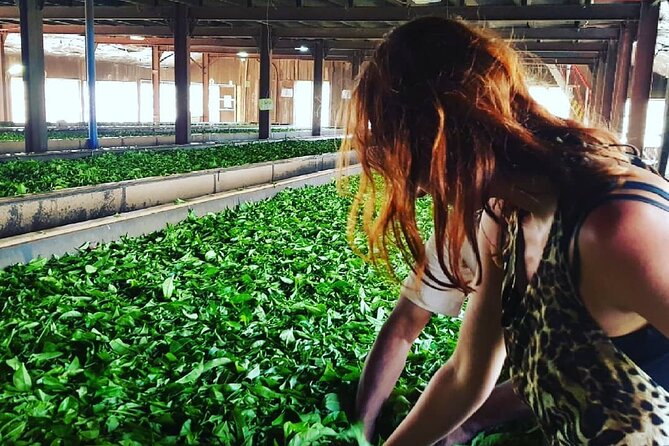
The heart of the experience is the factory visit, where you learn about the processing stages in order: withering, rolling, drying, shifting, testing, and packing.
Here’s what makes this section especially valuable: you’re not hearing a list from afar. You’re standing at the points in the chain, seeing how the leaf moves from one stage to the next. That makes the whole system click as a sequence rather than a mystery.
For each station, I’d suggest you focus on three things:
- How the leaf looks at that stage (color, texture, and general change from step to step).
- What seems to be the goal of that station in plain terms (the guide will explain, and you’ll be able to follow the logic better if you’re watching).
- How the sequence flows from withering → rolling → drying → shifting → testing → packing.
The factory tour doesn’t feel like a lecture. It feels like the guide is walking you through the logic of tea-making, station by station. And because you already tried plucking in the fields, you’ll understand what goes into the system.
Freshly brewed tea: use the cup to remember the steps
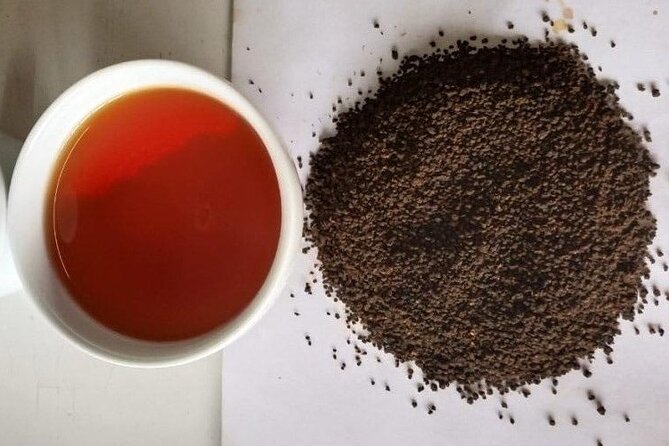
At the end, you get to drink freshly made and brewed tea. This tasting isn’t just a perk. It’s the moment where the entire tour turns into something you can remember with your senses.
I find it helpful to treat the cup like a recap. When you sip, mentally match it back to what you saw: the leaf came in from the fields, got prepared through the stages (withering, rolling, etc.), then got tested and packed. That mental connection makes the experience stick.
If you’re the type who likes to learn and then immediately apply it, this tasting gives you that payoff. It’s also a nice way to end without dragging the tour out longer than needed.
Timing and weather: the two things that can change your day
The tour runs for about 3 hours, starting at 2:30 pm. Because it requires good weather, plan for conditions that support walking in tea country. If conditions are poor, the experience can be canceled and you’ll be offered a different date or a full refund.
My practical advice: if you’re planning multiple activities in Hatton or Nuwara Eliya around the same time, keep some flexibility. A tea field walk is more comfortable when the sky is cooperative. Good weather also makes it easier to enjoy the factory stops without feeling like you’re constantly rushing between cover.
Who should book this tea tour (and who might skip it)
This tour is ideal if you want:
- A hands-on, step-by-step look at how tea goes from field to processing.
- A small group experience with real guidance.
- The chance to pluck tea leaves yourself, then taste the result.
You might skip it if you prefer purely scenic tours with minimal participation. This one asks for movement and attention. It’s great for tea people and curious learners, but it’s not designed as a slow, lounging experience.
It’s also a strong option for anyone who’s spent time in Sri Lanka before and wants something more grounded than just viewpoints. Tea production is part of daily life here, and this tour shows you how that production works.
Should you book the Private Tea Tour and Tea Factory?
If you’re staying in the Hatton / Nuwara Eliya area and you care about how things are made, I’d book it. For $20, you’re getting a real workflow: tea fields, pluckers and their technique, village and temple context, weighing stations, factory processing from withering to packing, and a freshly brewed cup to close it out.
Choose it especially if you like tours with a guide who explains the process clearly. The best part of this experience is that it doesn’t treat tea like a vague product. You leave with the sequence in your head and the taste in your cup.
FAQ
What’s included in the Private Tea Tour and Tea Factory?
You’ll walk among the tea in the tea fields, meet the pluckers, learn their technique, try your hand at plucking, visit the tea pluckers village and temple, see the weighing stations, and go to the factory to learn the processing steps: withering, rolling, drying, shifting, testing, and packing. You’ll also drink freshly made and brewed tea.
How long does the tour take?
The duration is about 3 hours.
How much does it cost?
The price is $20.00 per person.
What time does the tour start, and where is the meeting point?
The tour starts at 2:30 pm. The meeting point is RJR9+WC Norwood, Sri Lanka, and the tour ends back at the same meeting point.
How big is the group?
This experience has a maximum of 10 travelers.
Can most people participate?
Most travelers can participate.
What happens if the weather is bad?
This experience requires good weather. If it’s canceled due to poor weather, you’ll be offered a different date or a full refund.
What’s the cancellation policy?
You can cancel for free up to 24 hours in advance for a full refund. If you cancel less than 24 hours before the start time, the amount paid is not refunded. Any changes within 24 hours of the experience start time aren’t accepted.