REVIEW · NUWARA ELIYA
Nuwara Eliya: Tea Factory and Pickle Waterfalls Tuk Tuk Tour
Book on GetYourGuide →Operated by TRAVRI.com · Bookable on GetYourGuide
Tea factories and waterfalls in one tidy loop. You start with the Damro Labookellie tea experience and the Blue Field factory visit, then cool off at Ramboda Falls and Puna Ella. I love the tea-focused tastings and the way the guide pulls in viewpoints along the way, often led by pros like Saliya or Saravanan who also handle lots of photos. One consideration: the tuk-tuk day can run longer than the listed time, and the waterfall walks mean real steps and some rocky footing.
Pickup is simple from Nuwara Eliya bus stand or your nearby address, and you skip ticket lines for the factories. It’s a private tuk-tuk with an English-speaking guide, so you can move at a comfortable pace and stop for photos without feeling herded. Bring warm layers too, since the air around the falls can feel cold fast after the climb.
In This Review
- Key highlights to look forward to
- Why this Nuwara Eliya tea-and-waterfalls combo works
- Private tuk-tuk logistics: pickup, timing, and photo stops
- Damro Labookellie Tea Centre: picking, testing, and pickle tea
- Blue Field Tea Factory: a second look that improves the first
- Ramboda Falls: 109 meters of drama and the step-count reality
- Puna Ella Falls: smaller, calmer, and colder
- Nuwara Eliya town time: what the short break is good for
- Price and value: is $33 per person fair?
- What to pack for a comfy tea-and-falls day
- Should you book this Nuwara Eliya tea factory and waterfalls tuk-tuk tour?
- FAQ
- How long is the Nuwara Eliya tea factories and waterfalls tuk-tuk tour?
- Which tea factories are included?
- Which waterfalls are included?
- Is pickup and drop-off included?
- Is this tour private?
- Is the guide available in English?
- Are entrance fees included?
- Is food and drinks included?
- What should I wear or bring?
- Is this tour suitable for people with mobility issues?
Key highlights to look forward to

- Two tea factories, two different experiences: Damro Labookellie and Blue Field both teach how Ceylon tea becomes tea, not just tea shop sales.
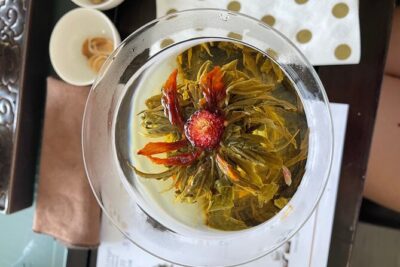
- Pickle tea is the quirky flex: You’ll see (and taste, if you want) that famous sour-savory style that pairs with Sri Lankan flavors.
- Ramboda Falls is dramatic: A tall, 109-meter drop and strong photo backdrops.
- Puna Ella brings the chill: A quieter, colder feeling stop that’s great for a slower moment.
- Guides that make it easy: People like Saliya and Saravanan are praised for photo help and for not rushing you.
Why this Nuwara Eliya tea-and-waterfalls combo works
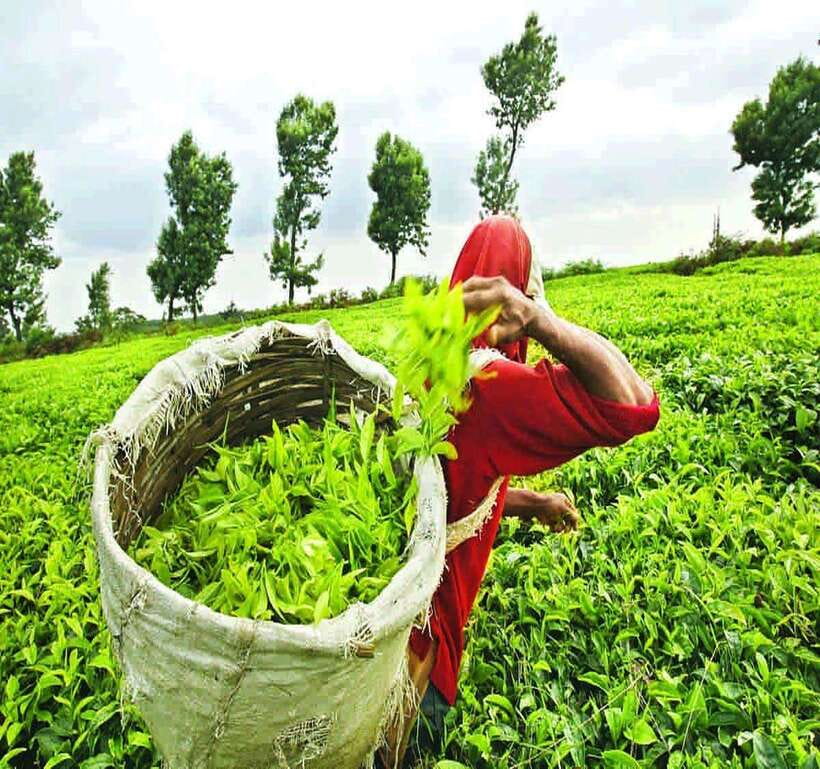
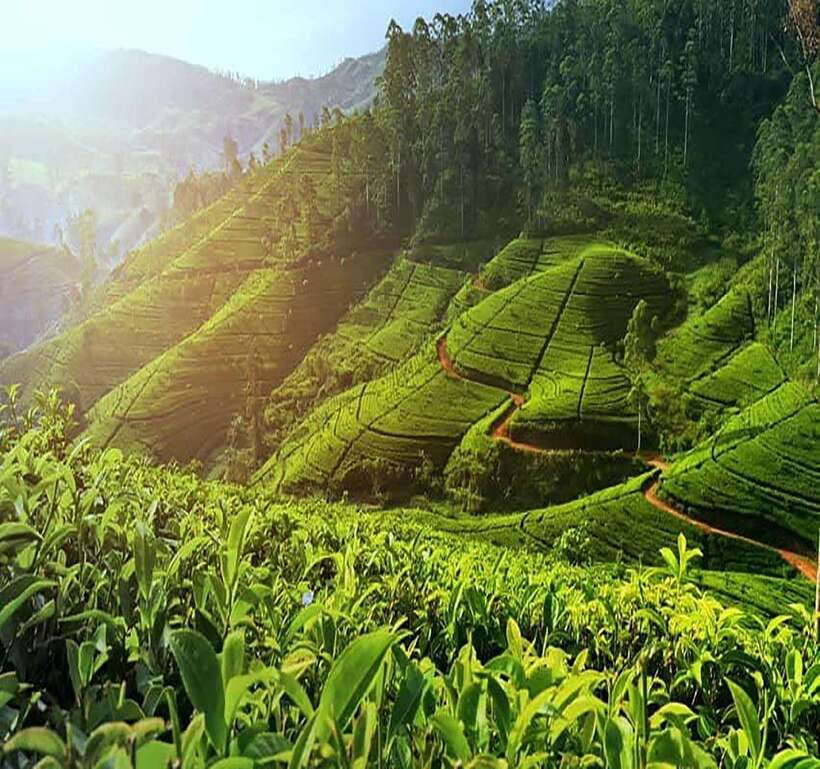
Nuwara Eliya is the kind of place where the views feel cool even in daylight—misty hills, tea estates, and that crisp highland air. This tour uses that setting well by mixing two worlds you’d otherwise have to piece together yourself: tea production and waterfall walks.
The tea side matters because you’re not just buying souvenirs. You’re seeing how the leaves move through processing, learning what makes different teas taste different, and then checking out the tea shops at the end. The waterfall side matters because it’s the fastest way to understand the area’s weather and geography in real time—one minute you’re in the tea gardens, and the next you’re feeling the damp, cold air near the falls.
The only real “watch-out” is physical effort. The falls stops aren’t flat strolls. Even if you’re fine with walking, expect lots of steps and uneven footing around the viewpoints.
You can also read our reviews of more tours and experiences in Nuwara Eliya.

Private tuk-tuk logistics: pickup, timing, and photo stops
This is a private group experience with pickup and drop-off in the Nuwara Eliya bus stand area. The plan is designed to keep you from spending your day negotiating rides, waiting around, or getting lost on steep roads.
Duration is listed as 3 hours, but the tour description also notes 4–5 hours by tuk-tuk, and some schedules can stretch longer depending on the stop length and the timing of the day. That’s actually good news if you like breathing room. It means you can slow down at viewpoints and not feel like every photo is a rushed checkpoint.
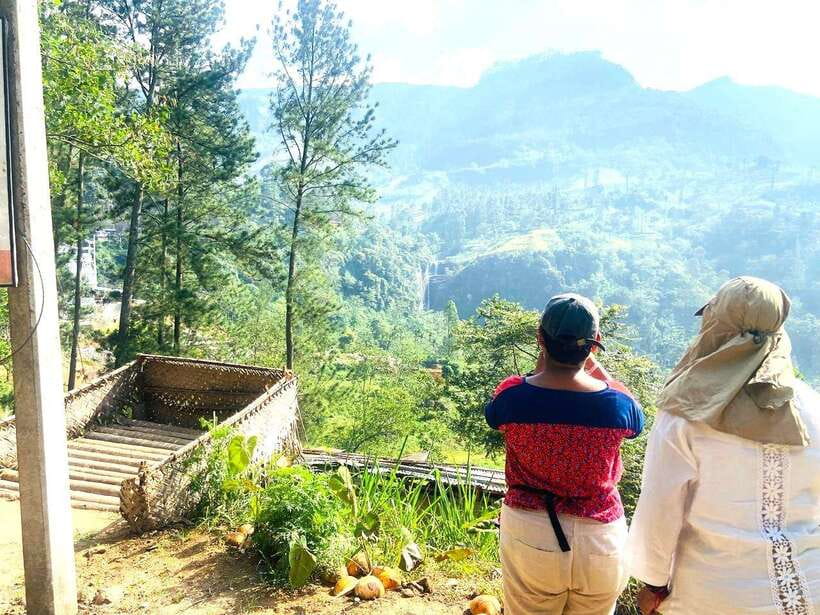
One of the best parts is how the guide handles the “in-between” moments. Even on the road, you’re not just moving from A to B. The guide stops for viewpoints and helps with photos, so the ride becomes part of the experience rather than dead time. If you prefer a calm, low-stress day, this setup fits.
Tuk-tuk comfort can vary by vehicle, but you may find helpful extras like charging ports or a speaker system on at least some rides. Either way, you’re in a smaller vehicle than a bus tour, which usually means fewer delays and more control over pace.
Damro Labookellie Tea Centre: picking, testing, and pickle tea
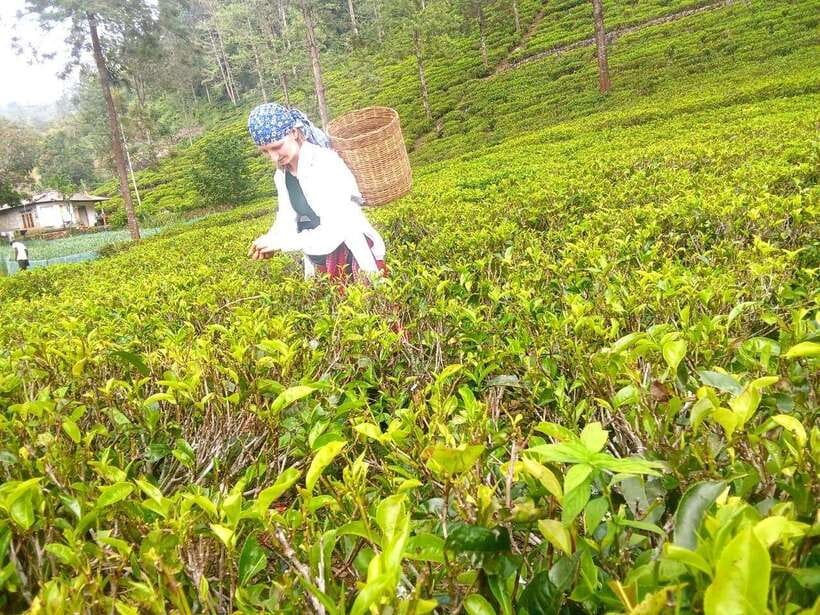
Your tea day starts with Damro Labookellie, a classic Nuwara Eliya stop that focuses on how tea becomes tea, plus the “what to buy” part that makes sense after you understand the process.
Here’s what you’ll typically experience:
- Tea factory visit where you can see how leaves are processed
- Tea testing so you can compare flavors after learning the steps
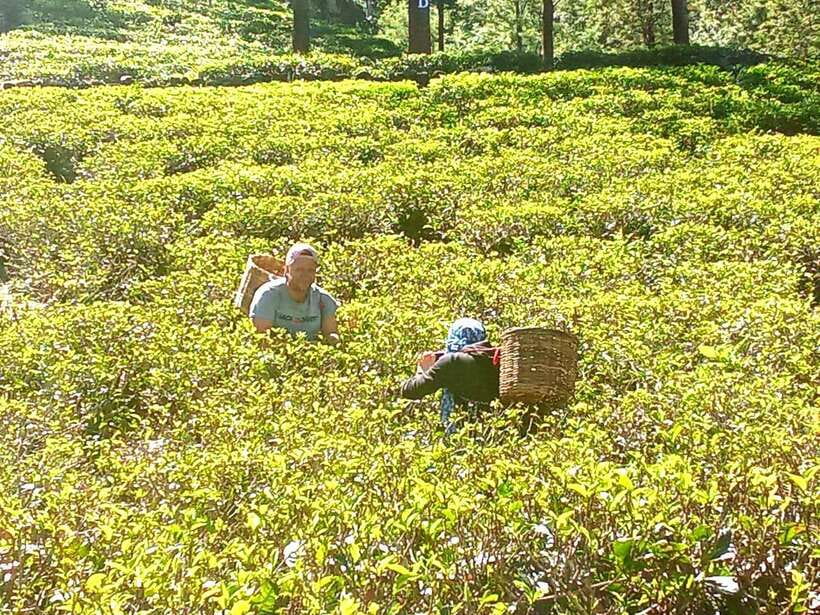
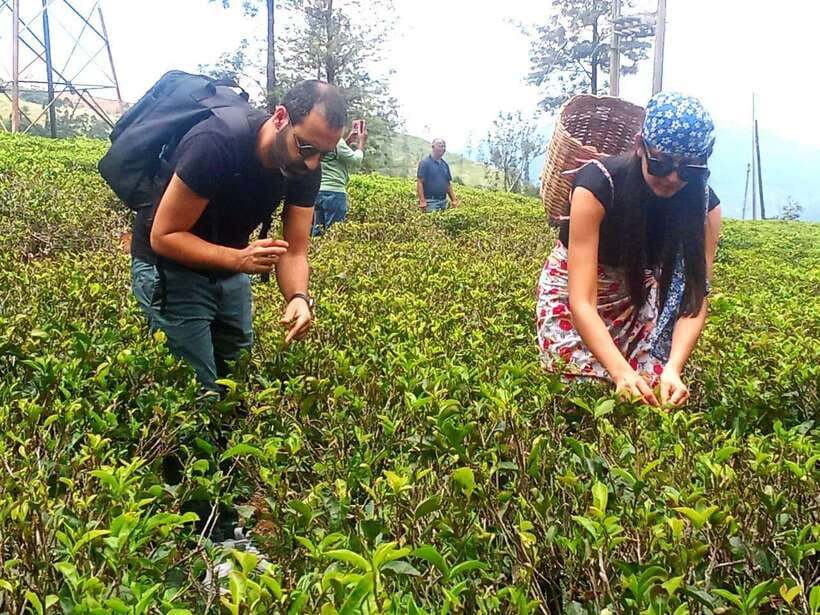
- A tea garden walk that helps you connect the plants to the final product
- The standout weird-but-good item: pickle tea
That last one is worth paying attention to. Pickle tea is not everyone’s first choice, but it’s memorable because it connects to local taste habits. If you like trying food oddities that actually have a reason behind them, this will scratch that itch. If sour flavors aren’t your thing, you can skip the tasting and still enjoy the rest of the factory walk.
The garden portion is also where the tour becomes more than a quick museum stop. You’ll get a sense of how the tea estates are laid out and what “fresh from the source” really means. And because this is private, you’re more likely to get time for questions rather than getting swept along.
The main drawback at Damro is the same one you’ll notice across tea estates: it’s a shop-and-sampling environment. There are tea sales around, but the private guide format gives you a chance to say what you want and what you don’t. If you want to keep it educational and skip heavy buying, you can.
Blue Field Tea Factory: a second look that improves the first
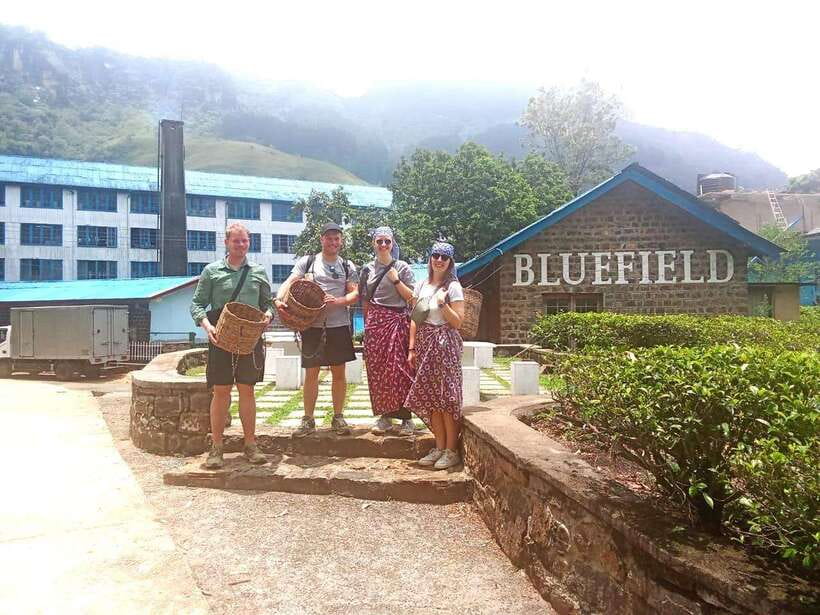
After Damro, the Blue Field Tea Factory stop is one of those “smart second chapters” that makes the whole day click. Seeing two factories helps you compare what’s similar and what’s different—especially when you care about tea beyond the basics.
At Blue Field, you can expect:
- Tea factory visit again, but with a different estate setup and different explanations
- Tea testing that builds on what you learned earlier
- A tea garden walk for context
- A pickle and tea shop where you can bring home what you liked
This stop is valuable because it gives you time to recalibrate. After the first factory, you start recognizing what different teas are supposed to taste like. The second tasting then becomes more than a novelty. It’s a chance to decide what you actually enjoy.
If you’re a serious tea buyer, you’ll also like how the day is structured around shopping after you understand what you’re tasting. It reduces the impulse-buy factor. You can ask questions, look for what you prefer, and buy with more confidence.
One small consideration: tea estates can be chilly, even when the sun is out. If you’re the type who gets cold easily, your second factory stop can feel cooler than you expect—so warm layers really do matter here.
Ramboda Falls: 109 meters of drama and the step-count reality
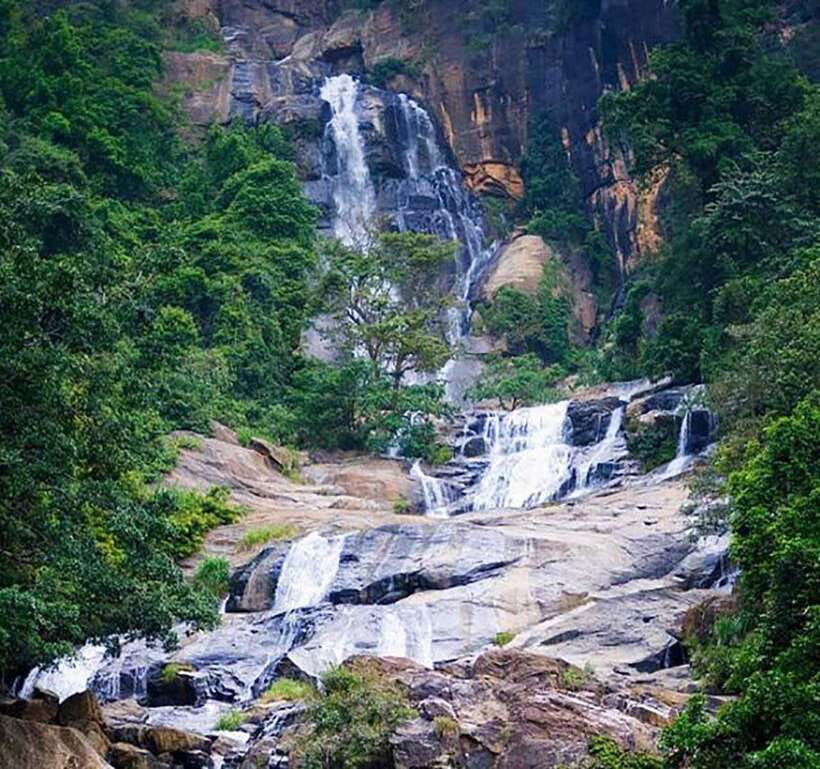
Then you switch from tea rows to water power. Ramboda Falls is the big one on this route, with a 109-meter drop that gives you that classic “whole hillside in motion” feeling.
What you’ll do here is not just look from the road. You’ll visit the falls and walk. That means:
- time to reach viewpoints
- time to take photos
- time to feel the damp air and hear the roar
The practical downside is effort. The path to and around waterfalls involves stairs and rocky bits. Multiple people call out that it can be challenging, including talk of around 400 steps or more. If you have limited mobility or you dislike uneven footing, this is the part to think carefully about.
If you can handle stairs, the reward is big. Ramboda gives you wide photo angles, strong water texture, and a sense of scale that’s hard to get from a quick roadside stop. It also breaks up the day nicely—after a tea-heavy morning, the falls feel like the reset button.
Also bring water. Even if you’re not sprinting, the combination of highland air + walking + sun (when it appears) can add up.



Puna Ella Falls: smaller, calmer, and colder

Puna Ella Falls (often written as Puna Ella / Puna Waterfalls in tour descriptions) is a quieter follow-up to Ramboda. It’s described as scenic and a place to feel the cold, which is exactly what you want after the louder main falls.
This stop tends to work for two types of people:
- you want a more relaxed, less intense moment after Ramboda
- you want colder air and calmer photo conditions for a different look
Because it’s smaller than Ramboda, you can slow down more. You’ll still do some sightseeing and likely some walking around the viewpoints, but the vibe is more about settling in than chasing scale.
If your legs feel tired after Ramboda, Puna Ella can still be worth it. It doesn’t ask for the same level of dramatic endurance, and it often makes the day feel complete—tea, then the big wow, then the quiet “exhale.”
Nuwara Eliya town time: what the short break is good for
This tour includes some exploration time in Nuwara Eliya town. The exact length isn’t pinned down in the details, but the intent is clear: you get at least a small chance to look around without turning the day into a full city tour.
In practice, this is perfect for:
- grabbing a quick drink or snack since food isn’t included
- looking for tea souvenirs you can’t resist after your tastings
- stretching your legs back in town for a calmer ending
One nice thing about having a private guide is flexibility. You might find the guide adds a small extra stop if it fits the schedule. For example, some guides have been known to include quick cultural errands like a post office stop.
Price and value: is $33 per person fair?
At $33 per person, this tour is priced like a value-focused local experience. What you get for that money is a lot: private transportation by tuk-tuk, a guide/driver fee, entrance fees, two tea factory visits with tasting/garden walks and tea shops, plus two waterfall stops with walking.
The value logic is simple. If you try to do this on your own, you’d spend time coordinating rides, paying for separate admissions, and figuring out how to fit Ramboda and Puna Ella without wasting hours. Paying one set price buys a clean route, an English-speaking guide, and the ability to set a reasonable pace.
The best part for value-seekers: the private format means you can take time where it matters—tea explanations, photo stops, and viewpoint breaks—without paying for a rigid bus schedule.
The main reason it might not feel like a deal for you is if you hate walking. The falls require stairs and uneven ground, and the day can run long enough that you’ll want to be comfortable on your feet.
What to pack for a comfy tea-and-falls day
This is a highland day, so think comfort first. I’d pack like you’re going for both a nature walk and a cool-weather experience.
Bring:
- Comfortable shoes with grip for stairs and rocky sections
- Warm clothing for the tea estates and the colder air near waterfalls
- A camera (you’ll want it, especially at Ramboda and the viewpoints)
- Water
If you’re sensitive to cold, bring a light hat too. Nuwara Eliya evenings can get chilly, and even daytime stops around falls can feel sharp after you walk up.
Also plan your energy. The tea stops are manageable, but Ramboda is the physical highlight. If you pace yourself, you’ll enjoy the day instead of just surviving it.
Should you book this Nuwara Eliya tea factory and waterfalls tuk-tuk tour?
Yes, if you want a tea-first day that doesn’t feel like a rushed factory loop. This is a strong fit for people who like Ceylon tea, want to taste and compare at two factories, and still want the big nature payoff of Ramboda plus the colder, calmer feel of Puna Ella.
I’d skip it or choose a lighter alternative if:
- stairs and uneven paths are a problem for you
- you only want casual roadside views (this tour includes walking)
- you’re short on time and can’t handle a day that may run longer than the listed duration
If you do book, go in with a simple mindset: tea knowledge in the morning, waterfall scale in the middle, and a cooler reset at the end. Done right, it’s the kind of Nuwara Eliya day you’ll remember for both the flavors and the falls.
FAQ
How long is the Nuwara Eliya tea factories and waterfalls tuk-tuk tour?
The tour is listed as 3 hours. The tour notes that it involves about 4–5 hours by tuk-tuk, so your day may run longer depending on your timing and the stops.
Which tea factories are included?
You’ll visit the Damro Tea Factory (Damro Labookellie Tea Centre and Tea Garden) and the Blue Field Tea Factory (Blue Field Tea Factory and Tea Garden).
Which waterfalls are included?
The tour includes Ramboda Waterfalls and Puna Waterfalls (Puna Ella Falls in Ramboda).
Is pickup and drop-off included?
Yes. Pickup and drop-off are included within a 3 km radius of Nuwara Eliya Town/Bus Stand, with options that include Nuwara Eliya Bus Station.
Is this tour private?
Yes, it’s a private group experience.
Is the guide available in English?
Yes. The live tour guide is listed as English.
Are entrance fees included?
Yes. Entrance fees are included.
Is food and drinks included?
No. Food and drinks are not included, so you’ll want to budget for your own meals/snacks.
What should I wear or bring?
Wear comfortable shoes and warm clothing. Bring a camera and water for the walks and cool conditions around the waterfalls.
Is this tour suitable for people with mobility issues?
The waterfall walking involves climbs and many steps, so it may not be suitable for people with mobility issues or those who struggle on stairs and rocky sections.