REVIEW · NARA
Nara:Authentic Tea Ceremony(Max 5 ppl) -Master Matcha Making
Book on GetYourGuide →Operated by Kurabi · Bookable on GetYourGuide
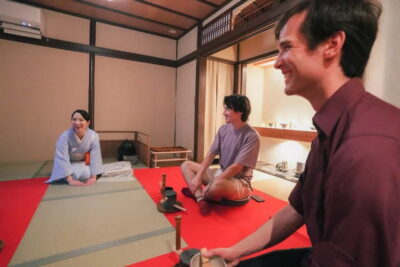
Matcha magic happens in a quiet old house. In Nara, you step into a 120-year-old Japanese farmhouse for an intimate tea ceremony with a master who teaches the motions, etiquette, and the real feel of whisking. I love the one-on-one matcha coaching and the chance to taste and compare single-origin matcha from Nara to find your favorite style. One thing to plan for: it’s only 1 hour, so don’t expect this to replace a longer food tour.
Small group is part of the charm, too—this experience is capped at a tiny number (with one-on-one instruction), not a crowded stage show. Guides are often English-ready (and sometimes you’ll hear Japanese as well), so you won’t get lost in translation while you’re practicing.
For a quick sense of what you’ll get, think calm house, guided steps, hands-on whisking, then seasonal wagashi that actually makes the tea make sense.
In This Review
- Key things you’ll remember
- A 120-year-old Nara farmhouse sets the tone fast
- Tea ceremony etiquette and the “why” behind every motion
- Whisking your own matcha: where the class turns practical
- Single-origin matcha from Nara: how to find your flavor
- Wagashi pairing: the sweet that changes the matcha sip
- Value and the real question: is $46 worth it?
- Who should book this matcha class in Nara
- Should you book in Nara?
- FAQ
- FAQ
- How long is the tea ceremony in Nara?
- How much does it cost?
- Is this experience private or small group?
- What language is the instructor?
- Do I get to make matcha myself?
- Will I taste different types of matcha?
- What sweets are included?
- What else do I learn besides making matcha?
- Is there a cancellation policy?
- Can I reserve without paying right away?
Key things you’ll remember
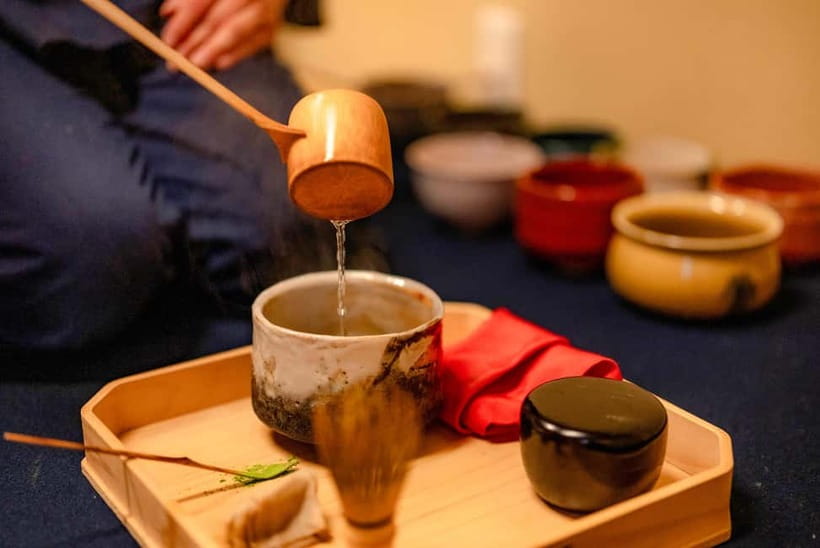
- A 120-year-old Nara farmhouse setting that makes the ritual feel real, not staged
- Master-led matcha making with hands-on practice and personalized feedback
- Single-origin matcha comparison from Nara so you can spot what you personally like
- Tea ceremony etiquette and tool basics explained in a clear, friendly way
- Seasonal wagashi pairing that balances your matcha sip
A 120-year-old Nara farmhouse sets the tone fast
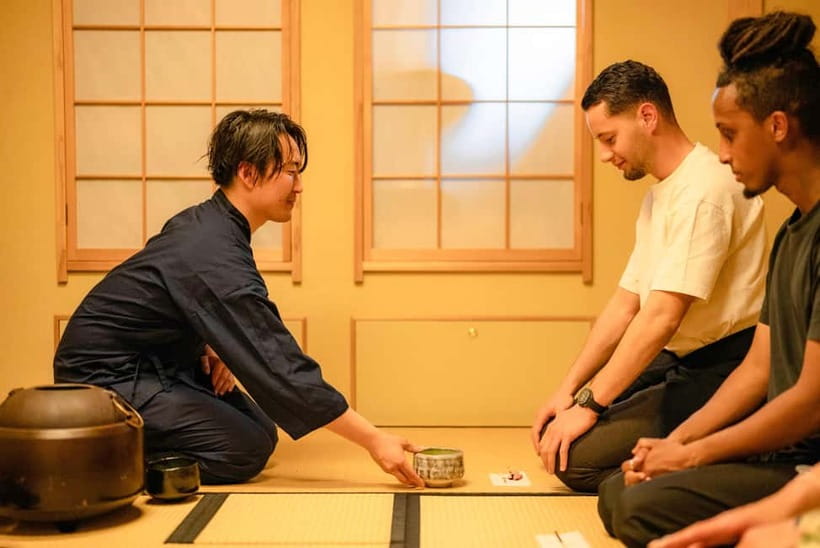
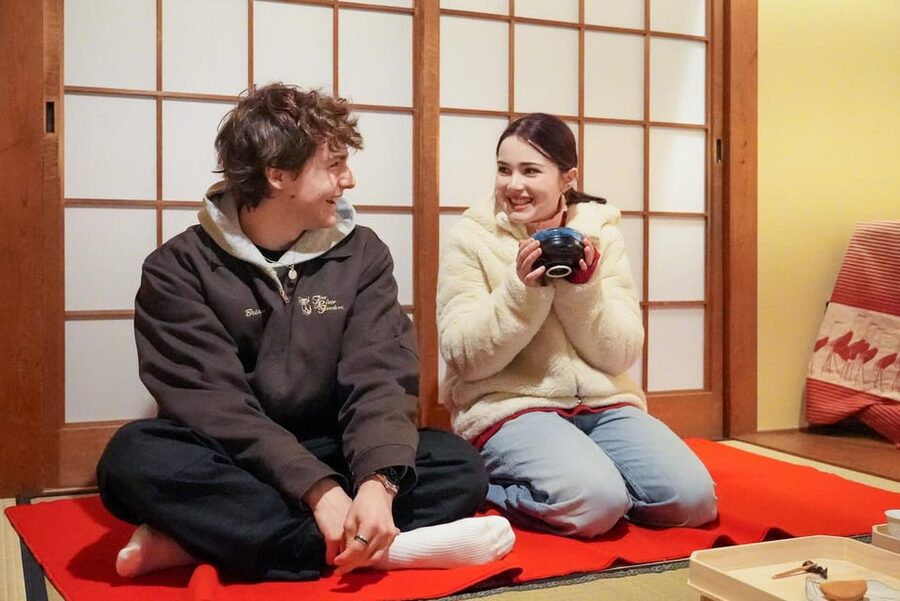
The experience begins the moment you arrive. You’re not in a bright studio with a demo table. You’re in a traditional Japanese house—described as around 120 years old—with the kind of quiet that makes you sit differently. The pace slows down on purpose.
Then the tea master brings you into the flow: history in plain terms, key etiquette points, and what all the tools are for. Even if you’ve never sat through a tea ceremony before, you get the structure, so you’re not just copying moves. You understand what you’re doing and why it matters in the room.
I also like that the atmosphere stays serene. You aren’t being rushed through 10 steps by a timer. It’s calm, and you get time to focus on your whisking and your sip.
One practical note: the experience is short—about 1 hour—so arrive with a clear head and a willingness to pay attention. This isn’t a passive activity.
You can also read our reviews of more tours and experiences in Nara.

Tea ceremony etiquette and the “why” behind every motion
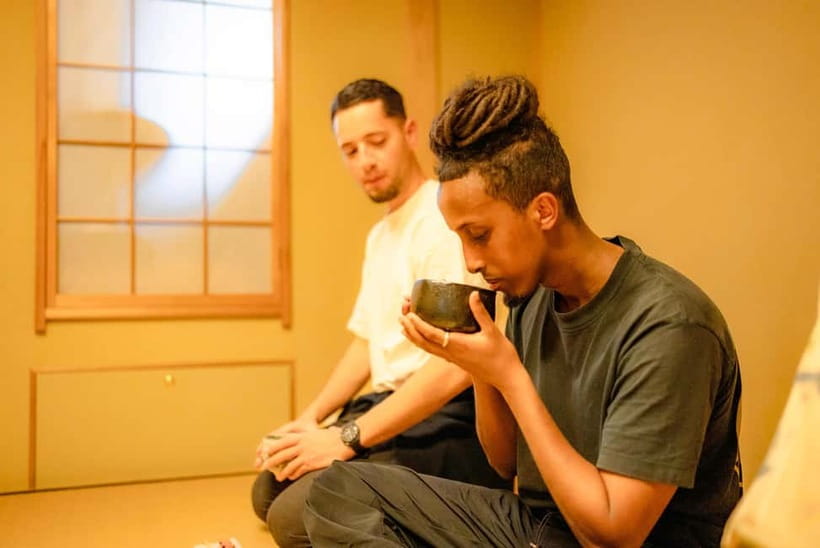
Tea ceremony can look formal from the outside. Up close, it’s really about attention—how you handle the space, how you move, how you respect the moment. In this class, the tea master explains the fundamentals and etiquette along the way, not as a lecture you have to endure.
You also learn a foundation of the ceremony’s history and the role of traditional utensils. The details are usually the ones people miss on their first try: how the tools support the process and how the ritual shapes taste. You don’t just learn a trick for making matcha; you learn how the ceremony frames the flavor.
Here’s what makes this part feel useful for you: once you understand the logic, you’re better at remembering the steps. And when your matcha looks a little off, you’re able to adjust without panic.
English (and Japanese) instruction is listed, and that matters. I like experiences where your questions don’t have to wait for a translator app. You can ask, get corrected, and keep going.
In recent sessions, tea masters like Kurabi have led guests through the full flow, and other hosts mentioned in bookings include Hasumi, Mike, Mark, and Tate. The common thread is the same: clear explanations plus room for your questions.
Whisking your own matcha: where the class turns practical
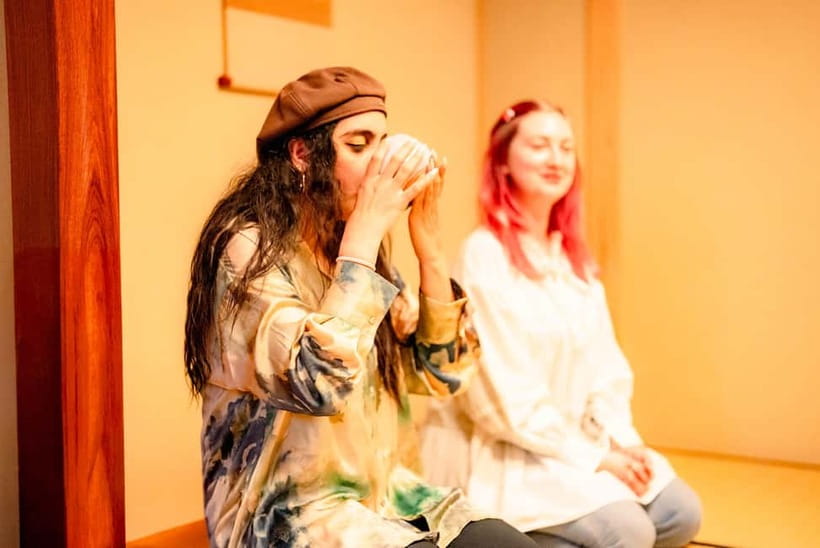
The matcha part is the heart of this experience. You’ll learn tea ceremony basics and then practice preparing matcha yourself with guided instruction. This is hands-on, not a watching-only demo.
You’ll be shown how to whisk and how the technique affects texture and taste. That’s the big difference between drinking matcha and making it. When your whisking is a little too quick or too slow, it shows up immediately in the foam and feel of the cup. That’s why personalized feedback matters so much here.
Once you’ve prepared matcha, you taste it in context. You’re not rushing to finish. You’re learning how to notice aroma first, then flavor, and then how the wagashi you’ll have next changes the whole sip.
And yes, you’ll likely improve during the session. Many people come in thinking they’ll just copy the motions. Then the tea master corrects one small detail, and suddenly the matcha looks and tastes smoother.
Single-origin matcha from Nara: how to find your flavor
This is one of the smarter parts of the experience: you don’t just whisk one matcha and leave. You taste and compare single-origin matcha from Nara to figure out what style you prefer.
That’s a big win for you if you’ve had matcha that tasted too bitter or too flat in the past. Comparison teaches your palate what to look for. You start noticing differences in how it tastes when whisked properly, not just how it tastes in a café.
You also get a practical angle for shopping later. Several hosts share advice about where to buy matcha locally, including suggestions for places tied to Nara (and sometimes nearby) so you can replicate what you liked after you leave.
If your travel goal is one memorable, high-signal food experience (instead of a long buffet of stops), this part hits.
Wagashi pairing: the sweet that changes the matcha sip
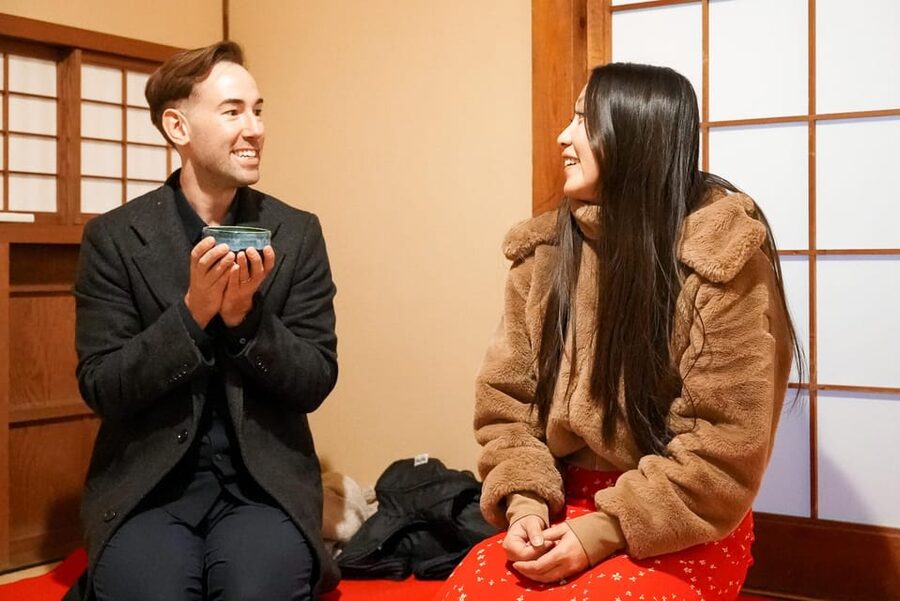
After the whisking practice, you’ll enjoy seasonal wagashi, the traditional Japanese sweets served with tea. The idea isn’t to load up on sugar. It’s to balance the matcha sip.
Seasonal wagashi matters because the sweetness and texture are chosen to complement what’s in the cup. You’re tasting matcha with a companion, and that’s where the ceremony feels complete. Even if you’re not a sweets person, wagashi can make a difference by softening sharp notes and rounding out flavor.
Think of it as a flavor lesson. You taste the matcha one way, then you get the wagashi, then you notice how the experience shifts. That kind of cause-and-effect is why this isn’t just an event; it’s training your senses.


Value and the real question: is $46 worth it?
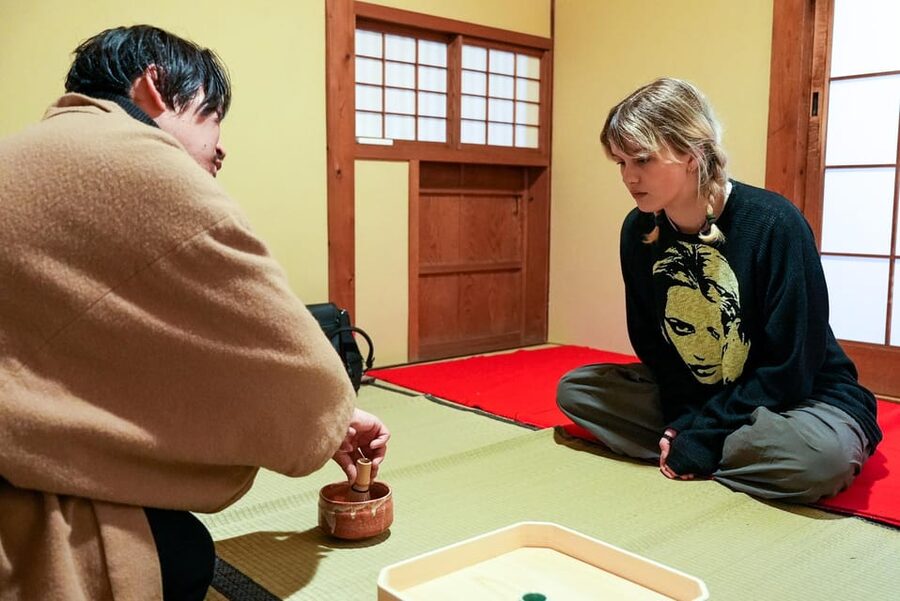
Price is $46 per person for 1 hour. On paper, that can feel like a lot compared to a café tea. But here’s the value math that makes this work for your trip.
First, you’re paying for instruction plus guided hands-on practice. You’re not buying a drink; you’re learning a technique and getting feedback. That’s the kind of value you don’t get in a typical tea shop line.
Second, the setting adds value. A traditional, serene house gives you the right context for paying attention. You can try to recreate matcha at home, but you can’t recreate the same quiet focus.
Third, you’re tasting enough to learn your preferences. Comparing matcha from Nara makes the experience more than one cup. You walk away with a clearer idea of what you like and how to look for it.
So for you, the biggest question isn’t whether $46 is cheap. It’s whether you want a high-quality, skill-based cultural experience in a short window. If yes, this is good value. If you want a long, sightseeing-heavy day, you’ll probably want to pair it with other plans.
Who should book this matcha class in Nara
This fits best if you want:
- A calm cultural experience that’s still hands-on
- Matcha practice with personal feedback, not a one-time demo
- A small-group feel where you can ask questions
It’s also great if you like practical travel moments—like learning something you can repeat at home, plus getting ideas for what to eat next. Many hosts share practical local recommendations, including spots for restaurants and sake stores, and tips for where to buy matcha. One host also gave helpful pointers on local sights, and another even helped guests plan their next transport step.
Who might pass? If you want a full day packed with multiple tastings, this is only 1 hour. You’ll leave with a great matcha skill and a strong cultural experience, but you won’t leave with a whole itinerary worth of food stops.
Should you book in Nara?
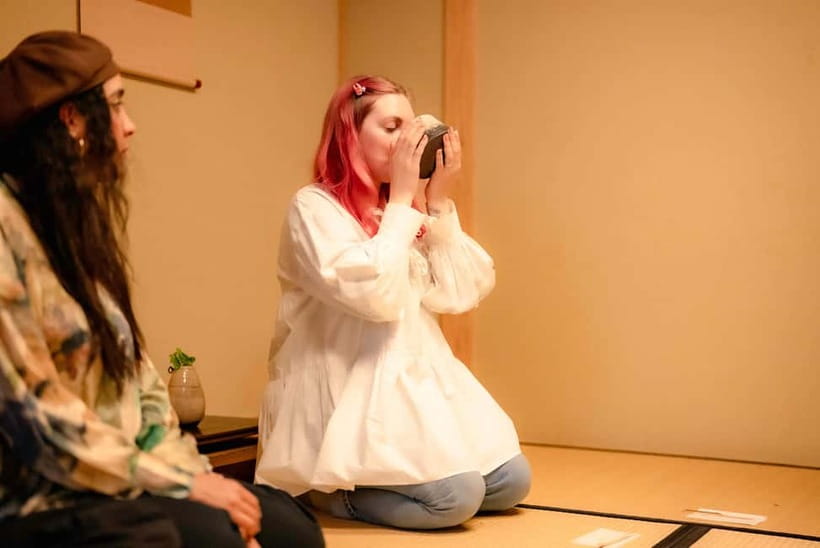
If you’re choosing between a casual tea stop and a guided matcha class, I’d pick this kind of session. The mix of serene setting, master-led instruction, hands-on whisking, and Nara single-origin comparison is exactly how you get a real payoff in a short time.
Book it if you care about doing it properly, even for the first time. Book it if you want a simple structure—explain, practice, taste, pair—so your brain actually learns instead of just watching.
Skip it only if your priority is maximum sightseeing or you don’t want to sit and focus for a full hour. Otherwise, this is the kind of Nara experience that changes how you taste matcha long after the cup is gone.
FAQ
FAQ
How long is the tea ceremony in Nara?
It lasts about 1 hour.
How much does it cost?
The price is $46 per person.
Is this experience private or small group?
It is limited to a small group, and instruction is described as one-on-one. The cap is listed as up to 5 people (and also noted as limited to 6 participants).
What language is the instructor?
The instructor is listed as offering English and Japanese.
Do I get to make matcha myself?
Yes. You’ll prepare and serve matcha with guided practice, and you get personalized feedback on your technique.
Will I taste different types of matcha?
Yes. You’ll taste and compare single-origin matcha from Nara to find your preferred flavor.
What sweets are included?
Seasonal traditional Japanese wagashi are included.
What else do I learn besides making matcha?
You get an overview of tea ceremony history, etiquette, and traditional utensils.
Is there a cancellation policy?
Yes. You can cancel up to 24 hours in advance for a full refund.
Can I reserve without paying right away?
Yes. It’s listed as reserve now & pay later (book your spot and pay nothing today).