REVIEW · NARA
Nara Takayama Tea Whisk Craft and Tea Culture Experience
Book on GetYourGuide →Operated by DeepExperience, Inc. · Bookable on GetYourGuide
A bamboo whisk starts a quiet kind of conversation. This experience at Tango Tanimura’s workshop in Nara lets you watch a master hands-on craft a tea whisk, then try making your own tool—right where the tradition is still alive. I love the chance to see Tango Tanimura work up close, and I love that the session turns into real making, not just watching. One possible drawback: it’s not built around big sights or shopping, so if you want lots of sightseeing, you may find the focus narrow.
The visit runs about 150 to 330 minutes, depending on the option you choose. You’ll get an English or Japanese guide, and the tone is calm, careful, and respectful of craft.
In This Review
- Key Highlights You’ll Care About
- Tea Whisk Craft in Nara: What Makes This Experience Worth Your Time
- Who You Meet: Tango Tanimura and the Workshop Atmosphere
- The Demo That Teaches More Than You Think
- Choosing Your Option: Chashaku, Chasen, Tea Ceremony, or the Premium Plan
- Carve a chashaku (Tea Scoop)
- Craft a chasen (Tea Whisk)
- Join a tea ceremony experience
- The Premium Plan (Everything Included)
- What the Timing Feels Like (150 to 330 Minutes)
- Getting There: Meeting Point and Real-World Logistics
- What You Take Home: A Tool With Meaning
- The Tea Culture Part: Etiquette and Hospitality in a Craft Context
- Price and Value: Is $141 per Person Fair?
- Small-Group Comfort and What That Means for You
- Practical Tips So You Have a Smooth Day
- Should You Book the Nara Takayama Tea Whisk Experience?
- FAQ
- Where does the experience take place?
- What can I make during the experience?
- How long does the experience last?
- Is there a tea ceremony included?
- What language will the guide speak?
- Is photography allowed during the workshop?
Key Highlights You’ll Care About
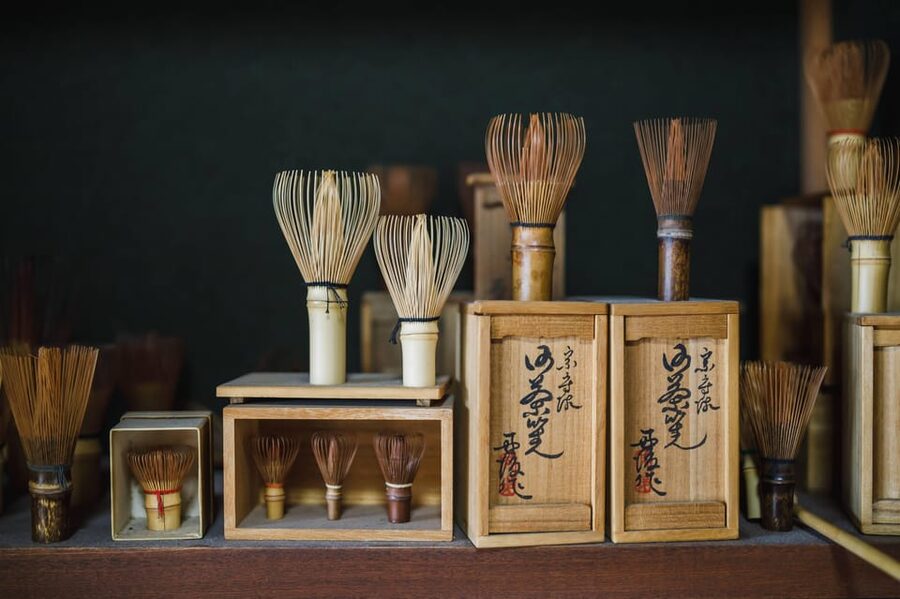
- Meet Tango Tanimura at the family workshop, run as a living craft space rather than a showroom
- Choose your hands-on path: carve a chashaku tea scoop, craft a chasen whisk, or join a tea ceremony option
- See the craft process in detail—from bamboo into a tool used in the tea ceremony
- Premium plan includes everything: tea ceremony, lunch, crafting, and matcha whisking practice
- Small-group feel (private or small groups are available), so you’re not lost in a crowd
Tea Whisk Craft in Nara: What Makes This Experience Worth Your Time
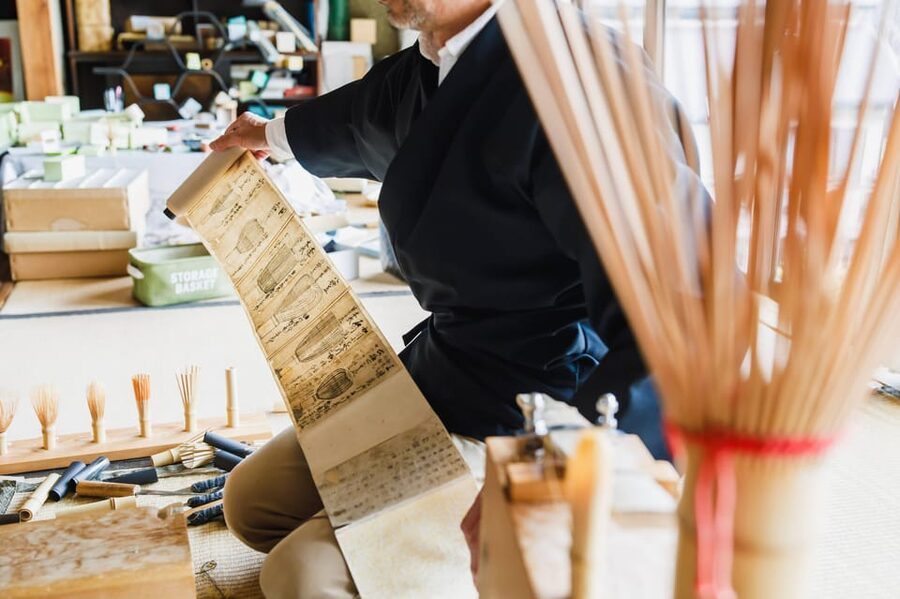
Nara is where people point when they talk about Japan’s classic tea whisk tradition. This is the tool—chasen—that helps whisk matcha into that smooth, frothy texture used in the tea ceremony. And here’s the part I think makes the visit more meaningful: you’re not learning it in a generic workshop, you’re learning it at the home/workshop of the Tanimura family, a lineage that’s tied to this craft for centuries.
I also like how the experience is set up like a real workshop day. You arrive at the family home, you get welcomed into a room with finished whisks, and then you watch the master demonstrate the technique before you try making something yourself. It has that steady, precise energy you only get when a craft still matters to the people doing it.
The other value point is the exclusivity. The Tanimura family is one of only 18 tea whisk makers in Japan, and the craft is described as having started around 500 years ago in a bamboo-rich village. That doesn’t mean you need a lecture to enjoy the day, but it does help you understand why the emphasis stays on the hands and the method, not on performance.
You can also read our reviews of more tours and experiences in Nara.

Who You Meet: Tango Tanimura and the Workshop Atmosphere
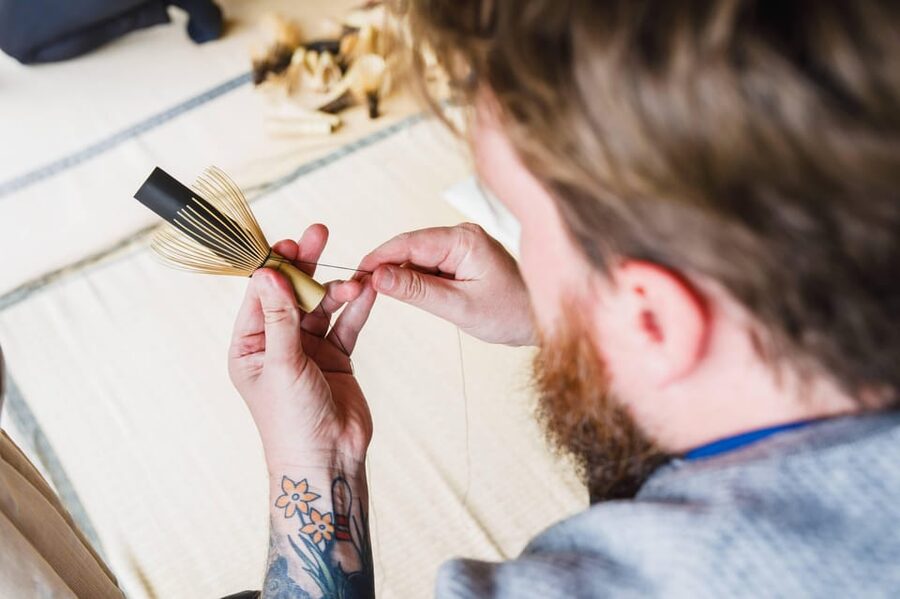
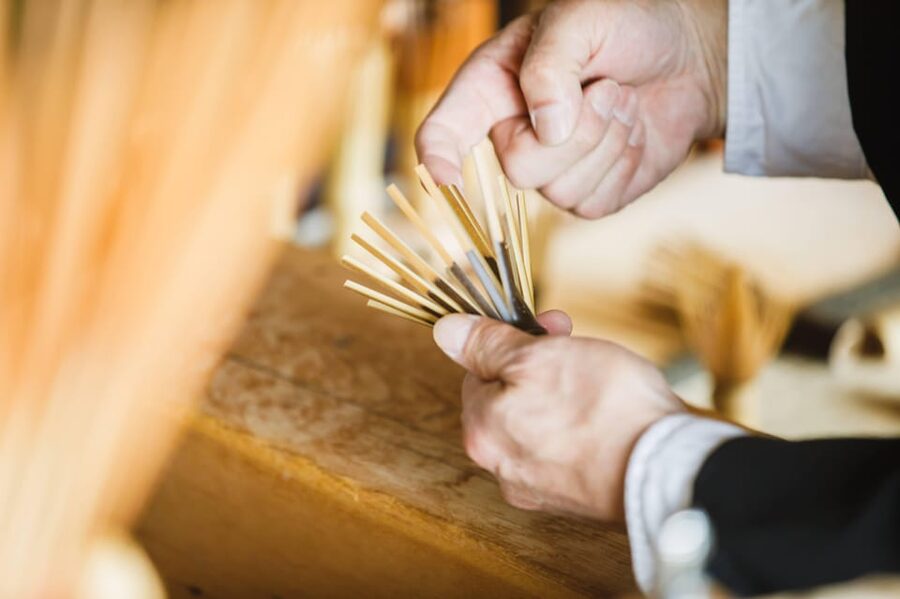
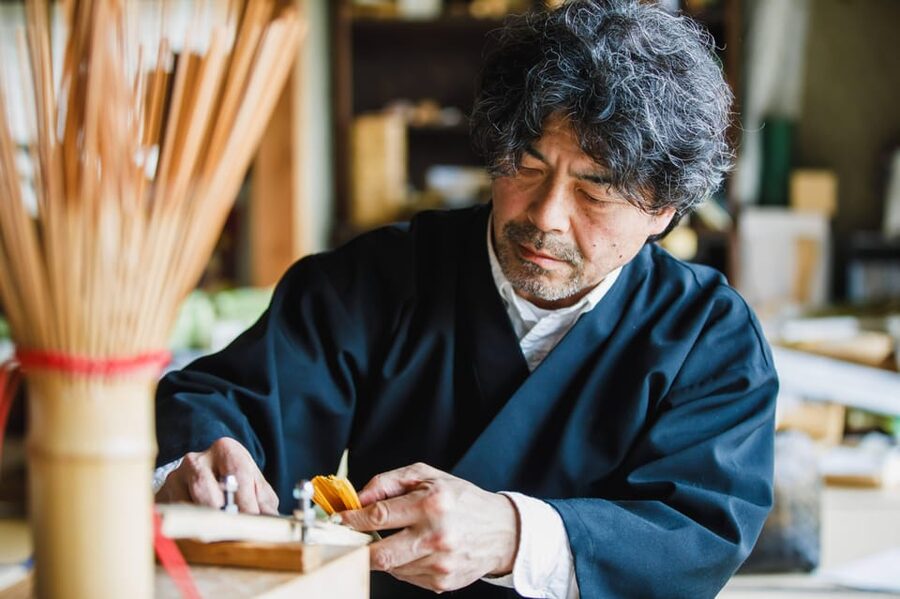
This is the big draw. You’ll meet Tango Tanimura at his workshop, where you can see the advanced skills needed to turn bamboo into a functional tea whisk. The session is guided, but the center of gravity is still his hands—slow, exact, and deliberate.
One of the most practical reasons I think this is special is how you’re learning from a person who’s the 20th-generation head. You can feel that generational continuity in the way the process is taught: it’s not just a hobby demo, it’s a craft with inherited technique.
Guides make a difference here, and the experience clearly leans into that. In one recent booking, Benoit was described as extremely helpful and professional, and he also shared local recommendations afterward. Another booking mentioned Yoshi, with excellent English and a big knowledge base, plus a smooth start to the day.
A small note to keep expectations right: the workshop isn’t a place for loud sightseeing. It’s quieter. If you’re the type who enjoys focus and getting a skill explained step-by-step, you’ll likely feel right at home.
The Demo That Teaches More Than You Think
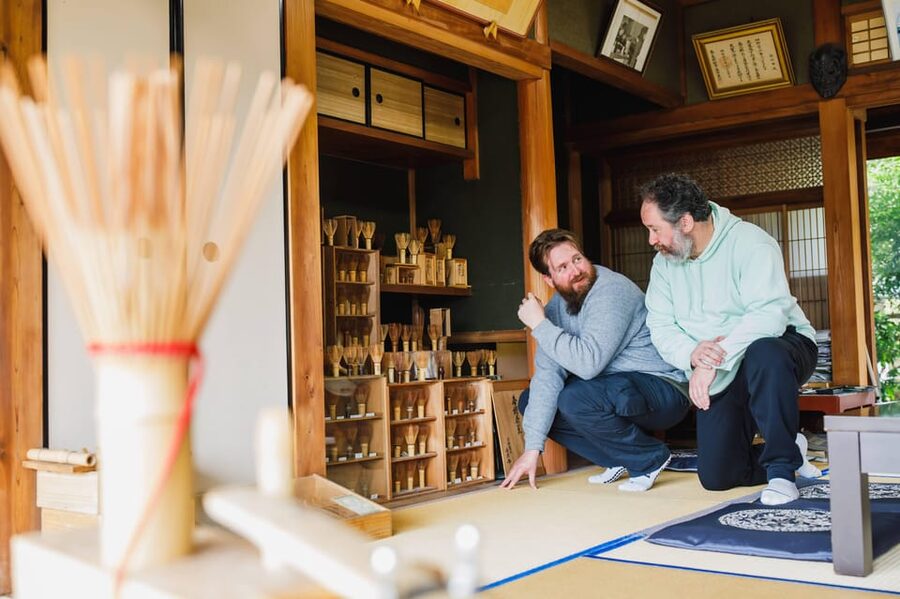
You’ll watch a master artisan demonstrate authentic tea whisk craftsmanship. That matters because a chasen looks simple until you understand what the bamboo and the shaping are doing. The whisk’s structure affects how the matcha mixes, and the craft is built around getting that structure correct.
The day is also respectful about boundaries. Photography is allowed, but you should respect the artisan’s privacy. And you should expect a request not to record the demonstration. That’s a good sign, honestly—it means the workshop culture isn’t trying to turn the master into content.
If you’re the kind of person who likes to understand what you’re paying for, pay attention during the demo. You’re not just buying a souvenir; you’re seeing why the tool is made the way it is and how it connects to tea etiquette and hospitality.
Choosing Your Option: Chashaku, Chasen, Tea Ceremony, or the Premium Plan
This experience lets you tailor the day. You can pick one main option, or go with the all-inclusive Premium Plan.
Carve a chashaku (Tea Scoop)
If you choose chashaku carving, you’ll make a tea scoop by hand under guidance. This is a great fit if you want something more hands-on than a traditional explanation but still prefer a focused, single craft outcome. A scoop is also easier to think about as a personal tool you’ll remember, even when you’re not planning to perform tea ceremony every day.


Craft a chasen (Tea Whisk)
If you choose the chasen workshop, you’ll make the whisk itself and bring home your handmade piece. This is the most iconic option for anyone who came for the whisk tradition. You’ll also likely feel more of the craft story because the whisk is the essential tool in matcha preparation.
Join a tea ceremony experience
If you pick the tea ceremony option, you’ll experience Japanese tea culture in a setting tied to the craft birthplace. This option typically focuses on how tea tools, etiquette, and hospitality connect. If your interest is more about culture than carving, this can be the better route.
The Premium Plan (Everything Included)
The Premium Plan is for people who want the full arc: tea ceremony, lunch, a chasen workshop, a chashaku, and matcha whisking practice. It also includes seasonal boxed lunch and a matcha whisking experience so you can learn preparation using utensils connected to this historic place.
Is it worth the extra cost? For me, the value comes from not having to choose. Instead of spending money twice on separate experiences, you get one longer visit where crafting leads into ceremony and then into practice. If you want a complete story from bamboo to whisking, Premium makes sense.
If you just want one souvenir and don’t care much about the full ceremony flow, the basic options can feel like a smarter use of time.
What the Timing Feels Like (150 to 330 Minutes)
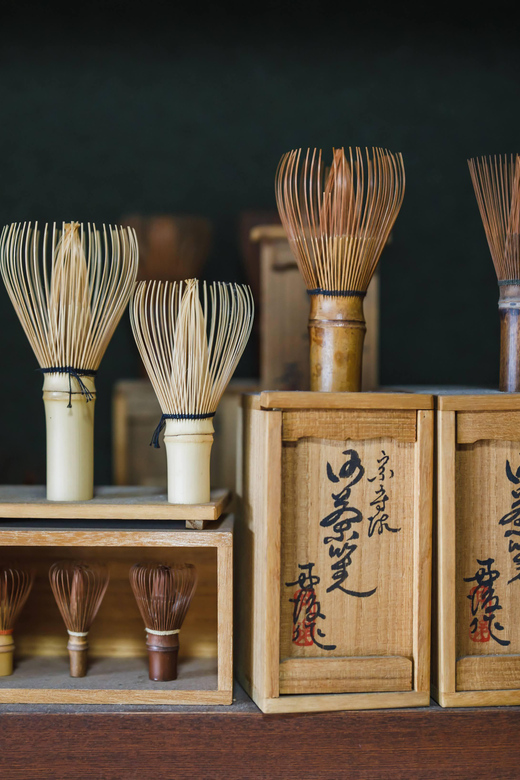
Your total time depends on the option you choose, with a duration range of 150 to 330 minutes. Plan your day like this: you’ll likely spend time meeting your guide, transitioning into the workshop space, watching the demonstration, and then doing your chosen hands-on work.
With Premium, it naturally takes longer because you’re adding tea ceremony plus lunch plus additional making and matcha whisking practice. With a single craft option, you’ll likely get a tighter, more focused session.
If you’re planning other stops the same day, give yourself breathing room. Nara’s streets can be pleasant, but the workshop day has a “stick to the schedule” feel.
Getting There: Meeting Point and Real-World Logistics
You’ll meet your guide in front of Tango Tanimura’s house. The guide will be holding a sign with the DeepExperience logo. That’s a clear cue, and it matters because workshop locations can be easy to miss if you’re scanning side streets.
Transportation to and from the workshop isn’t included. Still, one review described a guide picking guests up from the train station (Yoshi picked them up), and that sounds like a thoughtful service in at least some situations. If station-to-workshop transport is a concern for you, I’d suggest confirming what your exact booking includes before you rely on it.
Also: wear comfortable clothing suitable for crafting activities. Even if the work isn’t described as physically extreme, you’ll be in workshop mode where you want to move your hands comfortably and stay focused.
What You Take Home: A Tool With Meaning
Your experience isn’t just about the process; it’s also about what you leave with.
Depending on the option, you make:
- A chashaku (tea scoop) by hand, if you choose carving
- A chasen (tea whisk), if you choose the workshop option
- Under Premium, you can do both plus participate in ceremony and matcha whisking practice
Bringing home a handmade tool changes how you remember the day. It’s not just a photo. It’s something that carries the workshop’s labor and your own effort. And since the craft tradition is linked to where tea whisk making began, it feels more like a connection than a typical souvenir.
The Tea Culture Part: Etiquette and Hospitality in a Craft Context
This isn’t only about bamboo techniques. The tea ceremony component (especially with Premium) connects the tools to the way people serve tea—etiquette, hospitality, and the idea that the whole process is an art.
In plain terms: the whisk isn’t a random kitchen gadget in this world. It’s part of a ceremony flow where attention and timing matter. Even if you’re not planning to run a tea ceremony at home tomorrow, understanding the purpose behind the tool gives the craft more weight.
I also like how the Premium plan includes matcha whisking practice. Watching is one thing. Doing it—especially with utensils tied to the workshop—helps you connect the craft you saw with the results you’re trying to achieve.
Price and Value: Is $141 per Person Fair?
At $141 per person, this isn’t a cheap activity, but it doesn’t feel overpriced for what it’s doing. You’re paying for access to a master artisan, a specialized craft lineage, and guided instruction in a workshop setting.
Here’s how I judge value on this kind of experience:
- It’s not generic. You’re meeting Tango Tanimura at the Tanimura workshop tied to a real craft tradition.
- You get hands-on output. Depending on your option, you either carve or craft and take home your handmade piece.
- Premium stacks real components. Tea ceremony, seasonal boxed lunch, both tools, plus matcha whisking practice. That’s a lot bundled into one longer session.
If you prefer minimal time and just want one souvenir, the more focused option could feel like the better value. If you want the full story and want ceremony plus practice, Premium is where the money starts to feel efficient.
Small-Group Comfort and What That Means for You
This experience can run as private or small groups. That matters more than it sounds. In a craft setting, you want enough time for your questions and enough space to learn without feeling rushed.
The guides named in reviews—Benoit and Yoshi—fit the pattern you want: professional, helpful, and fluent enough to guide you through the process. One key practical benefit of a strong guide is translation of the “why.” It’s not just what to do; it’s what the technique is trying to achieve.
Practical Tips So You Have a Smooth Day
A few things will help you enjoy the experience more.
- Wear comfortable clothing you don’t mind using for hands-on work.
- Keep your phone ready, but follow the workshop rules: you can take photos, but don’t record the demonstration.
- Respect privacy. If people are quietly working, treat it like a studio, not a stage.
- If transport is tricky for you, confirm how you’ll get from your start point to the workshop. One guide in a recent booking handled a train station pickup, but don’t assume it’s the same for every schedule.
And mentally, set the right expectation: this is craft-first. You’re here for the hands, the tools, and the culture tied to them.
Should You Book the Nara Takayama Tea Whisk Experience?
Book it if you want a real craft encounter with a master artisan, and if you’d enjoy making something you can actually use (or at least display with pride). It’s especially good for anyone interested in matcha, the tea ceremony, or Japanese traditional skills that still have living practitioners.
Skip it if you mainly want sightseeing and lots of “see and move on” stops. This experience is focused, quiet, and rooted in one workshop world. If that sounds like your kind of day, you’re in the right place.
If you’re on the fence between basic and Premium, choose Premium when you want the whole arc: tool-making, tea ceremony, lunch, and matcha whisking practice. Choose a single option when you want one outcome and a shorter schedule.
FAQ
Where does the experience take place?
All activities are conducted at the Tanimura Tango workshop, and you meet your guide in front of Tango Tanimura’s house.
What can I make during the experience?
You’ll always have the chasen tea whisk crafting demonstration. Depending on your option, you can also choose to carve a chashaku tea scoop, craft a chasen by hand, or take part in a tea ceremony. The Premium Plan includes both chashaku and chasen.
How long does the experience last?
The duration ranges from 150 to 330 minutes, depending on the option you choose and the start time availability.
Is there a tea ceremony included?
A tea ceremony is included if you select the tea ceremony option, and it’s also included in the Premium Plan.
What language will the guide speak?
You’ll have a live tour guide available in English and Japanese.
Is photography allowed during the workshop?
Photography is allowed, but you should respect the artisan’s privacy and avoid recording the demonstration.
If you tell me which option you’re considering (chashaku, chasen, tea ceremony, or Premium), I can help you pick the best fit based on what you care about most.