REVIEW · NARA
Nara:5 Type of Tea Tasting & Mindful Tea Ceremony
Book on GetYourGuide →Operated by Kurabi · Bookable on GetYourGuide
Sitting still can taste better. This 90-minute, private tea experience in Nara pairs a quiet traditional setting with hands-on matcha practice and a one-on-one tea master who guides you through both tasting and ceremony. You’ll sample five locally sourced teas from Nara prefecture, then move into the ritual side with tools, etiquette, and mindful whisking.
Two things I really like: first, the tasting is structured enough that you can actually compare flavors (from mellow roasted styles to bright matcha). Second, the session is personal, with matcha feedback that helps you adjust your whisking rhythm instead of guessing. One possible drawback: you should be comfortable walking into the house and sitting on the floor for a long stretch, since the pace is calm and unhurried. Also, it is not suitable for children under 12 or pregnant women.
In This Review
- Key highlights you’ll feel in the moment
- Nara tea tasting that slows you down (in a good way)
- The traditional tea house setup and the pace to expect
- The five-tea flight: how you’ll taste like you mean it
- What makes the tasting actually useful: guidance while you taste
- Tea ceremony basics: etiquette, tools, and why it feels respectful
- Hands-on matcha practice: the moment you’ll talk about later
- Seasonal wagashi: the pairing that ties the cups together
- Conversations with locals: the practical Japan value
- Price and value: what $61 buys you here
- Who should book this tea ceremony, and who should skip it
- Should you book this Nara tea tasting and mindful ceremony?
- FAQ
- How long is the experience?
- What’s included in the tea tasting?
- Do I get to practice matcha, or is it only tasting?
- Is the instruction available in English?
- Is this a group experience?
- Is it wheelchair accessible?
- Who is it not suitable for?
Key highlights you’ll feel in the moment
- Five Nara teas chosen by a tea master, so you’re not just drinking anything
- One-on-one instruction with English guidance throughout the tasting and ceremony
- Whisk-your-own matcha, with corrections tailored to your technique
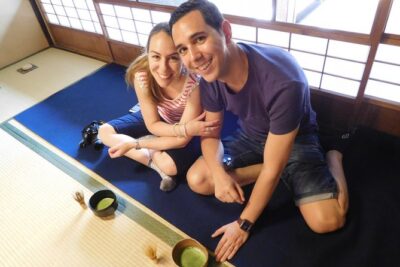
- Renovated traditional tea room in a Japanese house, designed for quiet attention
- Seasonal wagashi to pair with what you’re tasting
- Conversation with locals for practical Japan ideas beyond the obvious
Nara tea tasting that slows you down (in a good way)
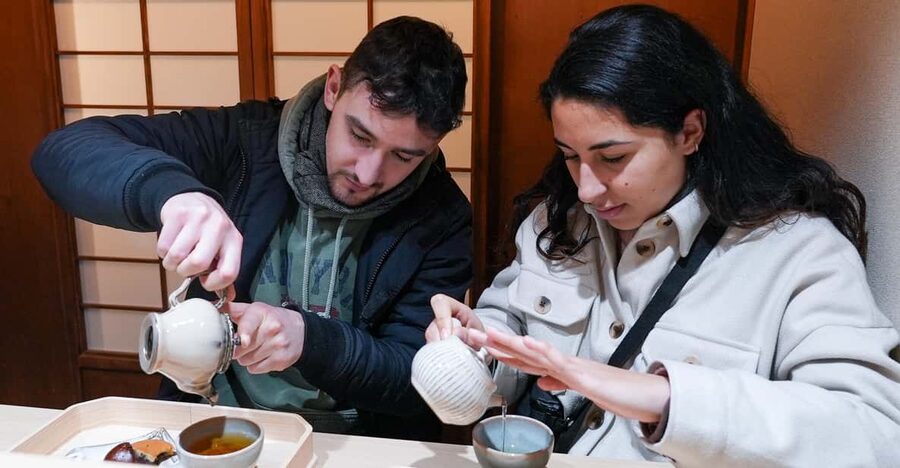
Nara is a great place to do tea because it feels grounded. Here, you’re not chasing neon distractions. You’re learning how a bowl of tea can guide your senses—smell first, then temperature, then finish.
What makes this experience special is the pairing of two parts: a tasting flight and a mindful ceremony. The tasting helps you understand what you like. The ceremony shows you how to make it, with attention you can actually feel.
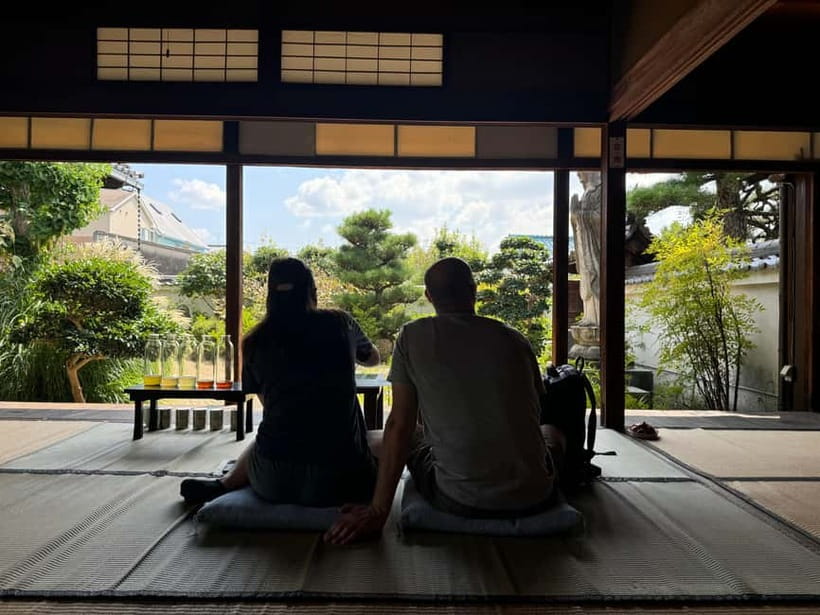
And the setting matters. The tea room is in a renovated traditional Japanese house, described as serene and calm, with a garden-like atmosphere. It’s the kind of place where your phone stops being the default focus.
You can also read our reviews of more tours and experiences in Nara.

The traditional tea house setup and the pace to expect
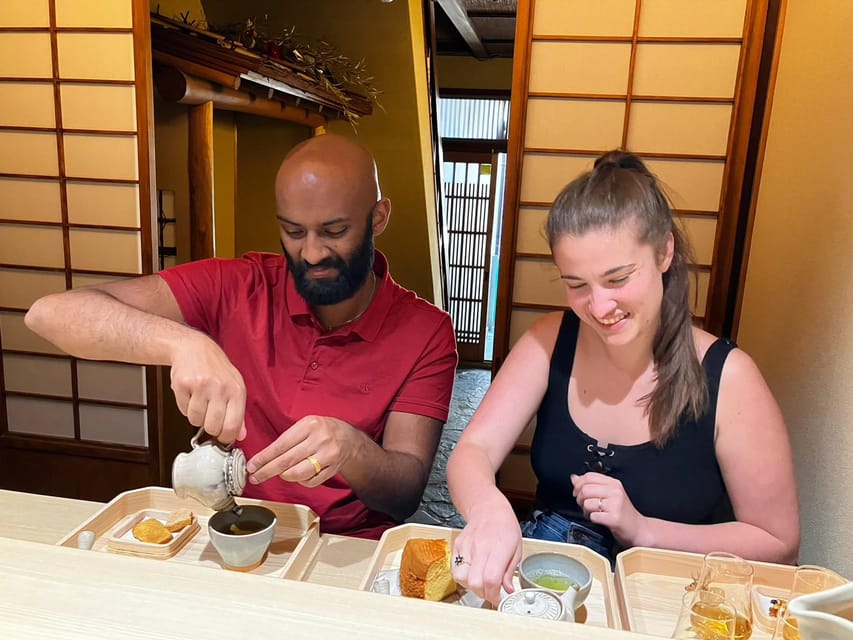
Plan for a sit-down experience. The room is designed for ceremony-style comfort, which means you may be seated on the floor for a good chunk of time. One hint from past participants: don’t book this if you’re in a hurry. This is a slow, respectful format.
The experience is private group, so you’re not squeezed into a big crowd. That’s a real value for beginners, because it gives you room to ask questions without feeling rushed.
Also, it’s English instruction, so you don’t need to know tea terms ahead of time. The tea master will explain the tools and the etiquette during the ceremony portion, so you’re learning the why, not just copying steps.
One logistics note: it’s listed as wheelchair accessible. At the same time, because the ceremony involves floor seating in many cases, it’s smart to confirm what seating arrangement you’ll have when you book—especially if you use a wheelchair full-time.
The five-tea flight: how you’ll taste like you mean it
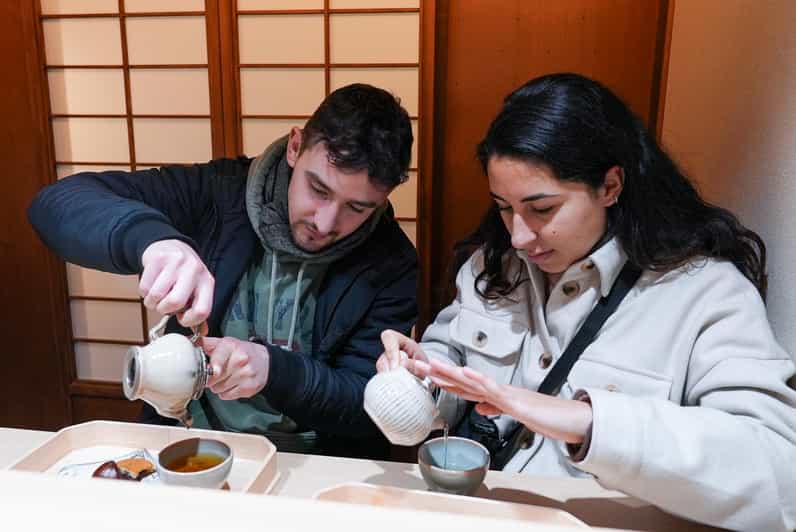
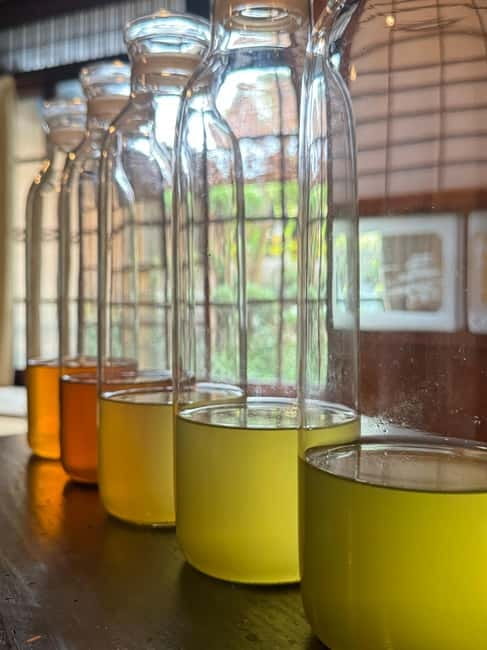
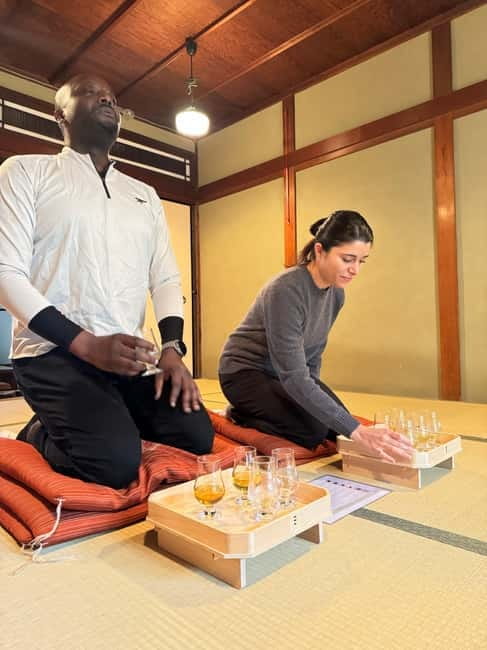
You start with a flight of five Japanese teas, carefully selected for the session. This is not random sampling. The point is comparison: how different processing methods and styles change aroma, body, and aftertaste.
Here’s what you should expect from the range. You may encounter matcha (with its distinct aroma and fuller flavor profile), plus roasted teas that tend to be mellower. The tea master will pour and guide you so you can notice things you’d usually miss—like how the same cup can taste different as it cools slightly.
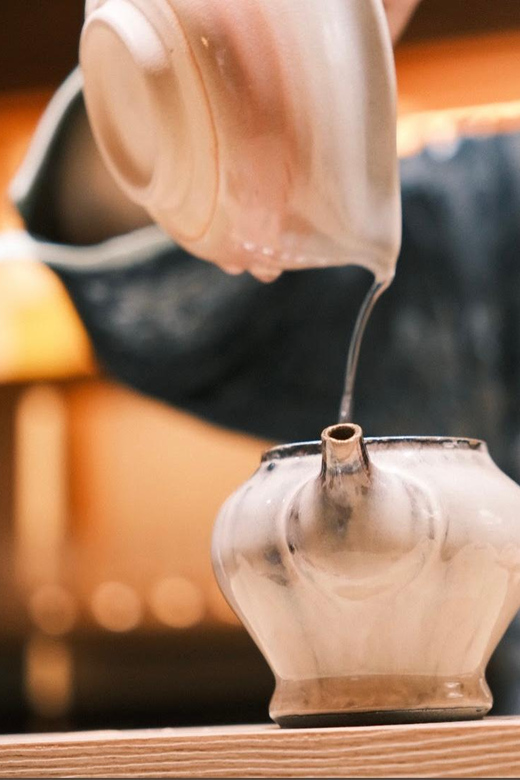
You also get a choice. After the initial tasting, you pick a favorite and receive a special pot-brewed serving. That matters because it turns a one-glass moment into something more memorable: you’re not only tasting variety, you’re learning which style fits you.
What makes the tasting actually useful: guidance while you taste
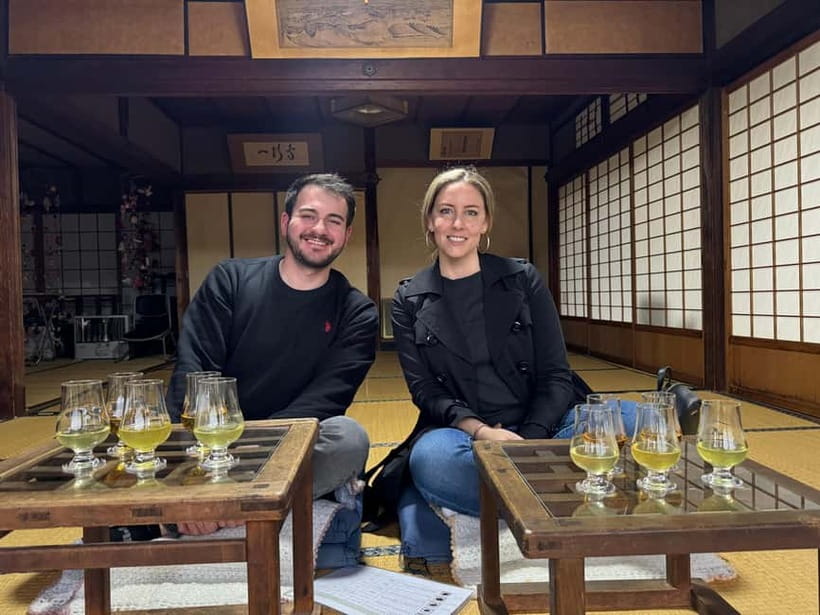
A lot of tasting experiences tell you facts and hope you remember them. This one focuses on what you notice while you drink.
As you move through the flight, the tea master’s instruction helps you connect each tea to a sensory cue: smell, first sip, and finish. If you’re more of a coffee person, that’s even better. Tea rewards patience, but once you understand the basics, it feels surprisingly intuitive.
You’ll also learn the tea’s purpose in culture—how it fits into gatherings, calm moments, and social etiquette. Even if you don’t remember every detail, you’ll remember the feeling of being guided step-by-step.
Tea ceremony basics: etiquette, tools, and why it feels respectful
After the tasting, the session transitions into the tea ceremony. This part is where the atmosphere gets more formal, but it’s not stuffy. The tea master explains the history, etiquette, and tools, then walks you through what each step is meant to accomplish.
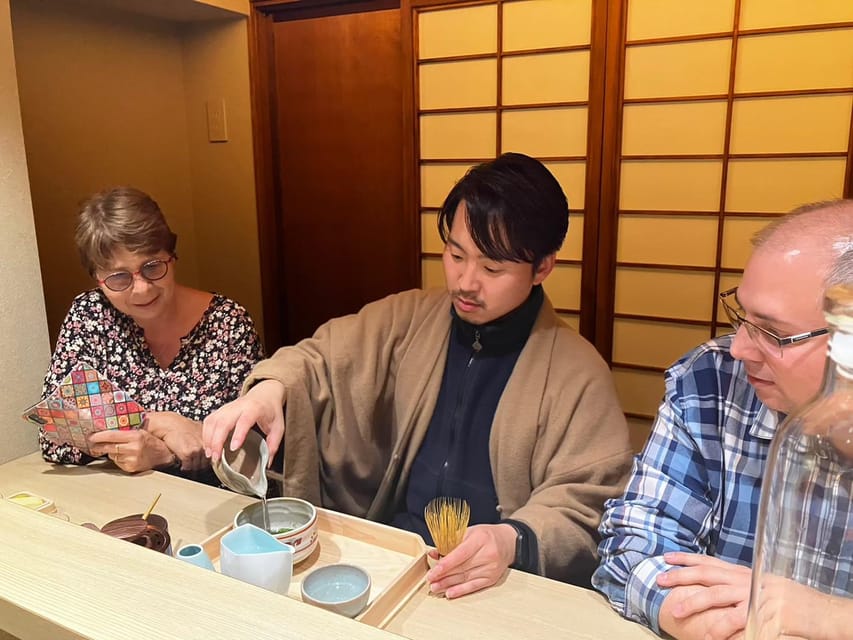
You’ll learn about the tools used in whisking matcha. One standout detail from past sessions: the host, Mike, shared craft information about the bamboo whisks used to mix matcha. That kind of small, practical knowledge makes the ritual feel real, not staged.
Etiquette here is less about rules and more about intention. You learn how the ceremony asks you to slow down and participate with attention. That’s the point. You’re not performing for someone else; you’re doing something mindful with your own senses.


Hands-on matcha practice: the moment you’ll talk about later
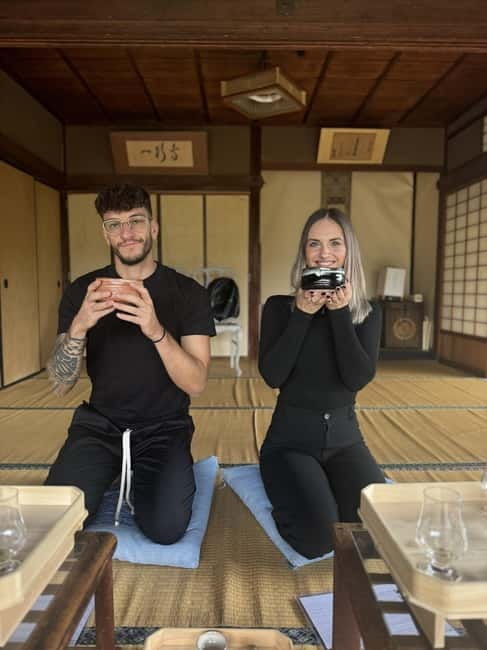
This experience includes hands-on matcha practice, and the key is feedback. Instead of just watching, you whisk your own matcha in the tea room.
The tea master’s job is to help you get the whisking motion right for the texture and aroma you’re aiming for. You focus on each tranquil motion, then taste what you made. That’s where the experience clicks: you’re no longer a spectator.
If you care about technique, this is a great fit. If you’re not a technique person, it still works, because the goal is simple: make a bowl you can enjoy. When you finish whisking, you’ll have a direct comparison between how matcha tastes normally and how it tastes when you make it yourself.
Also, the ceremony emphasizes aroma. That’s a big difference from how many of us drink tea at home. You’ll be encouraged to notice fragrance before you judge flavor.
Seasonal wagashi: the pairing that ties the cups together
After the ceremony portion, you’ll enjoy seasonal wagashi, traditional Japanese sweets. This isn’t an afterthought snack. Wagashi is there to complement the tea and balance the experience.
Because it’s seasonal, you’ll get something tied to the moment—flavor and texture meant to harmonize with what you just tasted. Even if you don’t know the names of everything, you’ll feel the logic of pairing something delicate with a carefully made cup.
For anyone worried about tea being too bitter or too strong, wagashi can help bridge the gap. It turns the tasting into a complete sensory story rather than just a flight of flavors.
Conversations with locals: the practical Japan value
One of the highlights is that you’ll talk with locals for inside tips on places to visit while in Japan. This is where the experience can outperform standard sightseeing.
You’re not just getting generic advice. You’re asking someone who understands the region and can point you toward experiences that fit how you travel. Even small suggestions—what to do in Nara, where to spend time, or how to approach cultural spots—can save you hours of guesswork.
This is also a good time to ask follow-up questions about your tea preferences. If you loved something mellow, ask what style to look for later. If matcha surprised you, ask how locals typically experience it.
Price and value: what $61 buys you here
At about $61 per person for 90 minutes, the value depends on one thing: you’re paying for instruction and attention. This is not a self-guided tasting. It’s a guided, private, one-on-one-style experience with tea tasting plus a ceremony plus matcha practice.
You also get included items: five kinds of Japanese tea and two kinds of Japanese sweets. When you add instruction time, that’s where the cost starts to make sense—especially if you’re someone who wants to learn rather than just sample.
If you’re traveling as a solo person or a small pair, this format is often a better deal than splitting premium guided experiences into several separate bookings. You get tasting, explanation, and doing the ceremony yourself in one session.
Who should book this tea ceremony, and who should skip it
This fits best if you want a calmer, more personal side of Japan. If you like learning by doing—tasting first, then practicing matcha—this will feel satisfying.
It’s also a strong option if you’re in Nara for a short stay and want something cultural that doesn’t require a full day of logistics. A 90-minute experience gives you a meaningful memory without hijacking your whole schedule.
Skip it if you’re traveling with kids under 12 or if it’s not suitable for you personally due to the stated restriction for pregnant women. Also, if you dislike floor seating or struggle with sitting still for a long ceremony-style stretch, consider your comfort level first.
Should you book this Nara tea tasting and mindful ceremony?
I’d book it if you want an experience that’s quiet, structured, and hands-on. The mix of five-tea tasting, personal matcha whisking feedback, and seasonal wagashi makes it more than a simple tea stop. And the traditional house setting helps you feel like you stepped into another pace.
I’d skip it if you need high-energy tourism or if you can’t handle long periods sitting on the floor. This experience asks for attention and patience, not speed.
If you’re deciding between tea tasting and full ceremony elsewhere, this one is especially practical because you get both in one go—tasting so you understand your preferences, then ceremony so you understand the process.
FAQ
How long is the experience?
The duration is 90 minutes.
What’s included in the tea tasting?
You’ll taste five kinds of Japanese tea. The experience also includes two kinds of Japanese sweets.
Do I get to practice matcha, or is it only tasting?
You can whisk your own matcha during the hands-on ceremony portion, with instruction from the tea master.
Is the instruction available in English?
Yes. The instructor provides instruction in English.
Is this a group experience?
It’s a private group experience.
Is it wheelchair accessible?
The experience is listed as wheelchair accessible.
Who is it not suitable for?
It’s not suitable for children under 12 and it’s not suitable for pregnant women.