REVIEW · KYOTO
Tea Ceremony Experience in Traditional Kyoto Townhouse
Book on Viator →Operated by Ami Kyoto · Bookable on Viator
One hour can teach you a lot about Japanese tea. This matcha workshop and tea ceremony takes place inside a traditional Kyoto townhouse (a machiya), giving you a rare look at one of the city’s old wooden homes while you learn how to make and serve matcha properly.
Two things I really like: you get hands-on practice (not just watching), and the instruction tends to be clear, kind, and very thorough. You’ll also enjoy your tea with Japanese sweets as part of the experience.
One thing to consider: the whole session is only about 1 hour, so it’s great for a first taste of tea ceremony culture, but it won’t replace a longer, multi-course tea experience.
In This Review
- Key Things to Know Before You Go
- Entering a Real Kyoto Machiya at Ami Kyoto
- The Matcha Workshop: Learning by Doing, Not Just Watching
- Tea Ceremony Context: Why This Ritual Exists
- The Cup and the Whisking Moment
- Japanese Sweets Pairing: A Sweet Counterpoint
- Group Size, Timing, and Getting There Smoothly
- Price and Value: What $27.59 Gets You in Kyoto
- Who Should Book This Kyoto Tea Ceremony Experience
- Should You Book It?
- FAQ
- How long does the tea ceremony experience last?
- Where does the experience start, and where does it end?
- What is included in the price?
- Is hotel pickup or drop-off included?
- How many people are in the group?
- Do I need a printed ticket?
- When will I receive confirmation after booking?
- What is the cancellation policy for a full refund?
Key Things to Know Before You Go
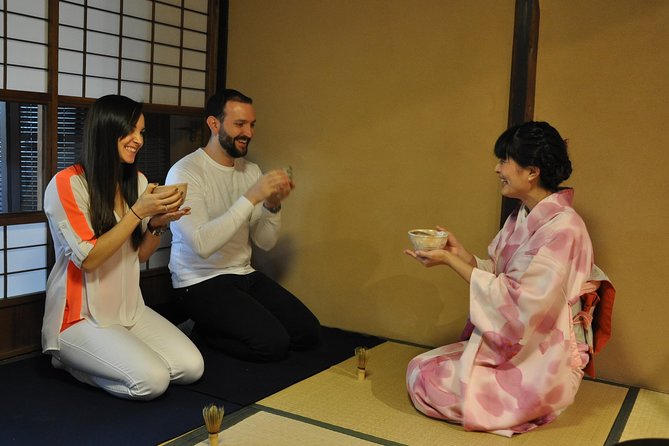
- Traditional machiya setting: You’ll spend time inside a Kyoto townhouse about 80 years old.
- Hands-on matcha brewing: You’ll practice making tea while the team guides you through the process.
- Personalized demonstrations: Instruction is interactive, with clear step-by-step explanations.
- Tea ceremony basics, explained: You’ll learn the why behind the ritual, including its links to monks and samurais.
- Matcha plus Japanese sweets: You’ll get a bowl of matcha and something sweet to enjoy with it.
- Small group size: The experience caps at 6 travelers for a calmer, more personal feel.
Entering a Real Kyoto Machiya at Ami Kyoto
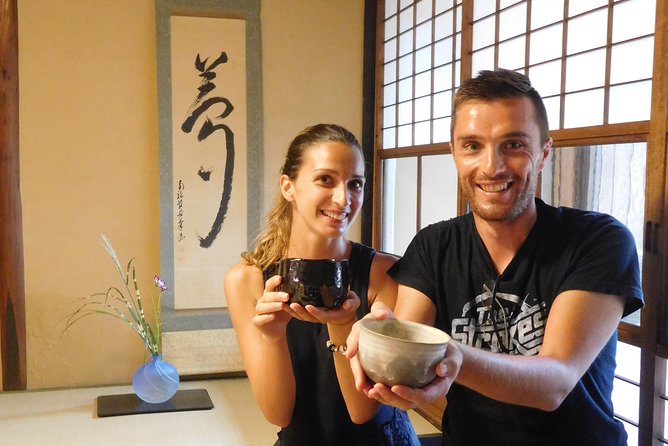
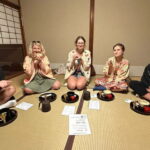
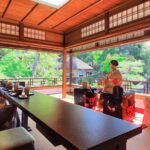
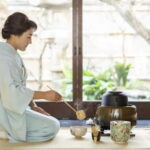
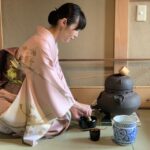
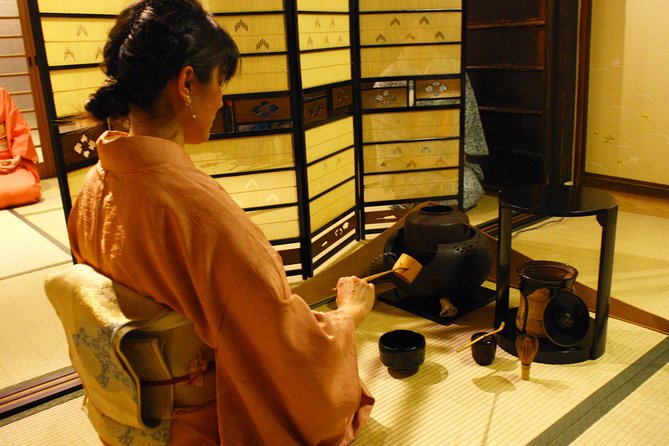
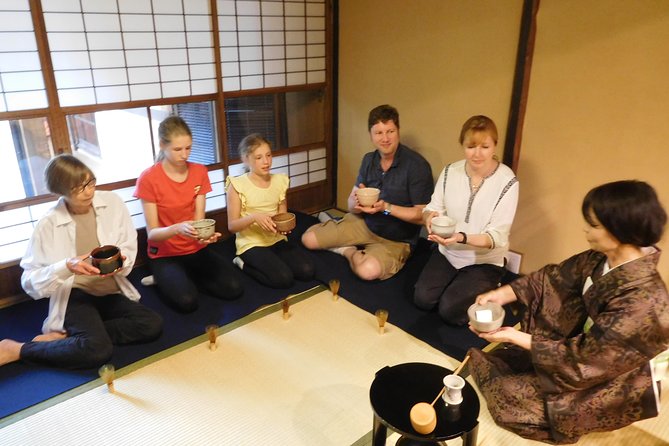
The biggest reason this experience works so well is the setting. You’re not learning tea ceremony “in a room.” You’re learning in a machiya, the kind of traditional wooden townhouse Kyoto used to fill with working-class life, craft, and daily routines. Walking inside gives you a quick reality check: Japanese tea isn’t just a modern activity—it was built for calm, space, and attention.
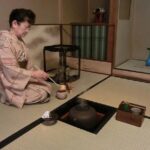
At Ami Kyoto, the townhouse is about 80 years old. That matters more than it sounds. Older wood, traditional rooms, and the simple flow of a machiya help you slow down. Even if you’re new to tea ceremony, the place makes the experience feel grounded instead of staged.
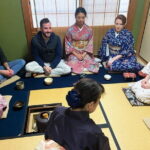
You’ll also be in a small group (up to 6), which makes the whole thing feel less like a performance and more like a guided lesson. And because it’s near public transportation, you can build it into a day of sightseeing without turning your schedule into a puzzle.
Practical note: there’s no hotel pickup or drop-off. Plan to arrive on your own so you can settle in and start on time.
You can also read our reviews of more tours and experiences in Kyoto.
The Matcha Workshop: Learning by Doing, Not Just Watching
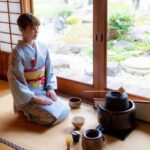
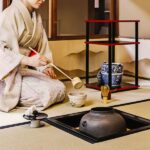
This is a matcha workshop first, tea ceremony experience second. The format is hands-on: you’ll learn the ins and outs of traditional matcha preparation and then apply it during the session. The value here is that you leave with something you can remember and repeat—at least in spirit—rather than just a few photos.
I especially like how the instruction is described as clear and simple. When something is taught step-by-step, even a complete beginner can follow along without feeling lost. The experience also includes personalized demonstrations, so if your technique is off, you’re not stuck guessing. You get the feedback you need to correct your own approach.
And from what you’ll likely feel in the room: making the tea is part of the fun. It’s one of those activities where your hands get busy, your focus gets tighter, and suddenly the ceremony stops being mysterious. You’re not just receiving a cup—you’re learning how it becomes a cup.
What’s included:
- a bowl of matcha green tea
- Japanese sweets to enjoy with it
That pairing is important. Tea ceremony culture isn’t only about the drink. It’s also about taste balance and timing—how sweetness and bitterness work together while you slow down enough to actually notice.
Tea Ceremony Context: Why This Ritual Exists
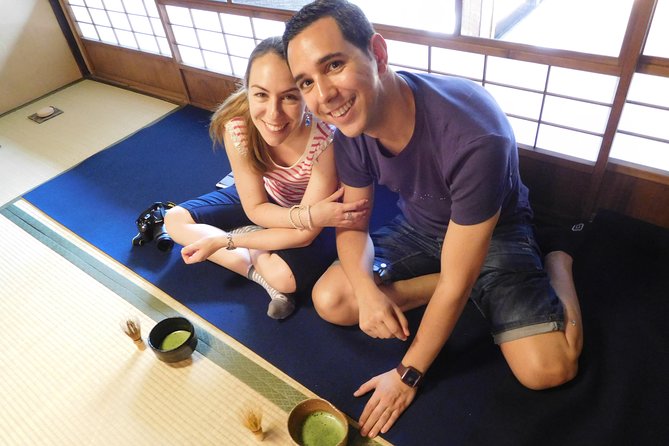
Matcha tea ceremony can feel formal from the outside. Up close, it’s really about discipline: paying attention, controlling the moment, and treating simple actions with respect.
This experience includes background on the ritual’s history, including how it was once favored by monks and samurais. That context helps you understand why the ceremony became more than a beverage. It became a practice—something tied to culture, mindset, and craft, not just flavor.
You’ll also learn about matcha quality, including the idea of top-quality matcha sourced from an organic farm. That matters because matcha isn’t one-size-fits-all. When you’re shown how to use quality ingredients as part of the ceremony, your cup ends up tasting more intentional, not generic.
A tip for getting more out of the lesson: treat the ceremony like a language lesson. Don’t worry about being perfect. Focus on the fundamentals—what they’re asking you to do and why it’s done that way. If you do that, you’ll remember it longer than any single sip.
The Cup and the Whisking Moment
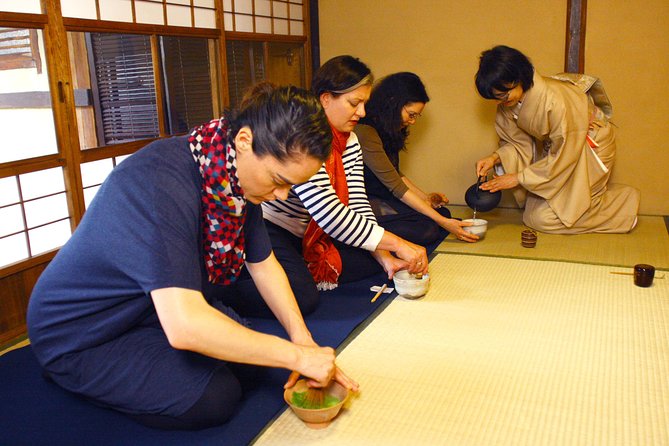
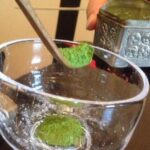
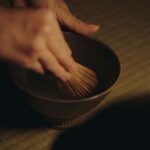
The heart of your time here is brewing matcha. The experience is designed for you to master the art of brewing the perfect cup, with demonstrations and guidance as you go. The phrase master the art might sound intimidating, but the way it’s delivered (clear explanations, personalized demos) makes it feel achievable.
You’ll build your confidence through practice. That’s the main difference between a tea ceremony where you sit and watch and one where you make the tea yourself. With hands-on instruction, you understand what you’re tasting instead of just being told it.
And once the tea is in front of you, you’ll actually get to enjoy what you made. You’re served a bowl of matcha, and then the experience doesn’t rush you out. In a machiya setting, taking a moment with the tea feels natural.
The best part is that your cup becomes a reference point for the rest of your Kyoto day. After this, you’ll notice differences in matcha places you pass—texture, bitterness, and how sweet things taste alongside it—because your brain now has a baseline.
Japanese Sweets Pairing: A Sweet Counterpoint
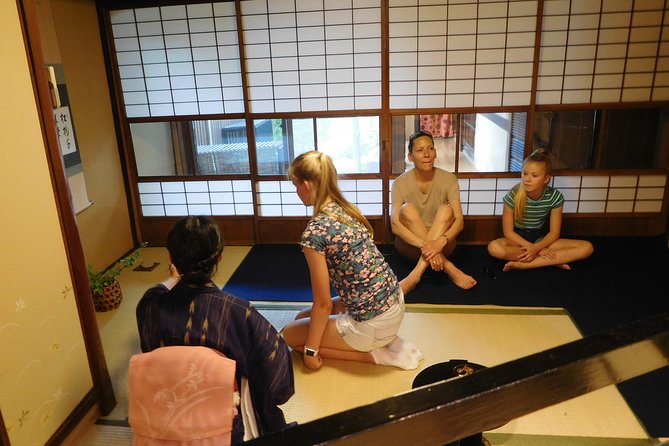
Matcha isn’t always an easy sell if you only think of it as bitter powder. One big reason tea ceremony works is that it’s balanced. This experience includes Japanese sweets served alongside your tea, and the sweets are described as coming from a famous Kyoto confectionary.
Pairing sweets with matcha is useful for two reasons:
- It smooths the bitterness for first-timers.
- It teaches your palate that flavors don’t exist alone.
If you have a sweet tooth, you’ll probably enjoy this part more than you expect. If you don’t, it’s still worth paying attention—because the goal is contrast, not sugar overload.
When you taste, don’t just gulp. Take a few seconds to notice how the sweetness hits first, then how the matcha bitterness lingers. That rhythm is part of what makes tea ceremony feel like something you step into, not something you consume.

Group Size, Timing, and Getting There Smoothly
This experience runs for about 1 hour. For most people, that’s the sweet spot: long enough to learn the basics and make your own cup, short enough to fit into a Kyoto itinerary without drama.
The group size is capped at a maximum of 6 travelers. That matters because smaller groups generally mean more attention and fewer bottlenecks. You’re less likely to feel rushed, and it’s easier to ask questions in the moment.
Ami Kyoto is near public transportation, and the activity ends back at the meeting point. That’s helpful for planning your next stop—you don’t need to redesign your route after the tea ceremony.
You’ll use a mobile ticket, which keeps things simple. Plan for a quick check-in and then let the pace slow down once you’re inside the machiya.
One more practical detail: confirmation is received within 48 hours of booking, subject to availability. If you’re visiting during peak season or on a busy weekend, book as early as you can and keep a backup plan in mind.
Price and Value: What $27.59 Gets You in Kyoto
At $27.59 per person, you’re not paying for a fancy restaurant lunch. You’re paying for three specific things that together create real value:
- A small-group, hands-on matcha lesson
- Access to a traditional machiya townhouse setting
- Your matcha bowl plus Japanese sweets
Many experiences in Kyoto charge similar prices for demonstrations you mostly watch. Here, the “hands-on” part changes the equation. You’re actively doing the work, so you get more than a souvenir memory. You get a skill—at least the basics—that makes future tastings more meaningful.
Also, you’re paying for guided context. The ceremony isn’t only a set of motions; it includes background on how the ritual developed and why it matters culturally. That’s the difference between drinking matcha and understanding what you’re tasting.
Could it be a short session? Yes. But at this price and format, 1 hour is intentionally enough to get you started without turning tea ceremony into a half-day commitment. If you want a deep, multi-course tea program, you’d look elsewhere. For a first-time matcha experience in a machiya, this is strong value.
Who Should Book This Kyoto Tea Ceremony Experience
You’ll likely enjoy this most if you:
- love matcha and want to learn how it’s made (not just where to buy it)
- want a cultural activity that feels authentic, not staged
- enjoy guided instruction and want clear, simple explanations
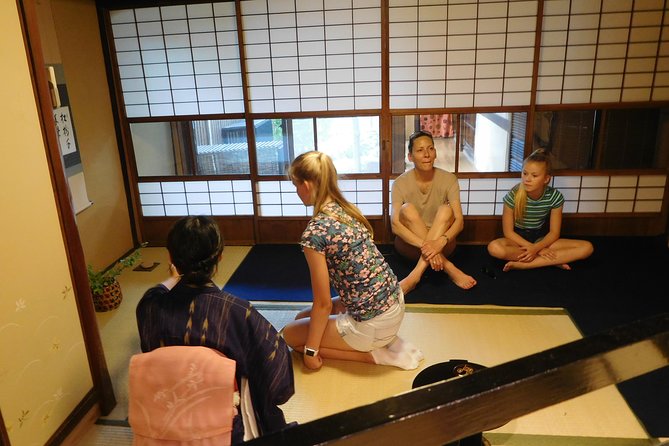
- travel with family—this type of hands-on activity can be engaging for different ages
- prefer smaller groups over big tours
It’s also a great choice if Kyoto crowds make you tired. Being in a quiet townhouse and focusing on a simple ritual is a nice reset day after day of temples and streets.
If you’re sensitive to pace, note that it’s a full experience for one hour. You should expect a focused, guided session rather than free roaming.
And if you have mobility concerns, it’s a traditional wooden townhouse. You might want to ask the provider if there are any stairs or room-to-room movements that could affect you, since the experience notes that most travelers can participate but doesn’t provide detailed accessibility specifics.
Should You Book It?
I think you should book this if you want a real Kyoto machiya moment paired with a hands-on matcha experience. The small group size, the interactive brewing, and the clear instruction are exactly what you want when you’re trying to understand tea ceremony instead of just sampling it.
Skip it if you already know matcha technique deeply and you’re looking for a longer, advanced ceremony style. In that case, you may find this short session leaves you wanting more.
If you’re a first-timer, though, this is a smart way to get the meaning behind the cup—inside one of Kyoto’s older, lived-in spaces.
FAQ
How long does the tea ceremony experience last?
The experience runs for about 1 hour.
Where does the experience start, and where does it end?
It starts at 605 Nishidachō, Shimogyo Ward, Kyoto, 600-8397, Japan, and it ends back at the meeting point.
What is included in the price?
Your price includes a bowl of matcha green tea and Japanese sweets.
Is hotel pickup or drop-off included?
No, hotel pickup and drop-off are not included.
How many people are in the group?
The activity has a maximum of 6 travelers.
Do I need a printed ticket?
No. It’s a mobile ticket.
When will I receive confirmation after booking?
Confirmation is received within 48 hours of booking, subject to availability.
What is the cancellation policy for a full refund?
You can cancel for a full refund up to 24 hours in advance of the experience’s start time.