REVIEW · MARRAKESH
Marrakech Guided Souks Tour with a Local Insider
Book on GetYourGuide →Operated by Marrakech Local Guided Tours · Bookable on GetYourGuide
The souks can overwhelm you fast. This 3-hour guided walk pairs you with a local insider, and I love two things: hidden alleys and foundouks off the main routes, and the way guides explain the trade neighborhoods so you understand what you’re seeing.
One catch: unless you’re shopping-minded, the tour’s focus on stalls and bargaining can feel like a gentle sales pitch at moments.
Starting point is easy and smart—Café de France in the main square, Jamaa el-Fna. Many guides (like Mohammed/Mo and Charif) also tailor the route to what you want, from craft-watching to practical etiquette for navigating the medina.
In This Review
- Key highlights to look for
- From Café de France to the medina maze: where the tour starts to work
- Souk Semmarine: how you learn the souk by walking its craft zones
- Foundouks in the medina: merchant inns that explain old Marrakech trade
- Souk Cherifia and the craft reality behind leather, wool, and metalwork
- Smart shopping confidence: bargaining etiquette and how to avoid regret
- How the tour’s free time helps you keep momentum in the medina
- Is this Marrakech souks tour worth $19?
- Should you book this Marrakech Guided Souks Tour with a Local Insider?
- FAQ
- Where is the meeting point for this tour?
- How long is the Marrakech souks guided tour?
- Is the tour guide available in English or French?
- Does this tour offer private group options?
- Is hotel pickup included?
- What is included in the price?
- What is not included?
- Is there free cancellation?
- Can I reserve without paying right away?
- What should I expect to see during the walk?
Key highlights to look for
- Jamaa el-Fna meet-up at Café de France so you start with real orientation
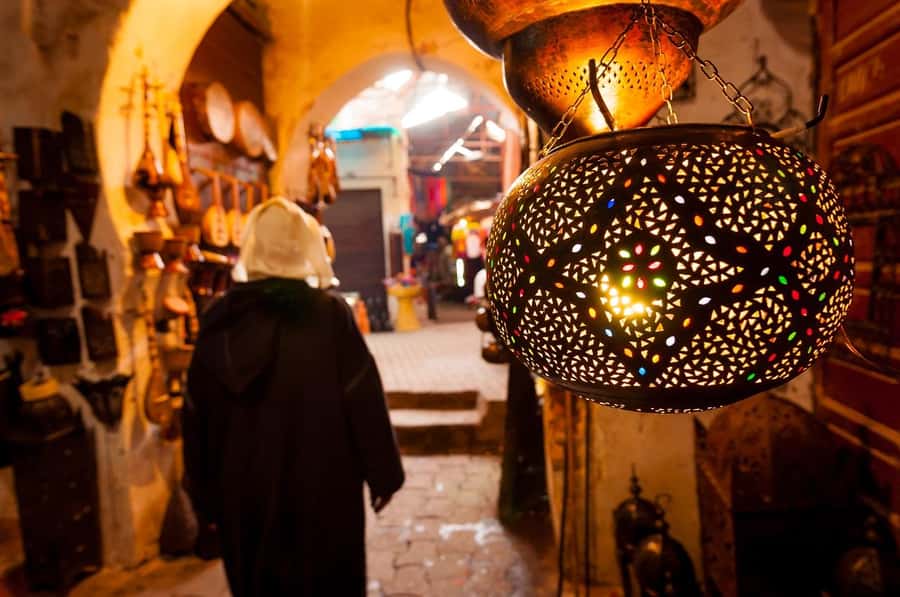
- Souk Semmarine + off-path alleys you’d likely miss on your own
- Historic foundouks that explain how trade worked in old Marrakech
- Craft walkthroughs across spices, textiles, leather, metalwork, and tools
- Shopping confidence with bargaining do’s and don’ts you can use right away
- Private or shared options depending on how personal you want the tour to feel
From Café de France to the medina maze: where the tour starts to work
Meeting in front of Café de France, right at Jamaa el-Fna, is a big deal. This square is where Marrakech’s energy gathers, but it can also make you feel slightly lost the moment you step off it. Having a local guide meet you there means you spend your time learning routes, not just figuring out which street leads where.
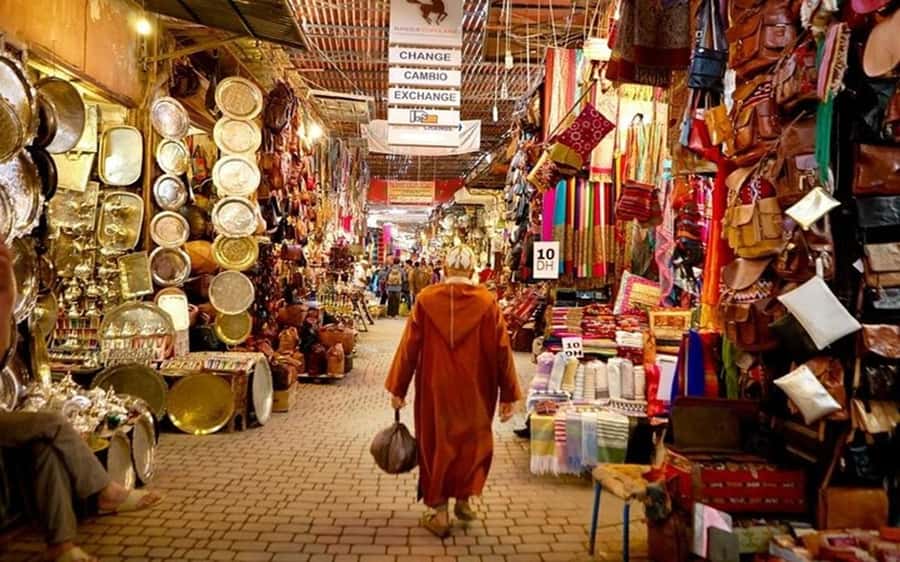
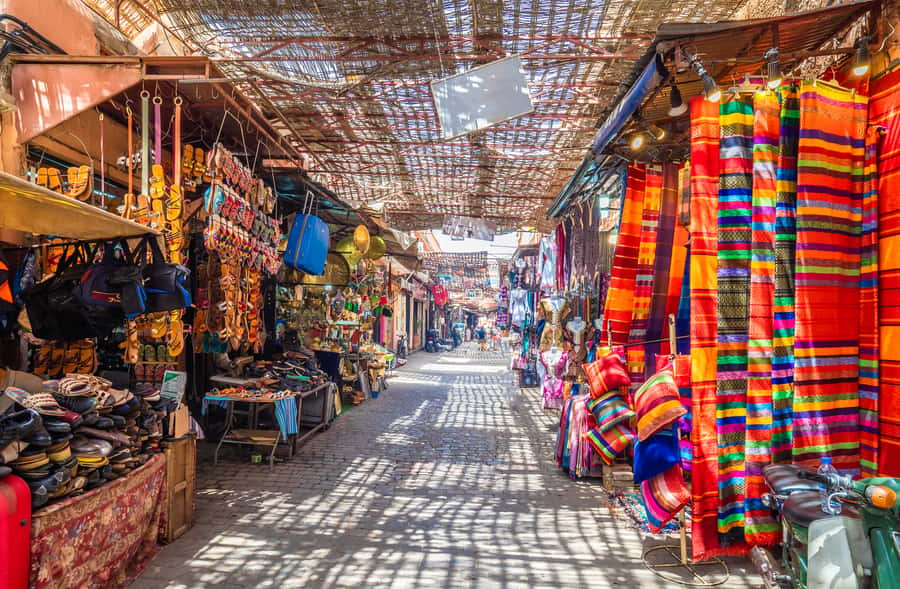
You’ll get a quick intro, then the group slips into narrow lanes where the souks actually function. The guide doesn’t just point at shops; they explain how the market is organized and why certain trades cluster where they do. That context changes everything. Instead of seeing random stalls, you start seeing a system—like a living map of Marrakech crafts.
Also, the tone tends to be practical. Guides like Mohammed and Charif are praised for humor and for giving straight advice on the do’s and don’ts inside the souks. That matters because medina shopping isn’t just commerce. It’s social rules, bargaining rhythm, and knowing when to ask questions versus when to browse.
You can also read our reviews of more tours and experiences in Marrakesh.



Souk Semmarine: how you learn the souk by walking its craft zones
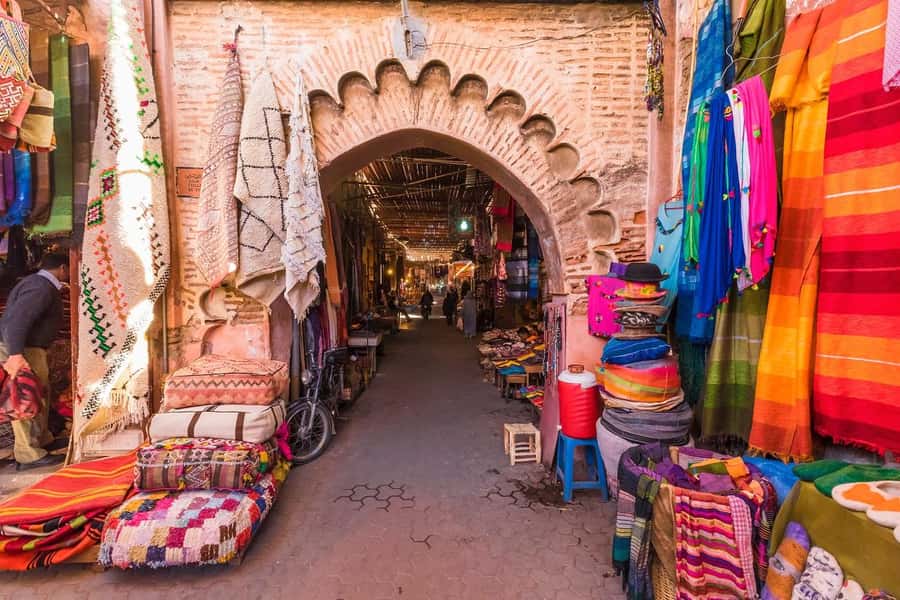
Souk Semmarine is where the tour really gets moving. You’ll pass through sections that specialize in different types of goods, which is why this stop feels like more than a photo opportunity. It’s structured browsing: spices and textiles in one direction, leather in another, and the kind of metalwork and tools that often get buried under the louder souvenir sections.
A guide who grew up in the medina can help you connect what you’re seeing to how it’s made. One standout detail from guides’ approaches is showing leather-related trades and even where wool is dyed. That kind of “follow the process” route is hard to replicate solo. It’s the difference between buying something pretty and understanding what the product is actually telling you.
This is also where shopping tips become real. You don’t just hear generic advice like bargain hard. You learn how to shop confidently in the souks: how to ask questions, what quality signals to look for, and how to avoid getting swept into overpriced tourist markup. If you’re trying to buy something specific—leather goods, copper items, textiles, spices—this is the part of the tour that gives you the most usable momentum.
One more thing: there’s time for shopping, and the stop is designed for guided walking rather than a quick drive-by. That gives you a chance to actually compare stalls and recognize workmanship—especially if you’re with a private guide who tailors the pace.
Foundouks in the medina: merchant inns that explain old Marrakech trade
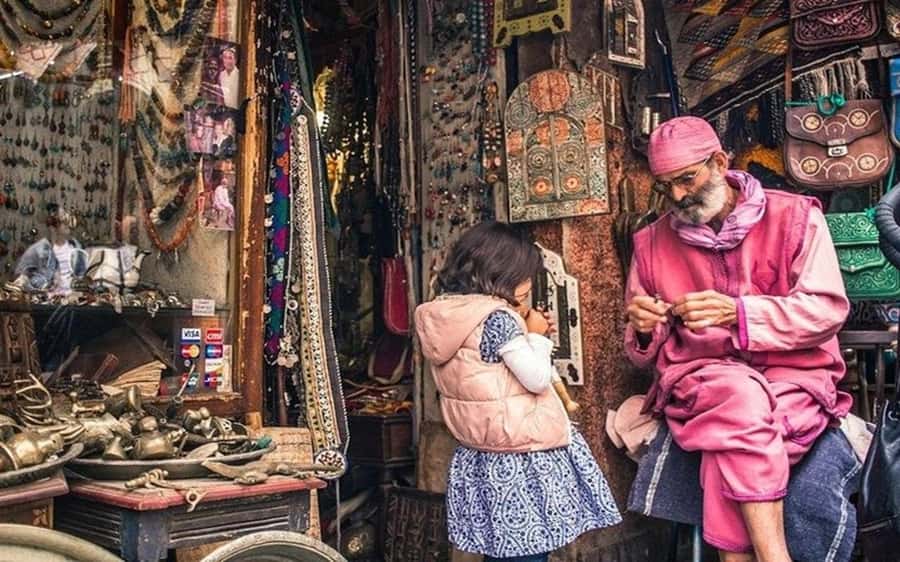
A big theme of this tour is the foundouk—historic merchant inns that once hosted traders arriving from far regions. These aren’t just pretty doorways. They’re proof that the medina’s economy was organized and interconnected, not chaotic.
When your guide takes you to foundouks, you usually get two benefits at once:
First, you escape the busiest main lanes and slip into quieter architectural spaces that make the city’s history feel physical.
Second, you learn how commerce worked—where merchants stayed, how goods moved, and how the “market” wasn’t only outdoor stalls but also indoor trade.
This is the part that turns the souks from a shopping errand into an understanding of Marrakech itself. You start noticing patterns: why certain goods show up in particular clusters, how merchants served travelers, and why some routes feel more practical than others. Even if you don’t buy anything, the foundouk stop helps you read the medina like a local.
And because the tour keeps moving, foundouks also give you a mental breather. The souks are intense. A short pause in these older spaces helps you reset your eyes—and your instincts.
Souk Cherifia and the craft reality behind leather, wool, and metalwork
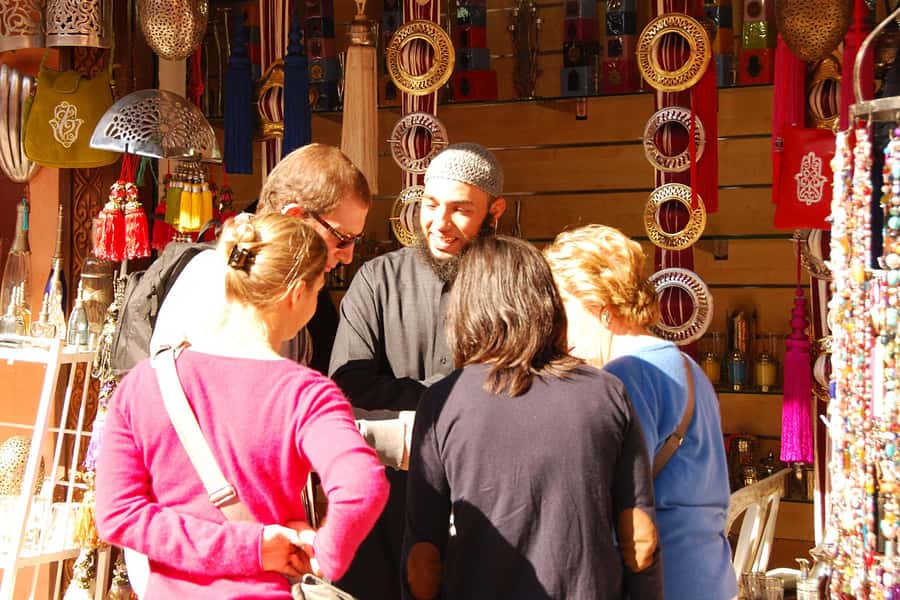
Souk Cherifia is another key piece of the experience, and it’s often where people start to feel the difference between browsing and learning. This stop is guided, with walking time built in, so you’re not just taking a look—you’re seeing trades explained and introduced.
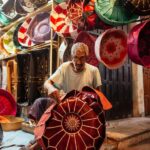
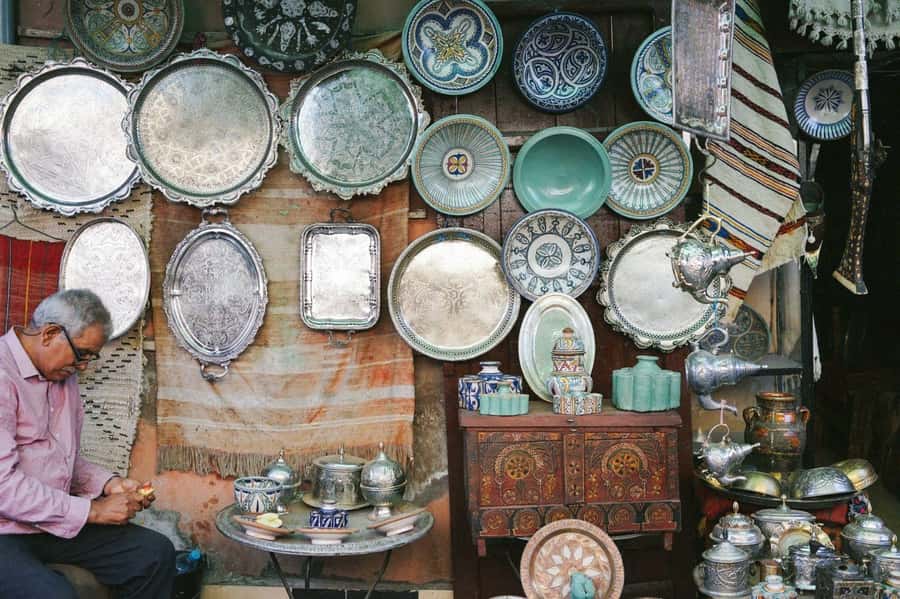
This is where you’ll hear practical craft talk. Depending on your guide’s route and what you ask about, you may get pointed toward where leather trades happen, where wool dyeing is visible, and where metalwork and tools are produced or sold. Guides are praised for making this understandable, not academic. If someone’s standing there making things, you get context for what you’re looking at and why the materials matter.
Guides also tend to share everyday-life context that makes the medina feel less like a theme park. People running trades here aren’t only selling. They’re preserving skills, teaching apprentices, and keeping patterns of work alive. When a guide explains the “why” behind the stalls, you stop treating it like a scavenger hunt.
If you’re shopping, this is also where your “quality radar” sharpens. You’ll get advice on authentic handmade items—what should feel right, what details suggest real craft, and what to be wary of when something looks too generic. That doesn’t mean you never buy tourist-friendly goods. It means you buy with eyes open.
Smart shopping confidence: bargaining etiquette and how to avoid regret
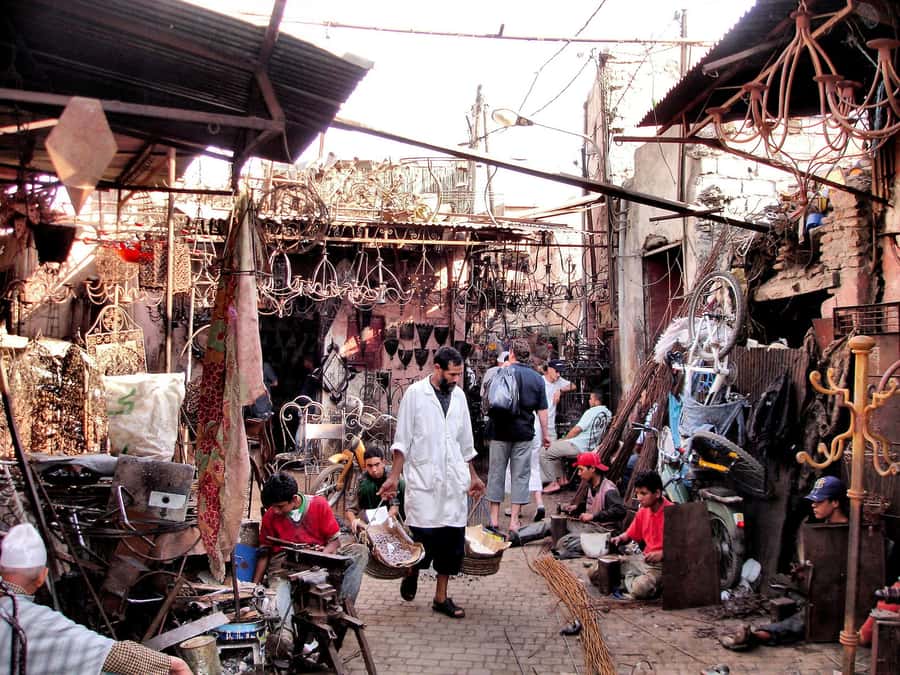
Let’s be honest: the souks are a place where you can overpay fast. This tour is designed to keep that from happening.
The most praised shopping value is the guide’s bargaining etiquette coaching. Instead of pushing you into a hard-sell approach, guides often teach you how to talk. That includes how to handle first prices, how to ask questions without sounding like you’re panicking, and when to step back and compare.
This also shows up in the way good guides manage the flow of attention. Some guides are praised for steering visitors away from people who are only interested in quick money and toward artisans who want to show their work. You’re not just buying a product; you’re trying to buy from the people who actually make or closely work with it.
A practical example from the experience: guides have helped people barter for specific items like leather or carpets while also explaining what makes those pieces worth the price. You’re also taught what to look for across categories such as copper, silver, wood, spices, and textiles. Even if you’re only buying one small souvenir, that training changes how you choose it.
And yes, food and drinks are not included. But don’t be surprised if your guide includes a pause for Moroccan tea or coffee along the way. Some guides have even taken groups for sand-heated coffee or a small food break in the medina. Think of it as the kind of local rhythm that makes the walk feel like a day with a friend—not a stopwatch tour.
Still, there’s one drawback to keep in mind. Some people find it feels closer to personalized shopping than pure sightseeing. If you’re not planning to buy, you might need to be firm about your preferences early. A good guide will adapt. But if you want mostly history with zero shopping pressure, this might feel a little sales-forward at times.





How the tour’s free time helps you keep momentum in the medina
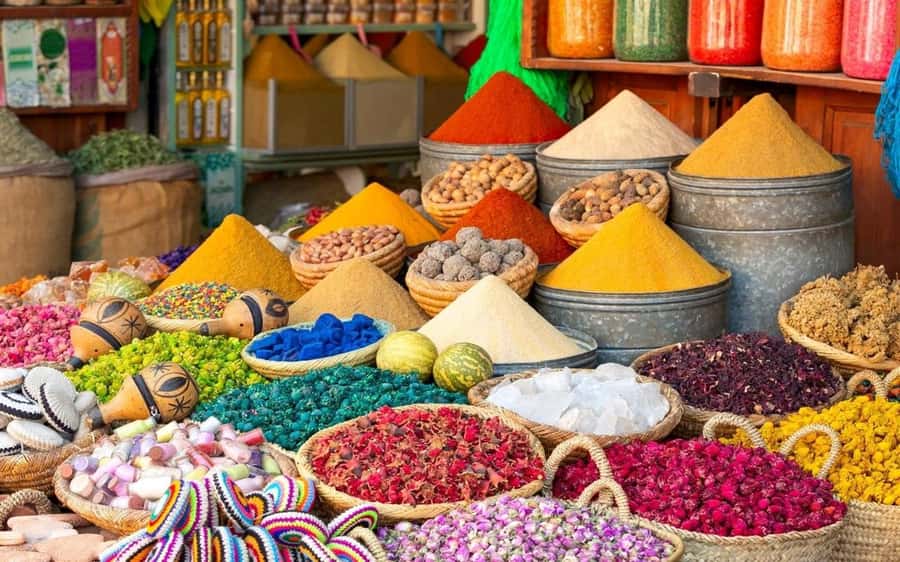
Near the end of the experience, you’ll have a section that includes photo stops and some free time. The point isn’t to dump you in the middle of the maze. It’s to give you a chance to use what you learned.
Here’s how to make that free time count:
Use it to return to a lane or foundouk area you liked, rather than chasing something brand-new.
If you saw a craft category you understand better now—like leather goods or dyed wool—use the time to compare two or three options with your guide’s quality tips in your head.
Guides often help you identify where to go next, so you don’t spend the rest of your afternoon retracing steps. That’s why this tour works especially well for first-timers. It gives you a mental shortcut. You leave knowing which parts of the medina are worth your attention and which ones to skip unless you have a specific goal.
For people who love architecture and history, there’s also sometimes more than just the souks themselves. Some guides have included stops connected to major historic areas in the walk, such as madrasa Ben Youssef. If you care about that side, tell your guide. The best sessions are the ones where your route reflects your interests.
Is this Marrakech souks tour worth $19?
For $19 per person and about three hours in the medina, the value is mainly in guidance. You’re not paying for a bus ride. You’re paying for someone to help you read the market and negotiate without stress.
This tour is a strong fit if you want:
- A guided path through Souk Semmarine and Souk Cherifia without getting turned around
- Meaning behind what you see (foundouks and trade structure)
- Practical shopping training so you can buy thoughtfully, not randomly
- The option to go shared or private, which matters a lot for how personalized the route becomes
It may not be the best fit if you want a slow, non-shopping walk with minimal commerce talk. In that case, you should set expectations before you start and keep your priorities clear.
Should you book this Marrakech Guided Souks Tour with a Local Insider?
Book it if this is your first serious medina experience, you want foundouks plus real craft context, and you’d like smart shopping advice so you don’t feel pressured. The guided organization is the secret sauce—how the souks are laid out, what each area specializes in, and how to bargain with better instincts.
Skip (or choose a lighter mindset) if you’re only there for pure sightseeing and you’d rather avoid market negotiations altogether. Also, consider going private if you want your pace to match your interests and avoid getting stuck in a one-size-fits-all shopping rhythm.
If you’re in the “I want to understand Marrakech and maybe bring home one or two real pieces” camp, this is a solid deal.
FAQ
Where is the meeting point for this tour?
The meeting point is in front of Café de France in the main square, Jamaa el-Fna, in Marrakesh.
How long is the Marrakech souks guided tour?
The duration is 3 hours.
Is the tour guide available in English or French?
Yes. The live tour guide speaks English and French.
Does this tour offer private group options?
Yes. A private group option is available.
Is hotel pickup included?
Hotel pickup is available if you select an option that includes it. If you do not select that option, you meet at Café de France.
What is included in the price?
The tour includes an expert local guide and the choice of a shared group or private walking tour.
What is not included?
Food and drinks are not included.
Is there free cancellation?
Yes, free cancellation is offered up to 24 hours in advance for a full refund.
Can I reserve without paying right away?
Yes. You can reserve now and pay later.
What should I expect to see during the walk?
You’ll explore Marrakech souks with a local insider, including hidden alleys, historic foundouks, and different craft areas, then get time to navigate the medina with guidance.