REVIEW · MARRAKESH
Marrakech Highlights: Guided City Tour With Local Guide
Book on GetYourGuide →Operated by Marrakech Guided Experience · Bookable on GetYourGuide
That first turn into the Medina feels like entering another world. This guided walking tour strings together real Marrakech culture: the Secret Garden calm, the Ben Youssef Madrasa splendor, and the souks where crafts and daily life overlap. I especially like the licensed local guide storytelling and the clear route that ends where the city really hums, Jemaa el-Fnaa. One thing to plan for: you’ll walk in narrow, busy streets, and the two key sights require cash tickets on-site.
Start and end at Jemaa el-Fnaa makes the whole day easier to anchor. I like that the tour includes a broad mix—historic education at the madrasa, neighborhood streets for context, then artisan workshops and markets—so you get more than photo stops. The possible drawback is simple: you’re paying mostly for guide time and interpretation, then you’ll need extra cash for the Secret Garden and Ben Youssef Madrasa entrances.
In This Review
- Key highlights to look forward to
- Starting at Cafe de France: a simple way to find the tour
- Secret Garden in the Medina: calm gardens, real water tech
- Ben Youssef Madrasa: cedar, mosaics, and the Saadian connection
- Medina neighborhoods: the tour that explains daily life
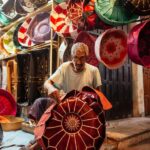
- Artisan souks and workshops: crafts you can actually understand
- Jemaa el-Fnaa at the end: how to use your guide’s tips
- Price and value: what $17 really buys
- Timing, weather, and where comfort matters most
- Who should book this guided Medina walking tour
- Should you book this Marrakech highlights tour?
- FAQ
- Where is the meeting point?
- How long is the tour?
- Is the Secret Garden ticket included?
- Is the Ben Youssef Madrasa ticket included?
- Are food and drinks included?
- What languages is the guide available in?
- Is the tour suitable for wheelchair users?
Key highlights to look forward to
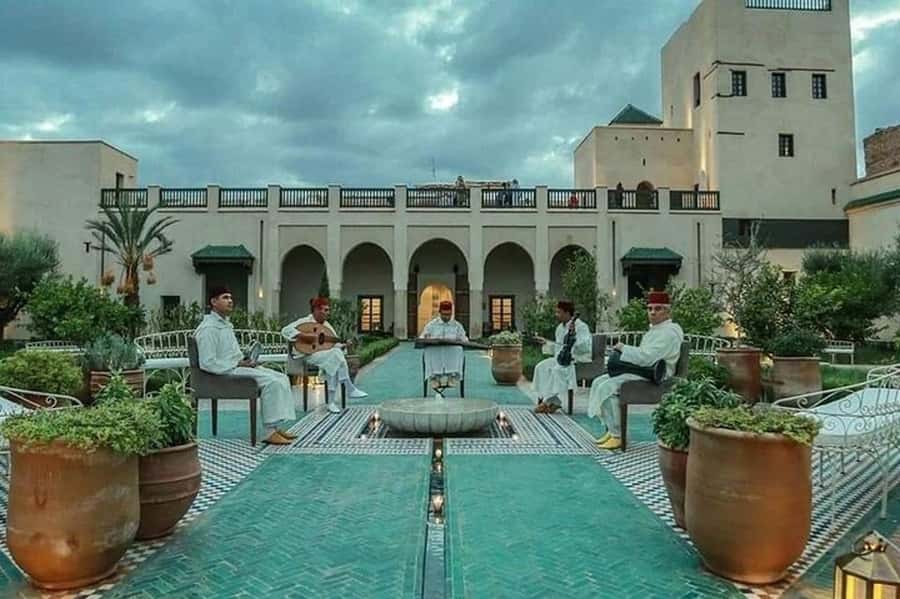
- Secret Garden: restored 19th-century palace gardens with traditional hydraulic systems
- Ben Youssef Madrasa: cedar wood carving, marble details, stucco, and mosaics around the Saadian story
- Real Medina lanes: bakeries, hammams, artisan workshops, and traditional homes you can actually picture living in
- Artisan souks: leather, metalwork, weaving, spices, perfumes, lamps, and jewelry along the route
- Jemaa el-Fnaa finish: UNESCO-square atmosphere plus practical tips for the rest of your stay
Starting at Cafe de France: a simple way to find the tour
Meeting in front of Cafe de France at Jemaa el-Fnaa is one of the smartest logistics choices in Marrakech. The main square is loud, visual, and hard to miss, so you’re not playing guess-the-meeting-point in a maze of streets before the tour even begins.
You’ll start the walk right away in the Medina environment—narrow streets, foot traffic, and the kind of layered sounds you only get in the old city. That’s actually part of the value here: you’re not transported away from the real atmosphere; you’re guided through it.
Bring comfortable shoes. The tour is 3 hours on foot, and even if the distances don’t sound huge on a map, Medina pavement and crowding can slow you down. Also expect rain or shine—weather doesn’t stop the Medina, so dress for the walk you’ll do, not the walk you imagined.
You can also read our reviews of more tours and experiences in Marrakesh.



Secret Garden in the Medina: calm gardens, real water tech
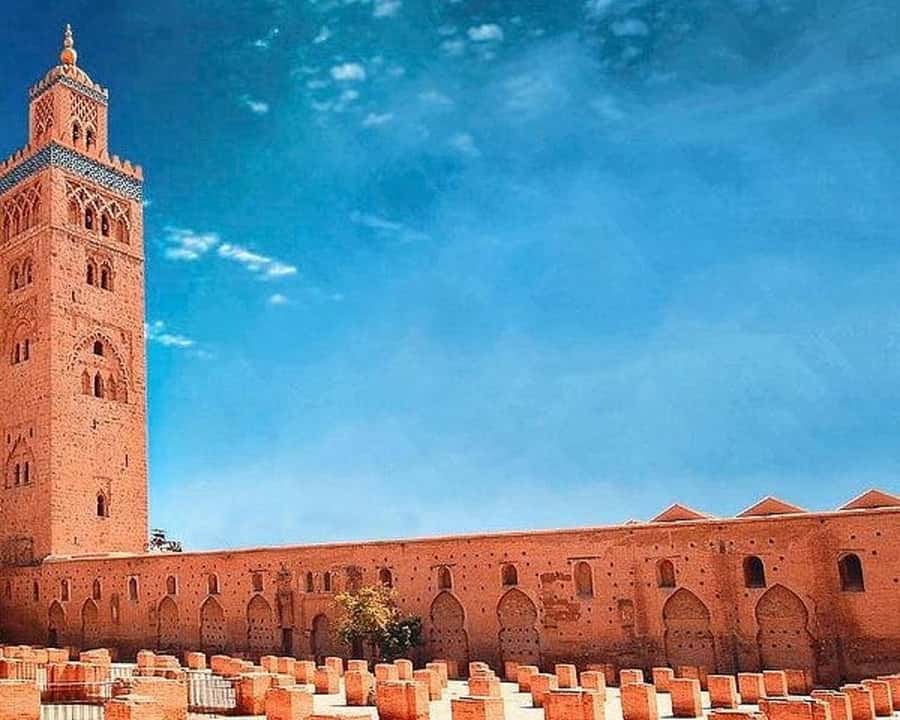
The first big stop is the Secret Garden, inside the Medina. This isn’t just a pretty pause. It’s a restored 19th-century palace complex with two gardens and traditional Moroccan hydraulic systems, meaning the water design is part of what you’re seeing and what your guide explains.
I like this stop because it changes your mental pace. After the square and the street noise, you step into quiet courtyards and you can actually focus on details—how gardens are planned, how water features work, and how the space reflects Moroccan tastes for cooling, privacy, and beauty. It’s also a useful “orientation” moment for the rest of the tour: you start to understand why Marrakech’s history isn’t only about monuments, but about systems that make daily life workable in a hot climate.
Practical note: the Secret Garden ticket costs 100 MAD and isn’t included. You’ll want enough cash ready before you enter, since some parts of the Medina don’t accept credit cards. The tour is designed to help with the flow—there’s skip-the-ticket-line included—but you still pay the entrance ticket on-site.
Ben Youssef Madrasa: cedar, mosaics, and the Saadian connection
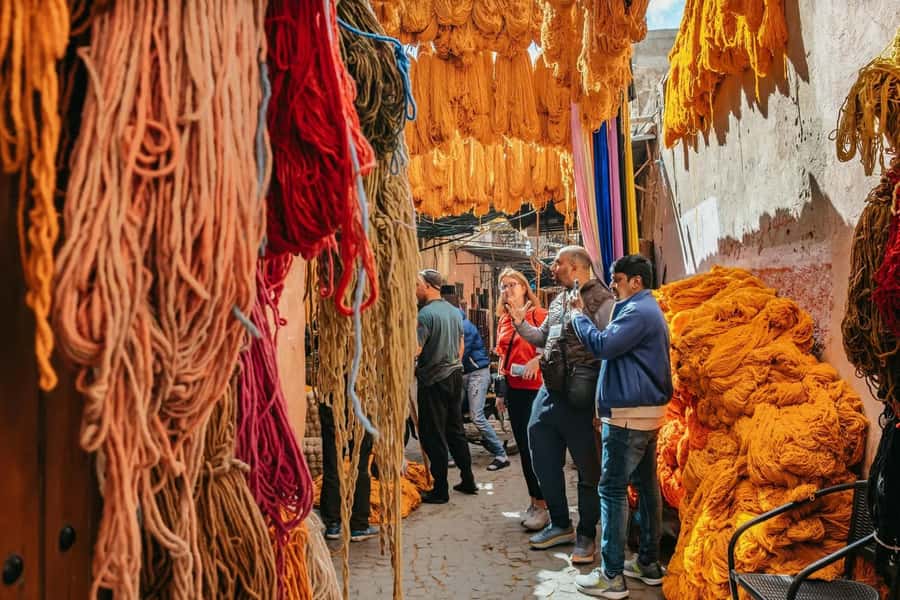
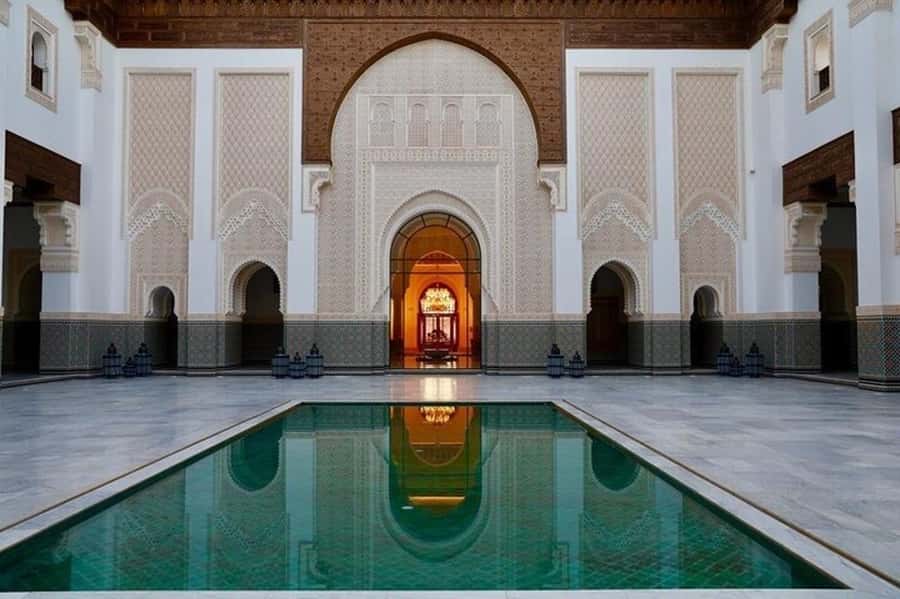
Next comes Ben Youssef Madrasa, one of North Africa’s largest and most striking Islamic colleges. The attention to materials is what hits you first: carved cedar wood, marble details, intricate stucco, and geometric mosaics. If you’re the kind of person who likes to “read” architecture, this is your stop.
Your guide’s job here is especially valuable. The courtyard and student rooms are impressive on their own, but the explanation is what makes it stick—especially the Saadian dynasty story your guide weaves through the spaces. You start noticing patterns, inscriptions, and the logic of how the buildings were designed for education and community life.
Ticket note: Ben Youssef entrance is 50 MAD, also paid in cash on-site. Plan for that so you don’t lose time once you arrive. The tour includes skip-the-ticket-line, so it’s not meant to turn into a waiting game, but you still need the ticket purchased.
One more tip: photography rules can vary. The tour info says photos are allowed in most areas, except in certain artisan workshops where permission may be required—so treat “ask first” as the safe default with anything inside a working space.
Medina neighborhoods: the tour that explains daily life
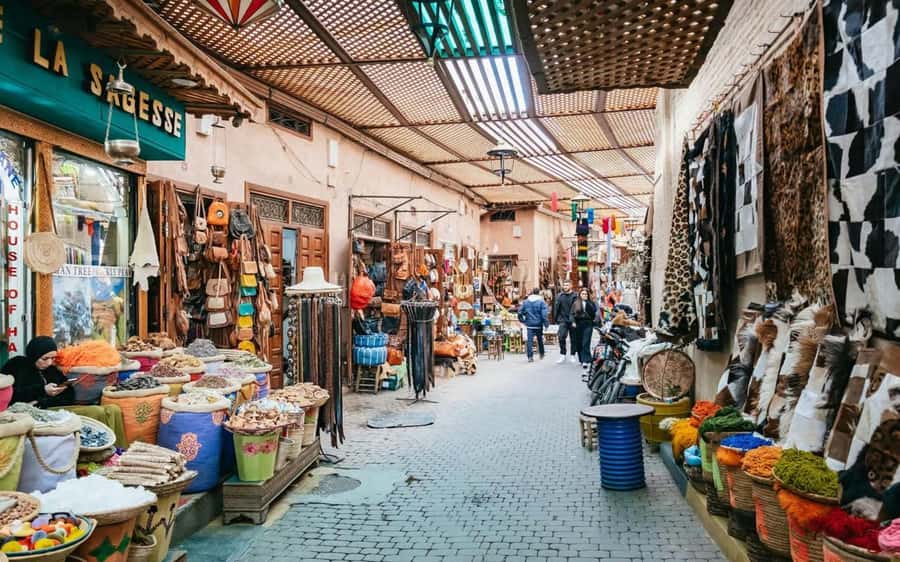
Between the big monuments, you’ll walk through traditional neighborhoods inside the Medina—narrow alleys with bakeries, hammams, artisan workshops, and traditional homes. This is where the tour feels less like sightseeing and more like understanding how Marrakech functions.
I like this segment because it gives you context. You see ordinary places—places people use, not just places people pose in—and your guide connects architecture and religion to day-to-day routines. That makes the souks make more sense later, since the markets aren’t separate from life; they’re woven into it.
A key consideration: crowd levels. The tour can get busy, especially in the afternoon. That doesn’t mean skip it—it just means don’t plan this when you’re expecting a calm, empty-city stroll. If you like photography, go slow and aim for moments where you’re not forcing your way through the flow of people.
Also, wear clothing that feels respectful when you pass through traditional neighborhoods. This isn’t about “rules for tourists” so much as signaling good manners. You’ll feel more comfortable moving around when your outfit matches the vibe of the streets you’re in.
Artisan souks and workshops: crafts you can actually understand
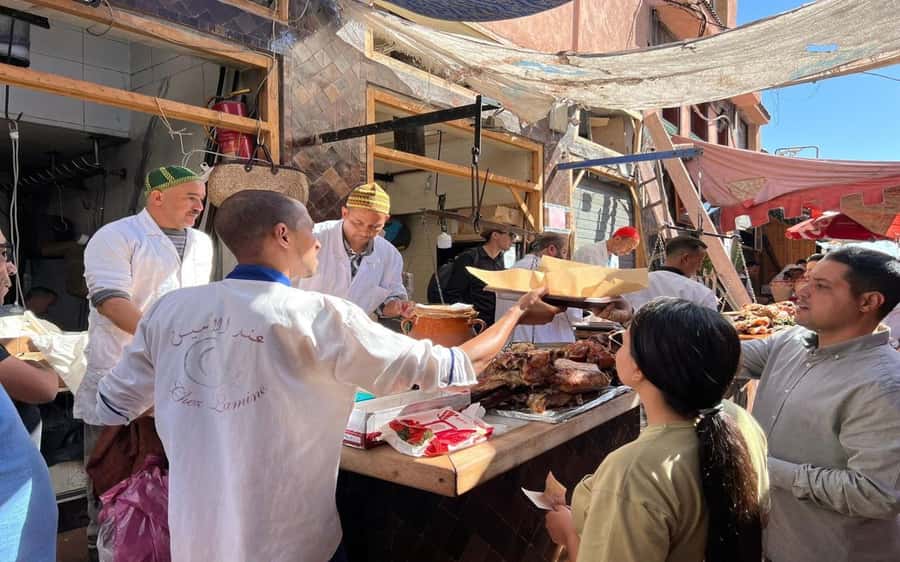
Then you head into the souks, and this part is often the difference between a good tour and a forgettable one. You’re shown how crafts work in real time—where products come from and what tradespeople focus on.
The tour route highlights specialties like:
- leather work
- metalwork
- weaving
- wood carving
- spices and perfumes
- lamps and jewelry
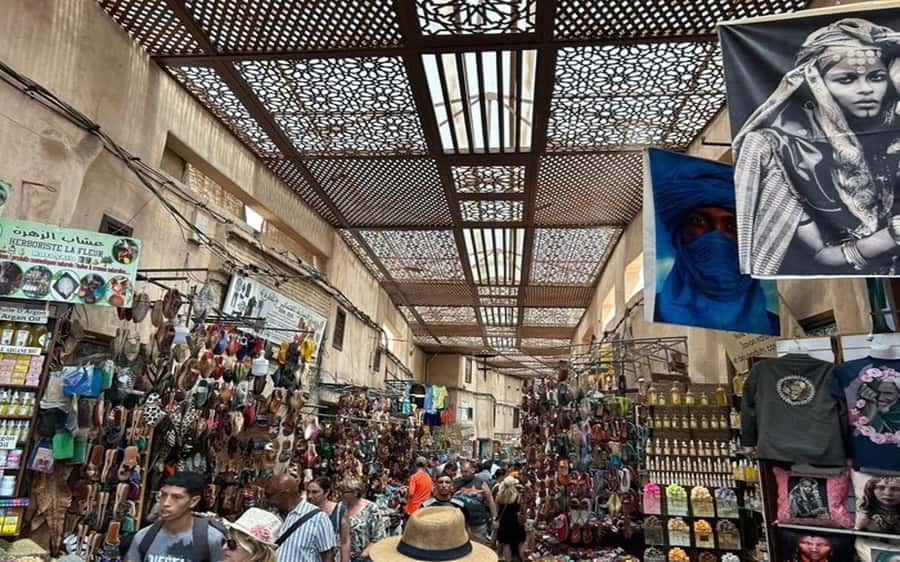
The big win is interpretation. Even if you don’t buy anything (and this is a cultural tour, not a shopping tour), you’ll learn what artisans do and why their techniques matter. One guide experience that stands out from the group history: a route can include a carpet-focused stop where weaving methods are explained—no hard sell, just a practical breakdown of how the work is done.
You might also encounter other specialty shops along the way, including a stop centered on herbs. The point isn’t the product itself; it’s learning what the shop sells and why locals use it, so the Medina markets feel less like chaos and more like a working system.
Photography is usually allowed, but the info also warns that some artisan workshops may require permission. If you want photos, keep your camera handy, but pause and check with the shopkeeper first. It keeps things smooth.




Jemaa el-Fnaa at the end: how to use your guide’s tips
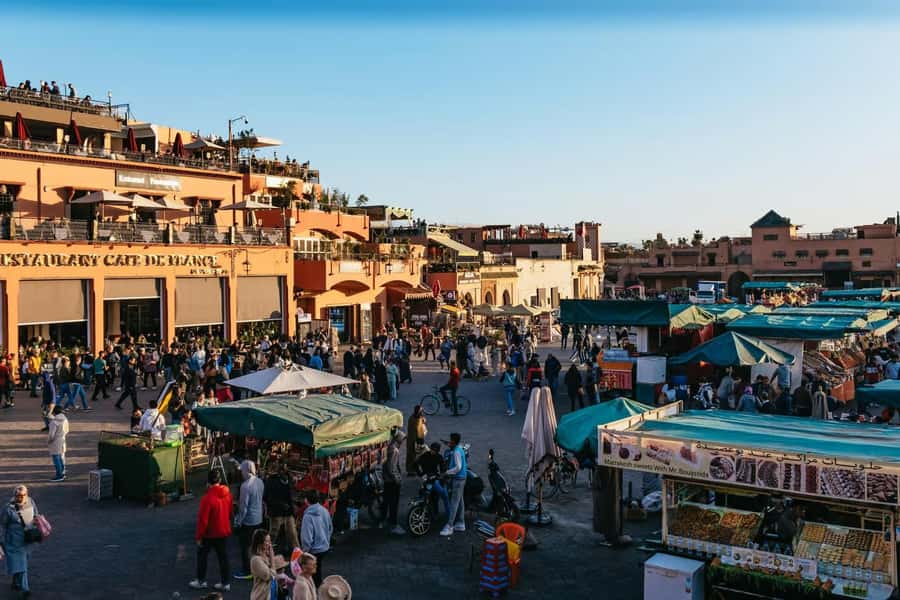
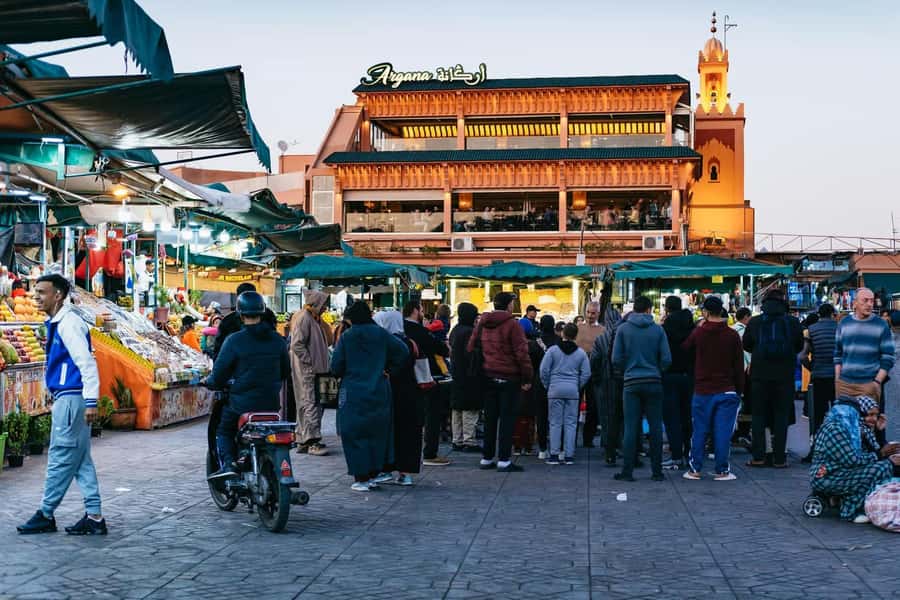
Your tour ends at Jemaa el-Fnaa, a UNESCO World Heritage Site known for storytellers, musicians, and food stalls. This is a smart finish because it puts you back in the city’s “public living room” right when you’re starting to understand the rhythms.
Your guide will give recommendations for the rest of your stay. That’s genuinely useful here, because Jemaa el-Fnaa can be intense if you wander in without a plan. You’ll have just enough context to decide what to do next—whether that means finding dinner, watching performances, or stepping out toward a quieter street for photos.
If you’re hoping to keep the momentum, set yourself up right after the tour: get your bearings fast, drink some water, then choose one or two nearby ideas. Marrakech rewards focus. Trying to do everything right after a long walking tour can turn fun into fatigue.
Price and value: what $17 really buys
At $17 per person for a 3-hour guided walk, you’re paying for more than entry tickets. You’re buying licensed local guidance, a structured route through major sights, and the storytelling that connects the places into one coherent picture.
But you should budget for the on-site entrances:
- Secret Garden: 100 MAD
- Ben Youssef Madrasa: 50 MAD
Those tickets aren’t included, and they’re paid in cash. If you don’t like carrying cash, that’s the main friction point in the whole experience. The upside is that you’re not paying those ticket fees to a third party—you pay them on-site and get the intended access immediately.
Food and drinks are not included, so plan a meal before or after. This matters because the route flows through the Medina, and it’s easy to get side-tracked by aromas and snacks once you’re there.
Timing, weather, and where comfort matters most
This tour is built for motion. The Medina is narrow and busy, and some streets can get crowded. If you’re prone to getting overwhelmed in tight spaces, consider doing the tour earlier in the day.
The tour runs rain or shine. That means you should bring rain protection if the forecast looks iffy, but also remember that wet stone plus crowds can feel slippery. Comfortable shoes aren’t optional—this is the kind of walk where the right soles make a real difference.
Not allowed: smoking. It sounds obvious, but in crowded places it helps everyone to know the rules. Also note that the tour isn’t recommended for people with limited mobility or wheelchair users, so plan accordingly.
Who should book this guided Medina walking tour
This tour is a strong match if you want:
- a first introduction to Marrakech’s Medina
- a guide who can explain architecture and daily life, not just point at buildings
- a route that combines major landmarks with neighborhood streets and artisan markets
- a cultural walk where shopping isn’t the main event
If you love “how things work,” you’ll probably enjoy the craft stops. If you prefer quiet monuments, the Secret Garden and Ben Youssef Madrasa are your anchor. If you like energy and people-watching, the finish at Jemaa el-Fnaa is a perfect reward.
If you’re traveling with kids, they must be accompanied by an adult. If you’re expecting hotel pickup, keep in mind it’s not included by default—you’ll meet at the main square.
Should you book this Marrakech highlights tour?
Book it if you want a structured, guided way to experience the Medina without guessing your way between sites. The combination of the Secret Garden, Ben Youssef Madrasa, and the souks gives you a balanced picture: calm space, educational landmark, daily life lanes, then the crafts and atmosphere of the market world.
Skip it (or consider a different format) if you hate walking in crowds, can’t handle narrow streets, or don’t want to carry cash for entrance tickets. Also, if you’re mainly in Marrakech for shopping, this tour is explicitly not built around forced buying—so your satisfaction will depend on whether you enjoy learning and looking more than purchasing.
If that balance sounds right, this is a very workable 3-hour intro to Marrakech’s cultural center—ending exactly where you’ll want to keep exploring.
FAQ
Where is the meeting point?
You’ll meet in front of Cafe de France at the main square Jemaa el-Fnaa.
How long is the tour?
The tour lasts 3 hours.
Is the Secret Garden ticket included?
No. The Secret Garden ticket costs 100 MAD and is paid in cash on-site.
Is the Ben Youssef Madrasa ticket included?
No. The Ben Youssef Madrasa ticket costs 50 MAD and is paid in cash on-site.
Are food and drinks included?
No. Food and drinks are not included.
What languages is the guide available in?
The live guide is available in English, Arabic, French, Italian, and German.
Is the tour suitable for wheelchair users?
No. It is not recommended for people with limited mobility or wheelchair users.