REVIEW · KYOTO
Kyoto Gion Tea ceremony & Wabi-sabi Walking Tour
Book on GetYourGuide →Operated by MagicalTrip · Bookable on GetYourGuide
Tea and quiet streets in Kyoto. This Gion Tea ceremony and Wabi-sabi walking tour pairs temple stops with a hands-on matcha moment, so the concept of wabi-sabi stops being abstract and starts feeling real. I love how the route mixes historic sights with guided explanations, and I also like the calm, respectful pace that keeps the day from turning into a checklist.
Two things really work: an English-speaking guide who can connect everyday objects to Japanese tea philosophy (and guides like Masa do that well), and the ceremony itself, including choosing a tea bowl based on season and taste. One drawback to plan around is timing: the tour starts on time, and if you miss the start or have schedule confusion, you can lose access to parts of the experience.
In This Review
- Key highlights and why they matter
- Kyoto Gion Tea Ceremony and Wabi-sabi: what you’re really signing up for
- Why Gion and Higashiyama fit a tea-and-temple day
- Finding the group at Gion-Shijo and staying on schedule
- Kenninji Temple: the oldest Zen anchor for your tea lesson
- Matcha shop time in Gion: seeing tea culture from the street
- Higashiyama Ward walks: paintings, quiet corners, and karesansui
- Tea utensils and wabi-sabi bowls: the part that feels hands-on
- Entoku-in: quiet temple time before the main ceremony
- The tea ceremony with a tea master: matcha, sweets, and choosing a bowl
- Price and value: is $92 worth it?
- Group size and pacing: small group is more than a comfort detail
- Weather, walking, and who should plan around mobility limits
- What to do if you’re timing your Kyoto plans tightly
- Should you book this Kyoto Gion Tea Ceremony and Wabi-sabi Walking Tour?
- FAQ
- FAQ
- What’s the meeting point for the Kyoto Gion tea ceremony and wabi-sabi walk?
- How long is the tour?
- Is the tour suitable for wheelchair users?
- How old do you have to be to join the tea ceremony?
- What’s included in the tea ceremony experience?
- Are temple entrance fees included?
- Is the guide English-speaking?
Key highlights and why they matter
- Wabi-sabi learned by doing, not just hearing theory
- Small group (up to 7) for a less rushed ceremony experience
- Kenninji Temple + other Higashiyama stops to frame the tea culture
- Tea bowl viewing and selection tied to season and taste
- Matcha with a small seasonal snack plus Japanese sweets during the ceremony
- A guide who explains the why, including tea culture and philosophy
Kyoto Gion Tea Ceremony and Wabi-sabi: what you’re really signing up for
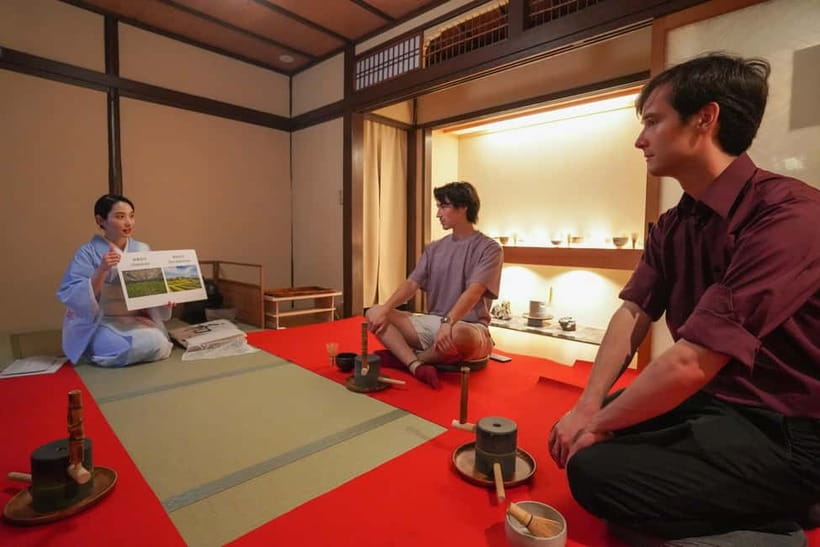
This tour is about atmosphere, but not in a vague way. You’re walking through old Kyoto areas, then shifting into tea culture mode—how people in Japan learned to appreciate beauty by slowing down and paying attention. The big idea is wabi-sabi, the way everyday imperfections, age, and natural simplicity can feel honest and beautiful.
The day also has a practical payoff. You don’t just watch from a distance. You see utensils, you learn how tea culture works as a set of values, and you end with an actual ceremony where you taste matcha and sweets. If you’ve ever thought, Okay, I get the concept of tea in theory, but what does it feel like?—this is built to answer that.
You can also read our reviews of more tours and experiences in Kyoto.
Why Gion and Higashiyama fit a tea-and-temple day
Gion is Kyoto’s postcard district, but the best part is the contrast. You’re starting in Gion, then moving through the Higashiyama area where temples and quiet corners pull the mood in a different direction. That matters because Japanese tea culture is not just about flavor. It’s also about respect, restraint, and noticing small details.
Expect the guide to keep connecting what you see on the street to the ceremony later. One minute you’re walking through the historical district and a matcha shop area; the next you’re in temple spaces that feel designed for silence and reflection. That flow helps wabi-sabi land in your brain as something physical: textures, shapes, the look of a bowl, the calm of a garden, and the way the ceremony is paced.
Finding the group at Gion-Shijo and staying on schedule
You meet in front of the Izumo no Okuni statue, right outside Exit 5 of Gion-Shijo Station (Keihan Line). The guide holds an orange signboard that says MagicalTrip. It’s a simple meeting point, but the tour has one strict rule: they start on time.
That matters more than most people expect. This is a timed experience (210 minutes total) and the ceremony segment is a core part. If you’re even a little late, you can get locked out of the group and miss parts of the day, with no refund or reschedule. If you’re combining this with other Kyoto plans—especially trains or temple ticket time slots—build a buffer and show up early.
Kenninji Temple: the oldest Zen anchor for your tea lesson
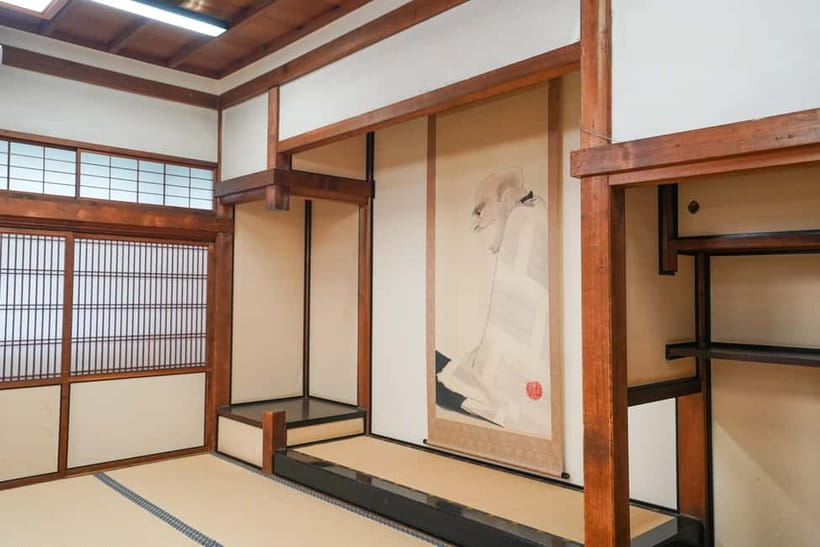
One of the first temple stops is Kenninji Temple. It’s presented as the oldest Zen temple in Kyoto, and it gives your tea conversation a real base. Zen ideas show up in tea culture because tea became a way to practice calm focus and simple appreciation. In other words, tea wasn’t invented just to drink something nice—it became a discipline of attention.
During the visit, the English-speaking guide gives context that helps you connect the dots. You’re not just looking at a building; you’re learning how Zen thought shaped manners, utensils, and the pacing of social life around tea.
Also note the tempo. Temple visits here are scheduled (about 30 minutes), so you’ll get an introduction and key details, not an all-day wander. If you like slowing down, you’ll probably want to leave with a couple of questions so you can come back later on your own.
Matcha shop time in Gion: seeing tea culture from the street
Between temple moments, the tour includes a matcha shop stop in Gion. This isn’t only about shopping or snacks. It’s a chance to see tea culture as something local and everyday—not just a tourist “experience.”
You’ll also get a guided bridge to the ceremony. The guide’s job is to help you understand why matcha matters and why the tools and rituals exist. If you like food travel, this part gives you something tangible before you ever sit for the ceremony.
Higashiyama Ward walks: paintings, quiet corners, and karesansui
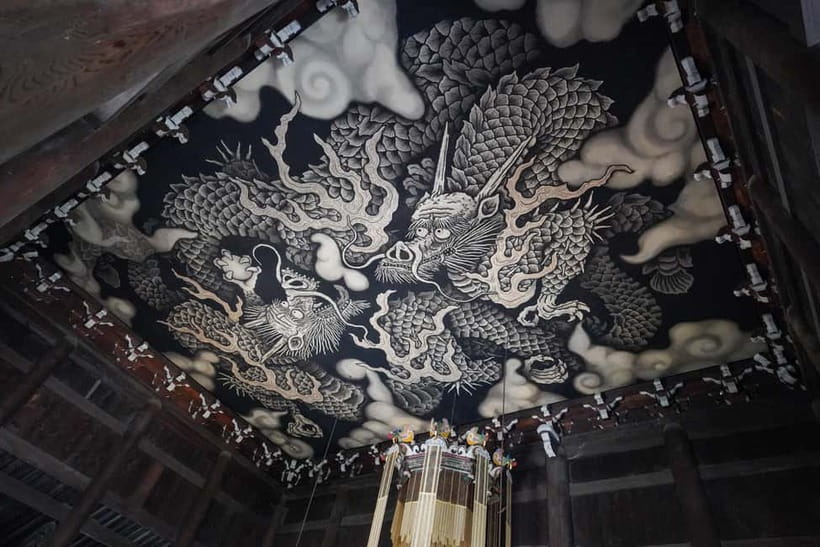
In Higashiyama Ward, the tour builds a visual vocabulary for wabi-sabi. You’ll pass through several short stops where the guide explains what to notice: objects, art, and stillness in temple spaces.
Two elements are specifically highlighted:
- Japanese paintings, explained in a way that ties back to taste and perception
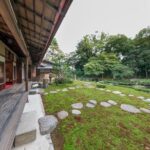
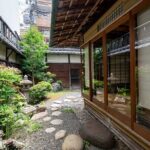
- Karesansui, the dry landscape Zen garden style, where composition and restraint do the storytelling
These stops are short on paper, but they matter. They teach you how to look. Wabi-sabi isn’t only about “old things.” It’s also about how silence, shape, and natural wear can carry meaning. When the ceremony comes later, your brain has already been trained to pay attention to subtle cues.
Tea utensils and wabi-sabi bowls: the part that feels hands-on
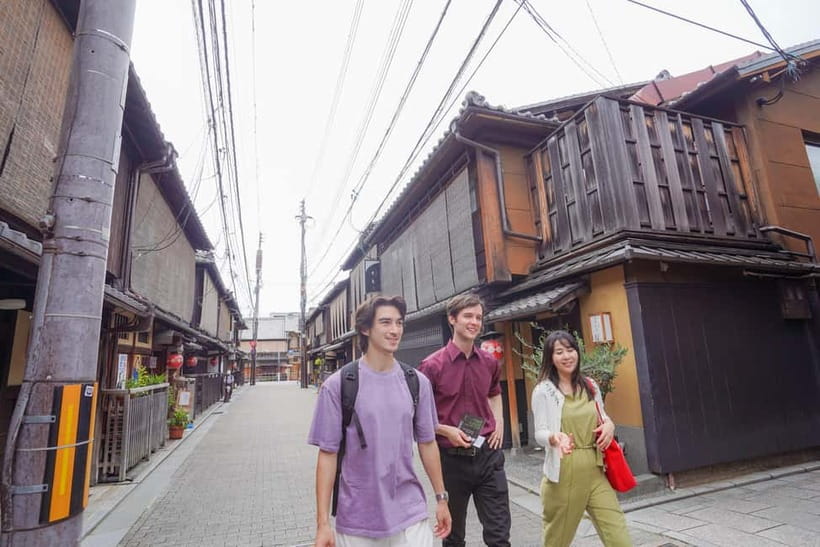
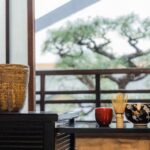
The tour includes a pottery shop stop where you can admire wabi-sabi tea bowls. This is one of the most important segments for most people because bowls are where wabi-sabi becomes visible.
You’ll learn how tea objects aren’t just tools. They’re part of the mindset. Imperfect glaze, asymmetry, and age-like patina are not “defects” in this world. They’re evidence of character.
This is also where small-group pacing helps. When you’re not in a crowd of 30, it’s easier to see details in the bowl—shape, thickness, and surface—and to ask questions you actually care about.
Entoku-in: quiet temple time before the main ceremony
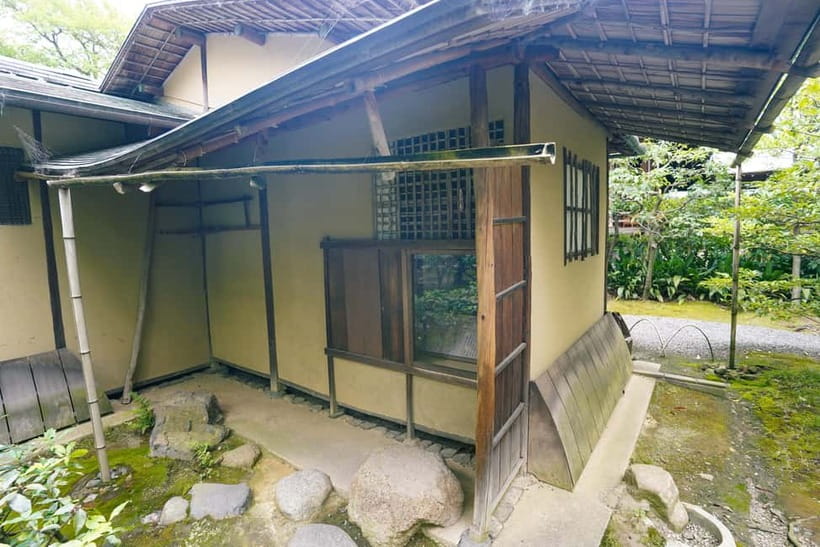
Next comes Entoku-in, another scheduled temple visit (about 30 minutes). This stop keeps the day grounded. The idea is to slow down before the ceremony rather than sprint through final minutes of sightseeing.
By the time you reach this segment, the guide has already pointed out patterns: simple beauty, calm attention, and the meaning behind what you’re holding and seeing. Entoku-in provides a quieter pause where your senses can switch gears.
The tea ceremony with a tea master: matcha, sweets, and choosing a bowl
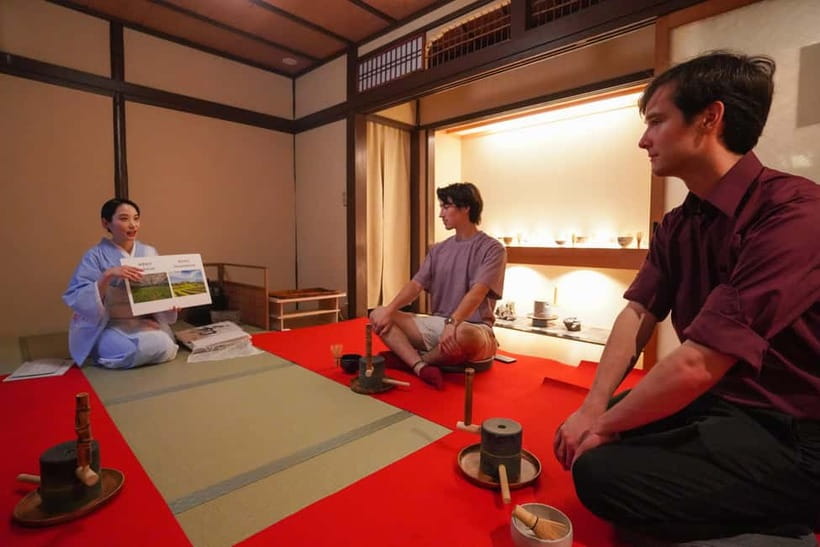
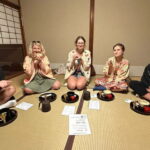
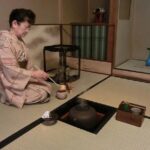
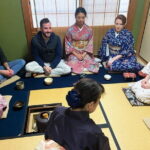
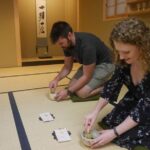
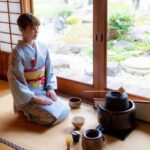
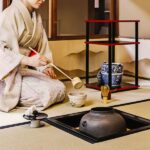
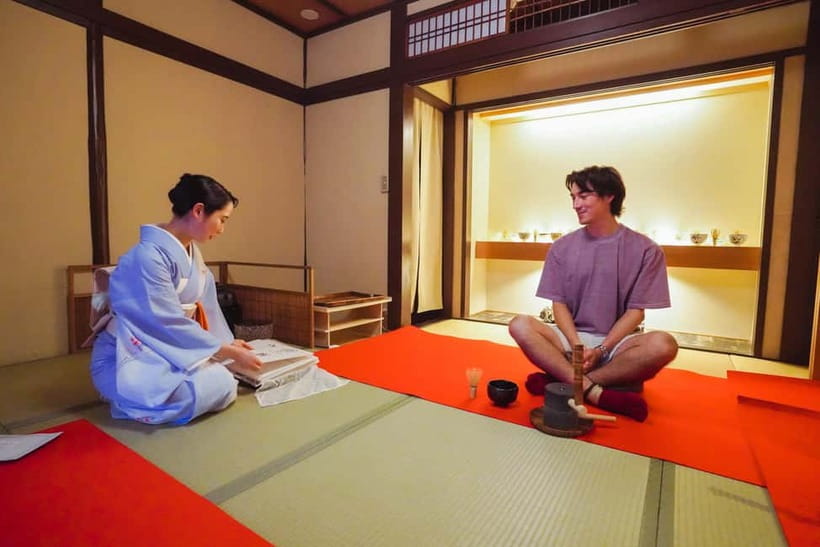
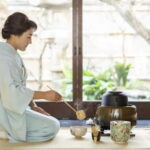
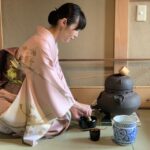
The main event is the tea ceremony with a tea master, with a dedicated 45-minute segment. You’re not only drinking matcha—you’re participating in the rhythm and learning the values behind it.
Here’s what the tour includes:
- Matcha served with a small seasonal snack
- Japanese sweets served with the ceremony
- You choose a tea bowl based on season and taste
That bowl choice is a clever way to make wabi-sabi practical. Instead of hearing, wabi-sabi is about appreciating what’s appropriate, you get to pick what feels right. It turns philosophy into a decision you can feel in your hands.
Also, you might notice that the ceremony portion feels calming. One participant described it that way, and the structure of the experience supports that. It’s scheduled after temple time so you’re ready to slow down and focus.
And yes—English interpretation is included. Still, tea ceremony has moments that are visual and procedural, so give yourself permission to enjoy parts you can’t fully translate. That’s often where the real learning happens.
Price and value: is $92 worth it?
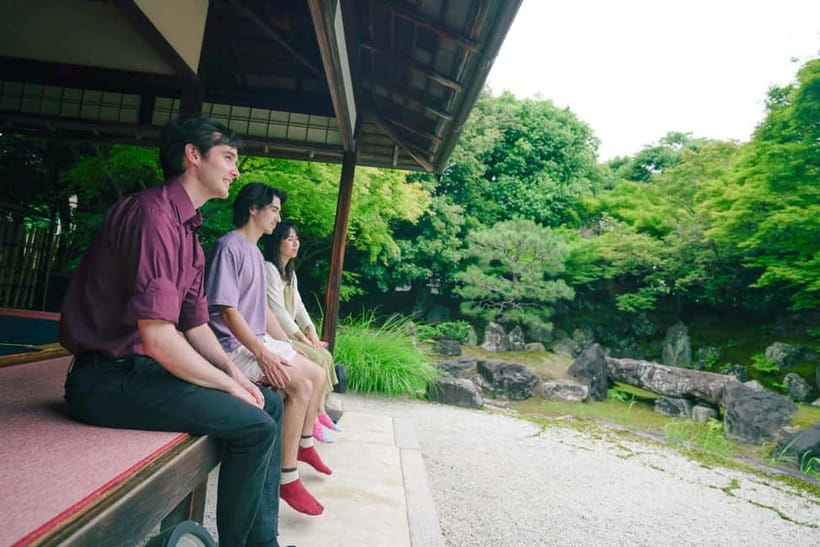
At $92 per person for about 210 minutes, this isn’t a bargain-basement “tea tasting.” It’s priced like what it is: a guided, structured, small-group cultural experience with access to multiple sites.
What you’re paying for includes:
- An English-speaking guide
- Tea ceremony experience with matcha and seasonal snack
- Japanese sweets during the ceremony
- Entrance fees for two temples
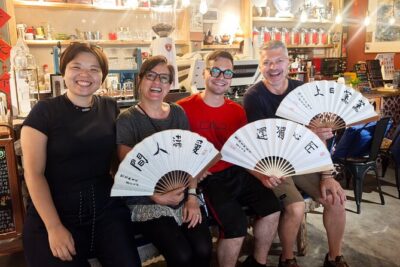
- Photos during the tour
When you break it down, the tea ceremony isn’t the only value. The temple entry fees and the guided explanations are part of what makes the day coherent. Instead of bouncing between temples on your own and guessing what you’re looking at, you get a guided narrative that connects the streets to the tea.
If you’re the kind of traveler who wants to understand what you’re seeing—not just take pictures—this price starts to make sense fast.
Group size and pacing: small group is more than a comfort detail
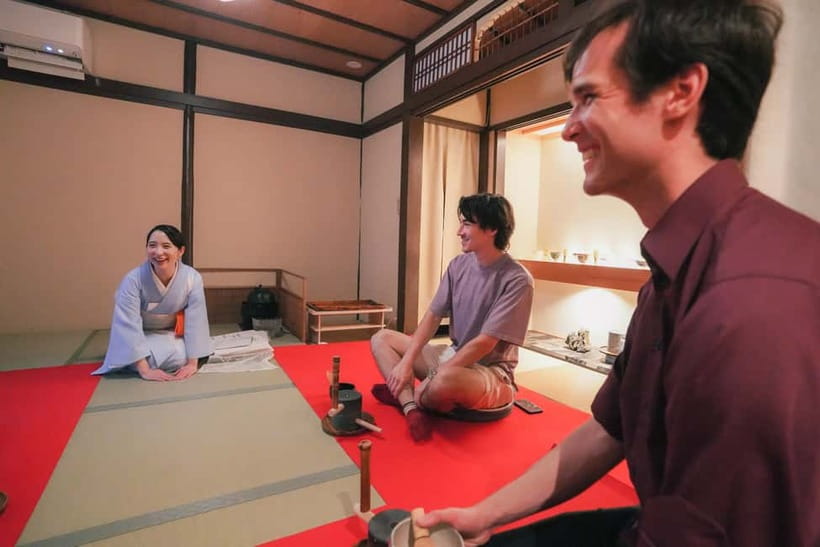
The tour is limited to 7 participants. That matters during the ceremony. Tea culture involves attention, stillness, and proper handling of utensils. A bigger group can make things feel like a production line.
Here, the small group size helps keep the atmosphere respectful and gives you time to follow the guide’s cues. It also makes it easier to ask questions during the walk without the guide constantly jumping tracks.
Weather, walking, and who should plan around mobility limits
Kyoto weather can be extreme. You’re warned about summer highs up to 40°C (110°F) and winter lows down to -5°C (20°F). Dress for that reality. You’ll be walking through the center of Kyoto and moving between multiple stops.
Also, this tour is not suitable for wheelchair users, and some locations aren’t accessible by wheelchair or stroller. That means the route likely includes stairs, uneven surfaces, or tight spaces. If you’re managing mobility issues, treat the tour as a “requires real walking” day.
What to do if you’re timing your Kyoto plans tightly
This is the practical risk: schedule mismatch. One person had a problem because the time details didn’t match what they expected, and they only had time for part of the day—ending up without the full tea ceremony experience.
So if you’re planning around other bookings, do two things:
- Confirm the exact start time before you leave your hotel
- Build in extra buffer so you don’t need to sprint to the meeting point
A tea ceremony works best when you arrive ready to settle in. Stress kills the point.
Should you book this Kyoto Gion Tea Ceremony and Wabi-sabi Walking Tour?
Book it if you want:
- An organized Kyoto day that connects tea culture to the design of temples and gardens
- A small-group format that supports calm attention
- A real ceremony experience, not just a quick matcha sip
Skip it (or choose something else) if:
- You hate time-bound tours and need maximum flexibility
- Your schedule is too tight or fragile
- Mobility access is a concern (this one is not wheelchair-friendly)
If you’re curious about wabi-sabi and want it to click through your senses—texture, quiet, bowl choice—this tour is one of the more direct paths in Kyoto.
FAQ
FAQ
What’s the meeting point for the Kyoto Gion tea ceremony and wabi-sabi walk?
You meet in front of the Izumo no Okuni statue, right outside Exit 5 of Gion-Shijo Station (Keihan Line). The guide will be holding an orange signboard saying MagicalTrip Tour.
How long is the tour?
The duration is 210 minutes.
Is the tour suitable for wheelchair users?
No. The tour is not suitable for wheelchair users, and some locations are not accessible by wheelchair or stroller.
How old do you have to be to join the tea ceremony?
Tea ceremony accommodation is only for participants who are 6 years old or older. Children younger than 6 can join, but one adult must accompany them outside the facility during the experience.
What’s included in the tea ceremony experience?
You get matcha (with a small seasonal snack) and Japanese sweets. You also experience the ceremony with a tea master.
Are temple entrance fees included?
Yes. Entrance fees for two temples are included.
Is the guide English-speaking?
Yes. The tour includes an English-speaking guide, and photos are taken during the tour.