REVIEW · KYOTO
Tea Ceremony Experience in Kyoto
Book on Viator →Operated by Travel Japan Together · Bookable on Viator
Tea ceremony is one of Kyoto’s best slow moments. This one stands out because you are not just watching the ritual, you can make your own matcha with expert guidance.
I like two things right away: you get a teacher with 30+ years of experience, and the session is set up so beginners feel comfortable, not lost. I also really appreciate that you’ll be served wagashi as part of the experience, so it feels complete.
One consideration: the experience is not wheelchair accessible, so plan accordingly if mobility is an issue.
In This Review
- Key highlights before you go
- Getting Oriented Near Kamogawa Delta and Demachiyanagi
- Meeting Chisato: the 30+ Year Tea Teacher Factor
- The 1-Hour Flow: What You Do During the Matcha Ceremony
- Wagashi and Matcha: Why the Sweets Matter
- Learning Etiquette Without Feeling Silenced
- Price and What You Actually Get for $39.09
- Timing: Pairing It With Kibune Shrine and Rurikou Temple Days
- Who This Kyoto Matcha Workshop Suits Best
- Should You Book This Tea Ceremony in Kyoto?
- FAQ
- Is this tea ceremony experience in English?
- How long is the tea ceremony experience?
- Where do I meet for the tea ceremony?
- Is kimono included?
- What’s included in the price?
- Can I make my own matcha?
- How big is the group?
- Is the tea ceremony wheelchair accessible?
- What is the cancellation window?
Key highlights before you go
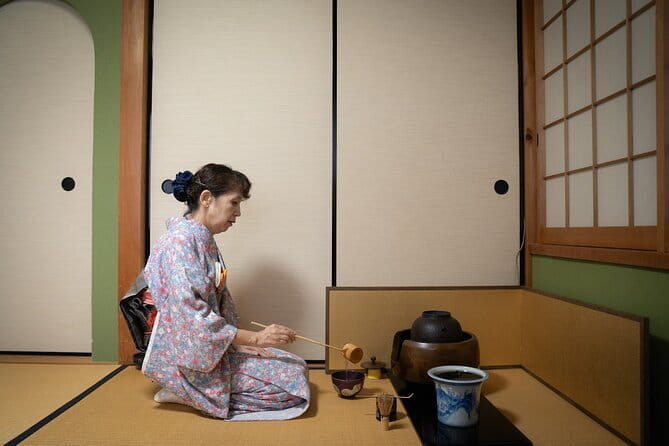
- Make your own matcha instead of only observing
- Guided by Chisato, a teacher with 30+ years of tea experience
- Small group size (up to 6) for a more personal feel
- Learn the steps for matcha, including whisking and careful hand movements
- Include wagashi (Japanese sweets) alongside your tea
Getting Oriented Near Kamogawa Delta and Demachiyanagi
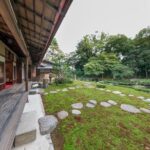
This tea ceremony takes place in Kyoto, at Tea Ceremony Experience Chisato, at 67-23 Shimogamo Matsunokichō in Sakyo Ward. The location is practical for building a day around it because it sits about a 15-minute walk from Kamogawa Delta, where you can see the riverside scenery that locals actually use for casual strolls.
It’s also about a 15-minute walk from Demachiyanagi Station, which matters if you are using public transit and want to keep your day smooth. That station is a good jumping-off point if you are also planning stops related to Kibune Shrine and Rurikou Temple. In other words, this fits into a real Kyoto route, not just a standalone activity.
What to watch for: the meeting point is specific, and this is the kind of experience where arriving on time helps you settle in. Use your map app to navigate to the exact address instead of relying on a general landmark.
You can also read our reviews of more tours and experiences in Kyoto.
Meeting Chisato: the 30+ Year Tea Teacher Factor
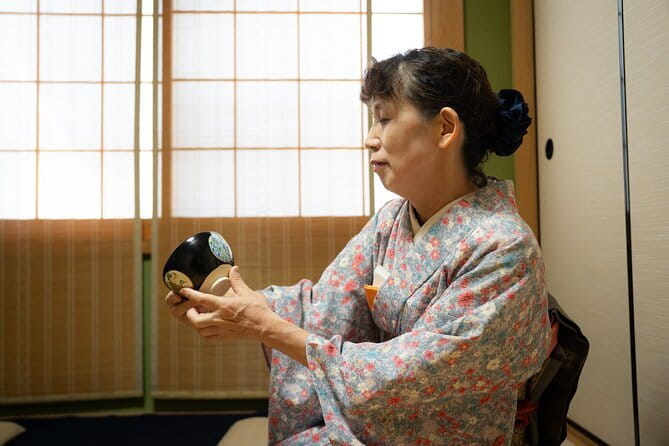
Chisato is the host and teacher you’ll be spending time with. The session is guided by someone with over 30 years of experience, and that shows in the way the lesson is paced. The aim is to lower the barriers that can make traditional tea ceremonies feel intimidating if you are new.
In plain terms, you’re there to learn a ritual that has rules, but you’re also there to feel welcome while learning them. That matters in Kyoto, where some cultural experiences assume you already know the etiquette. This one explicitly tries to meet you at your starting point.
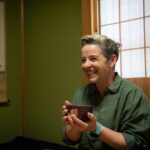
Chisato’s approach, as reflected in the feedback you’ll see from other visitors, tends to be warm and patient. One common theme is that she explains how to show respect for Japanese culture and how to slow down and stay present while making and enjoying tea.
The 1-Hour Flow: What You Do During the Matcha Ceremony
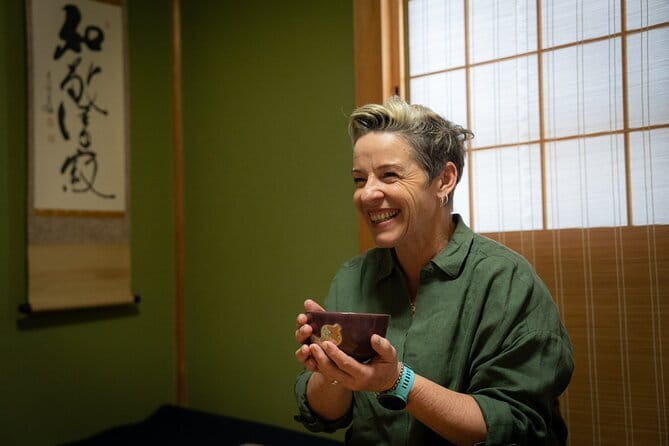
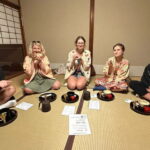
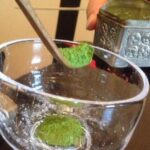
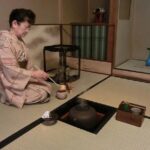
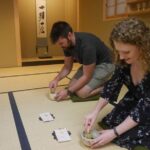
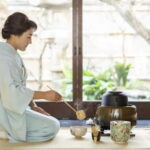
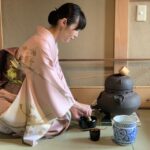
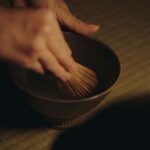
The session is about one hour (approx.), and the heart of it is matcha preparation. You’ll learn the intricate steps involved in making powdered tea, including the key action of whisking matcha. You are also taught that the movements are not just technical. They are part of the mindfulness and harmony at the center of the ceremony.
Here’s what I think makes this practical, even if you only have a short time in Kyoto: the activity is structured around an action you can repeat. Once you understand how whisking works and why the motions are deliberate, you’re not left with a vague cultural lecture. You come away with something physical and memorable.
Expect to also work with the included sweets. Wagashi is part of the package, and it pairs naturally with matcha tasting because Japanese sweets are meant to complement the tea experience rather than act as a separate snack.
A helpful detail: you can make your own tea if you wish. That turns the ceremony from a performance into a guided workshop moment. Even if you choose not to do every step, you still get the meaning behind what you’re seeing and tasting.
Wagashi and Matcha: Why the Sweets Matter
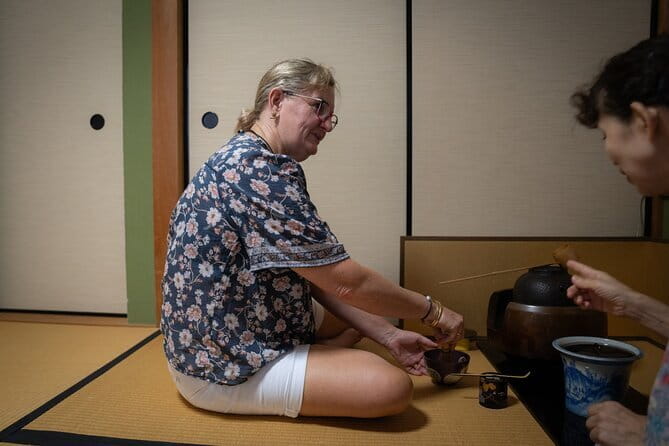
A lot of tea experiences stop at the matcha. This one includes wagashi, Japanese traditional sweets, which changes the whole feel. The sweets are not just sugar. They’re part of the ceremony rhythm: a small pause, a flavor contrast, and a way to shift your attention from your schedule to the moment.
If you’re new to matcha, it can help to taste it alongside the sweetness. You’ll likely notice how matcha’s character (often grassy/earthy, depending on the blend) interacts with the sweetness and texture of wagashi. It also makes the experience feel more rounded, since you are learning a whole set of ritual components, not only one ingredient.
From the way the experience is described, Chisato explains the intention behind matcha making. In a practical sense, that means you’re encouraged to treat each step as part of a sequence, not random motions. That’s where wagashi often fits in your attention span: it gives you a reset point while you learn.
Learning Etiquette Without Feeling Silenced
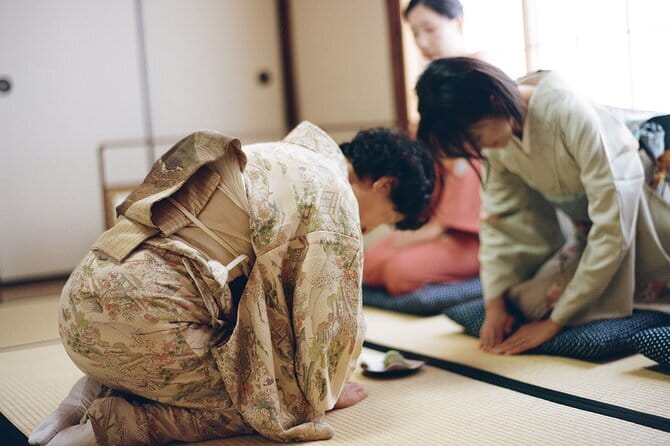
Tea ceremony etiquette can feel stiff, especially if you’re worried about doing something wrong. The design here is meant to be accessible and welcoming for beginners. You don’t need prior experience to join, and the lesson is guided in a way that lowers the pressure.
Language support is another big factor. The experience is done in English, which makes it easier to follow along and ask questions. Still, one real-world consideration: if you want to ask something, keep your questions simple. The host can guide you, but being concise helps you get the answer you want faster.
If you like cultural experiences that connect practical actions with meaning, this is a strong match. The teacher focuses on respect and being present, which is the real backbone of the ritual.
Price and What You Actually Get for $39.09
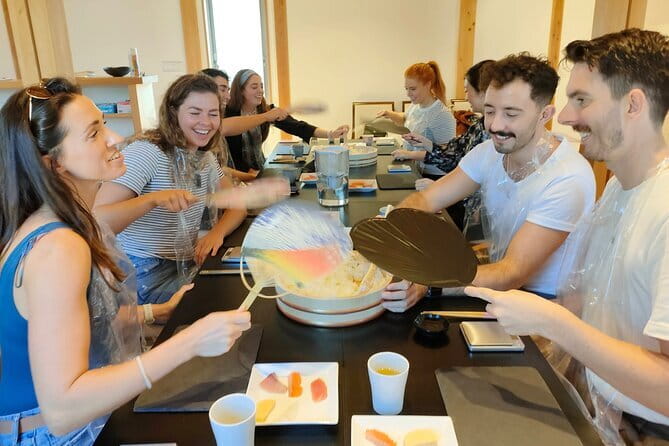
At $39.09 per person, this is not priced like a cheap tourist photo stop. You are paying for three things you would otherwise have to piece together on your own: guided teaching time, the matcha materials, and the included wagashi.
So when you evaluate value, don’t just think about the tea. Think about the structure:
- You get a guide (Chisato) with decades of experience
- You get the ingredients and sweets included
- You get a small group setting (maximum 6 travelers)
- You get time to practice the steps, including whisking
Also note what is not included. Kimono is not included, so if you were hoping for that look, you’ll need to arrange it separately. Tips also are not included, so if you plan to tip, budget for it. (How much is up to you, but at least you won’t get surprised.)
One more practical detail: the ticket is mobile, which keeps everything simple right up to the meeting point.
Timing: Pairing It With Kibune Shrine and Rurikou Temple Days
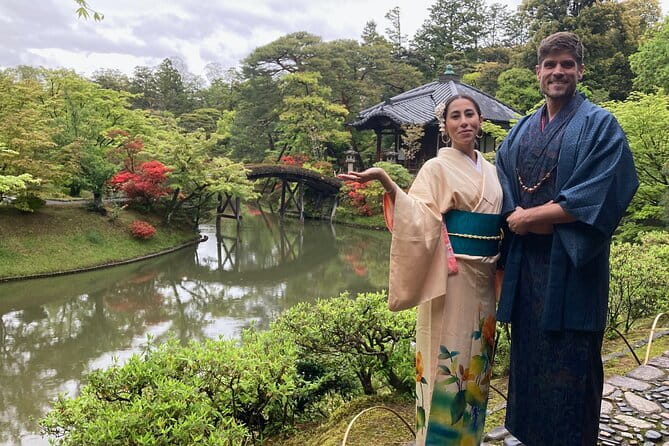
Because the tea ceremony is around 15 minutes on foot from Demachiyanagi Station, it works well as a daytime activity. You can pair it with other northern Kyoto plans that people commonly bundle from that area, including Kibune Shrine and Rurikou Temple.
The big advantage of building it into your route is that you’re not losing half a day to transit. You’re slotting in a calm cultural hour while you’re already in the right neighborhood.
A tiny bit of strategy: tea ceremony sessions work best when your brain is not sprinting to the next stop every five minutes. If you’re doing major hikes or temples back-to-back, try to keep this from becoming the rushed thing you squeeze in. Even with only one hour, it’s better to arrive with time to slow down.
Who This Kyoto Matcha Workshop Suits Best
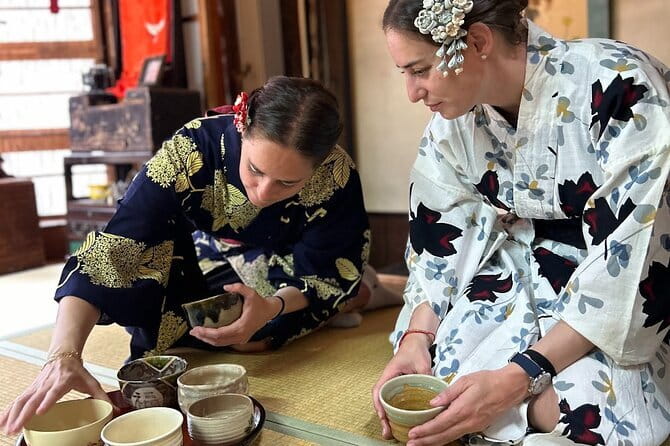
This tea ceremony is ideal if you want Kyoto culture without the feeling that you need background knowledge first. It’s also a good fit if you like hands-on learning. You’ll be guided through matcha prep and the key whisking motions rather than only watching from the sidelines.
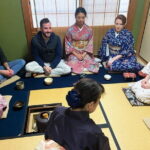
It also fits families more easily than some formal experiences because the group size stays small (up to 6). There is also a theme in the feedback that the host is accommodating, including with children. That doesn’t mean every family situation will be identical, but it does suggest the session isn’t rigid in a way that makes kids a problem.
If you are a true matcha nerd, you’ll still probably enjoy it because you learn the steps and the intention behind them. But remember: the goal is not competition-level technique. It’s mindful practice and respectful culture.
Should You Book This Tea Ceremony in Kyoto?
Book it if you want a one-hour Kyoto activity that feels personal, calm, and genuinely instructional. The combination of small group size, a long-time teacher in Chisato, and the chance to make your own matcha makes it a strong value for the money.
Skip or rethink if you need wheelchair accessibility, since the experience is not wheelchair accessible. Also consider planning for clothing: kimono is not included, so if you want that part of the experience, add it separately.
If you want a Kyoto memory that isn’t only visual, this is a great choice. Matcha and wagashi you can taste, plus a ritual you can understand enough to carry home in your head.
FAQ
Is this tea ceremony experience in English?
Yes. The experience is conducted in English, and the host will guide you through the steps.
How long is the tea ceremony experience?
It’s about 1 hour (approx.).
Where do I meet for the tea ceremony?
The meeting point is Tea Ceremony Experience Chisato, 67-23 Shimogamo Matsunokichō, Sakyo Ward, Kyoto, 606-0816, Japan.
Is kimono included?
No. Kimono is not included.
What’s included in the price?
Matcha, wagashi (Japanese traditional sweets), and a guide are included.
Can I make my own matcha?
Yes. You can make your own tea if you wish, with expert guidance.
How big is the group?
The experience has a maximum of 6 travelers.
Is the tea ceremony wheelchair accessible?
No. The experience is not wheelchair accessible.
What is the cancellation window?
You can cancel for a full refund if you cancel up to 24 hours in advance of the experience start time.