REVIEW · KYOTO
Kyoto: Tea Ceremony in 100-year-old Kyo-Machiya Townhouse
Book on GetYourGuide →Operated by Kyoto Kimono Rental Yumeyakata · Bookable on GetYourGuide
Tea in Kyoto can be fancy, but this one feels real. You learn the ritual inside a 100-year-old machiya townhouse, then you get to make your own matcha with a tea master guiding your steps in English. It’s a calm, structured experience that explains what you’re doing and why it matters.
The main thing to consider is the format: this is a group session (up to 20), and it’s quiet-focused. Plan on floor seating or small chairs, and bring the right basics like socks so you can keep things comfortable and respectful.
In This Review
- Key highlights worth showing up for
- A 100-year machiya townhouse tea room near Kyoto Gosho
- How the timing works: kimono pickup first, ceremony starts later
- If you book tea plus kimono rental
- If you book tea ceremony only
- Choosing a kimono in Kyoto: fun prep with real cultural value
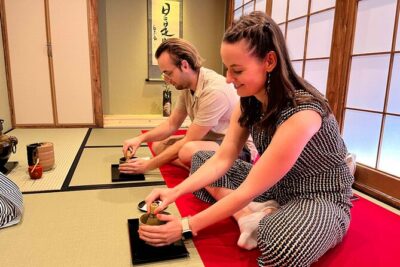
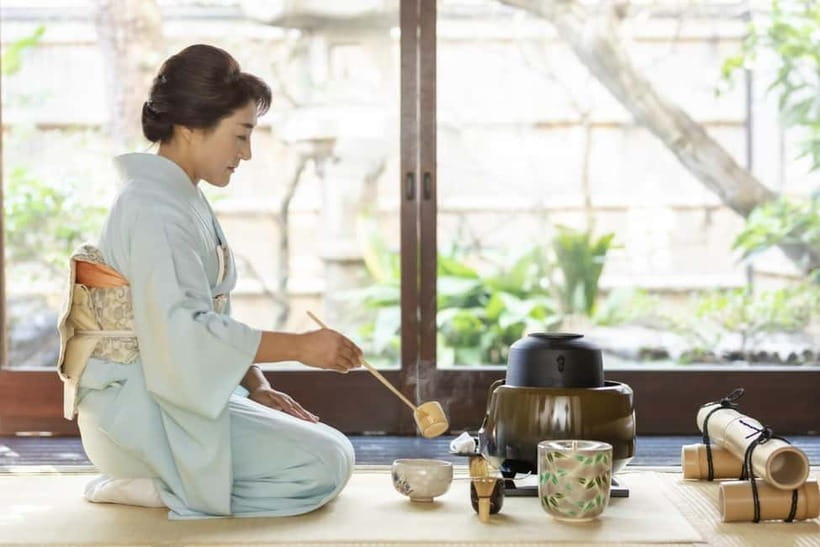
- The tea ceremony itself: etiquette first, then you make matcha
- What you learn before you touch anything
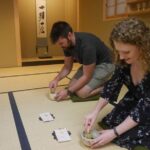
- Watching the first service, then making your own tea
- Ask questions at the end
- The sweets and matcha: what’s served and why it matters
- Sitting setup: floor vs small chairs (and what to do about it)
- The optional Machiya moment: townhouse tour + short photo time
- Who this experience suits best (and who should skip it)
- Price and value: $31 for a taught ritual in a real old house
- Small logistics that can make or break your day
- Should you book Kyoto Tea Ceremony in a 100-year-old Kyo-Machiya?
- FAQ
- How long does the experience take?
- If I add kimono rental, when does the tea ceremony start?
- Where do I go at the start?
- What should I bring?
- Can I sit on a chair instead of the floor?
- Is flash photography allowed?
- What languages do they use?
- Is it family-friendly for young children?
- Are there rules about noise and behavior?
Key highlights worth showing up for
- 100-year Kyoto machiya setting that matches the pacing and mood of the ceremony
- Hands-on tea making under supervision, not just watching
- Kimono-first workflow (you dress before the ceremony starts)
- English interpreter + tea master so etiquette doesn’t become guesswork
- Optional Machiya moment right afterward with townhouse history and quick photo time
- Kimono stroll time afterward if you choose the rental add-on
A 100-year machiya townhouse tea room near Kyoto Gosho
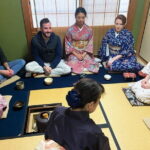
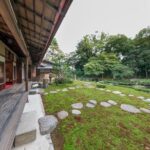
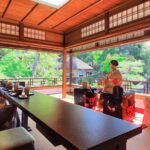
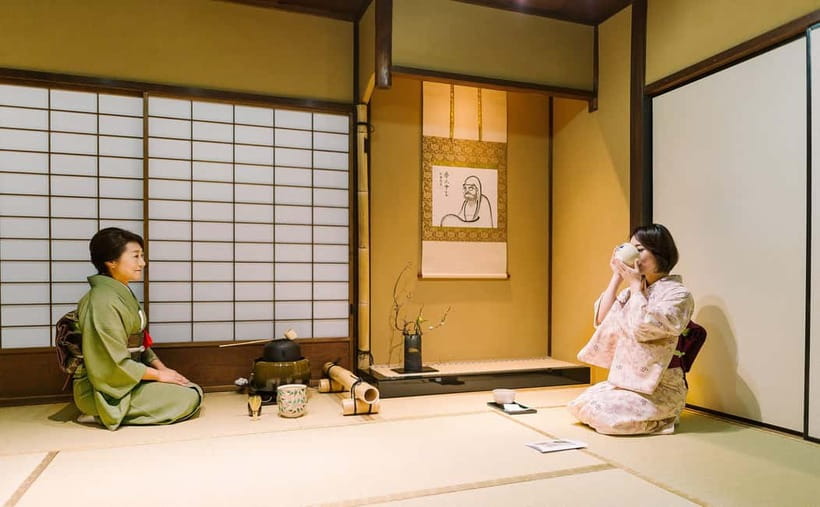
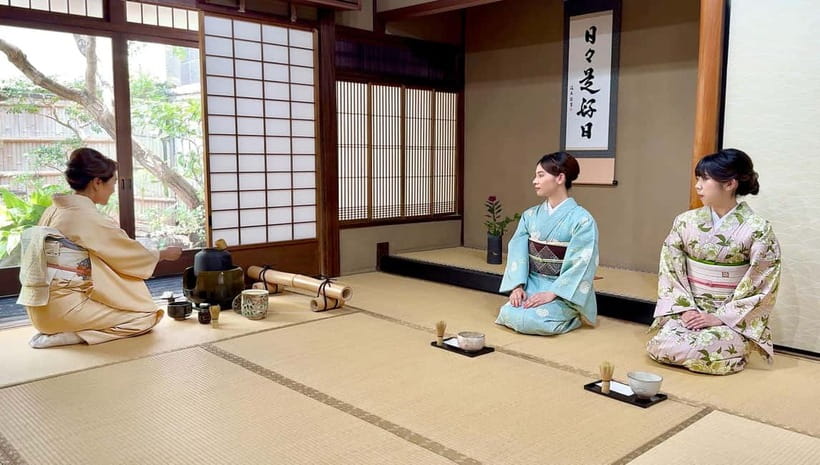
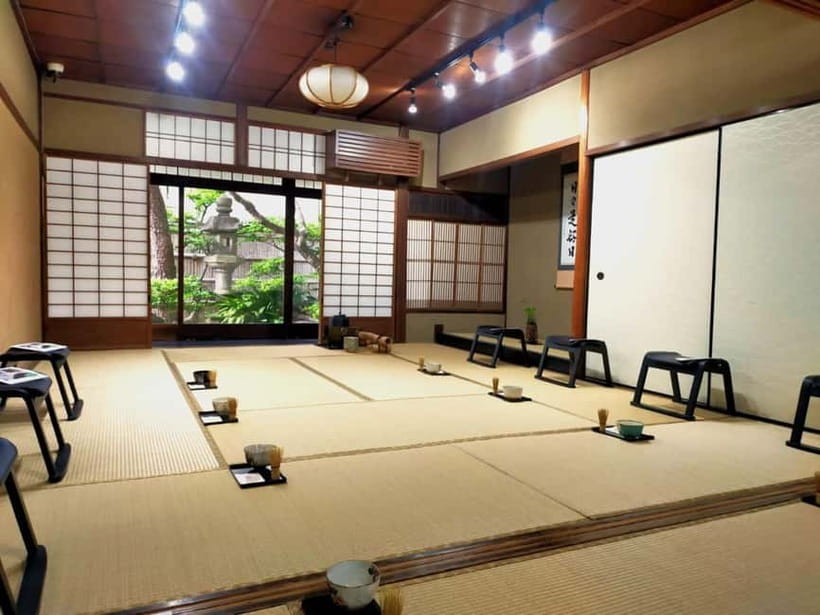
This experience is built around place. Instead of doing tea in a modern room, you’ll step into an older machiya—a traditional Kyoto townhouse style—where the architecture helps you slow down. You’ll feel the tea ceremony’s rhythm better when you’re sitting on tatami-style flooring, surrounded by that quiet paper-screen atmosphere people associate with Kyoto.
The location also matters. The tea house area is near Kyoto Gosho (Kyoto Imperial Palace), and it’s close to a former residence tied to Nijō Yoshimoto (a high-ranking court noble from the Nanboku-chō period). If you’re the type who likes to connect daily culture to the places it grew from, this one gives you that sense of continuity.
You can also read our reviews of more tours and experiences in Kyoto.
How the timing works: kimono pickup first, ceremony starts later
Your schedule depends on which option you choose.
If you book tea plus kimono rental
You start at the Gojo Shop at the time on your voucher. This is where you pick a kimono by color, design, and size. Then you head to the townhouse, and the tea ceremony begins two hours after your chosen starting time. For example, if your starting time is 11:00 AM, the tea ceremony starts at 1:00 PM.
That two-hour gap isn’t wasted time. It gives you a window to get dressed properly (and, if you add it on, to do hair styling and makeup). It also helps the whole day feel organized instead of rushed.
If you book tea ceremony only
You meet at Oike Bettei about 5–10 minutes before the starting time on your voucher. In other words: no kimono run-up first. You go straight to the calm part of the experience.
Choosing a kimono in Kyoto: fun prep with real cultural value
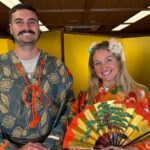
If you choose the kimono option, the best part isn’t only the photos. It’s the learning curve. You’ll practice how to move more slowly and deliberately, which matches the tea ceremony’s core idea: respect through attention.
At the shop, you can select from different styles and sizes. There’s also an add-on option: women can get hair styling and makeup, and upgrade the kimono from casual to Houmongi (a more formal style). If you want the full “I’m in Kyoto” feeling—without needing to figure out the details yourself—this is a big reason people love this experience.
Practical note: when you’re done, you can wear the kimono while strolling around Kyoto. You do have to return it to the Yumeyakata Gojo Shop by 5:30 PM the same day, so don’t plan anything too far-flung without thinking.
The tea ceremony itself: etiquette first, then you make matcha
This isn’t a show where you sit back and clap politely. The session starts with an explanation—where tea ceremony culture came from and how it became the Japanese Way of Tea. You’ll hear about its introduction into Japan from China about 1,200 years ago, then how the practice evolved into what people recognize today.
What you learn before you touch anything
You’ll go step-by-step through basics of etiquette:
- how to bow and use proper greeting words
- how to handle sweets as part of the flow
- how to drink the tea
- how to observe the tea bowl with intention
This is the part I think is quietly valuable. When you understand the meaning behind the movements, the ceremony stops feeling like a checklist and starts feeling like a conversation.
Watching the first service, then making your own tea
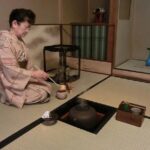
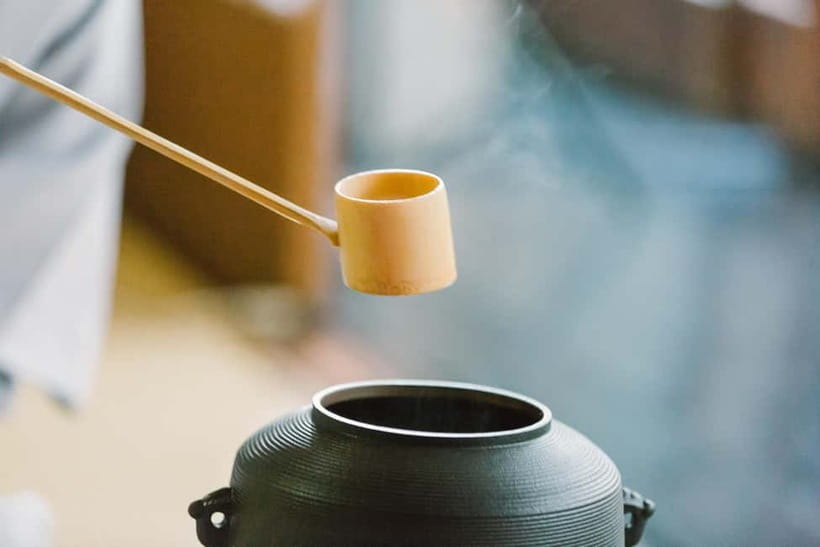
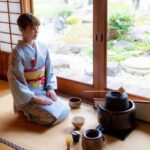
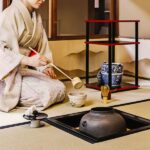
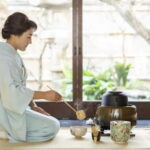
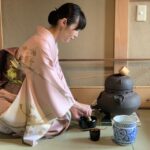
The tea master brings the necessary items into the room and prepares the first tea for a guest. Then comes the key moment: you prepare the tea yourself under the master’s supervision.
Most sessions last about 50 minutes for tea ceremony-only, while the full day with kimono can run up to 3 hours, depending on your starting time option and whether you add the Machiya moment.
If your English level is intermediate, you’re still in good shape. The tea master is supported by an interpreter, and past participants have found the translation helpful. You may even recognize names like Lim or Ling from prior sessions; the point is that communication is part of the care, not an afterthought.
Ask questions at the end
After the master closes the ceremony, you’re welcome to ask questions before you leave. That’s when you can get practical answers—like what you should do differently next time, or how matcha taste connects to technique and tools.
The sweets and matcha: what’s served and why it matters
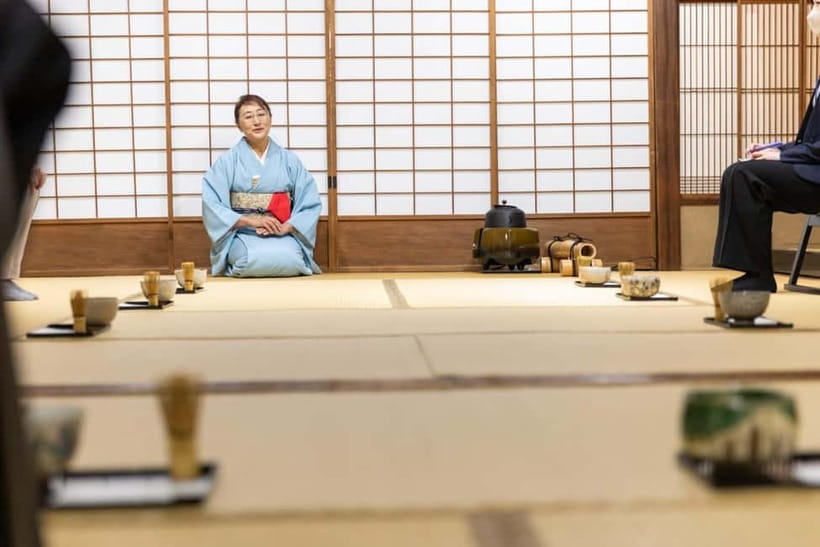
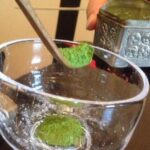
You’ll get matcha tea along with traditional Japanese sweets. The sweet is not just a snack. It’s placed in the ceremony flow to balance taste and prepare you for the tea.
Matcha quality is also part of why people rate this experience so highly. A lot of satisfaction comes from that first sip: when the preparation is taken seriously and you’ve been taught how to do it, the tea tastes better because you understand it.
Sitting setup: floor vs small chairs (and what to do about it)
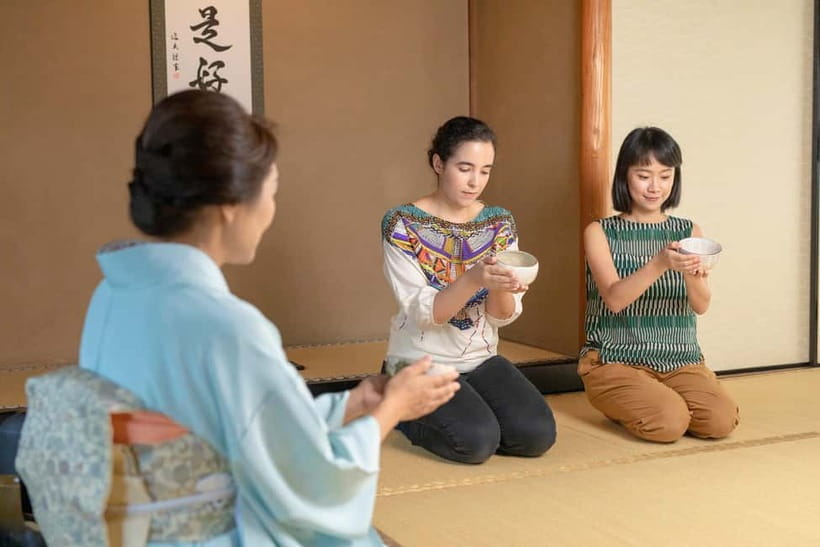
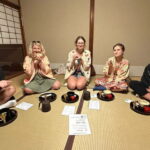
You can sit on the floor or on small chairs. If you prefer not to sit on the floor, choose the chair option when you arrive and let the staff know your comfort level.
Either way, come ready for a quiet, focused session. The rules are clear: no smoking indoors, no flash photography, no pets, and no food or drinks. The room is designed for low noise, and disruptive behavior can lead to being asked to leave.
The optional Machiya moment: townhouse tour + short photo time
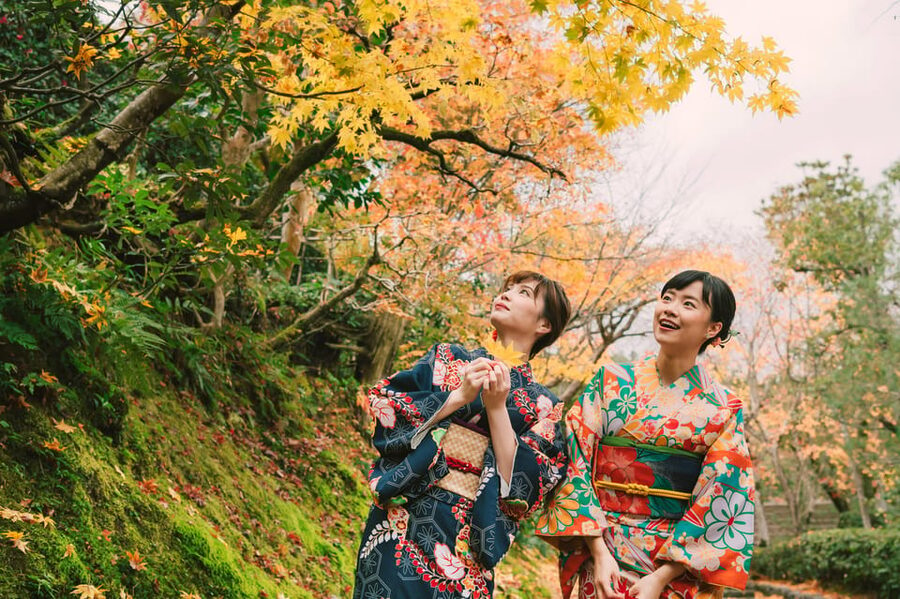
If you add the Machiya (Kyo-Machiya) moment after the ceremony, you’ll stay in the same beautiful place. You’re invited to join a Kyo-Machiya (Kyoto Townhouse) Tour right afterward.
The format is built as:
- about 20 minutes of tour
- plus 10 minutes of selfie time
This is a great add-on if you want more than tea etiquette—if you want to understand why machiya homes are built the way they are, and how hidden functions and cultural significance shaped daily life. It’s also a nice way to keep the momentum after the ceremony, when the tea experience is still fresh in your mind.
Photo note: some participants mention playful photo opportunities with props during this time (like katana and umbrella). Don’t count on a specific prop every time, but the “short, sanctioned photo moment” is a real part of why people choose this add-on.
Who this experience suits best (and who should skip it)
This works best for adults and teens who want structure and meaning, not just a quick activity. It’s ideal if you:
- enjoy learning cultural etiquette step-by-step
- want a calm reset in the middle of a busy Kyoto itinerary
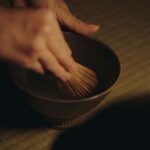
- like hands-on experiences (you’ll actually whisk and prepare tea)
- want kimono dressing without DIY stress
It’s not suitable for certain people, including:
- children under 10
- pregnant women
- wheelchair users
- people over 6 ft 6 in (200 cm)
- people over 209 lbs (95 kg)
- visually impaired people (as listed)
- babies under 1 year
If you’re close to any of those limits, check carefully before booking.
Also: plan for walking. If you choose kimono rental, you’ll likely be strolling after. Kyoto foot time plus layers can feel warm and slightly restrictive, especially on hot days.
Price and value: $31 for a taught ritual in a real old house
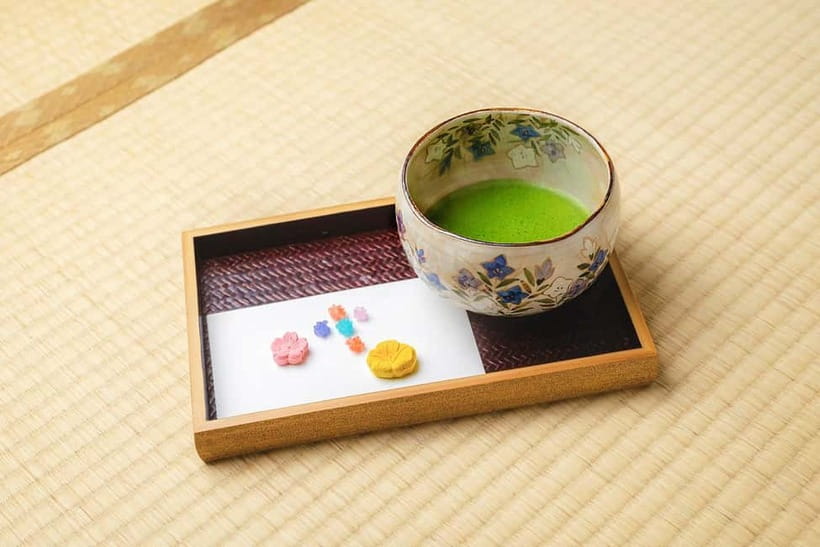
At about $31 per person, the best value isn’t just the matcha. It’s the combination:
- a trained tea master leading the explanation and the pacing
- your turn to prepare tea yourself under supervision
- a structured etiquette lesson you can reuse later
- a setting that supports the whole “Way of Tea” vibe
Many cultural activities in Kyoto can feel like you pay for watching. Here, you pay for doing. That’s what makes the price feel fair, especially because the experience includes a leaflet and an interpreter/translator support system.
If you add the kimono, hair, and makeup options, you’re paying extra for presentation and immersion. You do get practical payback: you can walk Kyoto in kimono afterward, and the time-to-dress-to-understand sequence helps the outfit feel integrated, not just rented.
Small logistics that can make or break your day
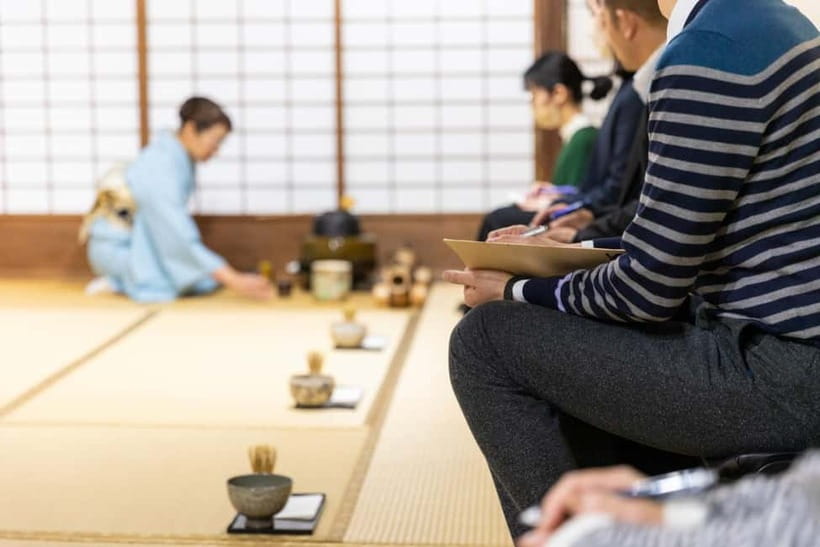
A few details matter more than you’d think:
- Bring socks. It’s required, and you’ll be happier if they’re clean and comfortable.
- No sandals or flip-flops. Wear shoes you can remove easily if needed, but plan around the venue rules.
- Flash photography is not allowed. Normal photos may be possible, but keep the ceremony mood intact—ask if you’re unsure.
- Arrive on time. If you’re late, you might still join, but the session time won’t be extended.
Finally, remember: this is a quiet experience. If you’re traveling with a loud group habit, this isn’t the place to test it.
Should you book Kyoto Tea Ceremony in a 100-year-old Kyo-Machiya?
Book it if you want a Kyoto cultural moment with real structure: etiquette explained, then your hands learn the steps. The matcha + sweets are part of it, but the larger win is that you’ll leave knowing what you just did and how to do it better next time.
Skip it if you’re uncomfortable sitting for a while, dislike group activities, or want something casual and flexible. Also think twice if you’re in a category listed as not suitable, or if quiet rooms and etiquette-focused rules will stress you out.
FAQ
How long does the experience take?
The duration ranges from 50 minutes to 3 hours, depending on the option and starting time you choose.
If I add kimono rental, when does the tea ceremony start?
The tea ceremony starts two hours after the starting time listed on your voucher. For example, choosing 11:00 AM means the ceremony begins at 1:00 PM.
Where do I go at the start?
Meeting point depends on the option. For kimono rental, you visit the Gojo Shop at your voucher starting time. For tea-only, you go to Oike Bettei and arrive 5–10 minutes early.
What should I bring?
Bring socks.
Can I sit on a chair instead of the floor?
Yes. The room setup allows you to sit comfortably on small chairs if you prefer not to sit on the floor.
Is flash photography allowed?
No. Flash photography is not allowed indoors.
What languages do they use?
Instruction is provided in English and Japanese, with a tea master and interpreter.
Is it family-friendly for young children?
It’s suitable for guests aged 10 and above. It’s listed as not suitable for children under 10.
Are there rules about noise and behavior?
Yes. The session requires a quiet atmosphere, and disruptive behavior may mean you’re asked to leave.