REVIEW · LIMURU
Tea Farm Tour From Nairobi (Kiambethu).
Book on GetYourGuide →Operated by MICHOORE TOURS & TRAVEL · Bookable on GetYourGuide
Tea fields in Kenya beat Nairobi noise fast. I really like the way this private tour gets you out to Kiambethu Farm near Limuru while keeping the day fun and friendly. I also love the combo of tea education and a guided walk through the indigenous forest, where you’re not stuck in a classroom.
One possible drawback: this is not a long, roaming walk through every row of tea bushes. You’ll see plenty, but the tour keeps a relaxed rhythm and spends a good chunk of time with tea processing explanations, the forest walk, and that big lunch.
It’s about 330 minutes total, with pickup in Nairobi CBD (and airport pickup) and a morning start around 11am for tea or coffee, farm stories, and then food with sweeping Ngong Hills views.
In This Review
- Key highlights worth planning for
- Nairobi Escape: Kiambethu in Limuru Without the Headache
- 11am Welcome with Fiona: Tea, Farm Stories, and First Views
- Tea Work in Real Life: From Bushes to Cup
- Indigenous Forest Walk with Medicinal Plants and Colobus Monkeys
- Gardens, Birds, and a Few Hours That Feel Unhurried
- Verandah Views and the 3-Course Farm-Fresh Lunch
- Cost, Time, and What This Tour Really Delivers
- Should You Book Kiambethu Tea Farm From Nairobi?
- FAQ
- What is the pickup and drop-off like?
- What time does the tour start, and how long does it last?
- What’s included in the tour price?
- Is the tea tasting included?
- Is lunch included, and what do you eat?
- Do I need to pay an entry fee at the farm?
- Will I see wildlife on the forest walk?
- What’s the cancellation policy?
Key highlights worth planning for
- Ngong Hills tea-field views from the verandah before lunch
- Fiona’s welcome with tea or coffee and an informal start to the day
- Tea-in-the-fields moments plus a clear view of how tea is made
- Indigenous forest walk with a resident Kenyan guide and medicinal plant explanations
- Colobus monkeys spotted close up (keep your eyes open)
- 3-course buffet lunch, including desserts finished with cream from Channel Island cows
Nairobi Escape: Kiambethu in Limuru Without the Headache
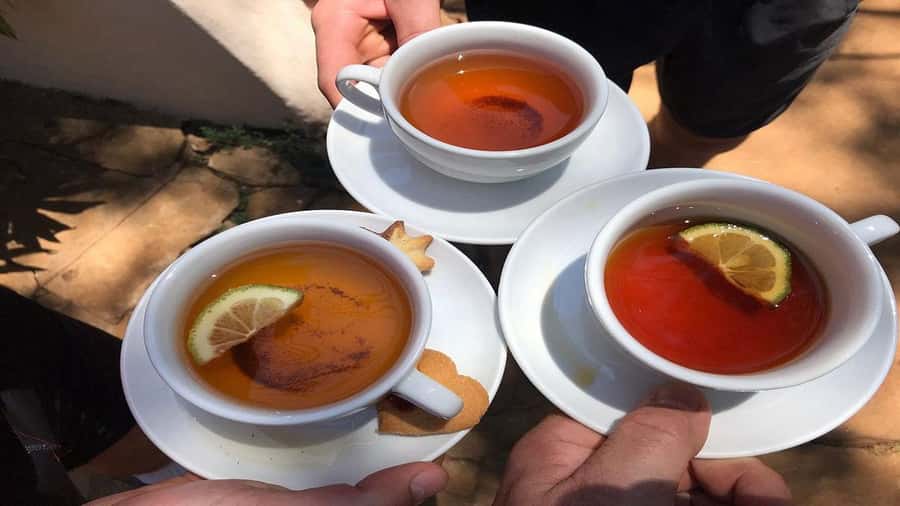
If you want a break from traffic and office hours, this is one of the easiest ways to do it. You’re picked up from your place in Nairobi CBD, and everything is handled in terms of transport and help along the way. That matters, because heading out to Central Kenya is when the day can get complicated fast—especially if you’re trying to organize transport yourself.
The timing also works well. You’ll start around 11am and then spend about 4.5 hours on the farm. That gives you enough time to actually experience the place: tea learning, a forest walk, and a sit-down lunch with the kind of view that makes you forget you were ever in a city.
Quick heads-up: if you’re thinking about booking anything later in the evening, build in buffer. Road conditions around Nairobi can be unpredictable, and the ride back can take longer than you’d expect.
You can also read our reviews of more tours and experiences in Limuru.
11am Welcome with Fiona: Tea, Farm Stories, and First Views
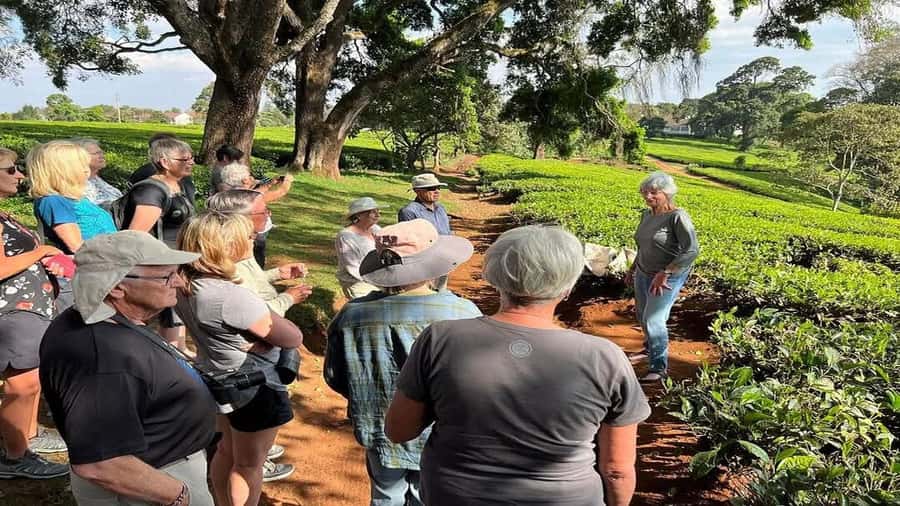
The day begins with a warm welcome—tea or coffee—and an informal explanation of the farm’s history and the tea-making process. Fiona (the host-owner) is central to this part of the visit. She sets a relaxed tone, the kind where you can ask questions without feeling rushed.
This early segment is more than just small talk. It’s your orientation. You’ll learn what makes tea farming work here and how the process turns plant leaves into the tea you drink later that day. For me, this is one of the best parts because it helps the rest of the tour make sense. Once you understand the basics, the later field and factory-style explanations land better.
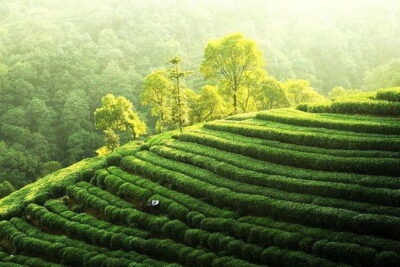
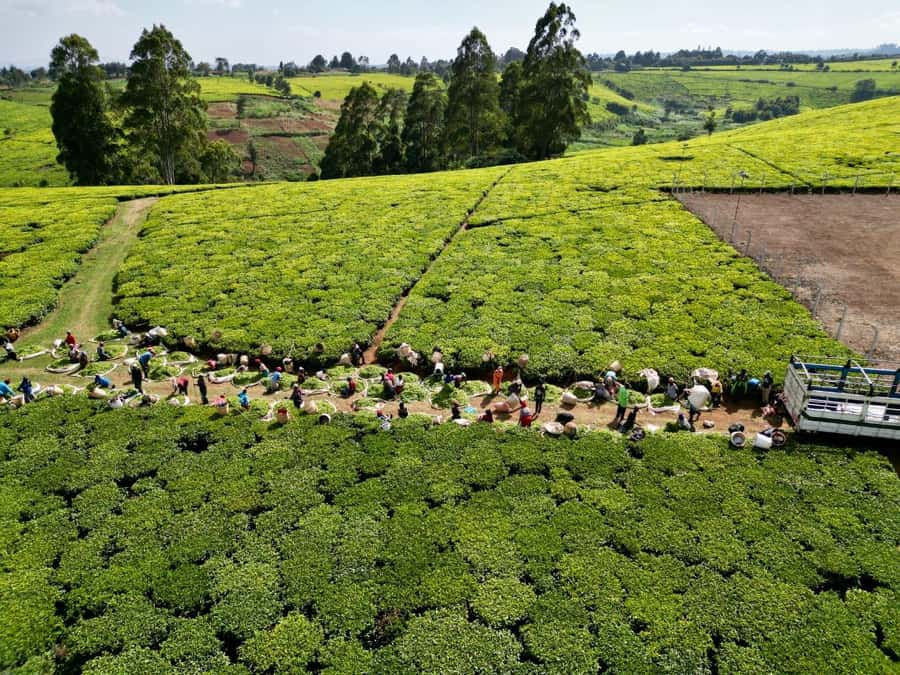
Right after this, you shift from story to seeing. You’ll get a chance to see tea in the field, so you’re not just imagining what the plants look like. And you’ll be doing all of it in the open air, with big views toward the Ngong Hills—the kind of scenery that makes the whole trip feel like more than a stop on a long itinerary.
Tea Work in Real Life: From Bushes to Cup
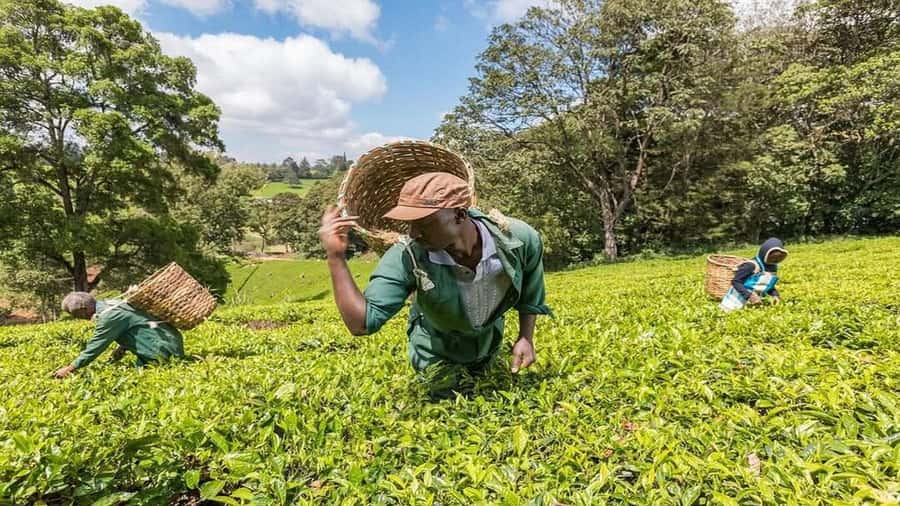
Kiambethu is one of those experiences where you can literally connect the dots between plant and product. After the initial tea-or-coffee welcome, you’ll move to the tea area and see the crop up close—tea bushes in the field, not just tea bags on a supermarket shelf.
The tour also includes an explanation of the tea-making process. You’ll hear how tea is cultivated and how the leaves are handled and processed into something you can taste. There’s also a hands-on element in the day’s structure, so you’re not only watching. Even if the hands-on part varies slightly in how it’s presented, the intent is clear: you should leave with practical understanding, not just photos.
Then comes tea tasting. This is where you finally get to match knowledge to flavor. If you pay attention during the tasting—notice aroma, strength, and how it finishes—you’ll remember it long after the lunch plates are cleared.
One more thing: tea tasting plus the option to buy tea packs later can be a nice souvenir plan. You get to bring home something that matches what you experienced, not random store-bought tea that could come from anywhere.
Indigenous Forest Walk with Medicinal Plants and Colobus Monkeys
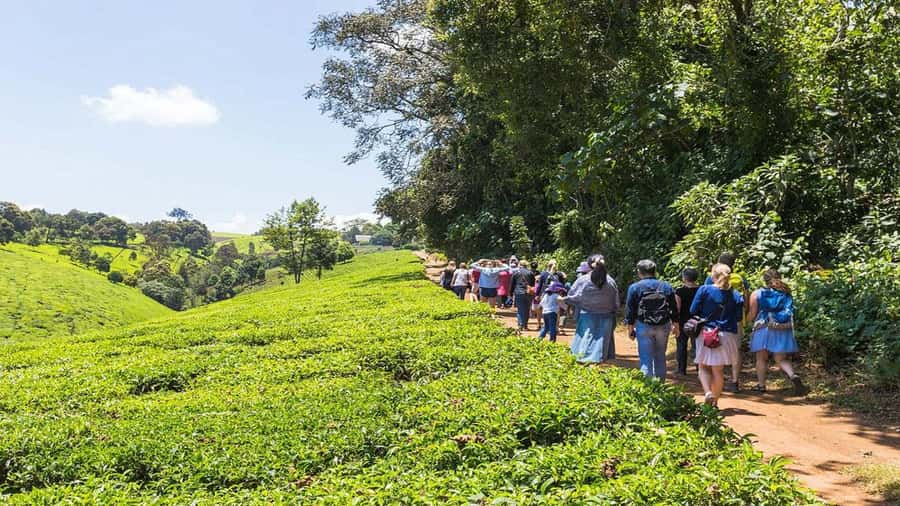
After the tea time, you step into a different world: an indigenous forest walk with a resident Kenyan guide. This section is often the emotional high point of the day, because it’s where you slow down and learn from someone who knows the plants and the local uses.
You can expect plant identification and explanations of traditional uses—especially medicinal ones. It’s not a vague nature talk. You’ll hear about how people historically used different plants, and you’ll start seeing the forest as more than scenery.
Then there’s the animal factor. Keep your eyes up and moving slowly. You’ll look out for Colobus monkeys close up, and the guide’s knowledge can help you spot them when they’re around. This is one of those moments where the forest walk feels alive, not staged.
The pace here is important. If you like walking and you enjoy asking questions, you’ll probably feel like the forest portion gives real value—especially compared with tours that only do a quick photo stop and rush you back to the car.
Gardens, Birds, and a Few Hours That Feel Unhurried
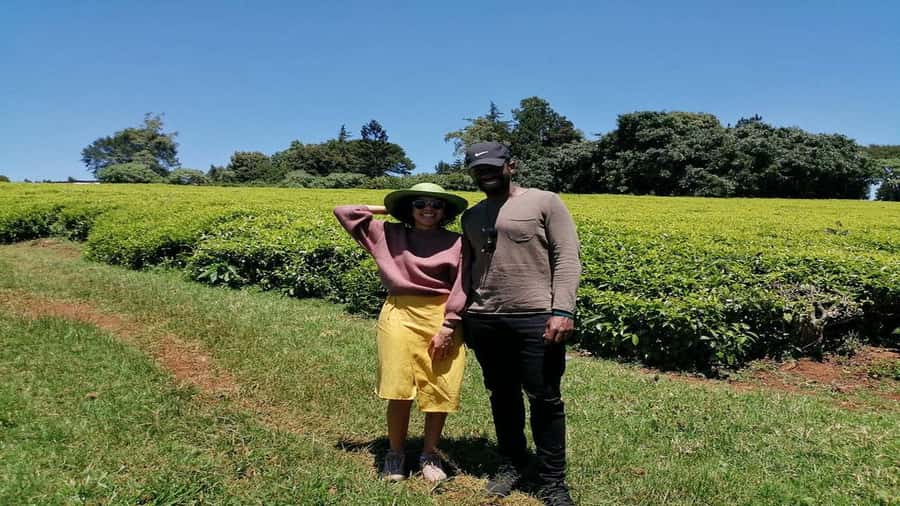
Between tea segments and the forest walk, you’ll also spend time wandering the gardens—areas that support a wide variety of birds and flowers. This part isn’t just to fill the schedule. It gives you a breather from the heavier learning moments, and it helps you connect with the farm as a lived-in place.
I like garden time on tours because it’s where you get to observe quietly. You’ll likely notice different plant textures and colors, and the bird activity makes the air feel busy even when you’re not moving fast.
Also, remember: the tour design is intentionally relaxed. The day is built around hospitality and staying comfortable—meaning you’ll spend less energy worrying about what’s next. That’s a big plus if your Nairobi days have been packed.
One practical note: if you’re the type who expects to spend most of your time walking through tea fields row after row, you might feel you’re getting a “best-of” view instead of a long plantation hike. For me, that’s not bad—it keeps the day enjoyable—but it’s worth knowing so your expectations match the flow.
Verandah Views and the 3-Course Farm-Fresh Lunch
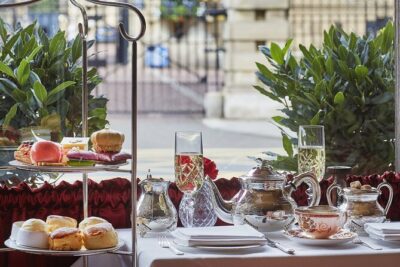
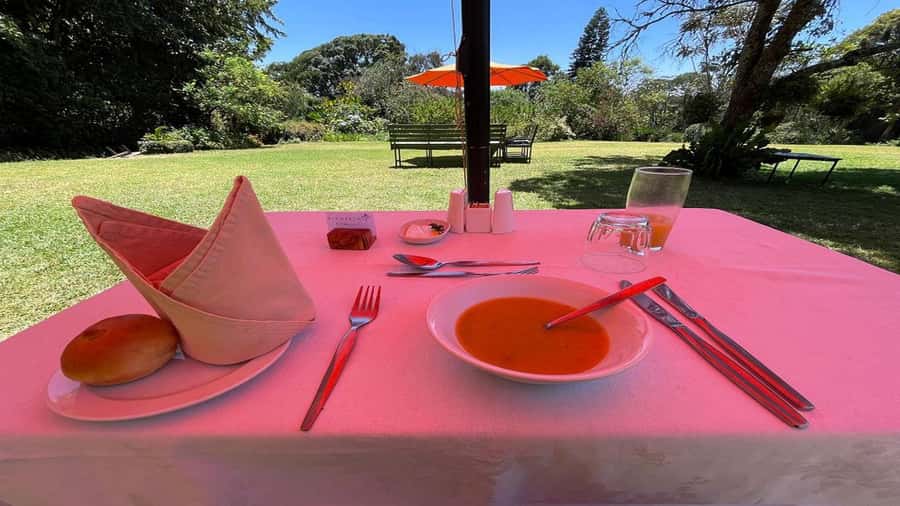
Lunch is a major reason to book this tour. You return to the house, then enjoy a pre-lunch drink on the verandah with sweeping views across the tea fields toward the Ngong Hills. This is where you get that classic calm-farm feeling: sitting, looking out, and letting the day catch up to you.
Then the food shows up as a three-course buffet lunch with a set menu. You’ll eat vegetables from the garden, which is a simple detail but actually makes a difference. Garden-to-table food tends to taste fresher, and you can tell it’s part of the farm routine rather than catered convenience.
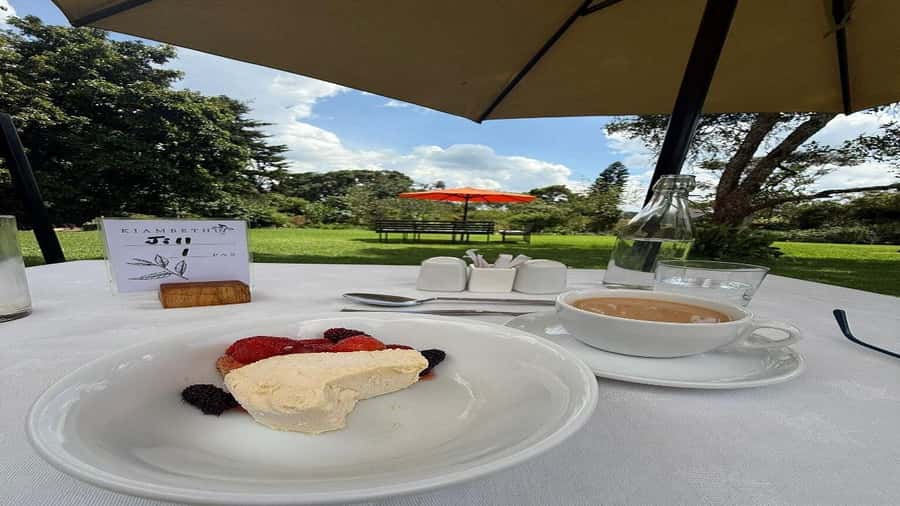
The dessert detail is especially memorable. Desserts are topped with cream from their Channel Island cows. That’s the kind of specific farm connection you can’t fake. It makes lunch feel like part of the place, not just something you do between activities.
Depending on how hungry you are, plan to eat well. This isn’t a rushed snack. It’s a full meal with time built in, and after the walking and tea education, you’ll likely be happy you went in with an empty stomach.
Cost, Time, and What This Tour Really Delivers
The headline price is $50 per person, and that buys you the private day-tour experience from Nairobi, including pickup and drop-off within Nairobi CBD, all transport, and assistance throughout the day. It also includes the on-arrival tea or coffee and the on-farm lunch experience described in the itinerary.
But there’s one big line item to account for: Kiambethu Farm entry is not included. The admission fee is listed as $34 per adult. So your real all-in cost is closer to $84 per person, before any tea packs or extra purchases.
Is that good value? In my view, yes—because you’re paying for more than transport. You’re buying:
- time with a host (Fiona) and English-guided explanations
- a forest walk with a resident Kenyan guide and plant/medicinal context
- a full lunch with garden vegetables and the farm’s own cream
The day also gives you a clean escape from Nairobi without the stress of figuring out logistics. That peace of mind is worth something, especially if you have limited time in the city.
Finally, watch your schedule. The tour is long enough (330 minutes total) that the day can spill into evening if traffic is heavy, so keep plans flexible.
Should You Book Kiambethu Tea Farm From Nairobi?
I’d book it if you want a well-paced, countryside day that combines tea education, a guided forest walk, and a proper farm lunch with real views. It’s especially good for first-timers to Kenyan tea culture who want more than a quick photo stop.
Skip or rethink if you’re chasing one specific thing: hours of walking through tea rows. This tour gives you tea-field access and tasting, but it doesn’t promise a long, roaming plantation trek. Also, if colonial-era context is important to you personally, know that the farm is run by British owners, and history isn’t necessarily discussed unless you ask.
My practical recommendation: go in hungry, bring a light layer for the forest walk, and keep your evening plans loose. If you do that, you’ll end the day with clear tea knowledge, a memorable lunch, and a forest walk that feels like you left Nairobi behind for real.
FAQ
What is the pickup and drop-off like?
You’re picked up from your hotel or residence within Nairobi CBD. The day also includes transport to and from Kiambethu, and pickup guidance says to wait in the hotel lobby about 10 minutes before the scheduled pickup time.
What time does the tour start, and how long does it last?
The tour is about 330 minutes total, and it arrives at the tea farm around 11am. The farm visit portion is listed as 4.5 hours.
What’s included in the tour price?
The price includes pickup and drop-off in Nairobi CBD, all transport, assistance during the tour, and airport pickup. It also includes the day experience like tea/coffee on arrival and the 3-course farm-fresh lunch (with tea during the day).
Is the tea tasting included?
Yes. Tea tasting is listed as one of the tour highlights.
Is lunch included, and what do you eat?
Lunch is included as a three-course buffet lunch with vegetables from the garden. Desserts are topped with cream from Channel Island cows, and you’ll also enjoy a pre-lunch drink on the verandah.
Do I need to pay an entry fee at the farm?
Yes. Kiambethu Farm entry/Admission is not included and is listed as $34 USD per adult.
Will I see wildlife on the forest walk?
You should look out for Colobus monkeys close up during the indigenous forest walk with the resident Kenyan guide.
What’s the cancellation policy?
Free cancellation is available up to 24 hours in advance for a full refund.
If you tell me your travel dates and whether you prefer more walking or a slower day, I can help you decide if this fits your style.