REVIEW · LIMURU
Kaimbethu tea farm tour and lunch package
Book on GetYourGuide →Operated by sahara tours and safaris · Bookable on GetYourGuide
Tea farm days near Nairobi are rarely this calm. Kiambethu Tea Farm is a half-day escape where you learn how tea came to Kenya, then walk real plantations and an indigenous forest. I like the way the hosts connect the story of tea growing to what you see in the fields, and I really enjoy the focus on hands-on tasting plus a lunch that feels genuinely farm-made. One thing to consider: there’s an extra $50 entrance fee not included in the tour price, and timing can slip if you book very late.
From pickup to drop-off, it’s built for an easy day trip. With small groups capped at 7 people, you get more time with your guide and less waiting around on a crowded bus. On clear days, the viewpoints over the Ngong Hills can even include Mt. Kilimanjaro, so you’re not just learning—you’re also looking.
In This Review
- Key points you’ll care about
- Tea farm day trip from Nairobi: what it’s really like
- Getting picked up and getting there without stress
- First stop at Kiambethu: tea history and how the guide makes it stick
- Walking the plantations and forest: what you’ll see on the ground
- Tea process and the tasting: turning facts into flavor
- The lunch at the farm: this is where value shows up
- Views on the way: Nairobi gets replaced by Kenya scenery
- Price and what you’re really paying for
- Who this tour fits best (and who should skip it)
- Quick planning tips before you go
- Should you book the Kiambethu Tea Farm tour?
- FAQ
- How long is the Kiambethu Tea Farm tour and lunch package?
- What does the tour cost?
- Is lunch included?
- Are pickup and drop-off included?
- How big is the small group?
- What about the entrance fee?
- What language is the tour guide?
- Is breakfast included?
- Are tea products included in the price?
- Can I get a full refund if my plans change?
- Is the experience wheelchair accessible?
Key points you’ll care about
- Small-group limit (7 people) means the tour moves at a human pace.
- History + process + tasting: tea’s journey, how it’s grown, then how it becomes your cup.
- Wildlife and forest walk: keep an eye out for colobus monkeys and birds.
- Pro-level farm lunch with homemade touches like ice cream.
- Big views without big travel time: short drive from Nairobi, half-day format.
Tea farm day trip from Nairobi: what it’s really like
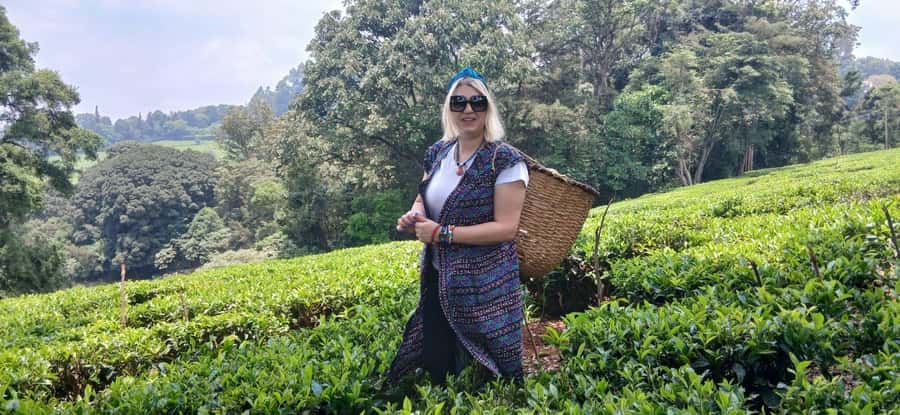
Kiambethu is one of those Nairobi-area activities that works because it stays simple. You spend your time outside, on foot, in a working tea estate. You’re not rushing through 10 photo stops. Instead, you’re learning what tea looks like when it’s growing, then you see how it gets turned into something you can taste.
The day is set up as a guided experience with pickup and drop-off. You can join from several Nairobi-area pickup points such as Westlands, Hurlingham Shopping Centre, Karen, Langata, and even the airport-area hotels. Pickup is optional too, in case you’d rather wait at the lobby and let the driver find you.
If you like your experiences to have both facts and fresh air, this one hits the sweet spot: tea knowledge up front, then a gentle walk through plantations and an indigenous forest.
You can also read our reviews of more tours and experiences in Limuru.
Getting picked up and getting there without stress
Logistics matter for day trips. This one is designed to reduce the usual Nairobi hassle: the tour includes a driver/guide plus hotel pickup and drop-off, and the vehicles are described as modern. You also get a professional guide and a separate driver component, which often makes things run smoother than a single person juggling everything.
In practical terms, you’ll want to be ready a little early. The pickup is set up so the driver comes at least 10 minutes before the pick-up time, which helps avoid that last-minute scramble. Also, because this is a half-day, you’ll feel the time you spend in the car—so it helps if you’ve planned for a relaxed schedule the rest of the day.
One caution from real experience: there can be occasional hiccups when the activity is booked very late. Plan ahead, and if you’re booking on short notice, confirm your timing directly so you don’t lose your morning rhythm.
First stop at Kiambethu: tea history and how the guide makes it stick
The tour starts with commentary before you’re sent out onto the farm. That early part is important. Tea facts are easy to forget later unless someone gives you a clear sequence. Here, the guide lays out the history of tea growing in Kenya and connects it to what’s happening on the estate today.
You also learn how Kiambethu became what it is—its background and how the plantation operates now. In many tea-growing stories, the history can feel distant. In this case, you get the story first, then you immediately walk into the setting that supports the story.
One guide name that stood out in the experience is Nancy, who was described as very comprehensive and friendly. Another host mentioned is Fiona, who explained the tea farm’s story from the perspective of the owner and how tea is picked and made.
This is the part I’d treat as the foundation. If you pay attention here, the rest of the walk feels more meaningful.
Walking the plantations and forest: what you’ll see on the ground
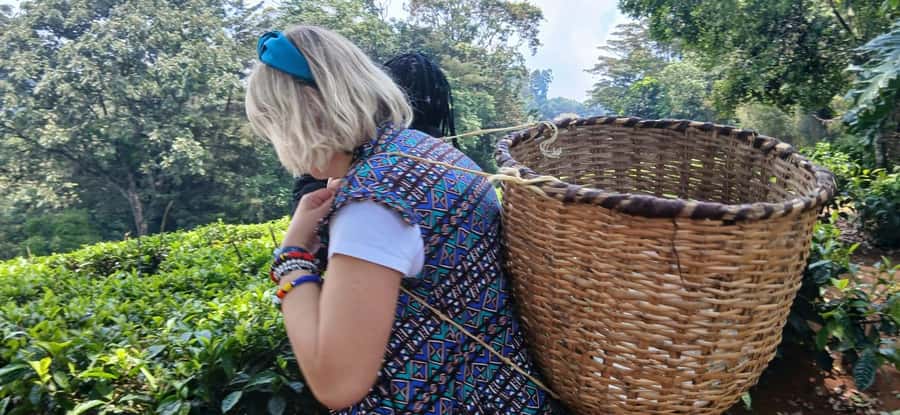
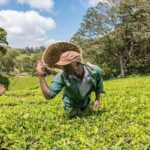
After the intro, you step into the estate. The tour includes scenic walking through tea plantations and an indigenous forest, so you’re not just looking at fields from a path. You’re moving through them.
What I like about this approach is that tea doesn’t just become a product. It becomes a plant you understand. You’ll see where the tea leaves grow, how the plantation is laid out, and how that ties to the picking process.
Then comes the forest section. That’s where the day becomes more about nature than production. You can spot birds and look out for playful colobus monkeys. Even if you don’t catch a perfect monkey sighting, the forest walk changes the mood and gives you a break from the straight-line view of rows of tea.
Also, you’re in central Kenya, and the views help. The Ngong Hills are part of the scenery, and on very clear days Mt. Kilimanjaro may be visible. That’s not something you can force—but when the weather cooperates, it gives the day a real sense of place.
Tea process and the tasting: turning facts into flavor
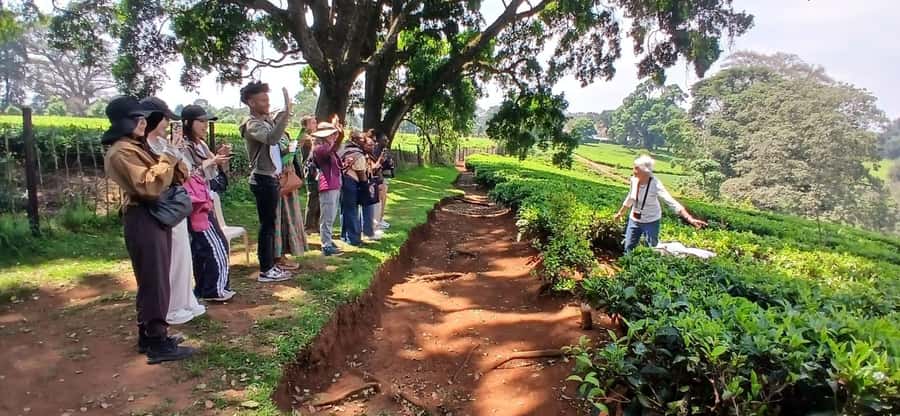
A big reason this tour gets strong ratings is the way it ends. It doesn’t just talk about tea. You get to sample it.
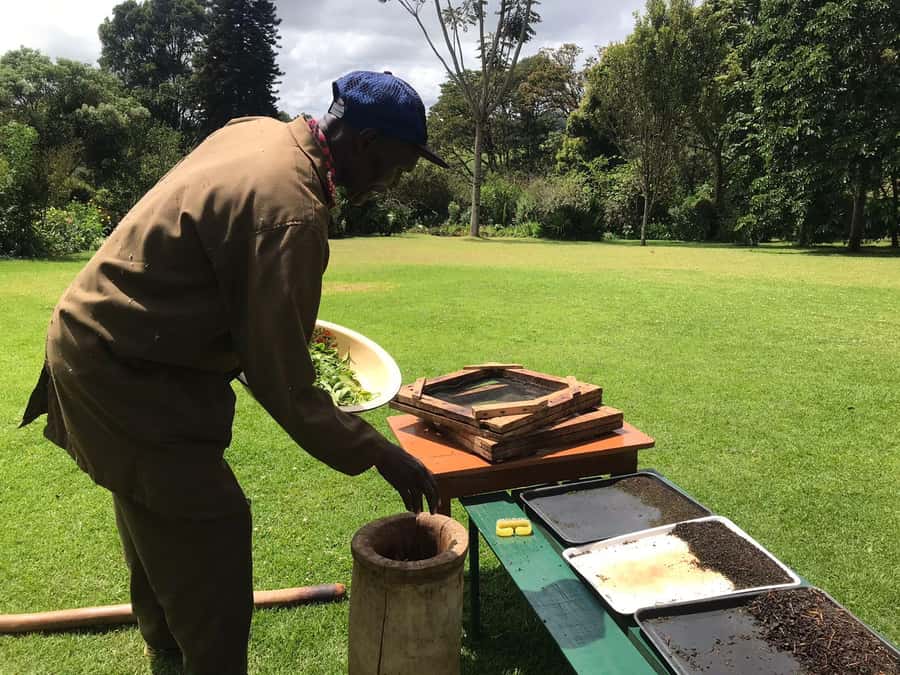
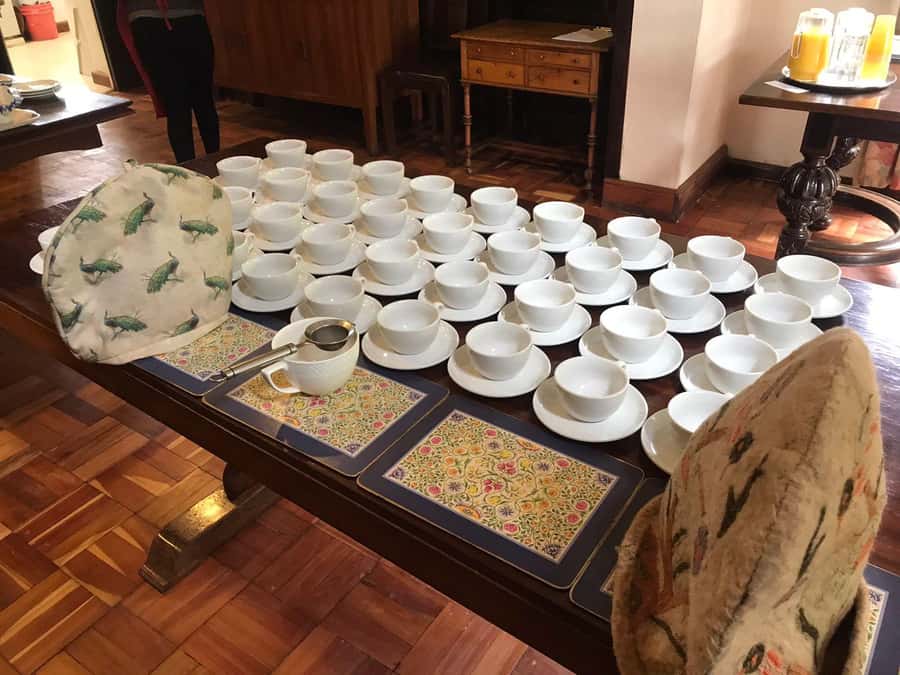
You’ll hear about the process—from picking small tea leaves through the steps that refine them into the tea that people drink worldwide. Then you finish with a tea tasting where you can try the distinctive tastes of freshly brewed teas.
This part works well even if you’re not a tea nerd. It’s a practical way to connect what you heard earlier to something you can immediately judge with your own taste buds. If you’ve ever wondered why black tea and green tea can feel totally different, this is the kind of day that makes the answer feel real.
The lunch at the farm: this is where value shows up
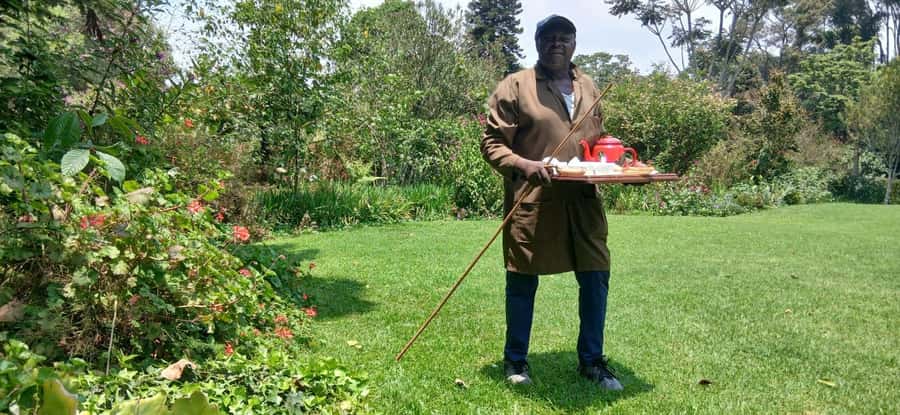
A good tea farm tour can still fail if the lunch is bland or boring. Here, the meal is a major strength.
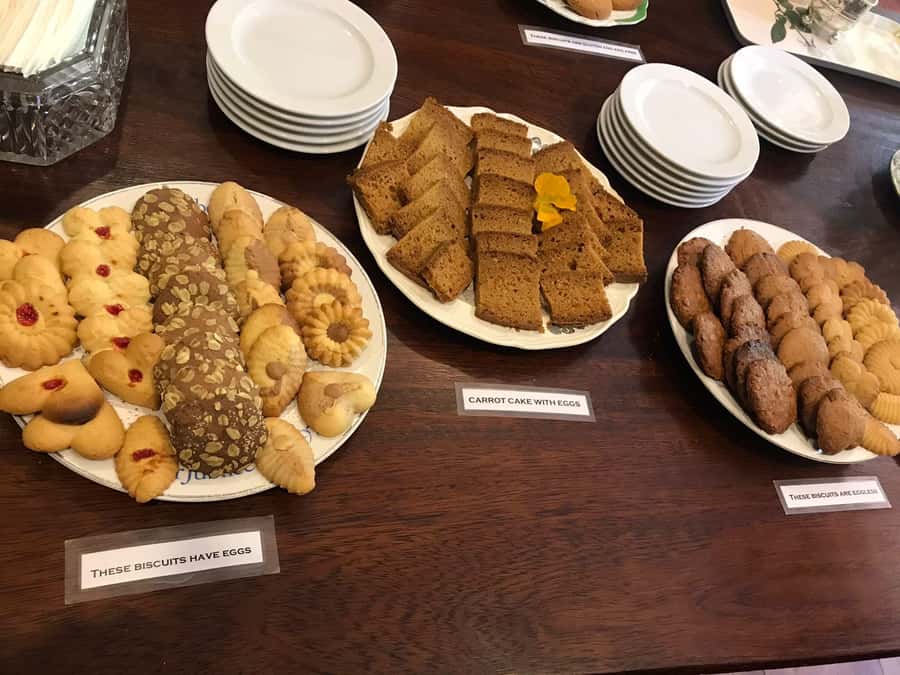
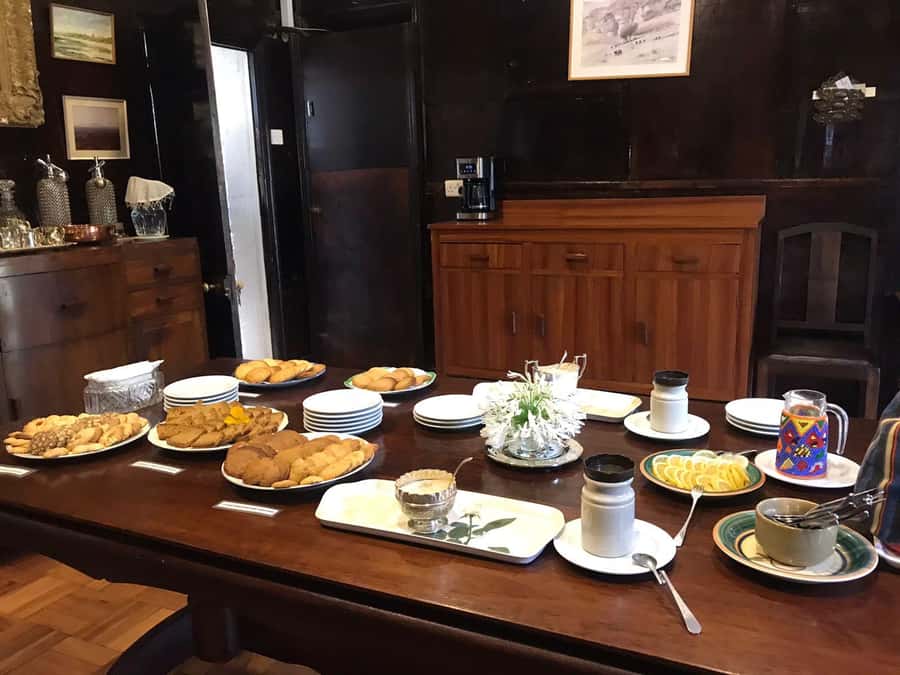
Lunch is included, and it’s described as fresh and high quality. There’s an open buffet style meal with multiple options, including vegetarian plus choices like chicken and beef. On top of that, there are homemade touches mentioned in the experiences, including handmade ice cream.
If you have dietary needs, you’ll probably appreciate the details shared in real feedback. Biscuits and some items are described as gluten free, egg free, and nut free. That kind of effort isn’t required by most tours, so it’s a sign the farm is treating the day like a real hospitality experience rather than a checklist.
One small note for pacing: the lunch slot is part of the flow, and you’ll still have time for the guided walking sections. Don’t plan any hard deadlines right after you return to Nairobi.
Views on the way: Nairobi gets replaced by Kenya scenery
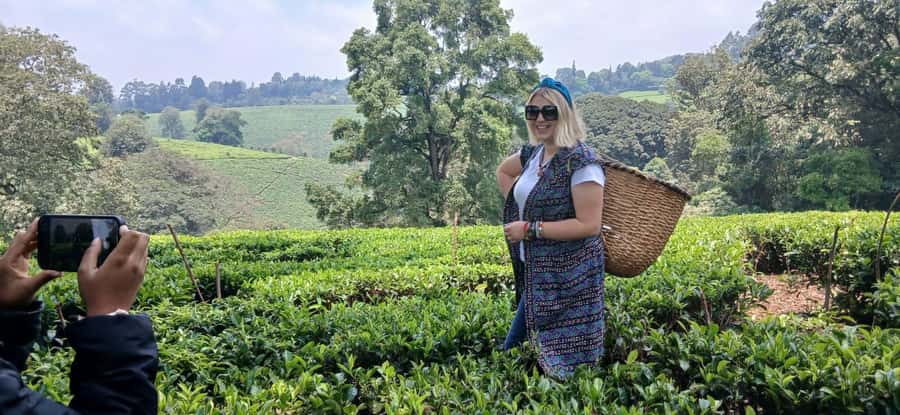
Even before you reach the farm, the drive matters. The experience includes scenic drive segments and sightseeing along the way, not just “get there and start.”
Once you’re at the tea estate, the viewpoints become part of the story. The emphasis on Ngong Hills—and the possibility of seeing Mt. Kilimanjaro on clear days—helps explain why people come to this area. It’s not just tea. It’s the feeling of being surrounded by Kenya’s highlands.
For photographers, this is a decent setup because you’ll have multiple moments where the scene is bigger than one cup of tea.
Price and what you’re really paying for
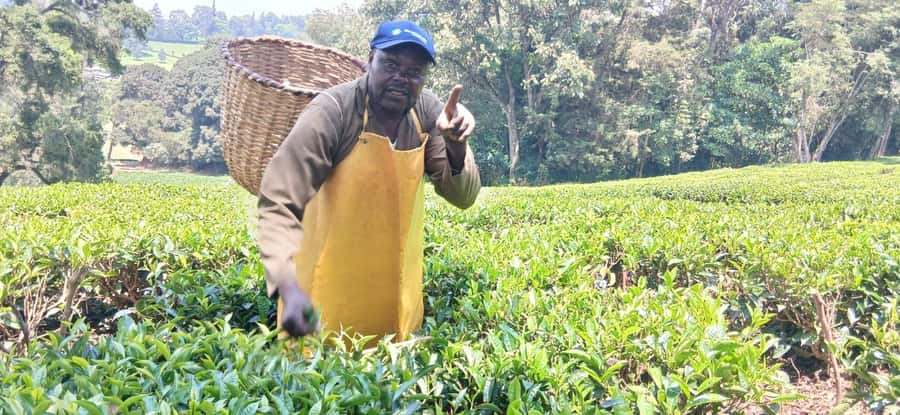
The tour price is listed at $50 per person. That’s a fair start, especially for a small group with hotel pickup and drop-off, a professional guide, and lunch. But here’s the math that matters: the $50 entrance fee is not included and is payable separately by credit card or cash.
So your realistic total is closer to $100 per person, assuming you’re paying the entrance fee.
Is it still good value? In my view, yes—mainly because you’re getting more than a quick plantation photo walk. You get a guided history and tea-making process explanation, wildlife and forest time, a tea tasting, and a lunch that’s described as genuinely good. The small group limit also reduces the “see it, rush it, move on” feeling.
If you’re traveling on a tight budget, compare it to other Nairobi day trips. If you want something educational that still feels outdoorsy, this one earns its price.
Who this tour fits best (and who should skip it)
This is a great fit if you:
- Want a structured tea education in plain language.
- Prefer a small group and a calm pace over a big-bus stampede.
- Like nature time, including a forest walk and the chance to spot birds and colobus monkeys.
- Appreciate meals that are part of the experience, not an afterthought.
You might want to reconsider if:
- You hate extra fees. The entrance fee is a clear add-on.
- You dislike any unpredictability. While most days run smoothly, there’s at least one account of a delay when booking very late.
- You want a super long day. This is built as a half-day return trip from Nairobi.
Quick planning tips before you go
- Book early enough that timing stays solid. Late booking can cause surprises with start time.
- Bring light layers. Morning can feel different from midday in the highlands.
- If you care about wildlife photos, be ready for patience. Colobus monkeys aren’t guaranteed on command.
- If you’re paying the entrance fee separately, carry a plan for credit card or cash.
Should you book the Kiambethu Tea Farm tour?
If your ideal Nairobi day trip includes tea history, a real walk through the estate, forest wildlife time, and a solid farm lunch, I’d book it. The small-group size and the strong emphasis on both tasting and the production process make it feel worth your time, not just scenic.
The decision comes down to two things: can you handle the extra $50 entrance fee, and are you booking early enough to avoid timing glitches? If yes, this is one of the better-value ways to spend a half-day just outside Nairobi while still learning something you can explain afterward.
FAQ
How long is the Kiambethu Tea Farm tour and lunch package?
The duration is listed as 6 hours.
What does the tour cost?
The package price is listed as $50 per person.
Is lunch included?
Yes. Lunch is included in the package.
Are pickup and drop-off included?
Yes. Hotel pickup and drop-off are included.
How big is the small group?
The group is limited to 7 participants.
What about the entrance fee?
A $50 entrance fee is payable separately (not included) by credit card or cash.
What language is the tour guide?
The live tour guide is listed as English, Esperanto, and French.
Is breakfast included?
Breakfast is listed as included.
Are tea products included in the price?
No. Purchase of tea products is not included.
Can I get a full refund if my plans change?
Free cancellation is listed up to 24 hours in advance for a full refund.
Is the experience wheelchair accessible?
Wheelchair accessibility is listed as available.