REVIEW · KYOTO
Kyoto: Traditional Tea Ceremony with Matcha & Sweets in Gion
Book on GetYourGuide →Operated by Japan Wonder Travel · Bookable on GetYourGuide
Tea ceremony in Kyoto can be soothing, not stuffy. In the heart of Gion, this experience keeps the spirit of tradition while making it easy to join, with chair seating instead of floor time.
I especially like that you’re not only watching. You’ll learn the history and Zen ideas behind tea, then make your own matcha bowl with clear guidance from the tea master.
One thing to consider: matcha is high in caffeine, so the experience isn’t recommended for children under 5.
In This Review
- What makes this Kyoto matcha class worth your time
- Key highlights at a glance
- Where This Happens in Gion, and Why the Setting Matters
- Chair Seating Instead of Tatami: Comfort Changes Everything
- Meeting the Tea Master: Watching First, Then Doing It
- The Hot Kettle Moment: Why the Calm Feels Real
- Matcha 101: Making Your Bowl the Right Way
- The Sweets Course: Traditional Pairings That Teach You to Taste
- Tea History and Zen Philosophy, Explained Without the Fog
- Q&A With the Tea Master: Get Real Answers Fast
- Price and Value: What $22 Gives You in Kyoto
- Timing: How Long You Should Block Off
- Kimono Option: Fun Add-On With Fixed Ceremony Times
- Who Should Book This (and Who Might Skip It)
- Should You Book This Gion Tea Ceremony With Matcha and Sweets?
- FAQ
- How long is the tea ceremony experience?
- Is the tour offered in English?
- Do you sit on the floor?
- Does the price include matcha and sweets?
- Is matcha safe for children?
- Can I cancel after booking?
What makes this Kyoto matcha class worth your time
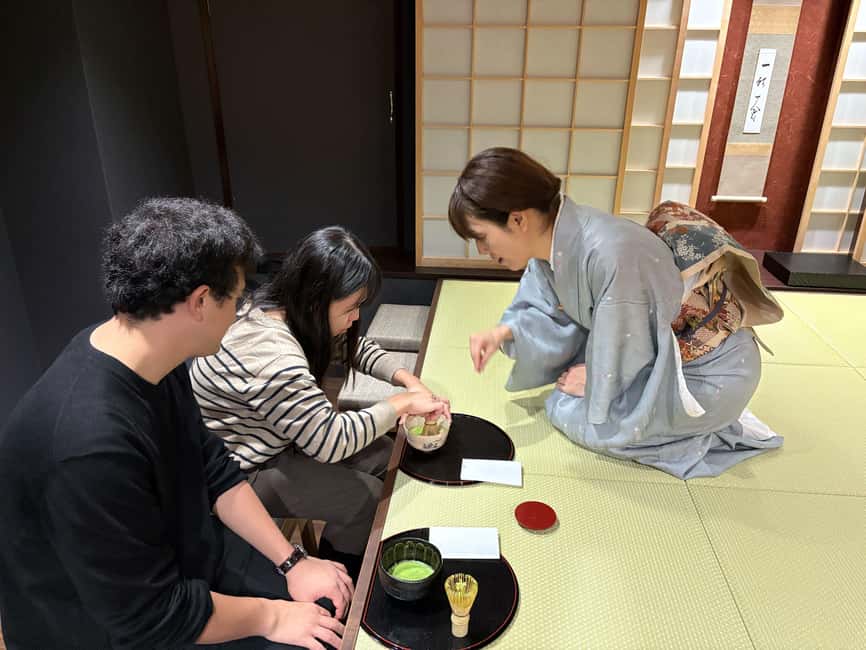
You get the best of both worlds: an elegant tea moment you can actually enjoy, plus hands-on learning. The chair setup is a big quality-of-life upgrade in Kyoto, and it keeps the focus on the ritual instead of your knees.
The sweet course is another highlight. You’ll taste traditional Japanese sweets chosen to pair with the tea, and you’ll also get stories that connect the flavors to tea’s role in daily life and culture.
Key highlights at a glance
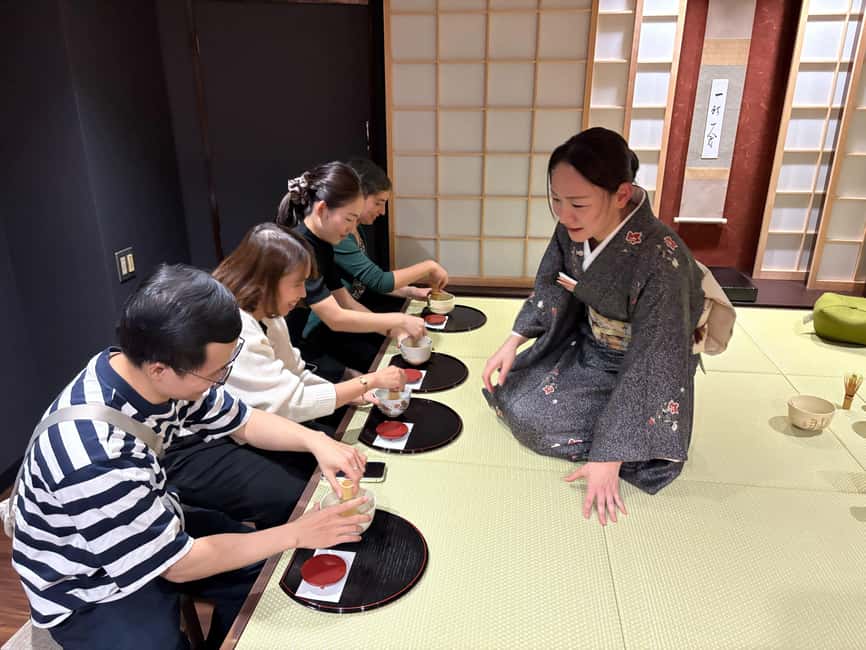
- Chair seating for a more comfortable tea ceremony
- Watch an elegant tea ceremony up close, then try it yourself
- Learn matcha prep with guidance you can follow
- Taste traditional sweets selected by the tea master
- Tea history + Zen philosophy explained in plain English
- Q&A time with the tea master to clear up your questions
You can also read our reviews of more tours and experiences in Kyoto.
Where This Happens in Gion, and Why the Setting Matters
This tea experience takes place in Kyoto’s Gion district, one of the best areas in town to feel like you walked into old Japan without needing to do anything complicated. The neighborhood has that quiet rhythm—small streets, careful light, and a sense that time moves slower than it does near Kyoto Station.
That setting matters because tea ceremony is built around pace. If you’re rushing between sights, you miss the point. Here, the whole flow is designed to help you slow down enough to notice details: the sound of the kettle, the way the tea bowl is handled, and the focus in the room.
Even better, the format is welcoming. Traditional tea ceremonies can feel strict or overly formal, especially if you’re not sure how to behave. This one aims for comfort and clarity, so you can actually learn without feeling like you’re getting graded.
Chair Seating Instead of Tatami: Comfort Changes Everything
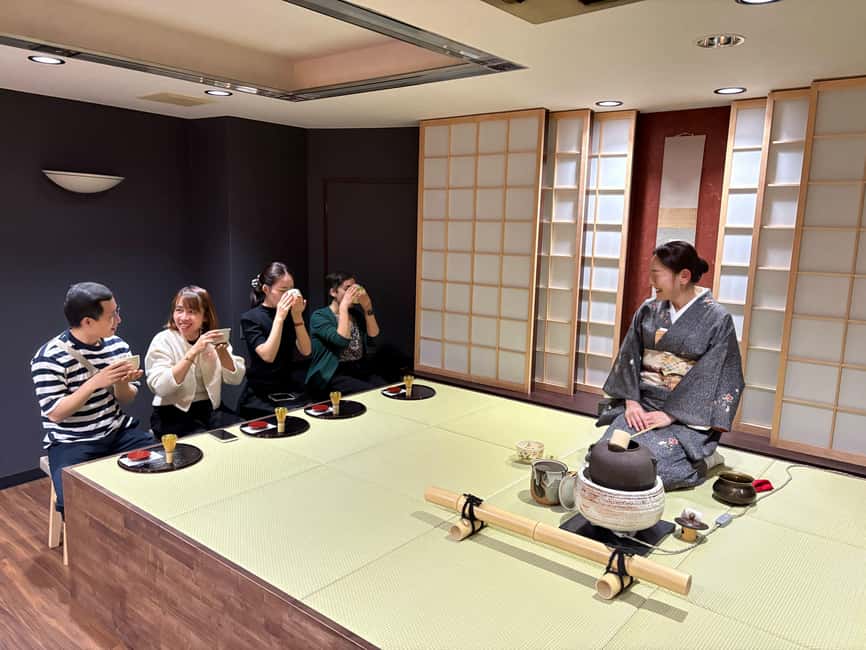
A lot of visitors assume tea ceremony means sitting on the floor. That’s not always realistic in Kyoto, especially if you have limited mobility or you just don’t want to spend an hour fighting an uncomfortable position.
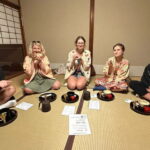
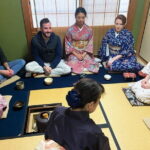
Here’s the practical win: you’ll sit on chairs. That simple choice changes the whole experience. You can focus on watching the tea master’s movements and then follow along when it’s your turn, instead of spending mental energy adjusting your legs.
This is also part of why the atmosphere feels friendly. When everyone’s comfortable, the room stays calm rather than tense. It’s the kind of setting where you can ask a question and actually get an answer that makes sense.
Meeting the Tea Master: Watching First, Then Doing It
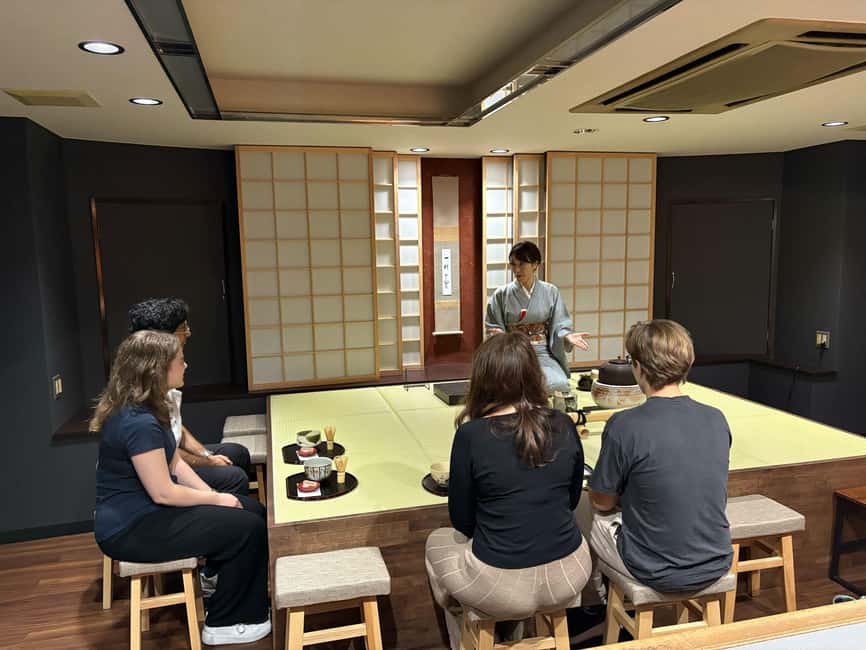
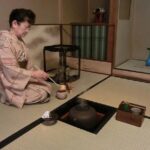
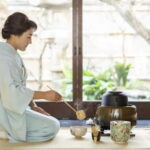
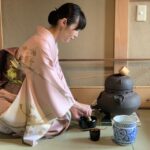
The session is structured so you don’t get thrown into matcha-making without context. You’ll start by observing a full tea ceremony portion, performed up close so you can see the technique and timing clearly.
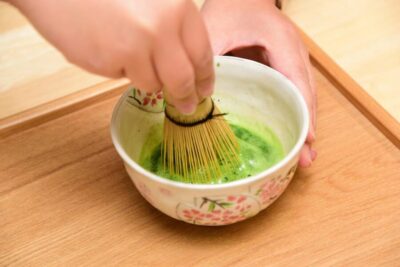
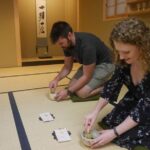
Then the second half becomes hands-on. You’ll prepare your own bowl of matcha using a special tea sourced from a family-run tea farm. The goal isn’t perfection in 60 seconds. The goal is understanding how quality matcha behaves and how to mix it so you get a smooth, frothy result.
You’ll also hear stories that connect the ritual to real ideas—tea’s history, the way Zen philosophy influences attention and restraint, and why certain gestures became tradition.
And if you’re worried about language, the instructor is English-speaking. The teaching style is meant to be approachable, so you’re not left guessing.
The Hot Kettle Moment: Why the Calm Feels Real
One of the more memorable parts is the sensory pacing—especially when the hot pot starts whistling. That sound is a signal that things are moving, but slowly. It acts like a reset button, and it’s the kind of moment where your brain stops planning and starts paying attention.
Tea ceremony is often described as meditative, but you don’t have to think of it as meditation to feel it. You can just treat it like a guided pause in your day, where you learn something and also breathe differently while it’s happening.
If you like quiet experiences that still teach you skills, you’ll probably find the tone fits what you came for.
Matcha 101: Making Your Bowl the Right Way
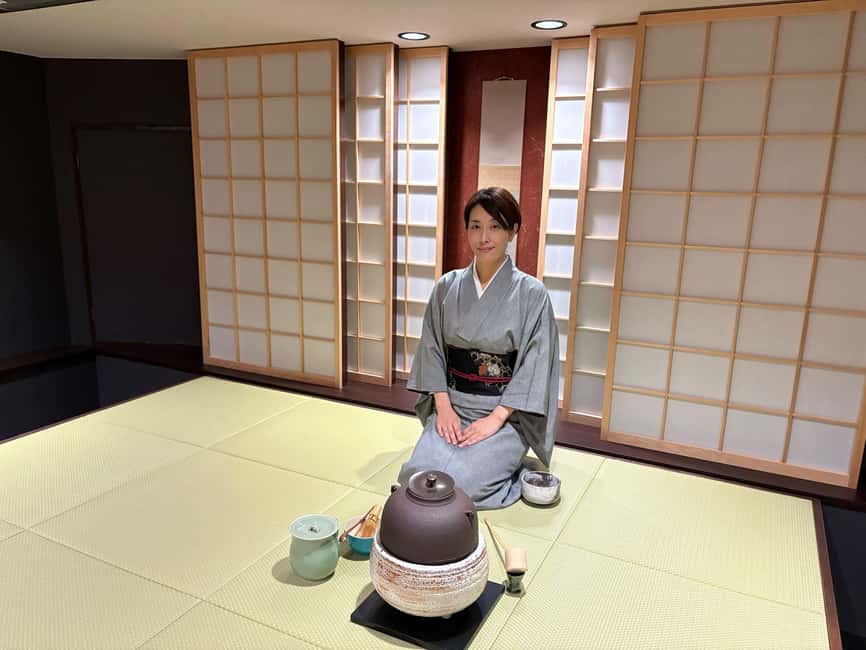
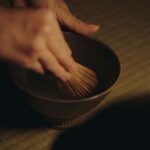
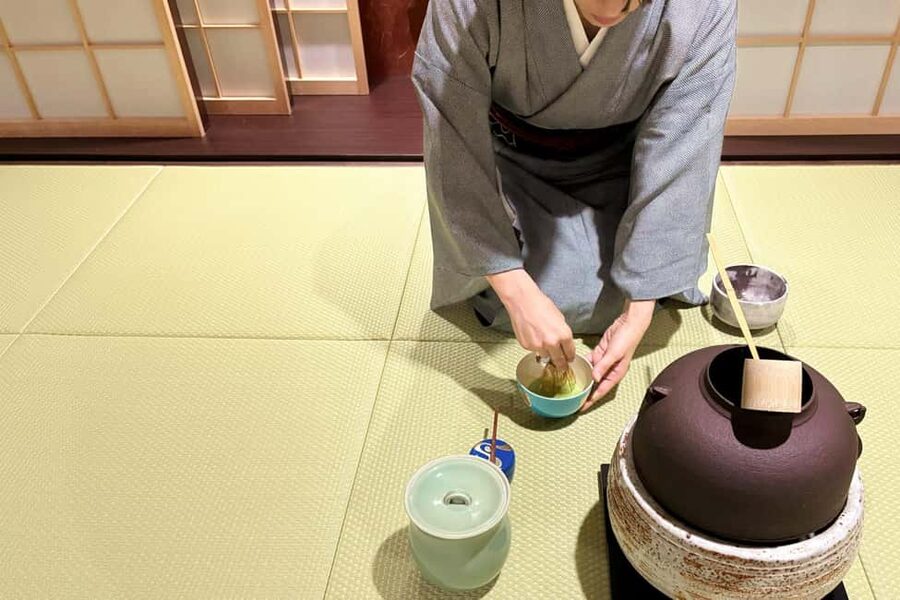
This isn’t a vague tasting class. You’ll get guidance for how to make matcha—specifically how to mix it properly so it turns into something you’d actually want to drink again.
Here’s what you can expect to learn:
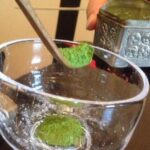
- How the tea powder is handled and measured
- How to whisk so you get the right texture
- What to pay attention to while you whisk, so it doesn’t become lumpy or flat
You also receive a simple recipe to take home. That matters because many food experiences end when you leave the building. This one gives you a way to recreate the taste and process later, which helps the lesson stick.
The Sweets Course: Traditional Pairings That Teach You to Taste
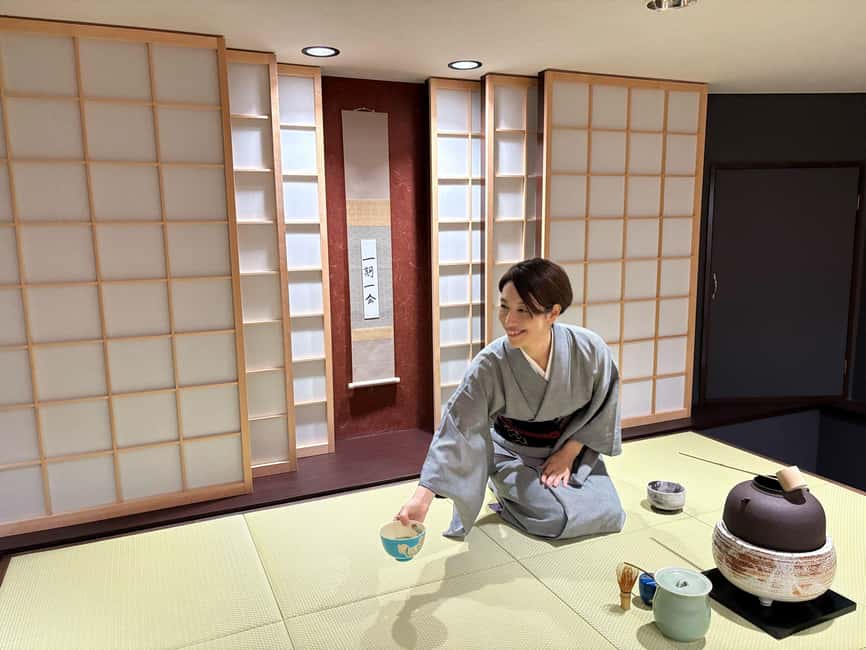
After the tea ceremony and matcha prep, you’ll enjoy traditional Japanese sweets chosen for the ceremony by the tea master from long-established confectioners.
You may not get the same sweets every time, but the point stays the same: the sweets are meant to complement the tea. You’ll taste them as part of the rhythm of the session, not as a random dessert stop.
If you usually eat sweets without thinking, this is a good chance to slow down and notice how the sweetness, texture, and tea flavors influence each other. Even one or two bites, taken at the right moment, can help you understand why matcha isn’t just about caffeine—it’s about balance.
Tea History and Zen Philosophy, Explained Without the Fog
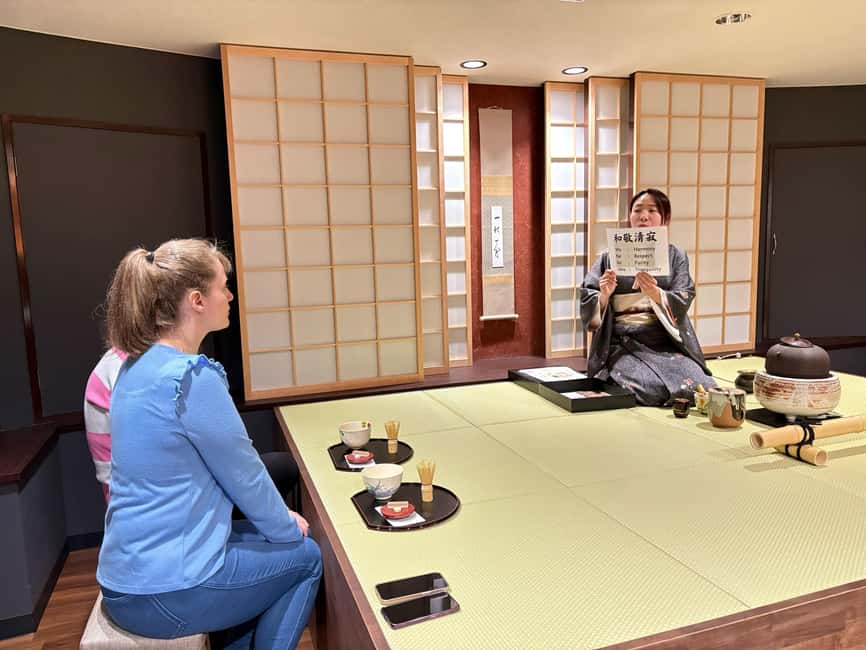
Tea ceremony can feel mysterious if you only know it from photos. This experience connects the visuals to ideas you can actually repeat.
You’ll learn about:
- The history of tea and the tea ceremony
- Zen philosophy that influences the tradition
- Why the ritual emphasizes attention, restraint, and respect
The best part is that the information stays practical. Instead of being a lecture you forget, it becomes a lens for how you hold the bowl, whisk the matcha, and observe the process.
And yes, it helps to have a host who’s both friendly and enthusiastic. In one example, a tea master named Mai was praised for being approachable and passionate while explaining history and how the ceremony is done.
Q&A With the Tea Master: Get Real Answers Fast
At the end, you’ll get a Q&A session. This is where the experience becomes more than a one-time class.
You can ask anything you’ve wondered about tea or the ceremony—like matcha basics, how to recognize quality in everyday settings, or what certain gestures mean.
Even if you think you don’t have questions, this portion can be useful. It often turns general curiosity into specific takeaways you can use when you visit a tea shop later in Kyoto.
Price and Value: What $22 Gives You in Kyoto
At about $22 per person, this tour is priced for what you’re actually getting: a guided ceremony, sweets, hands-on matcha preparation, and a recipe you can use after you return home.
A lot of paid experiences in Kyoto are either:
- Mostly observation (you watch, then leave), or
- Mostly eating (you taste, but don’t learn a process)
This one blends both, with instruction that focuses on how to do matcha properly. Add in the small group option and chair seating, and the value becomes more than just the cost—it’s the comfort plus the learning.
If you’re choosing between a tea tasting and a matcha workshop, this format is the middle ground that usually makes people happiest.
Timing: How Long You Should Block Off
The duration is listed as 1 hour to 150 minutes, depending on the starting time and option you choose.
That range is important to plan around. If you’re mapping the rest of your Kyoto day, build in some buffer time. Tea ceremony isn’t just a quick stop—it’s a sequence that includes watching, making, tasting, and Q&A.
If you’ve got another reservation close by, you’ll likely want to leave at least a bit of breathing room.
Kimono Option: Fun Add-On With Fixed Ceremony Times
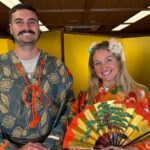
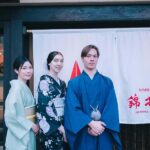
If you choose the kimono option, the tea ceremony time becomes linked to your kimono change time. You’ll go to the Kimono Rental Wargo Gion store, change first, then walk a few minutes to the meeting point on your own.
You’re expected to arrive about 10 minutes before your ceremony start based on your booked start time, and the ceremony schedule shifts like this:
- If you select 11:00, you attend the 12:30 tea ceremony
- If you select 12:00, you attend the 14:00 tea ceremony
- If you select 14:00, you attend the 15:30 tea ceremony
After the tour, you’ll need to return the kimono by 5:30 pm.
If you want the photo look and the extra atmosphere, the kimono option can be a nice fit. Just treat it as a timed plan, not an optional extra you can stretch.
Who Should Book This (and Who Might Skip It)
You’ll likely love this if you:
- Want a first serious matcha experience without intimidation
- Prefer comfortable seating in Kyoto
- Like learning the meaning behind a cultural practice, not just consuming it
- Enjoy sweets that feel connected to the tea moment
- Want something small-group and guided in English
You might consider another option if:
- You’re only interested in quick sightseeing and don’t have time for a full session with Q&A
- You’re traveling with young kids who should avoid matcha (matcha is not recommended for children under 5)
Should You Book This Gion Tea Ceremony With Matcha and Sweets?
Yes—if you want a Kyoto activity that teaches you a skill, not just a photo. The chair seating makes it genuinely approachable, and the hands-on matcha mixing plus sweets course turns it into a complete cultural bite-size experience.
Book it when:
- You have a window in your day to slow down
- You want to leave with something useful (your matcha recipe)
- You’re hoping for a friendly, calm tone rather than strict formality
Skip or look for a different style if you want a highly advanced matcha class with no coaching, or if caffeine timing is a major issue for your group.
If you’re building a first Kyoto day that feels real, this is one of the easier wins to schedule—and it’s the kind you’ll remember when you taste matcha again later.
FAQ
How long is the tea ceremony experience?
It runs between 1 hour and 150 minutes, depending on the selected option and starting time.
Is the tour offered in English?
Yes. The instructor is listed as English-speaking.
Do you sit on the floor?
No. This experience is designed with chair seating rather than sitting on tatami.
Does the price include matcha and sweets?
Yes. You’ll have a matcha drink, and you’ll also taste traditional Japanese sweets selected by the tea master.
Is matcha safe for children?
Matcha is high in caffeine and is not recommended for children under age 5. Infants and toddlers are free of charge, but if they want to participate they must use their parent or guardian’s matcha cup and they will not receive their own matcha to make.
Can I cancel after booking?
You can cancel up to 24 hours in advance for a full refund.