REVIEW · KYOTO
Kyoto: Uji Matcha Tea Museum Entry Ticket
Book on GetYourGuide →Operated by Chazuna · Bookable on GetYourGuide
Uji tea gets its own full room. I love the hands-on tea moments and the way the museum answers real questions (like Gyokuro vs Sencha) in plain language. My other favorite is the tea-themed photo spot in the last corner, because you’ll leave with something fun to share.
The only real catch is the style: the big learning comes through digital exhibitions, including touchable tea samples, so if you prefer traditional, live demonstrations, you may want to keep expectations focused on screens and self-paced content.
In This Review
- Key things I’d highlight before you go
- Where this museum fits in your Kyoto-area day
- Uji-cha no Ma: the Uji Tea Room answers your tea questions
- Touchable tea: why the interactive parts matter
- History Room: a 10-yen coin and Uji’s changing landscape over time
- The 4K HDTV Meisho-zue screen you’ll want to pause for
- What makes this museum good for kids and adults
- Don’t miss the tea-themed photo spot in the last corner
- Price and value: $3.87 for a focused 1-day experience
- Timing it into your day around Kyoto and Uji
- Who should book this Uji Matcha Tea Museum entry ticket
- Should you book it?
- FAQ
- How much does the Kyoto Uji Matcha Tea Museum entry ticket cost?
- How long is the experience valid?
- What’s included with the ticket?
- What areas of the museum should I plan to see?
- What kinds of questions does the Uji Tea Room cover?
- Is there anything interactive, or is it just screens?
- What history content is shown in the History Room?
- Is there a specific highlight in the History Room visuals?
- Is the museum wheelchair accessible?
- Can I reserve now and pay later?
Key things I’d highlight before you go
- Uji-cha no Ma (Uji Tea Room) explains tea history and production with interactive, touchable elements.
- Questions you actually have get answered, including the birth story of Uji tea and how to brew delicious tea.
- Gyokuro vs Sencha is covered, so you can shop smarter afterward.
- History Room details include a huge 10-yen coin look tied to Byodoin Phoenix Hall.
- 4K HDTV town imagery (Meisho-zue) makes Uji’s changes over time easier to picture.
- Photo spot in the last corner gives you an easy, memorable ending.
Where this museum fits in your Kyoto-area day
This is a simple, low-stress stop if you’re in Kyoto and want something more local than the typical temple circuit. Uji is famous for tea, and this ticket is built around that topic—history, production, and how tea types differ—without making you feel like you need a tea degree.
The experience is listed for 1 day, and you’ll enter via standard museum tickets. It also states wheelchair accessible, which is a big deal for planning: you can include this even if you need mobility-friendly options.
You can also read our reviews of more tours and experiences in Kyoto.
Uji-cha no Ma: the Uji Tea Room answers your tea questions
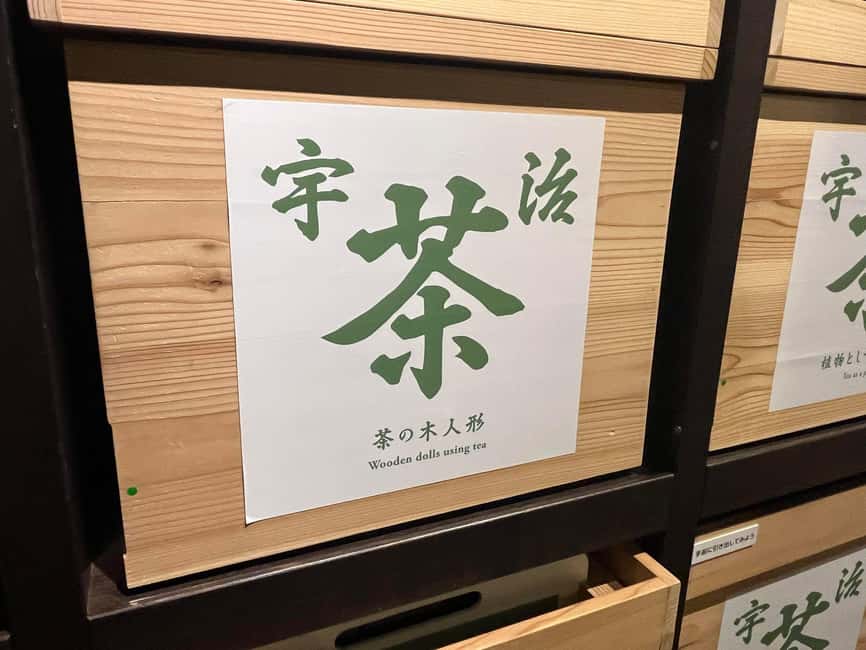
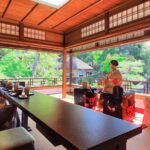
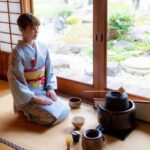
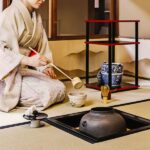
The heart of the museum is the Uji Tea Room (Uji-cha no Ma). This is where you’ll meet the basic storyline of Uji tea: how it’s produced, why it matters, and what makes it taste the way it does. Expect digital exhibitions that guide you through questions in a visitor-friendly way, not a lecture vibe.
What I like here is that the museum doesn’t just say tea is good. It explains the mechanics behind it. You’ll see information about how tea is made, and it also tackles the birth story behind Uji tea, which adds meaning beyond the flavor.
One of the most practical sections is the comparison between Gyokuro and Sencha. If you’ve ever stood in a tea shop staring at labels, this kind of explanation helps you connect what you’re buying to what you’re tasting.
Touchable tea: why the interactive parts matter
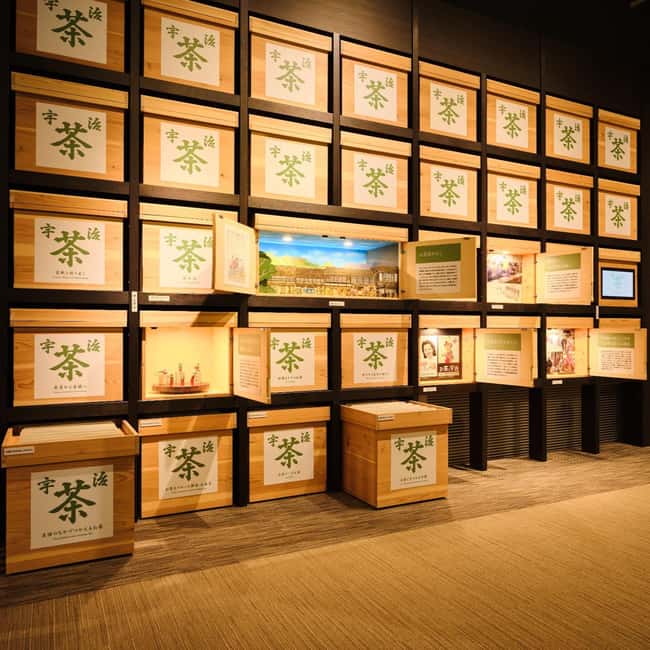
The museum description mentions that the digital exhibitions let you touch and experience the tea. That detail matters because tea can feel abstract until you get some physical contact—seeing textures, handling items, or learning by doing instead of only reading.
You’re also getting a chance to slow down. When information is paired with a small hands-on element, it sticks better. For me, that’s the biggest advantage of this kind of museum setup: it turns learning into a short, guided experience you can actually remember.
History Room: a 10-yen coin and Uji’s changing landscape over time
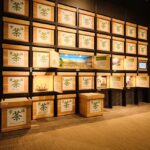
After tea production basics, the museum shifts into history with the History Room. The first visual is a huge 10-yen coin featuring the Byodoin Phoenix Hall. That’s a smart move. It anchors a local story with something you recognize, so you can connect the museum to the broader Japanese cultural world you’re already seeing.
Inside, you learn how the town of Uji and the Uji River went through changes over time. The museum frames this as the town’s history, not just dates on a timeline. If you like your travel with context—why a place developed the way it did—this room gives you that.
The 4K HDTV Meisho-zue screen you’ll want to pause for
A standout feature here is a huge 4K HDTV digital screen showing town scape drawings called Meisho-zue. You can think of it as a high-definition “time window” into what Uji looked like, supported by detailed visuals.
This is also where the museum’s digital style becomes more than just tech. When the visuals are this large and detailed, it’s easier to grasp change over time. Instead of imagining it, you can watch your way through how Uji’s look and setting relate to the story of the tea town.

What makes this museum good for kids and adults
The museum is explicitly positioned for everyone from children to adults. That’s not just marketing language—it shows up in how the topics are presented. You get the basics of tea, then the history, then the comparison of tea styles, all in ways that don’t require prior knowledge.
For kids, the touchable element and the photo spot are natural hooks. For adults, the Gyokuro vs Sencha explanation and the history room visuals help you move beyond souvenir shopping and into “I get it now” territory.
Don’t miss the tea-themed photo spot in the last corner
The experience ends with a fun payoff: take lots of photos at a tea-themed photo spot in the last corner. This is the kind of detail that makes a museum ticket feel lighter and more rewarding—especially if your day already includes long walks and quiet temples.
If you’re the type who usually forgets to take photos until later, put this at the top of your mental list. Even if you’re not a big photographer, it’s a quick win that turns the visit into something memorable.
Price and value: $3.87 for a focused 1-day experience
At $3.87 per person, the pricing is hard to beat for a museum format that covers multiple angles: production, history, and tea-type differences. You’re not paying for a long guided tour that depends on timing; you’re buying entry to a topic-focused learning space that you can match to how fast you move.
Also, the value isn’t just the cost. It’s the mix of formats: digital exhibitions, touchable tea experience, and big visual history elements. That variety helps you feel like you did more than just read a sign or watch one video.
Timing it into your day around Kyoto and Uji
The ticket is valid for 1 day, and the description says to check availability for starting times. That means you’ll want to build it like a slot you can fit—rather than a fixed “meet at X o’clock” tour you must chase.
If you’re trying to keep your day efficient, I’d schedule this when you want a break from heavy outdoors time. The museum is topic-driven and indoor, so it works well during rain or when your feet need a breather.
Who should book this Uji Matcha Tea Museum entry ticket
This is a great fit if you:
- Want to learn about Uji tea history and production methods in a structured way
- Like explanations that help you understand what you’ll taste later (especially Gyokuro vs Sencha)
- Travel with a mix of ages and want an activity that isn’t boring for anyone
- Enjoy museums that give you hands-on moments, not just static displays
It may be less ideal if you’re hoping for a lot of live demonstrations or a long tasting program, because the museum content is mainly described as digital exhibitions with interactive touch points.
Should you book it?
Yes, if you’re in the Kyoto/Uji area and you want a low-cost, high-learning stop that’s still fun. The combo of Uji-cha no Ma tea explanations, the History Room visuals tied to Byodoin Phoenix Hall and Meisho-zue, and that last-corner tea photo spot makes this ticket feel like more than a quick bathroom-and-souvenir stop.
I’d book it if you care about understanding what makes Uji tea different—and you like your travel with practical context you can use right away.
FAQ
How much does the Kyoto Uji Matcha Tea Museum entry ticket cost?
The price is listed as $3.87 per person.
How long is the experience valid?
The ticket is valid for 1 day.
What’s included with the ticket?
It includes museum tickets.
What areas of the museum should I plan to see?
You can expect the Uji Tea Room (Uji-cha no Ma) and the History Room, plus a tea-themed photo spot in the last corner.
What kinds of questions does the Uji Tea Room cover?
It covers topics like how tea is made, the birth story behind Uji tea, differences such as Gyokuro vs Sencha, and ways to make delicious tea.
Is there anything interactive, or is it just screens?
The description says you can actually touch and experience the tea through the digital exhibitions.
What history content is shown in the History Room?
The History Room features a huge 10-yen coin with the Byodoin Phoenix Hall, plus information about how Uji and the Uji River changed over time.
Is there a specific highlight in the History Room visuals?
Yes. There is a huge 4K HDTV digital screen showing town scape drawings called Meisho-zue.
Is the museum wheelchair accessible?
Yes, it is listed as wheelchair accessible.
Can I reserve now and pay later?
Yes, the experience offers reserve now & pay later, so you can book your spot without paying today.