REVIEW · KYOTO
Maiko Dance and Tea Ceremony on a Noh Stage in Kyoto
Book on GetYourGuide →Operated by 株式会社くろちく · Bookable on GetYourGuide
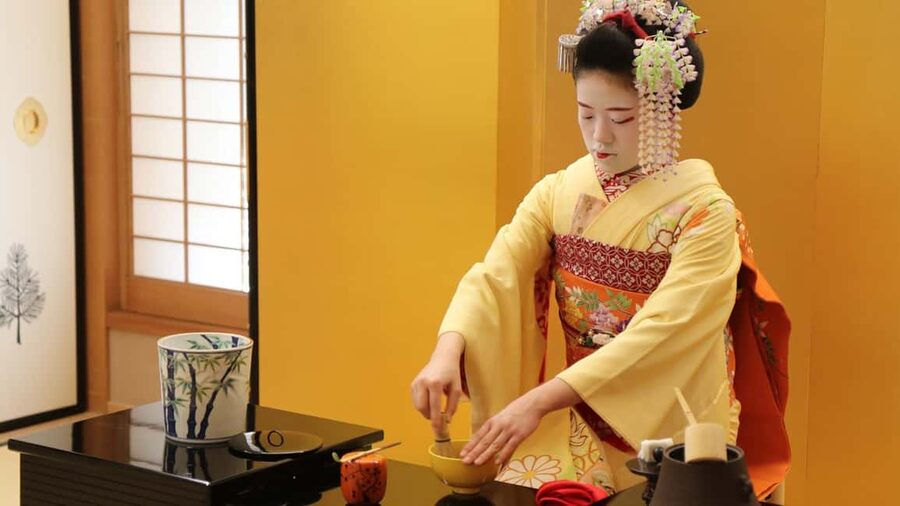
A real Noh stage and a maiko’s matcha. This Kyoto experience pairs a quiet tea ceremony with a graceful maiko performance in a setting that feels serious, not staged for tourists. You’ll taste seasonal Japanese sweets and matcha made with real attention to detail, with English-speaking staff guiding you through.
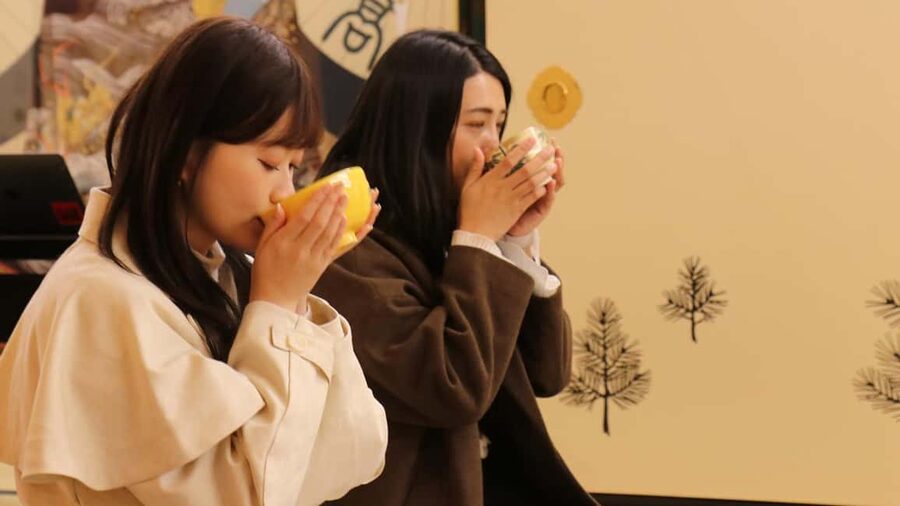
I love the way the ceremony turns tea into something you can actually participate in, not just watch. I also love that you get matcha plus seasonal sweets, and you can take photos and chat with the maiko afterward in an intimate space.
The main consideration is price: $141 per person is premium for a 1–90 minute cultural stop, so it’s worth it if tea and classic performance arts are your thing. Also, plan for the practical shoe-off setup indoors and being punctual when you check in.
In This Review
- Key points worth your time
- Entering Kurochiku Tensho-kan: check-in that sets the tone
- The Noh theater setting: classic space, indoor shoe-off rules
- Matcha tea ceremony and seasonal sweets: what you’re really paying for
- Watching a maiko dance on the Noh stage: grace, timing, and stillness
- Conversation and photos with the maiko: how to make the moment count
- Language support and guided interpretation: less guessing, more understanding
- Price and value at $141: when this feels worth it
- Timing and length: plan for 1–90 minutes of focused culture
- What to bring (and what to do when you arrive)
- Who this maiko dance and tea ceremony suits best
- Should you book this Kyoto maiko dance and tea ceremony on a Noh stage?
- FAQ
- How long is the experience?
- What’s included in the price?
- Do I need to bring anything?
- Will I remove my shoes?
- Is transportation included?
- Can I cancel for a refund?
Key points worth your time
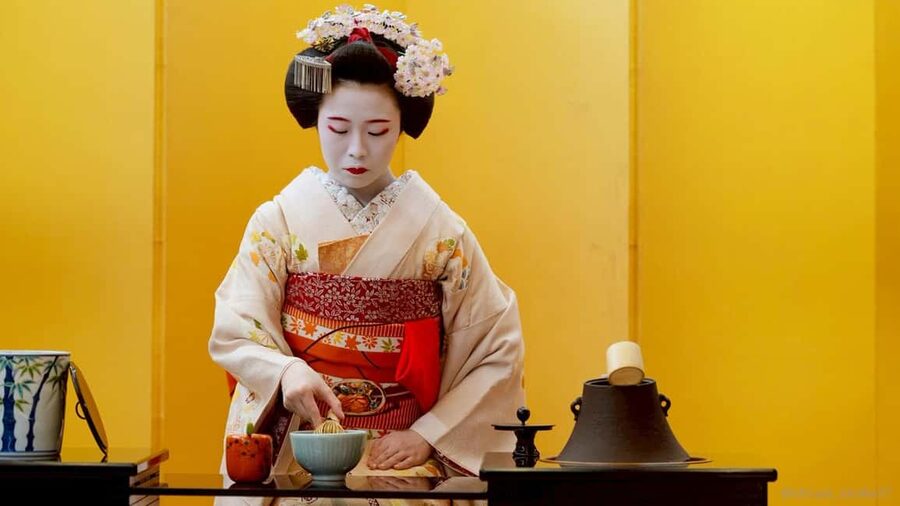
- A maiko on an authentic Noh stage: you’re watching a traditional performance in the right kind of theater space.
- Hands-on matcha ceremony: you’re not just a spectator for the tea part.
- Seasonal Japanese sweets: they’re served alongside the matcha, so each visit feels tied to the moment.
- English interpreter guide support: you’ll understand what’s happening without guessing.
- Socks and shoe-off comfort: the experience is designed around indoor seating and removing shoes.
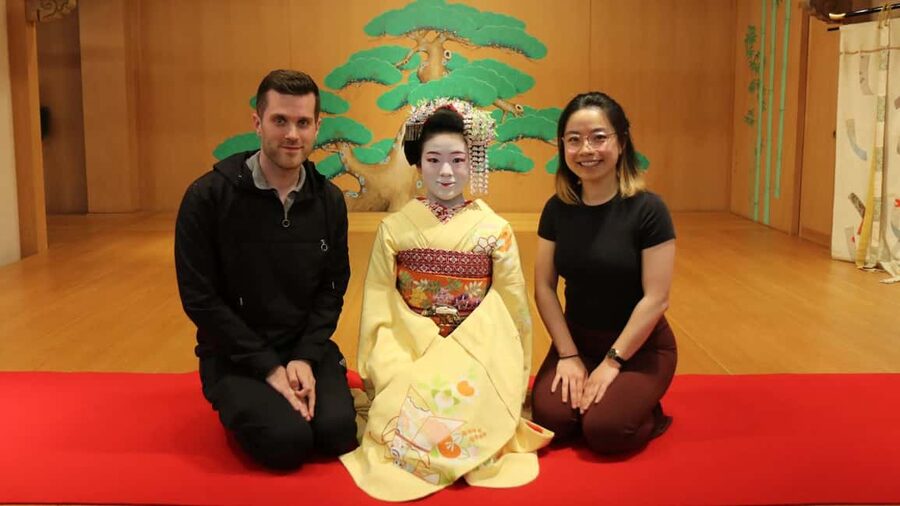
- Photo time plus conversation: you get a rare human moment with the performer, not just a curtain call.
Entering Kurochiku Tensho-kan: check-in that sets the tone
This starts at Kurochiku Tensho-kan. You’ll meet at the 1st floor reception, and you should arrive at least 15 minutes before the start time so you can get settled without rushing. The exact meeting point can vary by the option you book, but the timing advice stays the same.
I like this kind of setup because it keeps the vibe calm. In a experience built around ritual and performance, arriving early means you’re relaxed when you sit down and begin.
One small practical note: bring socks. You’ll go indoors and remove your shoes, so you’ll be more comfortable if your feet are ready for that.
You can also read our reviews of more tours and experiences in Kyoto.
The Noh theater setting: classic space, indoor shoe-off rules
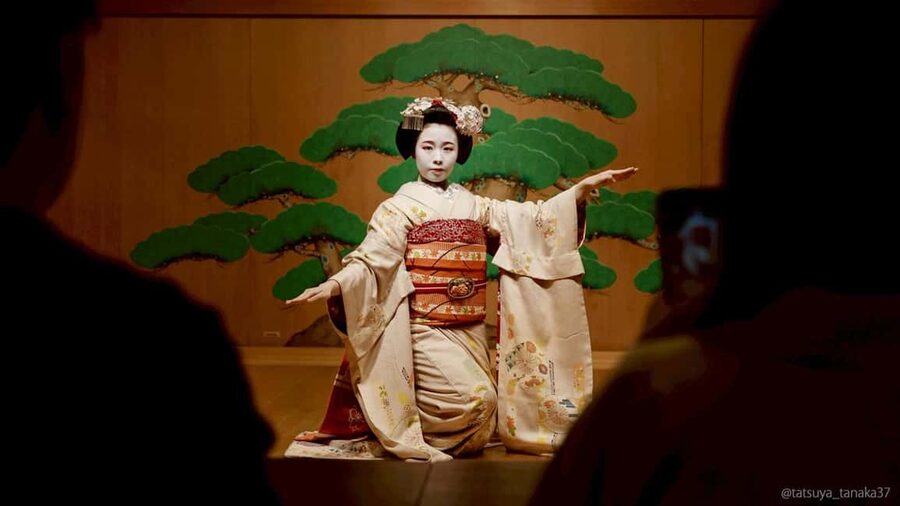
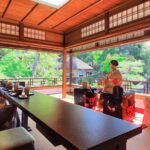
The heart of the evening is a Noh stage in Kyoto, and that matters more than you’d think. Noh is not like a casual theater visit—there’s a dignity to the space, and it makes the maiko dance feel like it belongs there.
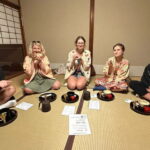
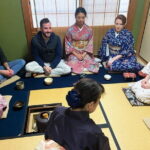
Once you enter, you participate indoors after removing your shoes. Comfortable seating is arranged so you can enjoy the performance without standing around, which is a big deal for a 1–90 minute program where you want to stay focused.
This is also where the “intimate” feeling comes from. When you’re close enough to see the details of the movements and also settle into proper indoor viewing, it stops being a quick show and starts feeling like a real cultural moment.
Matcha tea ceremony and seasonal sweets: what you’re really paying for
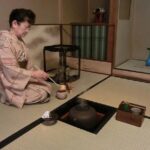
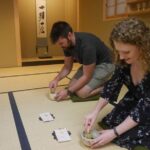
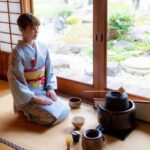
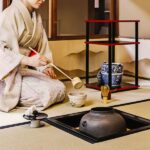
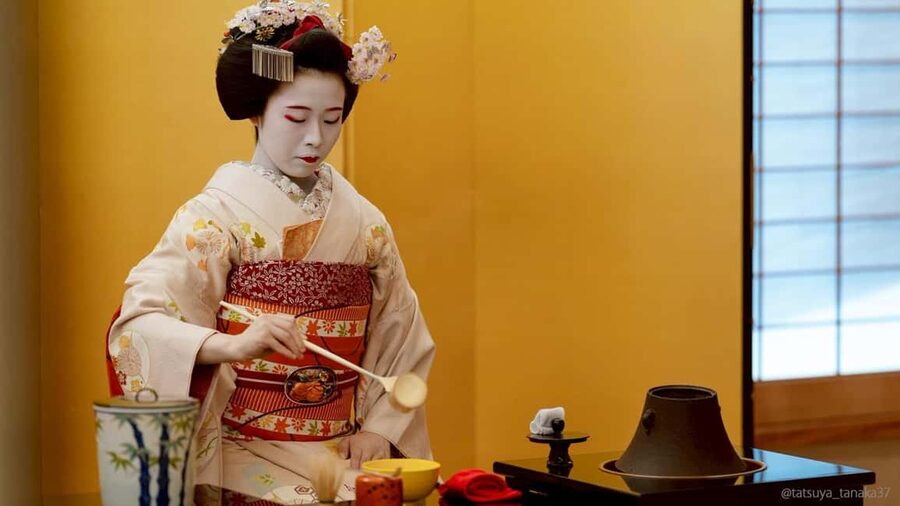
The tea ceremony part is where you slow down. You’ll be served matcha and sweets, and it’s not presented as a snack break—it’s part of the cultural experience.
Here’s what I find valuable: the matcha is freshly prepared and paired with seasonal Japanese sweets. That pairing changes the whole experience from generic to specific. Seasonal sweets also mean you’re tasting something chosen for the time of year, not a one-size-fits-all dessert.
You’ll also receive a Japanese-patterned handkerchief as a keepsake. It’s small, but it reinforces that this is designed as a complete experience, not just a performance ticket with a drink at the end.
And because there’s a professional English interpreter guide, you’re not stuck figuring it out alone. That guide support is one of the biggest quality-of-life factors here, especially if tea ritual details are new to you.
Watching a maiko dance on the Noh stage: grace, timing, and stillness
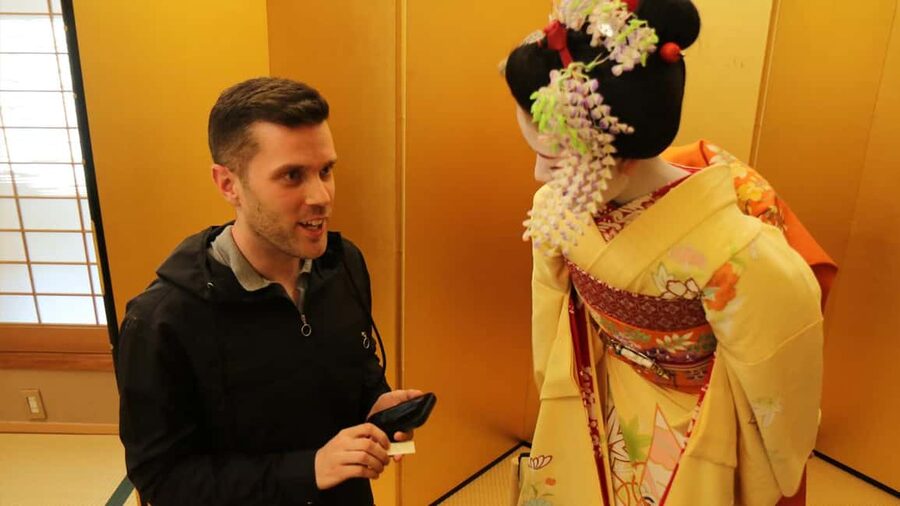
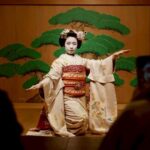
After the tea component, you’ll watch the maiko dance. The big attraction is that it’s performed on an authentic Noh stage, which gives the movement a proper context. It’s the kind of performance where posture and timing matter, and the theater design supports that.
A maiko is an apprentice geisha, trained in traditional arts like dance and entertainment etiquette. Even if you don’t know the background going in, you can still feel the discipline in the way the performance is paced. There’s a serene quality to the show, and it’s not built on loud spectacle.
What I like about this combination—tea ceremony plus dance—is that they balance each other. Tea asks you to be attentive and patient. The dance asks you to watch closely and let the rhythm land. Together, it creates a full cultural package in a short time window.
Conversation and photos with the maiko: how to make the moment count
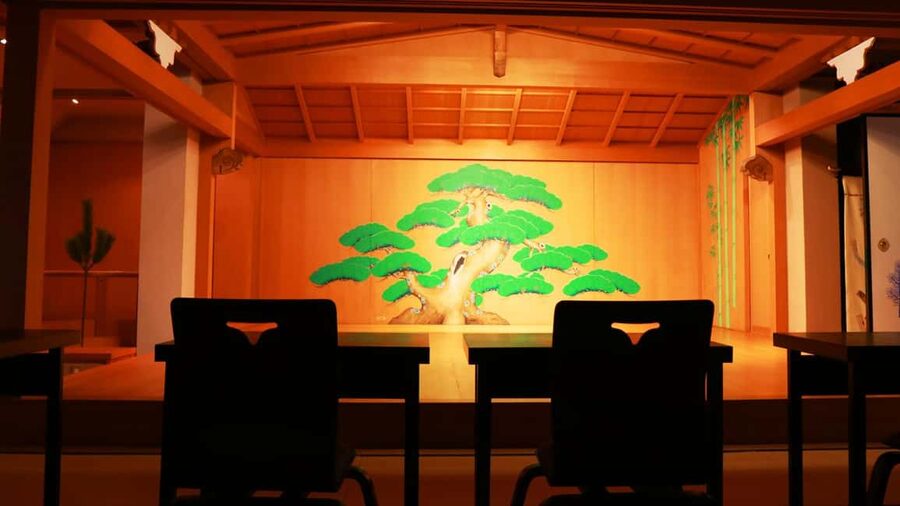
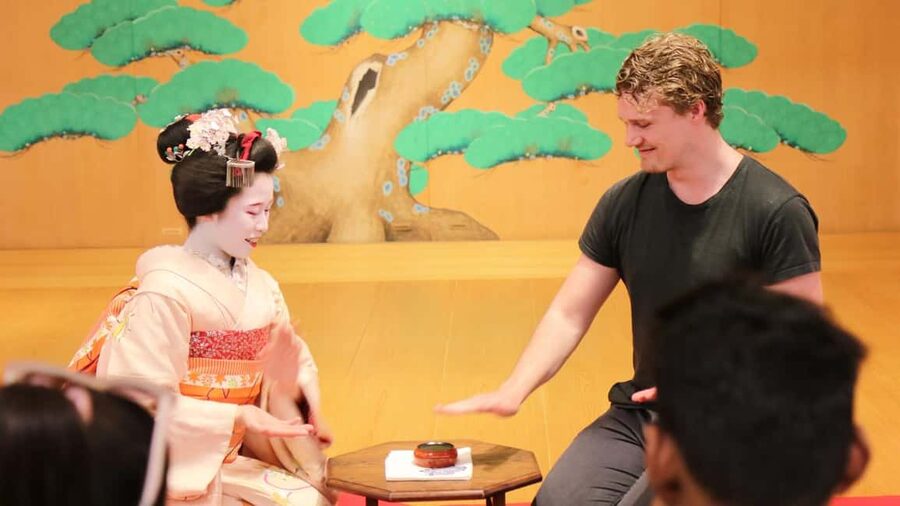
One of the strongest highlights here is the chance to take photos and chat with the maiko in an intimate setting. That’s not something you get at most formal shows where interaction is strictly limited.
To make this part worth your time, I’d plan to be quick and polite with questions. The best conversations usually aren’t long, they’re clear: you ask one or two things you genuinely want to know, then you listen.
Also, keep in mind that the setting is indoors and designed around cultural etiquette. If you’re mindful and respectful, you’ll get a much better experience than if you treat it like a selfie stop.

Language support and guided interpretation: less guessing, more understanding
The program includes a live tour guide and an English interpreter guide, with languages listed as English and Japanese. That’s important because a lot of the meaning in ritual experiences is in the explanation—why something is done, what the steps symbolize, and how the performance fits into tradition.
If you’re traveling solo or you don’t speak Japanese, this helps a lot. You’ll be able to follow along with what you’re doing during the tea ceremony and what you’re seeing during the dance, instead of just catching the general mood.
Even for readers who love self-guided travel, I think guided interpretation is a win here. This isn’t a “walk around and read signs” situation. It’s a seated, structured cultural moment, and good explanation makes it feel deeper, not confusing.
Price and value at $141: when this feels worth it
At $141 per person, this isn’t a budget activity. So the real question is what you’re getting for that money—and the package is unusually complete for the time.
Included value checks:
- matcha and sweets (so you’re not paying extra for refreshments)
- a Japanese-patterned handkerchief
- professional English interpreter guide
- the Noh stage in Kyoto
- a maiko dispatch fee
When you add that up, the price starts to make sense as a “performance + tea ritual + language support” bundle. It’s not just entertainment; you’re also participating and taking something home.
This price also fits a specific type of traveler. If you’re the kind of person who will actually pay attention to tea steps and enjoy watching dance with context, you’ll likely feel satisfied. If you’re hunting for a long, varied sightseeing day with lots of wandering, this will feel short—because it is.
Timing and length: plan for 1–90 minutes of focused culture
The duration runs from 1 hour to 90 minutes. That’s a compact slot, which can be great in Kyoto where you’re often moving between districts and trying to fit everything in.
Since starting times vary by availability, check what times are offered before locking in your day. I’d also avoid scheduling back-to-back activities that require you to be elsewhere immediately after. You’ll want a little buffer in case your program runs closer to the longer end.
What to bring (and what to do when you arrive)
You only have one clear must-bring item listed: socks. You’ll remove shoes indoors, so socks help you stay comfortable during the tea ceremony and the seated performance.
When you arrive, use the 1st floor reception of Kurochiku Tensho-kan and go in a bit early. Then follow staff directions. In a setting like this, the smallest friction—being late, rushing, or not following entry rules—can steal the calm that makes the experience work.
If you like flexibility, the booking options include reserve now & pay later. That can be helpful when Kyoto plans shift due to weather or other reservations.
Who this maiko dance and tea ceremony suits best
This fits you well if:
- you want a traditional cultural experience that’s structured and easy to understand in English
- you care about tea ritual details and enjoy pairing tastes with context
- you like classical performance settings and value the “serious theater” feel of Noh
- you want a short Kyoto activity that still feels personal, especially with photo time and conversation
It might be less ideal if you’re mainly looking for an outdoor sightseeing loop, a long evening event, or something hands-on beyond tea.
Should you book this Kyoto maiko dance and tea ceremony on a Noh stage?
If you’re torn, here’s the practical way to decide. Book it when you want a focused, high-touch cultural moment with English support, good seating, and a real Noh stage setting. Skip it if you’re on a tight budget or you prefer self-guided exploring over short guided rituals.
Personally, I think the deciding factor is the combination: tea plus dance, served and explained in an intimate setting. For $141, you’re not just buying tickets—you’re buying the chance to slow down, taste matcha and seasonal sweets, and watch a maiko perform in the kind of theater that makes the whole thing feel “in place.”
FAQ
How long is the experience?
It runs about 1 hour to 90 minutes. Starting times depend on availability.
What’s included in the price?
You get matcha and sweets, a Japanese-patterned handkerchief, and a professional English interpreter guide. It also includes the Noh stage in Kyoto and the maiko dispatch fee.
Do I need to bring anything?
Yes. Bring socks. Shoes are removed indoors during the experience.
Will I remove my shoes?
Yes. Guests participate indoors after removing their shoes.
Is transportation included?
No. Private transportation is not included.
Can I cancel for a refund?
You can cancel up to 24 hours in advance for a full refund.