REVIEW · OSAKA
Matcha Tea Bowl Experience in Osaka
Book on GetYourGuide →Operated by Tocoton LLC · Bookable on GetYourGuide
Your matcha starts with clay work.
This matcha tea bowl workshop in Osaka is interesting because you don’t just watch a tea ceremony—you make the tool that makes it feel real: a personal chawan-style bowl using the traditional kurinuki carving technique. I like that you get hands-on guidance from Anna, and I also like how the class connects the pottery details to the meaning of the tea ceremony and Japanese craftsmanship. One consideration: your bowl doesn’t come home immediately. It gets shipped later (shipping costs aren’t included), so you’re waiting a couple months for the finished piece.
You’ll also get a small cultural layer that turns the workshop into more than a craft class. You’ll carve, create your own design, sign your bowl with Japanese characters, and then choose a color and enjoy a drink with Japanese sweets. The private setting and traditional building setting make it feel calm and focused, but it’s not set up for everyone: it isn’t suitable for children under 6, and the space isn’t adapted for wheelchair users.
In This Review
- Key things you’ll notice right away
- Osaka’s matcha bowl class: why it feels different than a typical souvenir
- Meet at JR Teradacho: the simple start that keeps things smooth
- Tools, technique, and the kurinuki moment you’ll remember
- The tea ceremony connection: why a chawan isn’t just a container
- Color choice and the drink-and-sweets finish
- The instructor experience: Anna’s role in making it easy
- Optional add-on: tea ceremony basics with Kiyomi and Masako
- Value check: is $83 per person fair for Osaka?
- Logistics that matter on the day: time, lateness, rules
- After the workshop: what you can do with the Ikuno Ward momentum
- Who should book this matcha tea bowl experience?
- Should you book this Osaka matcha bowl workshop?
- FAQ
- How long is the matcha tea bowl workshop in Osaka?
- Do I need any prior experience with ceramics?
- What technique will I learn for the bowl?
- Will I get my bowl the same day?
- What language options are available during the workshop?
- Is it suitable for children or wheelchair users?
Key things you’ll notice right away
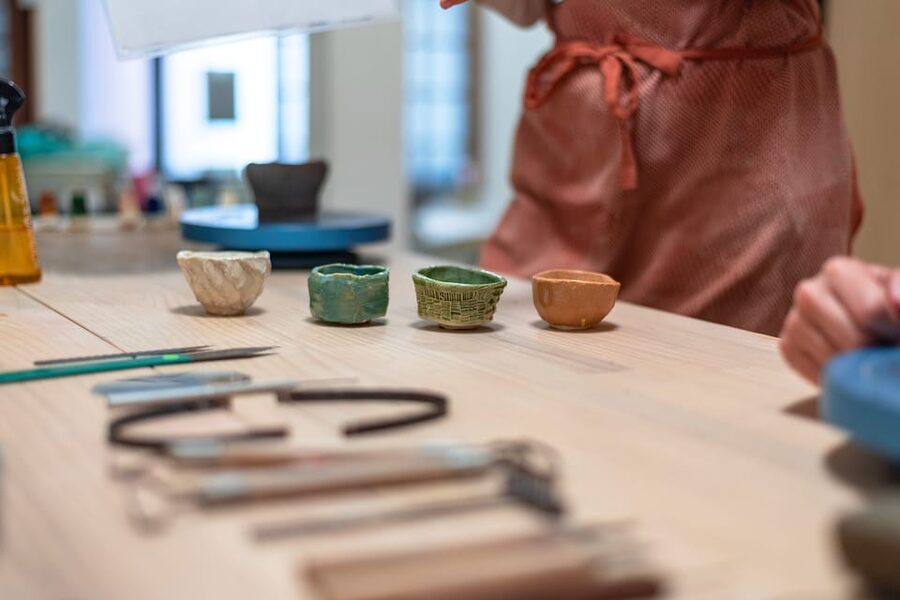
- Kurinuki-style bowl carving: you carve the clay with tools to create a unique design with a wabi-sabi character
- Your name, in Japanese characters: you sign your bowl so it feels like your own souvenir, not a generic one
- Tea-ceremony context, not just pottery: you learn how a matcha bowl fits into the ceremony’s culture
- You pick the bowl color at the end: then you enjoy matcha with sweets in the process
- Private group format: the pace stays comfortable, especially for first-timers
- Bowl shipped about two months later: great keepsake, but you plan ahead since shipping is extra
Osaka’s matcha bowl class: why it feels different than a typical souvenir
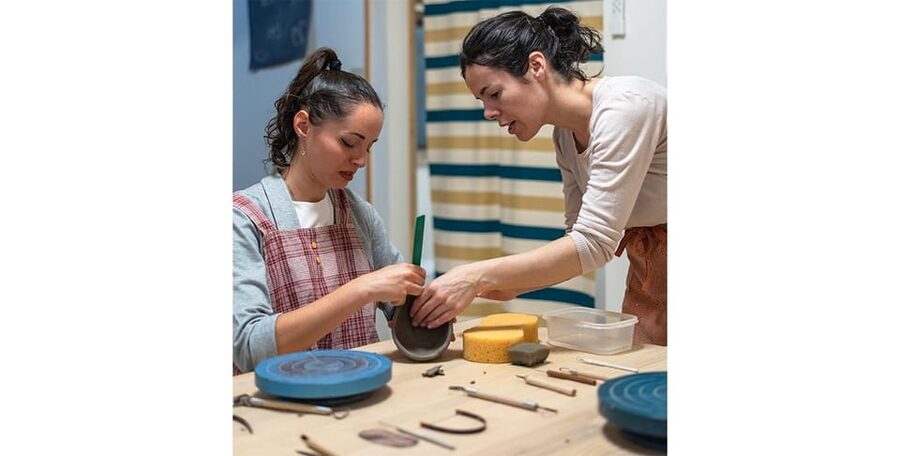
If you’re doing Osaka for food and neighborhoods, this kind of workshop adds a quieter, hands-on win. Most souvenirs are finished when you buy them. Here, you’re involved in the creation. That changes how you remember the trip, because you can trace your trip story into the bowl: the tool work, the design choices, and the slow, careful feel of making something meant to be used.
What makes it especially appealing is the mix of craft and culture. Yes, you’re learning ceramic technique. But you’re also learning why the tea ceremony values objects like a matcha bowl—how form, texture, and imperfection connect to wabi-sabi thinking. In Japan, that matters. In a workshop like this, it gives your hands-on time a deeper purpose.
You’ll also get a private experience in a traditional building. That matters more than you might think. When the setting matches the theme—craft, calm, and respect for materials—you’re less likely to feel rushed or lost. You can actually focus on the process, not just the clock.
You can also read our reviews of more tours and experiences in Osaka.
Meet at JR Teradacho: the simple start that keeps things smooth
Your meeting point is JR Teradacho Station (north exit). You’ll look for the sign that says Ceramics Tocoton. If you’re using pickup service, you’ll want to be ready at the station so the handoff goes fast.
One practical tip: if you’re running late by more than 15 minutes, you should contact them. Past that, it’s treated as a no-show. That’s important because workshop time is the whole point, and pottery steps don’t pause.
Once you’re in, you’re not walking into a high-pressure “craft booth.” You’re stepping into a guided session with explanations in your chosen language. The workshop runs 90 minutes to 2 hours, so you’ll have enough time to learn the technique and still end with a finished-feeling result (even though the bowl itself is shipped later).
Tools, technique, and the kurinuki moment you’ll remember
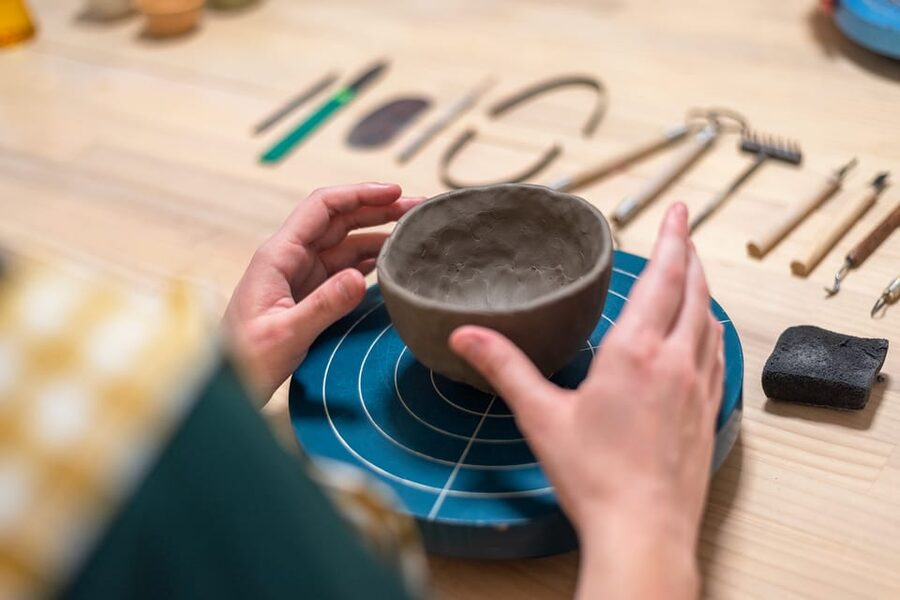
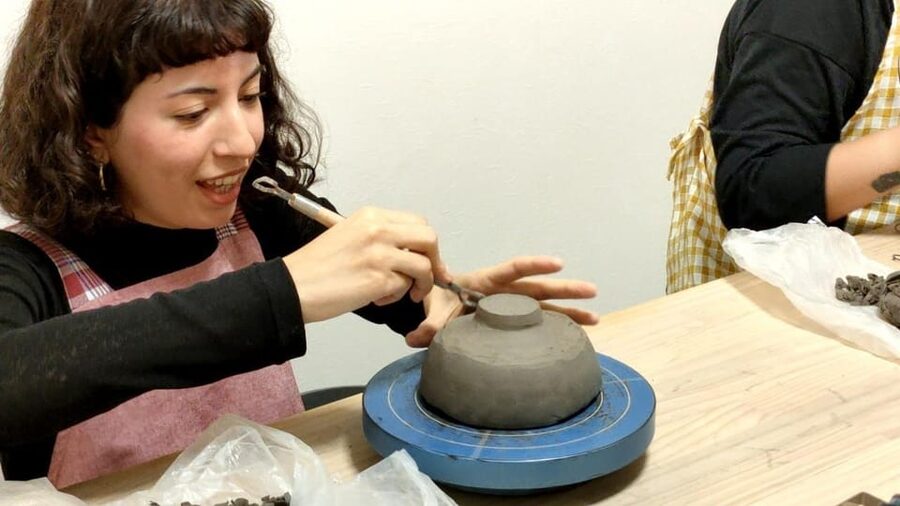
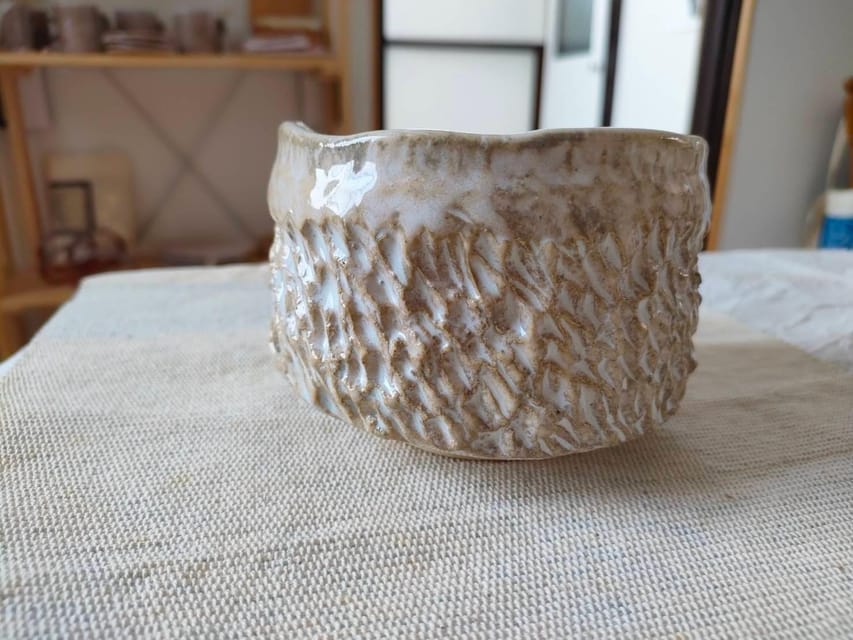
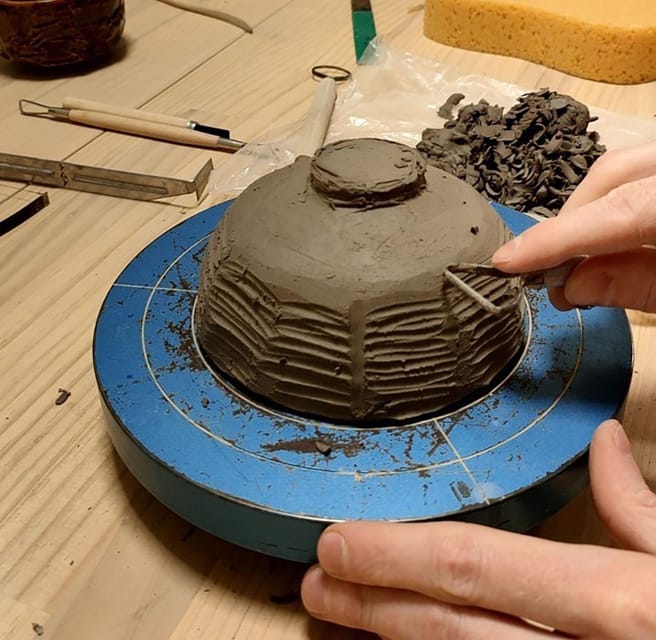
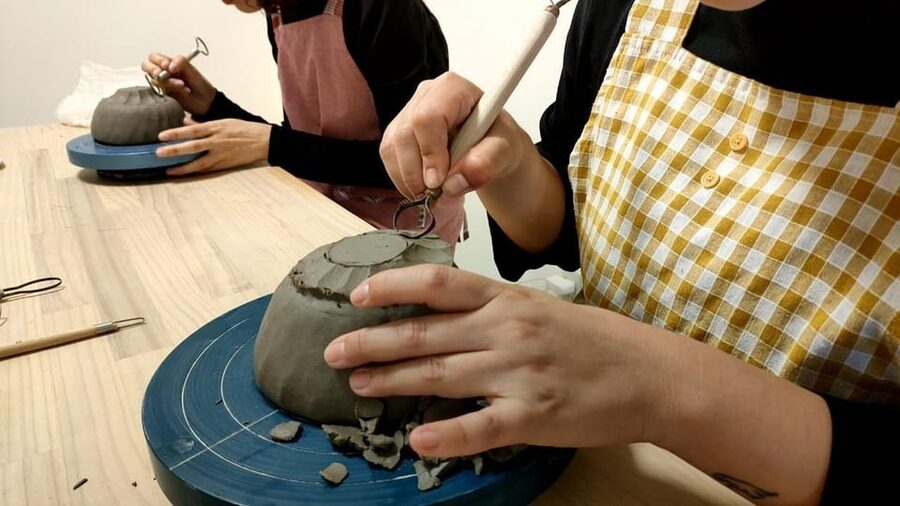
The heart of the experience is decorating your matcha tea bowl with the kurinuki technique. This is a clay-carving method where you use various tools to shape and remove parts of the surface to create your design. The result is meant to feel natural and human-made, with a wabi-sabi character rather than a perfectly uniform look.
This is the part I think most first-timers end up enjoying the most. It’s tactile. It’s also forgiving in a Japanese-way: small imperfections become part of the design story. You don’t have to “be good at art.” You just have to follow the steps and make the choices you want.
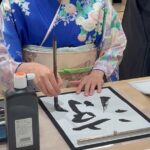
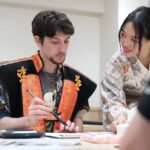
You’ll also learn how to sign your bowl using Japanese characters. That’s a small thing, but it makes a big difference at home. When you use the bowl later—storing sweets, serving matcha, or just setting it on a shelf—it won’t feel like a generic set item. It feels personal.
If you’re worried about not knowing what you’re doing, take comfort from how the workshop is structured for beginners. The experience doesn’t require previous experience, and the instructor guides you through the whole process. In the end, what you take away is a bowl that reflects your choices, not a template.
The tea ceremony connection: why a chawan isn’t just a container
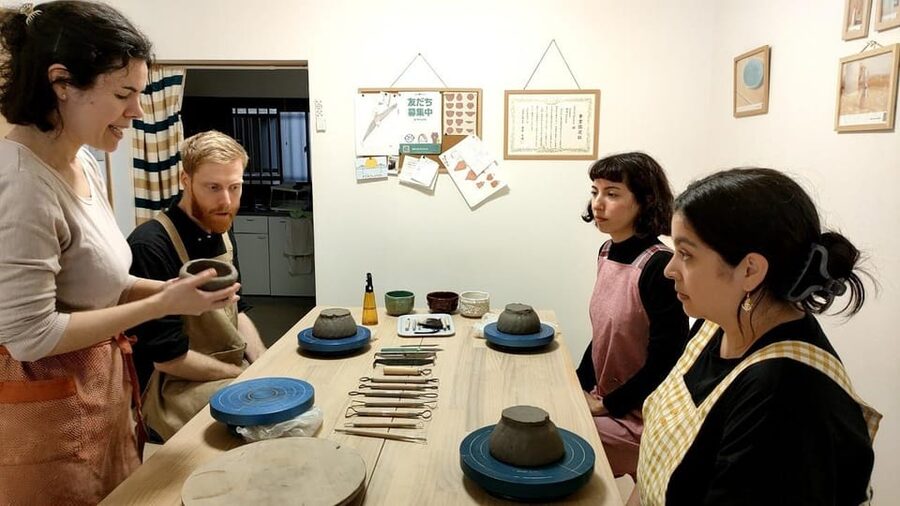
A lot of pottery workshops stop at the clay. This one connects to the tea ceremony, so you understand why the bowl’s shape and surface matter.
During your session, you’ll discuss cultural aspects of using a matcha bowl in the tea ceremony. That likely covers how the ceremony treats objects with respect—how using the right bowl helps shape the overall feel of the moment. Even if you don’t plan to run a full formal ceremony at home, you’ll come away with a new way to look at the ritual of matcha.
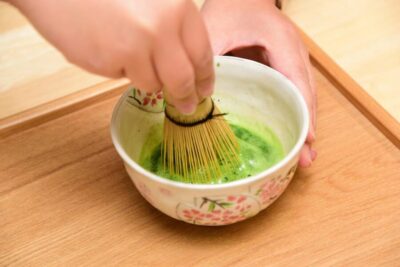
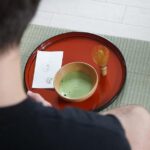
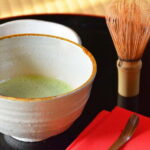
Then, you get to enjoy matcha with Japanese sweets as part of the experience. This is more than a snack. It ties the theory to a real sensory payoff: you make the bowl, and then you drink from it (or a matched setup during the session). That feedback loop is what makes the craft feel complete.
Color choice and the drink-and-sweets finish
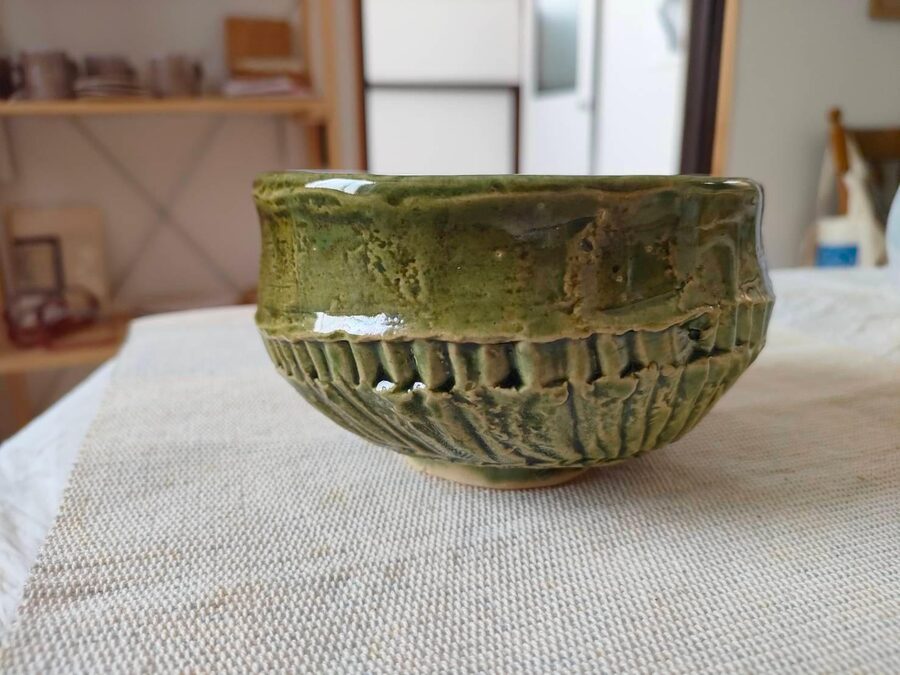
At the end of the session, you choose the color of your bowl. That’s a fun control point, especially if your carving design already feels like you. Color can change the mood of a ceramic piece fast—so being able to pick it during the workshop helps you feel ownership.
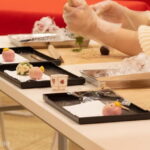
After that, you enjoy a drink. The workshop includes drinks, and you’ll also have Japanese sweets to accompany the matcha. This part works well if you want a break without turning the class into a casual hangout. You still get structure, but you also get to slow down and enjoy the result.
You’ll leave with a ceramic gift included in the experience. So even before the shipped bowl arrives, you’re taking home something tangible from the day.


The instructor experience: Anna’s role in making it easy
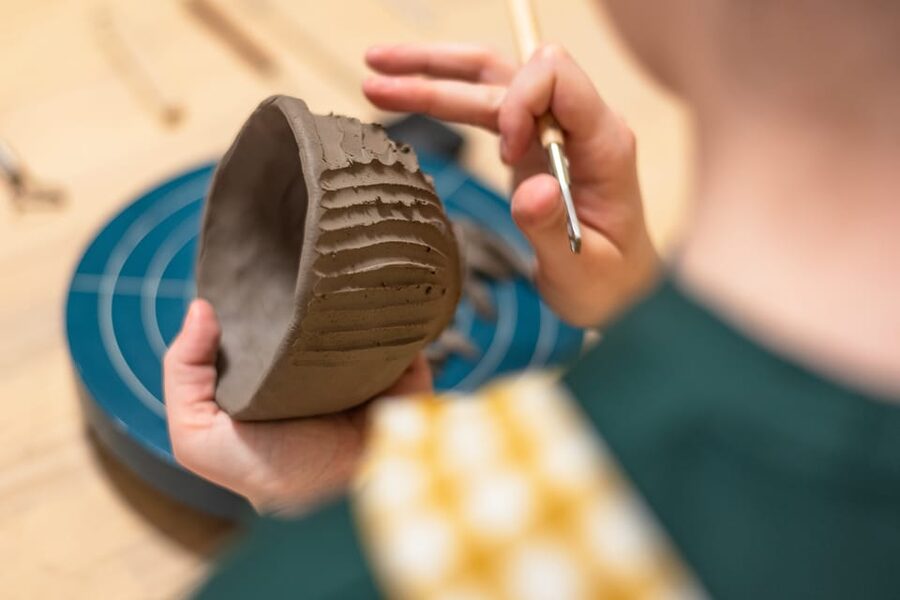
Anna is the ceramist guiding the process. She studied ceramics in Osaka, and she walks you through decorating your bowl step-by-step. What I like about this kind of teaching setup is that it reduces the stress of first-time carving. You’re not guessing. You’re learning the technique and making adjustments as you go.
The workshop is also offered in English, Spanish, Catalan, and Japanese, so you can pick a language that helps you focus. When pottery steps are explained clearly, it changes the whole experience. You’re less likely to get stuck on one part, and you get to enjoy the creative flow.
There’s also a practical side to Anna’s approach. Based on guest feedback, she often shares helpful recommendations for Osaka—especially useful if you’re new to the city and want where-to-eat type advice after your class.
Optional add-on: tea ceremony basics with Kiyomi and Masako
If you want the workshop to go beyond pottery, there’s an optional combined format that adds tea ceremony basics.
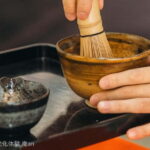
In this combined workshop, tea ceremony masters Kiyomi and Masako guide you through preparing matcha tea first. Then you shift from the tea side to the ceramic side with Anna. In that pottery portion, you’re still making the matcha bowl using traditional techniques.
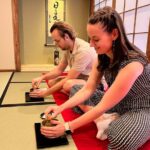
You’ll enjoy matcha tea and Japanese sweets during the ceremony learning, and then you shape and decorate your bowl after. The add-on also includes taking home a small dish as a gift, described as perfect for enjoying sweets during tea ceremony at home.
This option is a good fit if you’re the type who wants the full cultural arc: how matcha is prepared, how sweets are paired, and how the bowl’s role fits into the ritual. If you’re short on time or mainly want the craft keepsake, stick to the standard bowl workshop.
Value check: is $83 per person fair for Osaka?
At $83 per person, the price is reasonable when you look at what’s included. You get station pickup service, all materials and equipment, drinks, cultural and technical explanations, and a ceramic gift. You’re also in a private group, which typically means you’re not competing for attention or waiting your turn.
Where value can shift is shipping. Your bowl is shipped about two months later, but shipping costs aren’t included. You’ll need to contact them for an approximate cost depending on your country and number of people. That’s the one part you should budget early, especially if you’re traveling with just one person.
Still, the wait can be worth it. Instead of carrying a fragile ceramic piece around Osaka, you’re making something you’ll use at home without the travel hassle. It’s an especially good trade if your luggage space is tight or you’re doing lots of day trips.
Logistics that matter on the day: time, lateness, rules
The workshop takes 90 minutes to 2 hours. That’s long enough to learn the carving technique and finish with a color choice, but short enough that it doesn’t swallow your day in Osaka.
You should plan on being on time. If you’re late by more than 15 minutes, it’s treated as a no-show, so protect your schedule with buffer time.
There are also clear rules: alcohol and drugs are not allowed. That’s a normal rule for craft and cultural workshops, and it keeps the session focused.
As for who it suits: it’s not suitable for children under 6, and wheelchair access isn’t available because the space isn’t adapted. If mobility is a concern, it’s worth checking with the provider in advance so you don’t arrive disappointed.
After the workshop: what you can do with the Ikuno Ward momentum
After class, you’ll likely be in/near Ikuno Ward, which can be a good base for exploring at a slower pace. You’ll have a personal souvenir waiting in the mail later, but you get to enjoy the day right now too.
A nice bonus: the experience includes time to shop nearby. One guest noted a small shop with hand-made pottery sold at very reasonable prices. So if your matcha bowl sparks a bigger ceramics interest, you may find extra pieces to bring home—just be mindful of carrying them if you’re heading out immediately.
Who should book this matcha tea bowl experience?
Book it if:
- You want a practical souvenir you can actually use with matcha at home
- You like crafts that connect to culture, not just crafts that fill time
- You’re okay waiting for shipping in exchange for a safer, easier trip
Consider skipping (or picking the add-on carefully) if:
- You need a finished bowl right away to use on the same trip
- You don’t want to handle extra planning for shipping costs later
- Mobility is limited, since the space isn’t adapted for wheelchair users
If you’re doing Osaka and want one experience that’s both personal and calm, this is a strong match.
Should you book this Osaka matcha bowl workshop?
Yes, if you want the kind of souvenir that comes with meaning. The combination of kurinuki carving, guidance from Anna, the Japanese-character signature, and the tea ceremony context makes it more than a one-off activity.
Just go in with the right expectations: your bowl ships about two months later, and shipping costs are extra. If you can plan for that, you’ll end up with something you’ll remember every time you make matcha.
FAQ
How long is the matcha tea bowl workshop in Osaka?
It lasts about 90 minutes to 2 hours, depending on availability and the starting time.
Do I need any prior experience with ceramics?
No. The experience is designed for beginners and does not require previous experience.
What technique will I learn for the bowl?
You’ll learn the traditional kurinuki method, which involves carving the clay with tools to create a unique design.
Will I get my bowl the same day?
Not usually. Your bowl will be shipped to the address you provide in about two months. Shipping costs aren’t included.
What language options are available during the workshop?
The workshop can be conducted in English, Spanish, Catalan, or Japanese.
Is it suitable for children or wheelchair users?
It’s not suitable for children under 6, and it’s not adapted for wheelchair users due to space limitations.